

Are Miniature Highland Cows Right for Your Farm?
Author: Elliott Garber, DVM · Updated
What “Miniature Highland” Actually Means
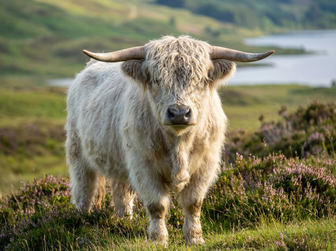
The term “miniature highland” has a specific definition, but it’s one that many sellers and social media accounts get wrong. A miniature highland cow measures under 42 inches at the hip at three years of age. That is the convention most miniature-Highland breeders recognize, though the AHCA does not appear to maintain a formal mini-Highland size class. Standard highland cows typically stand 42 to 48 inches at the hip.
This distinction matters because highland cattle are slow-maturing. They don’t reach full adult size until five to six years of age. A two-year-old heifer that measures 38 inches today may end up at 43 inches by age four, putting her firmly in the standard category. Anyone selling a young animal as “miniature” without acknowledging this reality is oversimplifying the breed’s growth pattern. If the animal isn’t registered, you have even less to go on. Always ask for registration papers and measure at the hip (not the shoulder, which gives a different reading).
For a full overview of the breed’s history, characteristics, and care, see our complete highland cattle breed guide.

Space Requirements: How Much Land Do You Actually Need?
Miniature highlands need less land than standard cattle, but they still need real acreage. The common advice of “one to two acres per animal” is a reasonable starting point, but it depends heavily on your pasture quality, climate, and management approach.
Pasture
Plan for a minimum of one acre per miniature highland on well-managed pasture with good forage production. In arid climates or regions with poor soil, you may need two or more acres per animal. If your pasture is marginal, you’ll be supplementing with hay year-round, which changes the economics significantly.
Rotational grazing is strongly recommended. Dividing your pasture into paddocks and rotating animals every one to three weeks prevents overgrazing, breaks parasite cycles, and allows forage to recover. Even on small acreage, a simple two- or three-paddock rotation makes a meaningful difference in pasture health and animal condition.
Fencing
Highland cattle are generally less pressure-testing on fences than commercial beef breeds, but they’re intelligent and curious. A fence that looks adequate may not hold up once they discover the grass really is greener on the other side. Recommended fencing options:
- Woven wire (no-climb) with a top rail or hot wire: The most reliable option. A 4-foot woven wire fence with a single electric wire at the top is effective and durable.
- Board fencing: Looks good and works well, but is expensive to install and maintain. Use a minimum of four boards with the bottom board close to the ground.
- Electric fencing: Works once animals are trained to it, but requires proper grounding and regular maintenance. Not ideal as the sole containment for horned cattle, as horns can get tangled in temporary electric netting.
Plan for at least 4-foot fence height. Account for the horns when designing gates, chutes, and working facilities. A standard highland’s horn span can exceed three feet tip to tip, so narrow walkways and squeeze chutes designed for polled breeds will cause problems.
Shelter
Highland cattle are among the most weather-hardy breeds in the world, thanks to their double coat: a soft, downy undercoat beneath long outer guard hairs (the dossan). They handle rain, wind, snow, and freezing temperatures with minimal stress. Most highlands rarely use a shelter even when it’s available.
That said, a basic three-sided run-in shelter (roughly 40 to 60 square feet per animal) provides protection from extreme weather and summer sun. Position the open side away from prevailing winds. Good drainage is more important than an elaborate structure. A muddy, wet loafing area around a shelter creates more problems (foot rot, mastitis) than no shelter at all.
Feeding Miniature Highlands
One of the genuine advantages of miniature highland cattle is their feed efficiency. They consume roughly one-third to one-half the feed of a standard-sized cow, and they’re naturally thrifty foragers, a trait bred into the breed over centuries in the sparse Scottish Highlands and Islands.
Forage
Good-quality grass hay is the foundation of a miniature highland’s diet. During the grazing season, pasture should supply most of their nutritional needs. In winter or when pasture is dormant, feed grass hay free-choice. A miniature highland cow will consume roughly 15 to 20 pounds of hay per day, compared to 25 to 35 pounds for a standard cow.
Highland cattle are both browsers and grazers, meaning they’ll eat brush, weeds, and woody plants that other breeds ignore. This makes them excellent for land clearing and conservation grazing. It also means your pasture doesn’t need to be pristine Kentucky bluegrass to support them.
Grain
In most cases, miniature highlands do not need grain. These are easy-keeping animals that gain condition readily on forage alone. Grain supplementation can actually cause problems: obesity (which leads to calving difficulties and metabolic issues), acidosis from rumen pH disruption, and unnecessary feed costs. The exception is during late pregnancy and early lactation, when a small amount of supplemental grain or a complete feed may support the cow’s increased energy demands. Consult your veterinarian or a livestock nutritionist.
Minerals
Free-choice mineral supplementation is essential. Highland cattle are particularly susceptible to copper deficiency, which can cause faded coat color, poor immunity, and reproductive issues. Use a loose cattle mineral (not a block, which restricts intake) formulated for your region. If your area has high molybdenum or sulfur in the soil or water, copper absorption is further compromised, and you may need an enhanced copper supplement. Your local agricultural extension office can help with forage and water testing.

What Miniature Highlands Are Good For
People buy miniature highlands for a variety of reasons. Understanding your purpose helps you select the right animal and set realistic expectations.
- Companion animals and pets: This is the most common reason people seek miniature highlands, and the animals are well-suited to it. Their docile temperament, longevity (18 to 20 years), and manageable size make them rewarding companions. Just remember that “pet” cattle still need proper livestock husbandry. Our guide on highland calf care covers what the first year looks like.
- Breeding stock: The miniature highland market is strong. Quality registered miniature highland calves sell for $3,000 to $8,000, with proven bred cows bringing $5,000 to $15,000 or more. If you’re considering breeding, invest in registered, genetically tested foundation stock. Browse current highland cattle for sale listings to understand the market.
- Small-scale beef: Highland beef is lean, well-marbled, and lower in cholesterol than commercial beef. A miniature highland steer will yield significantly less hanging weight than a standard animal, but for a family looking to raise their own beef, one or two steers can supply a year’s worth of high-quality meat.
- Conservation grazing and land management: Highland cattle excel at clearing brush, managing invasive plants, and maintaining pastures with minimal inputs. Their browsing behavior and light footprint (relative to their size) make them popular for conservation-oriented land management programs.
The Honest Cost Breakdown
Miniature highland cattle are not a budget livestock option. Here’s what to expect financially:
Purchase Price
- Miniature calves (weaned): $3,000 to $8,000
- Open heifers: $4,000 to $10,000
- Bred cows: $5,000 to $15,000+
- Breeding bulls: $3,000 to $10,000+
Prices vary based on registration status, lineage, color (red is most common; unusual colors like silver or white command premiums), age, and conformation. Unregistered animals cost less but carry more risk and have lower resale value. Browse current listings on the highland cattle marketplace to get a feel for current pricing.
Annual Operating Costs (Per Animal)
- Hay and feed: $400 to $800
- Minerals and supplements: $50 to $100
- Veterinary care (routine): $200 to $500
- Hoof trimming (1 to 2 times/year): $50 to $150
- Fencing maintenance: $100 to $300
- Bedding and miscellaneous: $100 to $200
Total annual per-animal cost runs roughly $900 to $2,000, depending on your region, veterinary costs, and whether you’re buying hay or growing your own. Emergency veterinary care (dystocia, injury, illness) can add several hundred to several thousand dollars in a bad year.
Startup Infrastructure
If you’re starting from scratch, budget for fencing ($2,000 to $8,000 depending on acreage and materials), a shelter ($500 to $3,000), water system ($200 to $1,000), and basic handling equipment (halters, lead ropes, a working chute or at minimum a head catch). Total startup costs beyond the animal purchase typically run $3,000 to $12,000.
The Honest Pros and Cons
Pros
- Manageable size for small acreage and first-time cattle owners
- Hardy, cold-tolerant, and low-maintenance relative to other breeds
- Docile temperament (when properly socialized)
- Efficient foragers with lower feed costs
- Long-lived and productive into their teens
- Strong market demand and good resale value for registered stock
- Dual-purpose potential (breeding stock, beef, land management, companion)
Cons
- High upfront purchase cost
- Horns require handling knowledge and appropriate facilities
- Heat-sensitive in hot, humid climates (that double coat is a liability above 80 degrees Fahrenheit)
- Slow-maturing, so you’re committing to years before an animal reaches full size or breeding age
- Limited availability of quality breeding stock in some regions
- Not suited to intensive production or feedlot systems
- Potential for chondrodysplasia in some miniature lines
Making the Decision
Miniature highland cattle are genuinely well-suited to small farms and homesteads, but only if you go in with accurate expectations. They are real livestock that require real infrastructure, real veterinary care, and a real time commitment over a potential 20-year lifespan. They’re not lawn ornaments, and social media doesn’t show the early morning hay feeding in January or the $800 emergency vet bill when a calf gets scours.
If you have the land (minimum one to two acres per animal), the budget (plan on $5,000 to $10,000 to get started with one animal plus infrastructure), the climate (they thrive in cold; they struggle in heat), and the willingness to learn, a miniature highland is one of the most rewarding animals you can raise. Start by connecting with experienced highland cattle breeders who can answer your specific questions and help you find the right animal for your situation. And once you’ve committed, our highland cow name generator can help with the fun part.







