
Do Teacup Mini Highland Cows Really Exist?
Author: Elliott Garber, DVM · Updated
The “Teacup Highland Cow” Doesn’t Exist
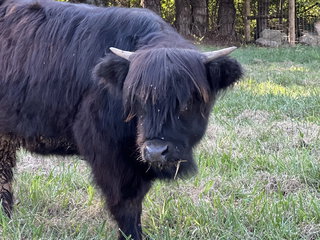
If you’ve scrolled through Instagram or TikTok recently, you’ve seen them: impossibly small, fluffy highland calves captioned as “teacup mini highland cows.” The videos rack up millions of views. The comments fill with heart-eye emojis and “where can I buy one?” And the whole thing is built on a term that has no basis in breed standards, registry classifications, or cattle biology.
There is no such thing as a teacup highland cow. The term is pure marketing, borrowed from the world of designer dog breeding and applied to highland cattle to drive up prices and social media engagement. What does exist are miniature highland cattle, a real small-size breeding convention with real care requirements. Understanding the difference will save you thousands of dollars and potentially spare an animal from a life of health problems.

What Miniature Highland Cattle Actually Are
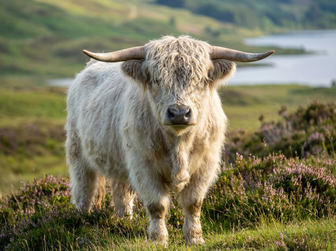
Highland cattle are the oldest registered breed of cattle in the world, with a herd book dating back to 1884 in Scotland. They come in a natural range of sizes, and miniature-Highland breeders commonly use these hip-height categories (measured at about three years of age):
- Standard highland cows: 42 to 48 inches at the hip
- Miniature highland cattle: under 42 inches at the hip
That’s the real classification. There is no “teacup” category. There is no “micro mini” designation in any recognized registry. Breeders using those terms are inventing categories to justify premium pricing on animals that are either very young calves (which are all small), miniature highlands being sold under a flashier name, or animals carrying genetic conditions that cause abnormally small stature.
If you’re searching for a small highland, the correct term is miniature highland cattle. Using accurate terminology helps you find reputable breeders and protects you from misleading sales tactics.
Why the Social Media Hype Is Misleading
Most “teacup highland cow” content features calves that are days or weeks old. Highland calves are born at 40 to 70 pounds and look exactly like the tiny, fluffy animals in viral videos. Every highland calf looks like a “teacup cow.” That’s what calves look like.
Here’s what those videos don’t show: highland cattle are slow-maturing animals that don’t reach full size until age five or six. A calf that looks “micro” at six months old may grow into a perfectly standard-sized animal by maturity. Sellers who advertise young animals as “teacup” or “micro mini” based on their current size are either uninformed or deliberately misleading buyers.
Highland cattle can live 18 to 20 years and remain productive well into their teens. When someone buys a “teacup” calf expecting it to stay tiny, they’re often shocked when their 500-pound “micro” cow is pushing 42 inches at the hip by age four. That disconnect between expectation and reality leads to animals being rehomed, sometimes repeatedly.

The Chondrodysplasia Problem
When breeders try to produce the smallest possible animals, they sometimes introduce the chondrodysplasia gene, a form of dwarfism most commonly found in Dexter cattle. This gene does produce smaller animals, but it comes with serious consequences.
Chondrodysplasia (often shortened to “chondro” in breeder circles) traces to the BD1 mutation in the aggrecan, or ACAN, gene, which governs cartilage and bone development. It is a semi-dominant condition, which is the key to understanding why it matters so much for buyers. A single copy of the gene produces disproportionately shortened legs and the compact “mini” look that drives premium pricing, and carriers may also develop arthritis or other joint problems as they age. The danger is in the second copy.
When an animal inherits two copies of the gene, the result is lethal. The calf develops severe skeletal deformities (sometimes called a “bulldog calf”) and is typically aborted around the seventh month of gestation or stillborn. There are no survivors. Because the gene is passed in standard fashion, breeding two carriers together means roughly 25% of calves will inherit two copies and be lost. Responsible breeders test every animal and never pair carrier to carrier, which removes that risk entirely.
Any “micro” highland cattle standing well under 36 inches at maturity almost certainly carries chondrodysplasia, often introduced through Dexter crossbreeding. That means the animal is not a purebred highland, regardless of what the seller claims. Commercial DNA testing can confirm both breed purity and chondrodysplasia carrier status, and it is widely available and affordable through labs such as the UC Davis Veterinary Genetics Laboratory, Neogen, and Texas A&M. Any breeder selling miniature highland-type cattle should be able to hand you those results. If they can’t or won’t, walk away.
This is the real danger behind the “teacup” craze. Buyers pay premium prices for the smallest animals, which incentivizes breeders to select for extreme small size, which increases the prevalence of chondrodysplasia in miniature highland lines. It’s a cycle that prioritizes aesthetics over animal welfare. None of this should discourage you from owning a smaller highland-type animal. It is simply the information that lets you ask the right questions and buy with your eyes open.
What Responsible Miniature Highland Breeding Looks Like
Legitimate miniature highland breeders take a different approach. Rather than chasing the smallest possible animals, they breed for correct conformation, good temperament, and overall health at a smaller scale. Here’s what separates responsible programs from the “teacup” sellers:
- Registration with AHCA or another recognized registry. Registration requires documented parentage and provides a verifiable record of the animal’s lineage.
- Genetic testing. Responsible breeders test for chondrodysplasia and can show you results. They’ll also be transparent about any crossbreeding in the animal’s background.
- Accurate size representations. Good breeders measure and report hip height honestly and won’t guarantee a specific adult size for a young calf.
- Health records. Vaccination history, deworming protocols, and veterinary exam records should all be available.
- Willingness to educate. Responsible breeders want you to succeed. They’ll discuss fencing needs, feed requirements, and the realities of cattle ownership before they’ll sell you an animal.
You can find established breeders through the highland cattle breeder directory on Creatures, or through the AHCA’s own breeder listings.
Red Flags When Shopping for Miniature Highlands
If you’re in the market for a miniature highland, watch for these warning signs:
- “Teacup,” “micro mini,” or “pocket” in the listing. These are marketing terms with no breed standard definition. Sellers using them are either uninformed or deliberately creating hype.
- No registration papers. If the animal isn’t registered, you have no way to verify its lineage, breed purity, or parentage. Unregistered animals are a significant financial risk.
- Guarantees of adult size based on a young calf. No one can guarantee how large a highland calf will be at maturity. Any breeder making size guarantees on calves under a year old is overpromising.
- Prices that seem too good to be true. Quality miniature highland calves typically sell for $3,000 to $8,000 or more. Bred cows from proven lines run $5,000 to $15,000 and up. An unusually cheap “mini” highland may not be miniature, may not be purebred, or may have undisclosed health issues.
- Reluctance to share health records or genetic testing. If a breeder won’t provide documentation, walk away.
- Heavy social media presence with no substance. Cute photos are easy. Registration papers, genetic test results, and veterinary records are what matter.
What You’re Actually Getting with a Miniature Highland
A genuine miniature highland cow is still a real bovine. At maturity, even a small miniature will weigh 400 to 700 pounds and stand around 36 to 42 inches at the hip. These are not house pets. They need proper fencing, shelter, pasture or hay, mineral supplementation (copper is especially important for highlands), and routine veterinary care.
That said, miniature highlands are genuinely wonderful animals for small acreage. They’re hardy, cold-tolerant thanks to their signature double coat (a downy undercoat beneath a long outer coat), and they’re efficient foragers that do well on hay-based diets with lower feed costs than standard cattle. Their temperament is typically docile, though their horns require handling knowledge and respect. You can learn more in our complete highland cattle breed guide.
If you’re ready to buy, browse highland cattle for sale on Creatures, where listings include registration status, health records, and verified breeder information. And if you’re still in the dreaming phase, our highland cow name generator can help you get started on the fun part while you do your research.
Call Them What They Are
The “teacup highland cow” is a social media invention. The miniature highland cow is a real animal with real care requirements and a real place on small farms and homesteads across the country. If you want one, learn the correct terminology, find a reputable breeder, ask for registration and genetic testing, and go in with realistic expectations about size, cost, and commitment. You’ll end up with a healthier animal, a better experience, and the satisfaction of supporting responsible breeding practices rather than a social media gimmick. For real pricing data from recent highland cattle auctions, follow our Small Cows, Big News newsletter.