

Where to Buy Miniature Highland Cattle: How to Find and Check a Breeder
Author: Elliott Garber, DVM · Updated
Miniature Highland cattle are sold by ordinary Highland breeders. There is no separate miniature Highland breed, no national miniature Highland registry, and no official list of mini sellers to shop from. What exists instead is a scattered set of small farms, most running a handful of cows, that have selected their herd down in size over several generations and sell a few calves a year.
That shapes how you find one. Two places do most of the work: the Creatures breeder directory for Highland cattle, where you can compare farms by location before you contact anyone, and live Highland listings on the Creatures marketplace, where animals that are actually available show up with photos, location, and price. Supply is thin and seasonal, so plan to wait rather than to browse and buy.
| What “miniature” means | A size description, not a breed. The common working line is under 42 inches at the hip at about three years old. |
|---|---|
| Registry reality | The AHCA keeps a fullblood herd book and a separate Sovereign registry for crossbreds, and the Heartland association runs a third, open registry. None of them has a miniature class. |
| Where to look | Breeder directory, live listings, saved search alerts, breed association members, farm gate referrals, consignment sales. |
| Typical wait | Months. Deposits placed well before a calf is on the ground are normal. |
| Price context | Pet or companion steer about $525 to $2,000. Registered breeding heifer about $5,500 to $13,500. Premium miniature and micro heifers about $12,000 to $20,500. |
| Settle before you pay | Chondrodysplasia test results for the animal and both parents, in writing. |
| Minimum order | Two. Cattle are herd animals and a single Highland is not a workable plan. |
| Also budget for | Hauling by the mile with a minimum, a health certificate, official ID for interstate movement, and brand inspection in some states. |
Full price detail, including what recent auction seasons returned, is in the Highland cow cost guide. This page is about sourcing.
Miniature is a size, not a breed, and papers never say miniature
The American Highland Cattle Association keeps the fullblood Highland herd book. It also runs a completely separate registry, the Sovereign registry, for crossbred animals that have at least one AHCA registered parent and whose lineage is between 25 and 75 percent Highland blood. The AHCA states plainly that Sovereign is not a breeding up program, that it is entirely separate from the herd book, and that the papers say the animal is crossbred. Neither book has a miniature class. Nothing in AHCA registration certifies height.
That cuts two ways. A fullblood Highland that happens to be small is fully registerable, and its papers prove pedigree, not size. The very smallest animals, though, are often crossed down with another small breed, which puts them outside the fullblood herd book, and the Sovereign rules exclude some of those crosses too: the non Highland parent must be of Bos taurus beef breed origin, so a miniature Zebu cross cannot be Sovereign registered either. “Micro” and “AHCA registered” often pull against each other. Ask which one you are being sold.
There is a third book as well. The Heartland Highland Cattle Association added an open Highland registry in 2019, which records animals as foundation stock against a breed standard it wrote itself. It publishes no miniature class either.
Private miniature cattle registries do exist and will issue papers on the basis of a measured height. One was founded in 1989 and recognizes more than two dozen small breeds. Those papers are a real record of a measurement, but they are not AHCA papers and do not mean the same thing. Every one of these books gets described in a listing as simply registered. So when a seller says registered, ask which registry, and ask to see the certificate before you pay rather than after.
There is no official height standard either. The line most of the market uses is under 42 inches at the hip at around three years old, against roughly 42 to 48 inches for a full size Highland cow. Highlands mature slowly, so a height taken at eight months says little about where an animal finishes, and a photograph says nothing at all. Ask for a hip height, the date it was taken, and the animal’s age on that date. If you are being offered something billed as smaller still, read our piece on whether teacup mini Highland cows are a real thing first.
The one genetic question to settle before you pay
Short legs are most of what makes a Highland look miniature, and in cattle short legs often trace to a single gene. Chondrodysplasia, the mutation behind so called bulldog dwarfism, sits in the aggrecan gene and is semi dominant. One copy makes a smaller animal with noticeably shorter legs. Two copies are lethal: the study that identified the mutation in Dexter cattle describes affected fetuses as extremely and disproportionately dwarfed, typically lost around the seventh month of gestation.
This is not a Dexter only problem. A 2016 case report in the Journal of the American Veterinary Medical Association describes a two year old miniature Scottish Highland cow that developed hydrops, required a caesarean section, and delivered a stillborn chondrodystrophic bull calf. Genetic analysis confirmed that both the sire and the dam carried the aggrecan mutation. A young cow went through major abdominal surgery for a calf that was never going to live.

The honest version of this debate is not that carriers are bad animals. A carrier usually lives a normal life, and its shorter legs are exactly the look the miniature market pays a premium for, which is why some of the dearest animals in the breed are carriers on purpose. The cost does not land on the animal you buy. It lands on the mating you make later. Breed two carriers and roughly one calf in four inherits two copies and dies, usually as an abortion in mid to late gestation, and the dam can face a difficult or surgical calving on the way. Breed a carrier to a tested non carrier and no calf can inherit two copies at all. The second program is defensible. The first is not.
So the question is never whether a breeder uses carriers. It is whether they know, whether they tell you without being pushed, and whether they mate accordingly. You cannot work it out by looking. The American Dexter Cattle Association, whose breed carries the same mutation, is direct about it: many carriers can be spotted visually, but not reliably, and only genetic testing identifies the mutation. With miniature Highlands even that clue disappears, because they are bred short anyway.
Ask in writing for the chondrodysplasia test result for the animal you are buying and for both of its parents, from a veterinary genetics laboratory, tied to the animal’s own identification. The test costs a small fraction of any price on this page. A program selling five figure animals that cannot produce those results, or that treats the question as an insult, has already answered you.
Where people actually find them
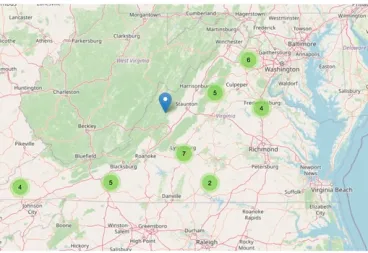
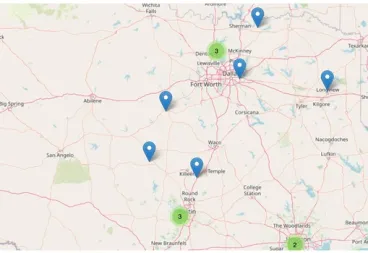
The breeder directory. Start here to compare programs rather than chase one animal. Filter to Highland breeders and farms by location, or narrow to the miniature Highland facet if size is the whole point of your search.
Live listings. Highland cattle for sale shows what is available now with photos, location, and asking price. Good mini calves rarely sit unsold, so a saved search that emails you on each new one beats refreshing the page. See saving searches and using your watchlist and making an offer on a listing.
Breed association members. The American Highland Cattle Association is the national registry, and the Heartland Highland Cattle Association, which runs its own open Highland registry alongside its member network and cataloged sales, is the other place to look. Membership is not a quality guarantee, but it does mean the seller participates in a herd book you can check.
Consignment and production sales. Breed sales are where the top of this market prices itself, and they work if you can read an animal on the spot. You get less background than a farm visit, animals are commingled with stock from other herds, and there is little recourse afterward. Attend one as a spectator before you bid at one.
Farm gate and word of mouth. Feed stores, extension offices, county fairs, and local cattlemen’s associations still turn up breeders who do almost no online marketing, and a quiet farm gate sale is usually the cheapest way to buy.
Community groups. Social media groups and homesteading forums carry real private sales and honest recommendations. They also carry no structure: no verified identity, no records, no recourse. Everything below applies double there.
Telling a real program from a flipper
A breeding program keeps animals through a winter, watches how its own calves turn out, and can show you the dam. A flipper buys calves and resells them weeks later at a markup, often without knowing what they are selling. Both advertise the same way.
Signs you are talking to a program:
- The dam is on the property and you can see her, along with earlier calves out of the same cow.
- They give you hip heights with the date and the animal’s age attached, not adjectives.
- They raise chondrodysplasia status before you do, and can produce lab results.
- They ask you questions: your fencing, your shelter, whether you are buying two.
- They will tell you an animal is wrong for you and lose the sale.
- They can explain what they select for and show you three generations of it.
Signs you are talking to a flipper or worse:
- Every animal is available now and there is never a wait.
- No dams on site, and vague answers about where the calves came from.
- Price is quoted before any question about you, then urgency: another buyer is interested, the price goes up tomorrow.
- “Teacup” or “micro” language with no measurement behind it.
- Registration claimed but papers never produced, or produced only after payment.
Ask every seller the same short list: current hip height and the date it was taken, purebred or crossbred and with what, which registry and can you see the papers, vaccination and deworming history, chondrodysplasia status of the animal and both parents, what it is eating now, and what happens if a veterinarian finds a problem in the first week. A seller who bristles at any of that has told you something useful.
Scams, and the shapes they come in
Livestock fraud is not exotic. It runs on the same mechanics as every other online scam: a price that is too good, a reason you cannot come see the animal, and a payment method that cannot be reversed.
- A price far under the market. The bands in the cost guide are your reality check. A registered miniature heifer offered at pet steer money is not a bargain, it is bait.
- No visit and no live video. Biosecurity is a fair reason to limit farm visits. It is not a reason to refuse a video call where the seller walks up to your animal and talks to you next to it.
- Photos that belong to someone else. Run a reverse image search on every photo before you send money.
- Irreversible payment only. Wire transfers, payment apps, gift cards, and cryptocurrency are effectively cash, and the FTC treats being told you can only pay one of those ways as a scam signal by itself. On wires it is blunt: once you send it, you usually cannot get it back.
- Surprise transport fees. The animal is cheap, then a “shipping company” needs extra for a crate, insurance, or a permit. Real haulers invoice you directly and you can call them.
- Overpayment, if you are selling. Tennessee’s Department of Agriculture has warned cattle producers about buyers who promise a check above the sale price with money added for shipping, and it tells sellers to be wary of any offer to pay over the purchase price even when the reason sounds valid. The check may be counterfeit or drawn on an account with insufficient funds, so call the bank it is drawn on and confirm it before you act on it.
Two habits prevent nearly all of it: never pay before a live video call or a visit, and put the sale on paper. A bill of sale naming both parties, the animal and its identification, the price, who files the registration transfer, and what happens if the animal is sick on arrival costs nothing and settles most disputes before they start.
Deposits, waitlists, and paperwork
Deposits are normal here. Good calves are often spoken for months before weaning, so a deposit well ahead of a calf being available is standard practice, not a warning sign. What matters is what the document says, so get answers before you send money: is it refundable, what happens if the cow has a bull calf when you wanted a heifer, what happens if the calf dies or does not reach the size you were promised, how long your place is held, and whether the deposit rolls to the next calf.
Settle the registration transfer at the same time. Decide who files it and when, and whether papers travel with the animal or follow later. Transfer fees are modest but change with timing and membership status, so agreeing up front beats arguing afterward.
Deposit terms belong in the sale agreement. The program waitlist guide, written with cattery examples, explains how to keep application decisions and queue offers separate from paid reservations.

Getting the animal home
Health certificate. Interstate movement requires a certificate of veterinary inspection from an accredited veterinarian. The validity window is set by the destination state and is often 30 days, so confirm the destination state’s rule rather than assuming.
Official identification. Under the USDA rule on the use of electronic identification eartags, effective 5 November 2024, eartags applied on or after that date must be both visually and electronically readable to count as official for interstate movement of covered cattle. Covered classes include all sexually intact cattle 18 months and older and cattle of any age going to shows, exhibitions, rodeos, or recreational events. Tags applied before that date stay official for life. Most minis sell as calves, under the age cut, but a bred heifer crossing a state line is squarely in scope.
Brand inspection. Several western states require it. Colorado, for example, requires a livestock inspection before any change of ownership, before transport of more than 75 miles inside the state, and before transport out of state. Check both the origin and destination states.
Hauling. Commercial haulers price by the mile with a minimum charge. Ask whether a quote counts only the miles with your animal aboard or the whole round trip, because that roughly doubles the same haul. Oklahoma State University Extension’s custom rate survey put cattle hauling by trailer at about $2.49 a mile in its fall 2021 survey of Oklahoma operators, on eleven reports, and rates have climbed since, so treat that as a floor rather than a quote. Many breeders deliver locally for a fee, which is usually cheaper and calmer for one or two animals.
Quarantine and testing. Keep new arrivals away from any existing cattle for at least two to four weeks. Bovine viral diarrhea is the specific reason: a persistently infected animal can look completely normal and sheds virus constantly, and the Merck Veterinary Manual treats testing and removal of those animals as central to control. Ask whether the animal has been tested, and talk to your own veterinarian about testing on arrival.
Before you commit
Have the basics standing before you shop, not after you have paid a deposit. Fencing in good repair, with handling areas that account for horns. A three sided shelter or a real windbreak. Water that does not freeze solid. A hay source and mineral program lined up, which the guide on what mini Highland cattle eat covers. A large animal veterinarian who will see cattle, arranged before you need one at 6am.
And buy two. Highlands are herd animals and a lone cow is a stressed cow. Still deciding whether the breed suits your place at all? Start with what to know before you buy a Highland cow and the main Highland cattle breed guide.

Frequently asked questions
Where can I buy miniature Highland cattle?
From Highland breeders who select for small size, found through a breeder directory, live listings, breed association member lists, consignment sales, or local referrals. No separate mini registry keeps an official seller list, so sourcing is farm by farm.
How much should I expect to pay?
A pet or companion steer commonly runs about $525 to $2,000, a registered breeding heifer about $5,500 to $13,500 by pedigree, and premium miniature and micro heifers about $12,000 to $20,500. The cost guide covers what recent sale seasons returned and why one breed spans that range.
Can miniature Highlands be registered?
A fullblood Highland can be AHCA registered at any size, and some crossbreds qualify for the separate Sovereign registry. The Heartland association runs a third, open registry. None of the three publishes a miniature class, so no Highland paper certifies that an animal is a mini. Private miniature registries record measured height instead, which is a different claim.
Can a breeder promise how small a calf will finish?
No, and be wary of anyone who does. A breeder can show you the parents, their measured heights, and what earlier calves out of that pairing finished at. That is evidence. A promise is not.
Is it safe to buy without visiting?
It can be, with substitutes for the visit: a live video call standing next to the specific animal, current video of it moving, verified papers, health and test records, a written bill of sale, and a traceable payment method. Skip any of those and you are relying on the seller’s honesty alone.
Do this next on Creatures
Find a breeder. Compare trusted Highland farms by location in the breeder directory, or go straight to the miniature Highland facet.
See what is for sale now. Browse Highland cattle listings, then read making an offer on a listing before you message a seller.
Get told when one appears. Set a listing alert for Highland cattle and we will email you when a new one is posted. No account needed to start. See saving searches and using your watchlist.
Start the record the day you agree to buy. Create a free profile for your Highland and keep hip heights, registration number, test results, and photos in one place. Guests can start one without an account. See adding an animal to Creatures.
Log the paperwork as it happens. Add a record for the health certificate, the chondrodysplasia result, vaccinations, and the arrival exam. The form opens for visitors, and a free account is what saves it. See health and medical records and adding a record.
Breeding Highlands yourself? Create a farm or breeder profile so buyers find you the way you found your breeder. See getting listed in the breeder directory.
Still choosing a name? The Scottish Highland cow name generator is a better use of a waitlist than refreshing listings.







