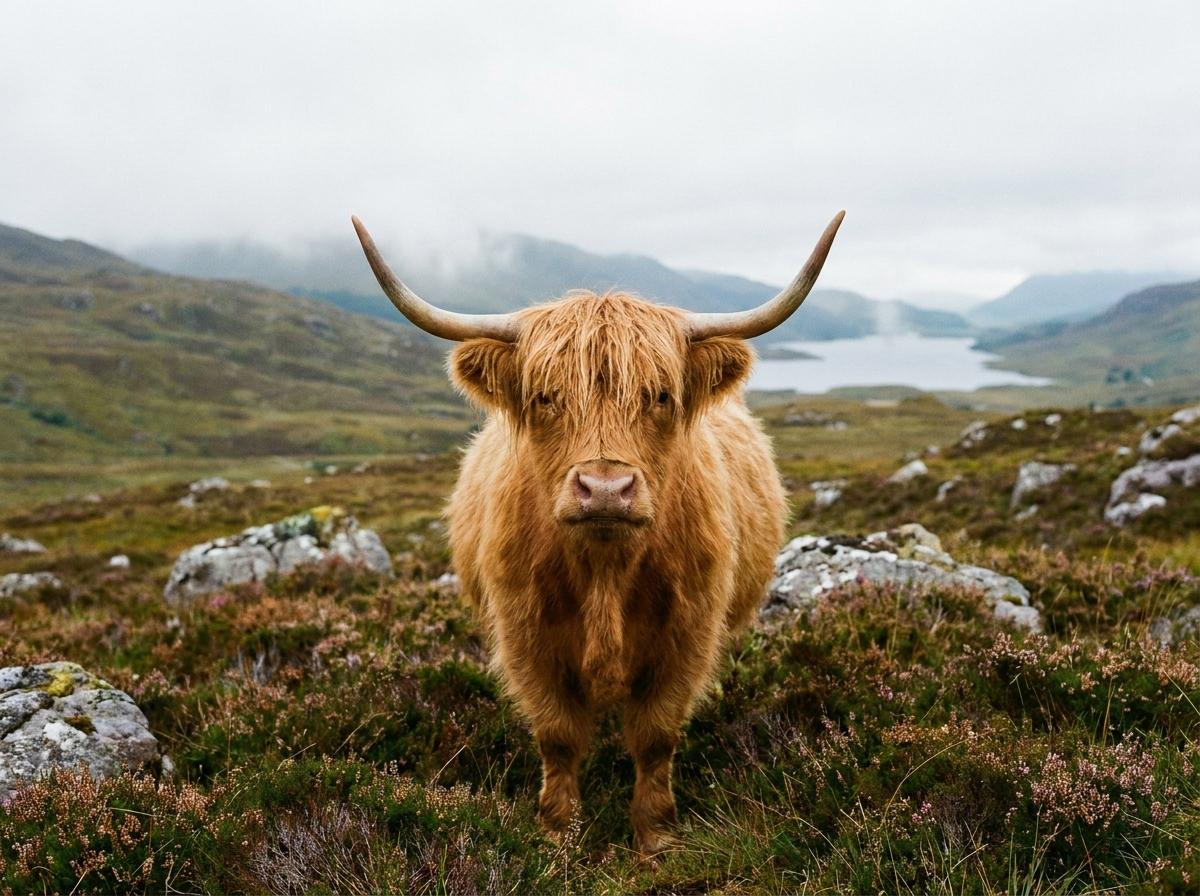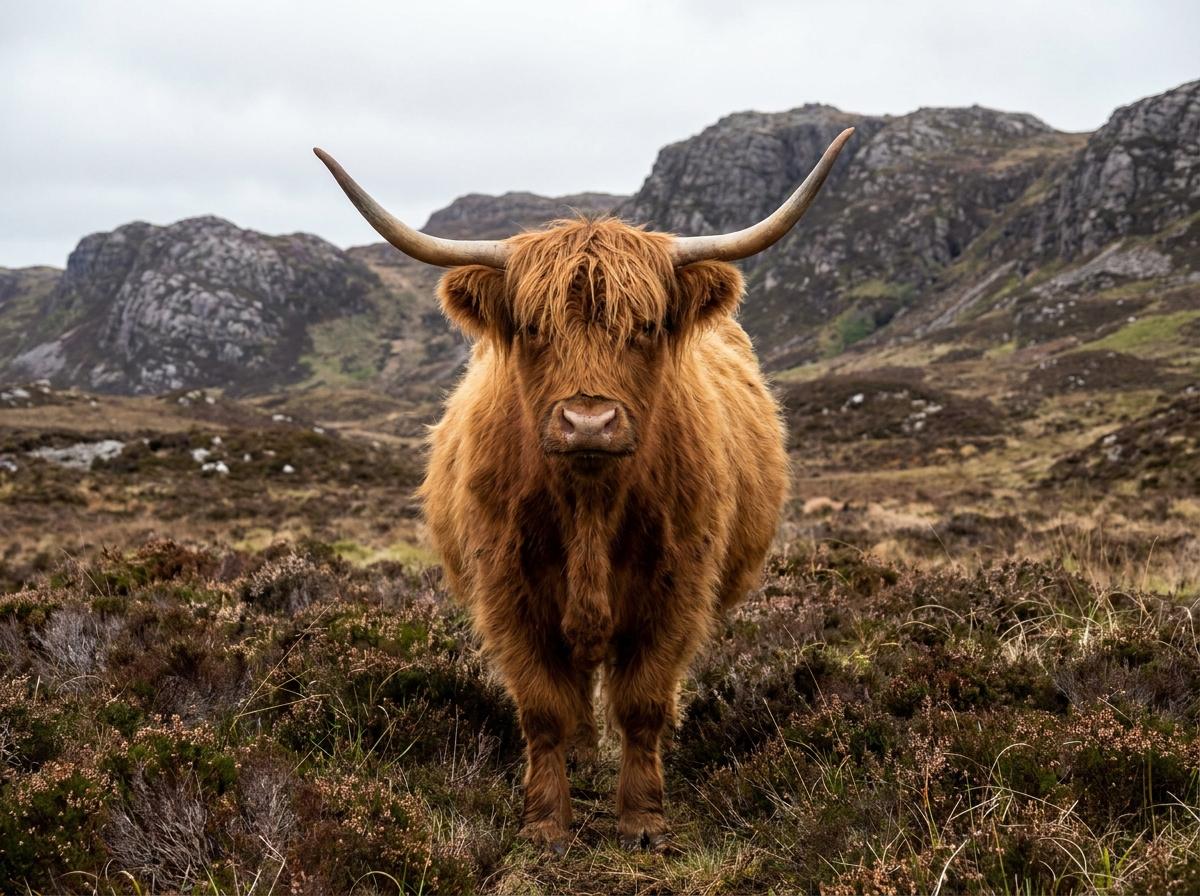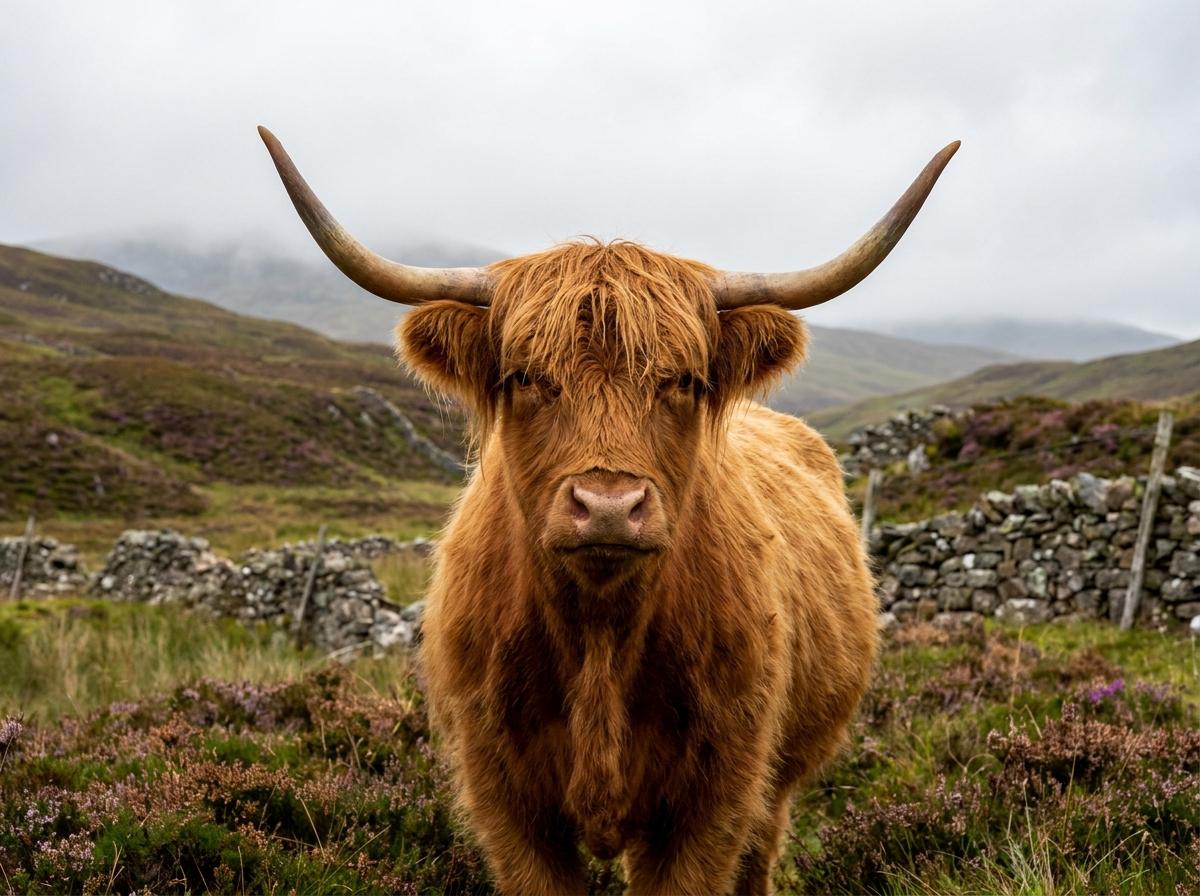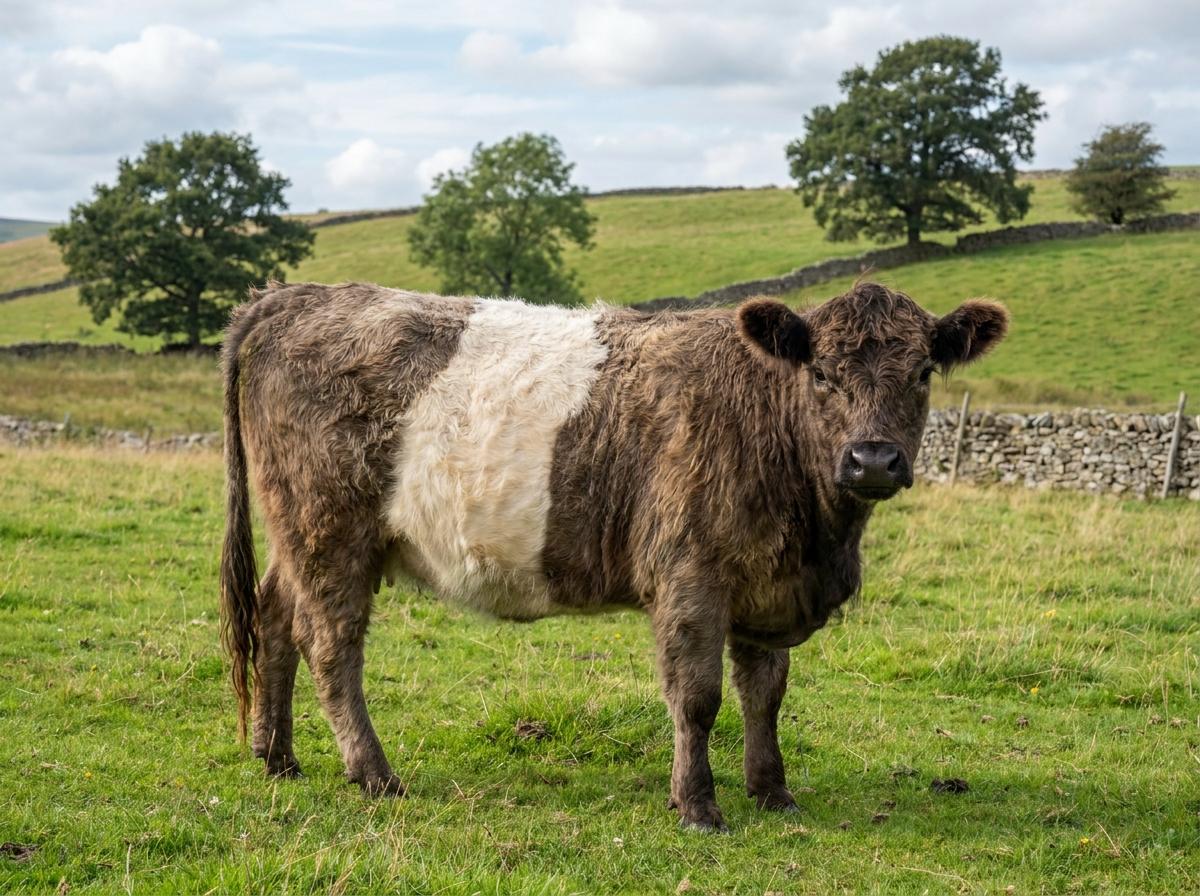
Hereford
Author: Elliott Garber, DVM · Published
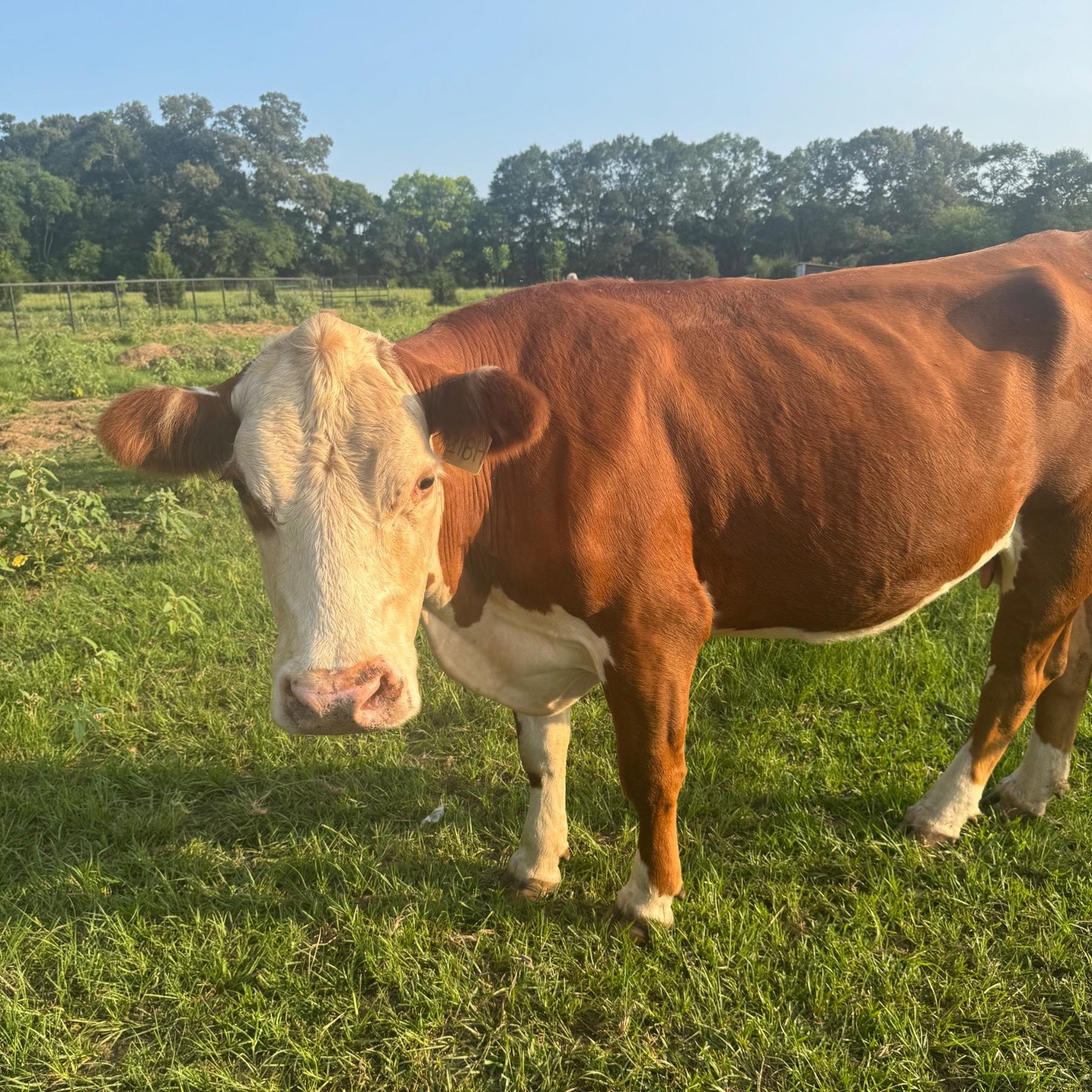
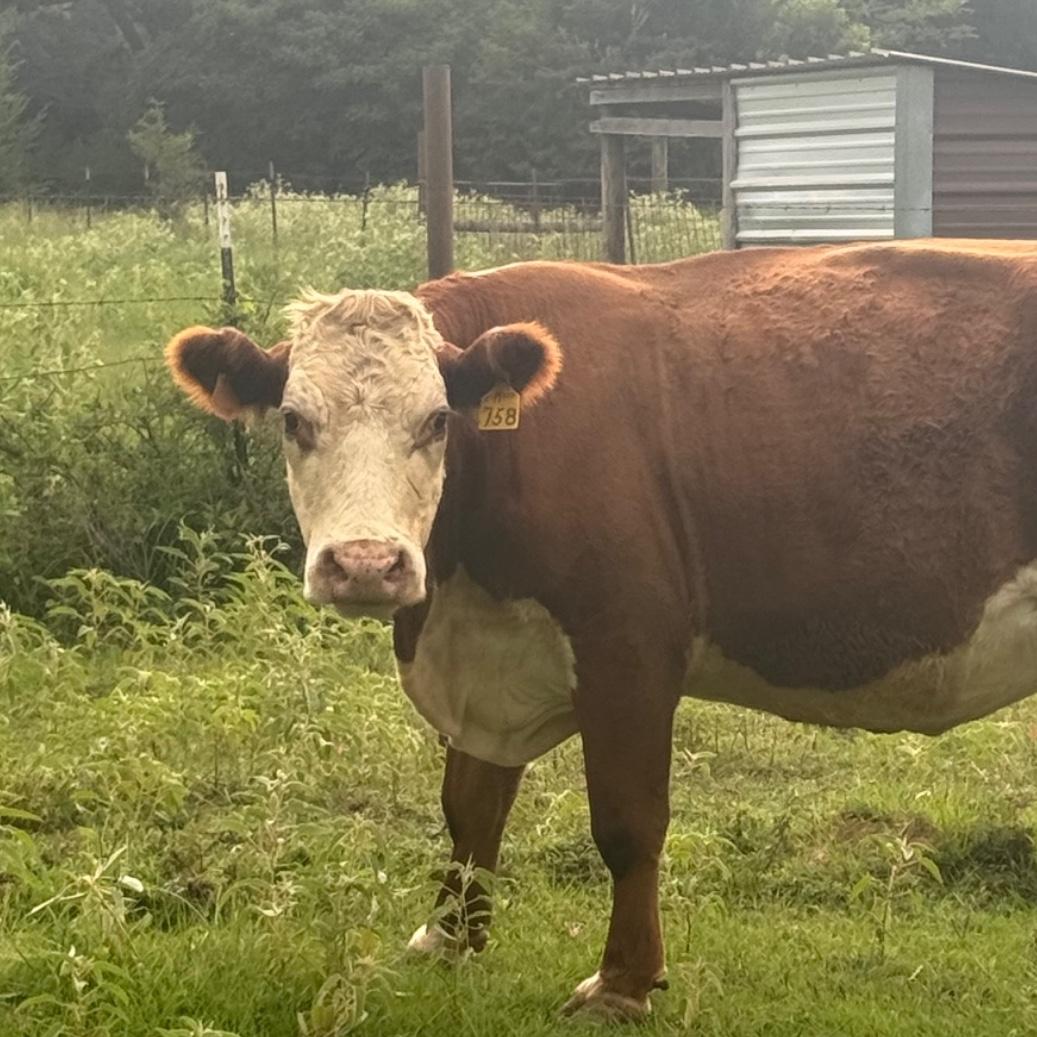
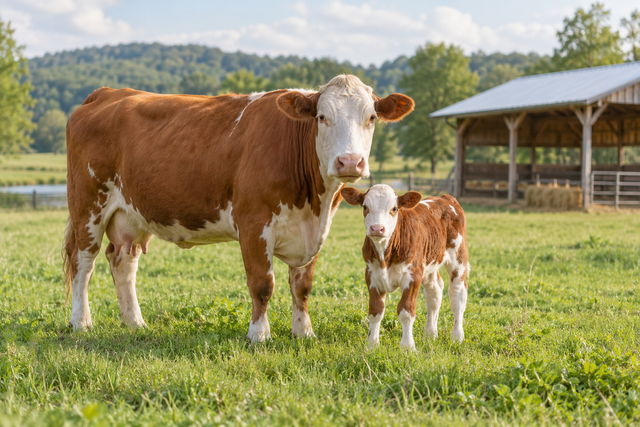
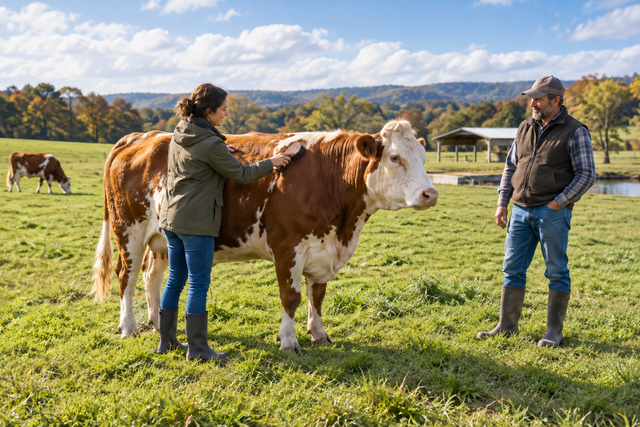
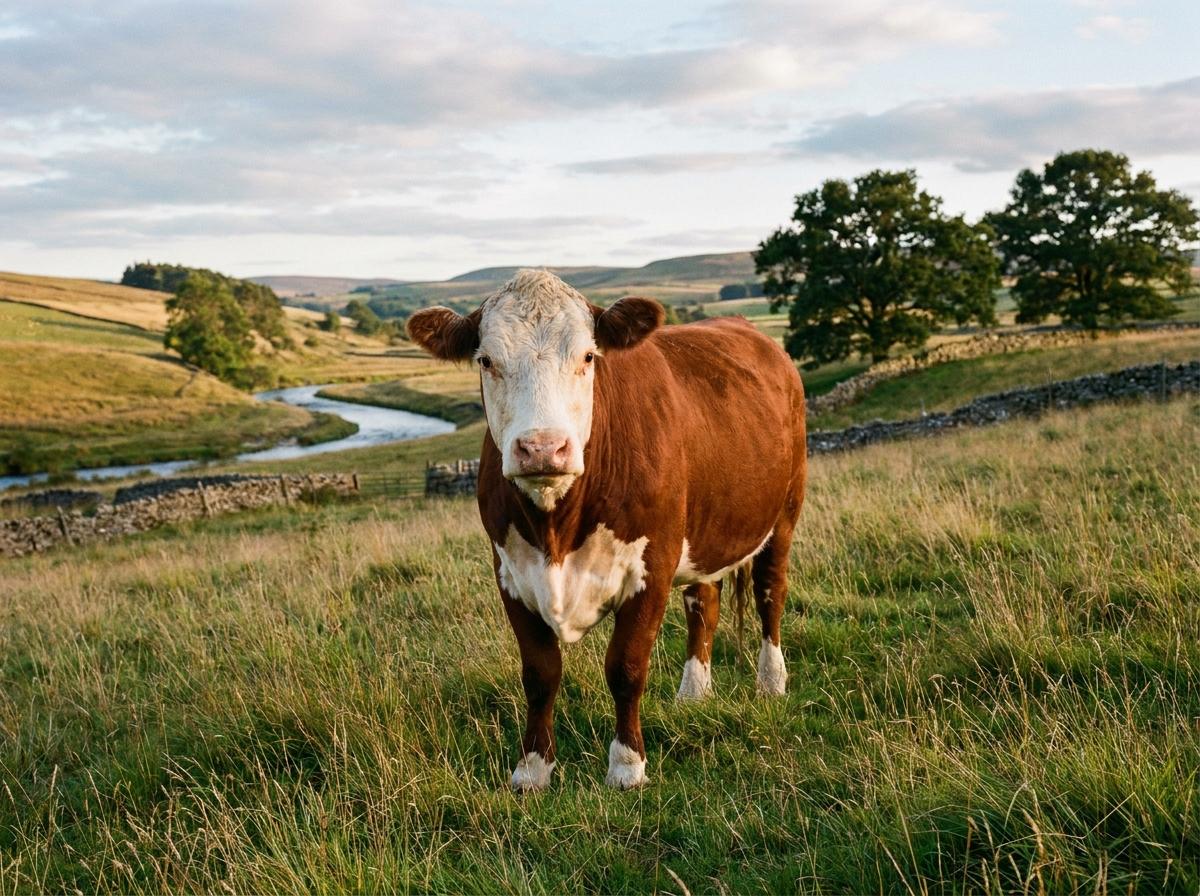
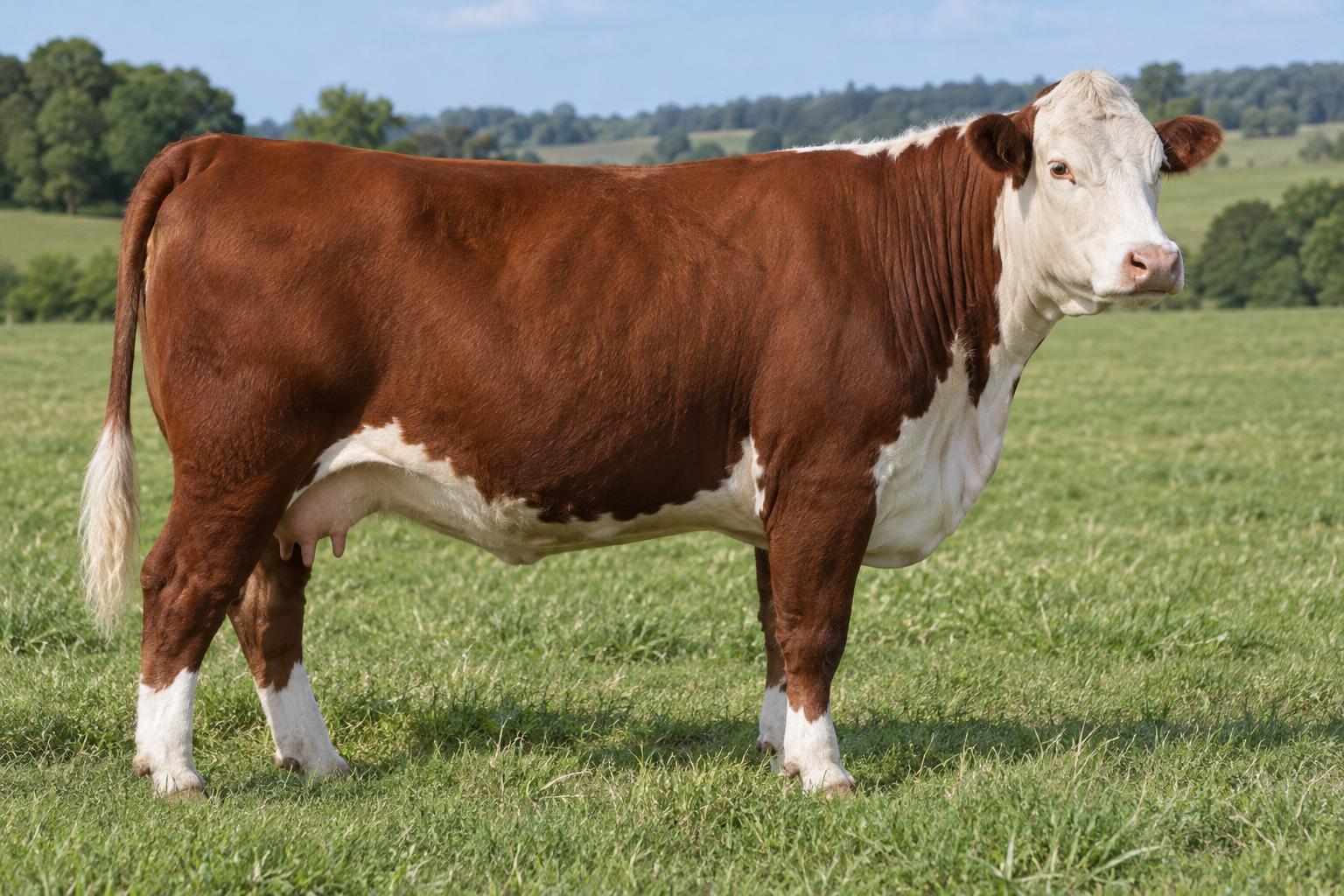
Hereford cattle are a British beef breed known for a red body and distinctive white face. Both horned and polled cattle belong in the Hereford conversation. For a buyer, the useful questions go beyond color: which animals fit your forage, breeding objective, handling facilities and market?
Start with the cattle species guide and research farms in the breeder directory. Decide whether you need commercial females, registered breeding stock or a bull before comparing offers. Those purchases require different evidence and should not share one generic price range.
| Primary role | Beef cattle, including maternal and terminal breeding uses |
|---|---|
| Appearance | Red body with white face and characteristic white markings |
| Horns | Horned and naturally polled lines exist |
| Selection evidence | Identity, pedigree where claimed, current EPDs and actual herd records |
| Size planning | Use weights from the animals or source herd, with age and condition |
| Buying priority | Match breeding goal, health plan and facilities before purchasing |
The UK Rare Breeds Survival Trust Hereford profile, undated, checked October 16, 2026, identifies the red and white pattern and both horned and polled strains. The Hereford Cattle Society, undated page, checked October 16, 2026, describes use in suckler and dairy-cross systems. These are breed descriptions, not a prediction of any animal’s performance on your farm.
Browse listings, public profiles, breeders, or add your animal.
Identifying a Hereford
The white face is the familiar starting point. The UK Rare Breeds Survival Trust profile, source effective date not stated, checked October 16, 2026, describes a red body with a white face and patchy white markings on the underparts. It also records both horned and naturally polled strains.
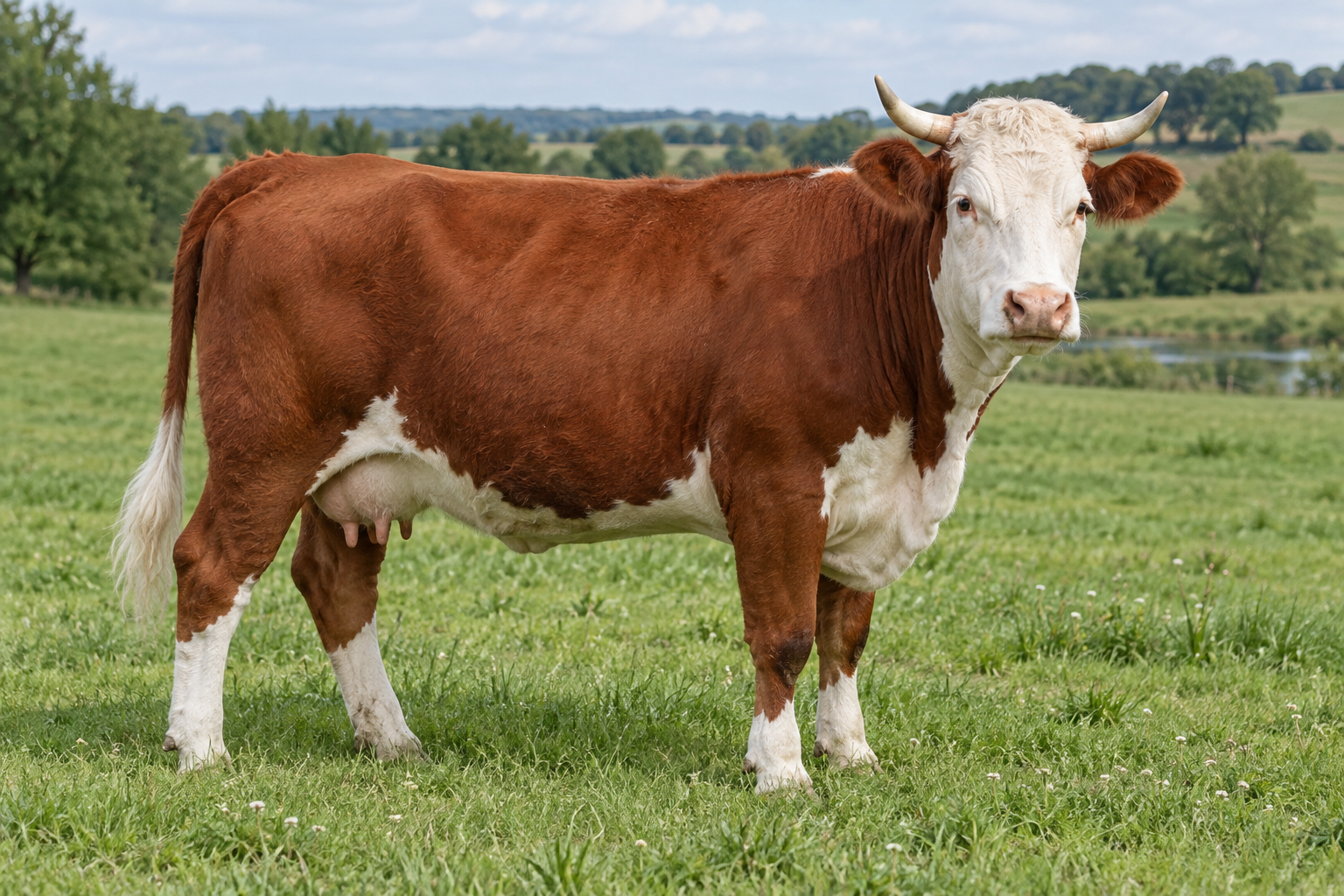
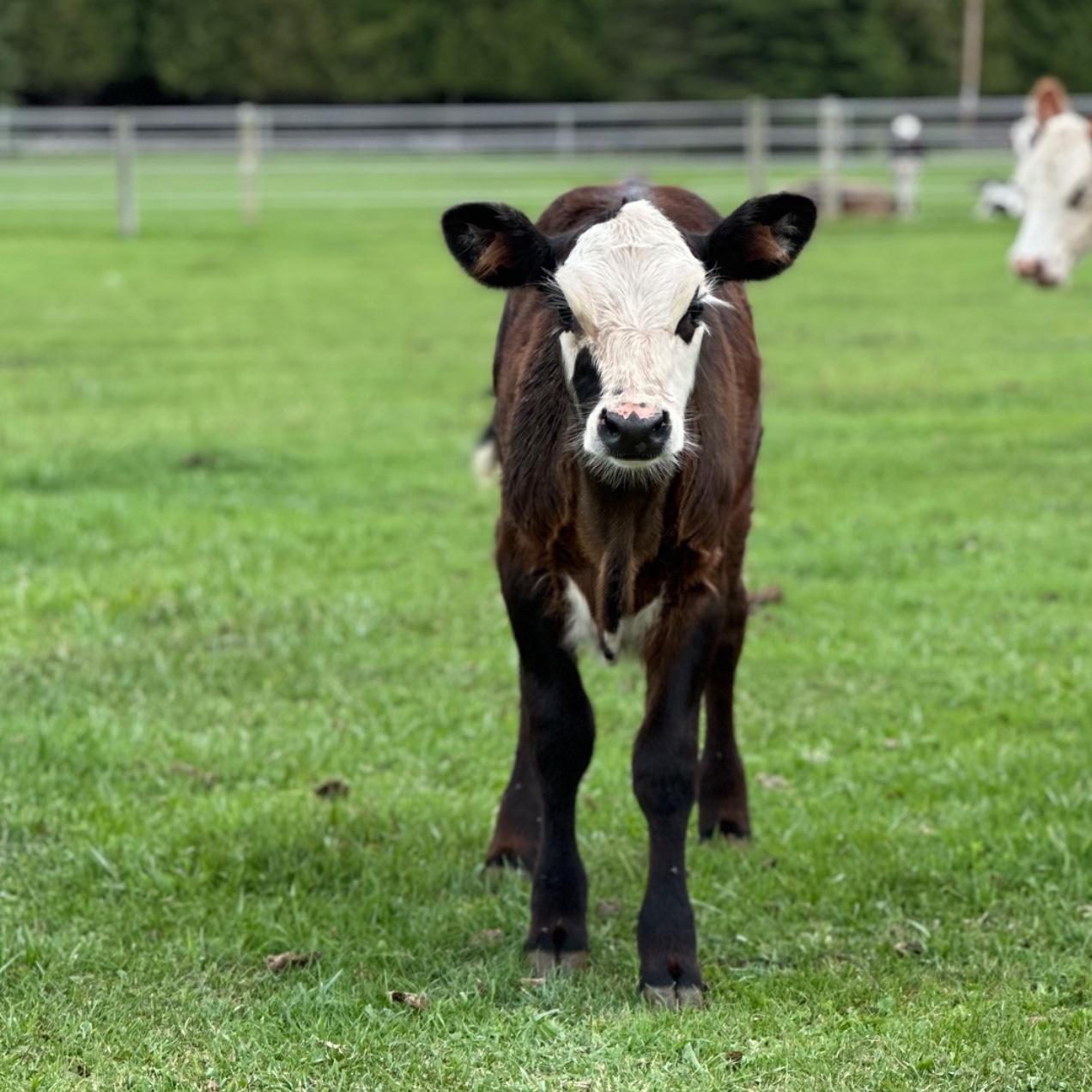
A white face does not establish a pedigree. If cattle are offered as registered, ask for the registry identity and transfer terms and match the paperwork to the animal’s permanent identification. If they are commercial Hereford-cross cattle, describe them that way. Horn status likewise deserves a clear statement: naturally polled, horned and dehorned are different descriptions.
Do not choose on the word docile alone. Observe how the individual responds to ordinary handling, and arrange facilities and help appropriate for adult cattle. A breed reputation does not make a breeding bull safe to treat as a pet.
Choose for the job you need done
Write down the breeding objective first. Will daughters stay in the herd, or will every calf be sold into a terminal system? Are the females mature cows or heifers? How much forage and winter feed can the operation support? The answers determine which traits deserve emphasis.
The American Hereford Association’s trait definitions, undated, checked October 16, 2026, distinguish direct calving ease, maternal calving ease, growth and mature cow weight. An EPD predicts a difference between progeny groups under comparable conditions; it is not the animal’s own measured weight or a guarantee for one calf.
For example, the AHA defines direct calving ease in the context of females calving at 2 years of age, expressed as a percentage. Its published comparison of sires with CE values 6 and -2 represents an expected 8 percentage-point difference in unassisted calving under comparable matings. These are the association’s hypothetical illustration, not real bulls, current breed averages or an individual cow’s predicted probability. Source: AHA trait definitions, undated, checked October 16, 2026.
Use current registry data and its evaluation date when assessing actual cattle. Ask a qualified adviser to help apply EPDs to your females and production system. A sale catalog’s birth weight by itself cannot answer every calving-ease question.
Females, udders and useful herd records
For replacement females, request calving history, reproductive status and the supporting examination record where relevant. Ask how the seller records difficult births, calf losses and reasons for culling. Look at feet, movement and body condition as well as the sale photograph.
The AHA’s animal-scoring guidance, undated, checked October 16, 2026, documents udder and teat scoring. Keep the observed score and its context separate from a sire’s udder or teat EPD. One describes an observed animal; the other predicts differences among progeny groups.
Do the same with weights. Record the weighing date, age, sex and management context. A mature cow’s actual scale weight and condition are more useful for planning your own resources than a universal breed size range stripped of region and strain. The guide does not invent that range or convert a sale weight into an ideal target.
Prepare the farm before cattle arrive
Confirm fencing, a safe handling and restraint system, a reliable water supply, feed resources and shelter appropriate to the local climate. Plan how arrivals will be separated and observed before joining the resident herd. Work with your veterinarian on the health and biosecurity plan for the cattle and the movements involved.
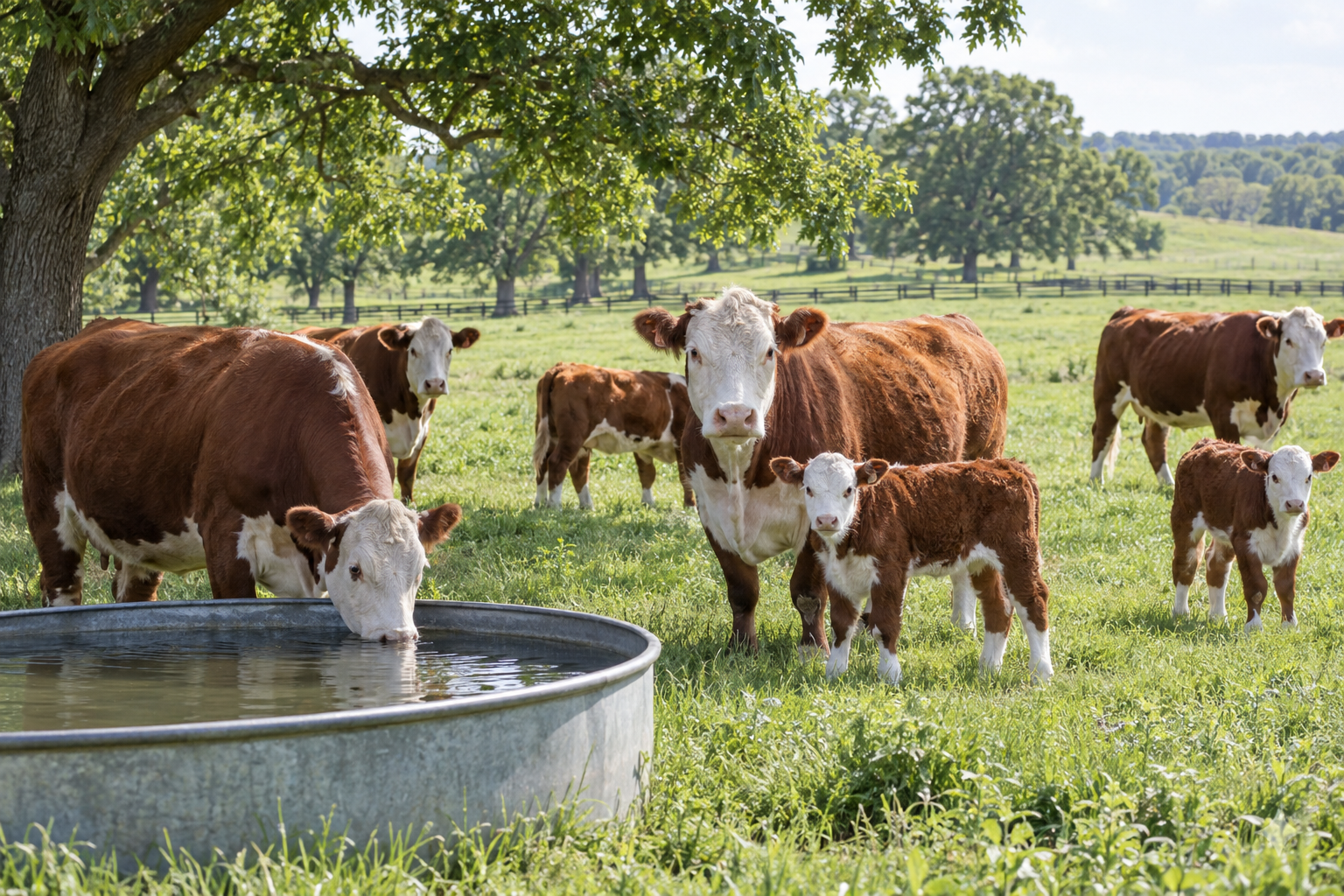
Penn State Extension’s beef-cattle introduction, updated February 2, 2022, checked October 16, 2026, covers facilities, feed planning and veterinary disease prevention. Breed choice comes after those capabilities are realistic. Grazing cattle still need a plan for drought, winter feed and daily inspection.
In hot weather and dry conditions, watch the water supply and the animals rather than relying on a reputation for hardiness. Minnesota Extension’s drought-management guidance, reviewed in 2026, checked October 16, 2026, emphasizes planning for forage shortfalls and providing shade and clean water for calves. Adapt the advice to local conditions with your adviser.
Prices: compare the actual offer
This page does not synthesize a typical Hereford price. A weaned commercial calf, a bred cow, a registered heifer and a tested breeding bull are different purchases. Ask for the seller’s dated offer, identity, sex, age, reproductive status, included testing and registration terms. Establish transport, fees and the final total before comparing.
An auction result, if you use one as background, needs the sale date, class of cattle and terms. It describes a completed historical sale, not today’s asking price. Keeping that distinction prevents a striking catalog result from becoming an unsupported value for your animal.
Do this next on Creatures
Browse the Hereford marketplace filter, research the breeder directory, or save a Hereford listing alert. See saving searches. Directory presence does not certify an animal’s pedigree or current availability.
Add an animal profile and add a record for identification, source, dated weights or care history. The form opens for visitors; saving needs a free account. Read adding an animal and adding a record.
For your breeding operation, create a farm or breeder profile and review getting listed in the directory. Keep registry claims tied to their source documents.
Checked October 16, 2026. The content routine, with Elliott’s review, rechecks stable facts yearly or on reported change. Any future seller-price lines are checked monthly in season and quarterly otherwise; overdue lines are removed.