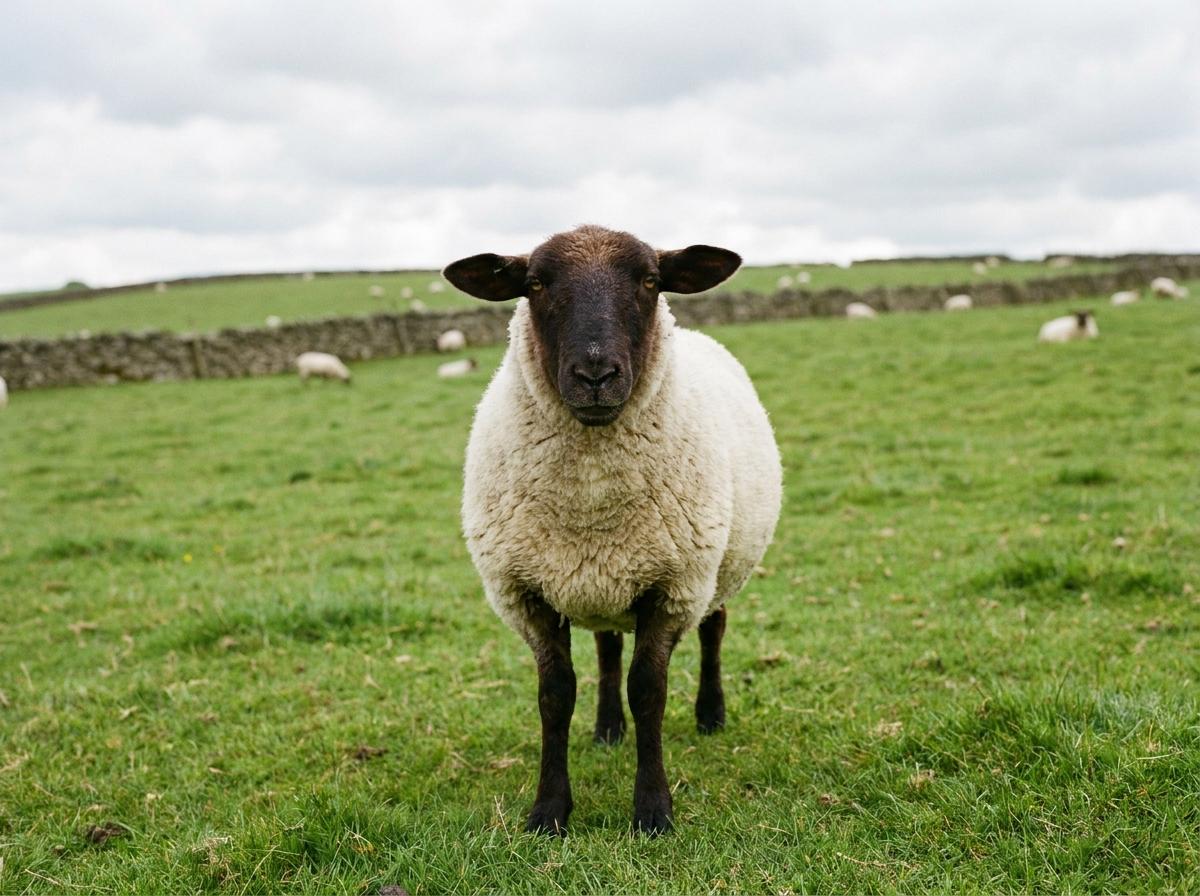
Soay
Author: Elliott Garber, DVM · Published
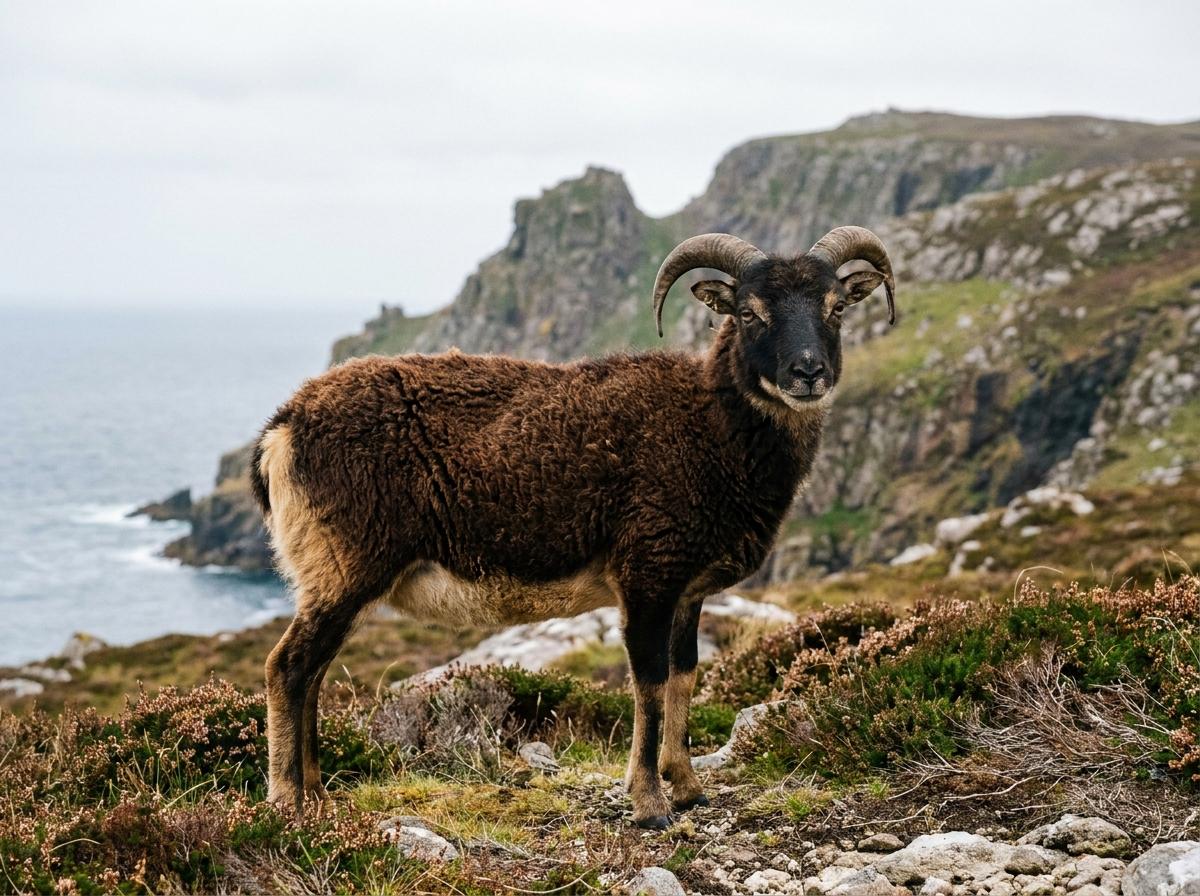
Soay sheep are small, brown, primitive sheep from the St Kilda islands off western Scotland that shed their wool each spring instead of needing shearing. Adults weigh about 50 to 80 pounds, and The Livestock Conservancy lists the British Soay as Threatened. They are hardy and light on pasture, but they behave more like wild animals than like a flock that follows a bucket, so they suit a shepherd who plans for that.
Because Soay are so small, a tape estimate is often more practical than a scale. The free Creatures sheep weight calculator turns two measurements into an estimate with no account needed, and the sheep gestation calculator gives a lambing date from a breeding date.

| Origin | Soay, in the St Kilda archipelago, Scotland |
|---|---|
| Size | About 50 to 80 lb (Livestock Conservancy) |
| Coat | Brown or tan, usually with pale belly, rump and chin; sheds each spring |
| Horns | Rams horned or scurred; ewes horned, scurred or polled |
| Status | British Soay: Threatened (Livestock Conservancy, 2026) |
| Registration | British Soay through the RBST Combined Flock Book |
| Two US lines | British Soay and the larger American Soay |
| Temperament | Alert and shy; do not flock to dogs |
Browse listings, public profiles, breeders, or add your animal.
Where Soay sheep come from
Soay are among the most primitive domestic sheep still kept. The Livestock Conservancy’s British Soay page describes them as an ancient, short-tailed breed descended from a feral population on the 250-acre island of Soay in the St Kilda archipelago. Crofters from neighboring Hirta visited until 1930 to gather wool the sheep had shed on the rocks. The island population, which the Conservancy puts at roughly 800 to 2,000 sheep, is now closed to animals coming in or going out.
The sheep on Hirta are among the most studied in the world. The University of Edinburgh’s St Kilda Soay Sheep Project has followed individually tagged sheep there since 1985, recording parentage, weights and life histories. Its counts show a population that swings dramatically. The project’s population ecology research explains that when numbers are low the flock grows quickly, overshoots what the island’s winter grazing can support, and then crashes, with crashes needing both high numbers and bad weather.
Some Soay were brought to the UK mainland and later exported. The Conservancy says the first North American imports of British Soay began in 1990, first to Montreal and then to the United States.
British Soay and American Soay are not the same
This is the first thing to sort out before you buy. The Livestock Conservancy’s British Soay fiber profile explains that North America has two Soay lineages. Sheep descended from an earlier 1974 importation, known as American Soay, have other breeds in their genetics. Sheep whose ancestors were all registered with the UK’s Rare Breeds Survival Trust (RBST) make up the British Soay population, which is the one on the Conservancy’s priority list.
The practical differences:
- Size. The Conservancy describes the American Soay as a larger sheep.
- Conservation status. Only the British Soay is listed, in the Threatened category of the Conservation Priority List, which the Conservancy defines as fewer than 1,000 annual US registrations and a global population under 5,000.
- Registration. British Soay are registered through the RBST Combined Flock Book. A British Soay born in North America can be registered there if its parents were. The Conservancy reported about 450 Soay registered in the UK in 2021 and about 90 British Soay registered from North America.
So ask a seller directly: is this British Soay with Combined Flock Book parents, American Soay, or a cross? A sheep sold as “Soay” with no paperwork may be any of the three. If you are comparing other small primitive or heritage breeds, look at the Boreray, also from St Kilda, the Shetland and the Navajo-Churro.
Colors, horns and the genetics behind them

Soay vary a lot for such a small population, and the St Kilda project has mapped much of why. Its Meet the Sheep page describes four coat types:
- Dark wild: the classic Soay look, dark brown with a light belly and rump patch.
- Dark self: dark brown all over, including belly and rump.
- Light wild and light self: the same two patterns in tan.
The project reports that the dark or light color is controlled by the TYRP1 gene, with dark dominant to light, and that the wild or self pattern is controlled by the Agouti locus, with wild dominant to self. A small proportion of Soay carry some white. That means two dark wild parents can produce a light or self-colored lamb if both carry the recessive version.
Horns vary too. On St Kilda the project counts normal horns in 85 percent of males and 35 percent of females, scurs (small, misshapen horns) in 15 percent of males and 37 percent of females, and no horns at all in 28 percent of females. The variation is mostly controlled by a single region on sheep chromosome 10, and the normal-horned type is more dominant in males than in females, which is why horned ewes and polled rams are less common. The Conservancy’s description for farm flocks matches: ewes polled, scurred or horned, and rams scurred or horned.
These are population genetics, not a guarantee for one pairing. If you are breeding for a color or horn type, record each lamb’s coat and horns alongside its parents so you can see what your own sheep carry.
Size, fleece and shedding
St Kilda’s wild sheep are tiny: the project reports mature ewes averaging about 24 kg (53 pounds) and rams about 38 kg (84 pounds) in August. The Conservancy gives 50 to 80 pounds for British Soay in farm flocks.
Soay shed instead of being shorn. The Conservancy says the wool casts naturally in spring and can be rooed, meaning the loosened wool is gathered by hand as it lifts. Its fiber profile gives a fleece of only three quarters of a pound to 2 pounds, a staple of 1.5 to 4 inches, and fiber running from a very soft undercoat (some as fine as 9 to 10 microns) to a hairy outer coat. Fleeces range from woolly to kempy and from tan to near black. Pull only wool that has already released; if part of a fleece is not lifting, leave it and check again, or ask an experienced keeper or shearer for help rather than tugging it free.
Handling: the part new keepers underestimate
Soay do not behave like most farm sheep. The Livestock Conservancy says the breed lacks the flocking instinct of other sheep, so trying to herd them with dogs will only scatter and stress them. Startled Soay stott, a sprinting, springing run more like an antelope’s. The Conservancy describes them as shy and curious and says ewes and wethers can become good pets with regular gentle handling. Its page rates them novice to intermediate in the breed facts box but calls them best suited to more experienced shepherds in the description; their handling is the reason some sheep experience first is a good idea.

What that means day to day:
- Train them to a bucket and a catch pen. Calm, routine feeding in a small pen does more than chasing. A small corner pen built from hurdles lets you sort and check sheep without a dog.
- Fence for agile sheep. Soay are small and nimble, so check fences for gaps at the bottom as well as height. Our sheep fencing guide compares woven wire and electric netting.
- Protect lambs. The Conservancy warns that tiny Soay lambs are vulnerable to predators, including large birds of prey, especially if the ram is kept separately from the ewes.
- Plan ram management early. On St Kilda the research team found ram lambs are already sexually mature and take part in the rut at about seven months old. Separate ram lambs before then unless you intend them to breed.
Grazing, feeding and health
Soay are thrifty. The Conservancy says they thrive on marginal pasture that would be inadequate for other breeds, but they can become overweight quickly on lush grass or grain, so most flocks need less, not more. Keep them away from rhododendrons and azaleas, which the Conservancy notes are toxic. Like all sheep, they should get only sheep mineral; see our sheep minerals guide for why copper matters.
The Conservancy describes the breed as cold hardy and resistant to parasites and disease. Resistant is not immune. Watch for signs of anemia and poor condition, use FAMACHA scoring or fecal egg counts rather than routine treatment (our FAMACHA scoring guide explains how), and agree a vaccination and health plan with a veterinarian who sees sheep. Provide a dry shelter they will actually use; the sheep shelter guide covers what works.

Lambing is usually easy: the Conservancy reports that ewes can lamb easily for up to 10 years and are good mothers. Use the sheep gestation calculator to plan the date and our lambing guide for the signs of a problem. A ewe that strains for a long time without progress needs a veterinarian now.
Buying Soay sheep
Ask these before you commit:
- British Soay, American Soay or a cross? Are the parents registered in the RBST Combined Flock Book?
- What coat type and horn type are the sheep and their parents?
- How tame are they? Can the seller catch them in a pen?
- How do they shed, and do any need help with old fleece?
- What is the flock’s health history, and what identification do the sheep carry for your state’s movement rules?
Always buy at least two; sheep need flock mates. Our guides to where to buy sheep and how much a sheep costs cover seller questions, disease tests and price context. Ask several breeders for dated prices on comparable animals, since registered British Soay, American Soay and unregistered pets are different purchases.
Want the opposite kind of sheep, big and heavy-fleeced for wool and lambs? Our sister guide to Corriedale sheep covers a classic dual-purpose breed. For flock-wide records, the sheep flock record book guide explains what to keep.
Frequently asked questions
Do Soay sheep need shearing?
Usually not. Their wool sheds naturally in spring and can be gathered by hand as it loosens. Check that every sheep finishes shedding.
How big are Soay sheep?
The Livestock Conservancy gives about 50 to 80 pounds. Wild sheep on St Kilda average about 53 pounds for ewes and 84 pounds for rams.
Are Soay sheep good for beginners?
The Livestock Conservancy rates them novice to intermediate in its breed facts but calls them best suited to more experienced shepherds in its description. They are shy, do not flock to dogs and need patient handling, so some sheep experience helps.
What is the difference between British and American Soay?
British Soay descend entirely from RBST-registered sheep and are on the Conservation Priority List. American Soay come from an earlier import that included other breeds and are larger.
Do Soay sheep have horns?
Most rams have horns or scurs. Ewes can be horned, scurred or polled.
Do this next on Creatures
Soay are kept by small flocks across the country, so the best route is usually a breeder conversation plus an alert for new listings. Directory entries and listings do not establish registration or lineage.
Contact Soay breeders. Search the breeder directory for sheep farms and ask which Soay lineage they keep. A listing there is a starting point, not an endorsement.
Get told when one is listed. Set a Soay listing alert, with no account needed to start. See saving searches and using your watchlist.
Browse what is listed. Check Soay sheep on the marketplace, then ask for the lineage evidence above.
Start a profile. Add your Soay with its tag, coat and horn type. No account is needed to start; a free account keeps it. See adding an animal to Creatures.
Keep records. Add a record for a weight, a lambing or a FAMACHA score. The sheet opens for visitors; a free account saves it. See adding a record and pedigree, family and lineage.
Keep Soay? Create your flock’s profile, no account needed to start, and read getting listed in the breeder directory so people looking for Soay can find you.