Rex
Author: Elliott Garber, DVM · Published
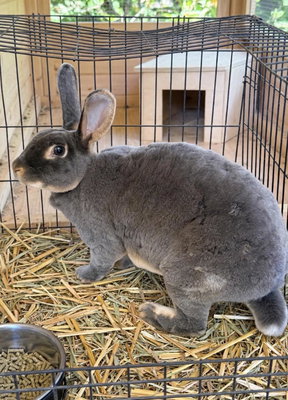
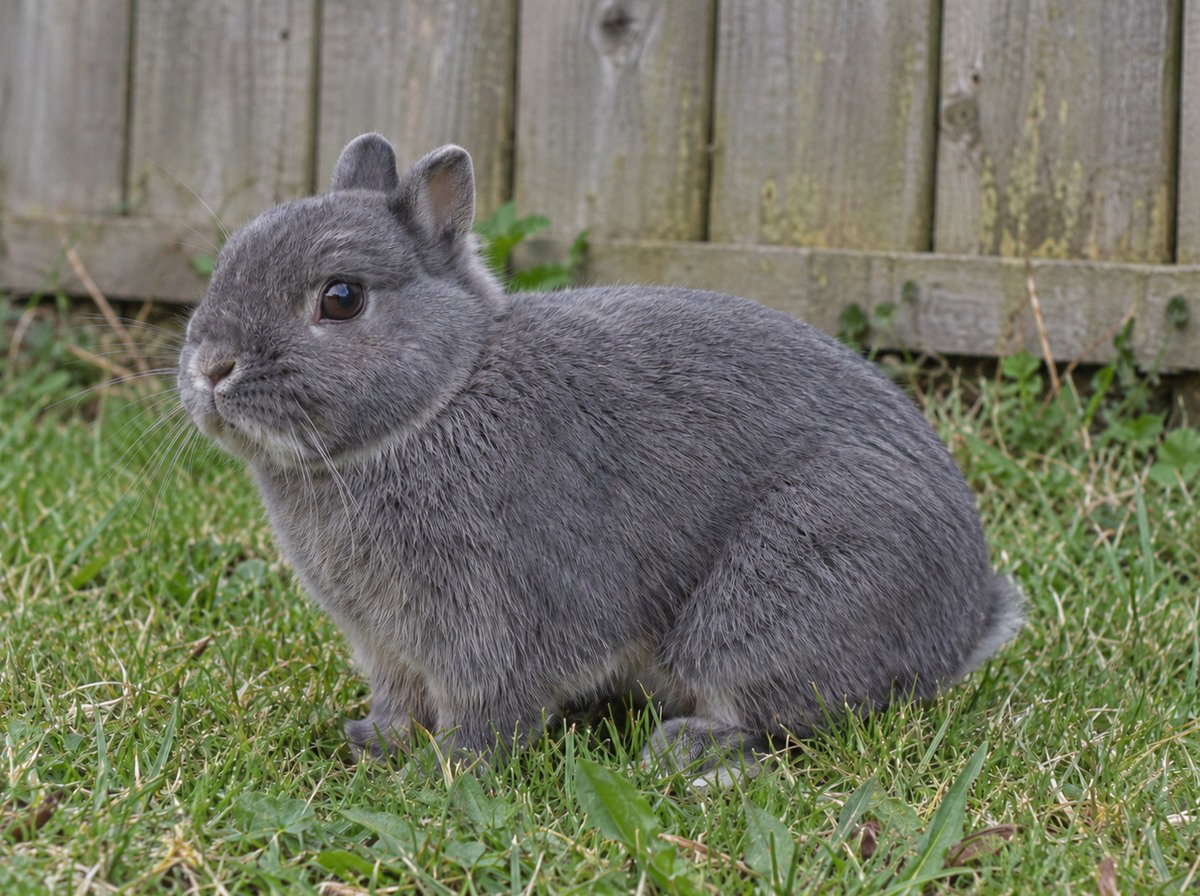
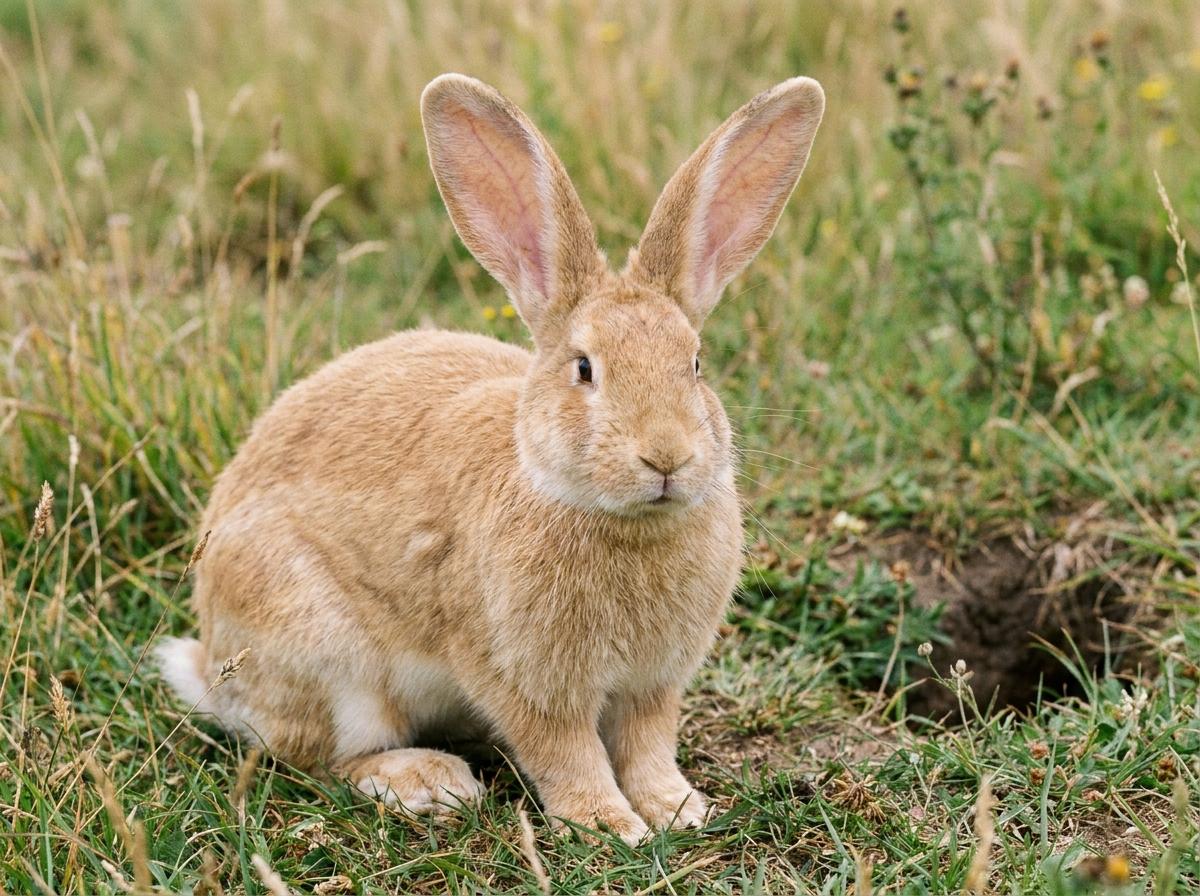
A Rex rabbit is a full-size domestic rabbit with a short, dense coat that feels like velvet. This guide covers the upright-eared Rex recognized by the American Rabbit Breeders Association (ARBA), often called Standard Rex to distinguish it from Mini Rex. A rex-textured coat alone does not establish a rabbit’s breed or ancestry. Start with the rabbit color calculator if you have documented parent information; it explores possible offspring colors from your inputs, rather than identifying genes from a photograph.

| Identity | Full-size Rex, often called Standard Rex |
|---|---|
| Coat | Short, dense and velvet-like |
| ARBA senior maxima | 9.5 lb bucks, 10.5 lb does; not a target body weight |
| Common confusion | Mini Rex is a separate breed |
| Care priority | Comfortable dry flooring and foot checks |
| Home | Exercise space and a compatible rabbit companion |
Browse listings, public profiles, breeders, or add your animal.
Rex, Mini Rex and other rabbits with rex coats
The defining feature is the coat. ARBA’s Rex profile describes the mutation behind its short, dense, velvet-like fur. The National Rex Rabbit Club gives senior maximum weights of 9.5 pounds for bucks and 10.5 pounds for does. Those are breed standard boundaries, not feeding targets. Assess the rabbit’s actual frame and body condition with your veterinarian.
Mini Rex is a separate ARBA breed, with a maximum weight of 4.5 pounds. It shares the plush coat character but is not simply the name for a young full-size Rex. Ask the breeder which breed is recorded for the parents and what the adults actually weigh. Size estimates based on a small kit are a poor substitute for those records.
Likewise, a rabbit with lop ears and a plush coat should not automatically be advertised as a purebred Rex. Coat, ear carriage, body type and documented ancestry answer different questions. When comparing the broader rabbit breeds, the compact markings of a Dutch rabbit and the long-bodied American rabbit provide useful contrasts to the full-size Rex.
What to look for in the coat and body

The rabbit colors guide explains coat-color and pattern names separately from breed identity.
Look at the whole rabbit before concentrating on its fur. A relaxed animal should be able to move comfortably, support itself normally and reach its food and water. Look for clean eyes and nostrils, a dry chin, clean hindquarters and an even gait. These are observations to discuss with a rabbit-experienced veterinarian, not a home diagnosis.
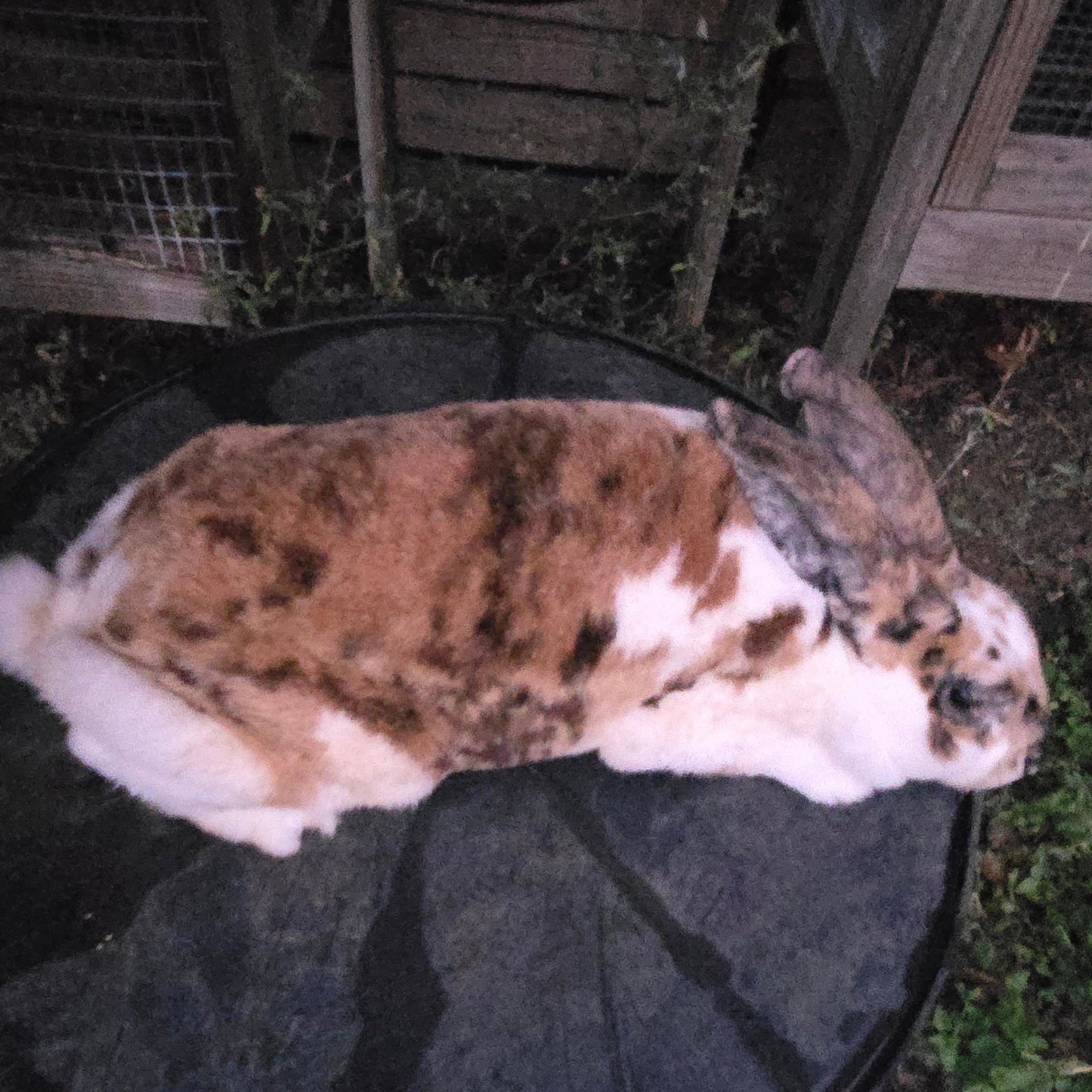
Rex comes in multiple show varieties. A color name describes one part of the standard; it does not establish correct type, health or show eligibility. A photograph is especially poor evidence for coat density and resilience. Ask to see the rabbit moving and, with the owner’s guidance, feel the coat gently. Do not pull hair or repeatedly brush to make the coat stand up.
If showing matters, ask which current ARBA standard the seller is using and what was actually recorded at an event. Our rabbit show-records guide explains how to keep a placement, a certificate and an official title separate. A saved owner note does not make an award official.
Feet deserve particular attention
The plush coat has a practical consequence. The Merck Veterinary Manual identifies Rex rabbits as predisposed to ulcerative pododermatitis, often called sore hocks, because their feet lack the longer protective guard hairs. It also describes the contribution of wet flooring, abrasion and body condition.
Provide soft, dry resting areas and inspect the undersides of the feet during routine care. Bare wire, chronically damp litter and abrasive surfaces are poor choices. A smooth hard floor alone is not a comfortable resting surface either. Redness, hair loss, sores or reluctance to move need veterinary assessment. Do not apply a home treatment or wrap the feet on the assumption that every lesion has the same cause.
That extra foot check is a reason to choose appropriate housing, not a reason to make the rabbit sedentary. Space to move and a comfortable surface belong together.
A home for a pair, with room to move

A small hutch is not a complete living environment. Give the rabbits secure exercise space, places to hide together and apart, and opportunities to forage and chew. The RSPCA’s housing guidance recommends keeping rabbits with a compatible rabbit companion and providing room to exercise, stretch and stand upright.
For an indoor setup, protect electrical cords, remove reachable toxic plants and block unsafe gaps. Choose washable non-slip flooring and keep litter separate from comfortable dry resting areas. Outdoors, weather protection, shade and predator security need as much attention as the enclosure’s footprint. See the rabbit housing guide for planning the whole setup.
Do not put unfamiliar rabbits together because they are the same breed. Introductions need planning, and reproductive status matters. Follow a careful rabbit bonding process with veterinary or rescue support. A calm photograph of a pair is not evidence that any two Rex will get along.
Feeding and everyday health checks

For a healthy adult, the foundation is unrestricted good-quality grass hay, with suitable leafy greens, a measured amount of plain rabbit pellets and fresh water. Introduce changes gradually. The RSPCA’s rabbit diet advice explains why hay is central to digestive and dental health. The rabbit diet guide helps turn that into a daily routine. A growing, pregnant or unwell rabbit needs an individual plan rather than the adult maintenance ration copied unchanged.
Check eating, droppings, drinking, movement and the cleanliness of the chin and hindquarters every day. A rabbit that stops eating or produces very few droppings needs prompt veterinary attention. RSPCA health guidance also covers dental problems, preventive care and warning signs. Ask your veterinarian about locally appropriate vaccination and parasite prevention.
Handle at ground level where possible. When lifting is necessary, support the body and hindquarters; do not let the rabbit kick while its rear end hangs unsupported. Merck describes the risk of spinal injury during struggling and restraint. Children need adult help, and enjoying a quiet stroke does not mean a rabbit enjoys being carried.
Breeding, pedigrees and records
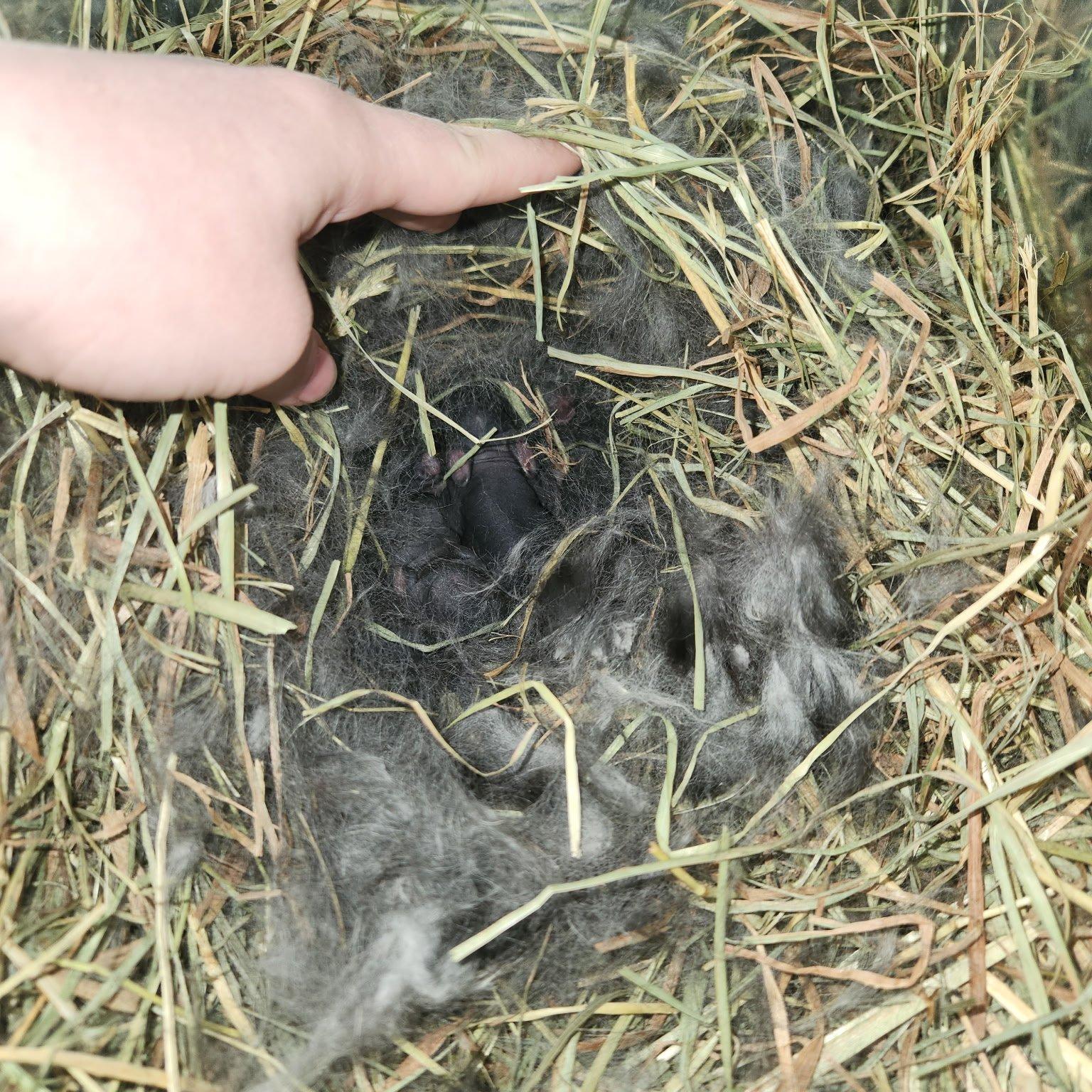
A soft coat is not a breeding plan. Before pairing rabbits, arrange appropriate housing for the adults and kits, veterinary support and responsible placements. Choose on health, soundness and temperament as well as the purpose of the breeding. A companion home does not need to breed a rabbit to enjoy the breed.
Keep parent identities, dates, observations, health documents and any uncertainty together. The rabbit pedigree chart maker formats the lineage you enter; it does not certify ancestry or register a rabbit. The rabbit pedigree guide explains the paperwork, while the rabbit gestation calculator gives a planning estimate from a recorded breeding date, not proof of pregnancy.
Use the color calculator only with clearly stated assumptions. An unknown carrier status remains unknown, and expected probabilities do not promise a litter’s exact composition. Record what the breeder supplied separately from what you personally observed.
Cost, availability and questions before buying
There is no defensible single Rex price that covers a rescue companion, a documented show prospect and breeding stock across the United States. Ask for a current written price and what it includes. Budget separately for a suitable home, a compatible companion, hay and litter, routine veterinary care, sterilization when appropriate, and an emergency reserve. The rabbit cost guide explains the categories to compare.
Ask the seller or rescue:
- Is this full-size Rex or Mini Rex, and what evidence supports that identification?
- What are the parents’ adult sizes, and which records transfer with this rabbit?
- Has the rabbit had foot lesions, dental trouble, appetite changes or treatment?
- What food is it eating now, and can you provide a small transition supply?
- Is it already bonded, and how will the move preserve that relationship?
- If sold as a show prospect, what is observed today and what is only an expectation?
- What happens if the placement is unsuccessful?
A rabbit name generator can help after the practical decisions are made. Keep the everyday name alongside any existing identification so documents remain traceable.
Frequently asked questions
Is a Rex rabbit a good pet?
A healthy, well-matched Rex can be a companion, but plush fur does not guarantee a particular temperament. Meet the individual, understand its handling preferences and plan space, rabbit companionship and veterinary care.
Is Standard Rex different from Rex?
Here, Standard Rex means the full-size Rex, used to distinguish it from Mini Rex. Confirm the actual recorded breed rather than relying on a seller’s adjective.
Are Rex rabbits hypoallergenic?
Do not buy on that promise. A distinctive coat is not proof that an individual will be suitable for someone with allergies. Arrange an appropriate medical discussion and real-world exposure before committing.
Do Rex rabbits need haircuts?
Rex has short fur rather than a wool coat. Routine care should preserve healthy skin and remove loose hair gently. Matting, skin changes or unusual hair loss should be checked rather than handled with an improvised haircut.
Can I tell the color genetics by looking at the coat?
Appearance can inform a description, but it does not reveal every hidden allele or verify parentage. Keep pedigree evidence and calculator assumptions explicit.
Do this next on Creatures
Start with your animal. Start an animal profile, no account needed to start. See adding an animal to Creatures for the steps.
Keep the evidence. Add a care or health record. The sheet opens for visitors; a free account saves it. Read adding a record and retain the original documents beside your observations.
Wait for a suitable match. Set a Rex rabbit listing alert for future matching listings. No account needed to start. An alert does not establish that an animal is available now. The guide to saved searches and the watchlist explains the workflow.
Check current listings. Browse Rex rabbit marketplace results and verify the individual, records and sale terms with the seller.
Research people and organizations. Use the breeder directory as a starting point. A profile is not a health certification, endorsement or guarantee of current stock.
Represent your organization. If you run a breeding operation, start an organization profile. No account needed to start. Review creating an organization; starting a profile does not verify breeding claims.