Sign in
Abaco Barb

Abaco Barb

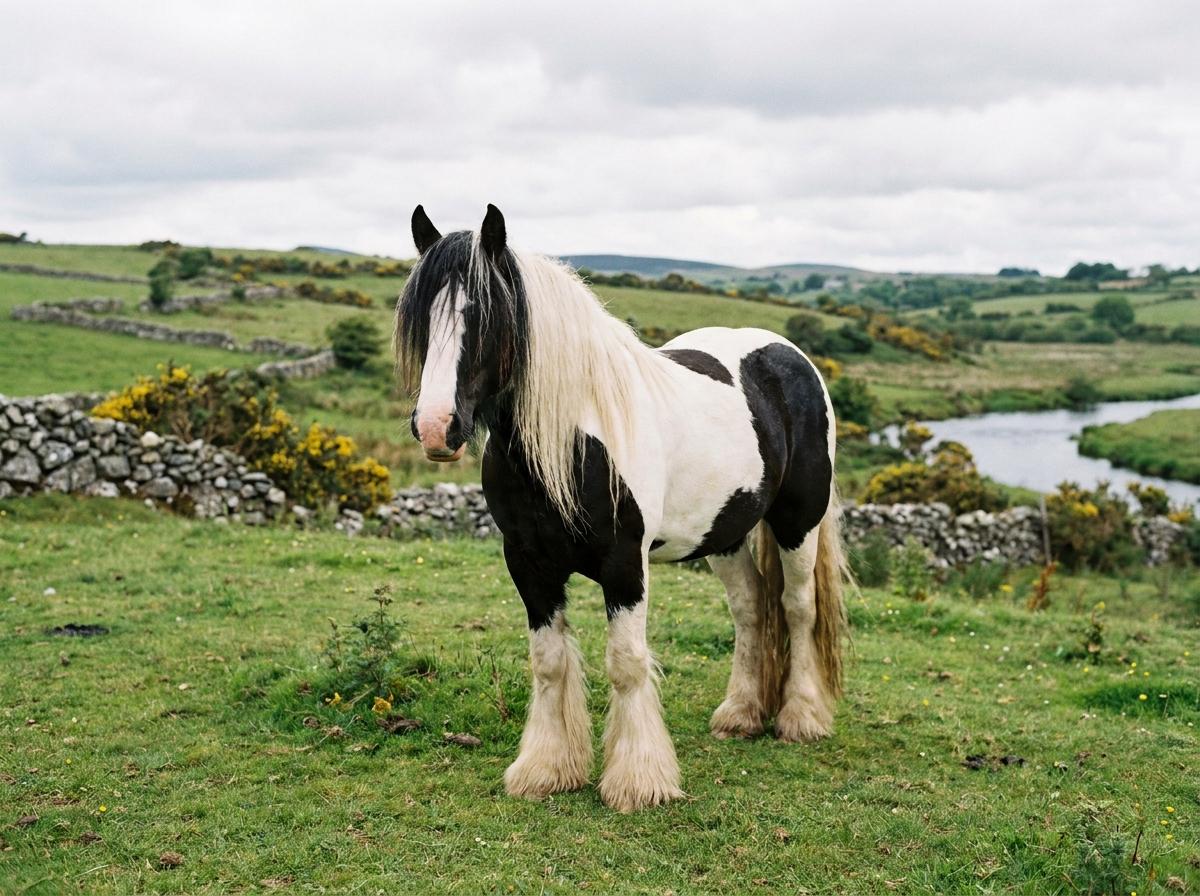
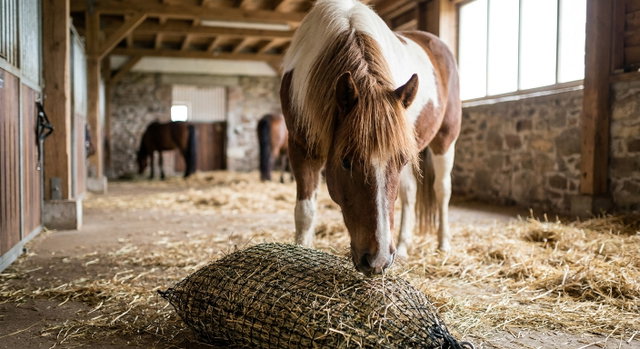
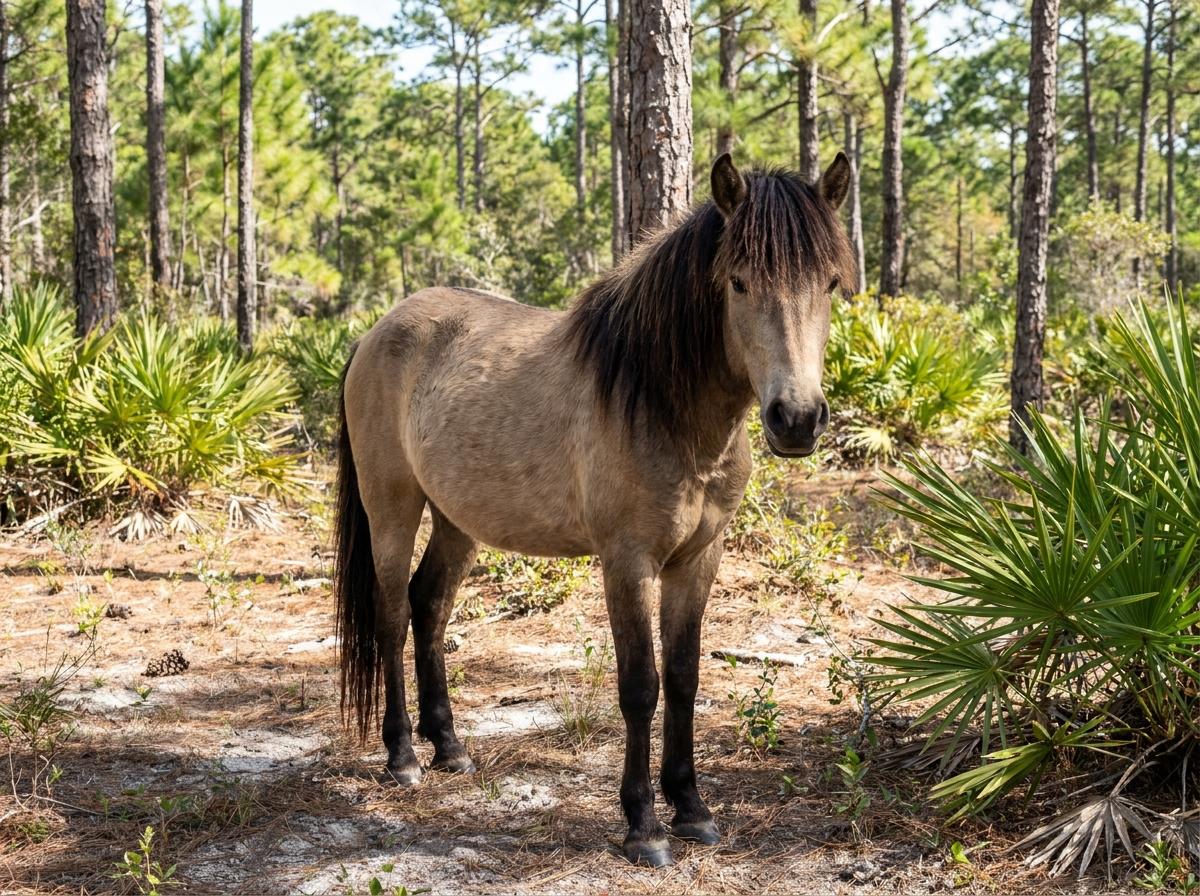
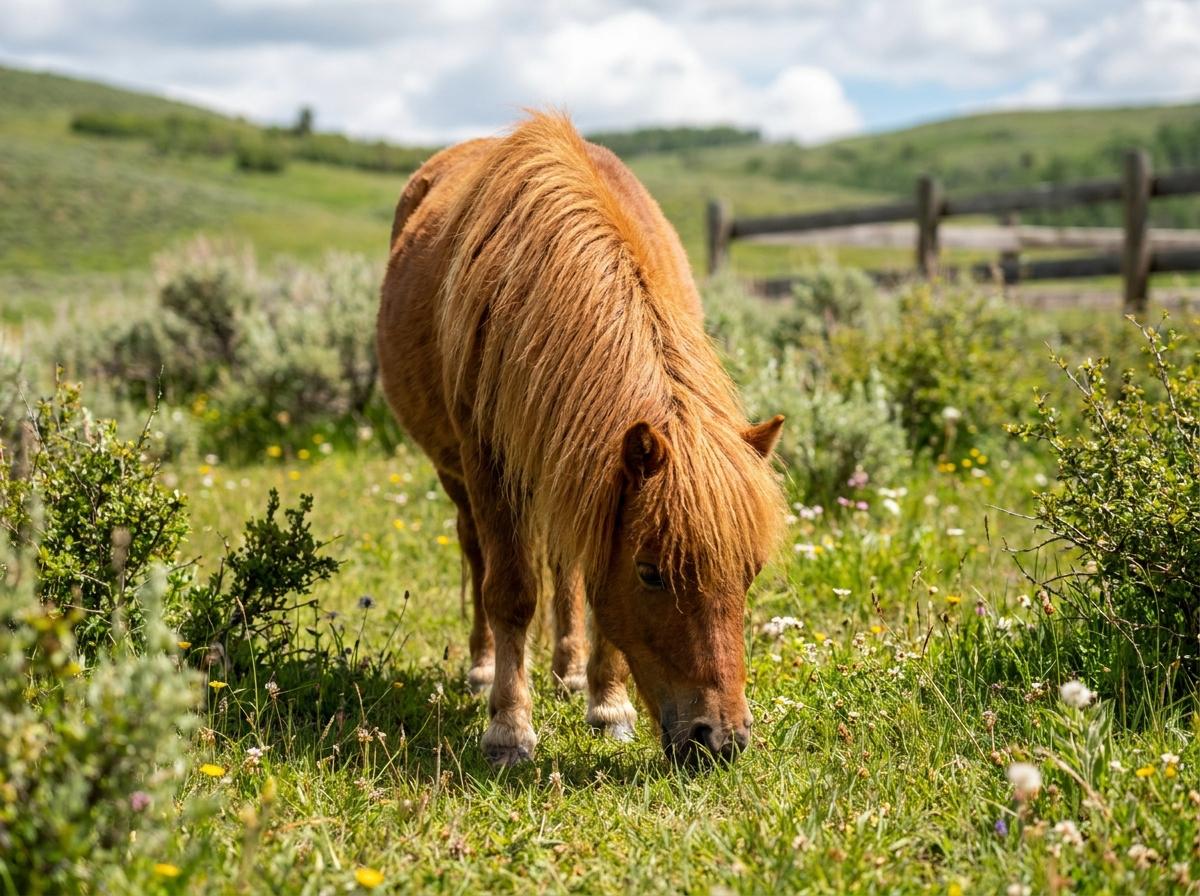
The Abaco Barb was a small horse population from Great Abaco in the Bahamas, often described as having Spanish Barb or Spanish Colonial ancestry. The horses were compact island feral animals with tough feet, practical bodies, and coat colors that included pinto patterns. No living breeding population is generally recognized today, so the name now belongs as much to conservation history as to breed description.

Abaco Barb is best handled as a historical or extinct horse population rather than a modern buyer category. Sanctuaries, researchers, and breed historians may still track the name when documenting island horse conservation, genetic loss, or Spanish Colonial horse influence in the Caribbean. Any living horse advertised with the label should be described carefully, with clear evidence of ancestry, because the original Abaco population cannot simply be recreated by appearance.
Quick facts

Guides & articles
53

Looking for Abaco Barbs?

No matching listings or litters right now.

Set an alert for new Abaco Barb listings on Creatures. Keep records for your horses.

Abaco Barbs for Sale

No available animals listed right now.

Abaco Barb Herdbook

No animal profiles yet.

Abaco Barb Profiles

No community profiles yet.

Abaco Barb Breeders

No breeders listed yet.

Add your first Abaco Barb to Creatures

Share a public profile so buyers, breeders, and pedigrees can connect back to this breed page.

More Horse Breeds

Each breed has its own page with listings, profiles, and breeders.

Guides & articles

Guides and articles for Abaco Barb owners.

View all 53 guides

How Much Does a Horse Cost? 2026 Prices to Buy and Keep a Horse

A horse can cost anything from a $125 federal adoption fee for an untrained wild horse to more than $300,000 for an elite yearling, but the middle half of horses sold at recent catalog auctions brought between $4,250 and $16,500. In the Creatures horse auction price guide, which covers 2,733 catalogued sales through July 2026, […]

What to Feed a Horse: Forage, Hay, Grain, and Ration Basics

A horse should eat mostly forage, roughly 1.5 to 2.5 percent of its body weight in dry matter every day, with hay or pasture making up at least half the ration and always the base of it. Feed by weight, not by the scoop or coffee can, offer forage before any grain, keep clean water […]

How Long Are Horses Pregnant? Mare Gestation Chart and Foaling Date Calculator

Horses are pregnant for about 340 days, a little over 11 months, with a normal range of 320 to 370 days. See our foaling date chart, plus ponies and minis.

Blue Roan, Red Roan and Bay Roan Horses: Identification and DNA Tests

A blue roan horse has white hairs mixed through a black-based body, while the head and lower legs remain darker. Red roan is the chestnut-based version; bay roan combines the white-hair mixture with a bay base and black points. For a pairing, the horse coat color calculator can use supported roan inputs, but a roan-looking […]

Horse Farrier Records: Track Visits, Hoof Photos, and Follow-Up

Horse farrier records should show who worked on the horse, when the visit happened, what was done, and what the next caregiver needs to know. Dated hoof photos and the provider’s own instructions make the history easier to compare. In Creatures, Routine Care records include a service provider and an optional follow-up date. The record […]

Hayrides and Sleigh Rides: Prices, Booking Questions and Horse Safety

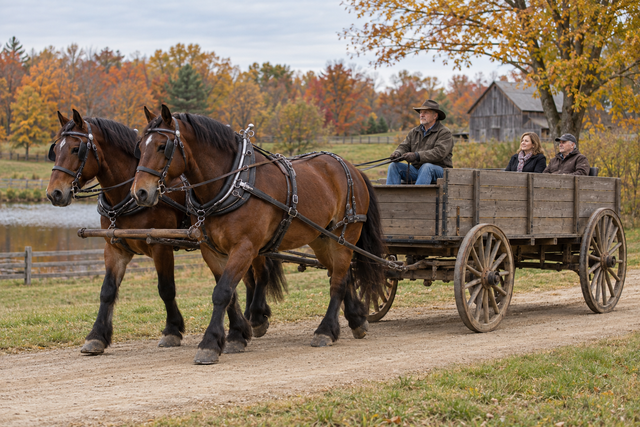
A hayride is a passenger wagon outing that may be pulled by a tractor or horses. A sleigh ride uses runners on snow, while a horse-drawn carriage or wagon ride uses wheels. Before booking, confirm the actual vehicle, what pulls it, the route, time aboard and the operator’s plan if weather makes the advertised ride […]

Abaco Barb Tools

Calculators, generators, and guides preset for Abaco Barb.

All 53 guides

Every horse guide, grouped by topic.