Jersey Giant
Author: Elliott Garber, DVM · Published
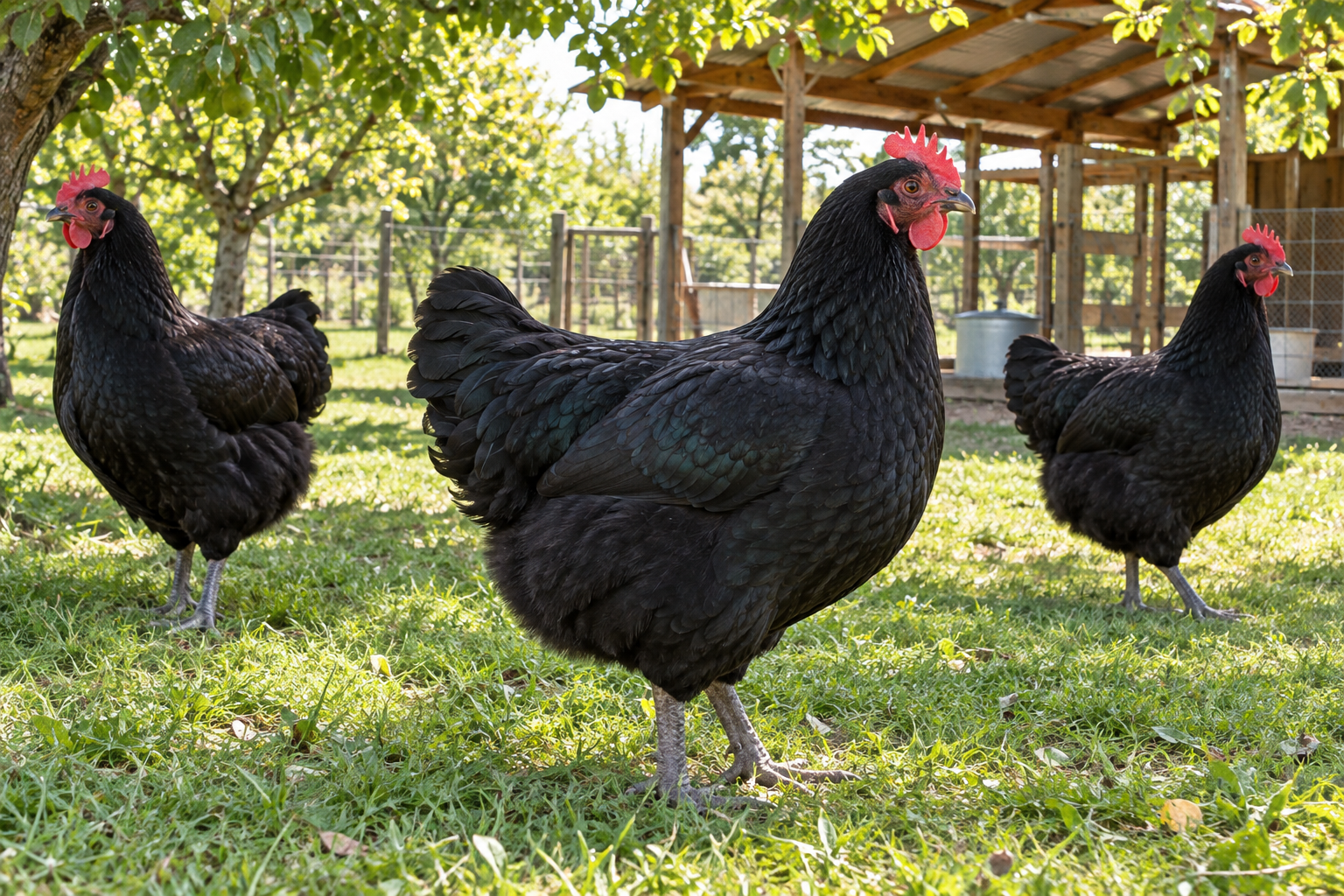
The Jersey Giant is a large American dual-purpose chicken developed in New Jersey. Its long, deep body and substantial frame distinguish it from a bird that is simply heavy or overfed. For large fowl, black, white and blue are the recognized American color varieties; the APA lists only Black and White Jersey Giant bantams. Choose it because you want this large, slower-maturing kind of chicken and can house it comfortably, then follow actual growth and laying with chicken egg records and dated weight observations. You can start a chicken profile without an account; a free account keeps it.
| Origin | New Jersey, United States |
|---|---|
| Use | Dual purpose, eggs and meat |
| APA colors | Large fowl: black, white and blue; bantams: black and white |
| Mature standard weights | Cock 13 lb; hen 10 lb |
| Younger standard weights | Cockerel 11 lb; pullet 8 lb |
| Features | Single comb, clean legs and yellow undersides of feet |
| Housing priority | Large usable spaces, strong low perches and easy access |
Browse listings, public profiles, breeders, or add your animal.
A breed built around frame and size
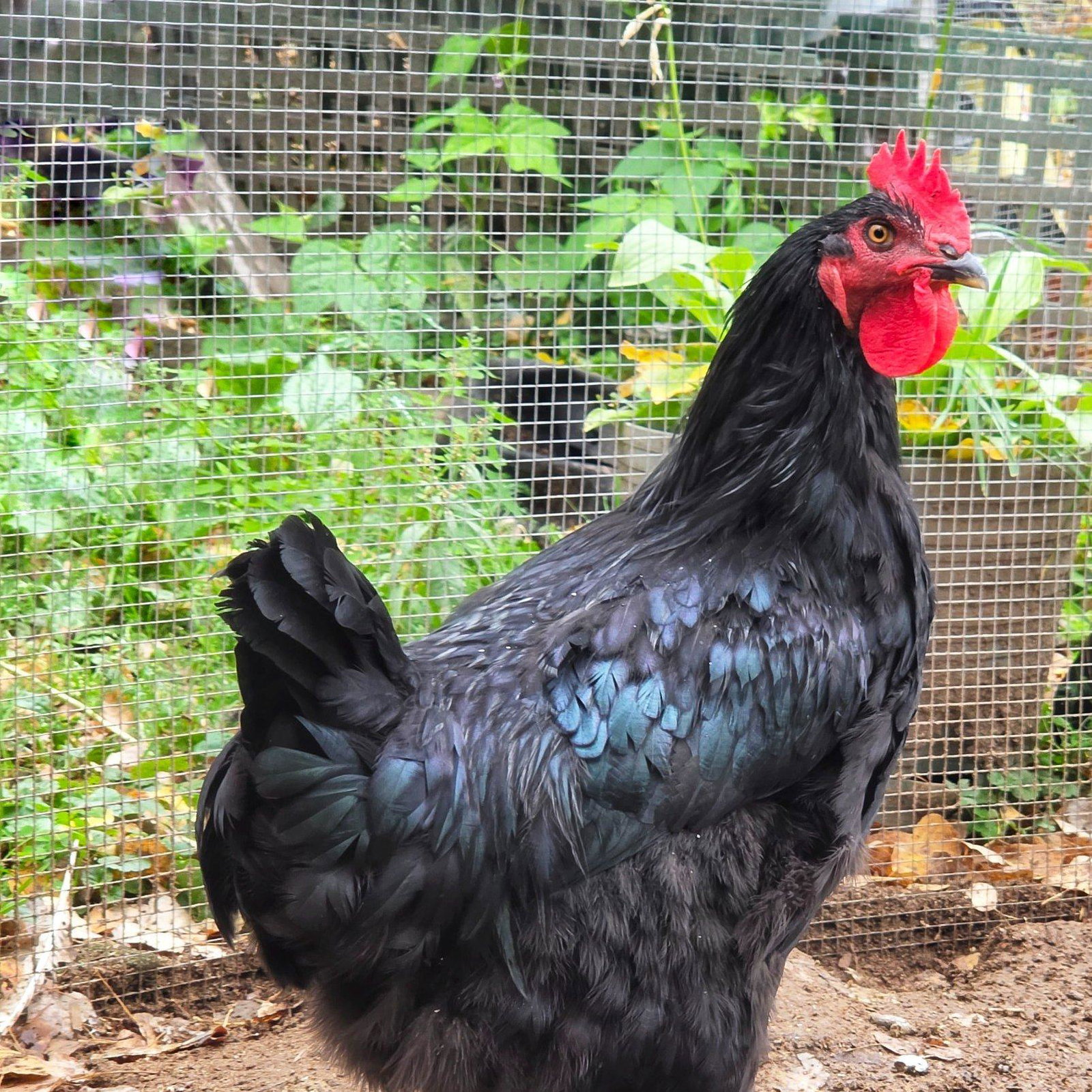
The National Jersey Giant Club’s reproduction of the APA standard describes a long, wide, deep body, a broad breast, a long nearly horizontal back and strong, widely set legs. It is not a miniature turkey, and a photograph without a useful scale reference can exaggerate its size.
The standard lists mature cock and hen weights of 13 and 10 pounds, and cockerel and pullet weights of 11 and 8 pounds. These are standard weights for the named age and sex classes, not a promise that every bird weighs that much or a target to reach through fattening. A scale reading, body condition and sound movement answer different questions.
The same standard records admission of black in 1922 and white in 1947. The Livestock Conservancy’s breed history identifies blue as the third APA-recognized variety. The APA accepted-varieties list distinguishes those three large-fowl colors from the two bantam colors, Black and White. If exhibition matters, use the current APA Standard of Perfection and the correct variety description. A seller’s large blue or splash chicken is not automatically an accepted show variety.
Identifying features
Jersey Giants have a red single comb and clean, unfeathered legs. Black birds have dark shanks and a green sheen to the black plumage. The club standard specifies yellow on the undersides of the feet. Check that feature by calm, safe handling if needed; an upright photograph rarely shows the sole clearly. Do not infer a hidden sole color from the picture.
White and blue have their own color descriptions in the standard. Do not apply a black bird’s exact shank description to every variety. Identity involves body type, color details, ancestry and the breeder’s selection, not just one feature. The chicken species hub offers wider comparisons, including the different priorities of Cream Legbars and ISA Brown layers.
Growth, eggs and the dual-purpose trade-off
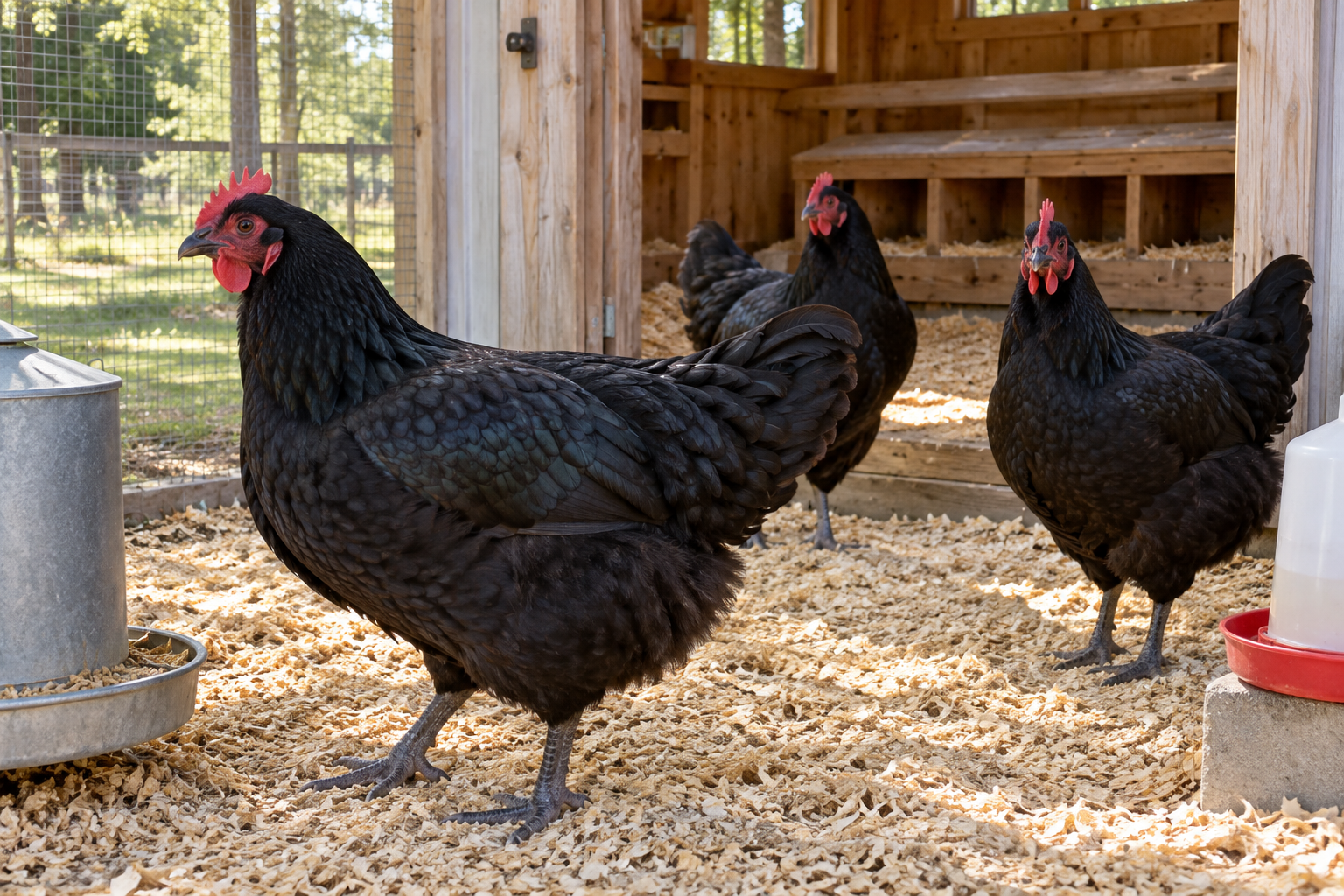
The breed club’s practical guide explains that Giants build a large frame before filling out and gives about 8 to 9 months as a maturity guide. That is an attributed planning reference, not a fixed deadline for every individual. Their final maturity takes patience. Do not compare a young Giant with a commercial meat hybrid on the assumption that the heavier adult breed must produce the quickest table bird.
For a household seeking meat, ask about the breeder’s actual growth and finishing experience, the feed used and the intended processing size. Include processing access and the cost of feeding through the whole growing period. “Dual purpose” describes a use, not a guarantee of commercial feed efficiency.
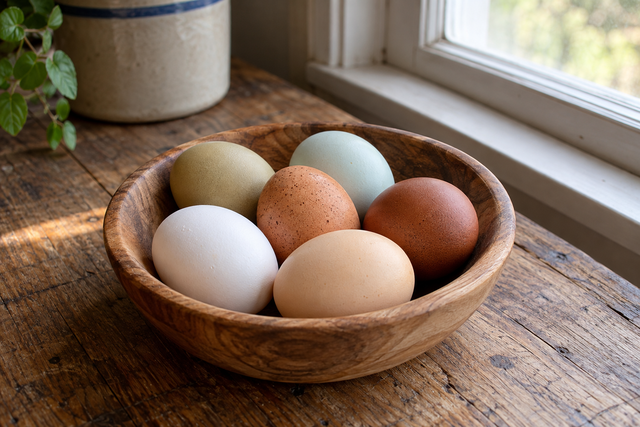
Hens lay brown-toned eggs, with shade varying. The club describes a range from light cream to dark brown. Ask how laying was measured rather than accepting a fixed annual count for the whole breed. Age, season and management change the comparison. Our egg records guide explains how to keep useful counts alongside the context.
If egg output is your main goal, compare a commercial layer such as ISA Brown. If a colored basket is the goal, compare Olive Eggers, which are crosses rather than a standardized heavy breed. The right comparison begins with what you want the flock to do.
Housing must fit the adult bird
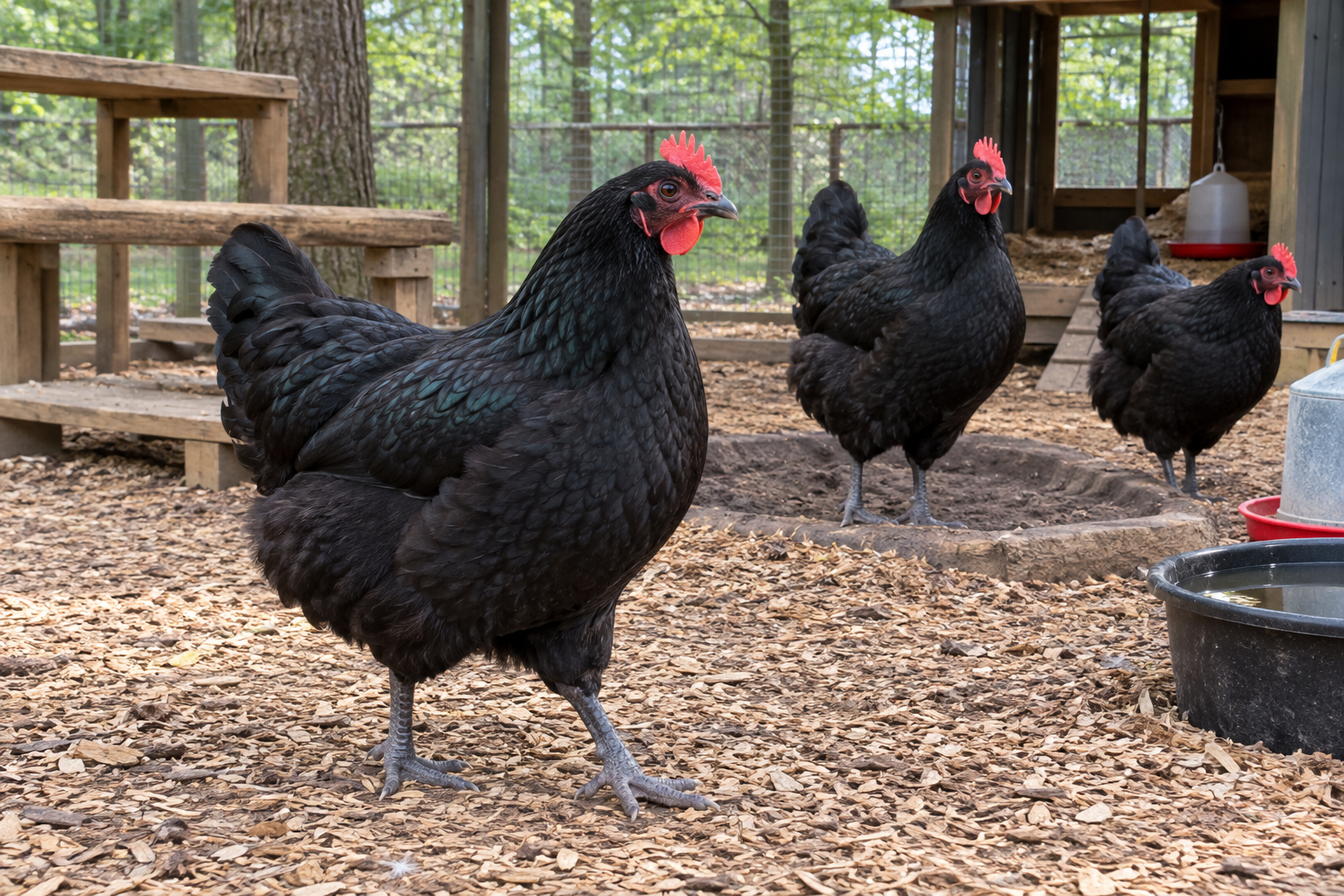
Measure usable room at the bird’s level. Doors, nest entrances, perch spacing and the route to feed must accommodate a full-grown Giant, not just a pullet. A nest sold for an average backyard hen may be awkward. Check that a bird can enter, turn and settle without squeezing or damaging feathers.
The National Jersey Giant Club’s housing recommendations make the adult dimensions concrete:
- Keep roosts no more than 1 to 2 feet high. Allow at least 15 inches of roost per hen and 18 inches or more per male, with at least 10 inches between perches.
- Provide nests at least 18 by 18 inches, on the floor or no more than 1 foot above it.
- Allow at least 4 square feet of indoor housing per mature bird; the club says 6 is better and more space helps when birds spend much time confined indoors. Its advice depends partly on whether birds have an outside pen.
These are the club’s recommendations for mature Giants, not a reason to stop at a cramped minimum. Use strong, broad, stable perches with an easy approach and a clear, well-bedded landing area. The club warns that jumping down from high roosts can cause foot and other problems in such heavy birds.
Provide predator-resistant night housing, fresh air, dry absorbent bedding and a protected outdoor area for movement, scratching and dust bathing. Poultry Extension’s housing overview explains the general needs. The coop guide helps with the layout, but size the details to these birds rather than treating a minimum as a finished design.
In a mixed-size flock, check that feeders and drinkers work for every bird. The club notes this problem when Giants and small chickens share accommodation. A low waterer may collect litter from the large birds, while a high one may exclude a bantam. Multiple accessible stations and room to avoid conflict can be more useful than a claim that the breed is always gentle.
Feeding, feet and daily health
Use a complete chicken ration appropriate to age and laying stage, with clean water always available. Support normal skeletal and muscle development rather than pursuing the largest possible scale reading. University of Minnesota Extension’s laying-hen guidance explains balanced feed and daily care. Scraps, scratch and forage do not replace that foundation.
Check movement as well as appetite. A bird that limps, remains sitting while others feed, avoids a perch it formerly used or has damaged feet needs attention. Inspect the setup for wet litter, sharp edges and difficult landings. Persistent lameness or other illness signs need veterinary advice; do not dismiss them as normal because the chicken is large.
Keep new birds separate for observation before integrating them into an existing flock. Ask the source about vaccination and the exact scope of disease testing. Appearance and calm behavior are not disease clearance. This guide gives no breed-specific medical treatment or lifespan guarantee.
Record actual weights with the date and measurement method, along with a note on condition or movement when relevant. A weight entry can document change; it cannot establish whether the bird is correctly conditioned or diagnose a foot problem.
Temperament and breeding records
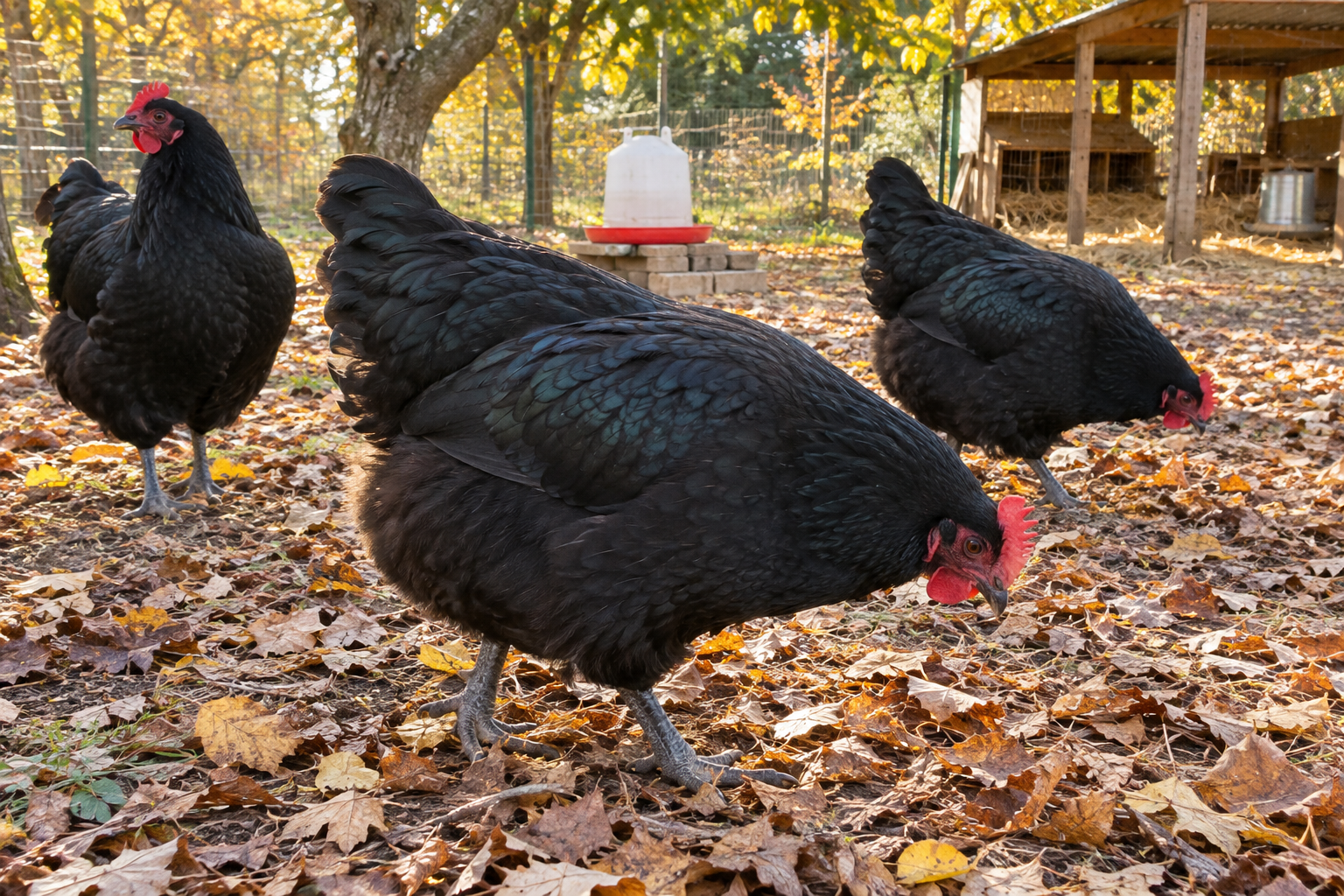
The breed club describes Giants as generally mellow, while also warning that roosters can fight and individual birds can be difficult. A large calm hen may be pleasant to work with, but breed reputation is not a handling guarantee. Supervise children and plan around the strength and behavior of the individual bird.
For breeding, choose sound adults with the correct frame and variety, not simply the heaviest pair. Ask the breeder how they assess fertility and hatch outcomes, and how the young birds develop. Have an experienced breeder or judge help with standard details if your goal is exhibition. Avoid selecting size at the expense of sound legs and ordinary movement.
The chicken hatch-records guide helps keep mating-group details, set eggs and outcomes together. Creatures’ signed-in clutch workflow records what happened; it does not certify pedigree or operate the incubator. Keep uncertain ancestry explicit. The chicken name generator can help with profile names alongside reliable identification.
Buying and total cost
There is no useful universal price for a Jersey Giant. Hatching eggs, chicks, pullets, mature hens and selected breeding males are different purchases. Ask for a current written quote that states age, sexing terms, variety, health information, shipping and arrival arrangements.
Include housing sized for adults, strong low perches, roomy nests, feed through the growing period, bedding, transport and veterinary access. A large breed affects more than the initial bird price. The chicken cost guide helps structure a budget, and the buying guide compares purchase stages.
Before paying, ask:
- Which variety and standard do you breed to?
- Can I see full side views of the parents and their movement, with ages stated?
- Are quoted weights measured values or standard weights?
- How are sound feet and legs considered in selection?
- What have recent chicks from the same line done for growth and laying?
- What vaccination, testing and sexing documentation comes with the birds?
Current marketplace listings and directory profiles are leads to investigate. Neither proves that a bird meets the standard or that suitable stock is available nearby.
Frequently asked questions
How much does a Jersey Giant weigh?
The club’s APA standard excerpt lists 13 pounds for a mature cock and 10 for a mature hen, with different weights for younger classes. Those are standard values, not a promise for every individual or a reason to overfeed.
Is every large black chicken a Jersey Giant?
No. Type, clean legs, color details, yellow underfoot and known breeding history all matter. A photograph can support a question, but it cannot certify breed identity.
Are splash Jersey Giants an APA-recognized color?
The club lists black, white and blue as recognized colors. It discusses splash as a result associated with blue breeding, but a splash bird should not be sold as an accepted APA color on that basis. Check the current standard for exhibition.
Can Giants use a normal chicken coop?
Only if the practical details fit them. Check doorways, nests, feed access, perch strength and safe low landings. A coop that suits small chickens may need changes.
Are they always gentle?
No individual behavior is guaranteed. The breed is often described as mellow, but roosters and flock hierarchy still need sensible management.
Do this next on Creatures
- Keep your chickens’ details together. Start a Jersey Giant profile. No account is needed to start; a free account keeps it. See adding an animal.
- Keep observations. Add an egg, weight or health note. Opens for visitors; a free account saves it. Read adding a record.
- Wait for suitable birds. Save a Jersey Giant search for future matching listings. This does not establish current stock. See saved searches and your watchlist.
- Check current offers. Browse filtered Jersey Giant listings, then ask the source the questions above.
- Research sources. Browse breeder and farm profiles. Profiles are information to investigate, not a stock, genetic-identity or endorsement guarantee.
- Describe your operation. Start an organization profile. No account is needed to start. Read creating an organization and adding your team for the workflow.