Serama
Author: Elliott Garber, DVM · Published
Serama are small chickens with an unusually upright outline: a full forward breast, high tail and low-carried wings create the familiar proud stance. Their size attracts attention, but a useful Serama assessment starts with sound movement, condition and the standard being followed, not a contest to find the lightest bird.
Serama originated in Malaysia. The SCNA history records their initial importation into the United States in 2001, followed by the club’s formation in 2003.
The Serama directory can help you research listed breeders. An entry does not confirm current stock, a particular bloodline or show results. Use the chicken guide for the wider flock questions before deciding whether a very small bantam fits your setup.
| Type | Small bantam chicken |
|---|---|
| Outline | Upright with prominent breast and high tail |
| Reference | American APA/ABA in-cage standard; SCNA tabletop rules |
| Show question | Tabletop or recognized in-cage classes? |
| Care priority | Safe access to resources and compatible flockmates |

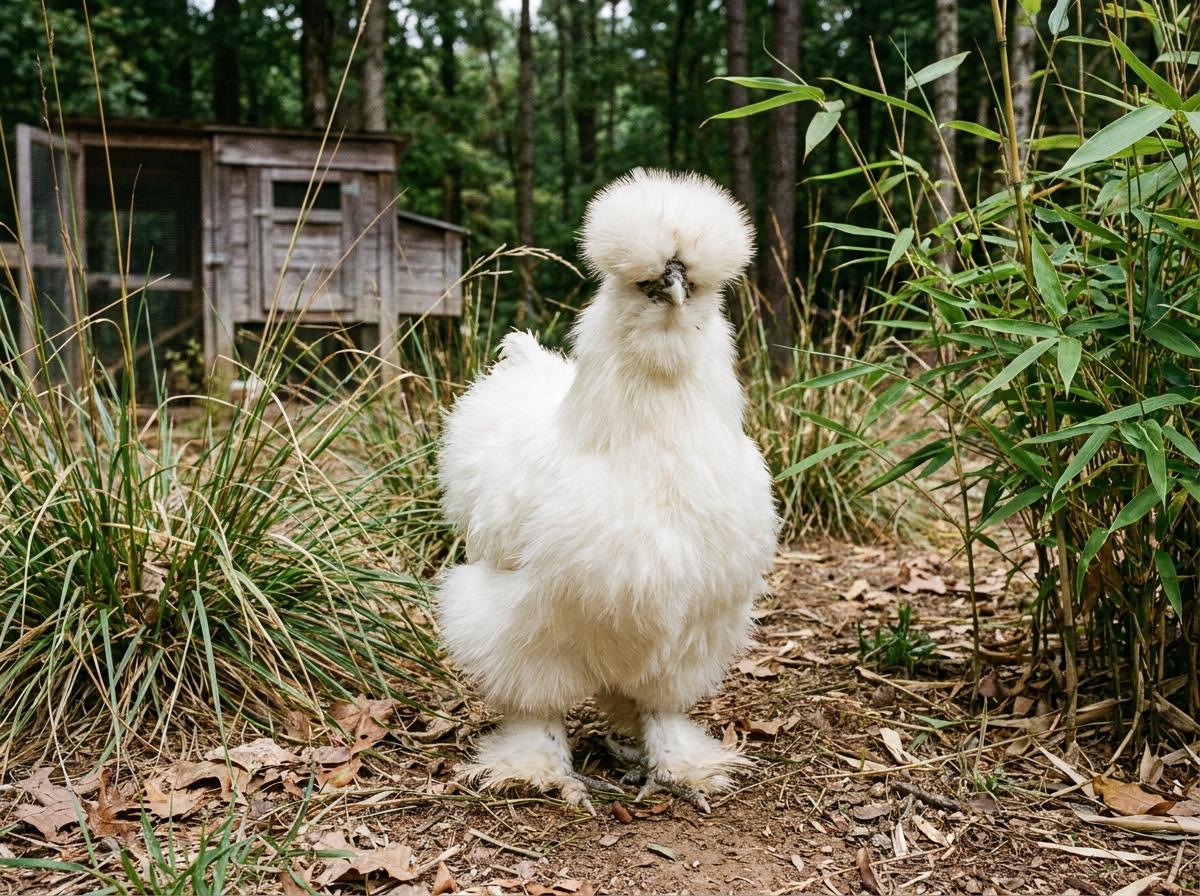
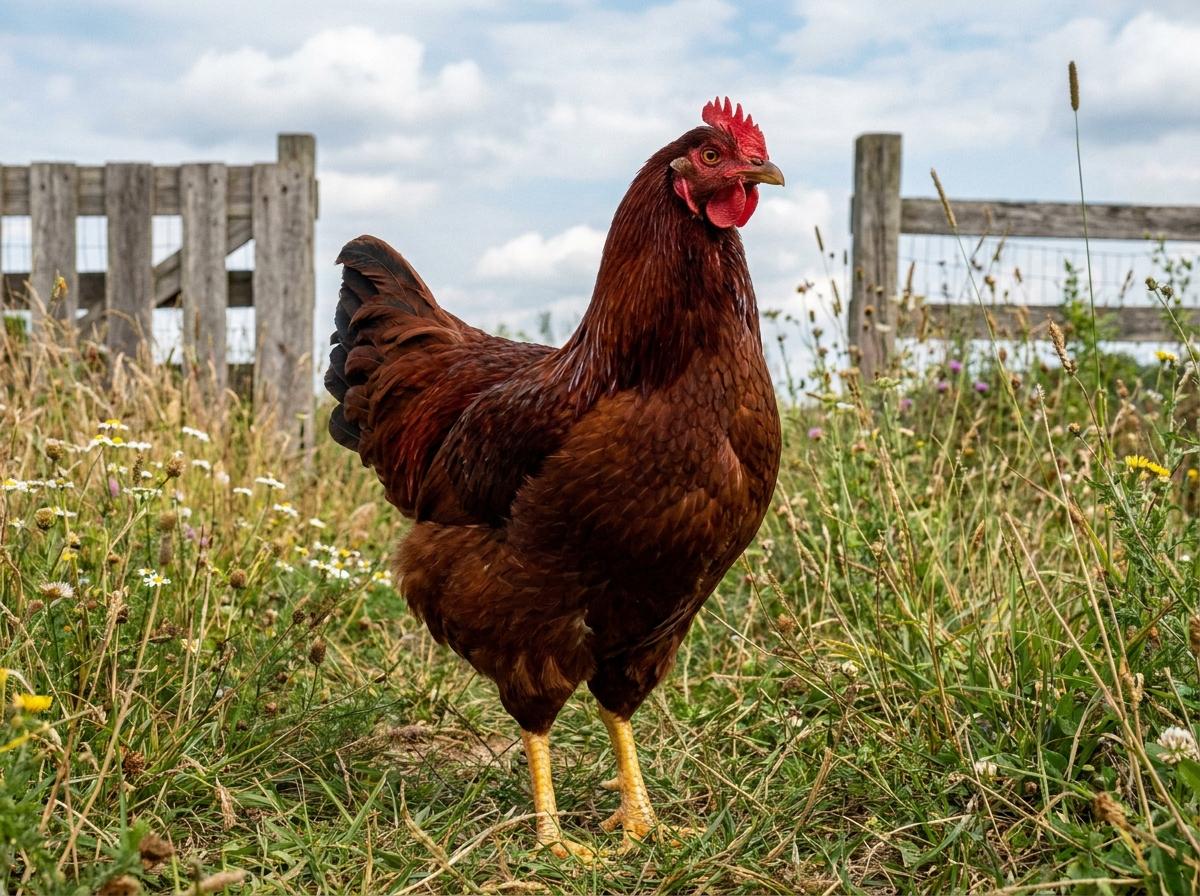
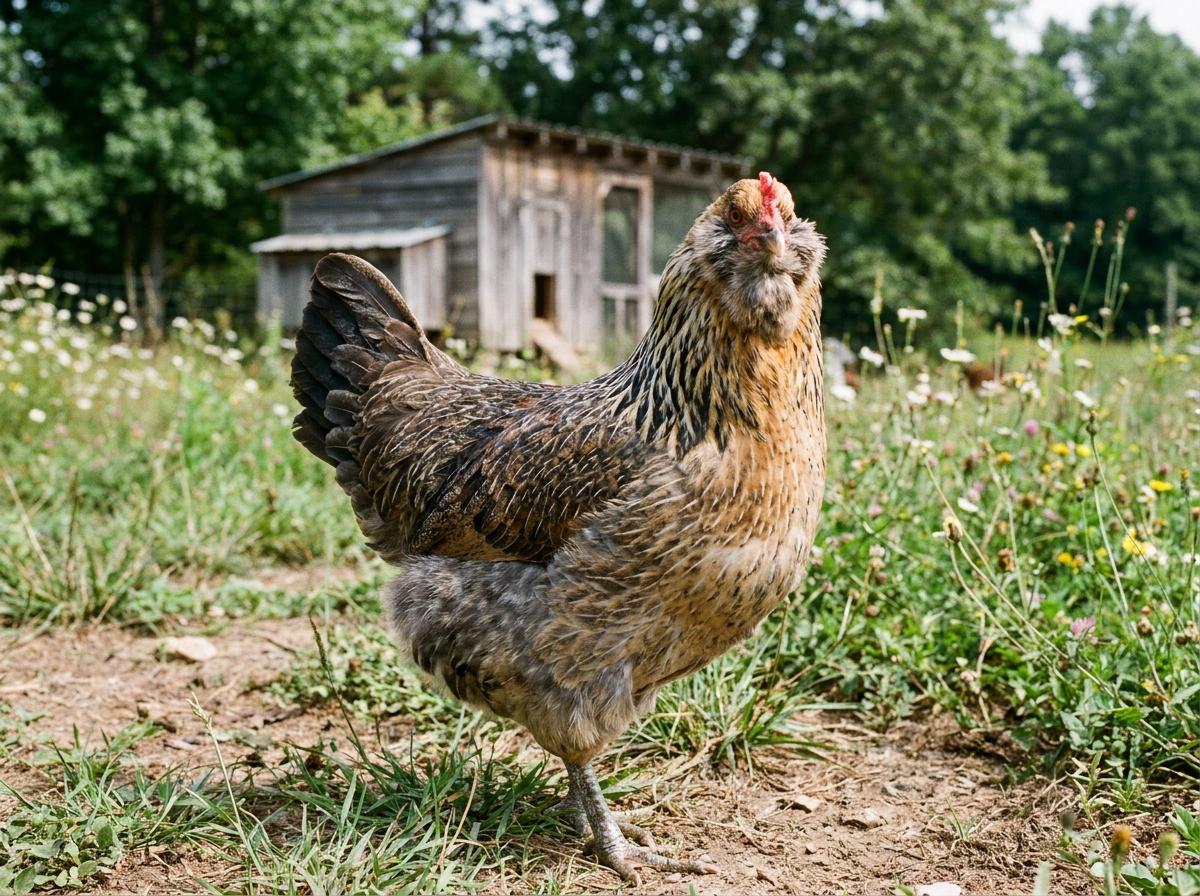
AI-generated illustration of Serama form, not a photograph of a listed bird or proof of its weight class.
Browse listings, public profiles, breeders, or add your animal.
What the American standard describes
The American in-cage standard reproduced by SCNA describes a compact, upright bird with a prominent breast, vertical wings held clear of the ground and an erect tail. Its single comb, clean legs and close feathering contribute to a very different silhouette from the rounded, feather-footed Cochin.
A good photograph should show the whole bird in a natural stance, including both feet and the wing tips. A cropped chest portrait can conceal poor footing, and a flattering angle can make an ordinary tail look more vertical. Ask for a short video of walking as well as a posed photograph.
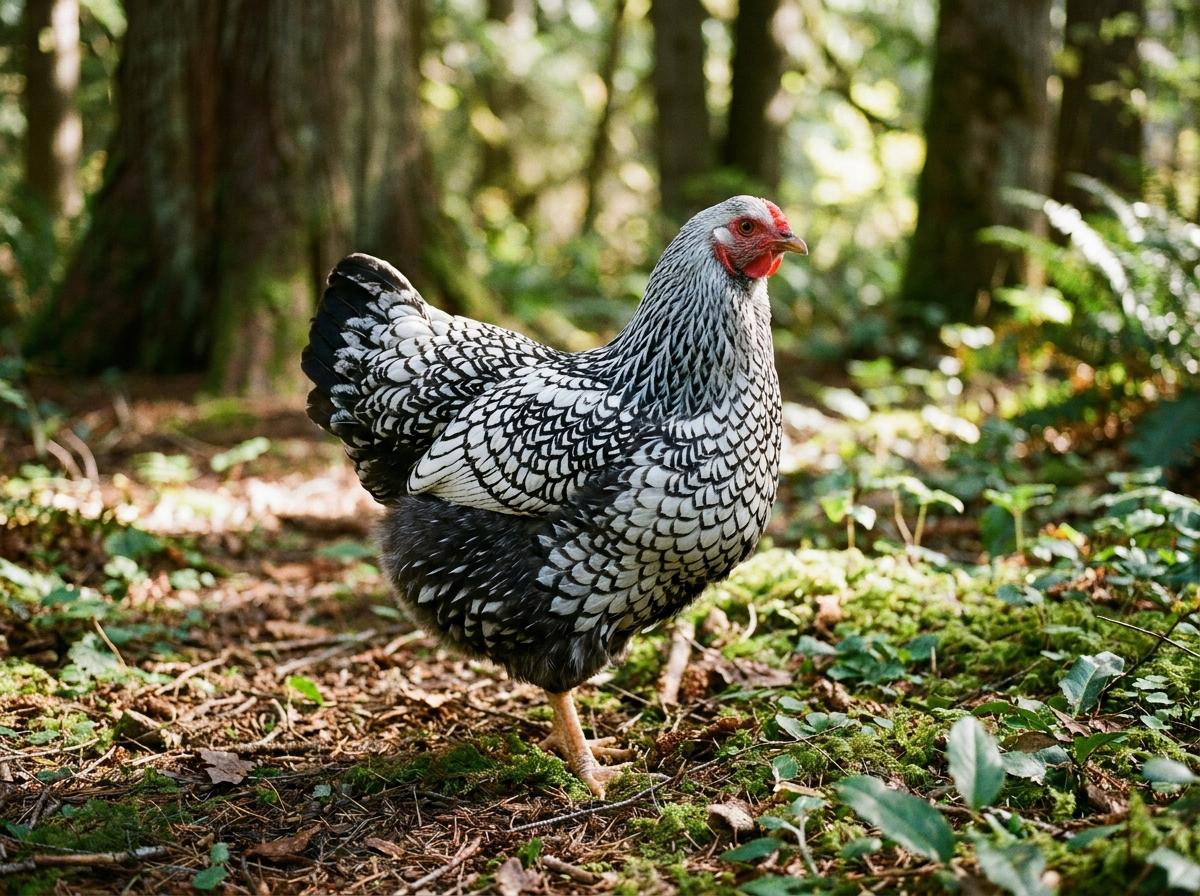
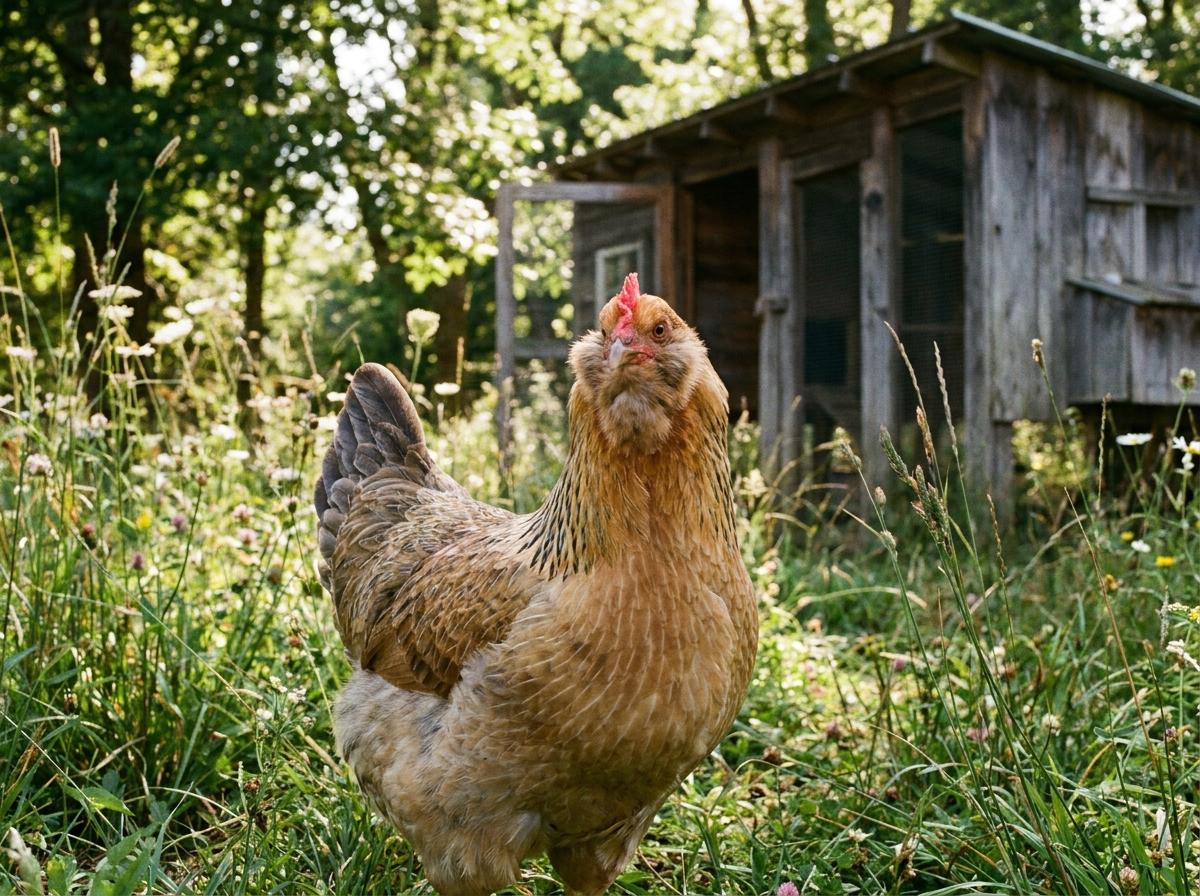
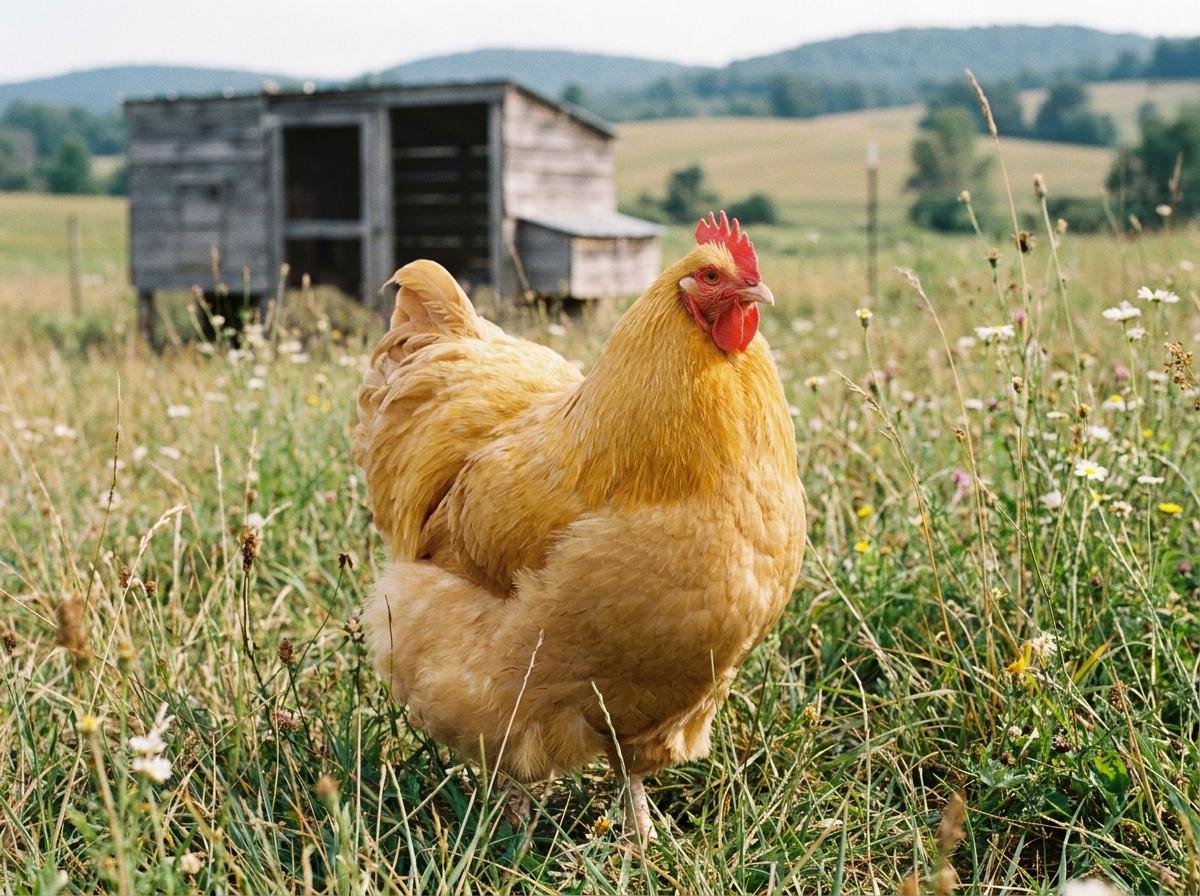
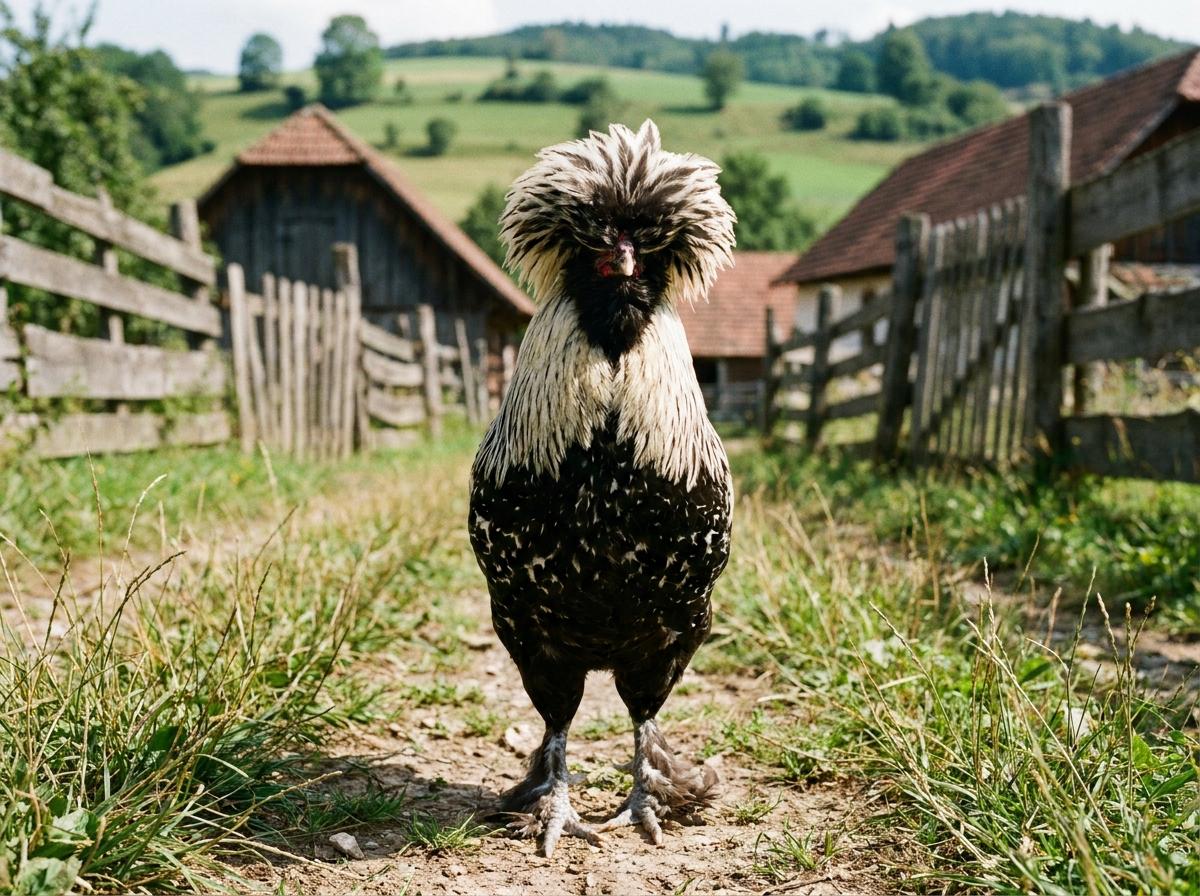
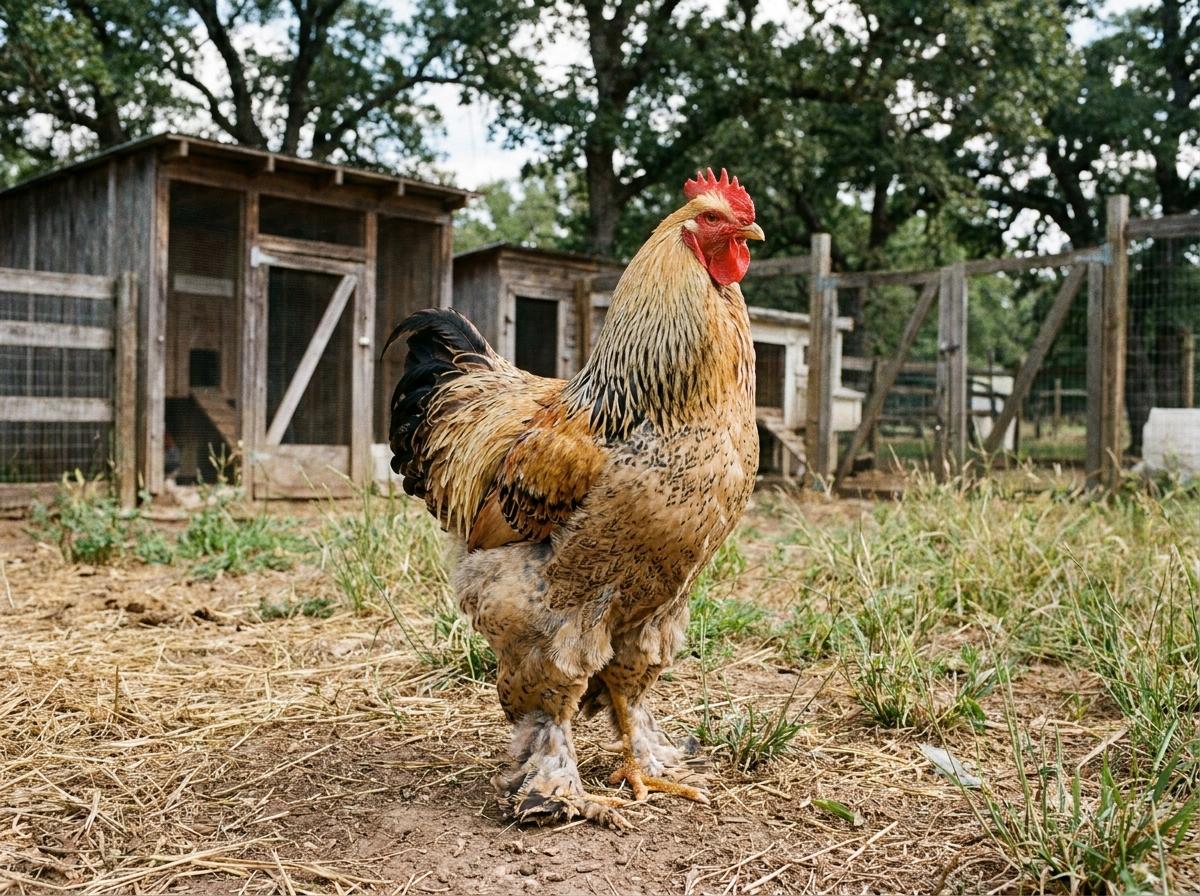
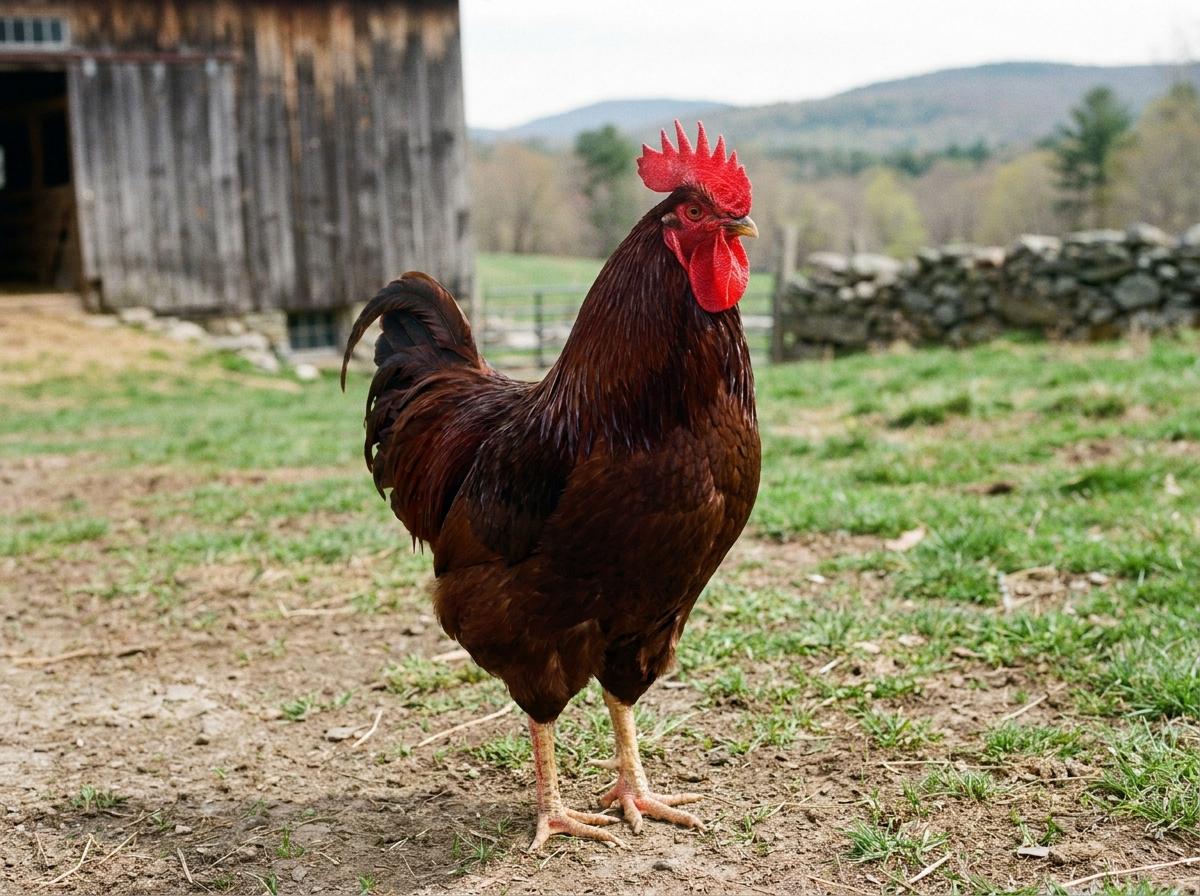
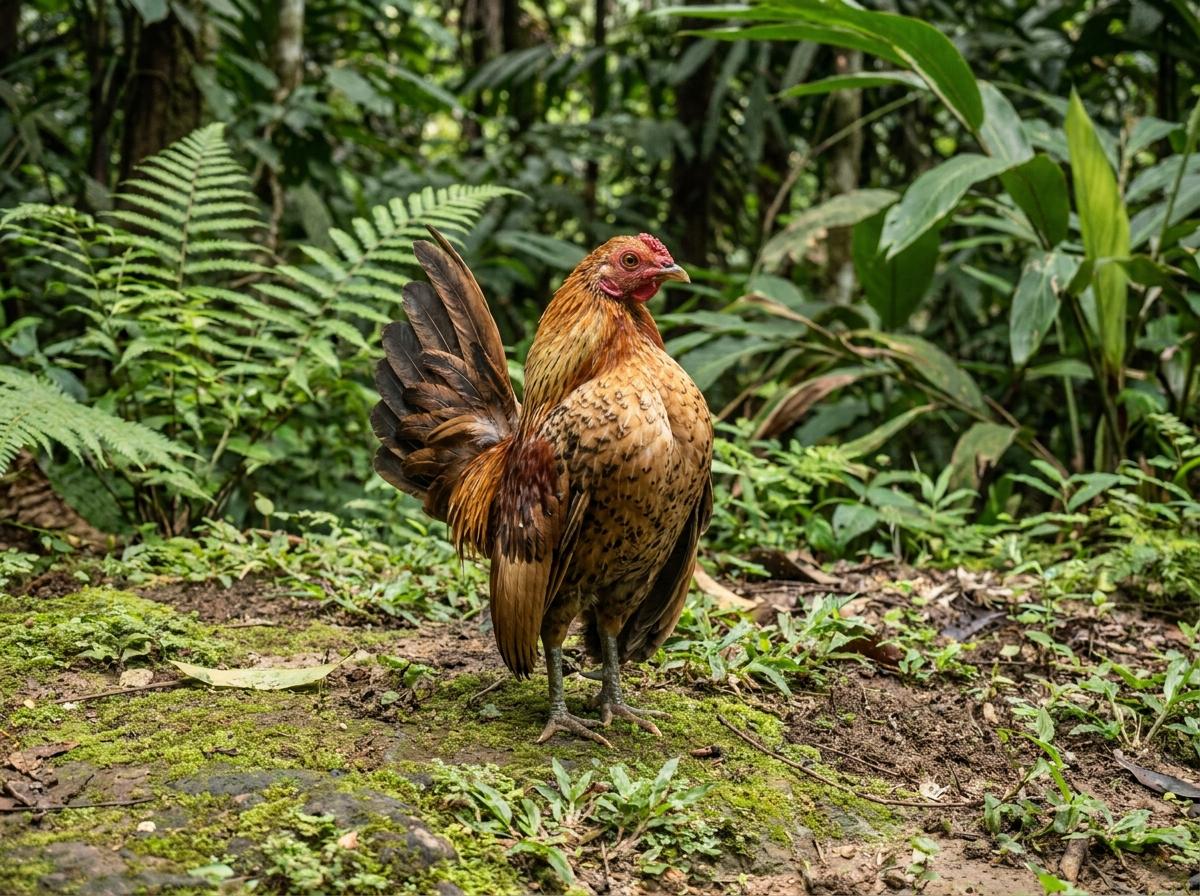
The images here show white birds as a consistent example. They are educational reconstructions, not judging plates. They cannot establish actual scale, parentage, weight or fitness for exhibition.
Tabletop judging and cage shows ask different questions
SCNA helped develop the American in-cage standard and transferred its ownership to the American Poultry Association (APA) and American Bantam Association (ABA). Its standards page distinguishes that framework from SCNA tabletop exhibition.
As of the page’s stated 2023 list, APA recognized White, while ABA recognized White, Black, Exchequer, Blue, Splash and Ginger Red. The APA’s current accepted-variety list, checked in October 2026, still lists American Serama in White. Confirm later changes and the event’s rules before entry. Do not assume that a bird described as “tabletop quality” is eligible in every recognized color class at another show.
The SCNA tabletop portion of the reproduced standard disqualifies very short legs and warns that these can reflect the creeper gene, associated with lethal effects. That is a breeding and welfare concern, not a desirable way to make a bird smaller; short appearance alone is not a genetic diagnosis.
Before buying for exhibition, name the organization and event you intend to enter. Ask the seller which standard they breed toward, the bird’s current age and weight, and whether any result belongs to this individual or only to its relatives. A photograph with a rosette in the background is not a result record.

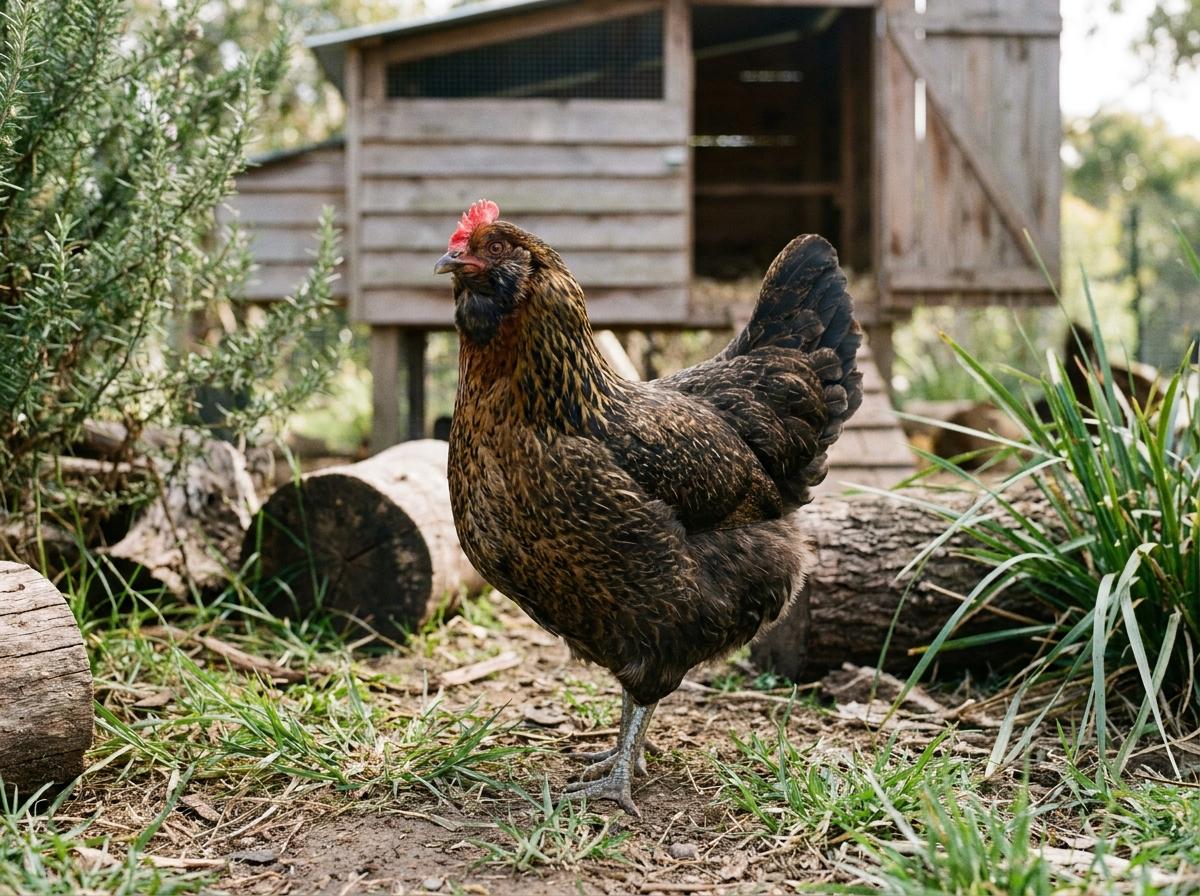
AI-generated illustration of a hen. Sex, age and weight of a real purchase need the breeder’s records.
Build the flock around the actual birds
Small chickens still need secure housing and room for normal chicken activity. Review doors, mesh gaps, feeders and drinkers at the birds’ level. A gap that contains a large hen may not contain a small bantam. Observe whether every bird can reach feed and water without being pushed aside.
If your existing flock includes much larger birds, do not treat a breed’s friendly reputation as a compatibility guarantee. Plan introductions, escape space and separate accommodation before combining them. Ask the breeder about the actual birds’ outdoor conditions and your local seasonal extremes; an attractive indoor portrait says nothing about acclimation.
University of Minnesota Extension’s chicken guidance provides the general housing and feeding foundation. Match feed to life stage, maintain dry bedding and inspect daily. Size should not be managed by restricting a growing bird’s nutrition to reach an advertised class.

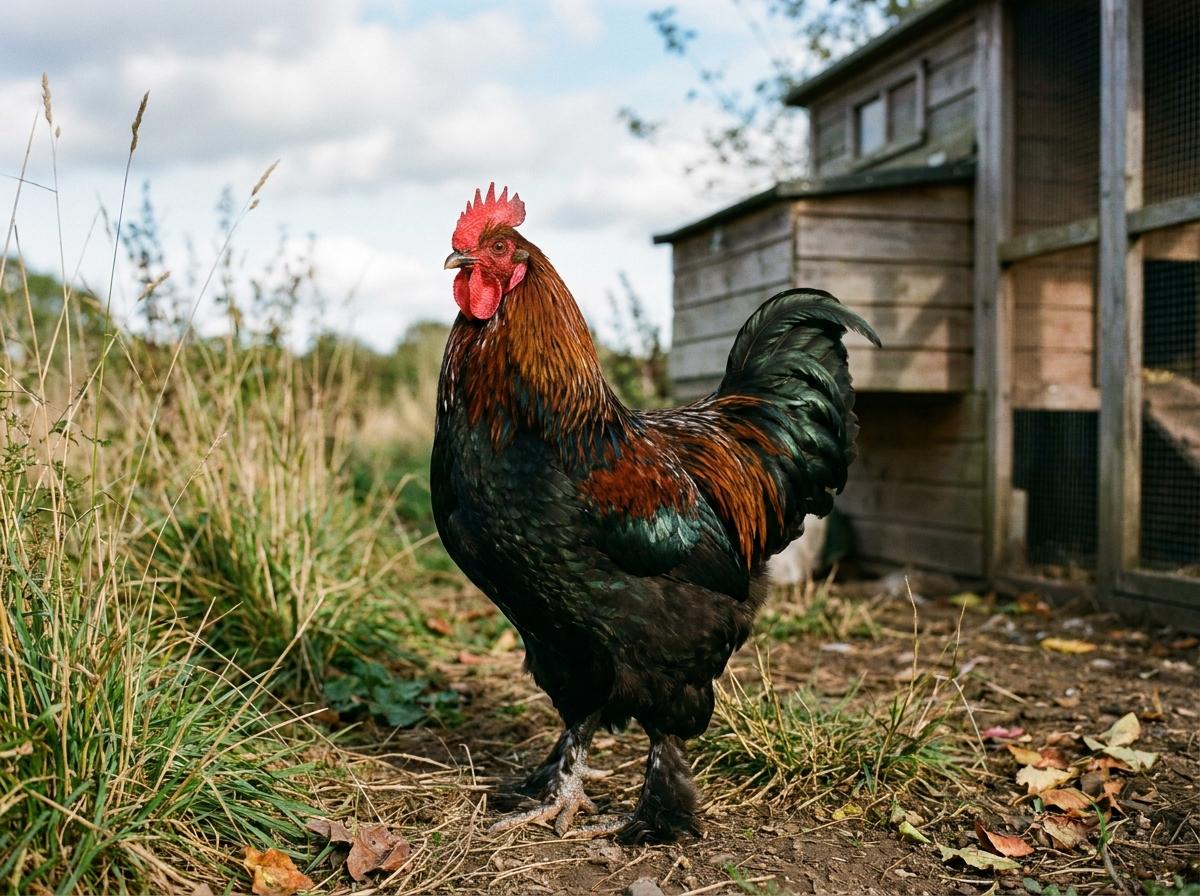
AI-generated illustration. A bright-looking portrait cannot certify health or sound movement.
Price, age and breeding claims
A universal Serama price would conceal more than it explains. Hatching eggs, unsexed chicks and mature birds with documented results involve different risks and costs. Compare quotes for the same age and purpose, in the same currency, with transport and paperwork itemized.
Useful questions include:
- Is the bird fully independent, and what has it been eating?
- How were sex and age established?
- Is the quoted weight recent, and under which show’s class rules?
- Are parentage and any show results tied to identification records?
- What known faults or ongoing care needs should the new keeper understand?
For breeding, ask about the family’s actual hatch and rearing records. Avoid claims that every chick will inherit a particular tiny size, pose or show result. Neither an adult’s photograph nor a sales label gives a complete breeding prediction.
Frequently asked questions
Is the smallest Serama automatically the best?
No. The relevant standard considers the whole bird. Sound condition, movement and breed form matter alongside the applicable size rules.
Do all Serama colors enter the same classes?
No. Check the current rules of the organization and event. Tabletop descriptions and recognized in-cage varieties are different questions.
Are they a substitute for a household egg flock?
Choose them because their size and character suit your keeping goals. Ask for the actual hens’ laying records if egg supply is central; do not budget around an unsupported annual promise.
Do this next on Creatures
Use the Serama breeder directory to compare listed profiles, then verify current breed focus, records and contact details before making arrangements.