

Banaba
Author: Elliott Garber, DVM · Published
Banaba is the name of a Philippine native chicken population associated with Batangas, south of Manila. It is not a banana-flavoured feed, a commercial red hybrid, or a globally standardized exhibition breed. The most detailed accessible breed-specific description is an older Food and Agriculture Organization record, so this guide separates what that record actually documents from what is still unknown. Start with the wider Creatures chicken hub if you are comparing it with better standardized breeds, or check Banaba chicken listings if you are researching a particular bird.
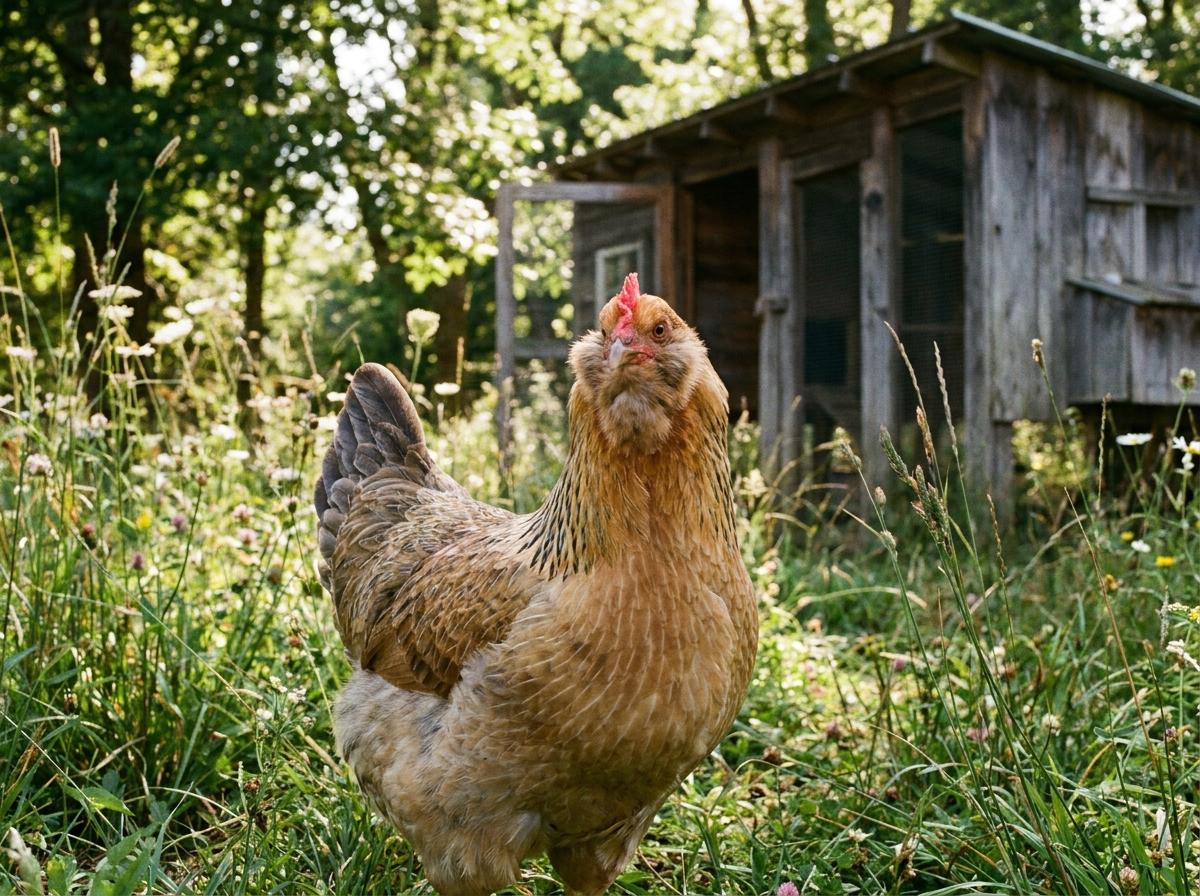
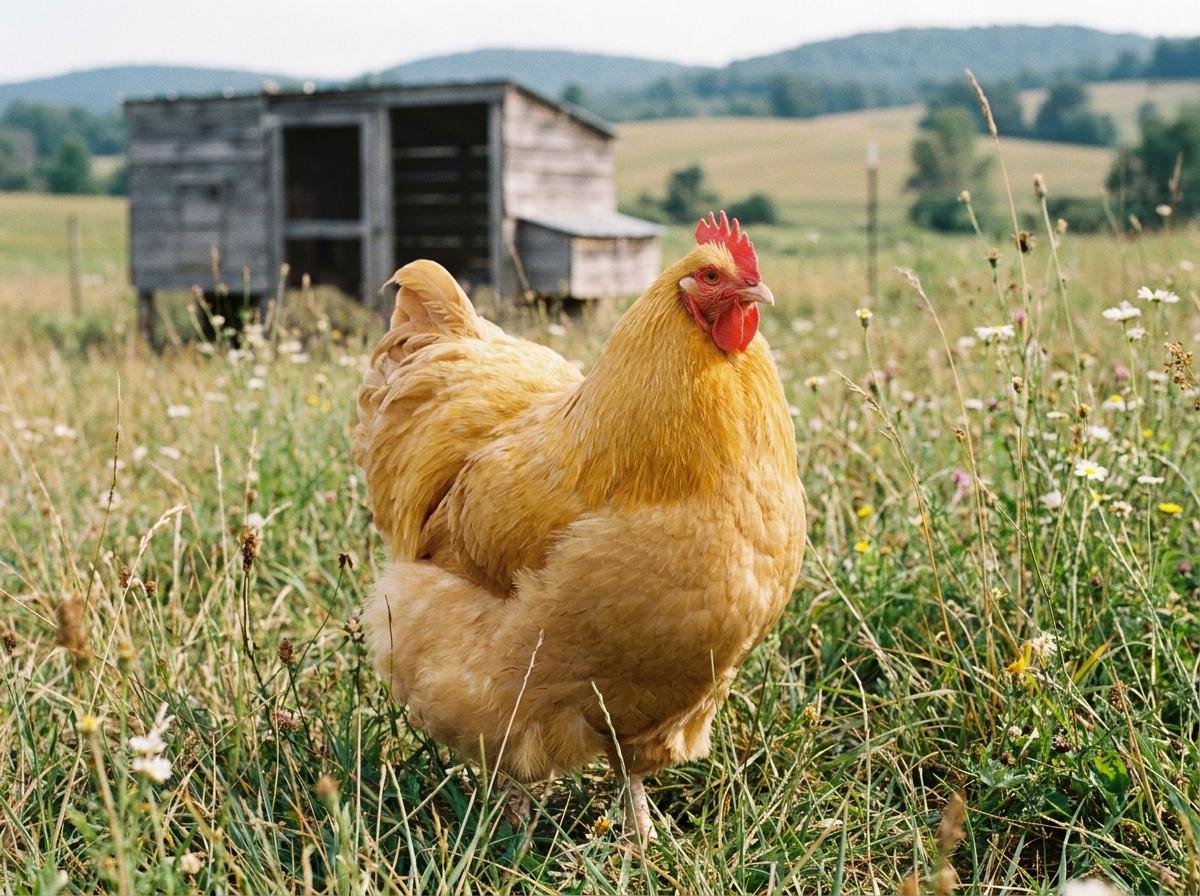
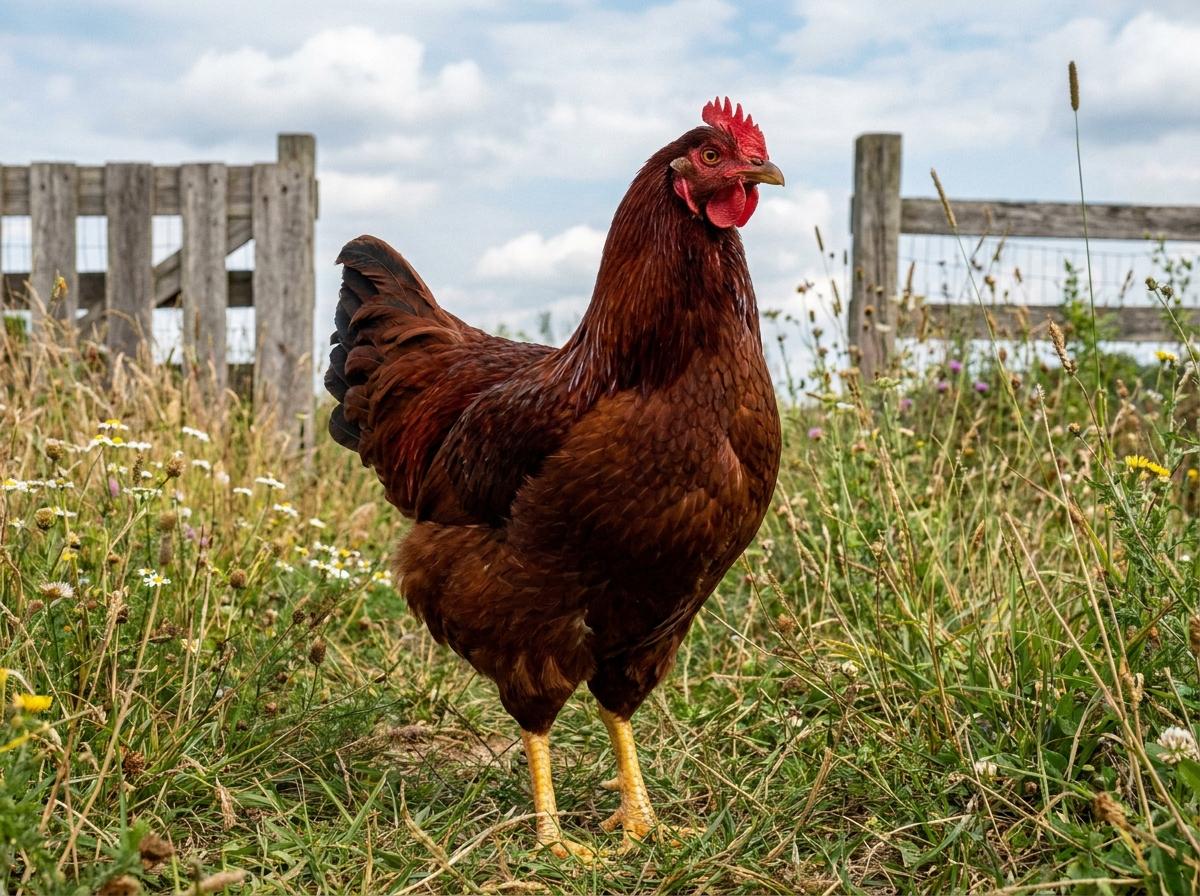
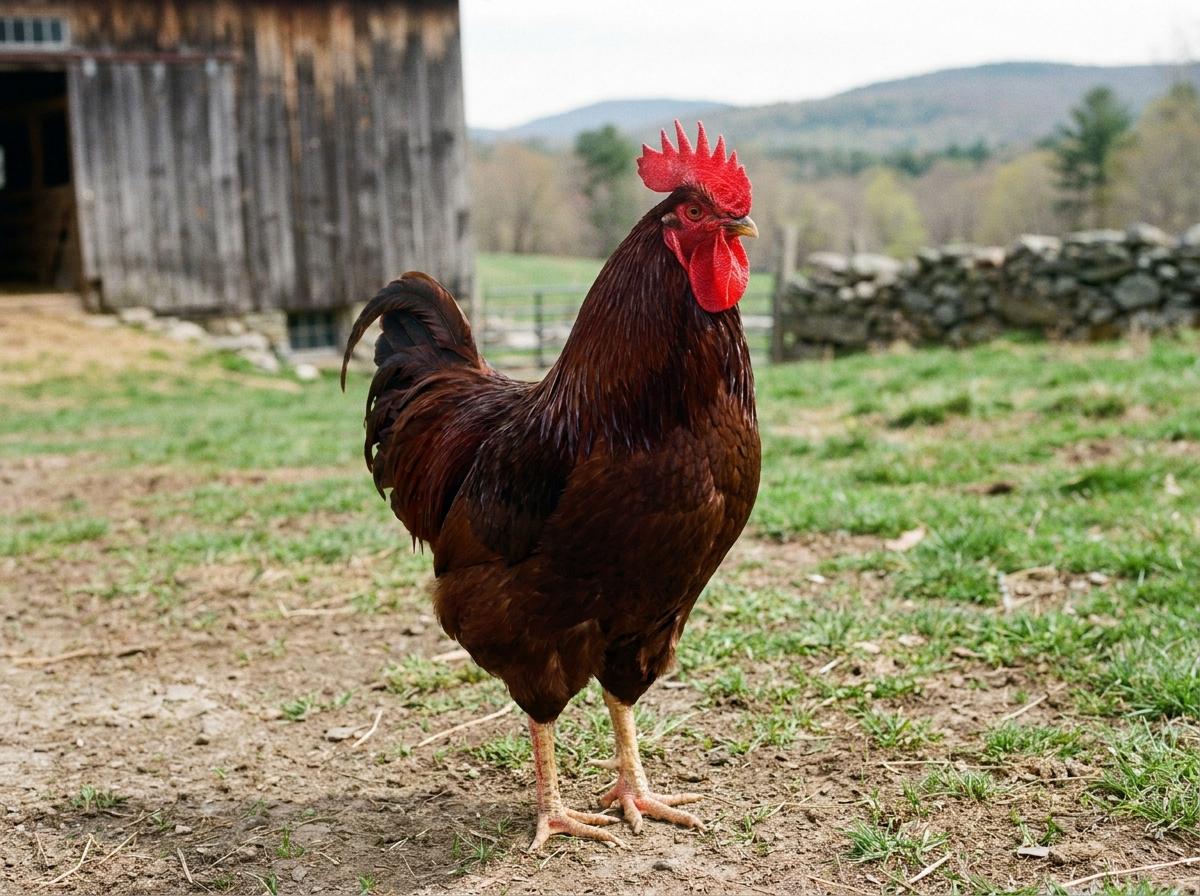
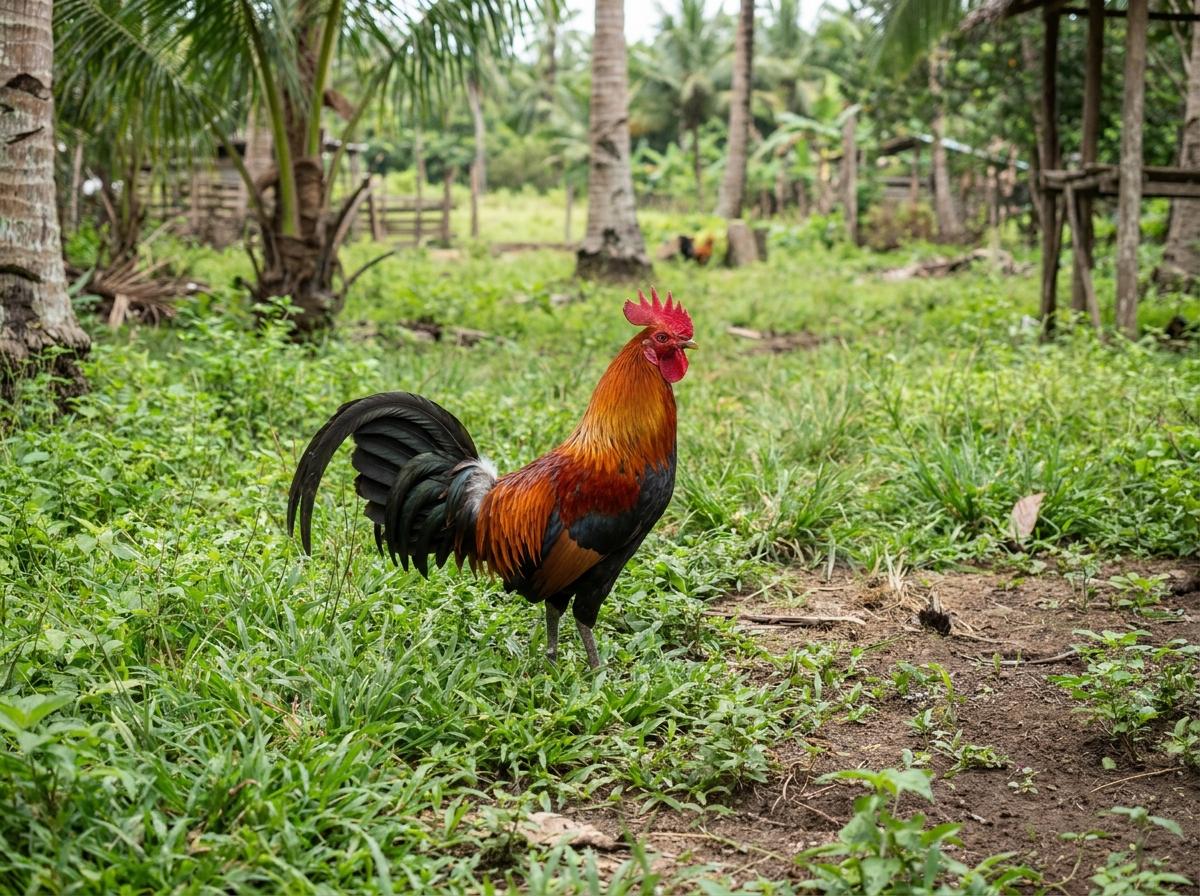
The documented picture is a practical red native chicken with a single comb, yellow legs, white skin, and close-carried wings. The historical FAO record also reports strong broodiness and mothering. Those details help identify a plausible Banaba, but they do not establish a current population count, a guaranteed body weight, an annual egg total, or disease resistance.

| What the name means here | A regional Philippine native chicken population, not a botanical reference |
|---|---|
| Documented location | Batangas, in the Philippines’ Southern Tagalog region, in the historical FAO record |
| Plumage | Self-red is the recorded description, with colour variants also noted and no special feather pattern |
| Comb, skin, legs | Single comb, white skin, yellow shanks and feet |
| Historical adult means | About 1.6 kg for males and 1.5 kg for females in the FAO record, not a present-day standard |
| Eggshell | White or brown recorded; no defensible annual egg figure located |
| Broodiness | Hens described as broody and excellent mothers in the older record |
| Recognition | Regional genetic group; no global show standard used for this guide |
| Evidence limit | Breed-specific descriptive evidence is sparse and much of it is historical |
Browse listings, public profiles, breeders, or add your animal.
What is a Banaba chicken?
The Banaba belongs in the context of Philippine native chickens. That phrase describes locally adapted populations maintained in different regions, not one uniform breed with one international standard. A University of the Philippines Los Banos study catalogued by the Philippine eLib identifies Banaba material from Batangas alongside Paraoakan from Palawan, Camarines from Bicol, and Bolinao from Pangasinan. An AGRIS research record likewise lists Banaba from Batangas as one of five native genetic groups evaluated under semi-confinement.
That regional framing matters. A bird does not become Banaba merely because it is red and lives in the Philippines. Provenance from a keeper or breeding program that can trace stock to the named population is stronger evidence than colour alone.
The name can also confuse search engines and buyers. Banaba is used for other subjects outside poultry, while common red chickens can look similar at a glance. Use the full phrase Banaba chicken, ask where the line came from, and keep the seller’s answer with the bird’s records.
What the historical record actually says
The breed-specific details in this guide come chiefly from the FAO’s World Watch List for Domestic Animal Diversity. Its Banaba entry places the population in Batangas and describes self-red or variant-coloured plumage without a special feather pattern, white skin, yellow shanks and feet, a single comb, and wings held close to a comparatively large body. It records either white or brown eggshells and gives adult mean weights of 1.6 kg for males and 1.5 kg for females.
Those figures are a historical snapshot, not a modern standard of perfection. They describe the animals reported to the database at that time. Nutrition, age, sex, strain, selection goals, and sampling can all change body size. A seller’s individual bird may fall above or below those means without proving or disproving its identity.
The same caution applies to the entry’s old population and conservation fields. They are valuable evidence that the population was documented, but they should not be repeated as its current status decades later. This article therefore makes no present-day population claim. Anyone working on conservation or formal registration should check directly with Philippine livestock and research authorities for the newest records.

How to recognize a plausible Banaba
No photograph can prove ancestry. It can only show whether a bird agrees with the recorded phenotype.
- Body and carriage: a useful native-fowl build with wings carried close to the body, not the extremely upright stance of a specialized exhibition or fighting strain.
- Comb: single, meaning one upright blade with serrated points. A rose, pea, cushion, or walnut comb would not match the FAO description.
- Legs and feet: yellow and clean, without the heavy leg feathering seen in some imported fancy breeds.
- Skin: recorded as white. This is easiest to assess where skin is naturally visible or during ordinary flock management, not by plucking feathers for inspection.
- Plumage: self-red is the headline description, but the record explicitly allows colour variants. It says there is no special feather pattern, so crisp barring or elaborate lacing would need an explanation.
- Eggshell: either white or brown appears in the old record. Shell colour alone is therefore not an identity test.
The practical buying question is not, “Does this bird match one internet picture?” It is, “Can the keeper explain the line, show its parents, and connect it to Batangas Banaba stock?” Keep photographs of both parents, hatch dates, and any institutional or breeder documentation in one record rather than relying on memory.
Eggs, broodiness, and mothering
The FAO entry describes Banaba hens as broody, difficult to break from broodiness, and excellent mothers. That is useful qualitative information, especially for a keeper who wants hens to incubate and raise chicks. It is not an annual egg-production figure. A broody hen pauses laying while she sits and raises young, so strong maternal behaviour and maximum egg output are different selection goals.
No reliable Banaba-specific annual egg count was located for this build. Published research records confirm that reproduction has been studied, but an abstract or catalog entry is not enough to turn a result from one managed group into a universal promise. Ask a seller for records from the actual line: age at first egg, eggs set, fertility, hatch rate, chick survival, and how management was handled.

If you let a hen set naturally, give her a quiet, dry nesting site, clean water, complete feed, and protection from predators without isolating her longer than necessary. Count chicks and check the hen daily without repeatedly disturbing the nest. The general chicken egg-laying guide explains the laying cycle, while the broody hen guide covers incubation and post-hatch management in more depth.
Care: manage the chicken in front of you
There is no evidence-based case for a secret Banaba ration or a reduced standard of care because the birds are native. Philippine institutions are actively interested in making native-chicken characteristics and performance more predictable. The DOST technology-transfer program describes breeding technology aimed at more uniform physical features and predictable performance, while DOST-PCAARRD describes a wider science and technology program for Philippine native chickens. Neither source justifies treating every regional group as identical.
Use the same fundamentals that protect any backyard flock:
- Feed a nutritionally complete ration appropriate to age and production stage. Scratch grain and kitchen scraps are additions, not a balanced base. The chicken feeding guide has the full framework.
- Provide clean water every day, enough feeder and drinker access to prevent guarding, and shade during hot conditions.
- Use a dry, well-ventilated coop with secure nighttime housing and enough room for normal movement. See the chicken coop guide and predator guide.
- Quarantine new birds away from the resident flock and arrange veterinary advice suited to local disease risks and vaccination availability.
- Track body weight or body condition, egg production, broodiness, treatments, and losses. A change from one bird’s own baseline is more useful than an old breed average.
The Merck Veterinary Manual’s backyard-poultry management guidance emphasizes management, nutrition, sanitation, and biosecurity as the foundation of flock health. There is no sound Banaba-specific evidence here for blanket claims such as “naturally disease resistant” or “needs little care.” Native ancestry does not remove the need for prevention.
Health and warning signs
Breed-specific disease prevalence was not found, so a list of supposed Banaba disorders would be invented precision. Watch the individual and the flock. Reduced appetite, a sudden drop in drinking or laying, laboured or open-mouth breathing when the bird is not heat stressed, discharge around the eyes or nostrils, repeated diarrhoea, marked lameness, inability to stand, neurologic signs, or several birds becoming unwell together justify prompt veterinary advice.
Do not diagnose an outbreak from a photo or medicate the whole flock on a social-media recommendation. Isolate a visibly sick bird in an appropriate recovery space, observe the others, record dates and signs, and call an avian or poultry veterinarian or the relevant local animal-health service. Our chicken illnesses guide helps organize what to observe before that call.
Buying and documenting Banaba stock
Current availability and price are too local and changeable for a dependable figure. Search chicken listings on the Creatures marketplace and the Creatures breeder directory, but treat the label as a lead to investigate, not proof.
Ask five questions:
- Where did the parents come from, and how is the line connected to Banaba stock from Batangas?
- Are photographs or records available for both parents and earlier generations?
- Which traits are consistent in the keeper’s line, and which vary?
- What are the hatch date, vaccination history, illness history, and recent flock losses?
- Is the bird being sold for conservation breeding, household production, or simple backyard keeping?
Avoid sellers who replace records with slogans such as “pure because it is red,” “immune to disease,” or “guaranteed high layer.” A careful keeper should be comfortable saying what is known, what was observed in the line, and what remains uncertain.
Frequently asked questions
Is Banaba a chicken breed?
It is documented as a Philippine native chicken genetic group or population associated with Batangas. Calling it a breed is common and useful in a directory, but it does not have the same kind of globally published show standard as an APA or FCI breed.
What does a Banaba chicken look like?
The older FAO record describes self-red or variant-coloured plumage without a special pattern, a single comb, white skin, yellow shanks and feet, and wings held close to the body. Those traits support identification but do not prove ancestry.
How big is a Banaba chicken?
The historical FAO entry gives adult means of about 1.6 kg for males and 1.5 kg for females. Treat those as old descriptive observations, not fixed minimums, maximums, or present-day standard weights.
What colour eggs do Banaba hens lay?
The record allows white or brown eggshells. It does not support using shell colour by itself to identify a Banaba.
How many eggs does a Banaba hen lay?
No dependable universal annual figure was located. Ask for laying records from the actual line and remember that broodiness interrupts egg production.
Are Banaba hens broody?
The FAO record describes them as broody and excellent mothers. That is a historical population description, not a guarantee that every individual hen will sit.
Is the Banaba chicken endangered?
The historical FAO entry carried an old status assessment, but this guide does not convert it into a current claim. Seek an updated answer from Philippine livestock authorities or a current breed database.
Are Banaba chickens disease resistant?
There is not enough Banaba-specific evidence here to promise that. Use normal poultry biosecurity, nutrition, housing, observation, vaccination advice, and veterinary care.
Do this next on Creatures
Find birds. Check Banaba chicken listings and look for keepers in the Creatures directory. Learn how to use saved searches and the watchlist.
Get alerted. Listings may be intermittent, so set a free Banaba listing alert.
Add your chicken. Create a free animal profile for hatch date, provenance, photographs, and parentage. The walkthrough is in adding an animal to Creatures.
Keep a longitudinal record. Open the record sheet as a visitor; a free account is required to save weights, laying, broodiness, treatments, and hatch outcomes. See adding a record and health and medical records.
Represent a breeding program. Create an organization profile, then follow getting listed in the breeder directory.
Compare carefully. Return to the chicken species page and compare the documented phenotype with other red chickens before relying on colour alone. For another same-round avian page where identity depends on records as well as appearance, see the Seraphim pigeon.