Dorper Registration: ADSBS Categories and Paperwork
Author: Elliott Garber, DVM · Published
Dorper registration with the American Dorper Sheep Breeders’ Society (ADSBS) depends on the parents’ recorded status and the correct herdbook category. Fullblood, purebred and percentage are distinct categories; a high percentage does not make a sheep fullblood.
Match each lamb’s tag and parents before applying. Creatures sheep records and pedigrees can keep the farm’s evidence together while ADSBS handles the official registry entry.
Source check: November 12, 2026. ADSBS’s current website links the April 2023 Registry Rules and Regulations and current forms. Recheck those links before submitting a batch.
| Registry | American Dorper Sheep Breeders’ Society |
|---|---|
| Categories | Fullblood, purebred and percentage |
| Identity | Flock name plus the individual animal ID |
| Parent check | Use the parents’ ADSBS records, not appearance |
| Farm follow-up | Save submitted forms, issued papers and transfer confirmation |
The Dorper breed hub connects the breed guides.
Choose the category from the recorded parents
ADSBS maintains Dorper and White Dorper records. The ordinary parent-category examples below apply within the same breed: Dorper with Dorper, or White Dorper with White Dorper. The ADSBS rulebook, Rules 201 to 203, makes these distinctions:
- Fullblood: only a fullblood ram mated to a fullblood ewe produces fullblood offspring. Certificate prefixes are RF for rams and EF for ewes.
- Purebred: upgraded rams and ewes with 93% or greater Dorper or White Dorper blood are designated purebred, with RP or EP prefixes. ADSBS treats them as 100% when calculating offspring percentages. Fullblood crossed with purebred remains purebred.
- Percentage: rams and ewes from 50% through 92% are percentage sheep, with RX or EX prefixes. Eligible offspring must be sired by a fullblood or purebred Dorper or White Dorper ram. Percentages are truncated to whole numbers on certificates.
For those same-breed calculations, ADSBS treats an unrecorded dam as 0% and a dam recorded at 93% to 100% as 100%. It averages the parents’ percentages and truncates the result. Ask the office to resolve uncertain parent records before you label a lamb; a visual breed resemblance cannot supply missing registry ancestry.
For a Dorper crossed with a White Dorper, the current application instructions, page 2, checked November 12, 2026, specify a different calculation: treat the dam as 0%, with offspring at 50% of the sire’s percentage. Do not apply the ordinary same-breed fullblood or purebred examples to that cross. Ask ADSBS to confirm the entry for mixed or uncertain ancestry before describing the lamb’s category.
For a flock keeping both hair-sheep breeds, Katahdin registration follows a different registered-and-recorded system. Keep each registry’s wording intact.
Match the owner, flock name and animal ID
The ADSBS registry FAQs distinguish the breeder, who owned or leased the dam at service, from the first owner, who owned the dam at lambing. The first owner must complete the application for the lamb; ADSBS accepts the application and payment only from that owner. A purchased bred ewe can therefore involve two different people in the evidence.
Use the exact owner or membership name held by ADSBS. The flock name and the lamb’s individual ID form its recorded name. Keep the lamb’s tag number beside its parents’ flock names, IDs and registration numbers, rather than trying to recognize the parents from names alone.
The current registration application has separate spaces for the tag number, permanent ID if any, birth details, percentage, parent information and transfer details. Copy the actual identifier into the appropriate field. A farm tag, a registry number and an official disease-traceability ID serve different jobs.
Use the sheep flock record book guide to keep those identities attached to the lambing record. The sheep breeding guide covers the flock history behind the application.
Check supporting documents before sending the batch
Pull the parent certificates and the lambing notes together. The farm-side review should answer practical questions:
- Does the dam’s recorded owner match the person applying?
- Are the tag, sex and birth date consistent across the lambing notes and form?
- Do both parent entries identify the intended sheep without relying on a nickname?
- Is the category supported by the recorded parentage?
- Is there a breeding certificate when the service ram belonged to someone else?
- Are the buyer details and sale date complete if registration and transfer are being requested together?
ADSBS’s FAQs explain that a borrowed or leased service ram can require the ram owner’s breeding certificate; pasture exposure can be recorded as a date range when the exact service date is unknown. They also explain registration and transfer on one application, with the respective fees. On the ADSBS fee list effective July 1, 2025, checked November 12, 2026, a member pays $10 a head to register a sheep under 18 months and $20 for a late registration over 18 months plus one day. A transfer costs $10 when filed within 90 days of sale or $20 later. Non-member fees are double. Shipping, handling and chosen services are separate.
For unusual leases, imported animals, AI or embryo work, get the current supporting forms from ADSBS. Keep those cases separate from an ordinary homebred-lamb batch so a missing document is obvious.
Keep Dorper registration records on Creatures
Start with the individual sheep profile. Enter the farm identifier and the registration information exactly as issued, including the category. Link the known sire and dam, and attach the source certificate to a dated record. The public pedigree chart maker can help you inspect known relationships without an account. A chart drawn from your entries is not an ADSBS certificate or a registry eligibility check.
For a pending lamb, keep an application-copy record and note what is still outstanding. After ADSBS issues the paper, check the name, category, parents and tag before replacing “pending” in your working notes. Adding an animal and adding a record explain those steps; saving needs a free account.
If the flock already lives on paper or spreadsheets, sign in and import your existing records; importing your animals shows the steps. Review the proposed matches before saving and keep the original papers or export. Creatures does not submit registrations to ADSBS or decide an animal’s category.
Keep the transfer connected to the sale
A useful sale packet tells the buyer which sheep the paper identifies and what still needs to happen. Include the current certificate, agreed transfer responsibility and any service documentation for a bred ewe. Retain a copy of the completed paperwork and the registry confirmation.
An edit to a Creatures profile does not complete the ADSBS ownership record. Track those tasks separately, especially where a ewe has changed owners between service and lambing. Before a show or sale, confirm the event’s current requirements too; showing sheep explains the different purposes of breeding and market classes.
Questions about Dorper papers
Can a purebred Dorper become fullblood just by breeding up?
The categories are not interchangeable. Within the same Dorper or White Dorper breed, follow the fullblood parent requirement rather than relabeling a purebred percentage as fullblood. A Dorper crossed with a White Dorper follows the separate application rule above; ask ADSBS about the particular mating.
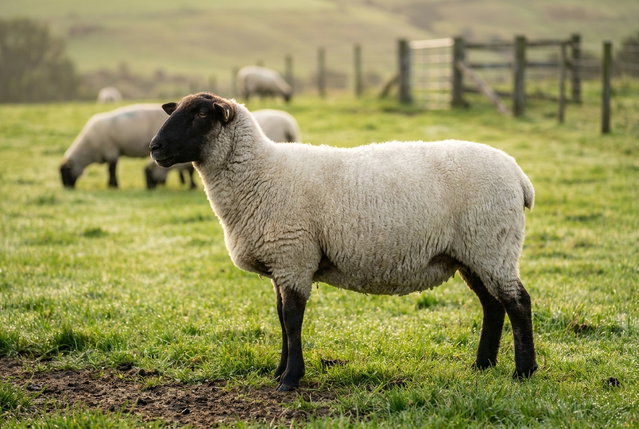
Can I tell the registration category from a black head or white coat?
No. Coat appearance does not establish the recorded ancestry. Read the certificate and match its identifier to the sheep.
Where should a buyer start checking?
With the animal’s ID, its issued certificate and the owner’s account of any pending transfer. For broader purchase planning, see where to buy sheep and the sheep hub. Breeders who want a public contact page can follow the breeder directory guide.
Do this next on Creatures
Start with the animals already in your care. The record form opens for visitors; a free account is needed to save. Public pedigree tools can be tried without an account.
- Add your Dorper sheep and match its identifiers to your existing papers.
- Add a registration or transfer record with the date and supporting document.
- Add your flock profile when you want a public contact page.
- Save a sheep search alert if you are planning a future addition.
- Browse current sheep listings when you are ready to compare available animals.
- Browse the breeder directory for listed contacts. Inventory and directory coverage vary; check the animal’s paperwork directly with its owner.