

Santa Inês
The Santa Ines is a large, hornless hair sheep from northeastern Brazil, bred for meat in hot country where wool breeds struggle. It sheds instead of growing a fleece, so there is no shearing, no crutching, and no wool to sell or worry about. What people keep it for is the package underneath that smooth coat: real heat tolerance, a workmanlike level of internal-parasite tolerance next to European breeds, and ewes that will breed and lamb across most of the year rather than only in one short autumn window. This page covers where the breed came from, how to recognize one, what it does and does not do well, and the honest realities of finding stock if you are shopping from outside Brazil.
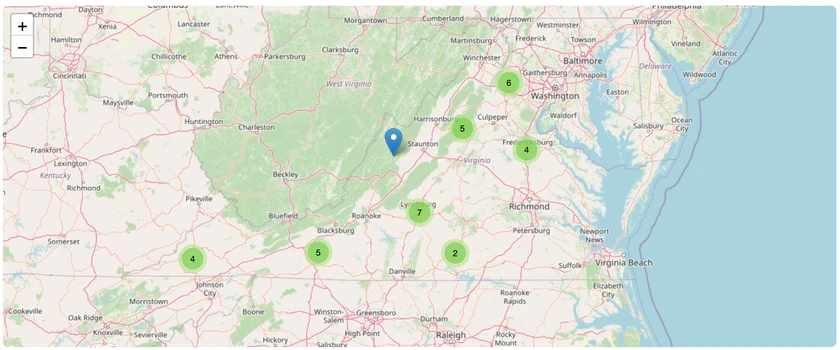
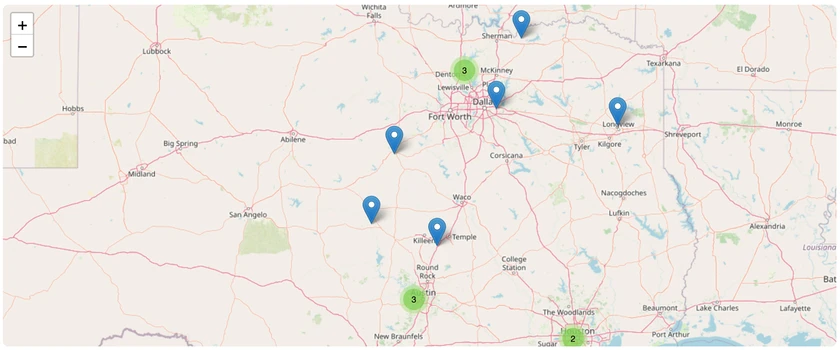
Browse listings, public profiles, breeders, or add your animal.
What is a Santa Ines sheep?
The Santa Ines is a Brazilian hair sheep, which is the single most important thing to understand about it. Hair sheep grow a short hair coat that they shed on their own, rather than a fleece that has to be shorn. For a meat producer in a hot, humid, or labor-scarce setting, that erases an entire category of work and cost. There is no shearing crew to book, no wool to store or market at a loss, no dags to crutch off before summer, and far less of the fly-strike risk that a dirty fleece invites.
The coat is only the start of it. The breed was put together and selected in the semi-arid Northeast of Brazil, a region of heat, seasonal drought, and heavy internal-parasite pressure, and it carries the traits you would expect from that environment: it copes with high temperatures well, it tolerates gastrointestinal worms better than typical European breeds, and its ewes are not locked into a single short breeding season. If you are weighing it against other options, the broader Creatures sheep species page is a good place to compare it with other breeds side by side.
Set your expectations honestly up front. This is a solid, adaptable, low-fuss meat sheep, not a record-setting one. It does not throw large litters, it is not the most parasite-resistant hair breed in Brazil, and the biggest, roundest weights you will see quoted are breed-standard descriptions rather than what an average pasture ewe weighs. The sections below give you the working version of each of those claims.
Origin and history
The Santa Ines came together in northeastern Brazil, with development commonly dated to around the 1940s in Bahia State, and a Brazilian herd-book established in 1977. It spread widely through the following decades and is now found across Brazil and into other parts of Latin America.
The traditional story is that the breed was formed by crossing the Italian Bergamasca (a large, lop-eared, coarse-wooled breed) with a local sheep of Crioula type, most often named as the Rabo Largo, possibly with some contribution from the Morada Nova or from hair sheep of African origin, followed by selection toward a clean, sheddable hair coat and larger size. Breeders often attribute the Roman nose and the long drooping ears to the Bergamasca side, and the sheddable hair coat is generally credited to the native hair-sheep side rather than pinned on any single breed. It is a tidy account, and you will see it repeated everywhere, but the more careful sources are cautious: the breed’s exact origins are not clearly documented, and modern genetic work suggests that the conventional ancestry story may be incomplete or partly incorrect. So treat the Bergamasca-plus-native-hair-sheep narrative as the widely repeated tradition rather than a settled fact.
What is not in doubt is the environment that shaped it. Decades of selection in a hot, dry, parasite-heavy region under low-input extensive management produced an animal built for exactly those conditions, which is why it became one of the most numerous and widely kept sheep in Brazil.
How to recognize a Santa Ines
A few features together make the breed reasonably distinctive among hair sheep.
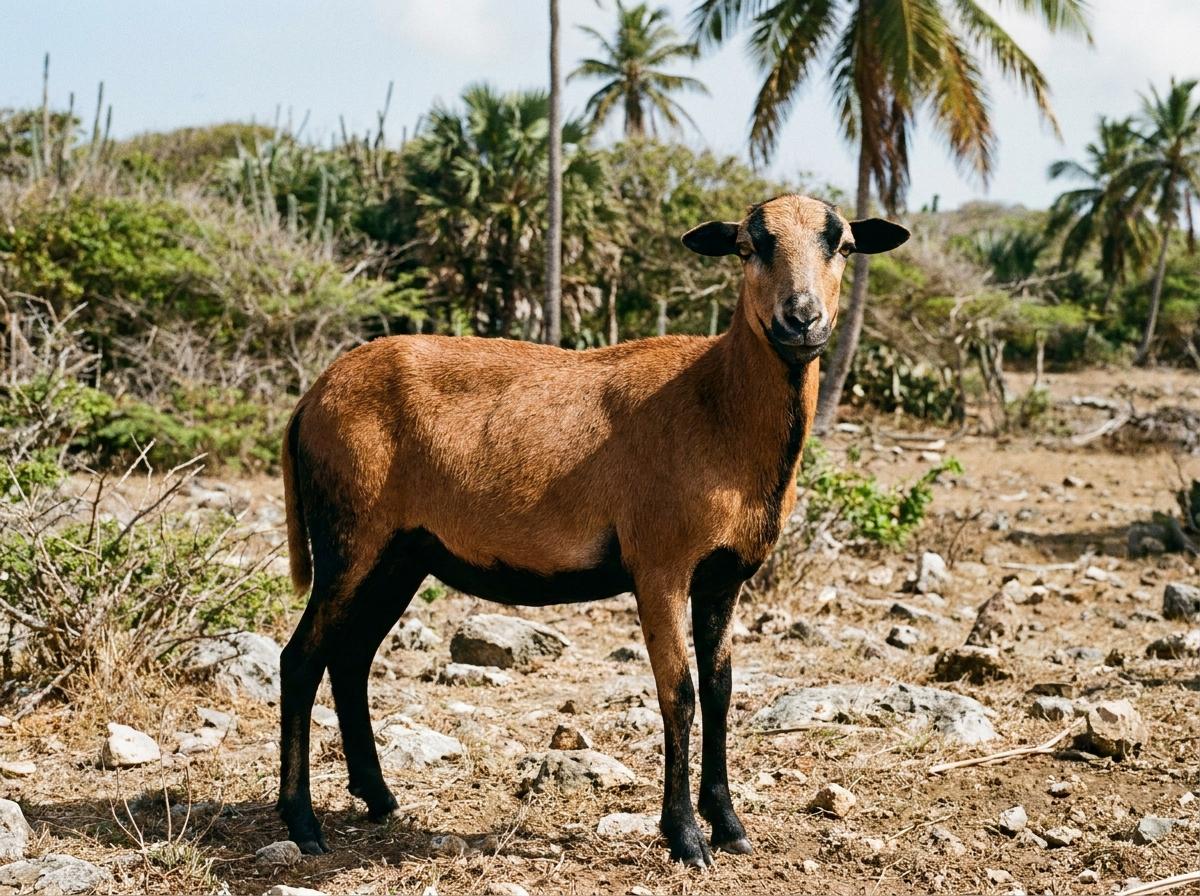
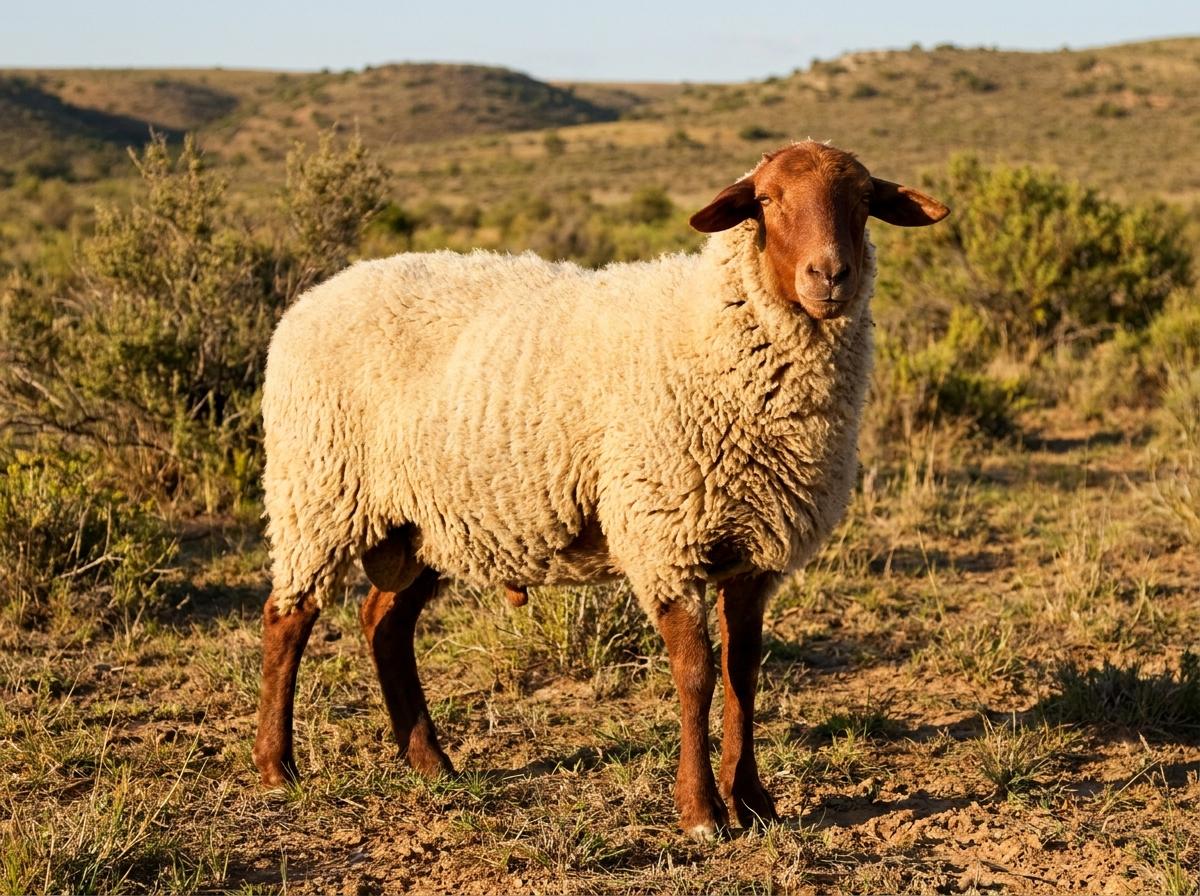
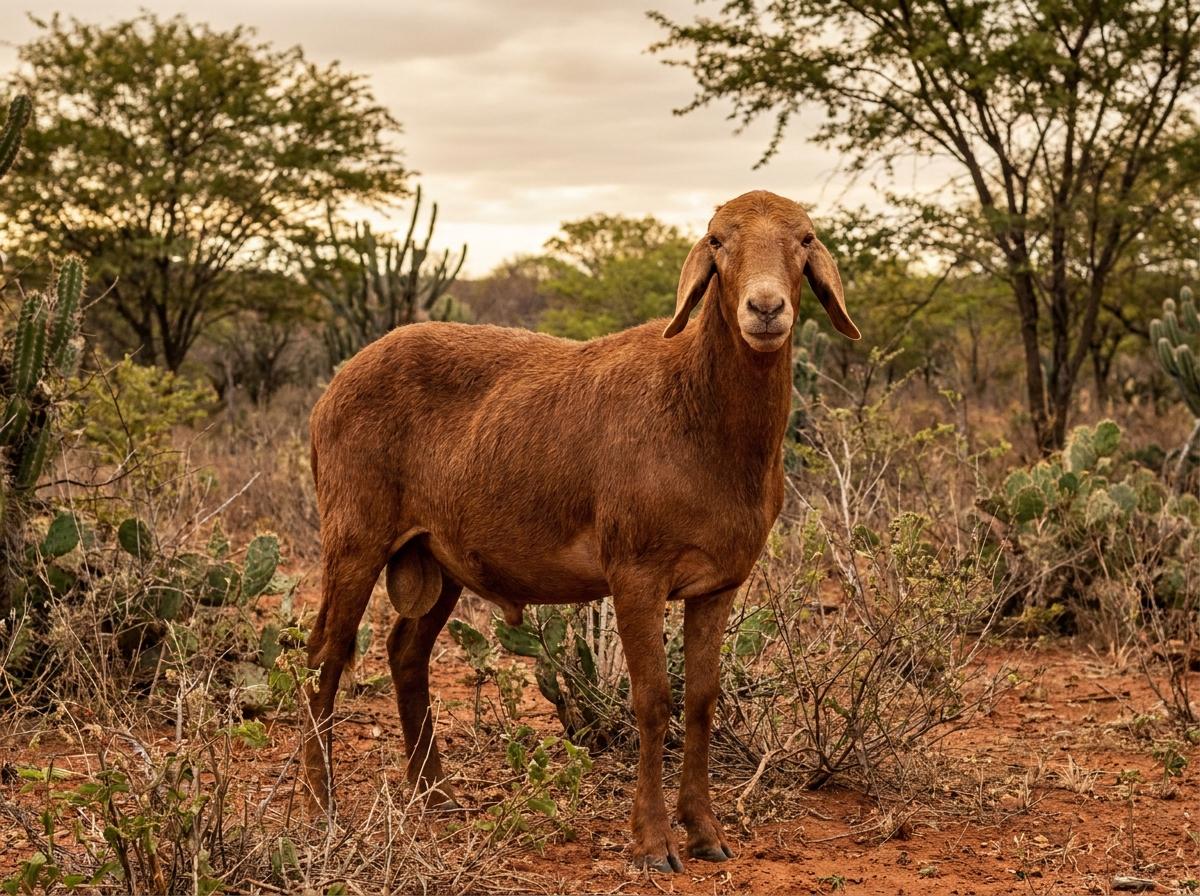
- A short, shedding hair coat. There is no wool fleece. The coat is short and smooth, and animals shed seasonally. Color is variable: solid red or reddish-brown is common and iconic, but black, white, and spotted or pied patterns all occur and are all correct for the breed.
- Large, pendulous ears. The ears are long and hang down well below the line of the jaw, one of the breed’s signature looks, inherited (by tradition) from the Bergamasca.
- A slightly convex, Roman-nosed profile. The head is fairly long with a gently convex face, less dramatic than a true Roman-nosed dairy goat but clearly not a straight or dished profile.
- Polled, in both sexes. Santa Ines sheep are naturally hornless. You should not see horns or scurs on a correct animal.
- A large, long-legged frame. This is a tall, deep-bodied sheep rather than a compact one, and the rams in particular are big. Oklahoma State University notes that the rams do not carry a throat ruff.

Size and weight
Here you have to be careful, because two different kinds of numbers circulate and they do not agree.
The breed-standard descriptions, the sort quoted in registry and encyclopedia entries, put mature rams at roughly 100 kg (about 220 lb) with a wither height near 65 cm, and mature ewes near 75 kg with a wither height around 60 cm. Those are the “ideal animal” figures.
Field measurements tell a more modest story. Oklahoma State University reports that ewes in the field typically weigh between 40 and 50 kg (about 88 to 110 lb), with well-fed rams reaching up to 100 kg. Other sources give a lower ram figure closer to 70 kg. None of this contradicts once you understand what each number is: the higher weights describe a well-grown, well-fed, standard-conforming animal, while the lower ones reflect real ewes on real, often extensive, pasture. If you are budgeting feed, planning handling equipment, or estimating carcass yield, plan around the field weights for your management level rather than the top of the standard.
Heat tolerance
Heat tolerance is one of the breed’s genuine strengths, and it is reasonably well studied. As a naturalized, locally adapted breed, the Santa Ines holds up under thermal stress better than exotic wool breeds, maintaining performance at high ambient temperatures where wool sheep begin to suffer. Thermoregulation research on the breed has found that Santa Ines animals rely less heavily on the respiratory evaporative route (rapid, panting-style breathing) to shed heat and tend to hold lower internal body temperatures under load, which is what you want in an animal working in a hot climate. Coat color plays a measurable role too, with lighter-coated animals generally having an easier time under direct sun than dark ones.
None of that makes heat a non-issue. Studies also show that the most vulnerable animals in the flock are lactating ewes and young ewe lambs, so the periods around lambing and early growth are exactly when shade, water, and airflow matter most. The breed buys you a wide margin, not immunity, and the basics of hot-weather management still apply.
Internal parasites, told straight
This is the trait most often oversold, so here it is precisely.
Santa Ines sheep do show better tolerance of gastrointestinal nematodes, especially the barber’s pole worm (Haemonchus contortus), than European meat and wool breeds such as the Ile de France and Suffolk, and generally better than the Dorper. That much is well supported. Where it gets misrepresented is in the claim, common on breed pages, that the Santa Ines is the standout worm-resistant sheep and that keeping it lets you stop worming. Both parts of that are wrong.
Within Brazil’s own hair breeds, the Santa Ines is usually the less resistant one. Direct comparisons find the Morada Nova carrying markedly lower fecal egg counts and higher packed cell volume (a measure of how well the animal is holding its blood count against a blood-feeding worm) than the Santa Ines. Both breeds still stay within a manageable range, which is why the Santa Ines is fairly described as resistant relative to wool breeds, but the ranking among hair breeds is real and it does not favor the Santa Ines.
Just as important, individual animals within the breed vary widely. Some Santa Ines sheep handle worm burdens with barely a dip in condition while others do not, which is exactly why targeted, selective treatment exists rather than blanket calendar drenching. The usual tool for spotting the animals that need help is FAMACHA, an eyelid-colour anemia score, and it comes with two constraints people routinely drop. It is a trained-use system: the cards are issued through formal training and certification, and reading scores off a borrowed or printed card is how animals get missed. And it only assesses anemia associated with the barber pole worm (Haemonchus contortus); it is not a general parasite test and will not flag the other worms that matter. Use it as one input alongside the broader Five Point Check, fecal testing where appropriate, and a veterinarian who knows your region’s worm situation and drug-resistance picture. The responsible reading: the breed lowers your parasite pressure and lets you treat less often and more selectively than a susceptible wool breed would, but it does not remove the need for a real, properly instrumented parasite program.
Reproduction and mothering
The Santa Ines earns its keep on reproductive reliability rather than big litters.
Litter size is low to moderate. Oklahoma State University cites an average around 1.25, and the wider literature ranges from about 1.0 to 2.2 depending heavily on nutrition and management, with single lambs common and twins showing up in well-fed flocks. If your mental model of a “productive” sheep is one that routinely drops twins and triplets, this is not that breed. What it offers instead is frequency and flexibility.
That flexibility comes from the breed being largely non-seasonal in tropical conditions. Unlike most temperate breeds, which will only cycle and breed as day length shortens in autumn, Santa Ines ewes can breed and lamb across most of the year. Research in the Brazilian Southeast has found this is not perfectly year-round everywhere, some seasonal dip in fertility can still appear, but the breed is far less season-bound than a European sheep, which lets producers stagger lambing, hit different market windows, and shorten lambing intervals. Reported lambing intervals in the breed commonly run in the range of roughly 8 to 10 months rather than a fixed 12, and gestation sits in the normal sheep range of about 144 to 152 days.
On mothering, the practical reputation is good: ewes are attentive and milk well enough to raise their lambs under extensive conditions, which matters more when a ewe is often raising a single lamb on pasture with little intervention. Treat that as consistent field experience rather than a precisely quantified dairy trait, since the breed is managed for meat and hides, not milk records.

What the breed is used for
First and foremost, meat. The Santa Ines is a terminal-type meat sheep, and Oklahoma State University describes it as coming closer than any other native hair breed of the American tropics to serving as a terminal sire in a crossbreeding system, meaning its rams are valued for siring fast-growing market lambs on ewes of other breeds. Its hides are also used. Because it combines size, heat tolerance, and a clean coat, it shows up frequently as both a purebred meat animal and as a crossing partner to add hardiness and shedding to other flocks in tropical and subtropical regions.
It is not a wool breed (there is nothing to shear), not a dairy breed in any formal sense, and not a high-prolificacy dam line in the way that some specialized breeds are. Keep those boundaries in mind when you read enthusiastic breed marketing.
Care and management realities
None of the breed’s adaptations remove the fundamentals of good sheep husbandry, they just shift where your effort goes.
Coat. The single biggest labor saving is real: no shearing, no crutching, no wool handling. Do still watch shedding animals during the transition and keep an eye out for the skin and coat issues any sheep can develop.
Nutrition. The breed is efficient on modest, lower-quality forage, which is a large part of its appeal, and it holds condition where fussier breeds fall apart. That efficiency is not a license to underfeed. Growing lambs, and ewes in late pregnancy and lactation, still need enough energy and protein to perform, and the field-versus-standard weight gap above is partly a nutrition story.
Parasites. As covered, plan a real, monitored program built on selective treatment rather than assuming the breed handles it for you. Where you use FAMACHA, use it trained and with a valid card, and treat it as a barber-pole-worm anemia score rather than a general parasite test: pair it with the Five Point Check and fecal testing where appropriate. Your worming decisions and any drug choices belong with a veterinarian who knows local resistance patterns.
Heat, water, and shade. The margin is wide, but lactating ewes and young stock are the weak points in hot weather, so shade and clean water are not optional.
Records. Because the breed’s real value is in reliable, repeatable, low-input production, the operators who do best are the ones tracking it: lambing dates and intervals, litter sizes, weaning weights, FAMACHA scores, and treatments. Selecting your own replacement ewes on that data, especially for the parasite tolerance that varies so much between individuals, is how a Santa Ines flock actually improves over time. You can keep those records, including breeding and parasite logs, on a free animal profile on Creatures and see health and medical records for how the tracking works.
Lifespan
There is no reliable breed-specific survival figure for the Santa Ines, so anyone quoting a precise number is guessing. As a general expectation, well-managed sheep commonly live on the order of 10 to 12 years, though a commercial ewe’s productive life in a meat flock is usually shorter, ending when her condition, teeth, or lambing performance fall off. Take the general range as context, not as a breed promise.
Availability, and the reality of importing one
Inside Brazil, the Santa Ines is easy to find. It is one of the country’s most numerous sheep, sold routinely as breeding and market stock, and a 2022 entry in the FAO DAD-IS animal genetic resources database recorded roughly 120,000 monitored animals (about 40,000 rams and 80,000 ewes), with the breed classified as not at risk. In much of Latin America it is similarly accessible.
Outside that region, especially in North America, the picture is very different. The Santa Ines is rare in the United States and is not an established breed there in the way that the Katahdin, Dorper, and Barbados Blackbelly hair breeds are. Importing live sheep to fix that is not simple. The USDA Animal and Plant Health Inspection Service (APHIS) tightly regulates imports of live sheep and goats, with requirements tied to the disease status of the exporting country and to scrapie in particular. Practically, that means fresh imported Santa Ines genetics are hard to obtain, and a North American buyer is far more likely to encounter the breed through its influence in crossbred hair flocks than as readily available purebreds. If a heat-tolerant, shedding meat sheep is the actual goal rather than this specific breed, the established American hair breeds may reach it with far less friction, and a heat-adapted comparison like the Dorper is worth a look.
If you are set on the breed, or on hair sheep with these traits, the most practical approach is to work the market patiently. You can browse current listings on the Creatures marketplace and look for producers in the Creatures directory, and because purebred stock surfaces irregularly outside Brazil, a saved listing alert (below) is usually the most realistic way to catch one.
Frequently asked questions
Do Santa Ines sheep need shearing?
No. They are a hair breed with a short coat that sheds on its own, so there is no fleece to shear, no crutching, and no wool to market. That labor saving is one of the main reasons producers choose the breed.
Are Santa Ines sheep really parasite resistant?
They tolerate internal worms better than European wool and meat breeds like the Suffolk and Ile de France, and generally better than the Dorper. But among Brazil’s hair breeds the Morada Nova is usually more resistant, and individual Santa Ines animals vary widely. The breed reduces your parasite pressure and lets you treat more selectively; it does not let you stop monitoring or worming. Plan a monitored, selective program with your veterinarian, using trained FAMACHA scoring for barber-pole anemia alongside the Five Point Check and fecal testing rather than as a stand-alone test.
How big do Santa Ines sheep get?
Breed-standard descriptions put rams near 100 kg and ewes near 75 kg, but measured field ewes often weigh 40 to 50 kg. Plan around the field weights for your own management level rather than the top of the standard.
How many lambs do they have?
Litter size is low to moderate, averaging around 1.25 with singles common and twins in well-fed flocks. The breed’s reproductive advantage is that ewes can breed across most of the year rather than in one short season, not that they throw large litters.
Can you keep Santa Ines sheep in the United States?
They are rare in the US and not an established breed there, and importing live sheep is tightly restricted by USDA APHIS on animal-health and scrapie grounds. Most North American exposure to the breed is through its influence in crossbred hair flocks rather than readily available purebreds.
What are Santa Ines sheep used for?
Primarily meat, plus hides. The rams are valued as terminal sires for market lambs, and the breed is also used to add heat tolerance and a shedding coat to other tropical flocks. It is not a wool or dairy breed.
Do this next on Creatures
Whether you are researching the breed, trying to track down stock, or already running a hair-sheep flock, Creatures is the records, marketplace, and directory layer to do it in one place.
Add your sheep. Keeping Santa Ines or other hair sheep? Create a free animal profile in a few minutes, no account needed to start. The walkthrough is in adding an animal to Creatures.
Track lambing, weights, and parasites. Add health and breeding records so you can select replacements on real data. The record sheet opens for any visitor to look around, and a free account saves what you enter. See adding a record and health and medical records for the how-to.
Find stock. Browse Santa Ines sheep on the marketplace and search trusted breeders and farms in the Creatures directory.
Get alerted. Purebred stock surfaces irregularly, so set a free Santa Ines listing alert and we will tell you when one is posted. No account needed to start. New to this? See saving searches and using your watchlist.
List your flock. Run a farm? List your operation on Creatures and get listed in the breeder directory so buyers can reach you.
Compare breeds. Weighing your options? See the Creatures sheep species page and the heat-tolerant Dorper. Creatures runs breed profiles across species, so if you keep more than sheep, the Surti water buffalo and Colorado Ranger horse profiles are built the same way.