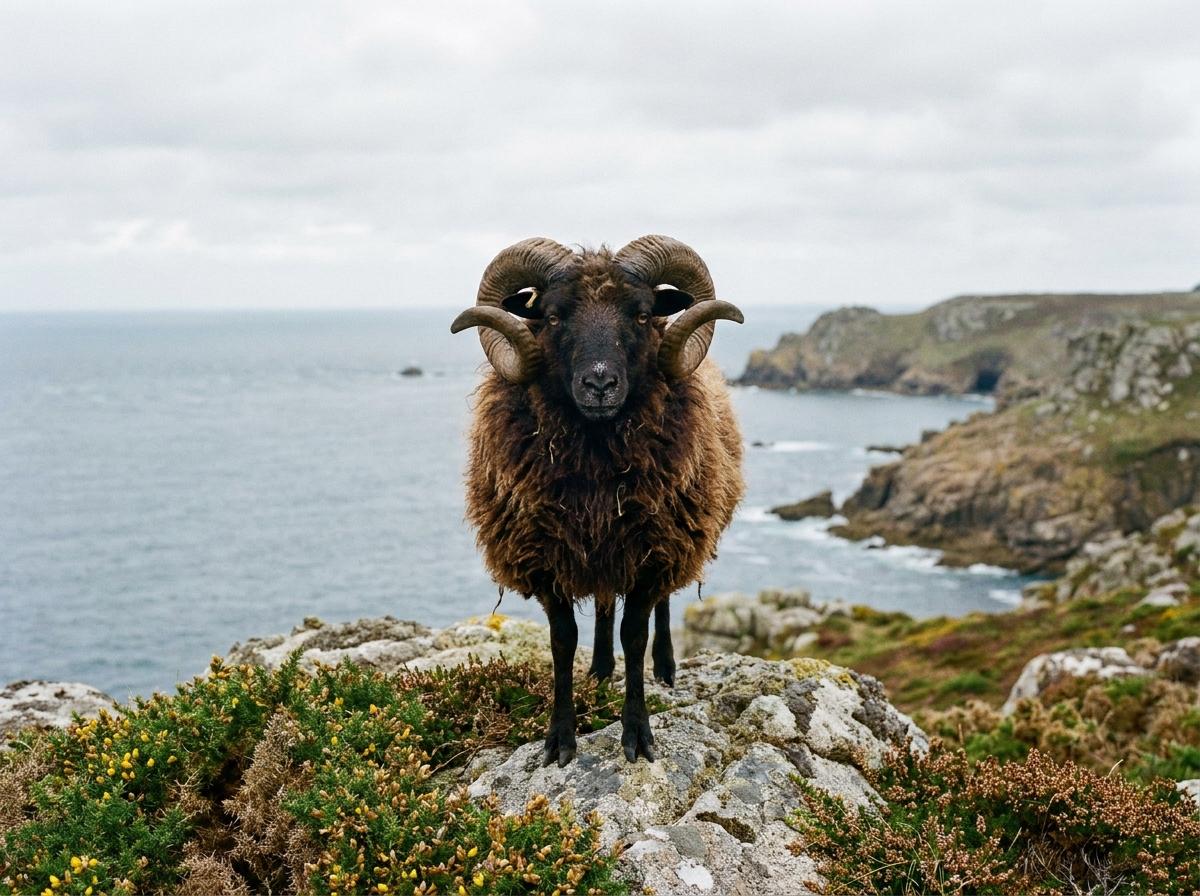
Quessant
Author: Elliott Garber, DVM · Published
Quessant sheep and Ouessant sheep are the same small Breton heritage breed. The official spelling is Ouessant, taken from the island off Brittany; Quessant is a common search spelling, not a separate variety. Under the current UK breed standard, adult rams may stand no more than 49 cm at the shoulder and adult ewes no more than 46 cm.
If you keep them, start an Ouessant sheep profile on Creatures and record flock-book identity, height, lambing, fleece, hoof and health events under the same animal.

| Also searched as | Quessant sheep |
|---|---|
| Origin | Ouessant and the older Breton sheep context of western France |
| Adult ram height | Maximum 49 cm in the 2022 UK standard |
| Adult ewe height | Maximum 46 cm in the 2022 UK standard |
| Horns | Rams horned; ewes hornless |
| Accepted solid colors | Black, brown and white, with defined fading and age variation |
| Tail | Naturally short, thin and above the hocks; not docked |
| Common roles | Conservation grazing, wool, small flocks and companion livestock |
Browse listings, public profiles, breeders, or add your animal.
Ouessant and Quessant are one page
The French island and breed are spelled Ouessant. English speakers sometimes type or repeat Quessant, especially after hearing the name aloud. A seller, registry or flock-book record should still use the official spelling used by its issuing society.
That alias does not justify duplicate breed pages. Measurements, color, horns and history all refer back to Ouessant. On Creatures, the indexed /species/sheep/quessant route serves both intents while the article preserves the correct name in its title and copy.
How small is an Ouessant sheep?
The one clean comparison comes from the Ouessant Sheep Society 2022 Breed Standard. It sets maximum adult shoulder height at 49 cm for rams and 46 cm for ewes. Those are upper limits, not target weights and not a license to select for frailty.
Small size changes handling scale, but it does not turn sheep into indoor pets or remove flock needs. An Ouessant still needs pasture management, secure fencing, shelter, shearing, hoof care, parasite planning and other sheep. Tiny does not mean maintenance-free.
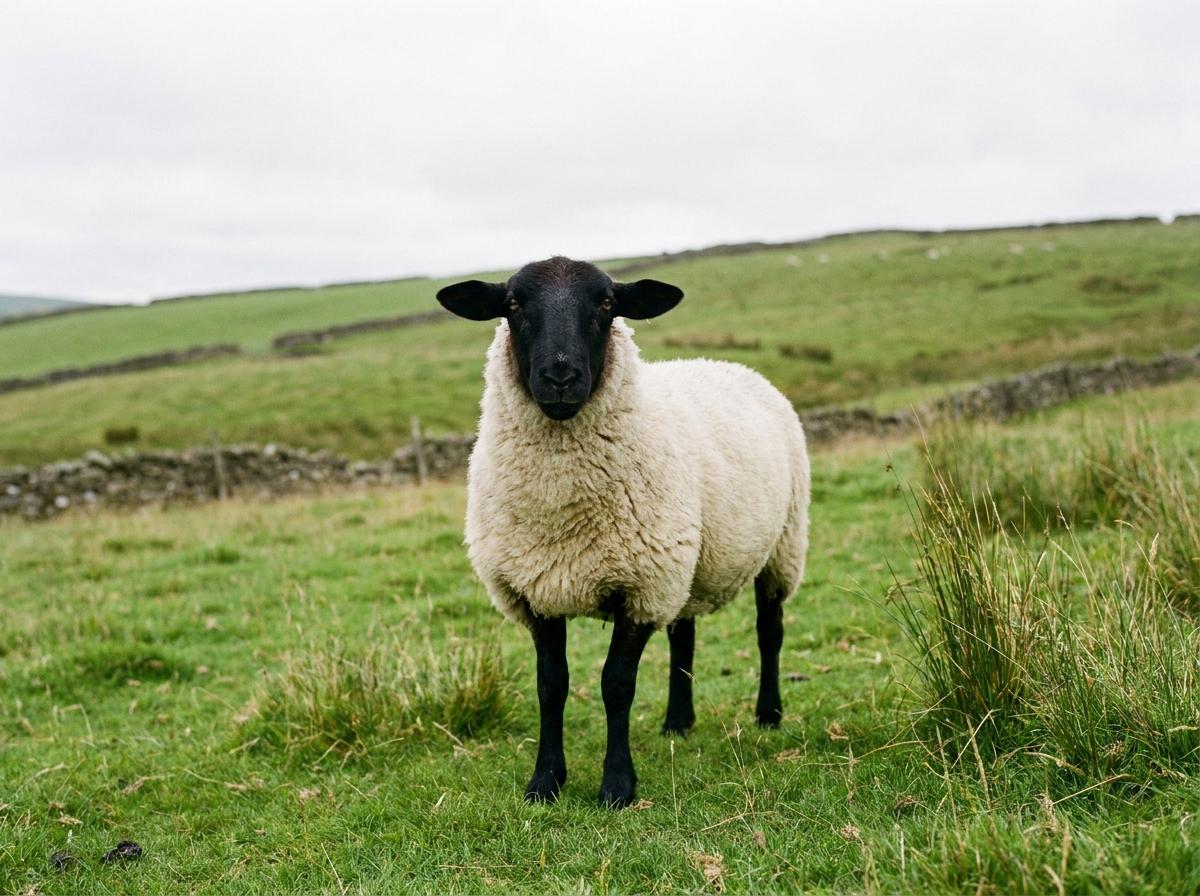
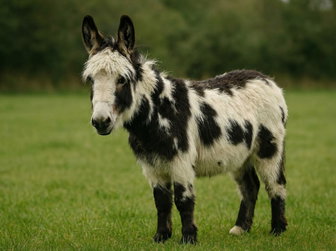
The standard asks for a fine regular head, bright eyes, small short mobile ears with rounded tips, a deep chest, level topline, wide rump and well-proportioned slender legs. The naturally short tail ends above the hocks. It is not a docked tail, and the society’s detailed guide says a docked animal cannot enter the UK flock book.
Rams, ewes and horns
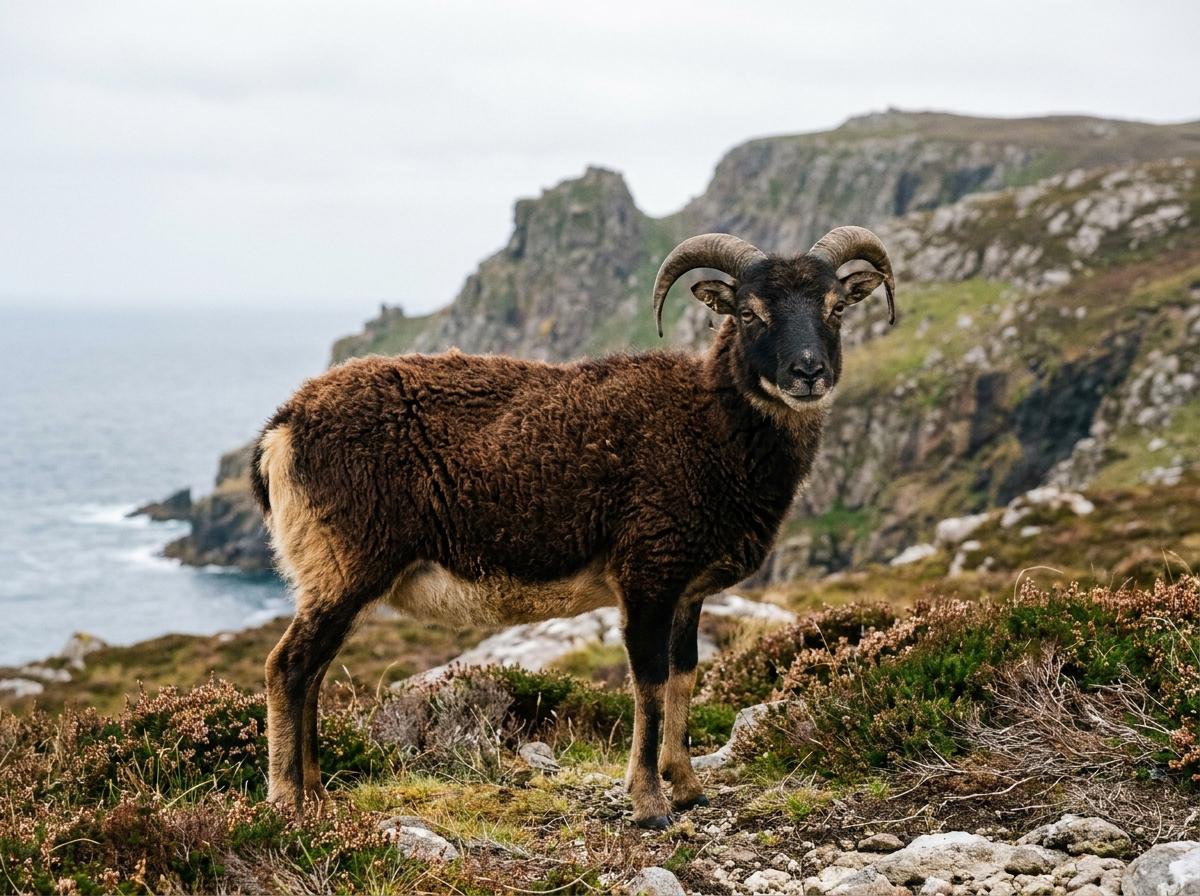
Sex is visually important in this breed. Ewes are hornless. Mature rams carry a pair of strong horns that curl outward in one broad spiral, with space between horn and head. Horn color tracks fleece in the standard: dark on black and brown sheep, lighter on white sheep.

Inspect horn growth throughout a ram’s life. A horn that turns into the face or traps skin needs prompt professional assessment. Do not trim or alter horns without experienced veterinary guidance, since horn tissue has a living core.
For breeding or flock-book decisions, use the issuing society’s current rules. A photograph can show a likely phenotype; it cannot confirm parentage or registration.
Black, brown and white fleece
The standard recognizes solid black, brown and white. It also allows defined changes from sun bleaching, genetic fading and age-related graying. White lambs may begin with tan or red marks that fade, and a black lamb may have a small pale poll spot that diminishes. That nuance is different from unrestricted spotting.
The 2022 standard removed the allowance for limited spotting in its update, aligning the UK description more closely with the traditional standard. When color affects registration, ask the relevant flock-book keeper rather than judging a lamb from one early photograph.

Fleece covers the body and comes onto the forehead and cheeks, extending at least to the knees and hocks. Record shearing dates, fleece condition and any color change over time. A year-by-year photo series can separate normal fading from an abrupt skin or coat issue that deserves veterinary attention.
The history is more complicated than island folklore
The breed is strongly associated with the island that gave it its name. The French preservation group GEMO records that it formed in 1976 after surviving flocks were identified and brought into a conservation effort.
The deeper history needs more care. A paper in the FAO journal Animal Genetic Resources argues that the Ouessant name was relatively recent in the longer history of Breton sheep. It places the small island animals within a once more varied Breton population rather than treating every modern origin story as settled fact.
That source is why this page does not repeat a Viking introduction story as fact. An island association is well supported. A precise ancient arrival narrative is not established by the primary sources used here.
Flock behavior and suitable homes
The society’s guide to the breed standard describes Ouessants as flock animals and says they should not be kept alone. A group offers normal social contact and makes grazing behavior easier to observe. Plan space for rotation, not merely the smallest patch a tiny sheep can stand in.
Good homes provide:
- secure sheep-safe fencing with no head traps;
- dry shelter from prolonged wet or severe weather;
- clean water and sheep-appropriate minerals;
- enough forage, plus seasonally appropriate conserved feed;
- a quarantine area for new arrivals;
- a shearing and hoof-care plan;
- veterinarian-guided vaccination and parasite control;
- protection from dogs and other local predators.
Small sheep can be easy to underestimate in long grass or deep mud. Check body condition by touch, not fleece volume. Keep handling quiet and facilities scaled so an animal cannot turn, jump or become trapped in equipment designed for much larger stock.
Lambing and breeding records
The society guide says single lambs are characteristic and twins are uncommon. Treat that as breed-association guidance, not a guarantee for a specific ewe. Nutrition, age, line and individual history still matter.
Record service dates, sire identity, scanning results if used, lambing date, assistance, birth identity and dam behavior. Make breeding decisions with flock-book rules and genetic diversity in view. A small conservation population benefits from accurate parentage and from avoiding casual close matings.
No universal mature weight or lifespan is stated here. The official standard defines height and phenotype, not a single worldwide management outcome. Ask the flock-book society and your veterinarian for advice appropriate to the country and flock.
What to check before buying
First decide whether you want registered breeding stock, conservation grazers, fiber animals or companion livestock. The evidence burden differs.
For registered stock, ask for:
- the flock-book and registration number;
- permanent identity that matches the document;
- sire and dam records;
- measured adult height where age permits;
- natural tail status;
- horn and color compliance appropriate to sex;
- health, treatment and parasite records;
- breeding and lambing history for mature animals;
- ownership-transfer requirements.
For any sheep, inspect teeth, feet, eyes, fleece, body condition and movement. Ask why the animal is leaving the flock. Arrange companions and quarantine before collection. A low purchase price does not reduce the cost of fencing, feed, shearing or veterinary care.
Compare broader management needs on the sheep hub. For other Wave 4 livestock profiles that make records central, see Black Hereford cattle, Gyr cattle and the deliberately sparse-source Philippine Domestic Goose page.
Frequently asked questions
Is Quessant a different breed from Ouessant?
No. Quessant is a common spelling variant. The official breed and island name is Ouessant.
How tall are Ouessant sheep?
The current UK standard caps adult rams at 49 cm and adult ewes at 46 cm at the shoulder.
Do female Ouessant sheep have horns?
No. The standard describes rams as horned and ewes as hornless.
What colors are recognized?
Solid black, brown and white, with defined allowances for fading, age graying and some temporary lamb markings. Unlimited spotting is not part of the current UK standard.
Can one Ouessant sheep live alone?
No responsible plan should keep a flock animal by itself. Keep compatible sheep together and provide enough space and resources for the group.
Are their tails docked?
They should have a naturally short, thin tail ending above the hocks. The society guide says docked sheep cannot be registered in the UK flock book.
Do this next on Creatures
Keep the small details that determine flock-book and welfare decisions attached to the right sheep.
Add a sheep. Start an Ouessant profile, no account needed to begin. See adding an animal to Creatures.
Track the flock. Open the record sheet as a visitor; a free account is required to save. The walkthrough is adding a record.
Watch for stock. Set a free Ouessant sheep listing alert, no account needed to start. Learn about saving searches and the watchlist.
Browse listings. Open the Ouessant sheep marketplace filter and verify flock-book identity with the issuer.
Represent a flock. Create a sheep organization profile, no account needed to begin. Read creating an organization and adding your team.
Find keepers. Search the Creatures breeder directory. Farms can use getting listed in the breeder directory to add their operation.