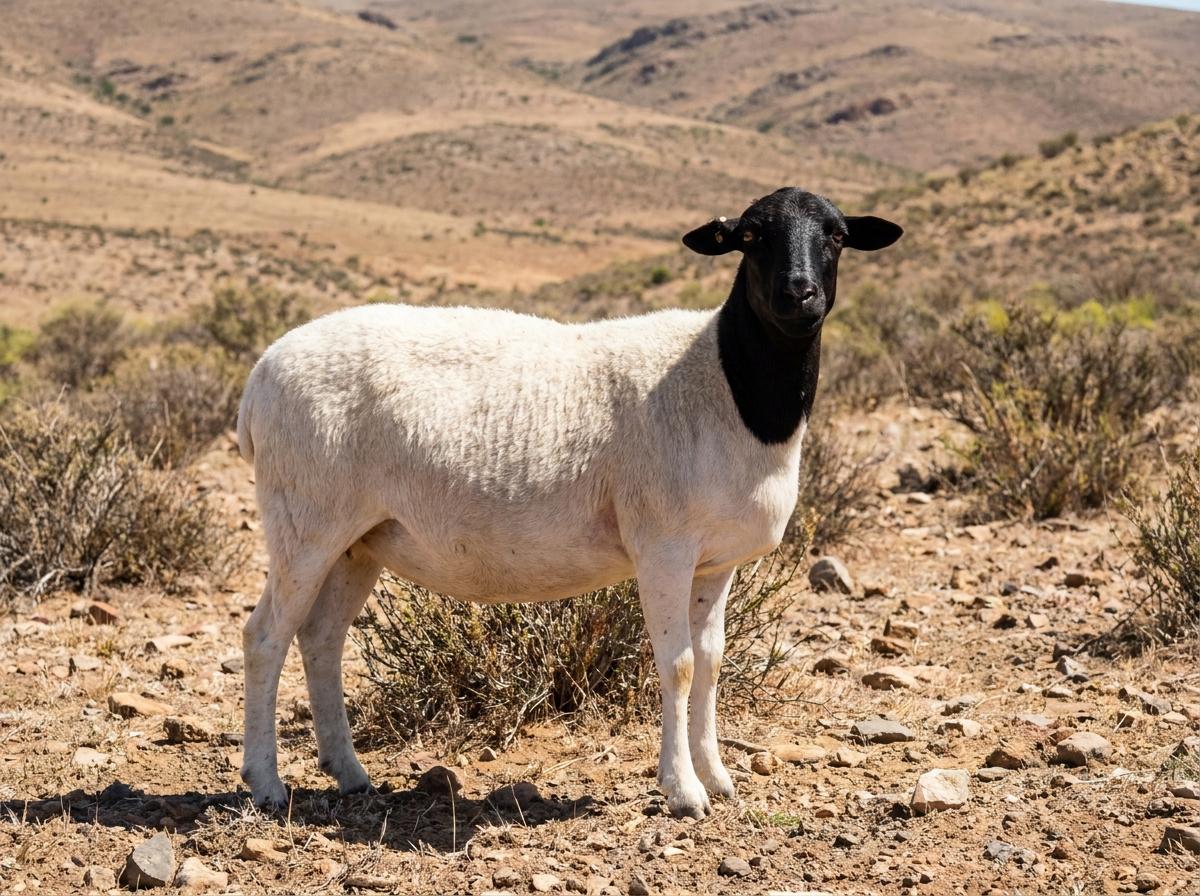
Blackhead Persian
Author: Elliott Garber, DVM · Published
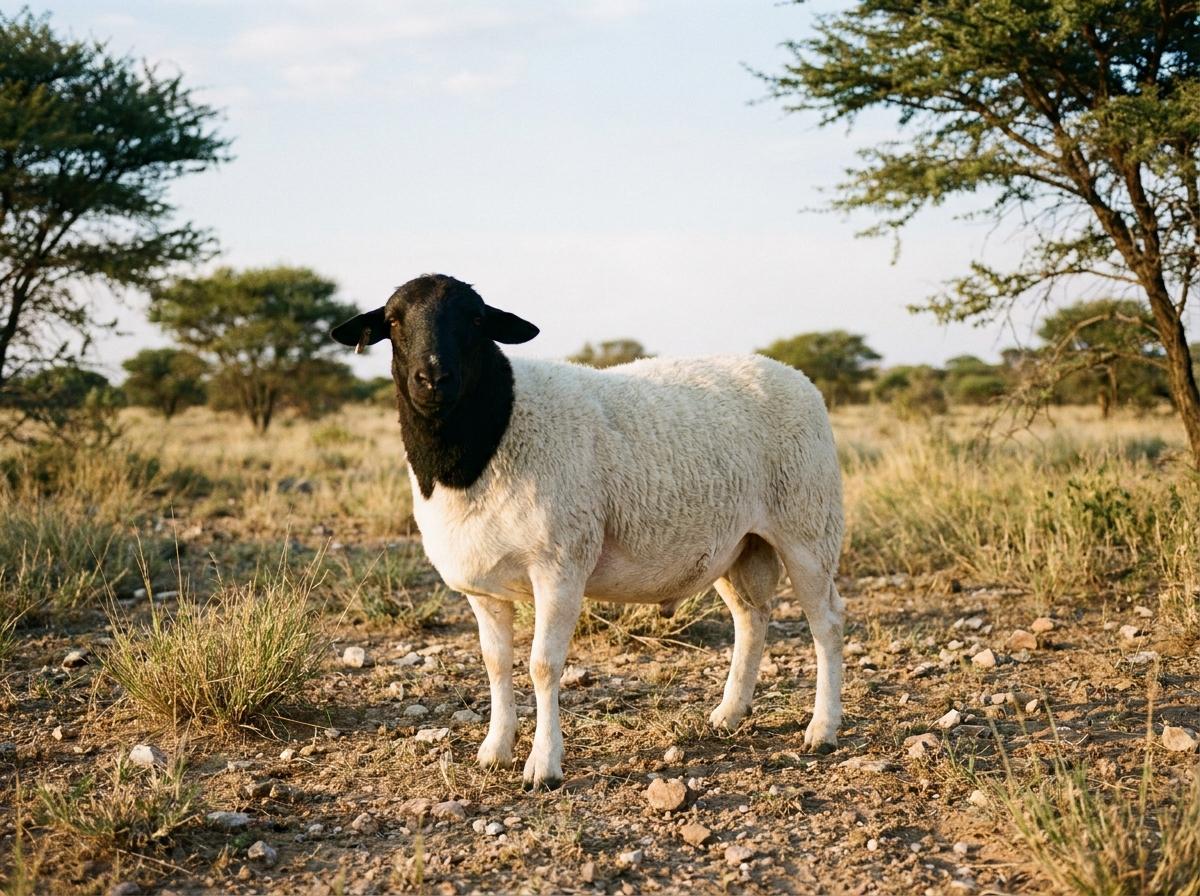
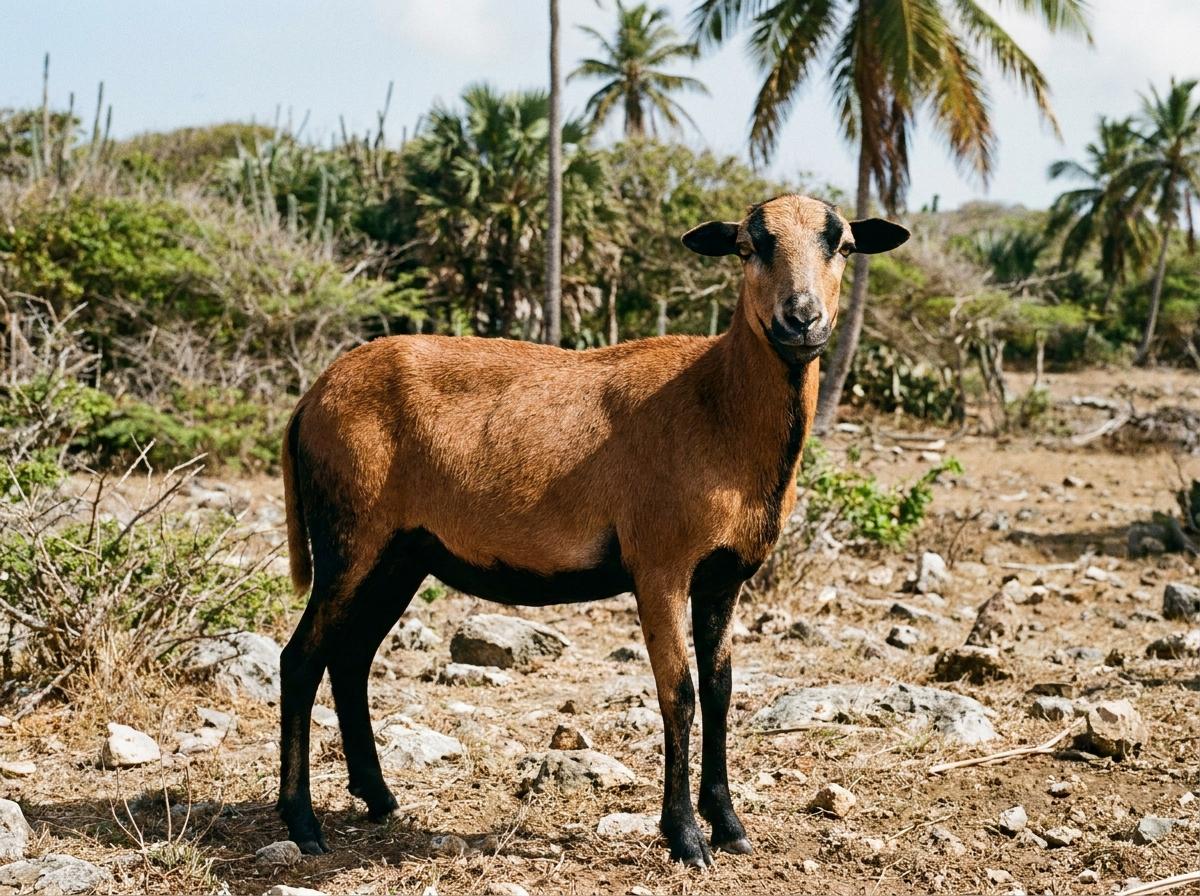
Blackhead Persian sheep are an African hair-sheep breed distinguished by a black head and neck, white body and characteristic fat rump. Their short coat attracts keepers who do not want a wool flock, but choosing them still means planning nutrition, parasite management, handling and year-round care.
Once you can measure the sheep, the free sheep weight calculator estimates weight from heart girth and body length. Confirm on a scale when accuracy matters, including for veterinary dosing.
Set a Blackhead Persian search alert for new matching listings. Current supply may be empty; use the alert while you prepare your care plan and the records to request from a seller.

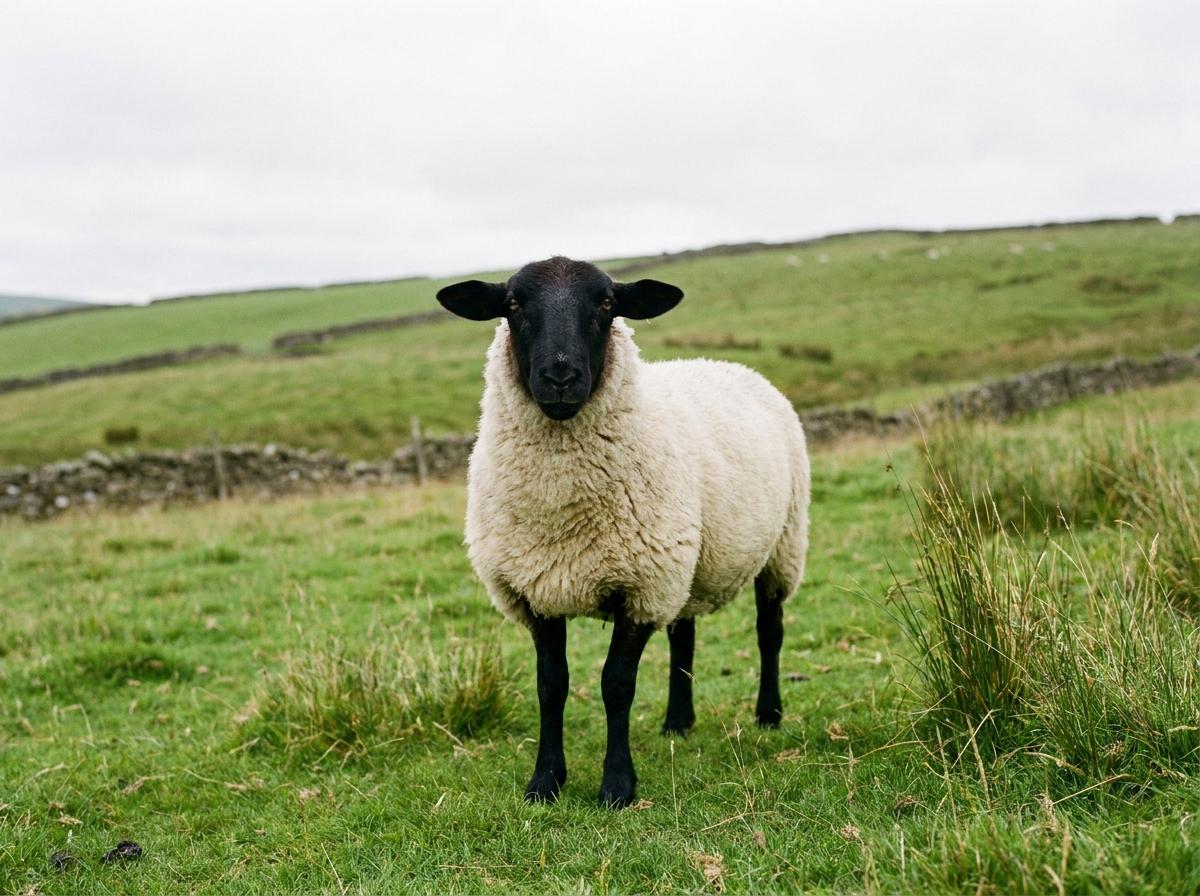
AI-generated illustration.
| Origin | Somali ancestry; developed in South Africa |
|---|---|
| Coat and horns | Short hair coat; both sexes polled |
| Distinctive form | Fat around rump and tail base; narrow tail end |
| APSA ewe range | 35 to 50 kg |
| APSA ram range | 50 to 65 kg |
| Feeding caution | Sheep feed only; excess copper can be fatal |
Browse listings, public profiles, breeders, or add your animal.
Somali roots and the fat-rumped form
The FAO account of African sheep breeds traces Blackhead Persian to blackheaded Somali sheep, with one ram and three ewes forming the early South African foundation around 1870. The breed appeared in the first South African Stud Book in 1906. Despite its name, this is not evidence of a Persian origin.
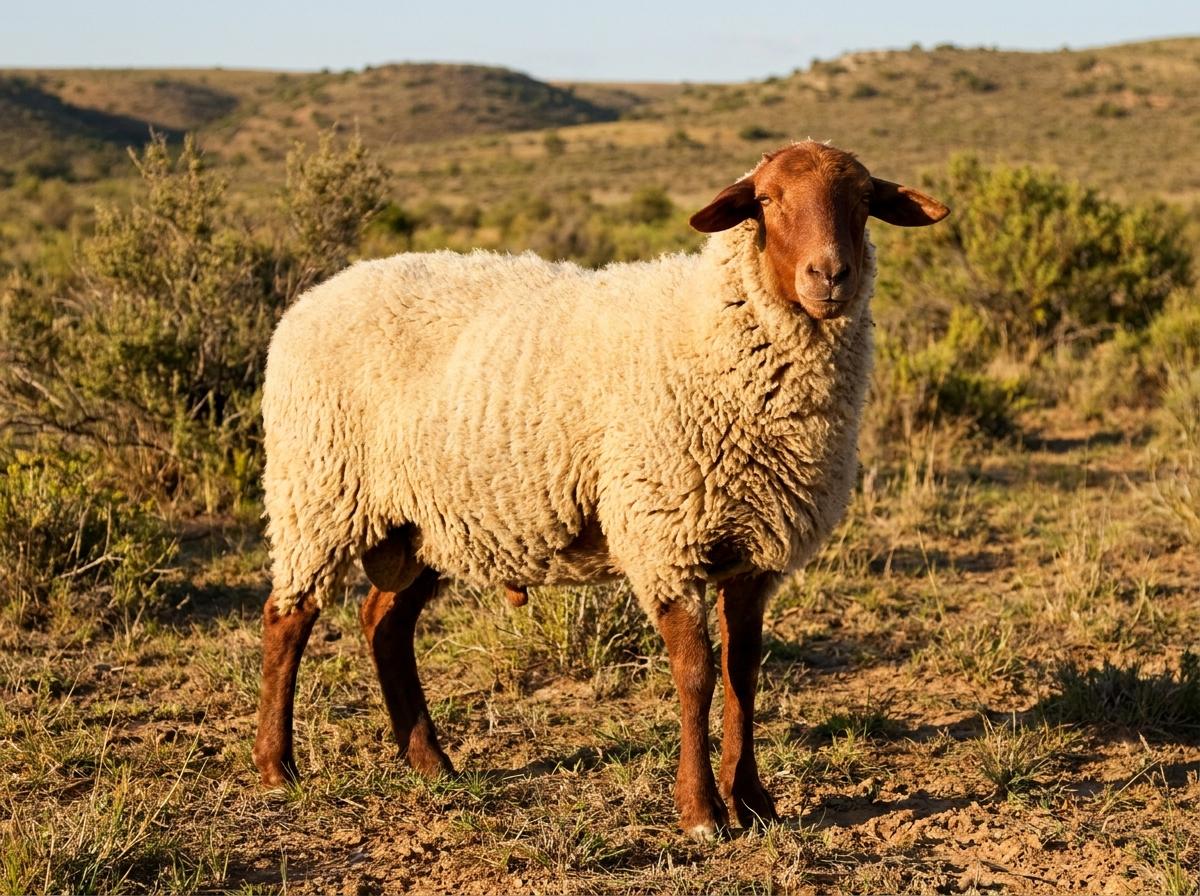
The classic pattern is a black head and neck on a white body. Both sexes are polled, though scurs can occur. The distinctive fat deposit is concentrated around the rump and tail base, with a narrow terminal tail; it should not be illustrated or described as a long, uniformly fat tail. A prominent dewlap and short hair coat complete a form quite different from a black-headed wool sheep.
The Australian Persian Sheep Association standard gives ewes at 35 to 50 kg and rams at 50 to 65 kg. These are reference ranges, not a promise that a sale lamb will remain small. Broader Persian registries recognize other color varieties, while this guide concerns the black-headed form. Ask which population and registry the seller’s sheep belong to.
Blackhead Persian and Dorper are not interchangeable
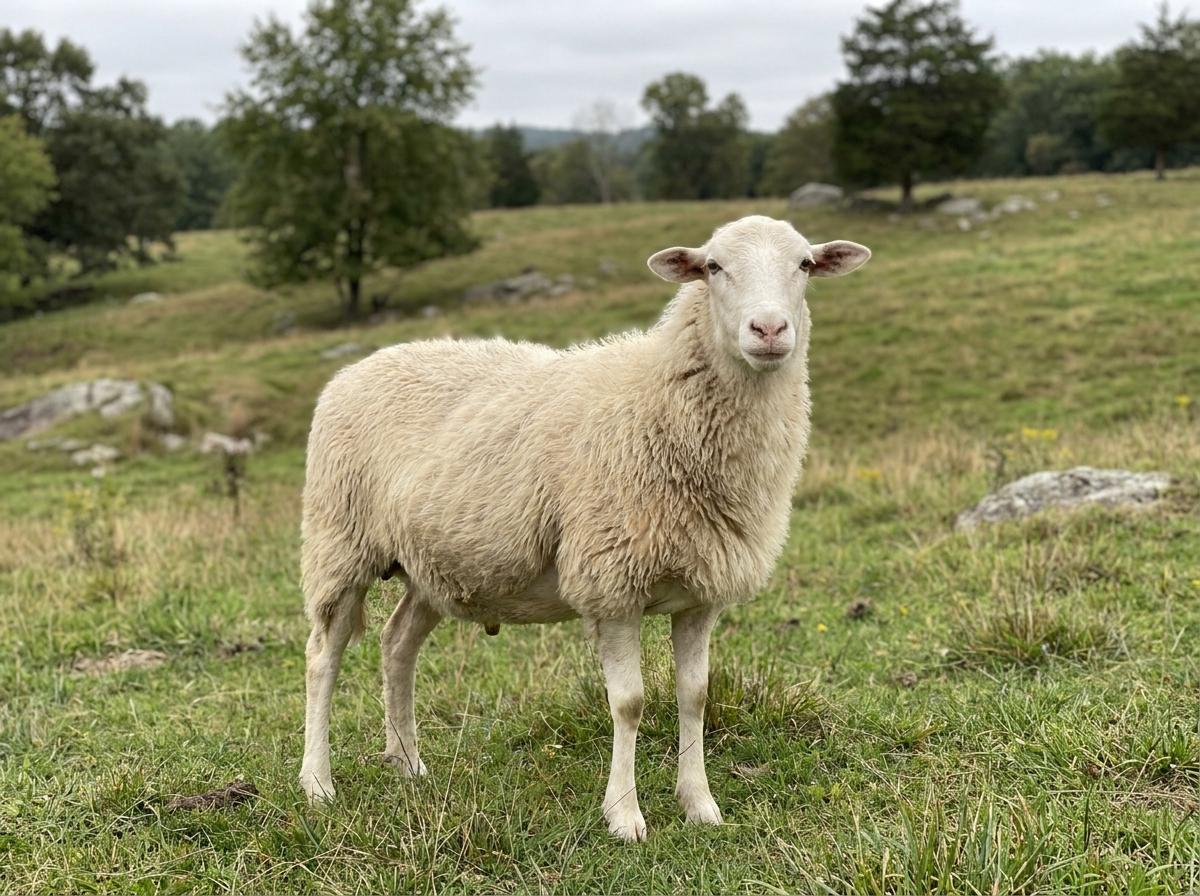
Blackhead Persian contributed to the development of the Dorper, as documented by the FAO source. That shared history helps explain superficial similarities, but the breeds have different identities and characteristic conformation.
If a seller describes an animal simply as a “blackhead,” ask what that means in their flock. Is it registered Blackhead Persian, a known cross or a visual description? A commercial cross can suit a particular farm; it should not be sold on the assumption that appearance proves pure breeding.
If conservation or registered breeding is your purpose, obtain pedigrees before arranging a mating. Ask which unrelated lines are realistically available in your region. An appealing pair of sheep is not automatically a workable long-term breeding program.

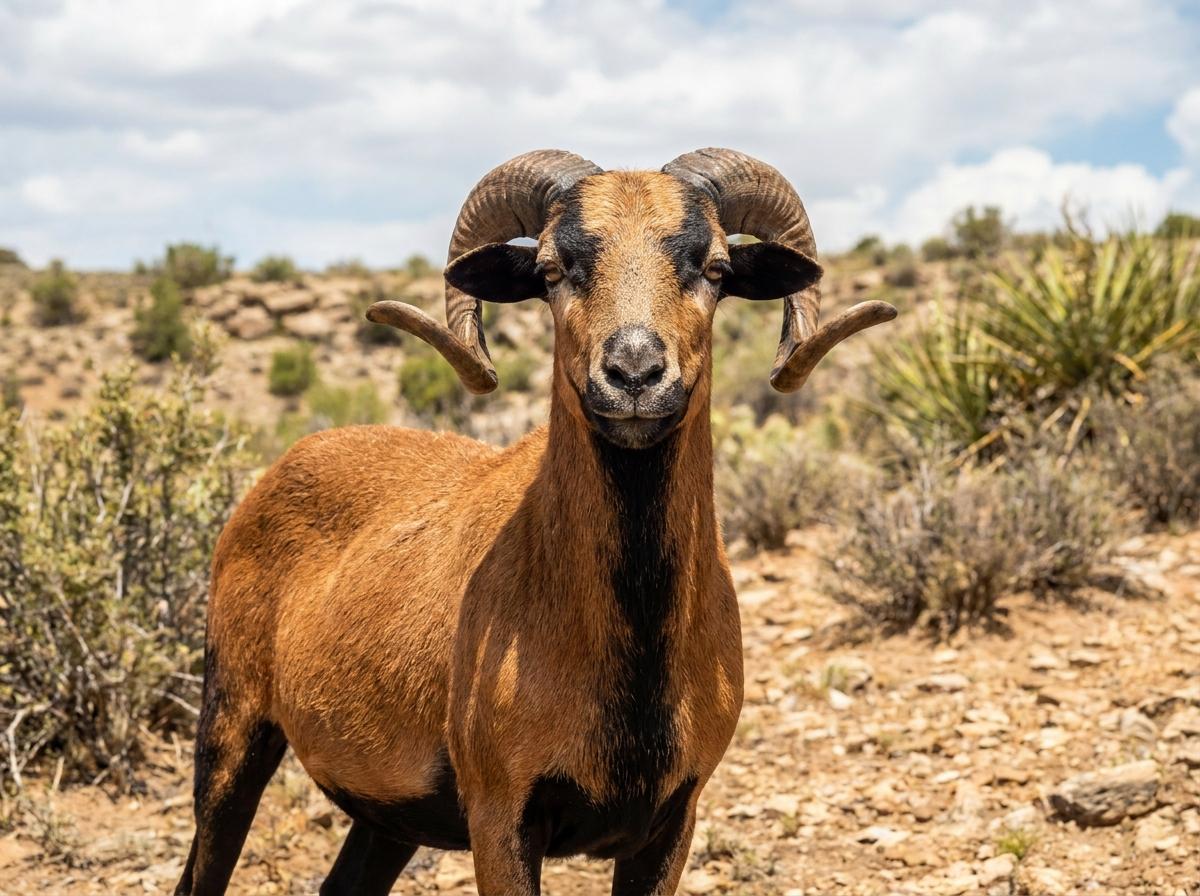
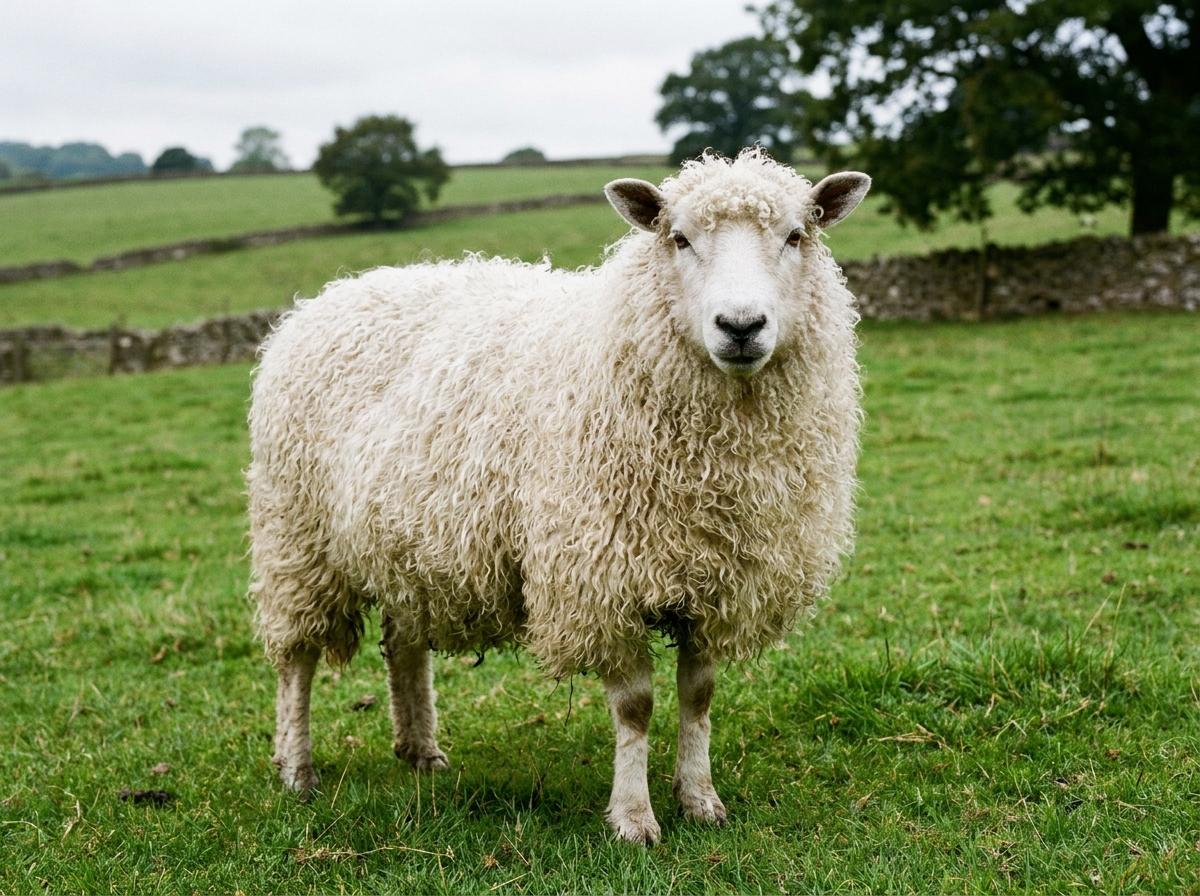
AI-generated illustration.
Read the Dorper guide for the separate breed identity and ownership questions on the other side of that historical connection.
A hair coat changes one job, not every job
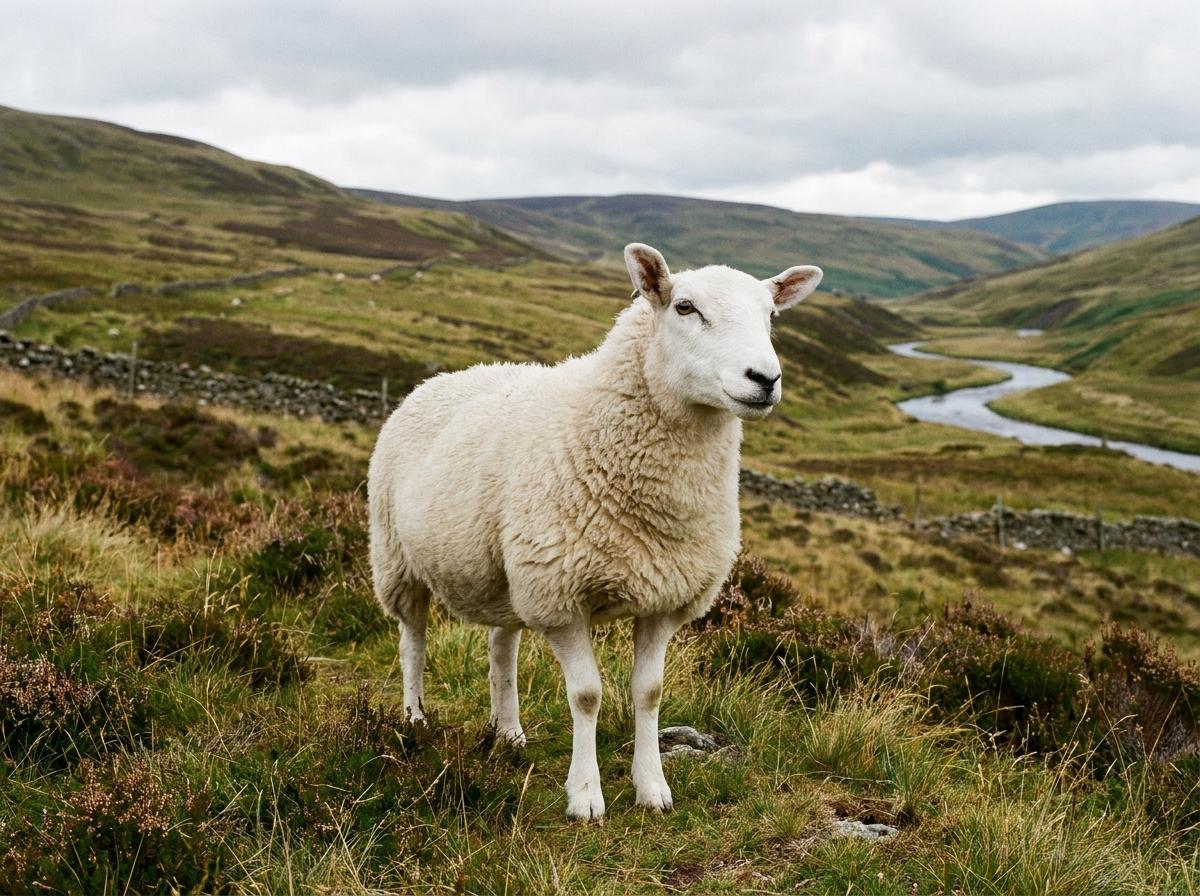
Persian sheep have a hair coat rather than the wool fleece expected from breeds such as Merino. They are generally managed without routine fleece shearing. Inspect the actual animal and ask about its seasonal coat, especially when ancestry is uncertain.
Do not translate “hair sheep” into “no parasite care.” Penn State Extension’s grazing guidance explains how grazing management and selection can help reduce parasite problems. Develop a monitoring and treatment plan with a veterinarian instead of relying on a breed reputation or automatic dosing schedule. The sheep deworming guide connects monitoring with a flock-specific treatment plan.
Check feet, skin and condition as part of routine observation. The breed’s normal dewlap and fat-rump anatomy can be unfamiliar to new keepers; learn it from an experienced breeder and veterinarian so you can recognize a change without assuming every swelling is normal.
Match the home to the flock
Plan for compatible sheep companions, secure fencing, dry resting space, shade and dependable water. A single decorative sheep in an otherwise empty paddock is not a complete flock plan. Consider where animals can be separated for veterinary care without leaving a distressed individual unmanaged.
Have a safe way to gather and restrain the sheep before they arrive. Penn State’s handling-facility guidance is a useful starting point. Routine observation is easier when you can inspect an animal without chasing it across a field.
Feeding and breeding decisions
Sheep can die from excess copper. Keep cattle, goat and horse concentrates, mineral mixes and lick blocks out of their reach; products for those species are not interchangeable with sheep feed. Merck’s copper-toxicosis guidance supports using feed and minerals formulated for sheep. The sheep mineral guide helps prepare a ration review with your adviser.
For breeding animals, ask for dated lambing records, assistance, lamb survival and the identity of the sire. The history of the particular ewe matters more than a general claim that the breed lambs easily. Plan supervision and veterinary help before mating, not only when a lambing date approaches.
A reputation for frequent lambing cannot date an individual pregnancy. Enter the known joining date in the sheep gestation calculator and retain the ewe’s actual lambing and veterinary records.
Buying with useful evidence
Use the sheep cost guide to compare breeding animals, flock sheep and lambs before adding your local care costs.
Request the animal’s identity, age, registration where claimed, health history and recent treatments. Ask how the flock has been tested or monitored and obtain the reports relevant to your veterinarian’s introduction plan. Avoid accepting an undated “disease-free” assurance as a guarantee.
Compare prices within the same category: breeding ram, ewe, lamb or nonbreeding adult. Include transport, fencing, handling equipment, forage, veterinary support and any registration costs. A less common breed can also mean travel or difficulty finding an appropriate future mate; investigate that before treating scarcity as an advantage.
Use the Creatures record guide to retain dated care and breeding information. Keep original certificates and laboratory reports, and distinguish your own observations from a confirmed diagnosis.

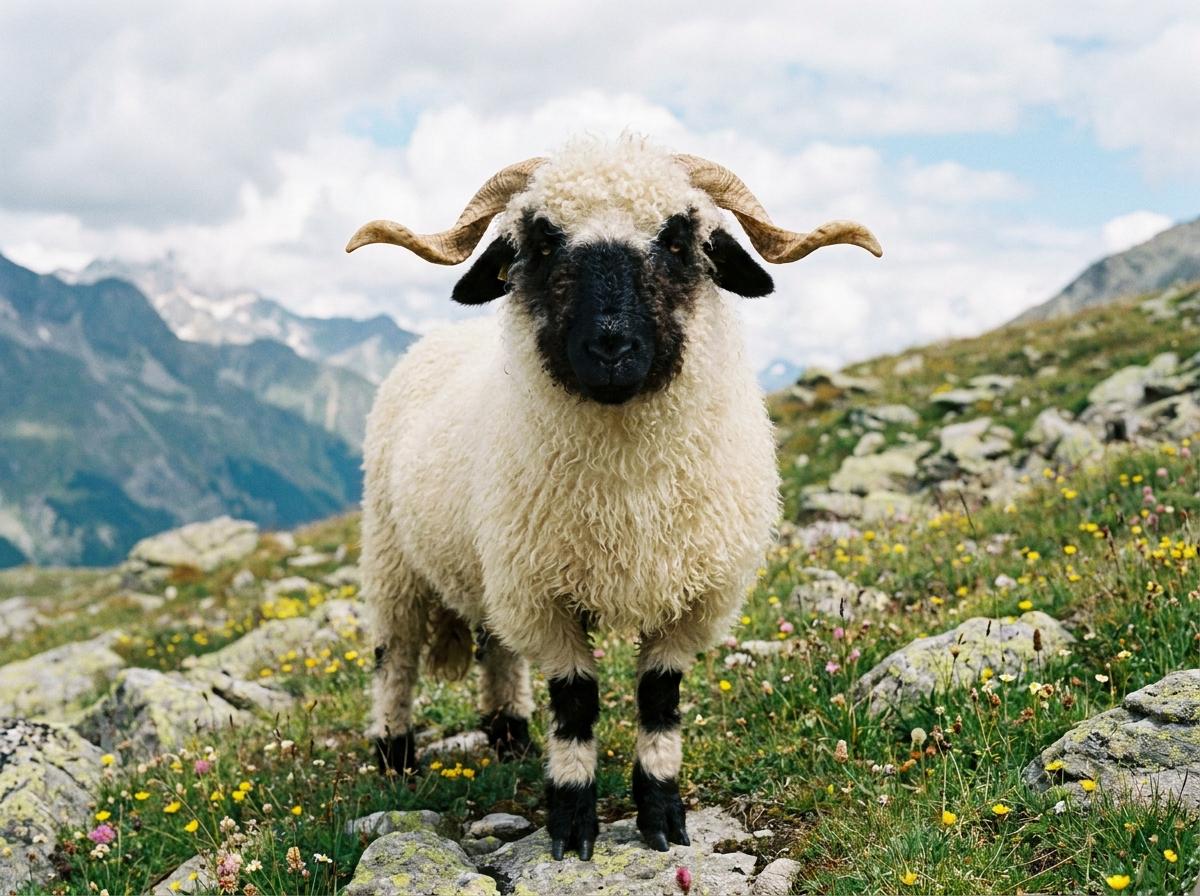
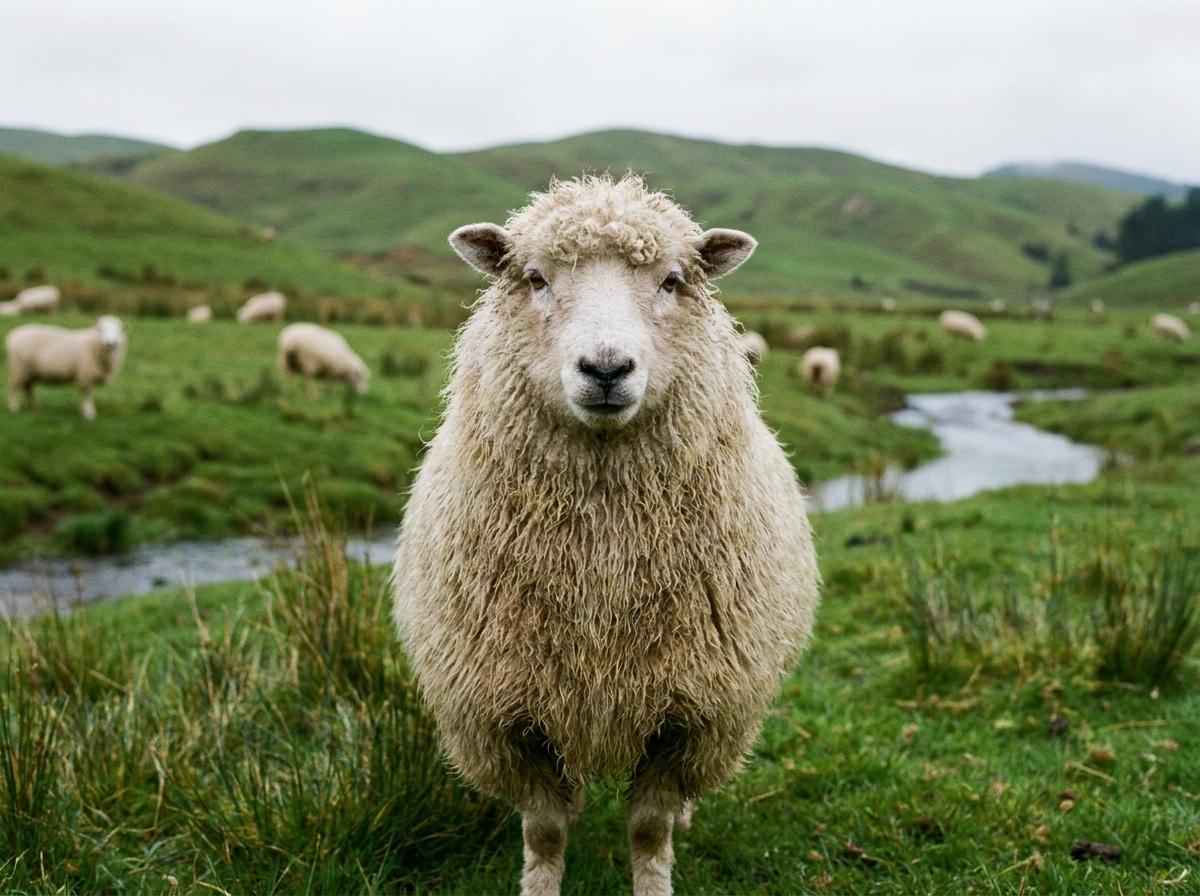
AI-generated illustration.
Which sheep fit your purpose?
Begin with the sheep overview. Compare Merino if you want a fleece-producing flock, and Poll Dorset when evaluating a different meat-sheep breeding role. Their management and selection priorities make a more useful comparison than coat color alone.
The Pelibuey guide is another hair-sheep comparison for keepers deciding which documented animals fit their climate and management plan.
Blackhead Persian questions
Are these miniature sheep?
No. APSA describes a small sheep breed, with adult ewes about 35 to 50 kg and rams 50 to 65 kg. Ask for mature family weights; a young lamb is not evidence of miniature adult size.
Does the breed need no maintenance?
No. Avoiding routine wool shearing does not remove feeding, fencing, health monitoring, hoof care or veterinary responsibilities.
Does a black head prove the breed?
No. Check documented ancestry where breed identity matters, especially because other breeds and crosses can share the pattern.
Do this next on Creatures
Keep the animal’s identity, original documents and your dated observations together. Choose the next step that matches where you are in the process.
- Set up a Blackhead Persian search alert. Get notified when new listings match, with help from the saved-search guide.
- Check current Blackhead Persian listings; supply may be empty or change. Ask for the evidence relevant to your intended purchase.
- Start a Blackhead Persian profile. No account is needed to start. The animal-profile guide explains the details.
- Add a care or breeding record. The form opens for visitors; a free account saves the record. Read the record guide before adding documents.
- Start a breeder or farm profile. The directory guide explains how a breeder listing works.
- Explore sheep breeders to compare sources and prepare a careful introduction to the seller.