

Smoke Pearl
The Smoke Pearl is a rare British fur rabbit with one of the prettiest coats in the fancy: a smoke grey saddle that fades gradually into soft pearl grey along the flanks, chest, and belly. Bred in Scotland in the late 1920s as an offshoot of the Sable, it is in genetic terms a sable wearing blue, the dilute version of that older breed. It is recognized and shown in the United Kingdom under the British Rabbit Council (BRC) standard in two patterns, Siamese and Marten, and it remains uncommon even there. In the United States it is not a recognized breed at all, though the smoke pearl color itself lives on inside several American breeds. This page covers what the breed is, where it came from, what the standard actually asks for, the coat genetics, realistic care expectations, and what to check before you buy one. You can compare it against other rabbit breeds on the Creatures rabbit species page.

Browse listings, public profiles, breeders, or add your animal.
What is a Smoke Pearl rabbit?
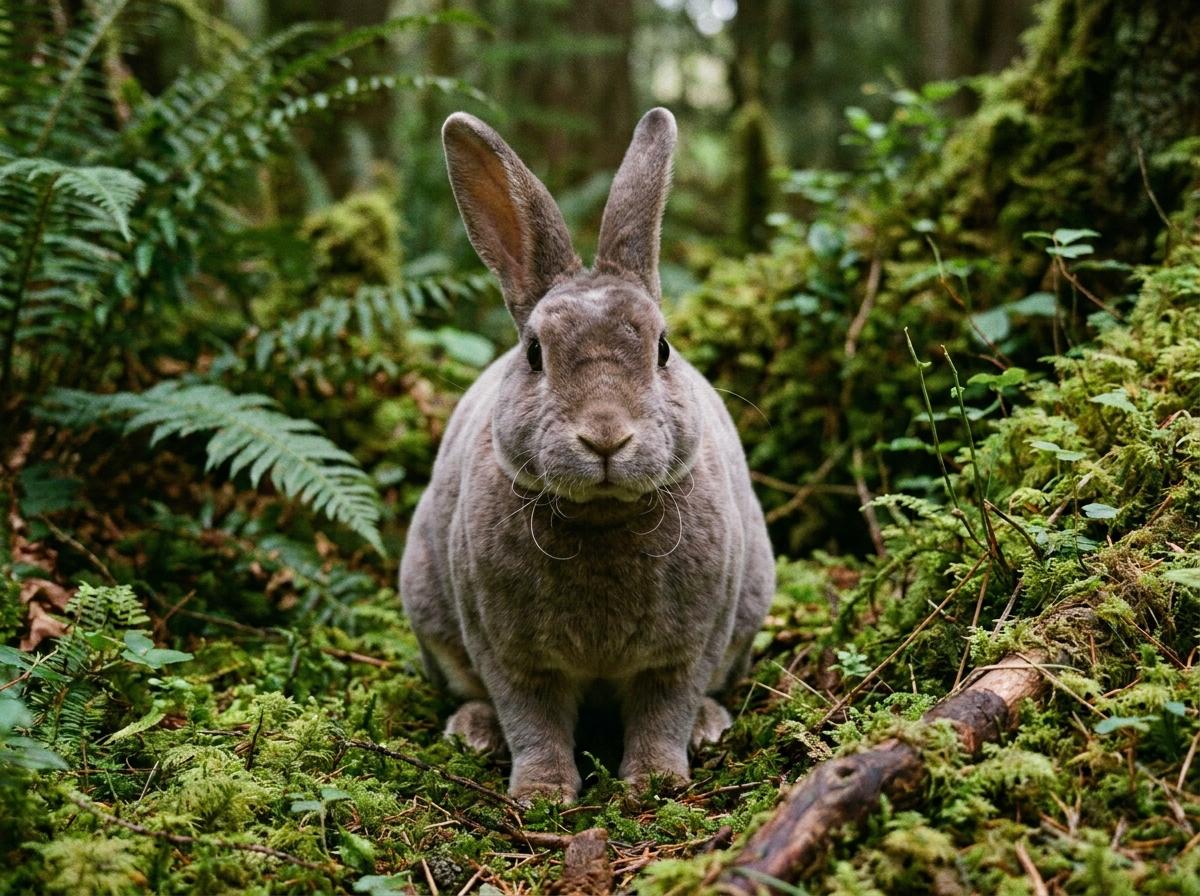
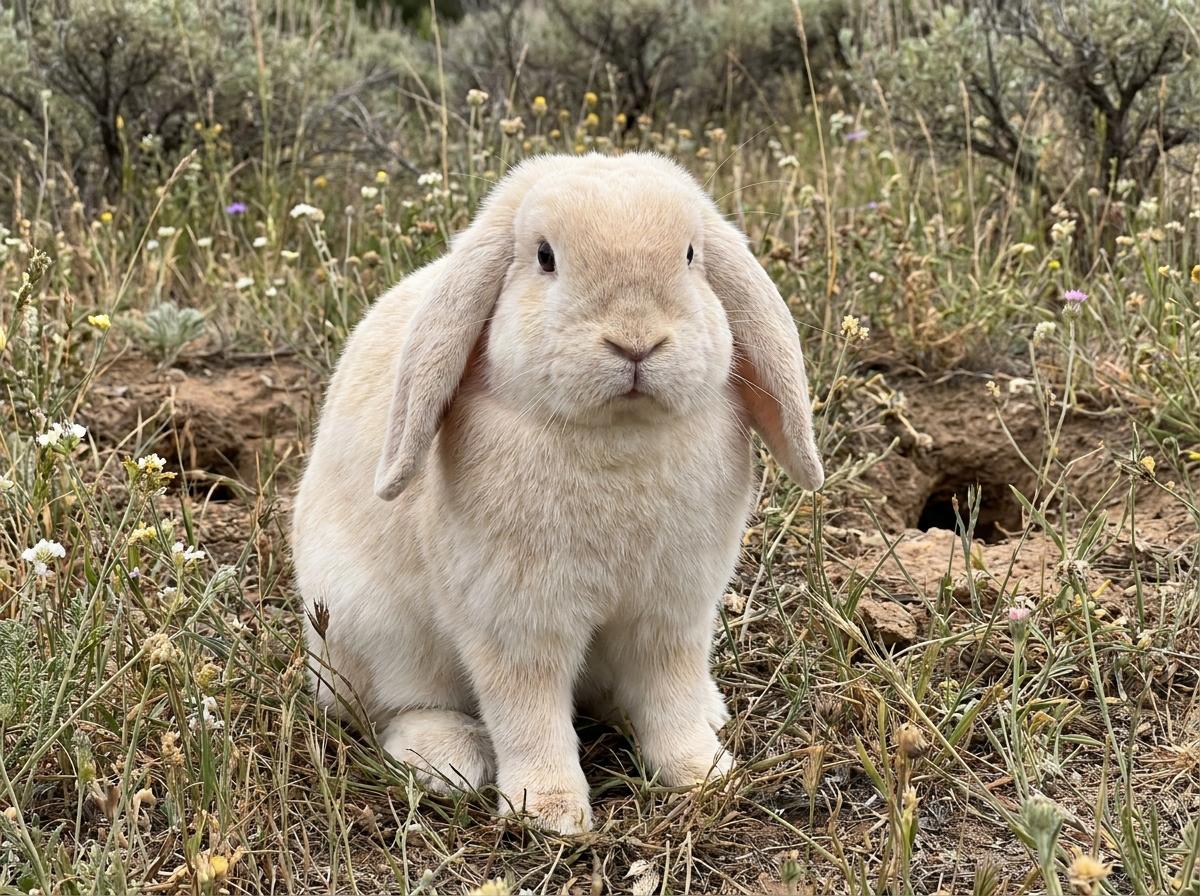
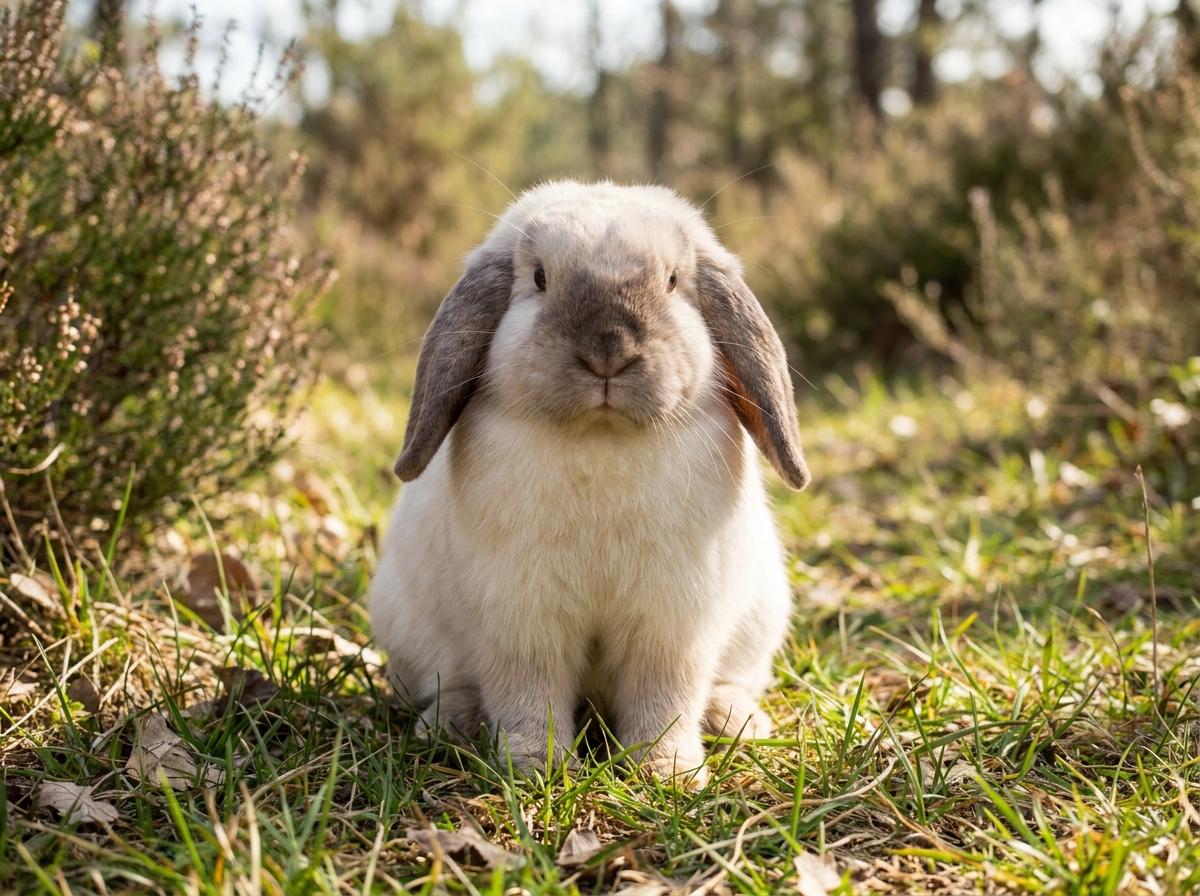
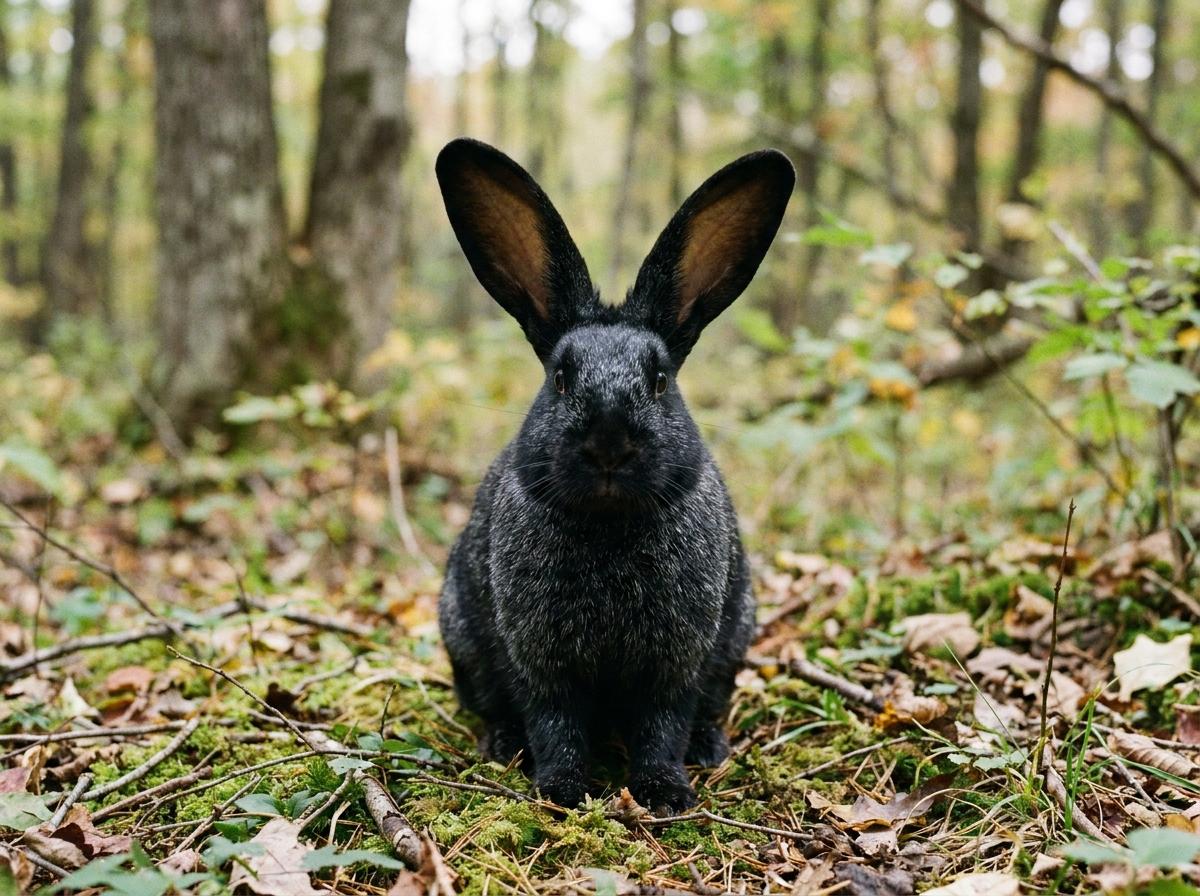
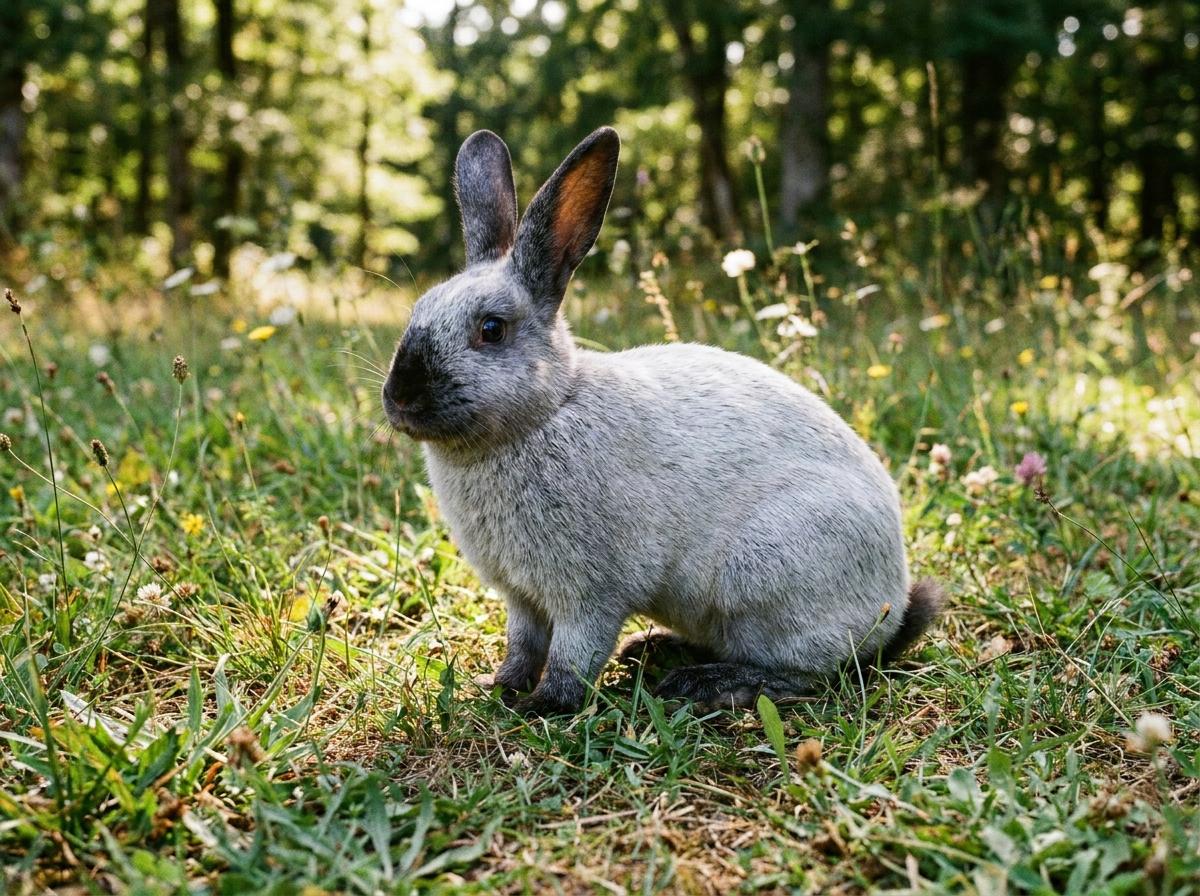
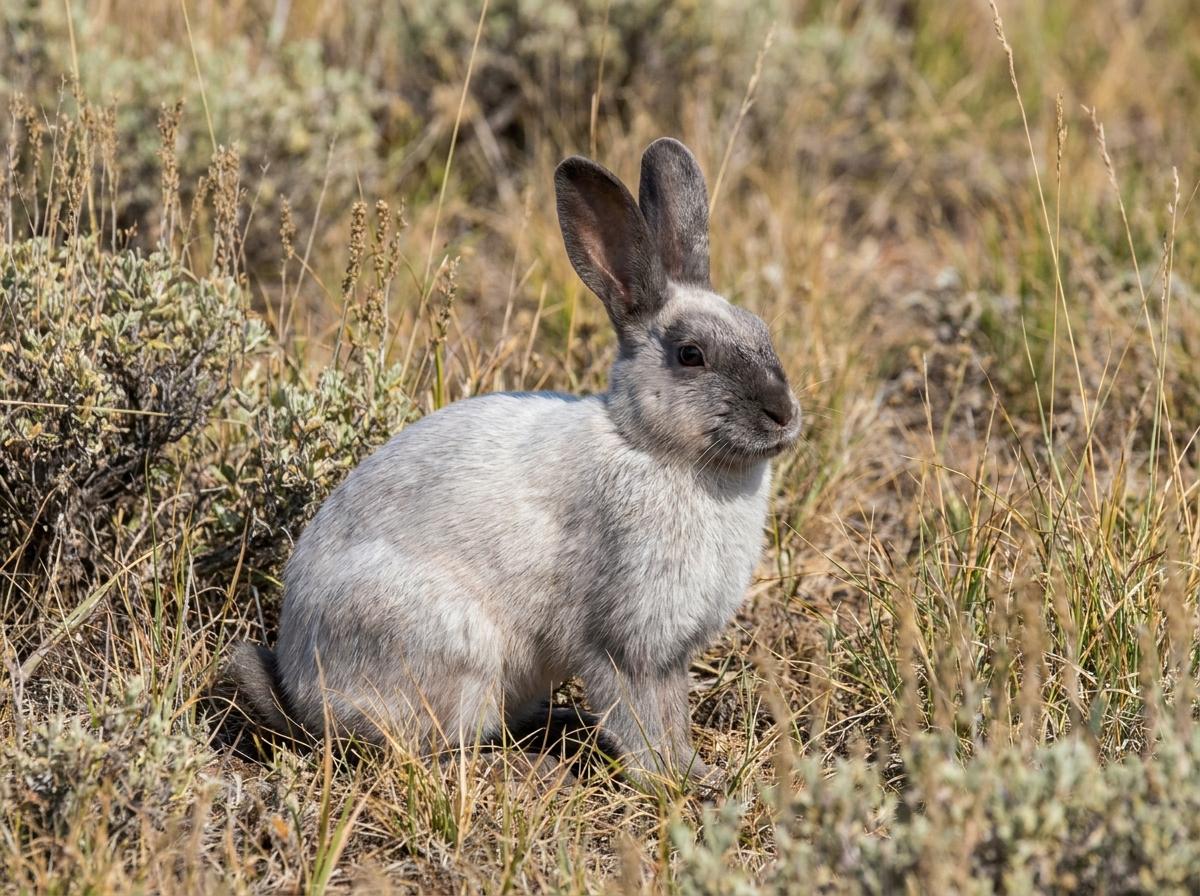
The Smoke Pearl is a medium sized exhibition fur breed, kept for its coat and its looks rather than for meat or wool. The whole breed is built around one idea: a smoke grey topcoat that shades away, evenly and without streaks, into pale pearl grey beige on the lower body. The head, ears, feet, and upper tail stay darker, close to the saddle color, which gives the rabbit the same softly pointed look as its parent breed the Sable, only in cool blue-grey instead of warm sepia brown.
In the UK it is one of the recognized fur breeds of the British Rabbit Council, the body that governs rabbit showing and breed standards there, and it has had its own national specialist club since 1945. You will sometimes see the breed loosely called a fancy rabbit because it is kept for exhibition; strictly, the BRC groups breeds into Fancy, Lop, Fur, and Rex sections, and the Smoke Pearl sits in the Fur section, where judging leans heavily on coat and color.
Two framing points before the detail. First, this is a rare breed even in its homeland, in the hands of a small number of dedicated breeders, so finding stock takes patience anywhere and takes real effort outside the UK. Second, American readers should know from the start that the Smoke Pearl is not a breed the American Rabbit Breeders Association recognizes, so there is no US show table or registry entry waiting for one. We cover exactly what that means, and what a US keeper can still do, further down.
Origin and history
The Smoke Pearl began in Scotland in the late 1920s as a color sport of the Sable. The breed’s national club records that it was developed by the fanciers Lawrie and Stenhouse, working from Sables, possibly with some Blue Beveren blood introduced along the way. Early animals were shown under the name Smoke Beige (the club’s own history spells it Smoked Beige). In 1932 the new breed was formally accepted, its standard adopted by the British Fur Rabbit Society, and the name changed to Smoke Pearl, which was thought to sell the coat better. It is a fair trade description: the undersides really do carry a pale, pearly sheen.
The breed then very nearly disappeared. Interest faded through the 1930s, and the Smoke Pearl survived mostly as a hidden gene inside sable herds. Because the color is recessive, smoke pearl kits kept turning up in litters of Sables whose parents both carried dilute, and in the early 1940s a group of fanciers around Bristol took those kits seriously, rebuilt the breed from them, and formed the National Smoke Pearl Rabbit Club in 1945. The same circle went on to establish a rex coated version shortly afterward, and smoke pearl remains a recognized color in the UK rex standards today, alongside classes that have been offered over the years for smoke pearl colored Satins and Mini Rex.
That revival story is worth remembering when you look at the breed today. The Smoke Pearl has always lived close to the edge of extinction, carried through lean decades by a handful of committed keepers, and it remains a breed where every well documented litter matters to the population.
What a Smoke Pearl looks like
The BRC style standard for the breed, maintained by its national club, is short and specific, and it puts its weight where you would expect for a fur breed: of 100 points, 45 sit on color and 40 on the texture and density of the fur, leaving just 15 for type, head, eyes, and condition. In other words, a Smoke Pearl is judged first as a coat.
- The saddle. From the nape to the tail, the topcoat is smoke grey. The color is deepest along the back and fades gradually down the sides. Judges want that fade to be a smooth gradient; blotches, streaks, or a hard line where dark meets light are faults in both patterns.
- The shading. Flanks and chest lighten to a pale pearl grey beige. In the Siamese pattern the belly lightens the same way, with no white anywhere. Head, ears, feet, and the top of the tail stay close to the saddle color, which is what gives the breed its shaded, softly pointed look.
- The fur. Soft and very dense, with an exquisitely silky, full undercoat, and about 2.5 cm (1 in) long. The standard is explicit that texture and density beat mere length, and the fault list singles out short, harsh, or fly-back coats and any lack of dense undercoat.
- The frame. A neat, medium sized rabbit of moderate length with a slightly arched back, straight legs, and medium bone, weighing 2.26 to 3.17 kg (5 to 7 lb). The head is on the long side rather than square, carried on a short neck.
- Ears and eyes. Ears are small, erect, well furred, and free of white ticking. If you are picturing dramatic lop ears, that is a different corner of British breeding entirely; the English Lop, with the longest ears in the fancy, makes a striking contrast to the Smoke Pearl’s tidy upright pair. The eyes are bright and bold with a distinct ruby glow, a deep glowing red cast that shows when light catches them.

Siamese and Marten, the two patterns
The breed is standardized in two patterns, and the split matters when you are buying or breeding.
Siamese is the shaded pattern most photos show. Smoke grey saddle, pearl grey beige shading over flanks, chest, and belly, and no white anywhere in the coat. It reads as one continuous gradient from dark spine to pale underside.
Marten overlays the same smoke and pearl coat with the classic marten trim: a white belly and underside of tail, white eye circles, white inside the ears and along the jaw line and nostril edges, white inside the legs, and longer white ticked hairs scattered through the chest, flanks, rump, and feet. Under the white belly fur the undercolor is fawn rather than white. A small nose flash is permitted but the less the better, and the pale triangle at the nape should stay small and tucked behind the ears.
In both patterns, the faults a buyer can check in seconds are the ones judges check: white patches where white does not belong, white feet, a putty colored nose, pale washed out undercolor, and in Martens an oversized nose flash or any tan tinge creeping into the white areas.
The genetics: a sable wearing blue
The Smoke Pearl is one of the clearest examples in rabbits of how one gene turns an existing breed into a new one, and its own history is the proof, because the first smoke pearls literally appeared inside sable litters.
Two gene series are involved. The first is the C series at the tyrosinase gene, the albino locus, which in classical rabbit genetics runs from full color down through the chinchilla alleles to Himalayan and albino. Sables carry the allele breeders write as c(chl), chinchilla light, which Oregon State University Extension describes as lightening the pigment overall while keeping the ears, nose, feet, and tail darker than the body. That is the shaded pattern you see on a Siamese Sable, and it is fair to note, as OSU does, that this particular allele’s identity has long been worked out from breeding results rather than confirmed at the DNA level.
The second is the dilute gene. Rabbits carrying two copies of the recessive dilute allele, written dd, have their black pigment softened to blue-grey because the pigment granules clump instead of spreading evenly along the hair. This one is confirmed at the DNA level: a frameshift mutation in the melanophilin (MLPH) gene has been shown to cause the dilute coat in rabbit breeds, inherited as a simple recessive.
Put the two together and you have the Smoke Pearl: the sable’s shaded coat, diluted. Where a Sable is deep sepia brown shading to warm bisque, the Smoke Pearl is smoke blue-grey shading to cool pearl. That is the whole difference, and it is why a Sable that carries dilute, mated to another carrier, can still throw smoke pearl kits today, exactly as happened in the 1940s revival. It also means smoke pearl to smoke pearl breeds true for dilution, since both parents are dd. If the sable side of this family interests you, the American Sable rabbit guide covers the equivalent shaded breed on the US side of the Atlantic, and the Silver Marten guide covers the separate marten patterned family that lent its trim to the Smoke Pearl’s Marten variety.
One practical genetics note for breeders: shaded coats mature slowly. Smoke pearl kits are born looking much paler and flatter than they will finish, the shading deepens and settles over the first months, and a molt can temporarily blur the gradient. Judge breeding stock on finished adult coats, not on nest box impressions.
Smoke pearl in the US: the color outlives the breed
The American Rabbit Breeders Association does not recognize the Smoke Pearl among its more than fifty breeds. You cannot register a rabbit as a Smoke Pearl with ARBA, and there are no Smoke Pearl breed classes at ARBA sanctioned shows. There is also no meaningful US breeding population of the true British breed to buy from, so treat any US listing that offers a purebred Smoke Pearl rabbit with polite skepticism and ask exactly what standard the seller is breeding to.
What ARBA does recognize is the color. Smoke pearl is an accepted showroom variety in several American breeds, including the Netherland Dwarf, which is shown in both Siamese Smoke Pearl and Smoke Pearl Marten varieties, and the Mini Rex, which recognizes Smoke Pearl and Smoke Pearl Marten. The Mini Lop registration list carries smoke pearl based colors as well. So an American who falls for this coat has a real path: buy a smoke pearl variety of an ARBA breed, show it in its own breed’s classes, and enjoy exactly the same genetics in a different package.
And registration is not record keeping. A rabbit does not need any registry’s blessing to deserve a documented life. A Creatures animal profile works the same for a BRC exhibition Smoke Pearl in Yorkshire, a smoke pearl Netherland Dwarf in Ohio, or an unpapered pet: pedigree, health records, weights, litters, and photos in one place, whatever the breed politics around the color.
Temperament
The breed’s club describes the Smoke Pearl as a docile, calm rabbit that is easy to handle, sociable with other rabbits, and a good, attentive mother that raises decent sized litters. Longtime keepers repeat the same picture, and it fits a breed that has spent a century being handled on show tables. Treat that as practitioner observation rather than a studied trait, because no one runs behavioral trials on a breed this rare. As with any rabbit, calm adults are made as much as born: gentle regular handling from the nest box onward, quiet housing, and unhurried movement around the animals matter at least as much as ancestry.
Care: what a Smoke Pearl actually needs
Nothing about the Smoke Pearl’s care is exotic. It is a normal furred, medium sized rabbit, and the standard advice from the major welfare bodies applies unchanged. The short version: space, hay, company, and fast attention when eating stops.

Housing
Give a pair of rabbits far more room than a hutch. The Rabbit Welfare Association and Fund sets its minimum at a single enclosed area of at least 3 m by 2 m, 1 m high, for two average sized rabbits, available to them at all times rather than for supervised bursts, with the footprint in one connected block so the rabbits can actually run. A hutch or shelter belongs inside that space as the bedroom, never as the whole home. For a dense coated breed like this, dry footing and clean, deep, dry bedding also protect the coat itself; a Smoke Pearl living on damp bedding will show it in the fur long before a judge ever would.
Keep rabbits in bonded pairs or compatible groups. The welfare guidance above is written for two rabbits for a reason: a rabbit living alone is missing the single biggest enrichment its species has.
Feeding
Follow the standard rabbit ratio, which the RSPCA puts at roughly 85 percent hay and fresh grass, 10 percent safe leafy greens, and 5 percent pellets. Practically, that means a bundle of good hay at least the size of the rabbit every day, a large handful of washed greens, a small measured portion of plain pellets, and constant fresh water. Skip muesli style mixes entirely; the RSPCA warns they drive selective feeding, dental disease, and obesity. This matters doubly in a breed judged on coat, because fur quality is fed before it is groomed: a fiber poor diet shows up as a dull, thin, molt stuck coat.
Health
Smoke Pearls carry no documented breed specific health problems, which is one genuine advantage of a breed that has never been pushed toward an extreme body type. The club describes the breed as generally fit and healthy, with little in the way of hereditary trouble. What they get instead is the ordinary rabbit disease list, and four items on it deserve names:
- Gut stasis. A rabbit that stops eating is an emergency, full stop. Low fiber intake, pain, or dental trouble slow the gut until it stops, gas and harmful bacteria build up, and the rabbit spirals; the Merck Veterinary Manual describes how quickly stasis follows when a rabbit stops eating. Unlimited hay is the best prevention, and a same day vet call is the only correct response.
- Dental disease. Rabbit teeth grow continuously. Check the front teeth weekly, as the RSPCA advises, keep hay central to the diet, and leave corrections to a veterinarian.
- Flystrike. In warm weather, check under the tail twice a day. A soiled rear end attracts flies, and flystrike is fast and often fatal. A dense coated breed with a pale belly earns that check twice over.
- Neutering and vaccination. Unspayed does carry a serious uterine tumor risk as they age; the RSPCA cites incidence approaching 80 percent in females over three years old, so spaying is a welfare decision, not a convenience. In the UK, vaccinate against myxomatosis and rabbit haemorrhagic disease on your vet’s schedule. Wherever you live, let a rabbit experienced veterinarian make the medical calls.
Grooming
The coat mostly cares for itself outside molts: a weekly once over, stepping up to a few times a week when the coat is turning, keeps loose fur out of the gut and the gradient visible. The one thing to avoid is over grooming a show coat, since the standard rewards dense, softly standing fur, not a flattened, over brushed one.
Keep the routine anchored in records rather than memory. A simple log of weights, molt dates, mating dates, kindling dates, and treatments is the difference between guessing and knowing, and it is exactly what health and medical records on a Creatures profile are for, with reminders for the recurring jobs like vaccination and warm weather flystrike checks.
Cost and availability
No dependable published price range exists for this breed, so this page does not quote one; the real numbers are a breeder’s current asking price and what a particular rabbit actually sold for, and you get those by asking. The Smoke Pearl is rare enough in the UK that stock changes hands mostly inside the fancy, between exhibitors, at club stock shows, and through breed club contacts, at prices in the same modest range as other rare fur breeds rather than at headline figures. Expect the real cost to be patience: joining the circles where the breed lives, waiting for a litter, and possibly traveling for it.
Outside the UK the answer is harder still. With no ARBA recognition and no established North American population, a US buyer wanting this exact breed would be looking at importing from British lines, an expensive, paperwork heavy path few pet keepers will take, or at the far more practical route of a smoke pearl variety in an ARBA breed, as covered above.

Two practical moves cost nothing. Browse Smoke Pearl listings on the Creatures marketplace to see what is actually offered, and because supply is thin, set a saved search alert so a genuine listing finds you instead of the other way around. Both work without an account to start.
Buying considerations
- Decide pattern first. Siamese and Marten are both correct, but they are different animals on the table and in the nest box. Know which you are buying and which the parents were.
- Buy the gradient. The breed’s whole value is the smooth fade from smoke to pearl. Look along the flanks in good light for blotches, streaks, or hard lines, and check the fault list basics: no white patches, no white feet, no putty nose, and on Martens a small nose flash and clean white trim.
- Feel the coat. Density is half the points. A correct coat feels soft and full with a silky undercoat; a short, harsh coat that flies back when stroked against the grain is a fault you can detect with one pass of the hand.
- Allow for age and molt. Young stock has unfinished shading, and a rabbit mid molt shows a broken gradient that is temporary. Judge breeding prospects on finished adult coats or on the parents.
- Ask for records, not just a pedigree. Litter dates and sizes, weights, treatments, and vaccination history tell you how the herd is actually run. A breeder who keeps their rabbitry on organized records, whether on paper or on Creatures breeder profiles, is showing you their standard of care, not just their stock.
- For UK exhibitors. Check the rabbit is correctly rung with the BRC size D ring for the breed and that the transfer paperwork will follow the sale.
Frequently asked questions
Is the Smoke Pearl a breed or a color?
Both, depending on where you stand. In the UK it is a full breed with its own BRC standard and specialist club history. Elsewhere, smoke pearl mostly survives as a color variety inside other breeds, such as the Netherland Dwarf and Mini Rex in the US.
What color are a Smoke Pearl’s eyes?
The standard asks for bright, bold eyes with a distinct ruby glow, meaning a deep reddish shine that flashes when light passes through the eye, on an otherwise dark eye. It is characteristic of shaded and dilute colors and is correct, not a flaw.
How big do Smoke Pearl rabbits get?
The standard range is 2.26 to 3.17 kg (5 to 7 lb). It is a medium rabbit, comfortably in the middle of the size scale between the dwarf breeds and the giants.
Are Smoke Pearls good pets?
The breed has a long reputation as docile, calm, and easy to handle, and it has no documented breed specific health problems. Its needs are ordinary rabbit needs: a large permanent enclosure, unlimited hay, a bonded companion, and a rabbit aware vet. The hard part is not keeping one; it is finding one.
Can I show or register a Smoke Pearl in the United States?
Not as a breed. ARBA does not recognize the Smoke Pearl, so there are no US breed classes or registrations for it. You can show the color inside ARBA breeds that accept it, such as the Siamese Smoke Pearl and Smoke Pearl Marten varieties of the Netherland Dwarf, and you can keep full pedigree and health records for any rabbit on Creatures regardless of registry status.
What is the difference between a Smoke Pearl and a Sable?
One gene. Both share the shaded coat pattern from the sable allele in the C series; the Smoke Pearl adds two copies of the recessive dilute gene, which turns the Sable’s deep sepia brown into cool blue-grey. The structure of the shading is the same.
Do this next on Creatures
However you arrived at this breed, as a would-be owner hunting for stock, a fancier planning a preservation litter, or a keeper of one of the ARBA smoke pearl varieties, Creatures is the records, marketplace, and directory layer to run it in one place. It works the same for rabbits as it does for the other small companion species we cover, like the ferret.
Get alerted. Genuine Smoke Pearl stock appears rarely, so set a free Smoke Pearl listing alert and we will tell you the moment one is posted. No account needed to start. How alerts work is covered in saving searches and using your watchlist.
Find stock. Browse Smoke Pearl rabbits on the marketplace and look for rabbitries in the Creatures breeder directory.
Add your rabbit. Already keeping one, or keeping a smoke pearl colored Netherland Dwarf or Mini Rex? Create a free animal profile in a few minutes, no account needed to start. The walkthrough is in adding an animal to Creatures.
Track health and litters. Add weights, treatments, and breeding records. The record sheet opens for any visitor to look around, and a free account saves what you enter. See adding a record for the full how-to.
List your rabbitry. Breeding this rare coat, in the UK or anywhere else? Create a free breeder or rabbitry profile and get listed in the breeder directory so the buyers hunting this breed can actually find you. If you run the rabbitry with family or partners, see creating an organization and adding your team.
Keep exploring. Compare the Smoke Pearl with its relatives: the American Sable, the Silver Marten, and the rest of the breeds on the Creatures rabbit species page.