Landrace
Author: Elliott Garber, DVM · Published
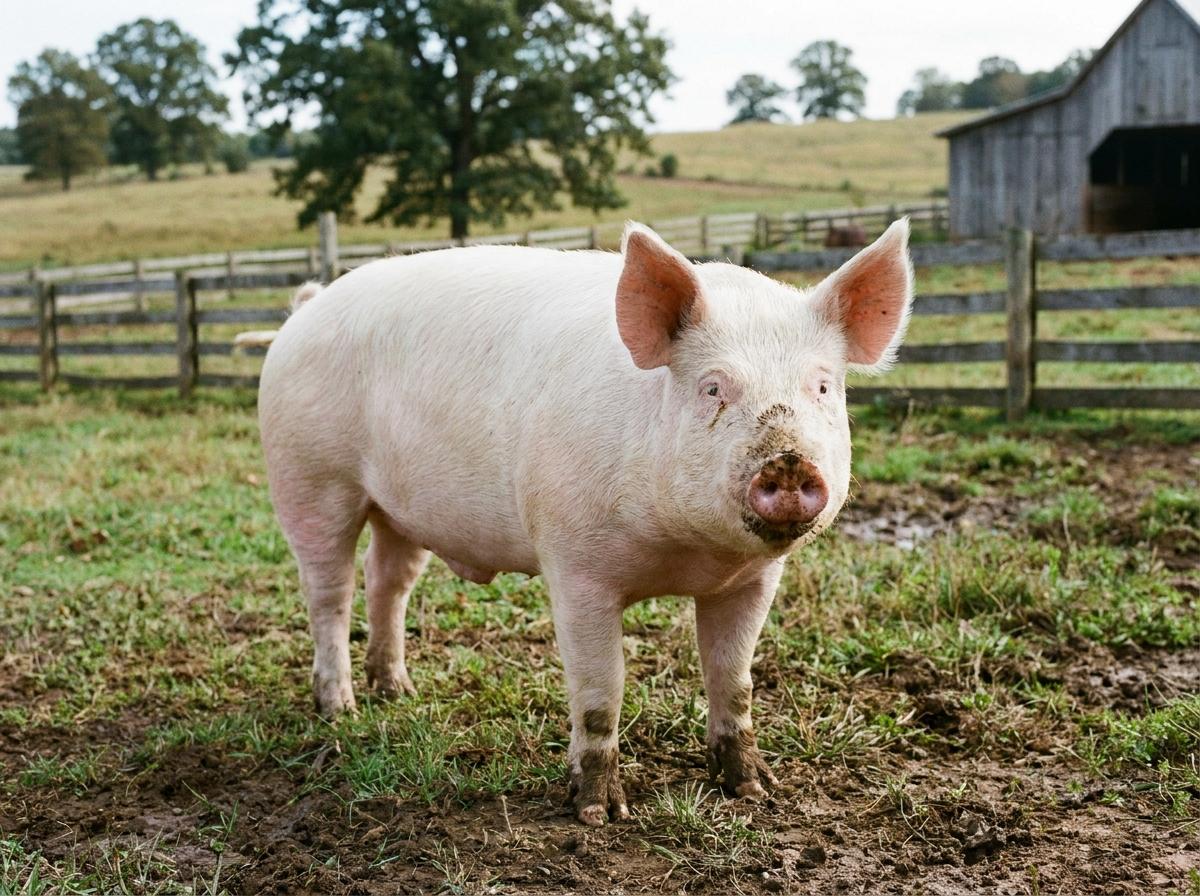
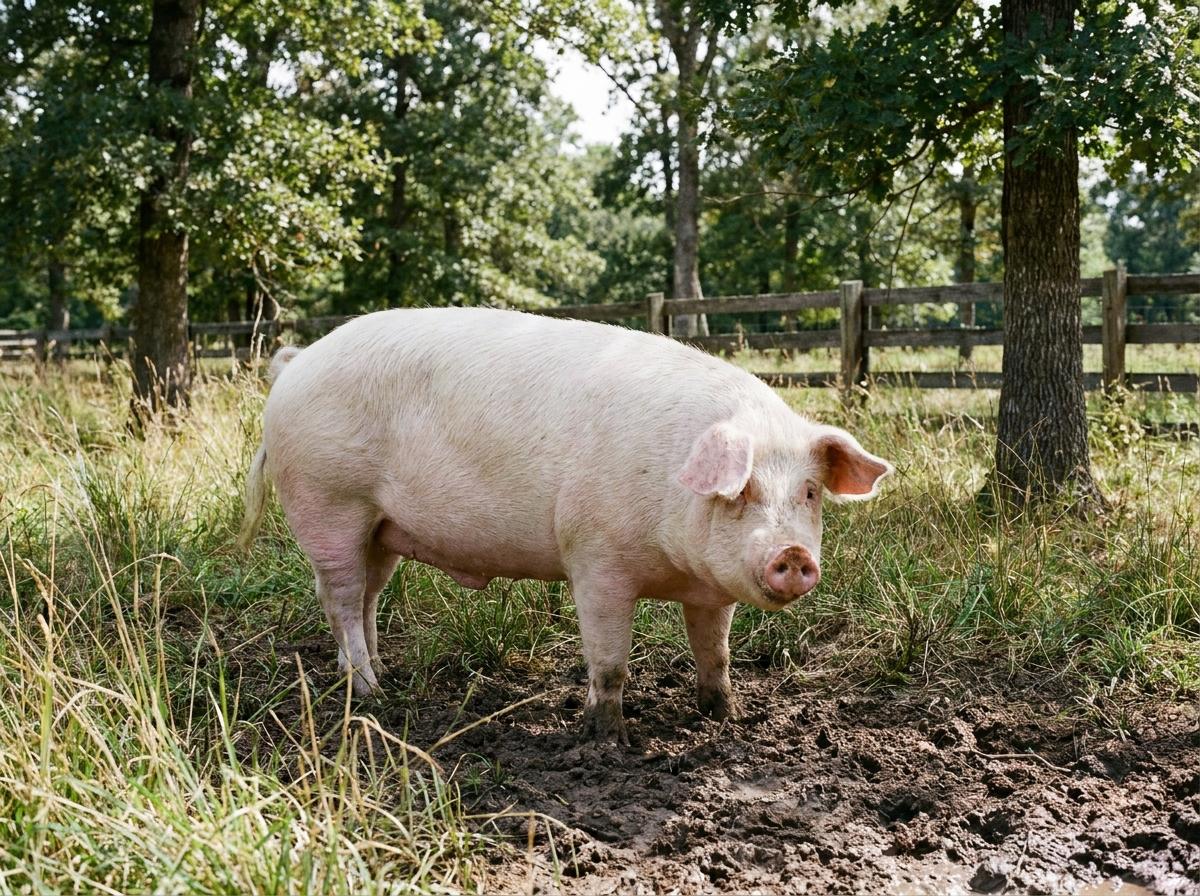
Landrace pigs are long-bodied white pigs with large ears that fall forward. They are commonly discussed as maternal breeding stock, but a buyer still needs evidence about the individual animals, their health and the production system they come from.
The free pig weight calculator can help estimate size when comparing growing pigs. Ask for recent scale weights as well; an estimate is not a measured growth record.
Set a Landrace search alert for new matching listings. Current supply may be empty; use the alert while you prepare your care plan and the records to request from a seller.

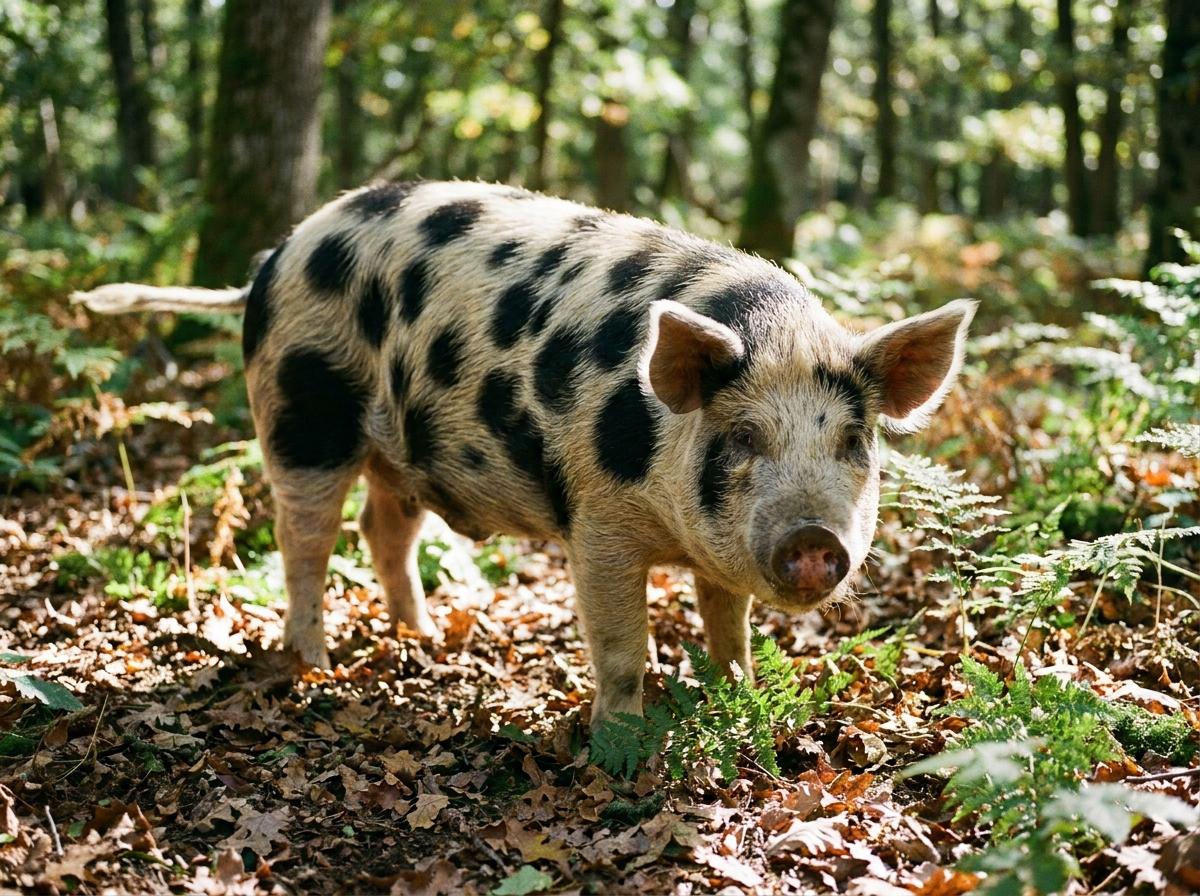
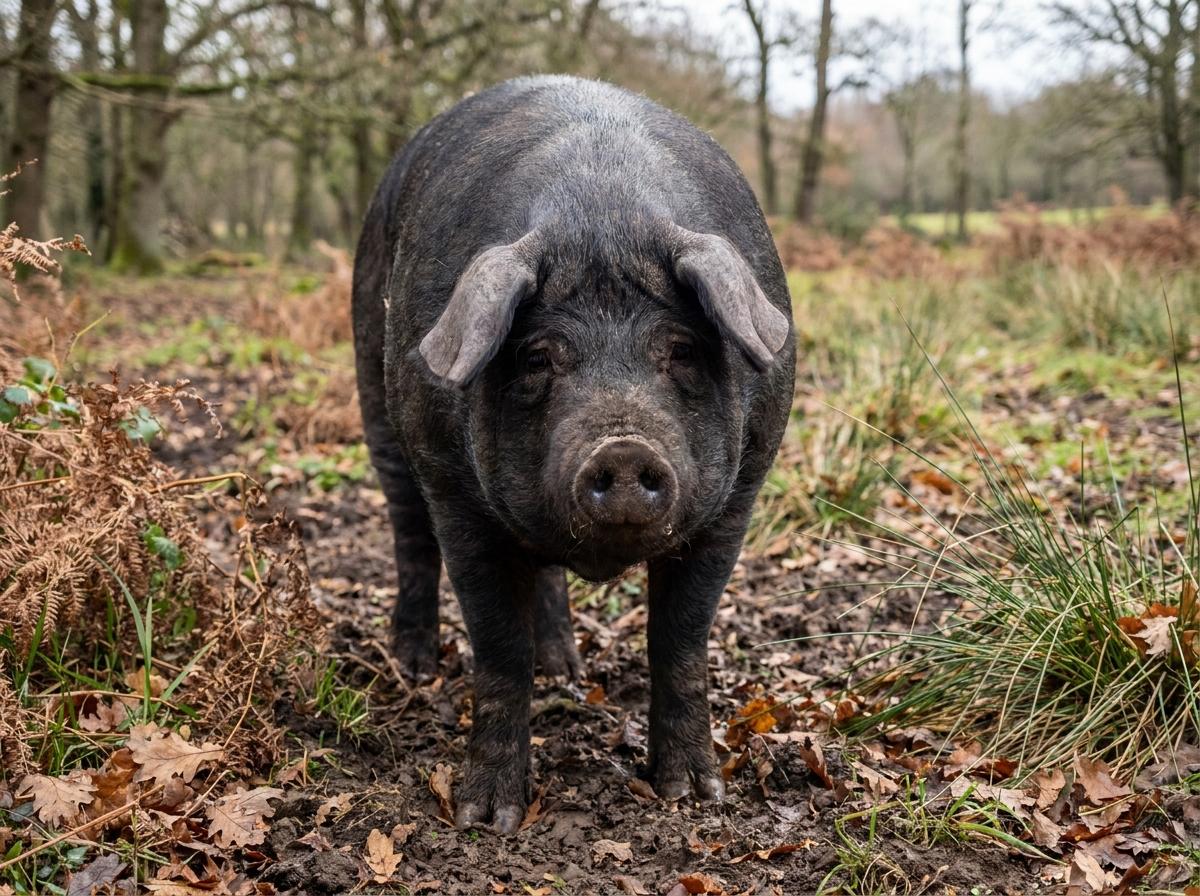
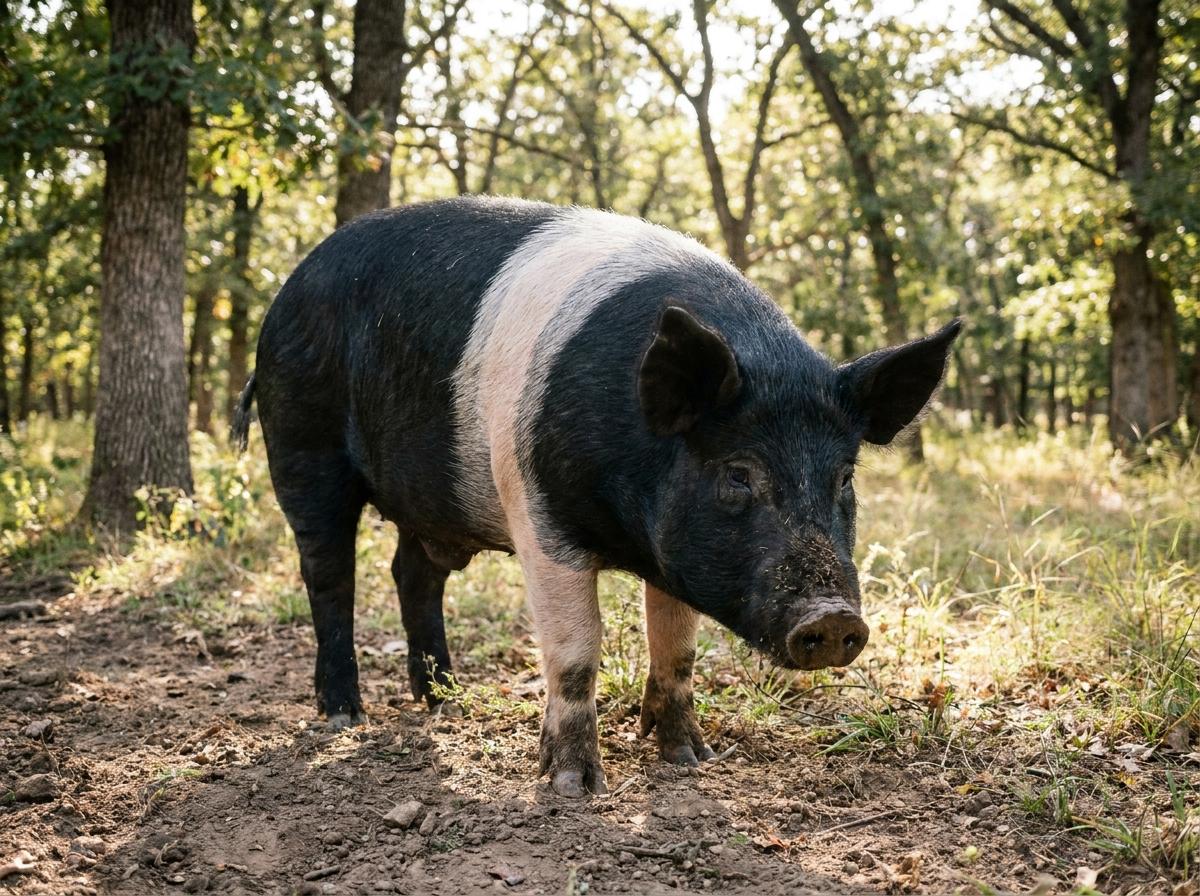
AI-generated illustration.
| American foundation | Danish imports in the 1930s |
|---|---|
| Appearance | Long white body; heavy drooping ears |
| Common role | Maternal breeding and crossbred sow lines |
| Registry | National Swine Registry |
| Eligibility | White, stress negative; specific pigment limits |
| Buying priority | Litter history, stress evidence and soundness |
Browse listings, public profiles, breeders, or add your animal.
Danish roots and the American Landrace
Landrace names several national breeding populations. American Landrace developed from Danish pigs imported by the USDA in the 1930s; the National Swine Registry’s history describes that foundation, the American association formed in 1950 and later Swedish and Norwegian contributions. Ask which country’s herdbook and population an advertisement means.
The American breed has a long white body and heavy ears drooping over the face. NSR emphasizes its maternal role, including use in crossbred sow lines. That is a selection objective to check against litter and rearing records, not a guarantee of easy farrowing or large litters from a particular gilt.
Under NSR eligibility rules, recorded Landrace breeding animals must be white, down-eared, stress negative and ear notched within seven days. No colored hair is allowed; up to three skin-pigment spots are permitted, each no larger than a US quarter. At least six functional udder sections are required on each side.
Obtain the certificate and evidence behind stress status, then inspect feet, legs and movement. The American Yorkshire guide explains a white maternal breed with erect ears, while Landrace ears hang down. An ear shape is useful for comparison but cannot authenticate pedigree.
Feeder pigs or a breeding herd?
For a first project, begin with the endpoint. Where will the pigs go, who will transport them and what arrangements need to be made in advance? Buying feeder pigs does not require you to manage mating, farrowing and newborn care, but it still requires a complete feeding, housing and health plan.
Breeding sows add year-round facilities, boar or insemination arrangements, farrowing supervision and plans for every piglet. Penn State’s swine-production overview distinguishes the different enterprise types. Choose the system your resources support instead of buying breeding animals because a litter seems like an easy next step.
If purchasing breeding females, request their own reproductive history and relevant family records. Ask how many piglets were born and reared, what assistance was needed and how the sow behaved during ordinary care. A maternal-breed reputation is not a guarantee for an individual.

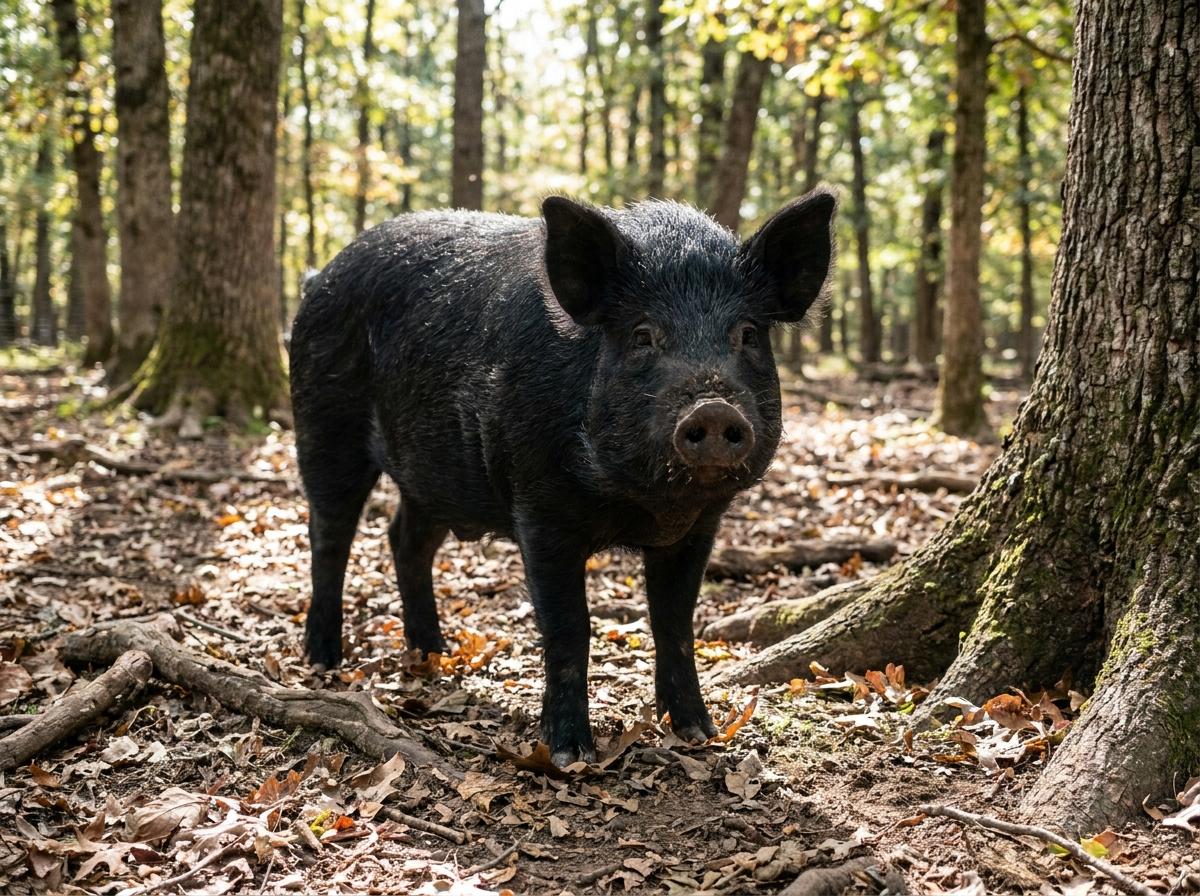
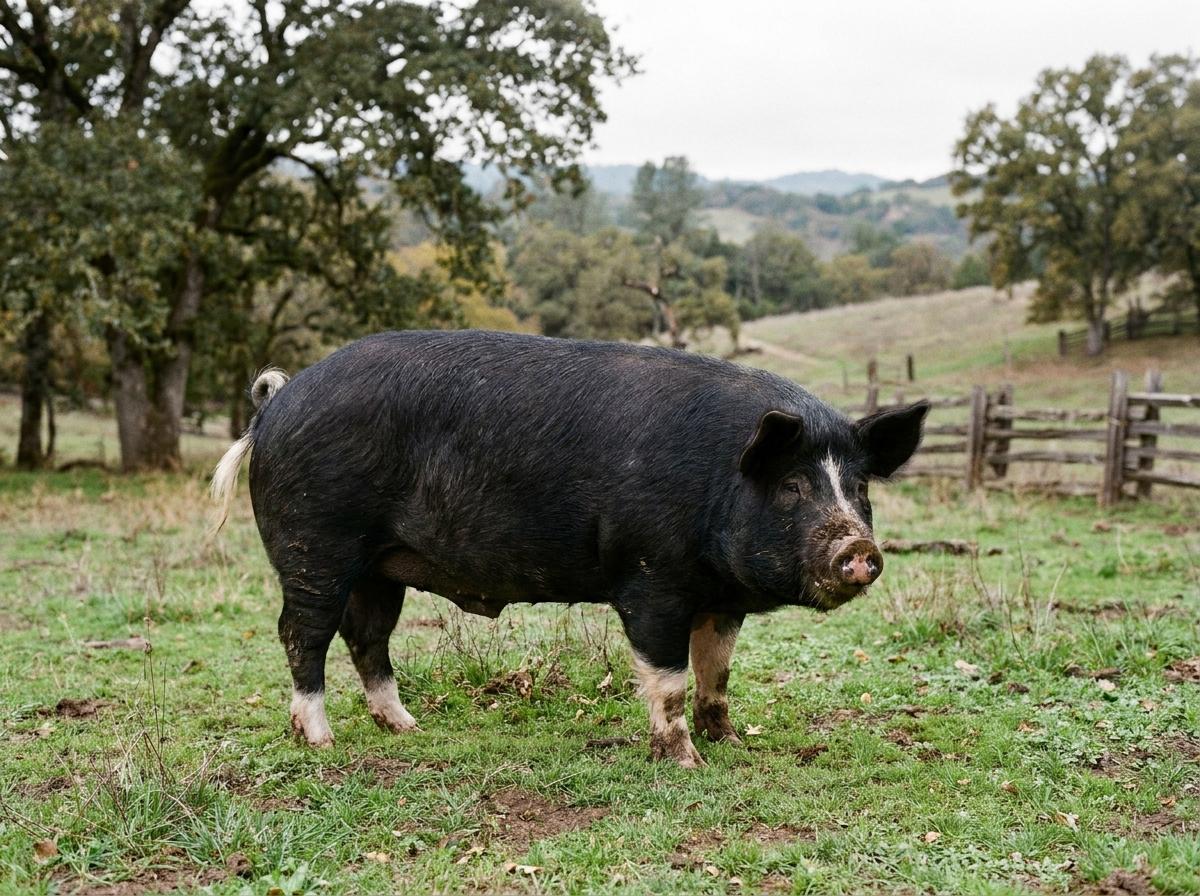
AI-generated illustration.
The Chester White guide provides another maternal-breed comparison for readers who are deciding whether to keep breeding stock.
For a Landrace female sold for breeding, keep her recorded services beside her previous litter history. The pig gestation calculator helps schedule farrowing preparations without confirming pregnancy.
A balanced ration is essential
Do not feed meat or leftovers that touched meat. The USDA Swine Health Protection Act guidance requires licensing and prescribed treatment for regulated food waste where states allow it; some states ban it. Check your state animal-health authority before feeding any food waste. Contaminated meat can spread African swine fever.
Pasture gives pigs opportunities to explore and root, but it does not replace an appropriate complete ration. Penn State’s small-group pig guidance explains why growing pigs need more energy and protein than grass alone provides. Choose feed for the actual age and production stage with a swine nutrition adviser or veterinarian.
Ask the seller what the pigs are eating, how much and from which feeder. Record the product and feed form so arrival does not involve an abrupt, improvised switch. Confirm the water system works at the animals’ size; a drinker installed in a pen is useful only if every pig can use it.
Do not use feed restriction to keep a farm pig small. Landrace pigs are not miniature pets. If the mature animal would exceed your space or handling capacity, choose a different ownership plan rather than attempting to limit normal development.
Shade, shelter and ground management
White pigs need a thoughtful outdoor setup. University of Minnesota’s summer-heat guidance discusses shade, water and cooling, including sunburn concerns for light-skinned animals. Prepare these resources before hot weather rather than waiting for visible distress.
Provide a dry resting area separate from wet or rooted ground. Plan where water drains and how you will maintain the paddock when weather changes. A wallow and a drinking supply serve different purposes; pigs still need reliable clean drinking water.
Fence for pigs, including gateways and the lower edge where they investigate. Ask an experienced keeper to review the perimeter and loading route. A pen that held newly arrived piglets may need different arrangements as they grow, so design for the animals you will actually keep.
Health and group introductions
Follow APHIS biosecurity guidance and keep new arrivals separate under your veterinarian’s introduction plan. Prevent contact with feral pigs, keep transport and feeding equipment clean, and confirm identification and movement requirements with your state animal-health authority before collection. A pig can carry a problem before it looks ill.
Choose a source whose health history your veterinarian can review. Ask for dated vaccination, testing and treatment details and the identity of the pigs or groups involved. Plan transport and introductions before collection rather than mixing unfamiliar animals on arrival without preparation.
Have a veterinarian who will see pigs and a safe handling arrangement before an urgent problem occurs. Describe observed signs accurately and let the veterinarian direct diagnosis and treatment. Retain treatment instructions and any withdrawal information relevant to the animal’s eventual use.
What should Landrace pigs cost?
Use the pig cost guide to separate feeder prices from registered breeding-stock prices and budget the remaining care costs.
Compare feeder pigs with feeder pigs and breeding stock with breeding stock. Age, weight, registration, reproductive history, health information and transport change the offer. Ask which documents and transfer steps are included.
Feed, fencing, water equipment, shelter, bedding, veterinary support and transport belong in the budget. If pigs will be processed, establish the route and practical arrangements before buying. Do not base the plan on a distant market price or assume that a fullgrown pig can be moved in the equipment used for a young one.

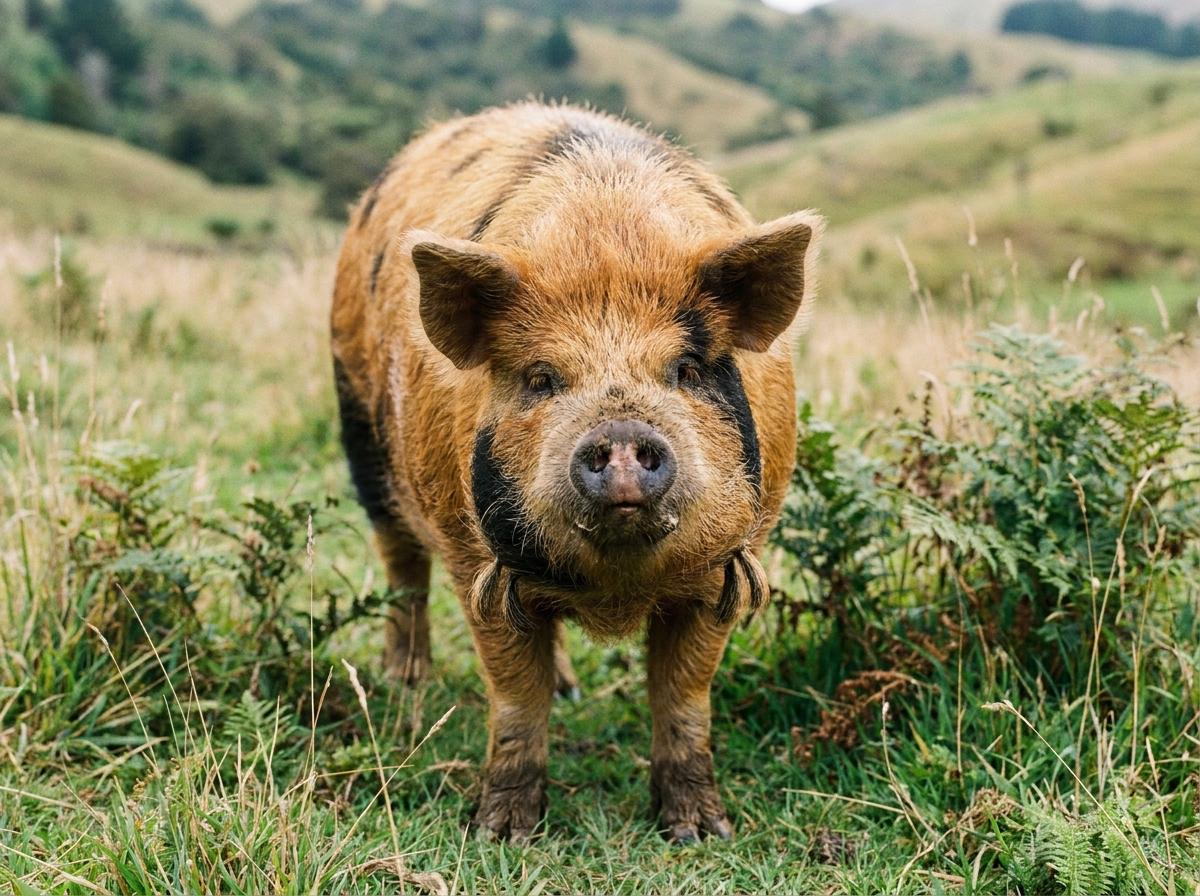
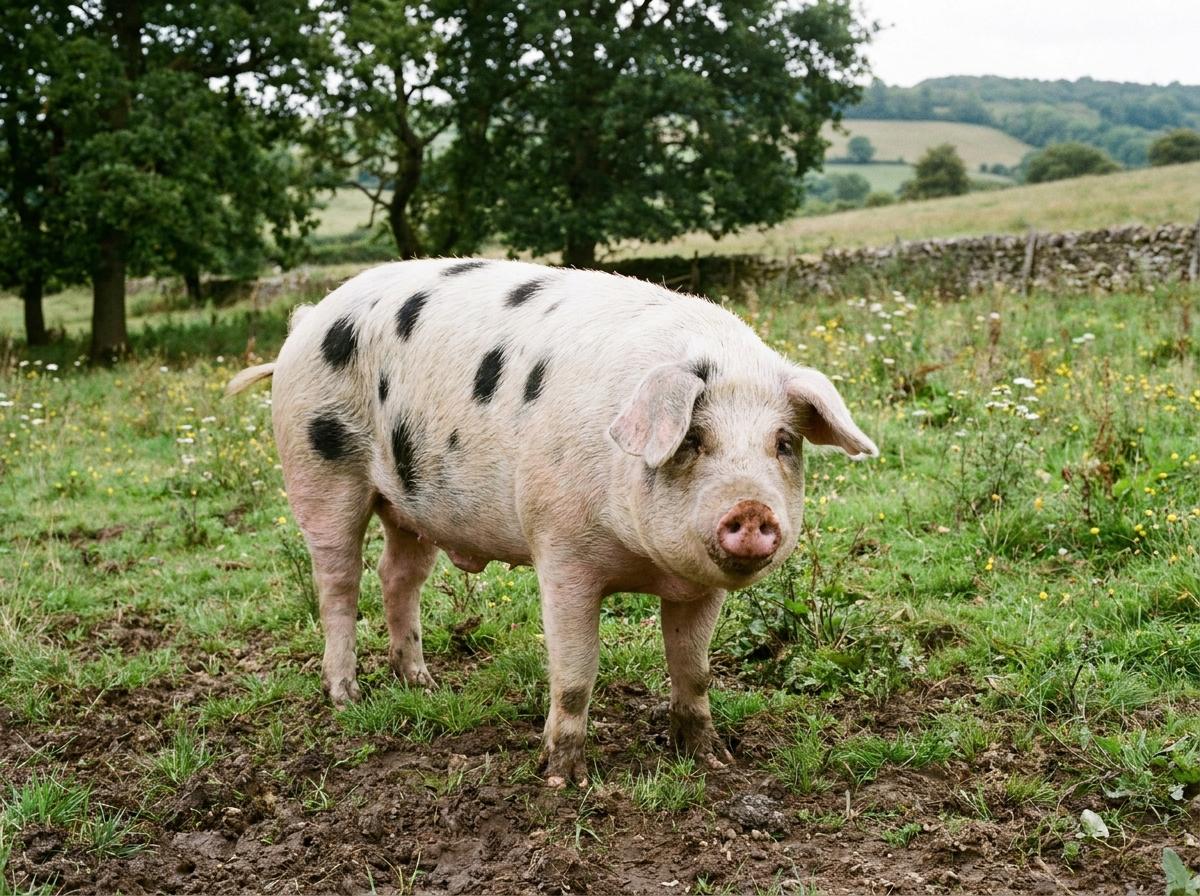
AI-generated illustration.
Keep the handover useful
Request identification, origin, current feed, known behavior, health documents and agreed sale terms. The Creatures record guide helps keep that information with the pigs. A record should preserve the source and date rather than turning a seller’s statement into a confirmed test result.
The pig guide gives the broader starting point. Compare Duroc and Berkshire when deciding what breed and production role fit your plan.
Landrace questions
Are Landrace pigs the white pigs with upright ears?
Landrace have drooping ears. Ear carriage helps distinguish types, but registration requires more than a visual identification.
Can they be raised on grass alone?
Do not plan on that. Growing pigs need a balanced ration appropriate to their stage; pasture does not meet every nutritional requirement.
Are they small enough to keep as house pets?
They are farm pigs, not a miniature breed. Plan for adult size, pig companions and suitable outdoor facilities before purchase.
Do this next on Creatures
Keep the animal’s identity, original documents and your dated observations together. Choose the next step that matches where you are in the process.
- Set up a Landrace search alert. Get notified when new listings match, with help from the saved-search guide.
- Check current Landrace listings; supply may be empty or change. Ask for the evidence relevant to your intended purchase.
- Start a Landrace profile. No account is needed to start. The animal-profile guide explains the details.
- Add a care or breeding record. The form opens for visitors; a free account saves the record. Read the record guide before adding documents.
- Start a breeder or farm profile. The directory guide explains how a breeder listing works.
- Explore pig breeders to compare sources and prepare a careful introduction to the seller.