Duroc
Author: Elliott Garber, DVM · Published
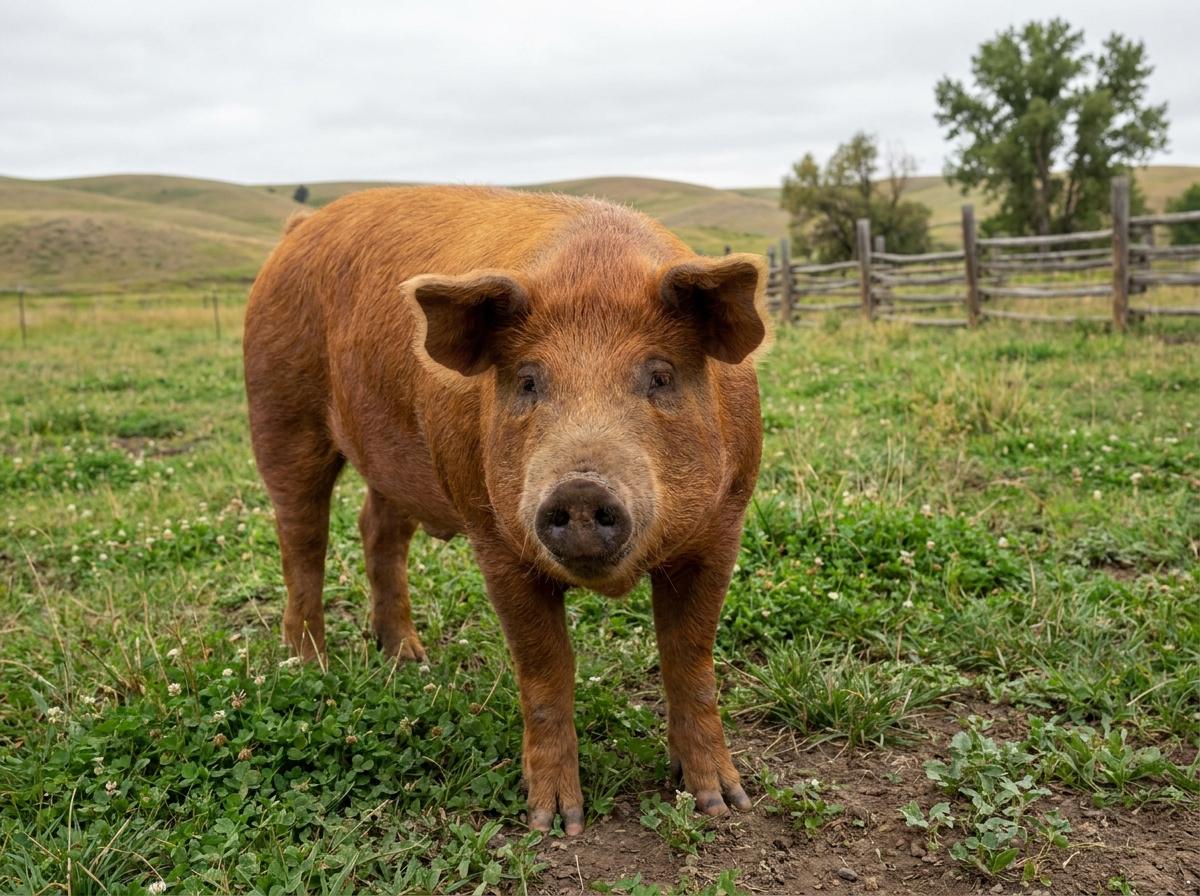
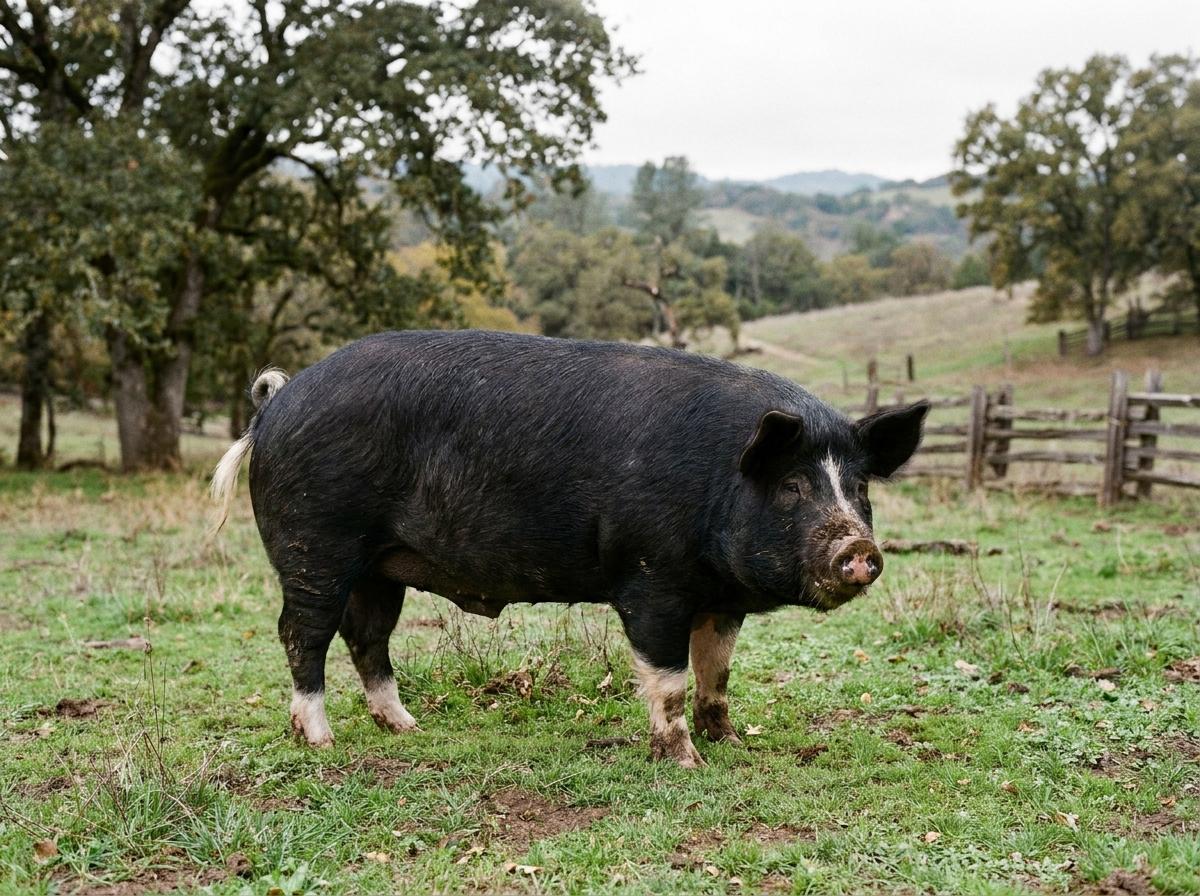
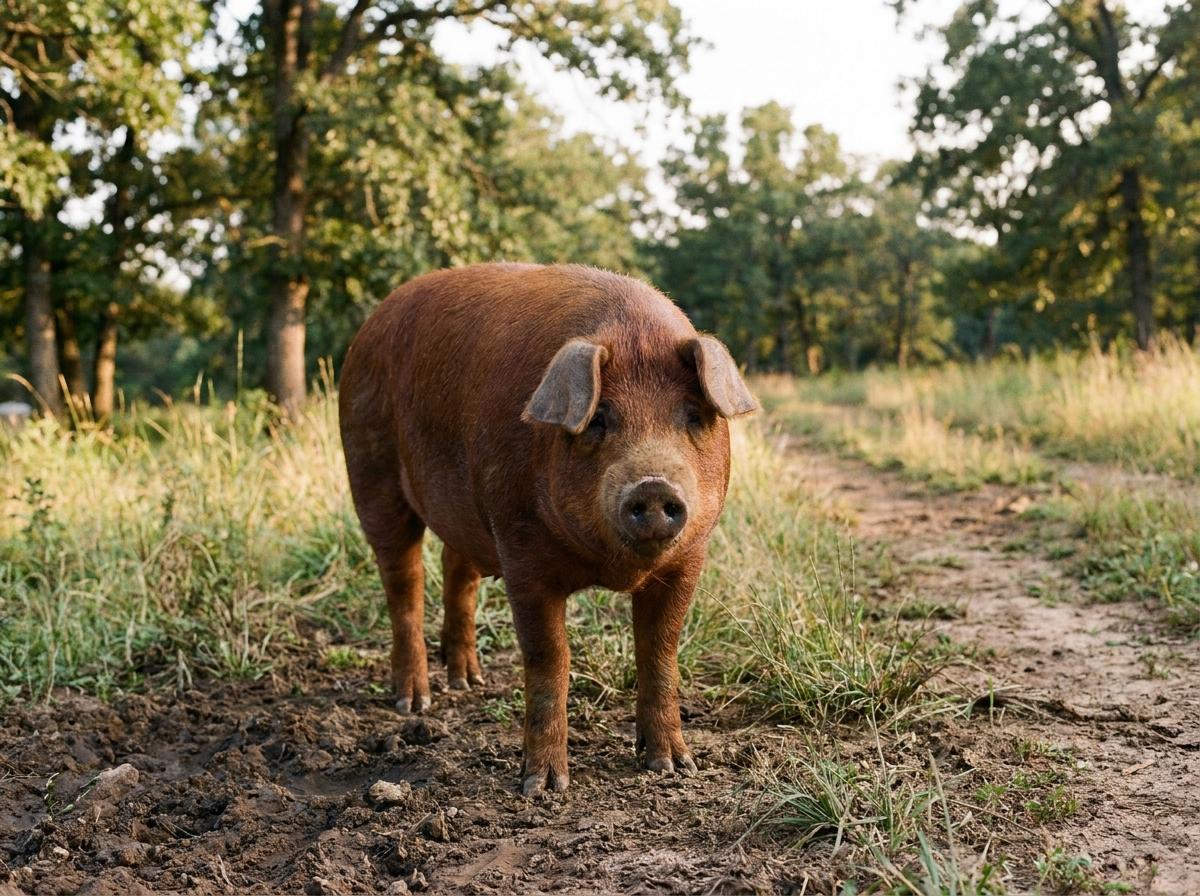
Duroc pigs are a red breed with ears that tip forward and down. They are familiar in pork-production breeding, but the red coat does not tell you how an individual pig will grow, behave or fit your farm.
Use the free pig weight calculator for a rough size estimate before comparing asking prices and growth records. Keep measured weights separate from calculated estimates.
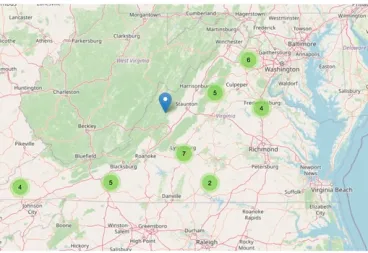
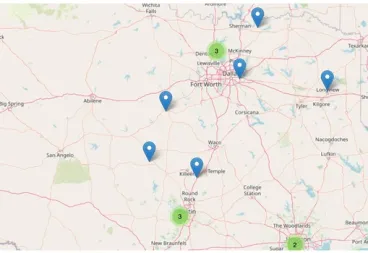
Set a Duroc search alert for new matching listings. Current supply may be empty; use the alert while you prepare your care plan and the records to request from a seller.

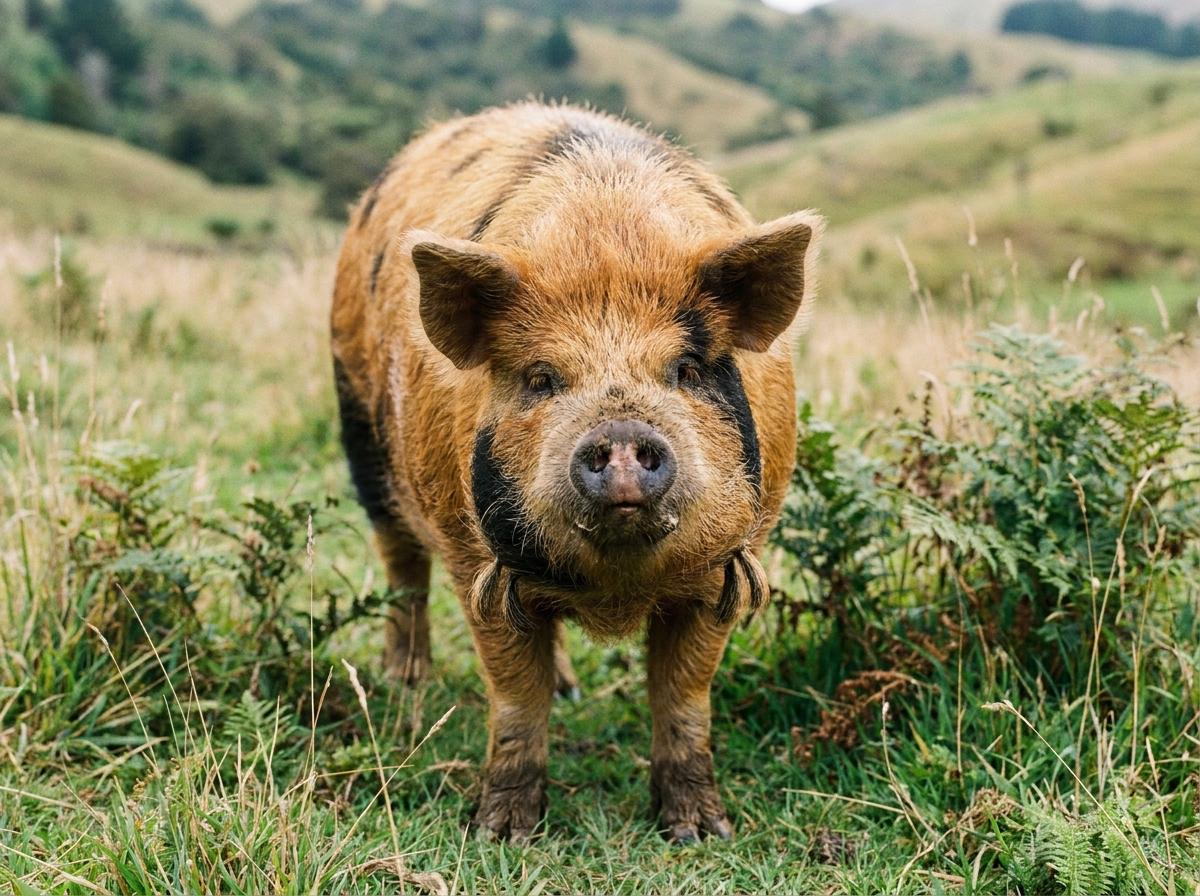
AI-generated illustration.
| Origin | New York Durocs and New Jersey Reds |
|---|---|
| Colors | Light gold to deep mahogany |
| Ears | Tip forward and down |
| Common role | Terminal sires and pork production |
| NSR eligibility | Stress negative; no white or black hair |
| Buying priority | Line performance, genetic reports and actual market |
Browse listings, public profiles, breeders, or add your animal.
An American red breed with a terminal-sire role
Durocs developed from red pigs in New York and New Jersey. The National Swine Registry’s history traces early red hogs to 1812 and the later blending of New York Durocs with Jersey Reds. The name came from a red boar named after a trotting stallion called Duroc. Coat shades run from light gold to deep mahogany, with ears tipping forward and down.
Duroc boars are widely used as terminal sires, producing pigs intended for pork rather than replacement breeding animals. The breed’s growth and meat-quality reputation should lead to questions about the particular line, feed system and buyer, not an assumed premium for every red pig.
Registration, stress status and functional traits
NSR eligibility rules require red, down-eared, stress-negative Durocs, ear notched within seven days. White or black hair, belts, more than three black skin spots, or a spot over two inches are disallowed. Durocs may be recorded with fewer than 12 teats, but breeding-stock shows require at least six functional teats on each side.
Ask for the actual stress-status evidence and what test or recorded parentage supports it. “Stress negative” is a genetic classification, not a claim that transport, heat or rough handling cannot harm the pig. For breeding, inspect feet, legs, reproductive function and the dam’s history with experienced help; papers alone do not establish that a boar or gilt suits your herd.
Choose the job before the genetics
If you are buying feeder pigs, focus on their source, current diet, health, age and the endpoint you have arranged. If you are buying breeding stock, you also need reproductive soundness, pedigree and a plan for mating and farrowing. These are different levels of responsibility.
Ask the breeder how the line has performed under conditions similar to yours. What feed was used? Were records taken from comparable groups? Which figures belong to this animal and which belong to relatives? Treat advertised potential as a question to investigate rather than a production guarantee.
Penn State’s guide to starting with pigs encourages matching the system to resources and management. A small, well-planned feeder-pig project can teach different lessons from running a breeding herd. Choose deliberately rather than expanding into breeding by accident.

AI-generated illustration.
The Hampshire guide offers another terminal-sire comparison and prompts the same question: which traits does your actual production plan need?
Feeding a growing Duroc
Do not feed meat or leftovers that touched meat. The USDA Swine Health Protection Act guidance requires licensing and prescribed treatment for regulated food waste where states allow it; some states ban it. Check your state animal-health authority before feeding any food waste. Contaminated meat can spread African swine fever.
Use a complete, balanced ration appropriate to age and stage of production. Ask a swine nutrition adviser or veterinarian to review the plan, particularly if you intend to mix feed yourself. Corn, scraps or pasture alone should not be assumed to provide everything the pig needs.
Penn State’s small-group guidance explains the importance of suitable feed and dependable water for growing pigs. Obtain the seller’s feed details before collection, then plan any change. Check feeder access so less assertive pigs can eat, and inspect drinkers rather than assuming they work because they were filled earlier.
Outdoor management and cooling
A red coat does not make a pig immune to heat. Provide shade, reliable drinking water and an appropriate cooling plan. University of Minnesota’s swine heat guidance is a useful primary source for planning summer conditions.
Outdoor pigs need opportunities to root along with a dry place to rest. Separate those functions in the layout: a paddock can include soft working ground without turning the entire living area into mud. Plan drainage and ground recovery for your soil and weather.
Check the perimeter, gates and loading route before arrival. Design for the size the pigs will reach. A low barrier that appears adequate for a young group may not provide a workable long-term system.
Temperament and safe handling
Ask how the pigs have been handled and which routines they know. Observe movement through gates and response to the regular keeper from a safe position. Friendly behavior at feeding time is not a guarantee that an adult breeding animal will be safe in every situation.
Keep compatible pig company and monitor the group after changes. Space, resource access and introductions need planning. Do not assume that buying two unrelated pigs automatically means they can be mixed without supervision or preparation.
Breeding and health records
Follow APHIS biosecurity guidance and keep new arrivals separate under your veterinarian’s introduction plan. Prevent contact with feral pigs, keep transport and feeding equipment clean, and confirm identification and movement requirements with your state animal-health authority before collection. A pig can carry a problem before it looks ill.
For breeding females, request farrowing history and distinguish piglets born from piglets reared. Ask about assistance, udder function and handling during maternal care. For boars, discuss reproductive assessment, previous use and safe housing with an experienced adviser.
Arrange a veterinary introduction plan based on the source and receiving animals. Request dated tests, vaccinations and treatment details, including any instructions still relevant after the sale. Avoid unqualified “disease-free” claims when the actual evidence is a particular test at a particular time.
Keep observations and reports in a dated history. The Creatures guide to health and medical records explains that workflow. Original veterinary and laboratory documents should remain available for interpretation.
Use the pig gestation calculator with recorded service dates to prepare for farrowing. It is an estimate, not pregnancy confirmation.
Costs beyond the asking price
Use the pig cost guide to separate feeder prices from registered breeding-stock prices and budget the remaining care costs.
There is no universal Duroc price. Compare animals of similar age, sex, registration and intended use. Clarify what transport, paperwork and sale conditions are included, and put important terms in writing.
Feed, fencing, shelter, bedding, water systems, veterinary support and transport are recurring or necessary costs. A production plan also needs a realistic market or processing route. A claim about desirable pork quality does not guarantee a premium from a buyer you have not yet identified.

AI-generated illustration.
Compare Duroc with other pigs
Start with the pig overview. Compare Landrace when considering a different breeding role, and Berkshire if a pedigree-focused pork program is part of your thinking. Use the comparison to refine records and market questions.
Read the Pietrain guide if muscling is influencing your shortlist, then compare the whole health, management and market plan rather than one visible trait.
Duroc questions
Does red color prove a pig is Duroc?
No. Crosses and other pigs can be red. Ask for documented ancestry where breed identity affects your plans.
Does Duroc ancestry guarantee a premium pork price?
No. Confirm actual buyers, requirements and costs before building a budget around a premium.
Can Durocs be kept small by feeding less?
No. Do not restrict nutrition to force a farm pig to remain small. Choose animals and facilities that suit their normal development.
Do this next on Creatures
Keep the animal’s identity, original documents and your dated observations together. Choose the next step that matches where you are in the process.
- Set up a Duroc search alert. Get notified when new listings match, with help from the saved-search guide.
- Check current Duroc listings; supply may be empty or change. Ask for the evidence relevant to your intended purchase.
- Start a Duroc profile. No account is needed to start. The animal-profile guide explains the details.
- Add a care or breeding record. The form opens for visitors; a free account saves the record. Read the record guide before adding documents.
- Start a breeder or farm profile. The directory guide explains how a breeder listing works.
- Explore pig breeders to compare sources and prepare a careful introduction to the seller.