Gloucestershire Old Spots
Author: Elliott Garber, DVM · Published
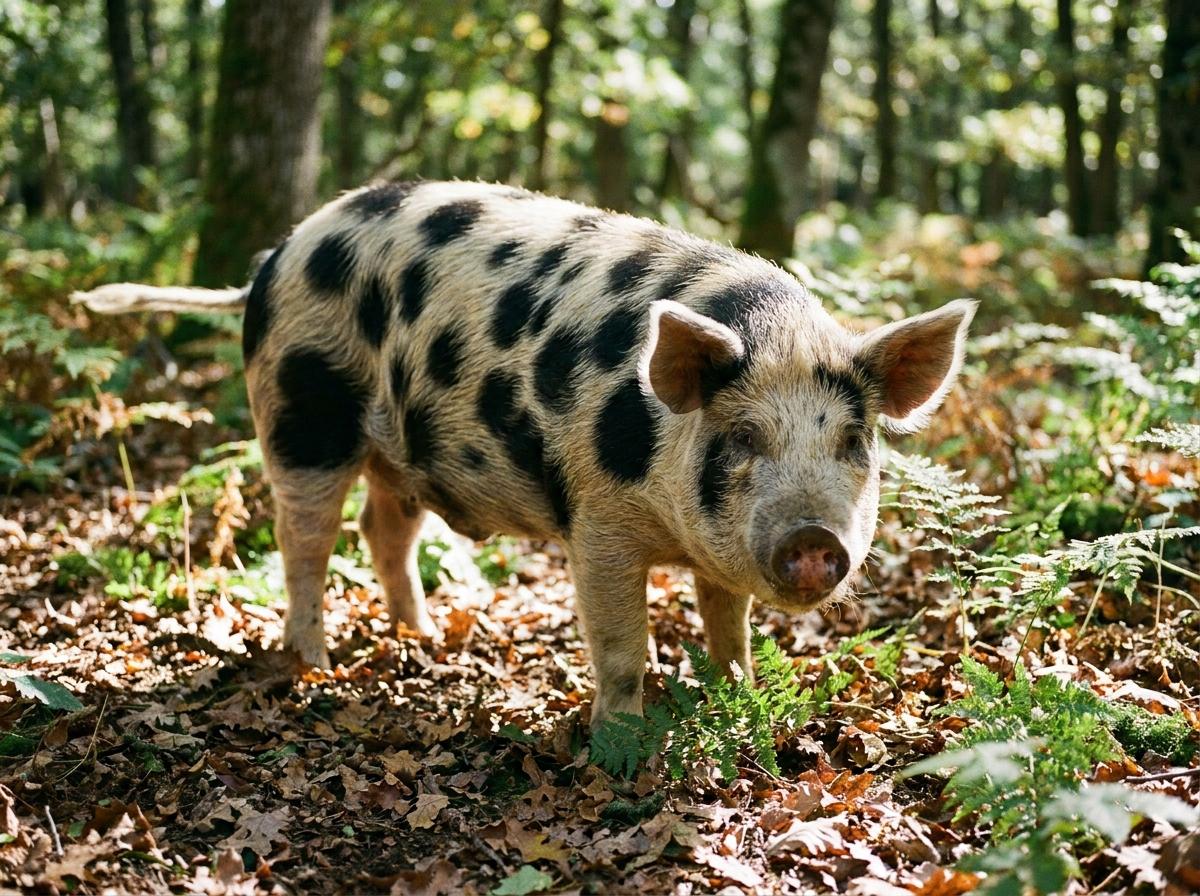
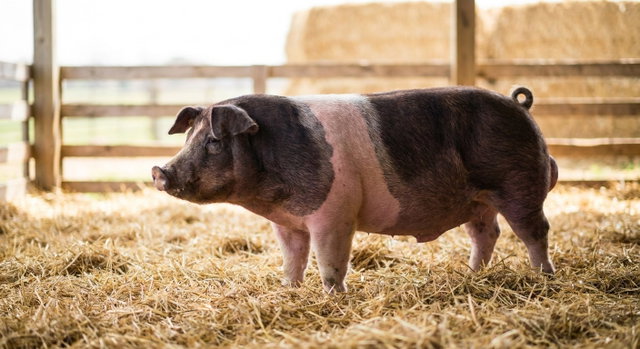
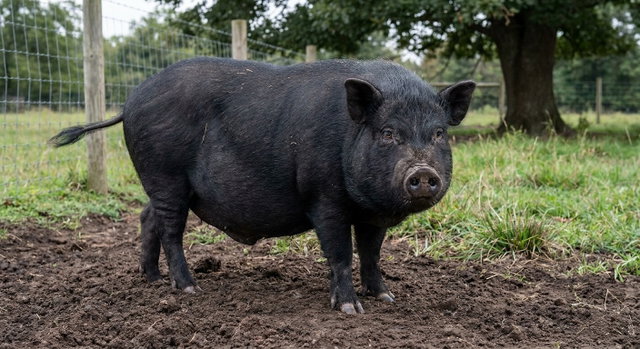
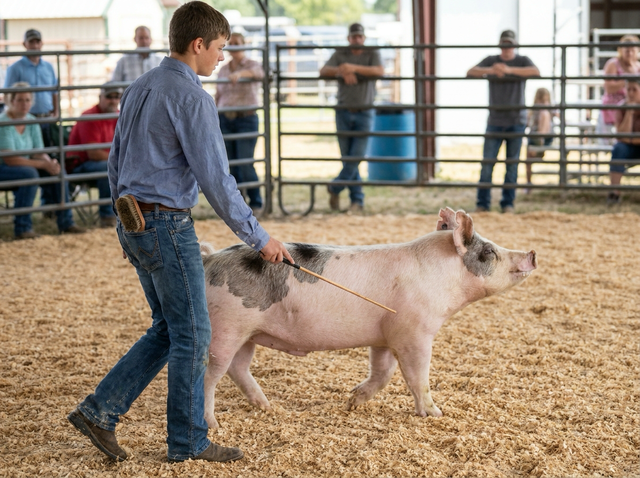
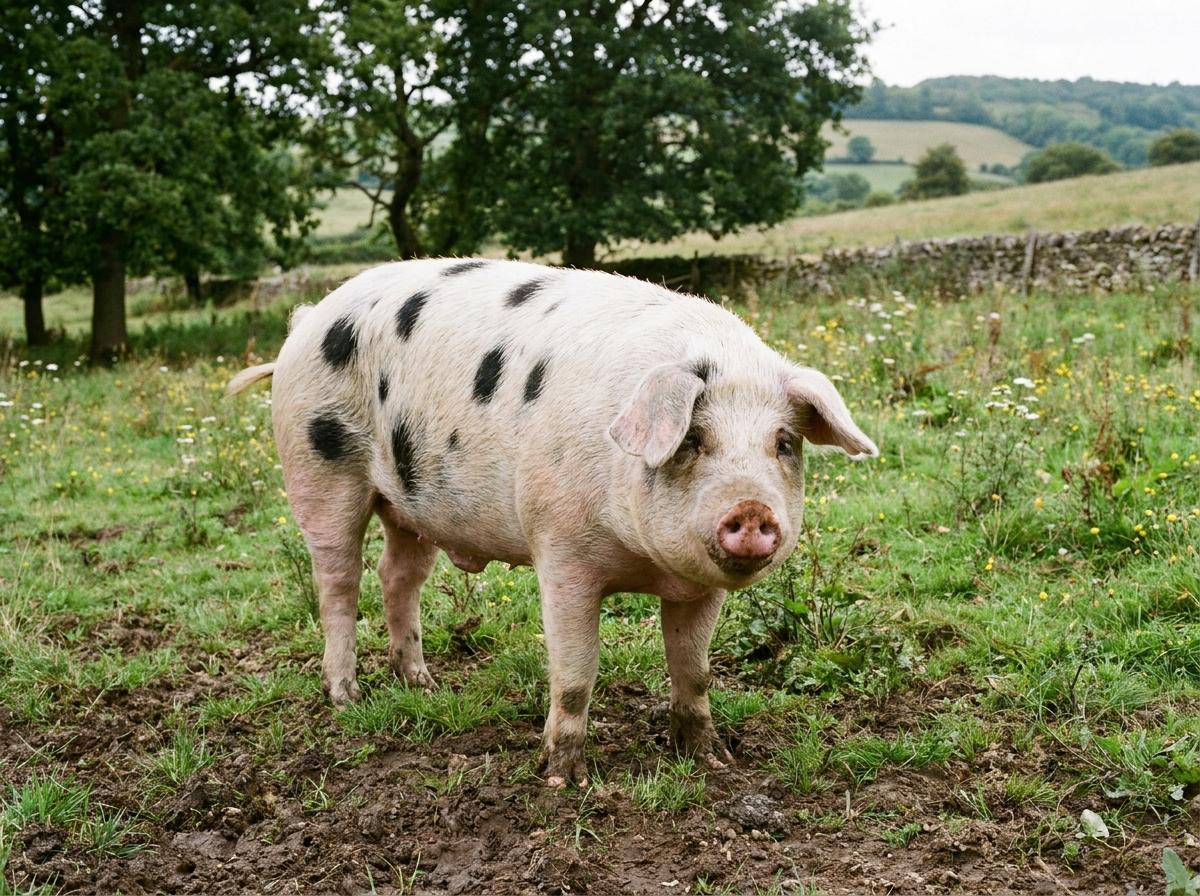
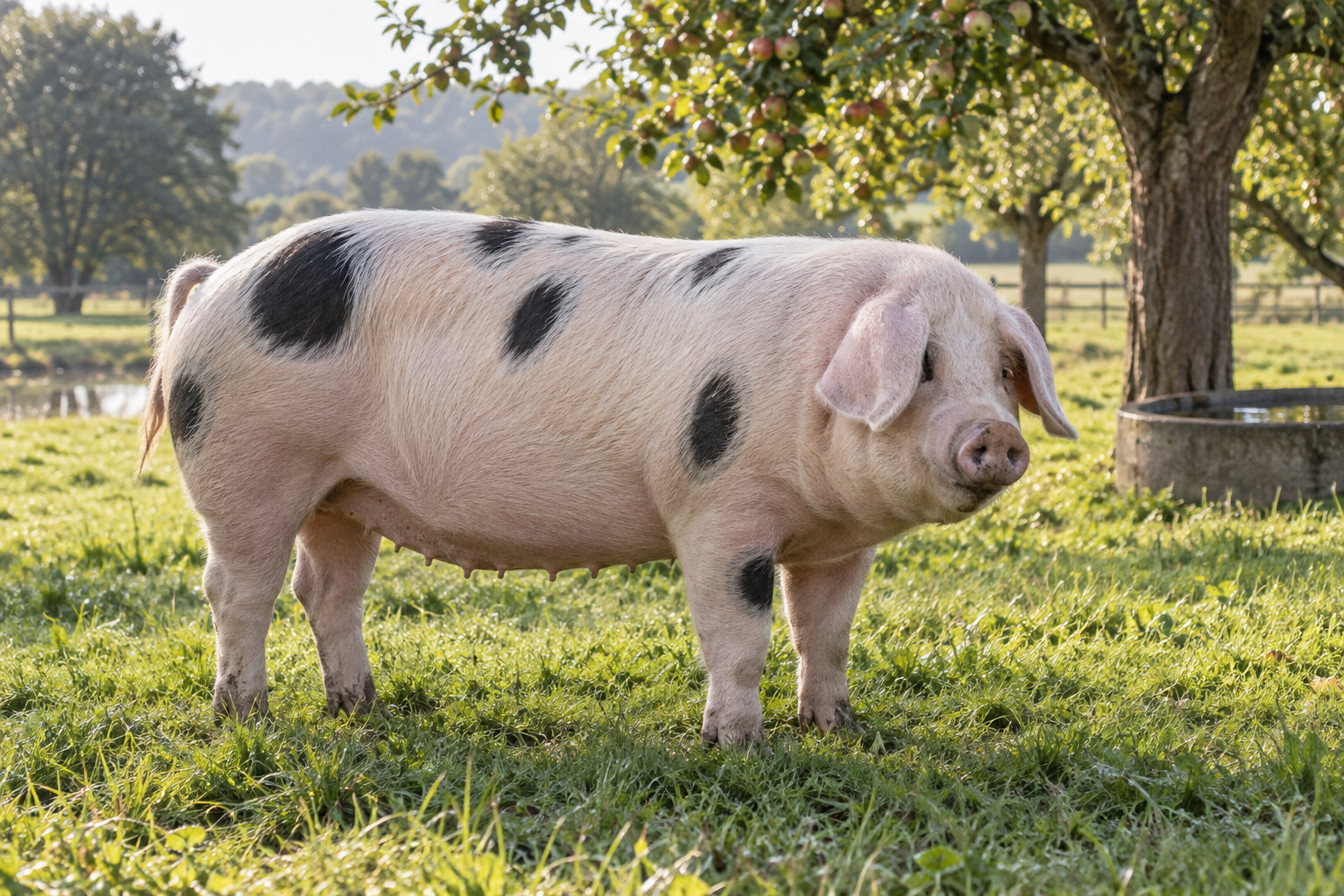
Gloucestershire Old Spots are large, white pigs with black spots and long, drooping ears. They suit a keeper looking for a traditional meat pig with documented breeding, rather than a small pet pig. Their orchard-pig reputation describes a history of farm use, not a complete feeding plan.
Start with the pig guide, then compare the breeder’s papers, the pigs themselves and the system you can provide. A spotted coat alone cannot establish a pedigree.
| Type | Traditional farm pig |
|---|---|
| Appearance | White coat, black spots, large drooping ears |
| Adult male | About 600 lb, Conservancy mature description |
| Adult female | About 500 lb, Conservancy mature description |
| Buyer check | Connect identification to pedigree |
| Price | Request an identified, dated offer |
Adult weights are descriptive values from The Livestock Conservancy, source effective date not stated, checked October 16, 2026. They are not finishing weights or a show minimum.
Browse listings, public profiles, breeders, or add your animal.
What makes an Old Spots pig?
The Livestock Conservancy’s Gloucestershire Old Spots profile describes the English breed’s white coat, black spots and large lop ears, and explains its orchard-pig history. Source effective date: not stated; checked October 16, 2026. Use the current register’s standard when choosing breeding animals in your country.
The Livestock Conservancy’s breed profile describes adult males at about 600 lb and adult females at about 500 lb. These are the Conservancy’s descriptive mature-breed weights, not minimum show weights, finishing targets or measurements of every herd. Source effective date: not stated; checked October 16, 2026. A weaned piglet is far from that adult size, so plan gates, handling and transport for the animal it will become.
The common short name is GOS. Ask whether a seller’s “Old Spot” means registered Gloucestershire Old Spots or simply a spotted cross. Both can be useful farm animals, but the paperwork and breeding options differ. Request the registered names and identification of the parents before paying a pedigree premium.
Decide whether you want feeders or breeding stock
A feeder purchase and a conservation breeding purchase answer different questions. For feeders, discuss weaning, the current ration, health history, collection and your intended processing arrangements. For breeding stock, add registration eligibility, parentage, transfer terms and a plan for future unrelated matings.
Ask the breeder to show how an individual pig’s identification connects to its documents. Keep the original line name and registered name in your records. Do not replace them with a nickname that makes the connection difficult to recover later.
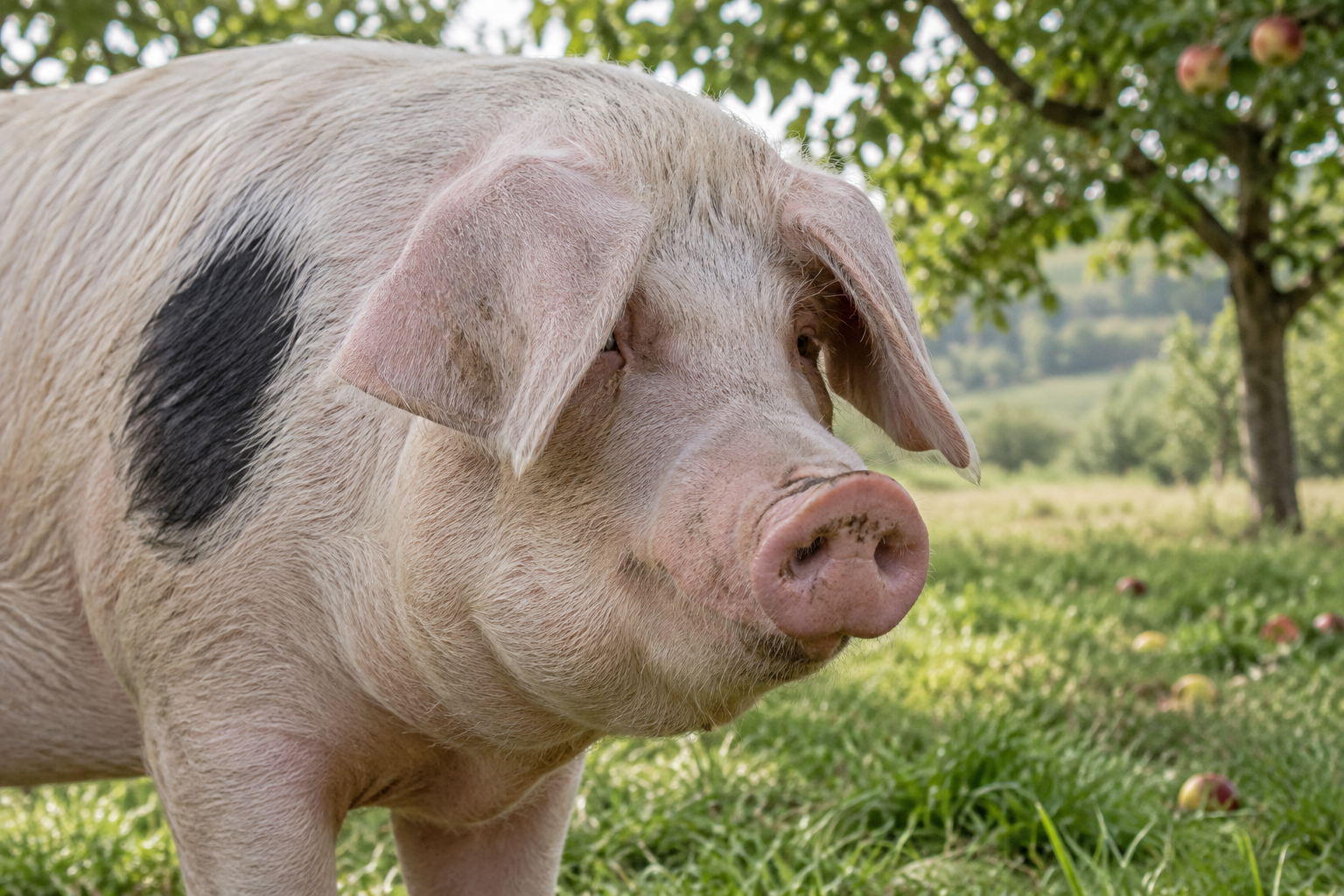
Breed descriptions often mention a calm disposition. Judge the actual animals and the handling system as well: a large pig still needs secure boundaries and room to be moved without someone stepping into a dangerous position. Discuss your experience with the breeder before choosing an intact breeding animal.
Pasture needs a management plan
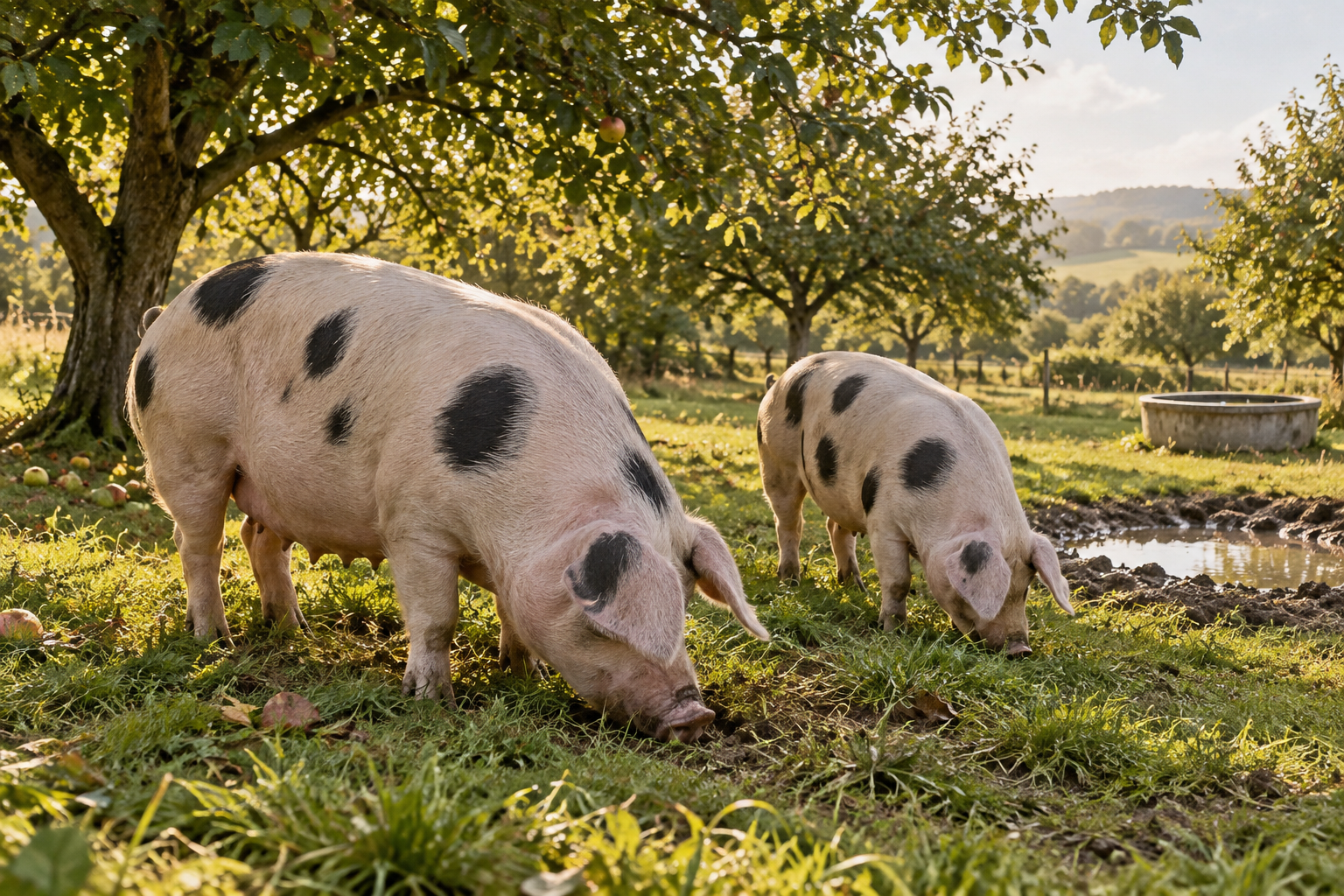
Outdoor pigs need more than a field. Prepare shelter with a dry resting place, reliable drinking water, shade, sound fencing and somewhere to handle or load them. Check those arrangements before collection rather than improvising after a pig discovers a weak gate.
University of Minnesota Extension’s summer guidance emphasizes shade, fresh water and appropriate cooling for outdoor pigs, including protection of light skin from sunburn. Source effective date: July 2, 2026; checked October 16, 2026. The orchard story is no reason to leave white pigs exposed to full sun.
Ask what complete feed the pigs currently receive and arrange a suitable transition with your feed adviser. The historical use of windfall fruit does not establish that apples, pasture or scraps alone meet a growing pig’s needs. Discuss health, introductions and the farm’s parasite plan with your veterinarian; a heritage label does not replace an individual health history.
Buying and keeping useful records
Request a dated, itemized offer. It should identify the pigs, their age or birth date, sex, whether males are intact or castrated, registration terms, quantity and collection or delivery costs. A feeder price and a breeding-stock price are not interchangeable. No verified, currently available seller offer is quoted here, so there is no universal price range to compare with your quote.
Build a record around identification, source herd, birth date, parentage where known, feed changes, weights actually measured and veterinary care. If you later breed pigs, connect mating and farrowing records to the identified parents. This gives future buyers something more useful than a photo of attractive spots.
Are Gloucestershire Old Spots miniature pigs?
No. The mature weights above describe large farm pigs. A young pig being small at collection does not establish a miniature adult size.
Does every spotted pig qualify for registration?
No. Color is a visible feature, while registration depends on the relevant registry’s rules and documentation. Confirm eligibility before purchasing an animal for a pedigree breeding program.
Do this next on Creatures
Choose the action that fits your stage. A listing search may be empty; an alert is a way to hear about a future match, not a promise of availability.
- Compare the filtered marketplace or open a listing alert. Save-search help explains the account and notification flow.
- Already own an animal? Start an animal profile, then add a record. The record form opens for visitors; a free account is needed to save. See adding an animal and adding a record.
- Keep a breeding operation? Start a breeder or farm profile and review getting listed in the directory. The breeder directory is also available for public research.
Sources checked October 16, 2026. The Creatures content routine owns refreshes with Elliott’s review: stable facts yearly or on reported change; seller price lines monthly in the selling season and quarterly otherwise. An overdue price line is removed.