

Göttingen
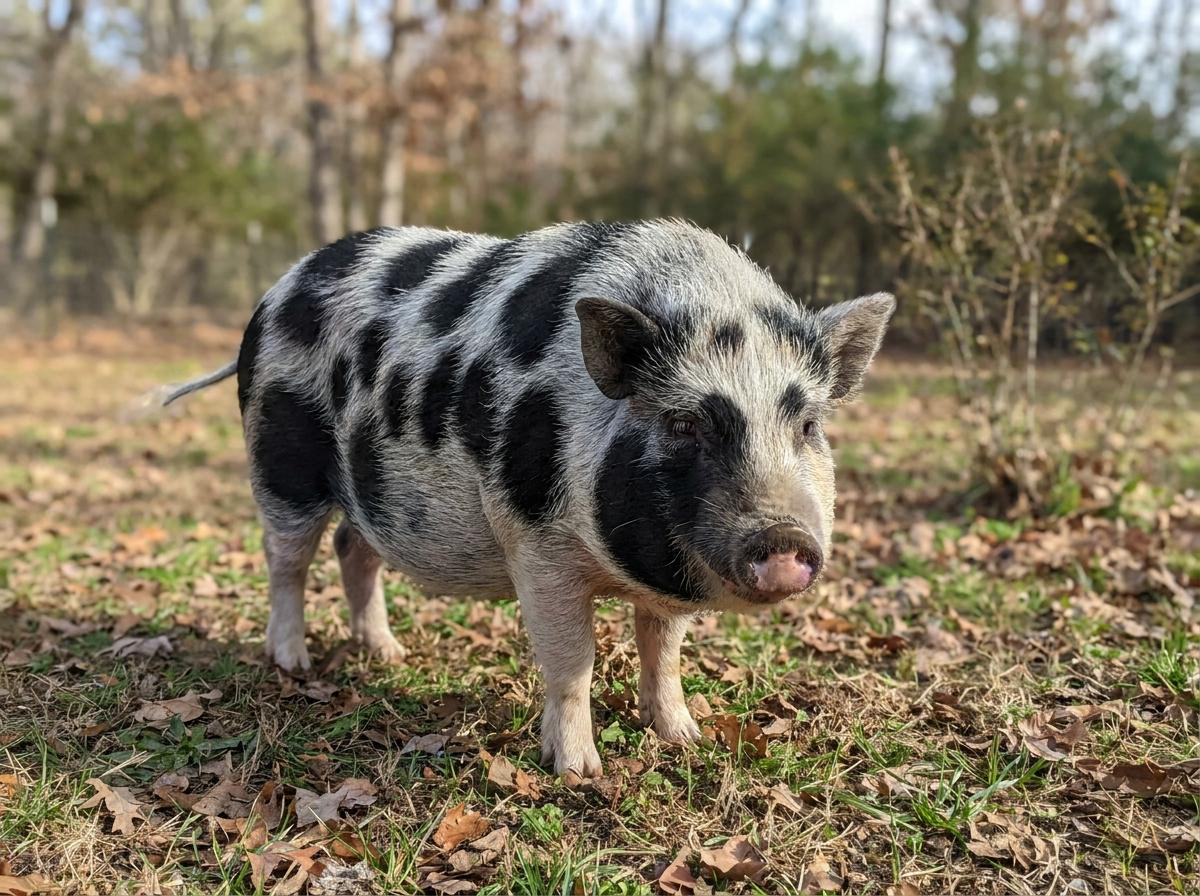
The Göttingen minipig is a standardized miniature domestic pig developed in Germany at the University of Göttingen from Minnesota minipig, Vietnamese pot-bellied pig, and German Landrace ancestry. It was selected for small adult size, predictable growth, manageable temperament, and a well-documented health and genetic background. Göttingen minipigs are widely used in biomedical, pharmaceutical, and toxicology research because they are easier to house than full-sized farm pigs while still being true pigs.
Most Göttingen minipigs are kept in licensed research colonies, breeding centers, or specialist facilities rather than ordinary farm herds. Care emphasizes social housing, enrichment, controlled feeding to prevent obesity, non-slip floors, biosecurity, and veterinary monitoring. The word minipig should not be mistaken for a tiny pet; mature animals still root, vocalize, test fencing, and need other pigs or appropriate social contact. Anyone outside research seeking one should check local ownership rules and plan for secure housing and long-term veterinary care.
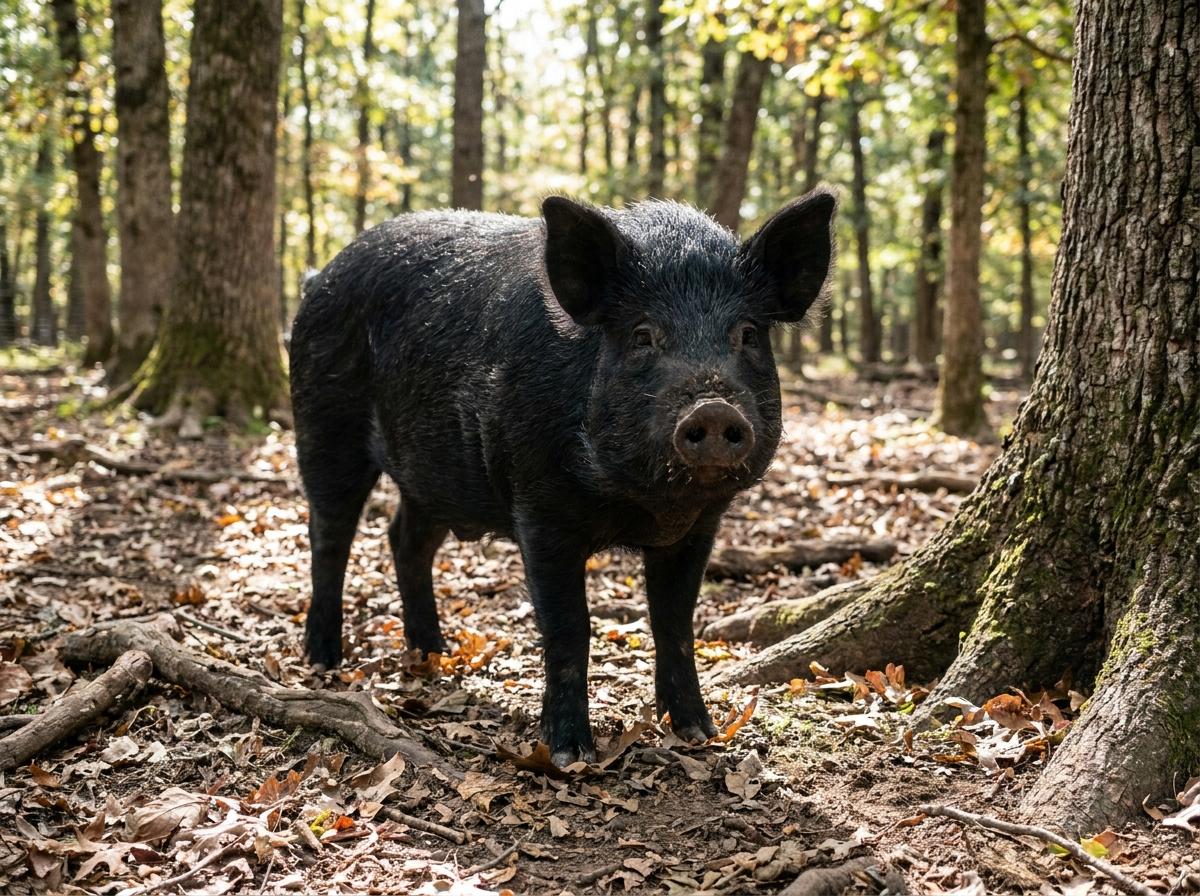
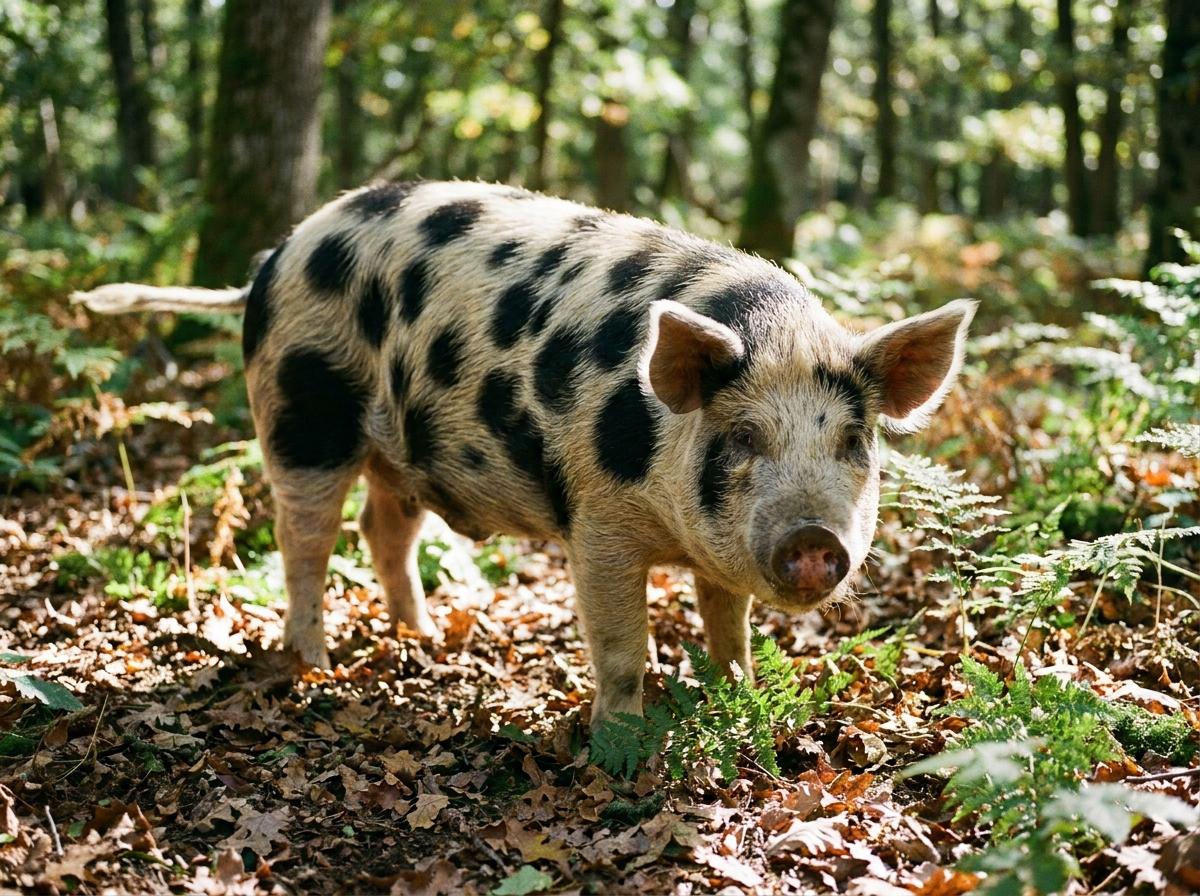
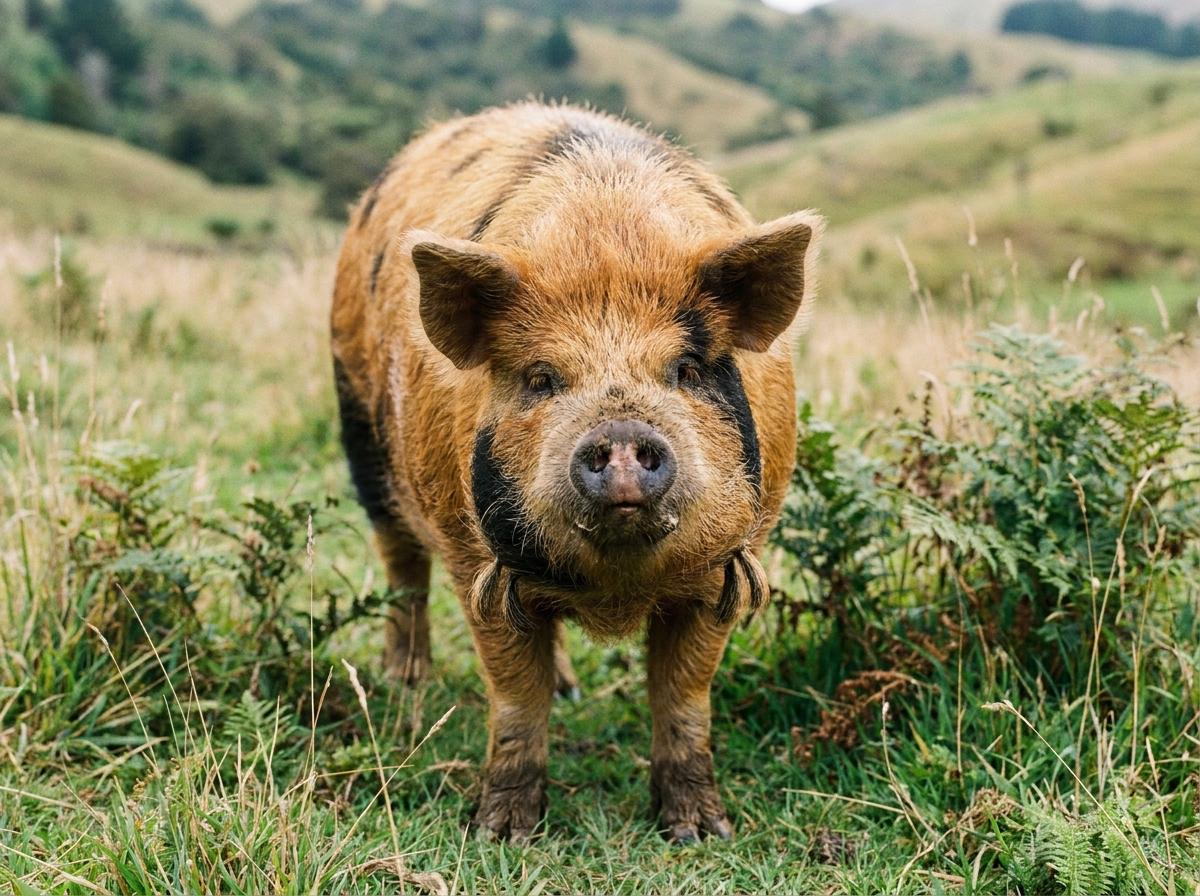
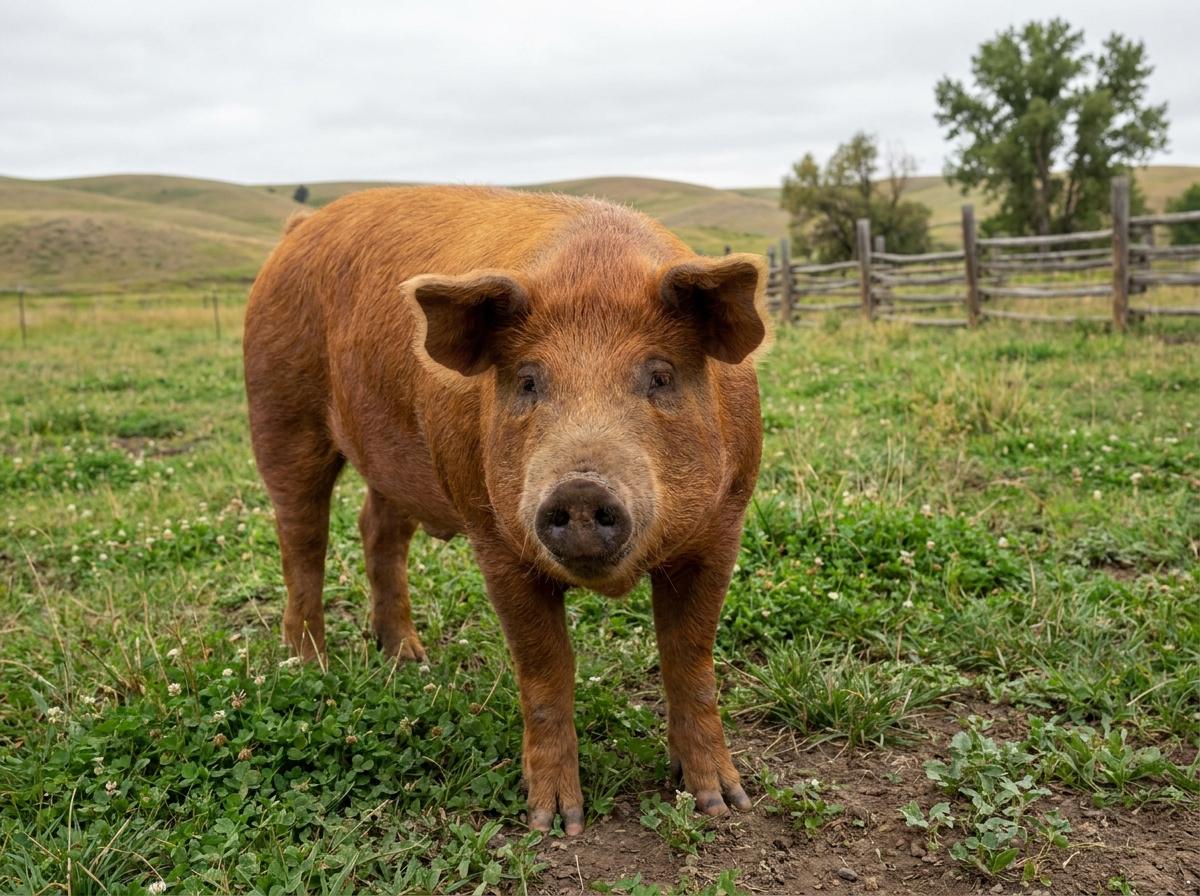
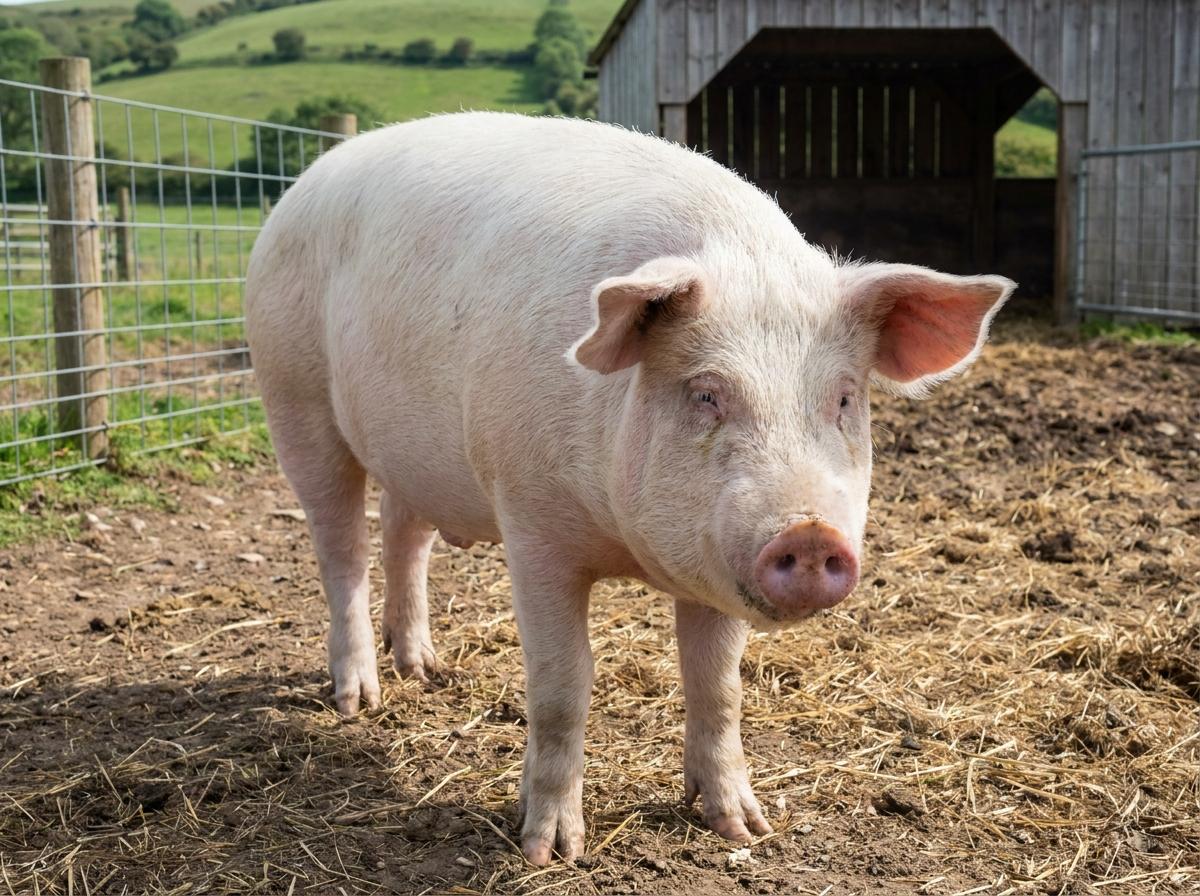
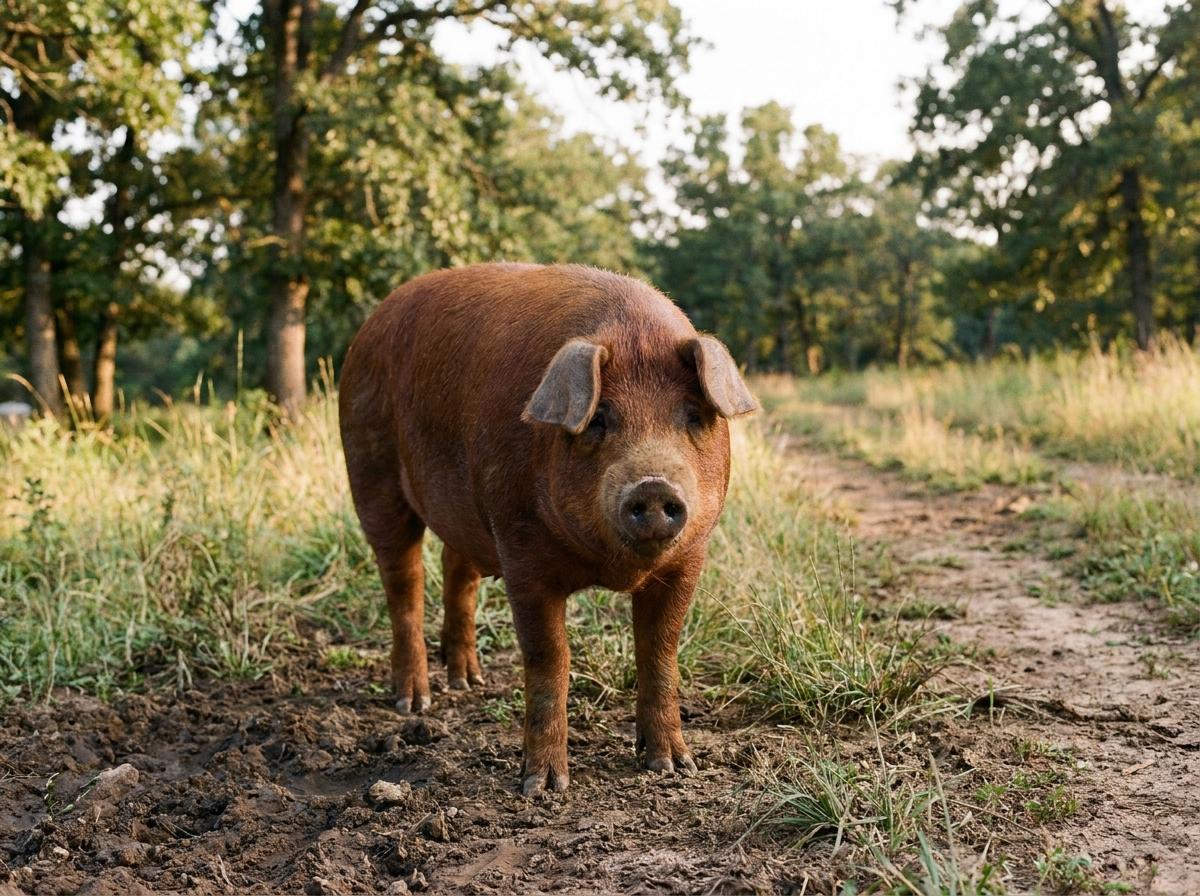
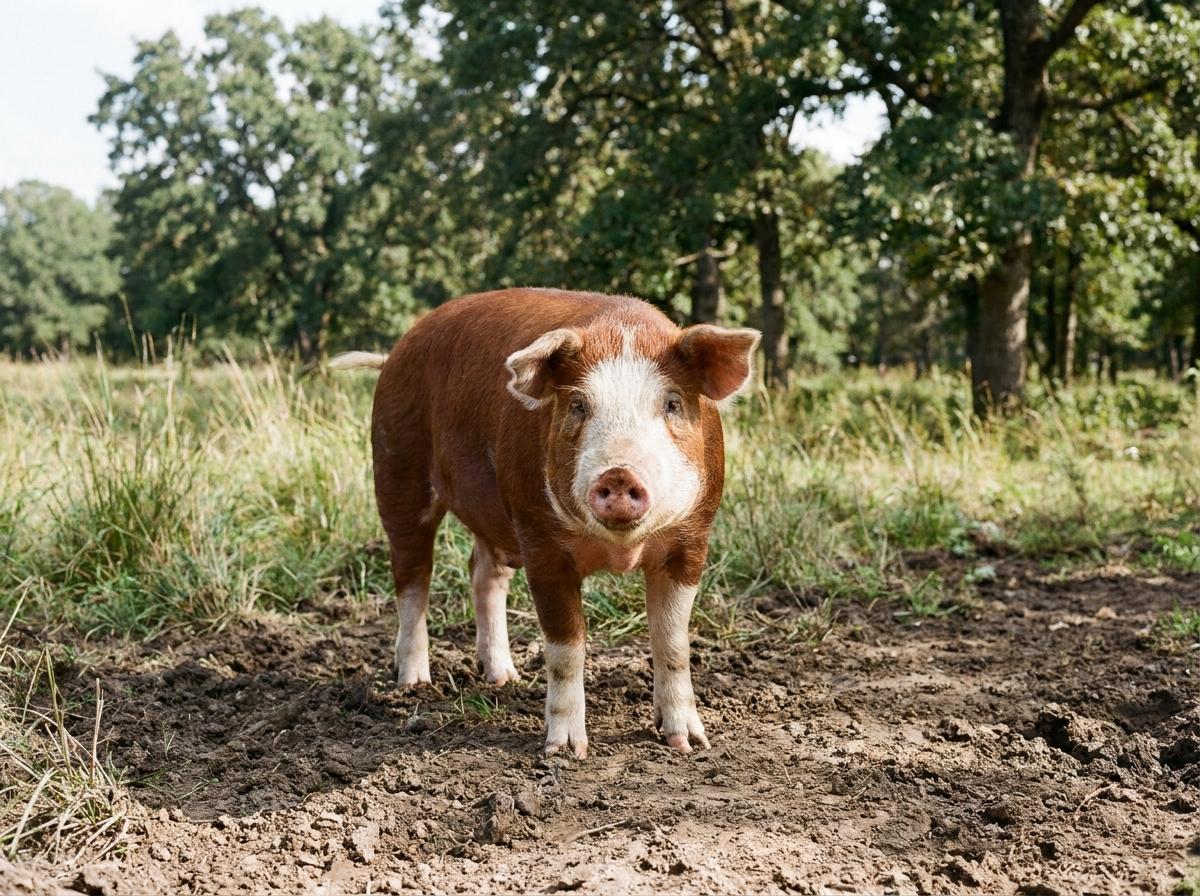
Colors: Belted, Black, Black and White, Blonde, Brown, Cream, Ginger, Ginger and Black, Red, Red and Black, Sandy, Solid Black, Solid White, Spotted, Swallow Belly, White, White with Black Spots