

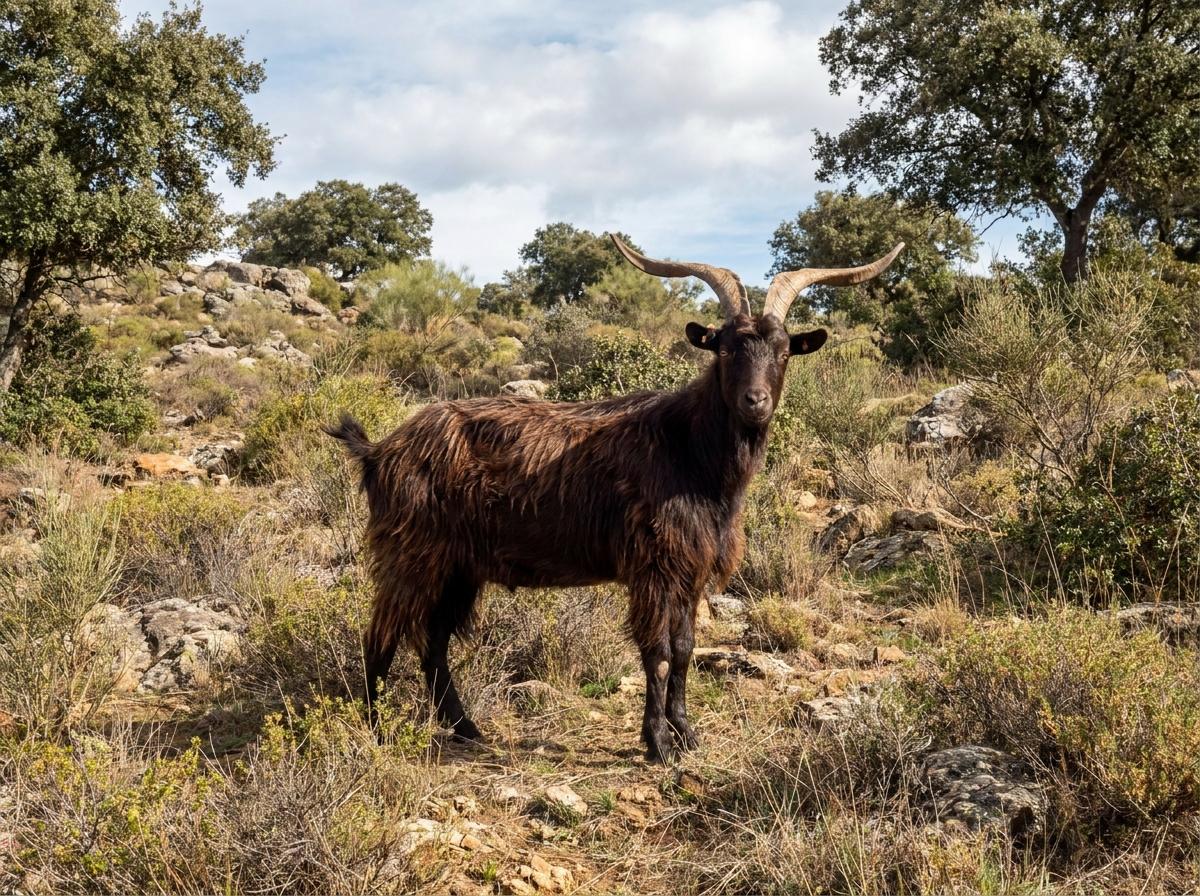
Verata
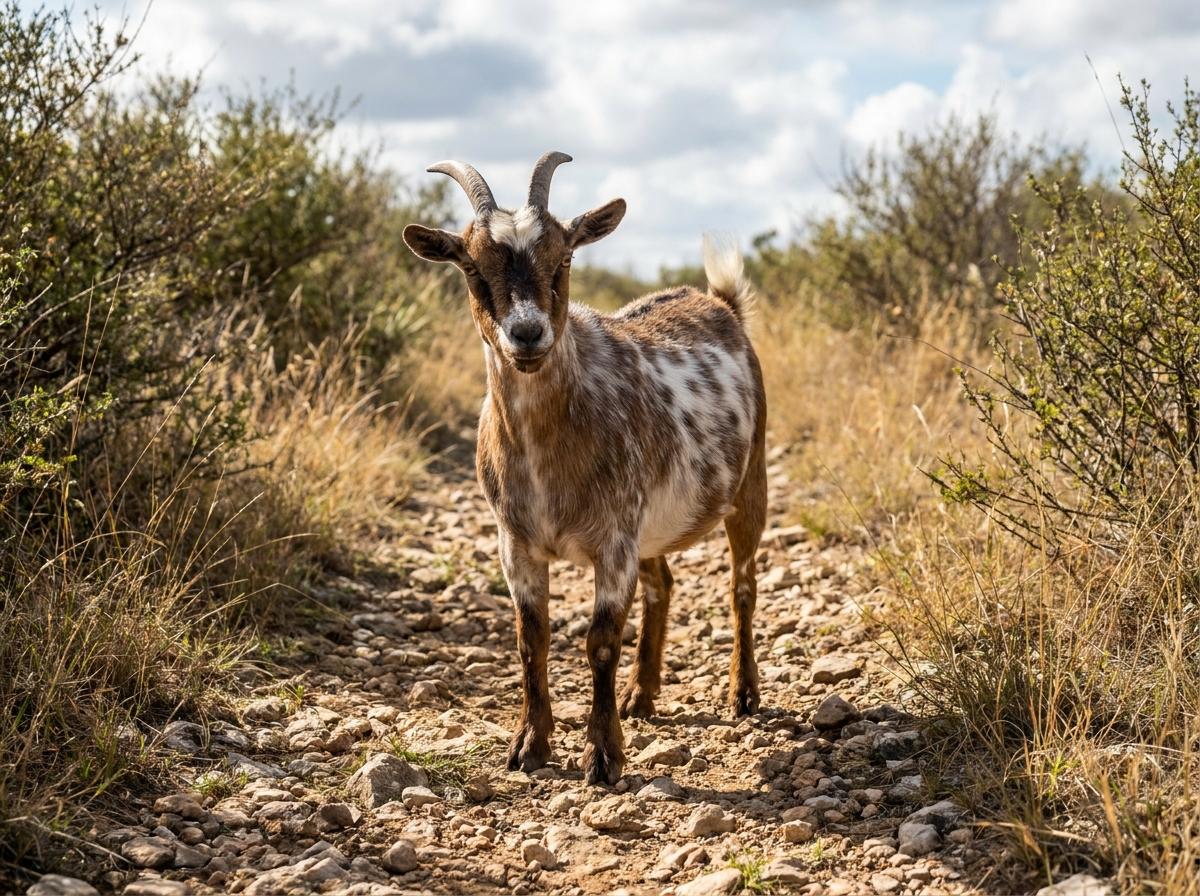
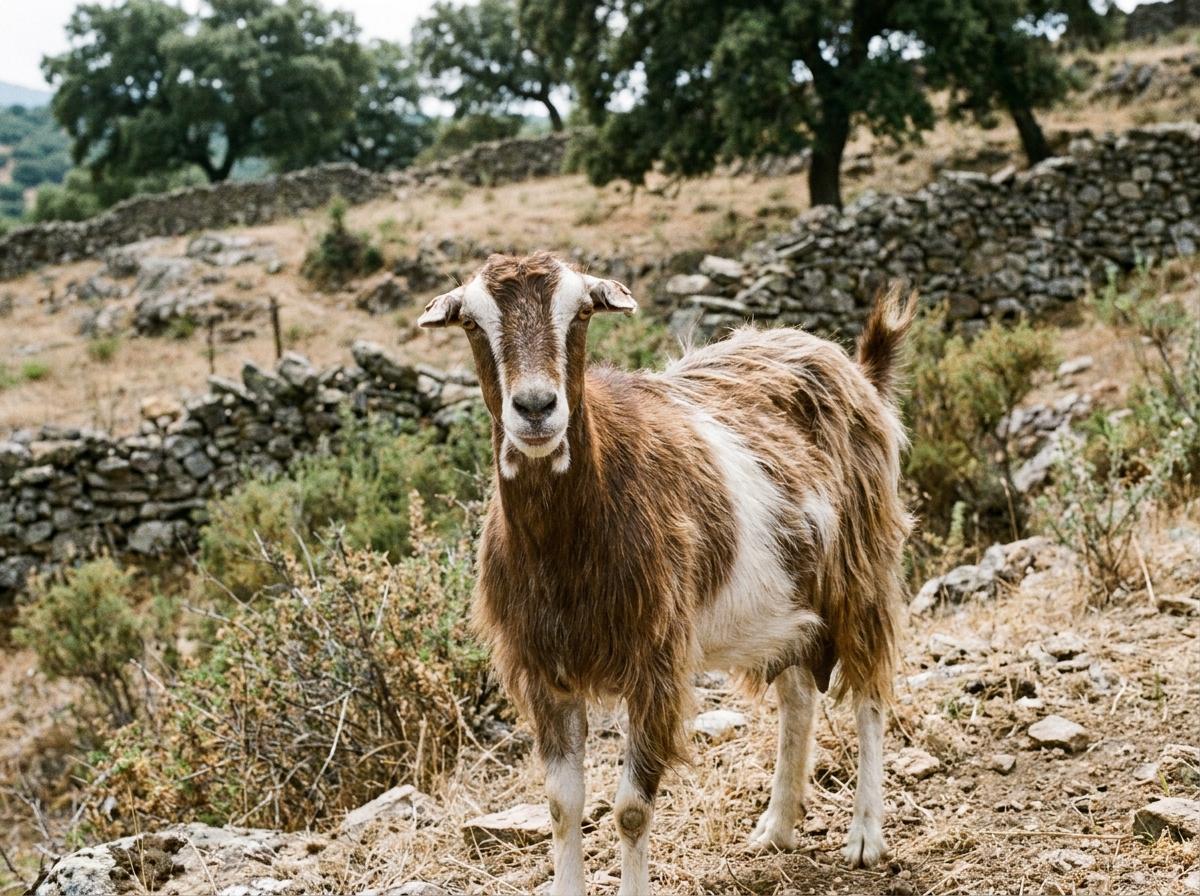
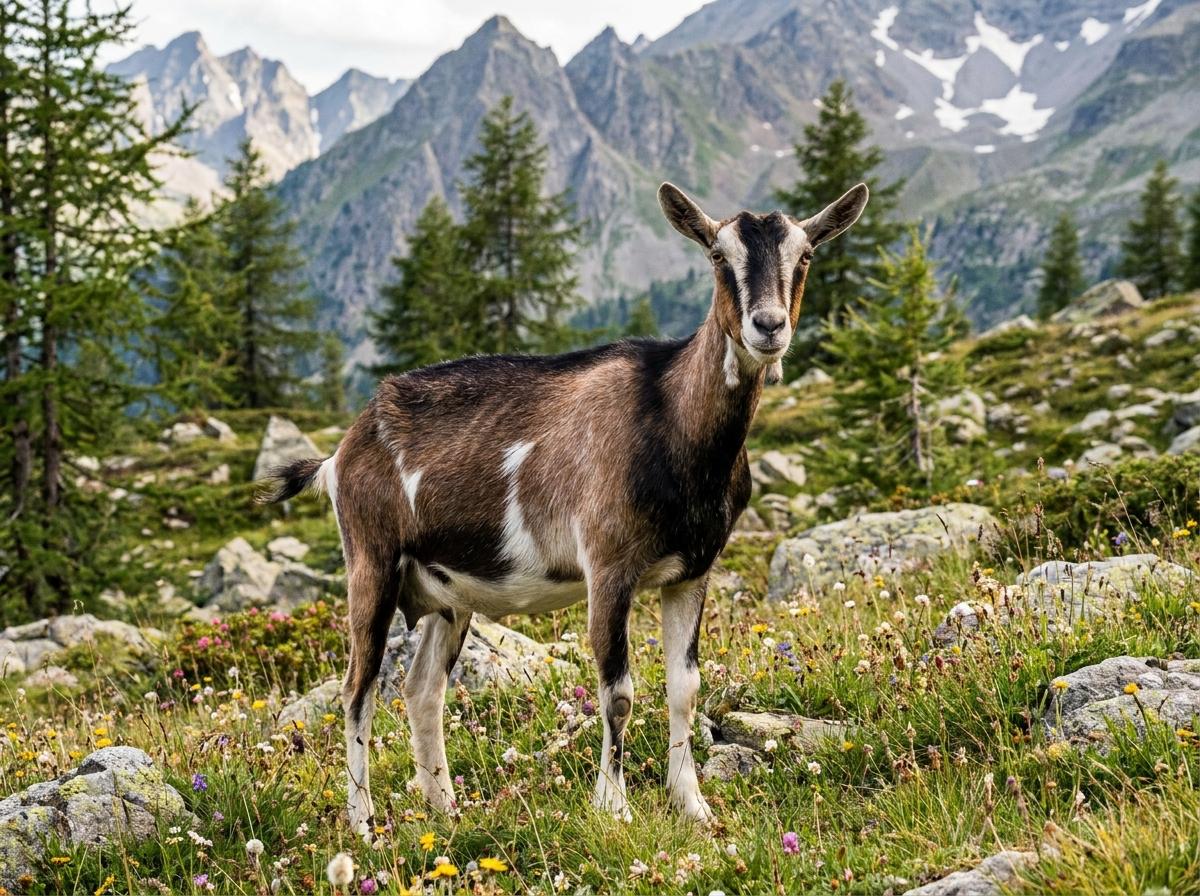
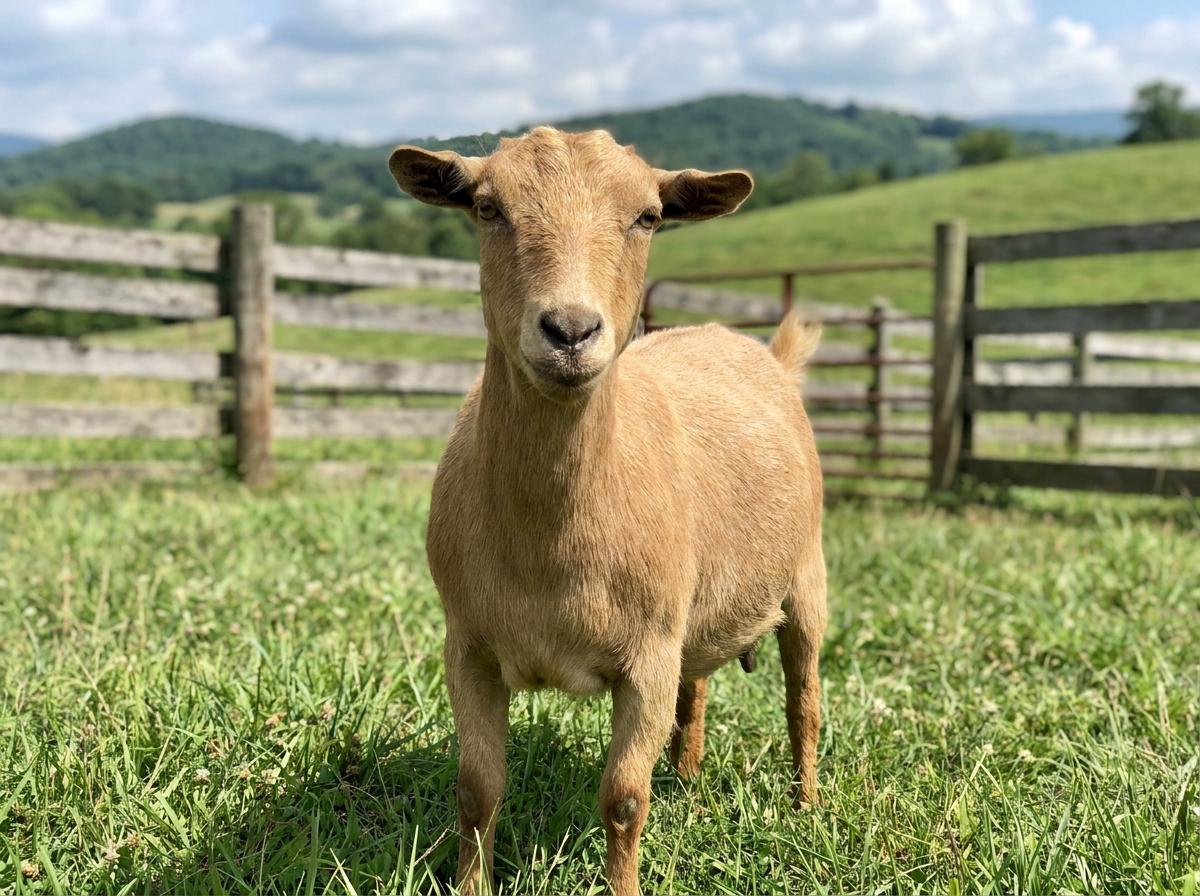
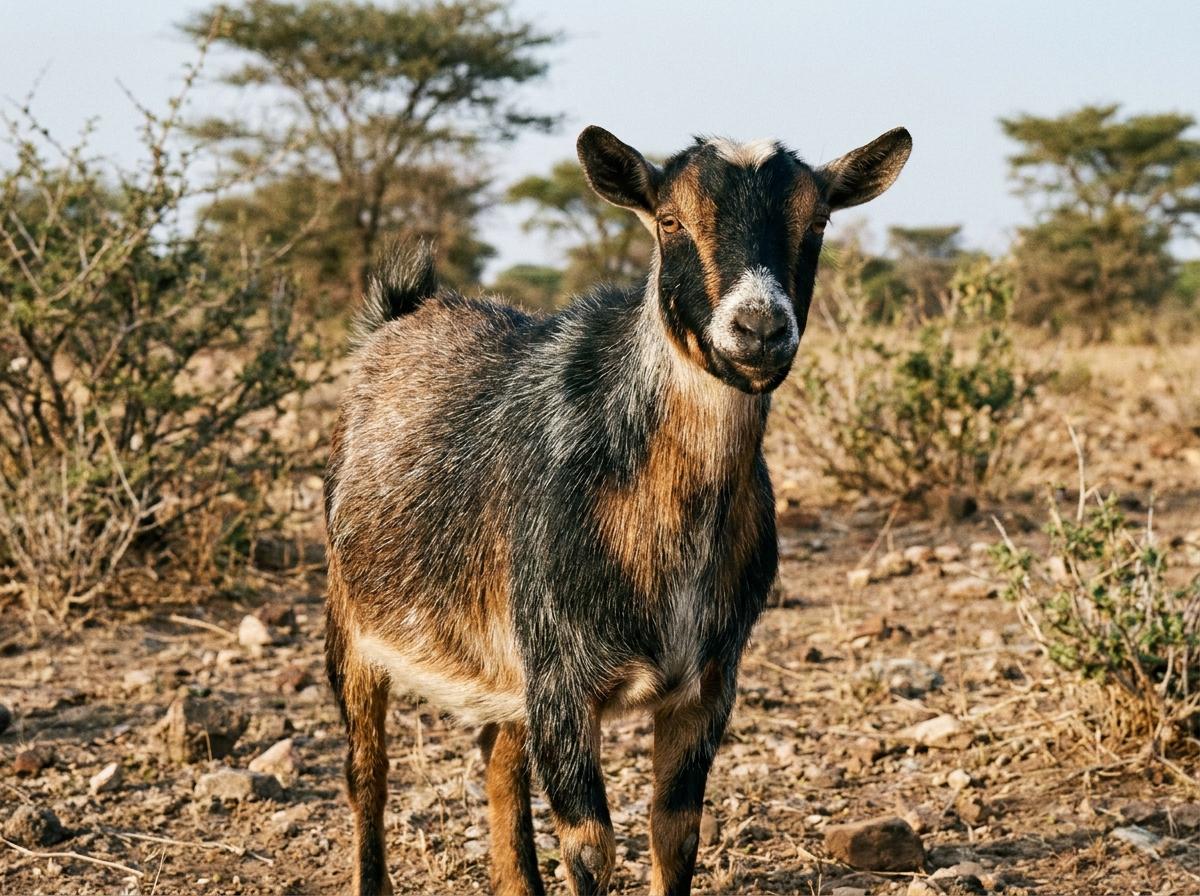
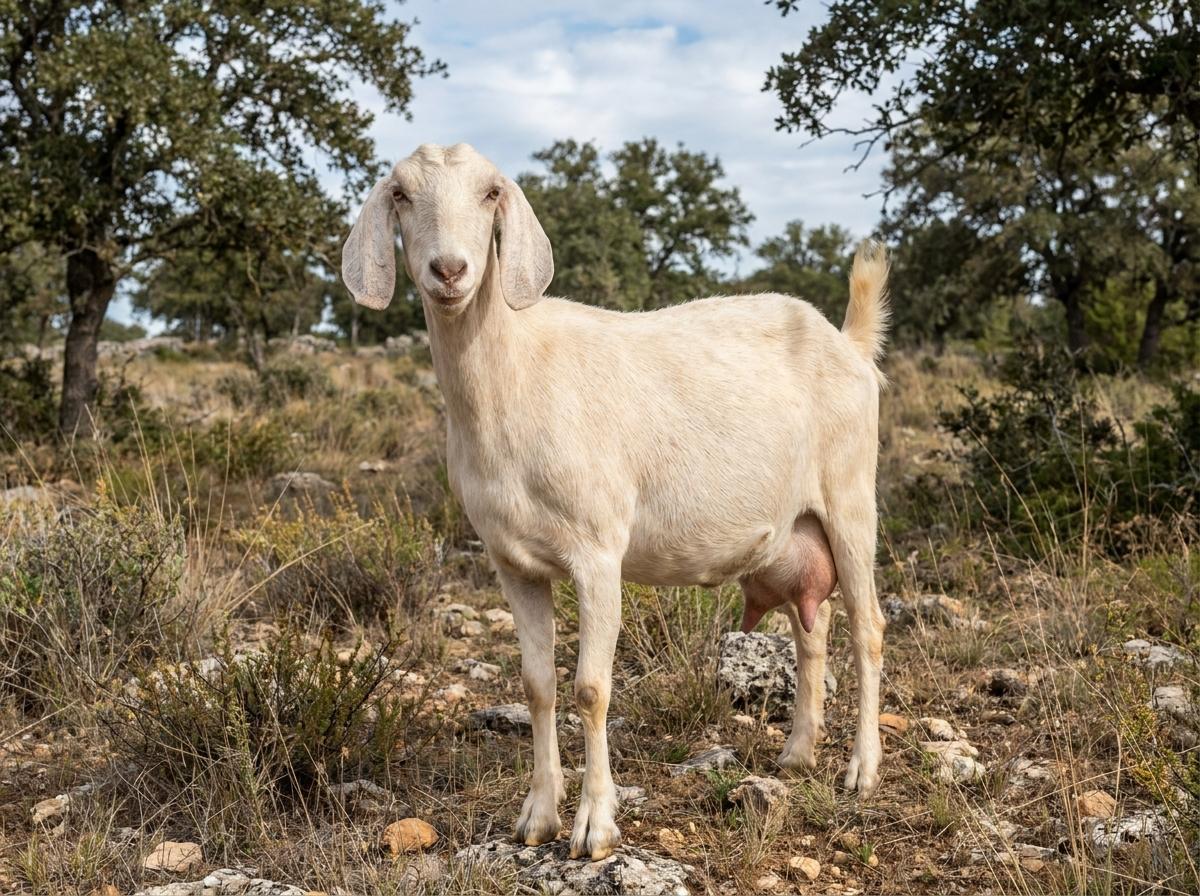
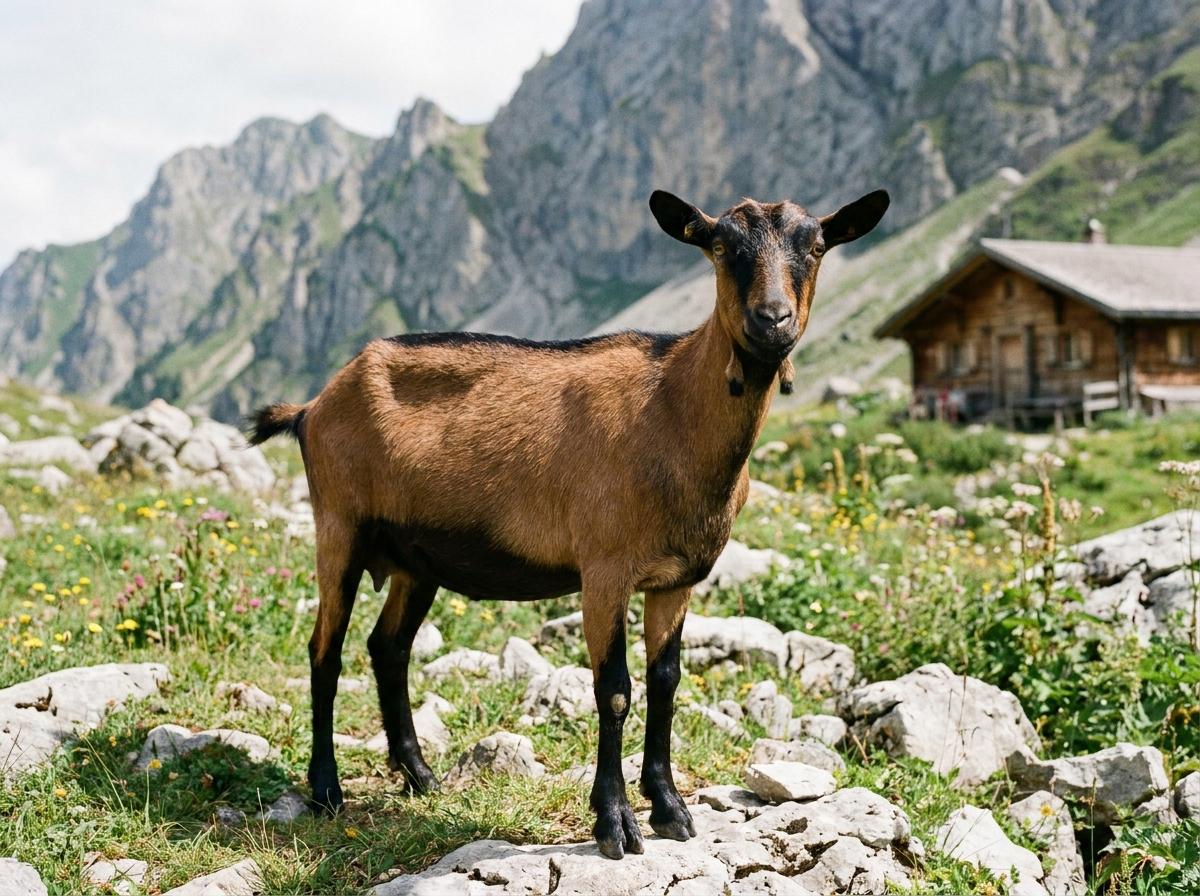
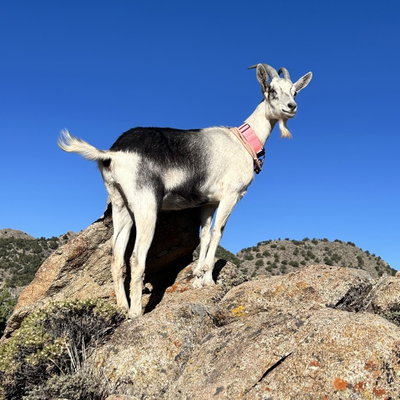
The Verata is a Spanish goat breed from La Vera and nearby mountain areas of Extremadura, with influence extending into the western Sistema Central. It is a medium-sized, hardy goat shaped by browsing scrub, oak woodland, and rough pasture. Coats are often black, chestnut, or brown, sometimes with white patches, and many animals carry strong horns that sweep outward or back. The breed has traditionally been kept as a dual-purpose goat, producing milk for local cheesemaking while also raising kids for meat in semi-extensive herds.
Verata goats are useful where a dairy animal must walk, browse, and cope with summer heat, but they still need dependable water, shade, and winter or kidding shelter. Lactating does benefit from better forage or concentrate when pasture is poor, and milking herds require clean handling even when managed extensively during the day. Secure fencing matters because active goats that grew up on brush are good at testing weak boundaries. Conservation-minded breeders in Spain select for rusticity, udder function, fertility, and the traditional type, since numbers have been reduced by changes in rural farming and crossbreeding.
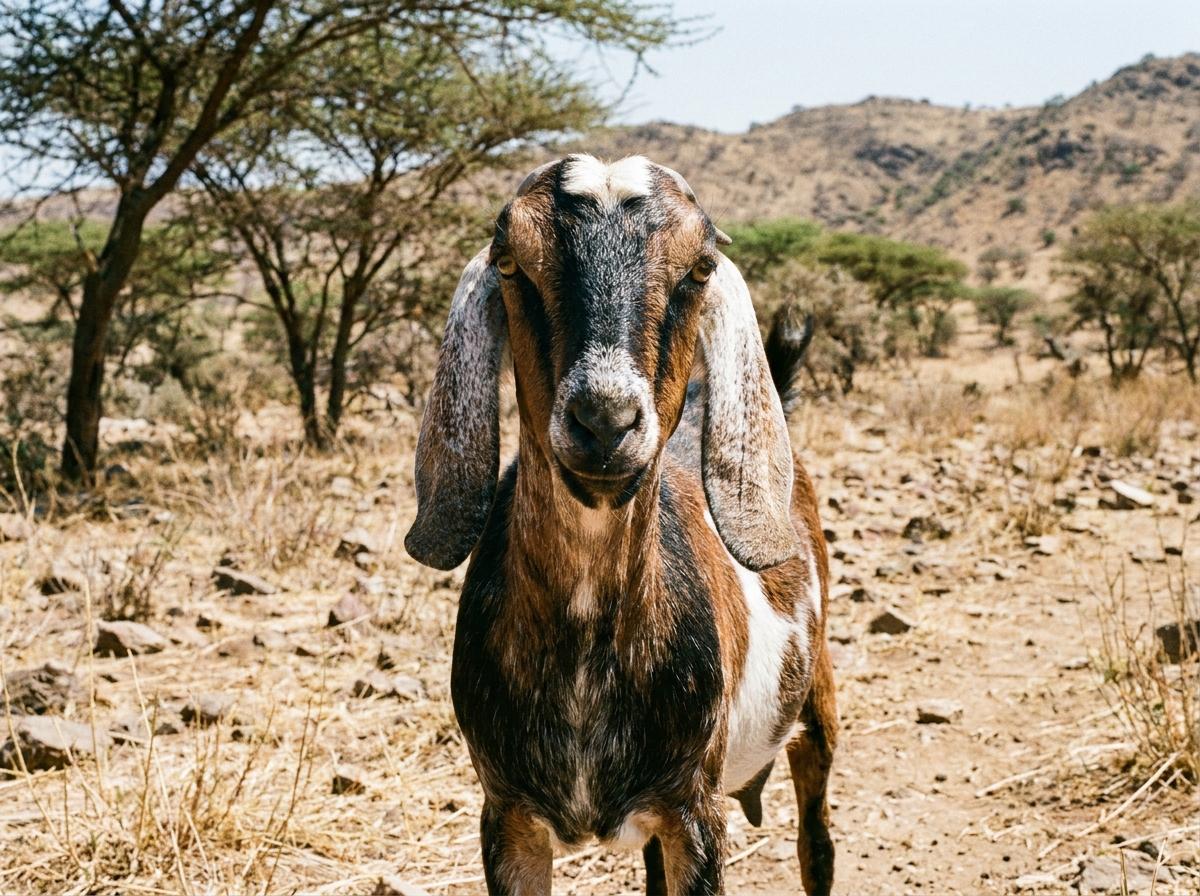
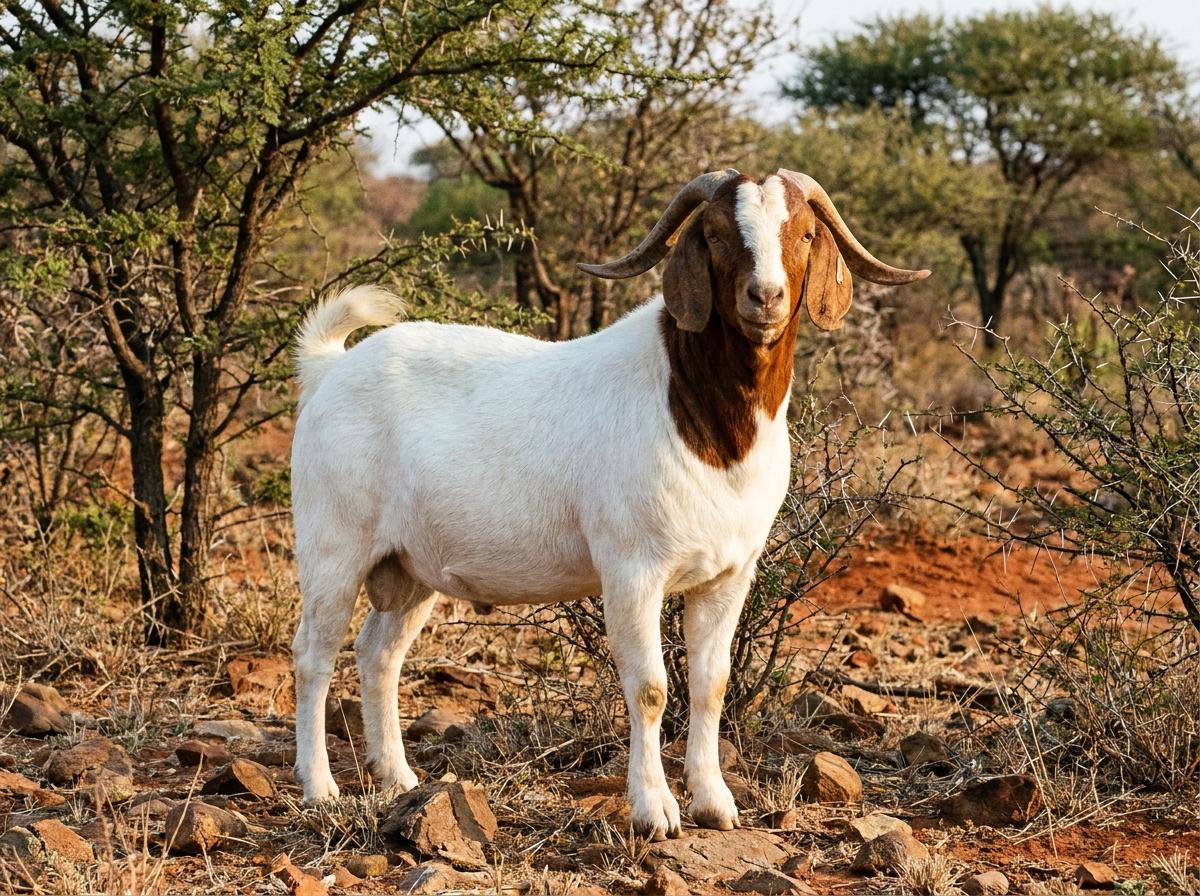
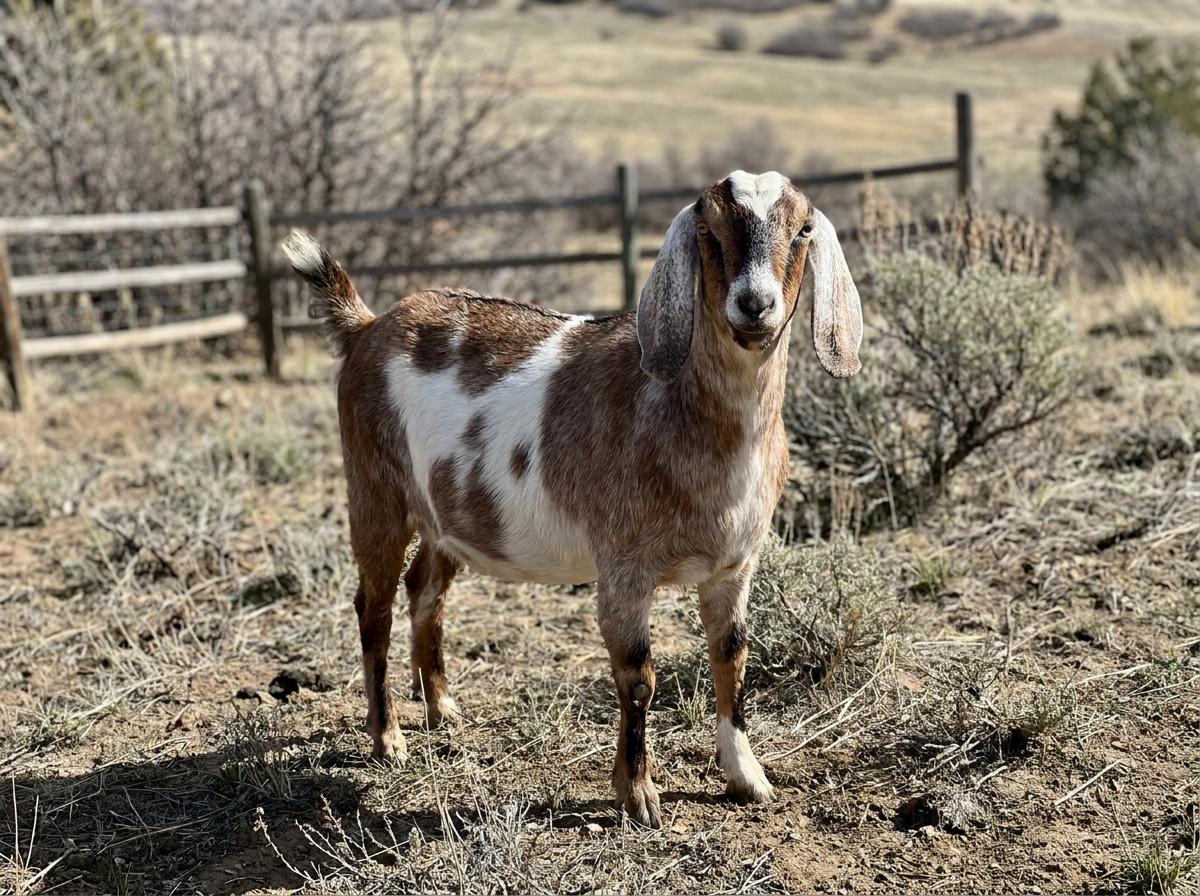
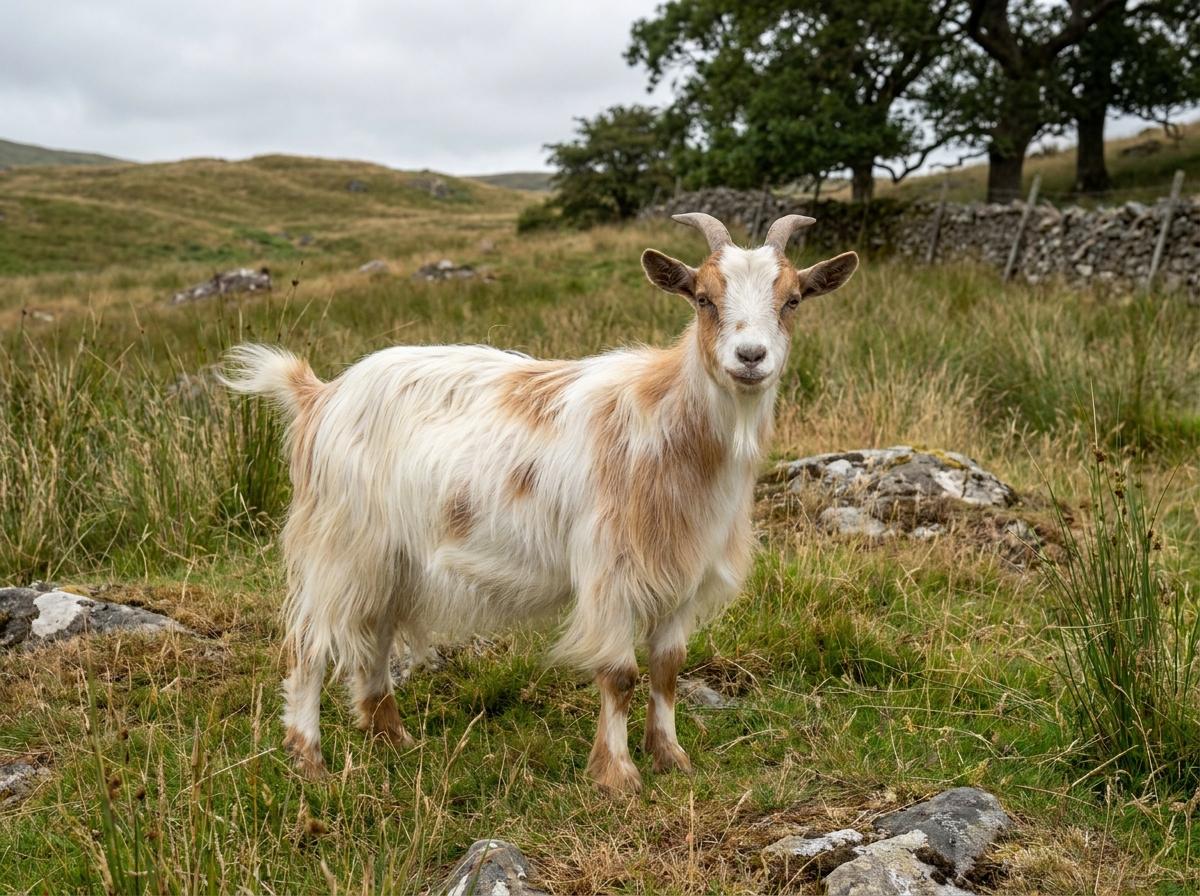
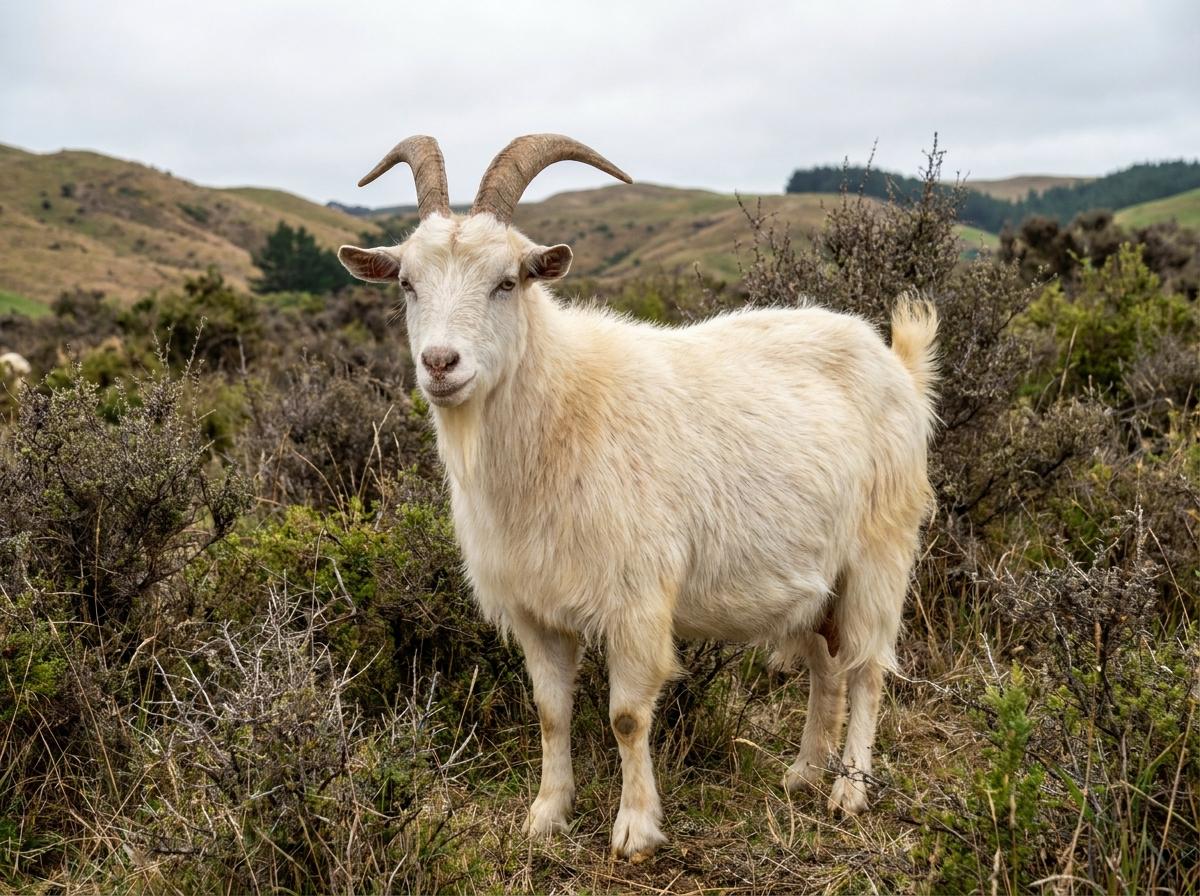
Colors: Belted, Black, Black and White, Black and White Pied, Brown, Brown and White, Brown and White Pied, Buckskin, Chamoisee, Cou Blanc, Cou Clair, Cream, Dark Brown, Fawn, Gold, Light Brown, Mixed Colors with White Points, Moonspotted, Pinto, Red, Red and White, Roan, Solid Black, Solid Brown, Spotted, Sundgau, Swiss Marked, Tan, White