

British Alpine
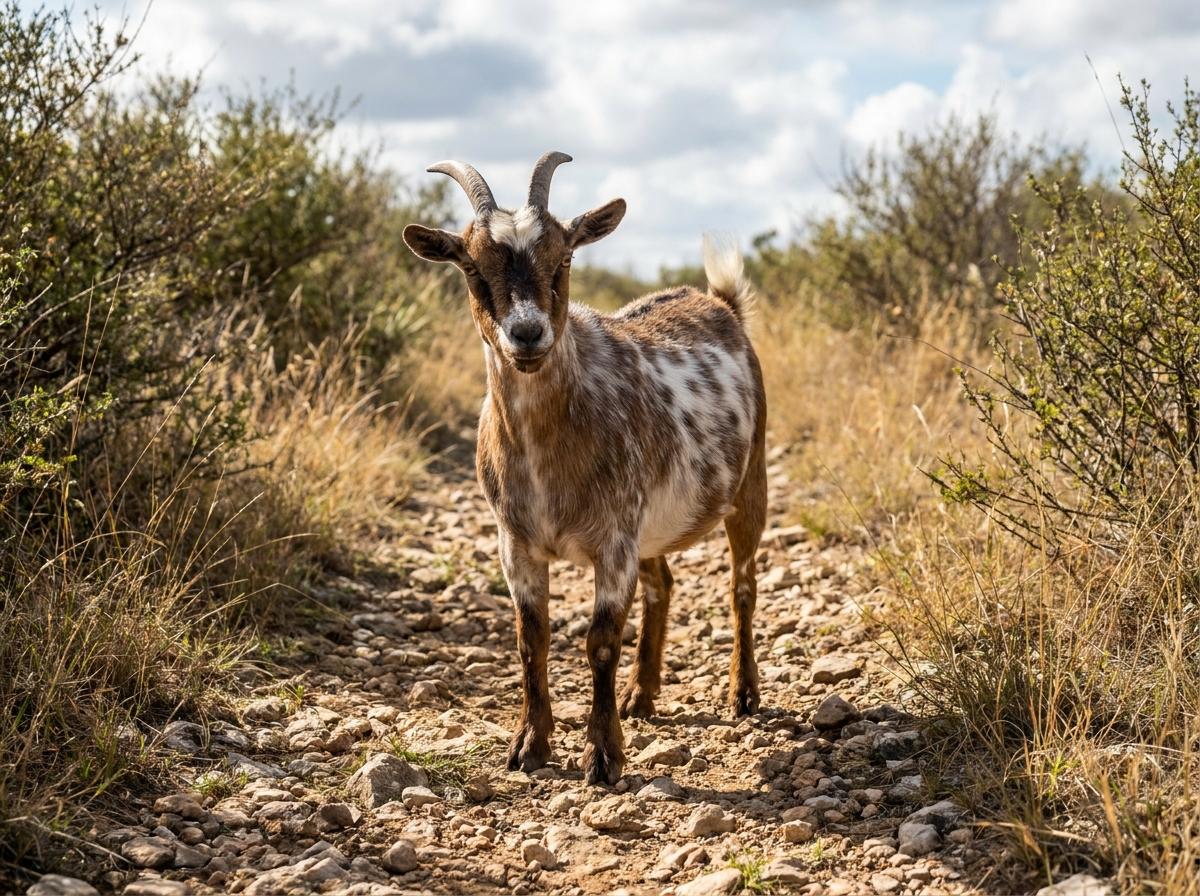
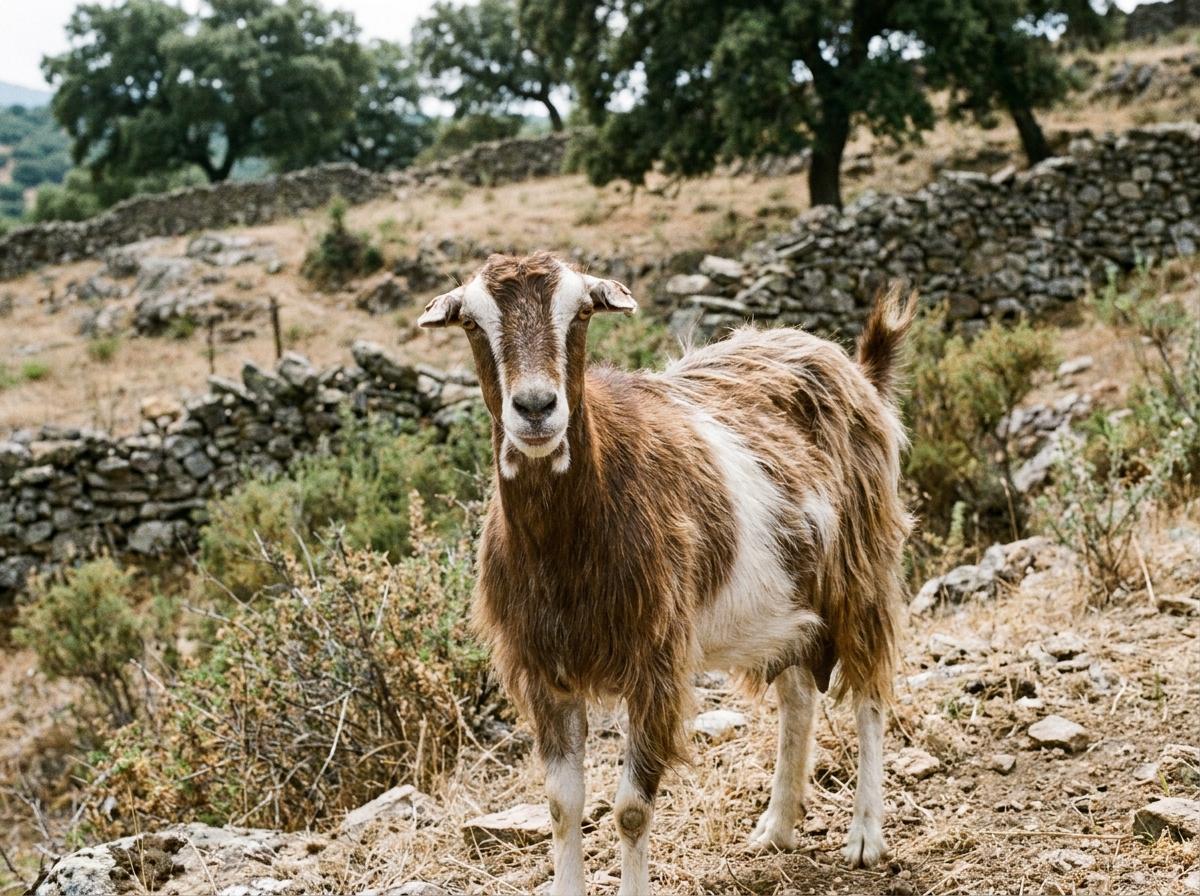
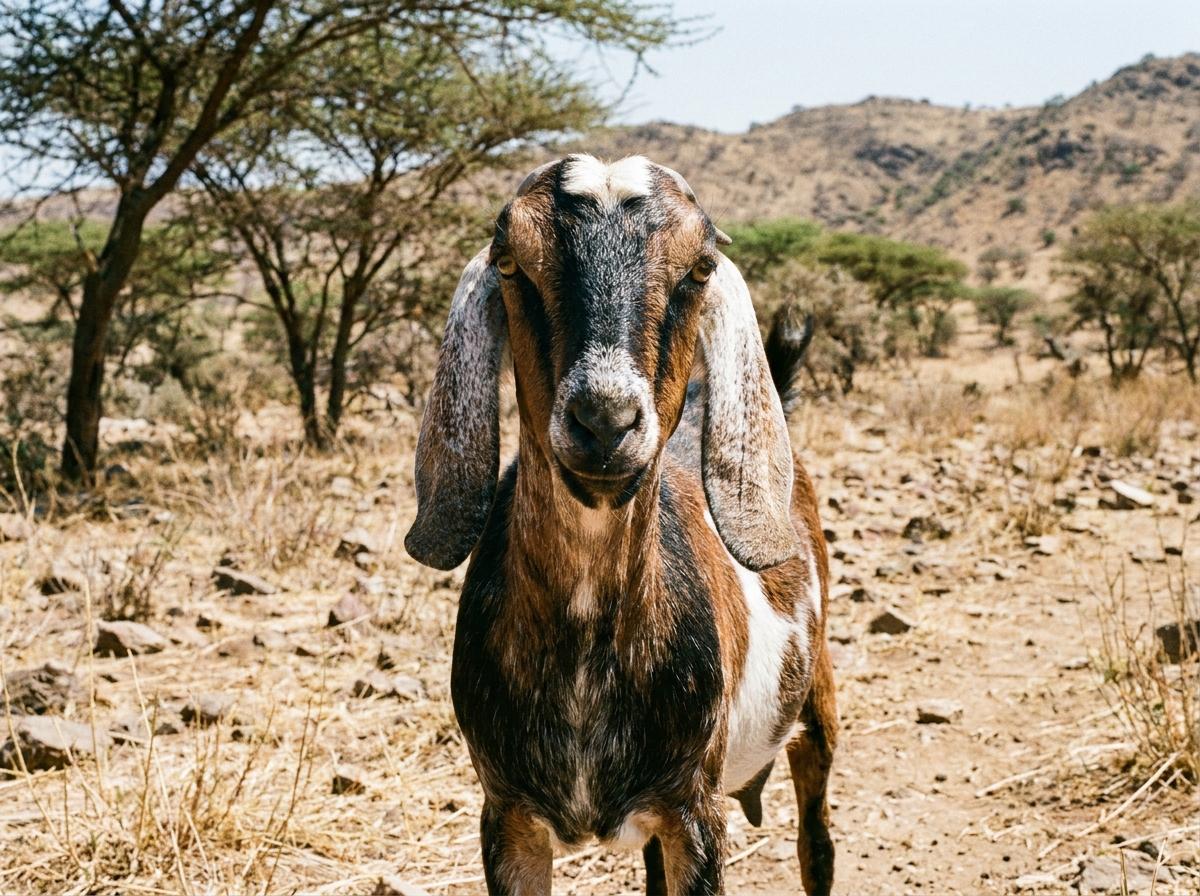
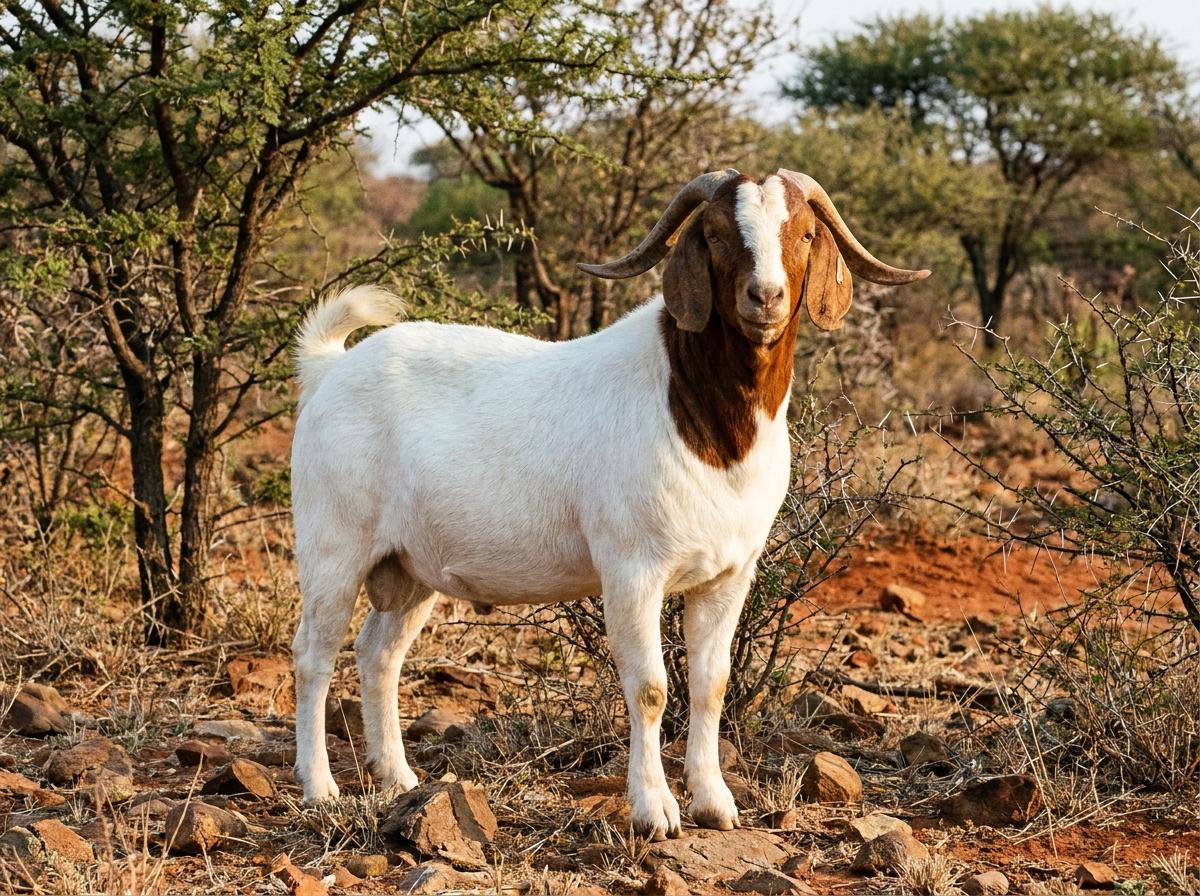
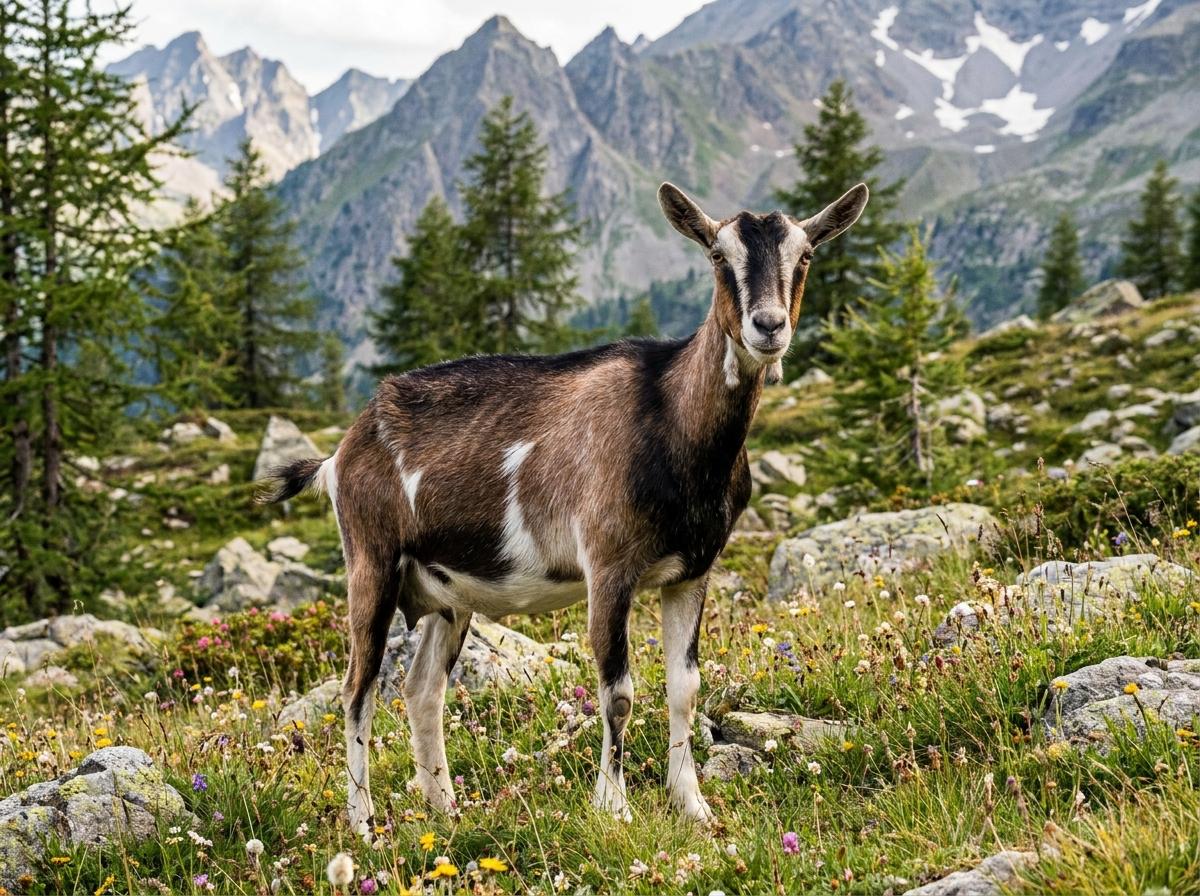
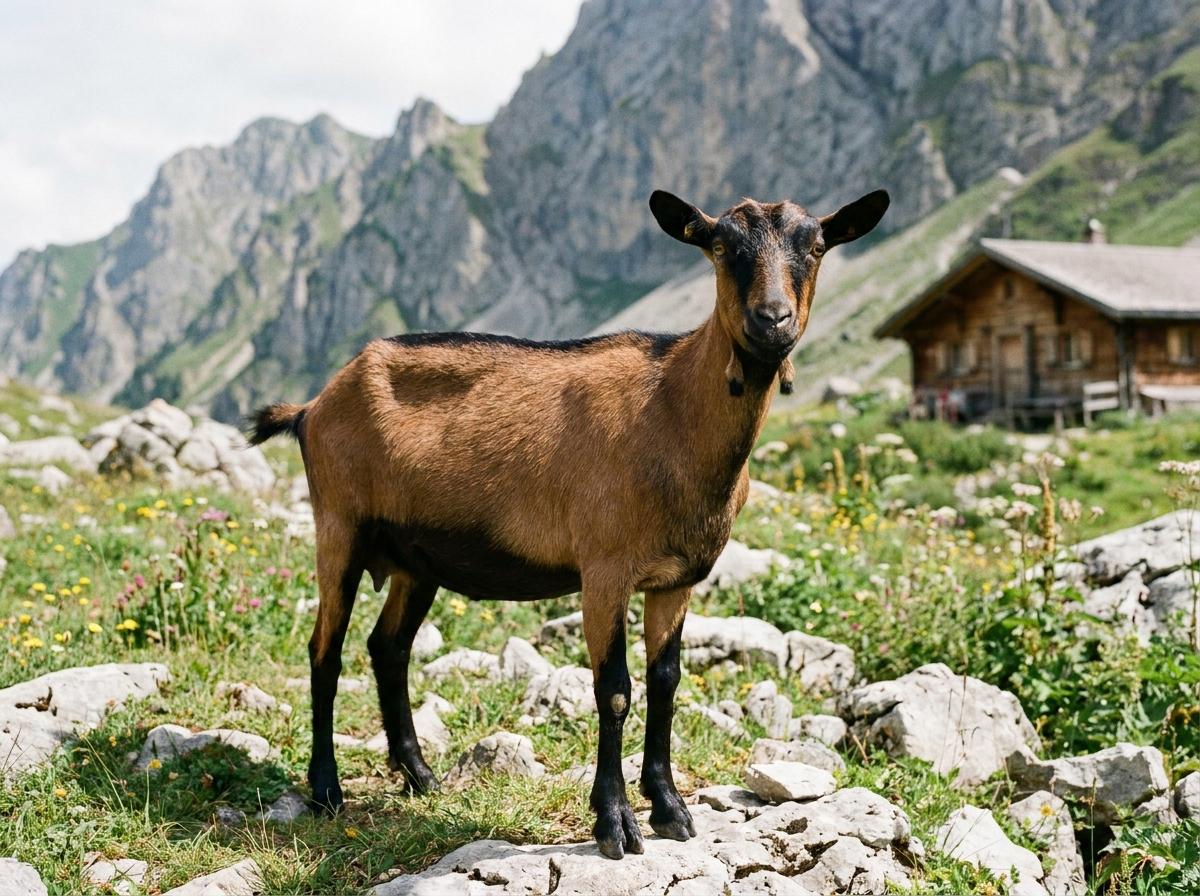
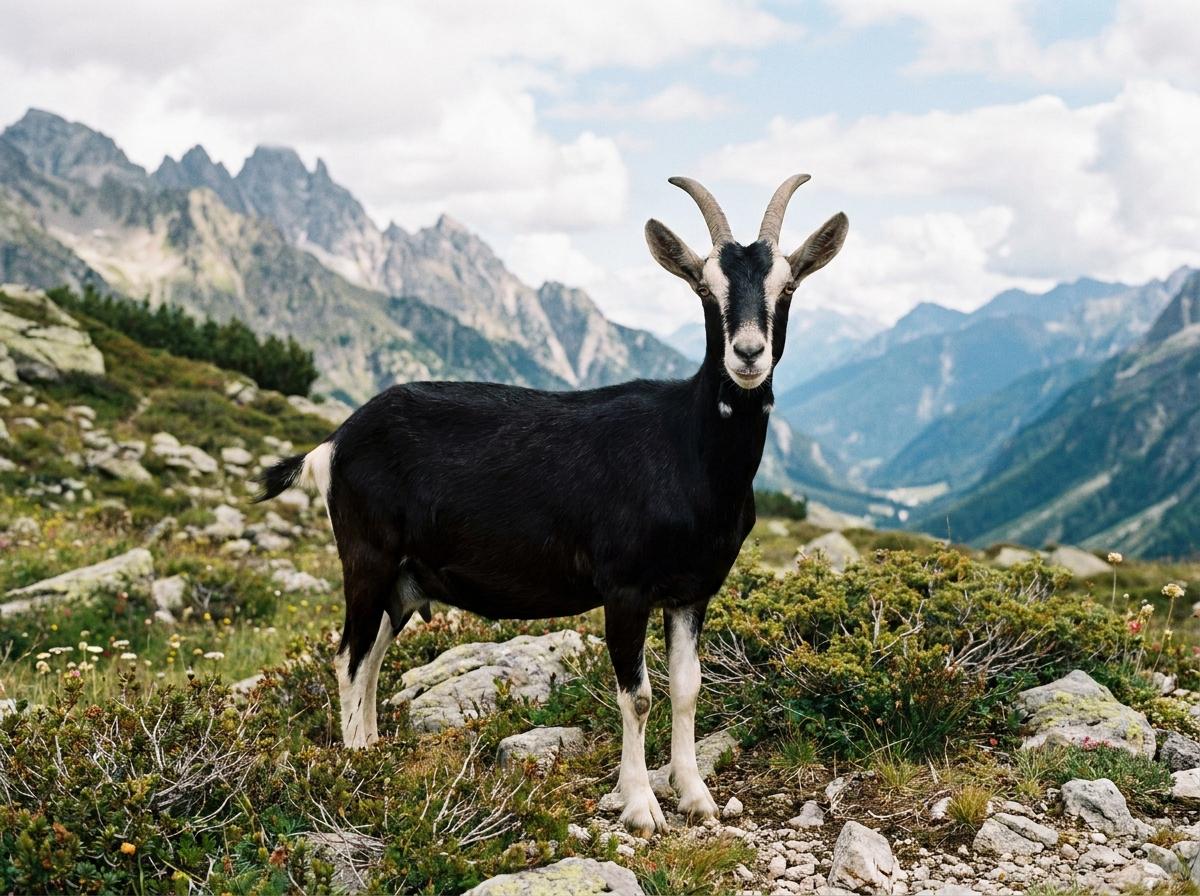
The British Alpine is a British breed of dairy goat: a tall, rangy, glossy black animal marked with crisp white “Swiss” stripes on the face, white ears, white lower legs, and a white rump and tail. It was developed in the early twentieth century in the United Kingdom as a hard working milker, and it is still kept today for long, productive lactations and good winter milk. This page covers what the breed is, where it came from, how to read its distinctive black and white markings, how much milk it gives, the body recognized by the British Goat Society, and what to check before you buy one, with honest notes on its rarity in its home country.

| Type | Dairy goat |
|---|---|
| Origin | United Kingdom, developed in the early twentieth century |
| Coat and markings | Short, fine, glossy black with white Swiss markings (white face stripes, white ear margins, white lower legs, white rump and tail) |
| Doe size | About 76 to 81 cm at the withers, around 59 kg (roughly 130 lb) |
| Buck size | About 91 to 97 cm at the withers, around 77 kg (roughly 170 lb) |
| Milk | Recorded UK average around 4.09 kg per day at about 3.77 percent fat and 2.74 percent protein; known for long lactations |
| Horns | May be horned or naturally polled; horned kids are usually disbudded in dairy herds |
| Breed standard | Maintained by the British Goat Society; a dedicated British Alpine Breed Society also supports the breed |
| Status in the UK | Numbers are low, with fewer than about 500 head recorded; common in some countries such as Australia |
Browse listings, public profiles, breeders, or add your animal.
What is a British Alpine goat?
The British Alpine is a British dairy breed, recognized by the British Goat Society as a goat that is black with white Swiss markings and that was developed in the United Kingdom. The word “Alpine” in the name points back to the Swiss and Alpine type goats that helped shape it, but this is a distinct British breed, not the same animal as the French Alpine or the American Alpine, even though all three descend from the same broad Alpine dairy stock.
The Alpine guide explains the French-origin dairy breed and its American registration categories, distinct from the British Alpine described here.
It belongs to the family of “Swiss marked” dairy breeds, the group that also includes the Toggenburg. Its closest British stablemate is the British Toggenburg, built the same way from Swiss imports and British milking stock. What sets the British Alpine apart visually is the color reversal: instead of the Toggenburg’s brown body with pale markings, the British Alpine wears those same Swiss face stripes and white points on a deep, glossy black coat. The British Goat Society describes the breed as rangy with a short fine coat that takes on an impressive summer gloss.
This is a working dairy goat first and foremost. It is valued for the quantity of milk it gives, for milk with good butterfat and solids, and especially for long lactations, which is the trait keepers tend to mention before any other. If you are still comparing breeds, the broader Creatures goat species page is a useful place to weigh the British Alpine against other dairy and dual purpose goats.
Origin and history
The British Alpine was bred in the United Kingdom in the early twentieth century, the product of general cross breeding aimed at producing a better milking goat rather than a single planned cross. Its exact recipe is not fully documented, which is normal for a breed assembled from working stock before tight herdbooks were the rule.
The most often repeated thread in its origin is a single founding female. The breed’s striking black and white coloring is generally traced to a goat acquired in Paris in 1903, recorded as a Sundgau type doe named Sedgemere Faith. From that starting point, breeders are thought to have blended in other Swiss marked and Alpine type goats, including the Grisons Striped (the Bundner Strahlenziege) and the Toggenburg of Switzerland, the now extinct Sundgau of Alsace, and some native British goats. The result was a tall, black, Swiss marked dairy goat that breeders in Britain could call their own.
A separate British Alpine Breed Society was later formed to support the breed specifically and publishes the breed standard, while the British Goat Society holds the herdbook and milk-recording framework for British dairy goats. When you see a British Alpine described against “the standard,” confirm registration with both the breed society and the British Goat Society.
What a British Alpine goat looks like
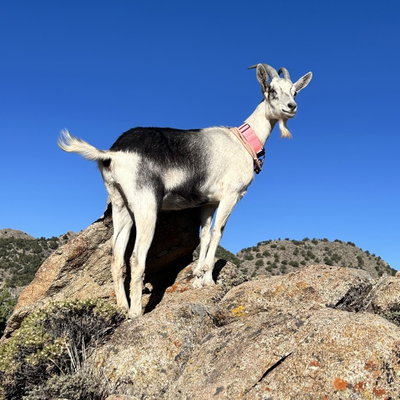
The British Alpine is easy to recognize once you know the pattern. It is a tall, rangy, deep bodied dairy goat with upright ears, a straight or slightly dished face (not the convex Roman nose of some Eastern breeds), and a short, fine, glossy black coat. The signature is the white “Swiss” marking pattern laid over that black base.

- White Swiss face stripes. Two clean white stripes run down the face, one on each side, from above the eyes toward the muzzle. This is the same facial pattern seen on the Toggenburg, just on a black goat instead of a brown one.
- White ear margins. The edges of the ears are white, framing the upright ears against the black head.
- White lower legs. The legs are white below the knees and hocks, so the goat looks as though it is wearing pale socks.
- White rump and tail. There is white on the rump and around the tail, completing the Swiss marked pattern.
- Black, short, glossy body. Everywhere else the coat is black. The British Goat Society notes that the black coat acquires a real gloss in summer, which is part of the breed’s show appeal.
On size, adult does stand roughly 76 to 81 cm at the withers and weigh around 59 kg (about 130 lb), while bucks are considerably larger, roughly 91 to 97 cm tall and around 77 kg (about 170 lb). This is a genuinely tall, athletic dairy goat built for active grazing rather than a compact or miniature animal.
A note on horns
British Alpines may be either horned or naturally polled; they are not a uniformly polled breed. Where kids are horned, they are usually disbudded early in dairy herds, a routine husbandry step that keeps adults from getting caught in milking stands and reduces injury risk in close handling. Disbudding is a veterinary or skilled task done on very young kids, and it should be discussed with your veterinarian rather than attempted casually. If hornless adults matter to you, ask the breeder how their kids are managed.
How productive is the breed?
Milk is the entire point of the British Alpine, and it earns its keep in two ways: volume and persistency.
Yield and composition. Recorded UK milking trial data put the breed at an average 24 hour yield of about 4.09 kg of milk, at roughly 3.77 percent butterfat and 2.74 percent protein, based on a large set of recorded performances summarized around 2004. Those are solid dairy figures, with butterfat and solids generally described as better than average for the Swiss type breeds. As always, herd average and an individual doe’s record can differ widely, so treat the breed figure as a benchmark, not a promise for any one animal.

Long lactations. The trait keepers prize most is persistency. British Alpines are known for long lactations and good winter milking, meaning a well managed doe can keep milking steadily for a long stretch and help smooth out the seasonal dips that affect goat dairies. Extended lactations let some keepers milk a doe through without rebreeding every single year, which can reduce kidding frequency and its associated costs. Whether you can run extended lactations depends on the individual doe, your management, and your veterinarian’s advice on body condition and udder health.
This combination, a good daily yield with strong persistency, is why the British Alpine has a loyal following among home and smallholder dairies even though it is not the most numerous British dairy breed.
Temperament
The British Goat Society is candid that the British Alpine “can be highly individual in character and tends to be a breed for enthusiasts who like a challenge.” In practice keepers describe these goats as lively, alert, active, and curious, a tall athletic breed that likes to be busy and is well suited to open grazing. That is a fair, honest picture: a British Alpine is generally rewarding and friendly with good handling, but it is not the breed to pick if you want the most placid, low key goat on the block. As with any goat, temperament varies with the individual, with how much handling and one on one time the animal gets, and with whether you are dealing with does and wethers or an intact buck in rut.
Husbandry and care
A productive dairy goat is a higher input animal than a hardy brush or meat goat, and the British Alpine is no exception. The notes below cover the structure of good management. For medical decisions and a tailored health calendar, work with a veterinarian who can see your animals and knows your region.
Housing
British Alpines need dry, draft free shelter, clean bedding, secure fencing, and enough space to avoid crowding and bullying. They are tall, active, and famously good at testing fences and gates, so sound, climb resistant fencing is worth getting right the first time. Clean, dry footing supports udder health and sound feet in a heavy milking animal.
Feeding
A doe milking at British Alpine levels cannot run on sparse browse alone, especially in late pregnancy and through lactation. She needs a balanced ration that supplies enough energy and protein to support milk production and any growing kids, plus constant access to clean water and appropriate minerals. Underfeeding a heavy milker is the fastest way to lose body condition and depress yield. Browsing and open grazing suit the breed well, but quality forage and supplementation matter once she is in full milk.
Breeding and kidding
Like most temperate dairy goats, British Alpines are seasonal breeders, typically cycling and mating in the autumn for spring kids, though the breed’s reputation for long lactations means some keepers stretch lactations rather than rebreeding every year. Plan kiddings deliberately, keep good records of mating dates and litter outcomes, and make sure young does are well grown before they kid. Disbudding decisions for the kids are best planned with your veterinarian before they are born.
Health
Routine dairy goat health management applies: a parasite control plan suited to your climate and grazing, regular hoof trimming, clean kidding and milking hygiene, and the core vaccinations your veterinarian recommends for your area. In a heavy milker, udder and teat health deserve particular attention. Keep clear records of kiddings, milk output, treatments, and health events so that culling and breeding decisions rest on evidence rather than memory. Defer all medical decisions to a veterinarian who can examine the animal.
Status, cost, and availability
This is where buyers should set expectations carefully.
In its home country the British Alpine is not a numerous breed. Recorded UK numbers are low, on the order of fewer than 500 head, which keeps it a minority breed compared with more common British dairy goats. Outside the UK the picture changes by country: in Australia, for example, the British Alpine is well established and kept in much larger numbers. So “rare” depends entirely on where you are standing.

There is no single reliable published price for a British Alpine, and we will not invent one. As with most dairy goats, what you pay tracks the animal’s age, sex, milk records, conformation, registration status, and the reputation of the herd, so a registered milking doe from a recorded herd sits at a very different price point from an unregistered kid. Rather than quoting a precise figure we cannot source, the honest guidance is to compare like with like: ask what comparable registered, recorded animals are selling for in your region and judge each animal on its records and conformation.
Because the breed is uncommon in some markets, genuine, well bred, registered stock can take time to find. A saved listing alert (in the hub below) is often the most practical way to catch a good animal when one is posted rather than refreshing listings by hand.
Buying considerations
Buy a British Alpine on evidence, not on the gloss of that black coat alone.
- Confirm the markings and type. A correct British Alpine is black with the full white Swiss pattern (face stripes, ear margins, lower legs, rump and tail) on a tall, rangy dairy frame. Off pattern coloring can signal crossbreeding rather than a purebred animal.
- Ask for milk records. For a dairy breed, recorded yields and persistency tell you far more than appearance. A breed known for long lactations should come with lactation data where the herd records it.
- Check the udder and conformation in person. In a heavy milker, udder attachment and teat placement directly affect working life. Confirm the feet and legs can carry the animal’s tall frame, and check for a sound bite.
- Ask about registration and disbudding. Confirm whether the animal is registered with the British Goat Society or the relevant national registry, and ask how the kids were disbudded and by whom.
- Match the temperament to your setup. This is an active, characterful breed. If you want a calm first goat, be honest with the seller about your experience and let them help you pick a suitable individual.
You can browse current British Alpine goat listings on the Creatures marketplace and look for breeders and farms in the Creatures directory. Because good registered stock is not always on the market, a saved listing alert is the most practical way to catch one when it appears.
If you are weighing the British Alpine against other goats in the same family, it is worth reading up on its relatives and regional cousins, such as the Russian White goat, the ornamental Peacock goat, and the very different Near East dairy Damascus goat.
Frequently asked questions
What color is a British Alpine goat?
Black with white Swiss markings. The body is a short, fine, glossy black, with white stripes on the face, white margins on the ears, white lower legs, and white on the rump and tail. It is essentially the Toggenburg’s Swiss face pattern on a black goat.
Is the British Alpine the same as a French Alpine or American Alpine?
No. They share the same broad Alpine dairy ancestry, but the British Alpine is a distinct British breed defined by its solid black coat with white Swiss markings. French and American Alpines come in a range of colors and are separate breeds.
How much milk does a British Alpine give?
Recorded UK figures put the breed around 4.09 kg of milk per day on average, at roughly 3.77 percent butterfat and 2.74 percent protein, and the breed is especially known for long lactations. Individual does vary widely, so treat the breed average as a benchmark.
Do British Alpine goats have horns?
They may be horned or naturally polled, and horned kids kept in dairy herds are usually disbudded young, a routine husbandry step best planned with a veterinarian. Ask each breeder how their kids are managed.
Are British Alpines good for beginners?
They are excellent milkers, but the British Goat Society itself calls them a breed for enthusiasts who like a challenge. A beginner can keep them well with good fencing, feeding, and a veterinarian relationship, but should know they are getting an active, characterful goat rather than the calmest option.
Are British Alpine goats rare?
In the United Kingdom numbers are low, with fewer than about 500 head recorded, so it is a minority breed there. In some other countries, such as Australia, it is far more common. Availability depends on where you live.
Do this next on Creatures
Whether you are researching the breed, hunting for a registered milking doe, or already keeping British Alpines, Creatures is the records, marketplace, and directory layer to do it in one place.
Find stock. Browse British Alpine goats on the marketplace and search trusted breeders and farms in the Creatures directory. New to the marketplace? See saving searches and using your watchlist.
Get alerted. Good registered British Alpines are not always listed, so set a free British Alpine listing alert and we will tell you when one is posted. No account needed to start.
Add your goat. Already keeping British Alpines? Create a free animal profile in a few minutes, no account needed to start. The walkthrough is in adding an animal to Creatures.
Track milk and health. Track milk and health records on Creatures. The record sheet opens for any visitor to look around, and you will need a free account to save what you enter. See adding a record for the full how to.
List your herd. Run a dairy or smallholding? Add your operation as an organization, no account needed to start, then get listed in the breeder directory so buyers searching for this breed can reach you. If you manage your herd with others, see creating an organization and adding your team.
Sell with confidence. Planning to sell stock? Learn how seller payout works before you list.