Minorca
Author: Elliott Garber, DVM · Published
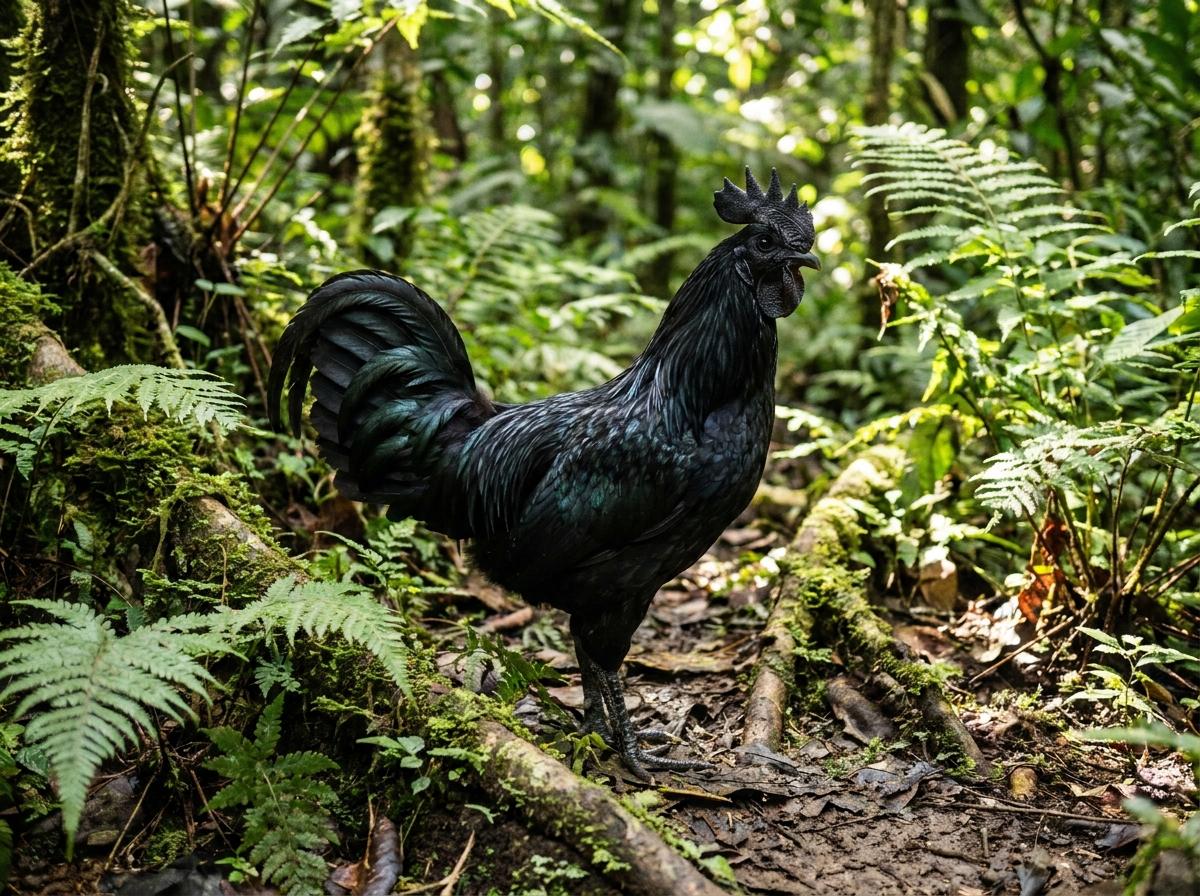
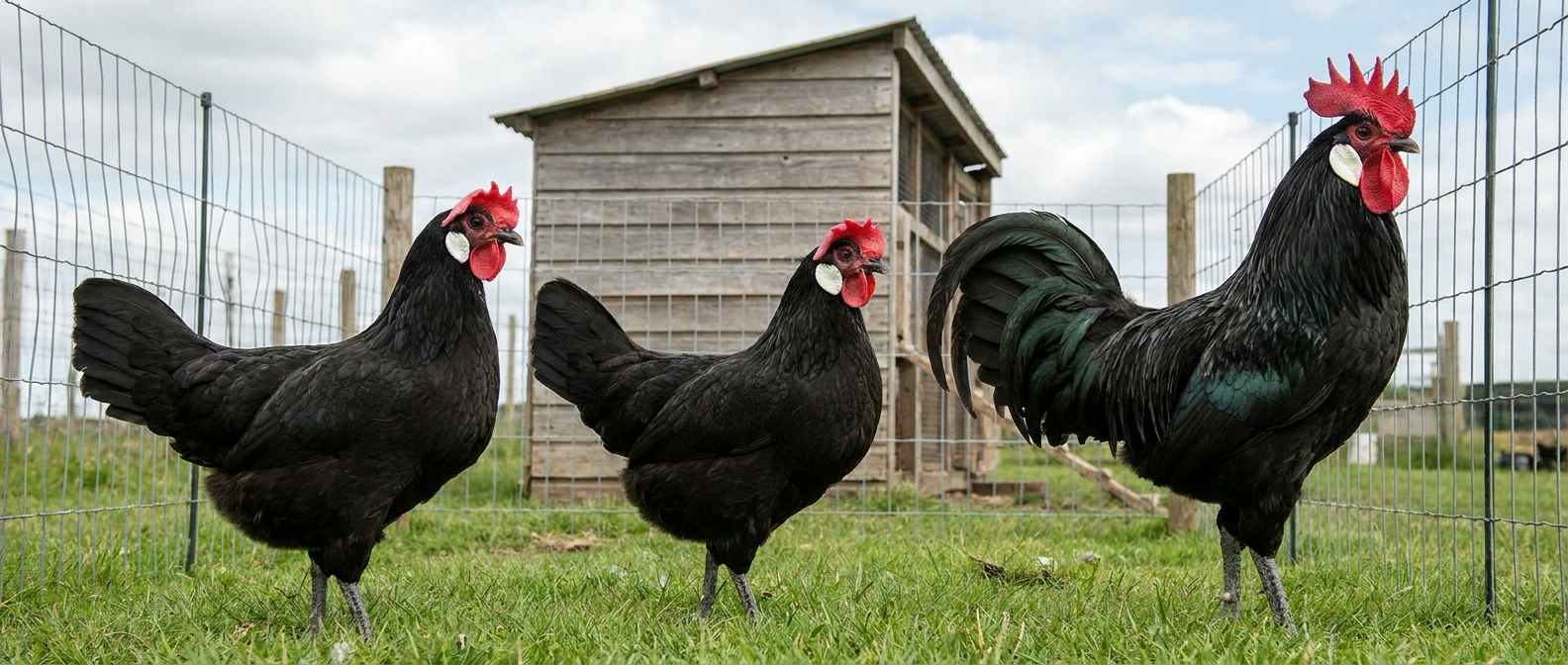
The Minorca is the biggest of the Mediterranean laying breeds: a long, upright, usually glossy black chicken with a very large comb, big white earlobes, and eggs that The Livestock Conservancy calls possibly the largest white eggs of any white-egg breed. It lays well, rarely goes broody, handles heat and suffers in hard cold because that comb is prone to frostbite. The American Poultry Association recognizes single comb and rose comb Minorcas in several colors, and the Conservancy lists the breed as Watch. If you track a laying flock, you can start a Minorca profile for a hen or a whole flock without an account; a free account keeps it.
| Type | Large Mediterranean (light breed) layer, shaped largely by British breeders |
|---|---|
| APA class | Mediterranean (large fowl) |
| APA varieties | Single Comb Black, White and Buff; Rose Comb Black and White |
| Size | About 9 lb males and 7.5 lb females (Livestock Conservancy) |
| Eggs | Chalk white and very large; 140 to 220 a year depending on strain |
| Broodiness | Hens are not broody; plan an incubator for chicks |
| Climate | Thrives in heat; large combs are prone to frostbite |
| Conservation | Watch on The Livestock Conservancy’s 2026 Conservation Priority List |
Browse listings, public profiles, breeders, or add your animal.
Where the Minorca comes from
The name points to Minorca (Menorca), the Balearic island off Spain where the type was once common, but The Livestock Conservancy’s Minorca profile is careful to say the breed’s ultimate origin is unknown. It may have arrived with the Moors from North Africa or with the Romans from Italy. What is documented is its British development: birds were in Devon and Cornwall possibly as early as 1780, and Sir Thomas Acland imported more to England in 1834. The Poultry Club of Great Britain’s Minorca page describes it as developed in Britain as the heaviest of the light breeds, once famous for extra-large white eggs.
The Conservancy dates the American story from 1884, when J.J. Fultz of Mount Vernon, Ohio, brought Minorcas over, with White Minorcas imported the following year. George H. Northup of Raceville, New York, developed the rose comb version around 1900.
Recognized varieties and the APA standard
On the American Poultry Association’s accepted breeds and varieties list, checked October 31, 2026, large fowl Minorcas sit in the Mediterranean class in five varieties: Single Comb Black, Single Comb White, Single Comb Buff, Rose Comb Black and Rose Comb White. Bantams are listed in the same five varieties, in the single comb and rose comb clean-legged bantam classes. The Conservancy gives the admission dates: Single Comb Black and White in 1888, Rose Comb Black in 1904, Single Comb Buff in 1913 and Rose Comb White in 1914.
Black is the variety most people picture and the one most often seen. If you are buying for exhibition, ask which variety a line is bred to and whether the breeder keeps comb types separate, because single comb and rose comb birds are shown as different varieties.
How to recognize a Minorca
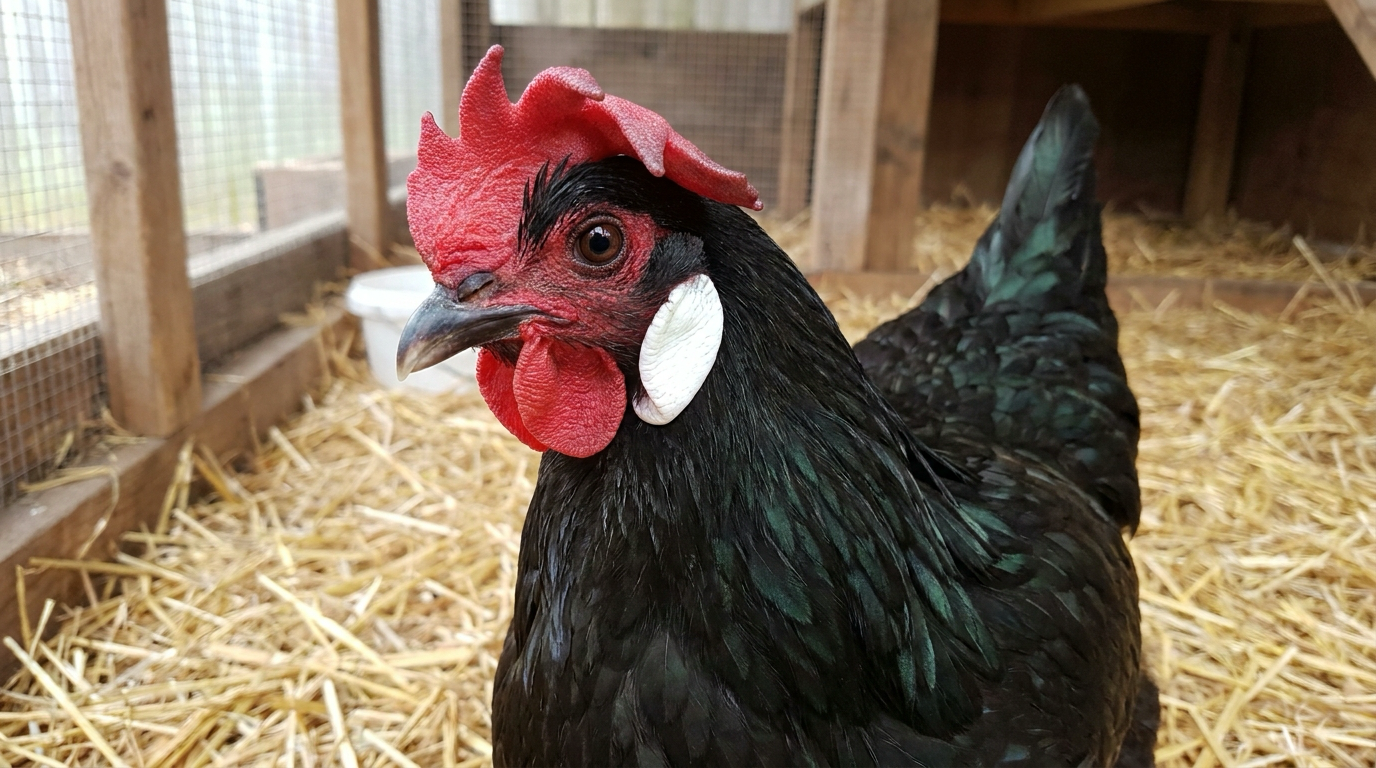
Size and headgear do most of the work:
- A long, large frame. The Conservancy describes imposing birds with large frames, muscular legs and full tails, at about 9 pounds for males and 7.5 for females. That is heavy for a Mediterranean breed, though they are layers, not meat birds.
- A very large comb. Single comb males carry a big upright comb with six points; on hens the comb is large too and falls over to one side. Rose comb birds have a moderately large comb with small rounded points.
- Large white earlobes. The Conservancy notes that the white lobes can spot and scab with age and that white may spread onto the face in older birds.
- Glossy plumage. Black birds show a green sheen in good light.
Exhibition taste has shifted over time. The Poultry Club notes that breeding for exaggerated headgear did not help laying, and that judges now favour moderate comb and lobe size. If you see a bird with an enormous comb sold as “the best type,” ask what standard the breeder is selecting toward.
The Penedesenca and Empordanesa are useful comparisons if you like Mediterranean breeds: they are Catalan breeds known for dark brown eggs, while the Minorca lays white.
Eggs: big, white and plenty of them

The Conservancy describes Minorca eggs as chalk white and very large, and gives production of 140 to 220 eggs a year depending on strain. That spread is the useful part: a line bred for exhibition may lay at the low end, and a utility line at the high end, so ask the breeder what their hens actually lay and over what period. The Poultry Club’s history makes the same point from the other direction: crossing for size and exaggerated combs did not improve laying.
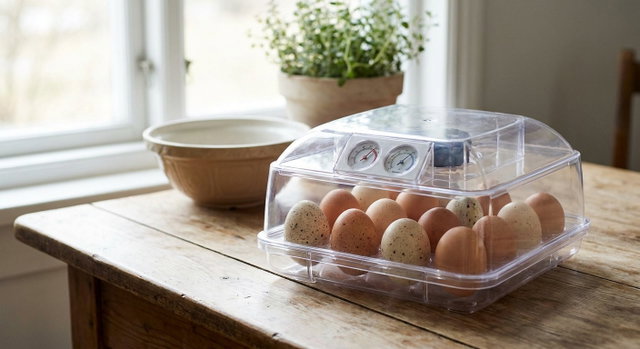
Minorca hens are not broody. If you want chicks, budget for an incubator, or borrow a broody hen of another breed; our guides on hatching eggs in an incubator and broody hens cover both routes. For your own flock, the egg production records guide shows how to keep counts that stay useful through molt and winter, and our list of the best egg laying chickens compares the Minorca with higher-output breeds.
Temperament: active, flighty and a good forager
The Conservancy describes Minorcas as very active birds that forage well and like to range. They are not aggressive, but they are flighty, and the Conservancy says plainly that they do not make a good bird for children. They can be trained to be friendly but are not cuddly. That suits a keeper who wants a productive, alert flock with room to move and does not need lap chickens.
Give them space. Flighty, active birds in a cramped run are more likely to pick at each other and harder to catch. A larger run, secure fencing and calm, regular routines help, and handling young birds often makes later health checks easier.
Heat, cold and comb care
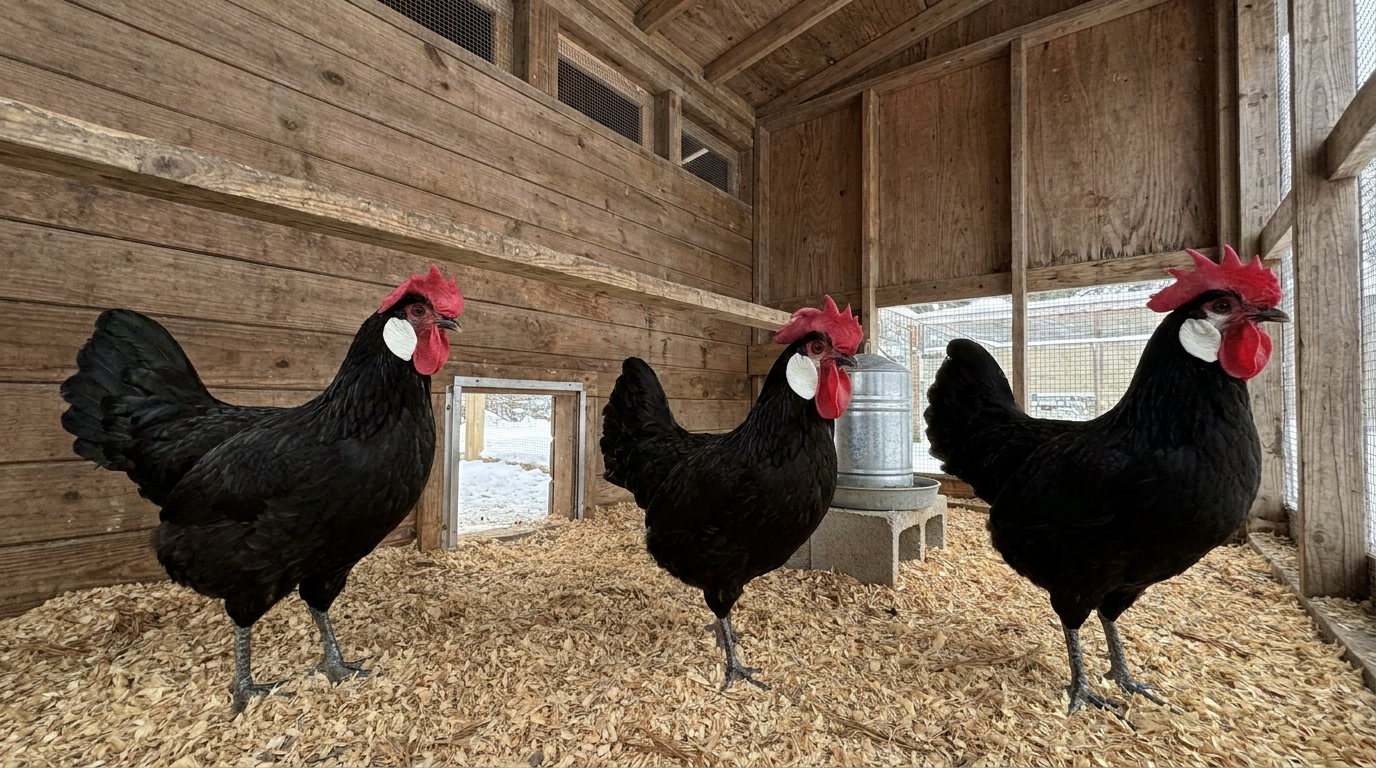
Minorcas thrive in heat, according to the Conservancy, but the same big comb that sheds heat is the breed’s weak point in winter. The University of Kentucky’s frostbite guidance on Poultry Extension notes that frostbite is most common in roosters, whose combs and wattles are larger, and that any hen with a large comb is vulnerable too, and that it is most likely at night in a cold, poorly ventilated coop with damp bedding. Chickens give off a lot of moisture from breathing, droppings and spilled water, so a sealed-up, humid coop is more dangerous than a cold, dry one.
What helps:
- Ventilate high, not at roost level. Openings near the roof let moist air out without a draft on the birds.
- Keep litter dry. Deep, dry shavings, prompt cleanup of wet spots and a waterer that does not spill.
- Check combs on cold mornings. Frostbitten tissue looks off-color and can turn dark. The extension guidance says to warm affected areas slowly, avoid direct heat such as a hair dryer or heat lamp, and not to rub them. Ask a veterinarian about any damage that swells, discharges or smells.
A rose comb is smaller and sits lower than a large single comb, so there is less comb tissue to expose to the cold. Our winter chicken care guide and summer heat guide cover the rest of the seasonal plan.
Buying Minorcas: what to ask
When this guide was written, the Creatures Minorca page had no listed breeders and no active listings, and the Conservancy lists the breed as Watch. Expect to look for a while, and ask before you buy:
- Which variety and comb type are these, and are single comb and rose comb birds kept separate?
- What do the hens in this line lay in a year, and over what period was that counted?
- Can I see the parents, including combs, lobes and body length?
- How have the birds been housed in winter, and do any show past frostbite damage?
- What vaccinations and health practices come with the birds?
The where to buy chickens guide explains the trade-offs between chicks, started pullets and hatching eggs, and the chicken cost guide covers what the coop, feed and setup add on top of the birds.
Keeping records on a laying and breeding flock
Because Minorca production varies so much by strain, records are how you find out what your birds really do. Creatures lets you keep a flock as a single headcount instead of naming every hen, as the help article on tracking animals without individual profiles explains, and the flock count records guide shows how that works in practice. When you are signed in, you can collect eggs from your flock and then set a clutch for incubation. Since Minorca hens will not sit, the chicken hatch records guide is a good way to follow one incubator batch from eggs to identified chicks.
For a breeding pen, the free pedigree chart maker prints a lineage chart for any species, and the chicken name generator helps if your breeders need names to go with their band numbers.
Minorca vs Sultan
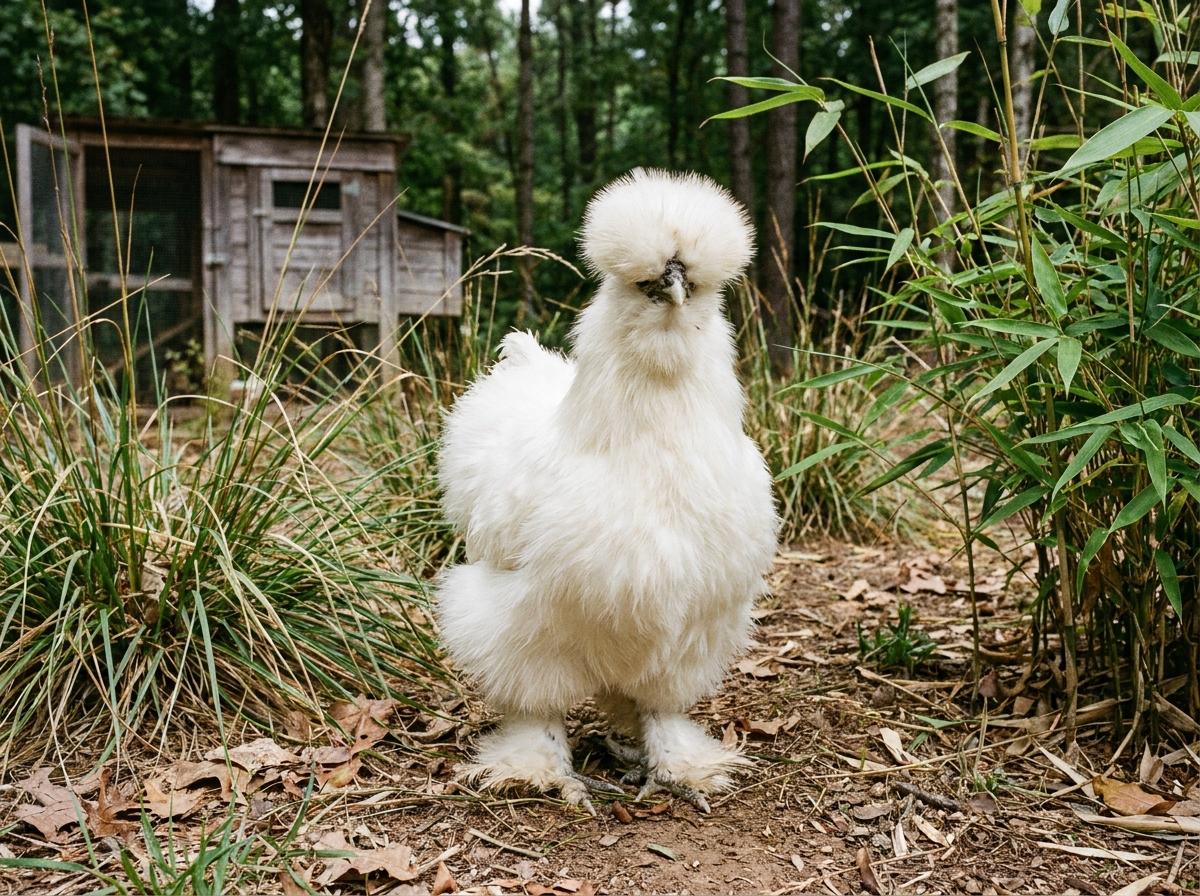
The in-batch comparison is a useful one. The Sultan is a small, white, crested ornamental that lays about 50 small eggs a year and wants covered, dry housing. The Minorca is a big, active layer with very large white eggs and a comb that needs winter care. Both are old breeds on The Livestock Conservancy’s priority list (Sultan as Threatened, Minorca as Watch), so either one is a meaningful conservation choice.
Frequently asked questions
Do Minorcas lay the biggest white eggs?
The Livestock Conservancy describes them as possibly the largest white eggs of any white-egg breed. Size still varies by hen and strain, so ask to see eggs from the line you are buying.
How many eggs does a Minorca lay?
The Conservancy gives 140 to 220 a year depending on strain. Exhibition lines often sit lower than utility lines.
Are Minorcas good in cold climates?
They can live in cold climates with care, but their large combs are prone to frostbite, especially on roosters. A dry, well-ventilated coop matters more than heat. A rose comb is smaller and lower than a large single comb.
Will a Minorca hen hatch eggs?
Rarely. The Conservancy describes the hens as not broody, so plan on an incubator or a broody hen of another breed.
Are Minorcas friendly?
They are not aggressive, but they are flighty and active. The Conservancy says they are not a good choice for children.
Do this next on Creatures
- Hear about Minorcas for sale. Save a Minorca search and get an email when one is listed. No account needed to start. See saving searches and using your watchlist.
- Find a breeder to contact. Browse breeder and farm profiles. Profiles are leads to investigate, not a guarantee of stock or quality.
- Check current listings. See Minorca listings on the marketplace; there may be none today, which is what the alert is for.
- Record your flock. Add a Minorca or a whole flock, no account needed to start. Read adding an animal.
- Log eggs, hatches and health notes. Add a record. The form opens for visitors; a free account saves it. See adding a record.
- Breed Minorcas? Create a farm profile so buyers can find you, no account needed to start. Read getting listed in the breeder directory.