ISA Brown
Author: Elliott Garber, DVM · Published
The ISA Brown is a commercial hybrid chicken selected for brown-egg production. It is a named breeding product, not a heritage breed that a backyard mating reliably recreates. For an owner, the useful question is how the actual hens are doing: what they eat, how they move and what they lay. Start with chicken egg production records rather than treating a commercial performance figure as a promise for your flock. You can start a chicken profile without an account; a free account keeps it.
| Identity | Named commercial hybrid layer |
|---|---|
| Main purpose | Brown eggs |
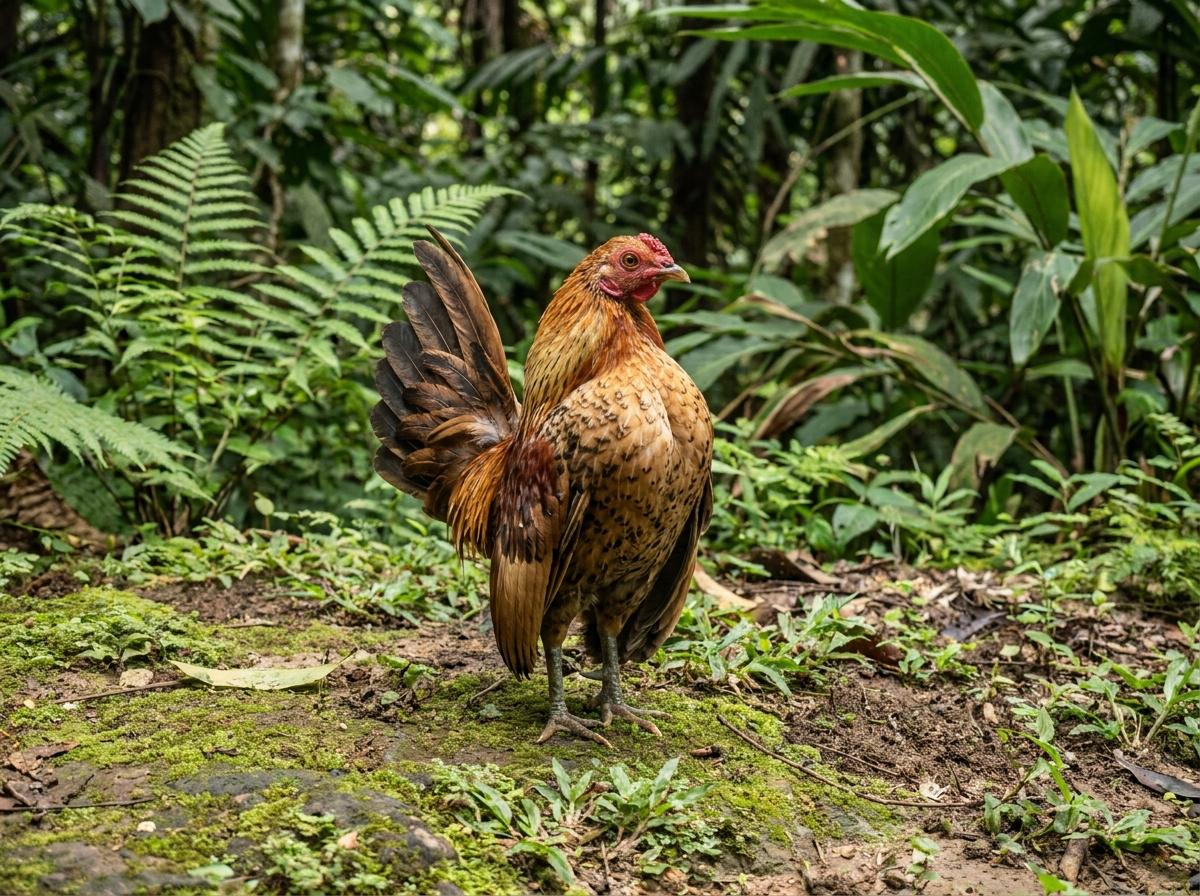
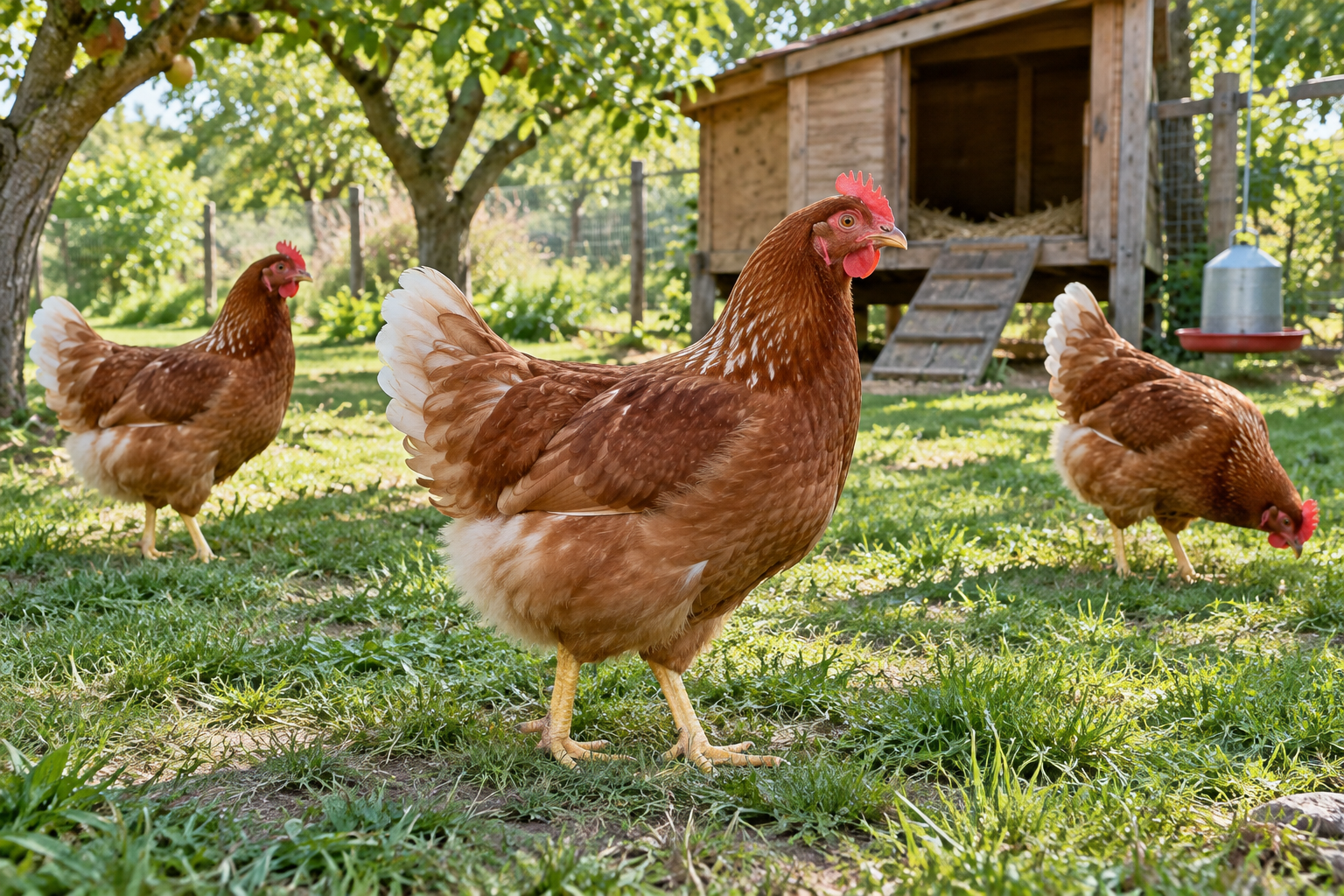
| Typical hen | Reddish-brown with lighter areas, single comb and clean legs |
| Identification limit | Appearance alone cannot verify the commercial source |
| Production figures | Guide objectives for stated systems and age intervals |
| Breeding limit | A backyard mating does not recreate the parent-stock system |
| Care priority | Balanced feeding, normal behavior and care beyond peak laying |
Browse listings, public profiles, breeders, or add your animal.
A named hybrid, not every brown hen
ISA’s own product information identifies the ISA Brown as a brown-egg layer bred for commercial production. A primary feeding and egg-quality study likewise identifies the birds as a commercial hybrid. That is a different category from a standard-bred Jersey Giant or Cream Legbar.
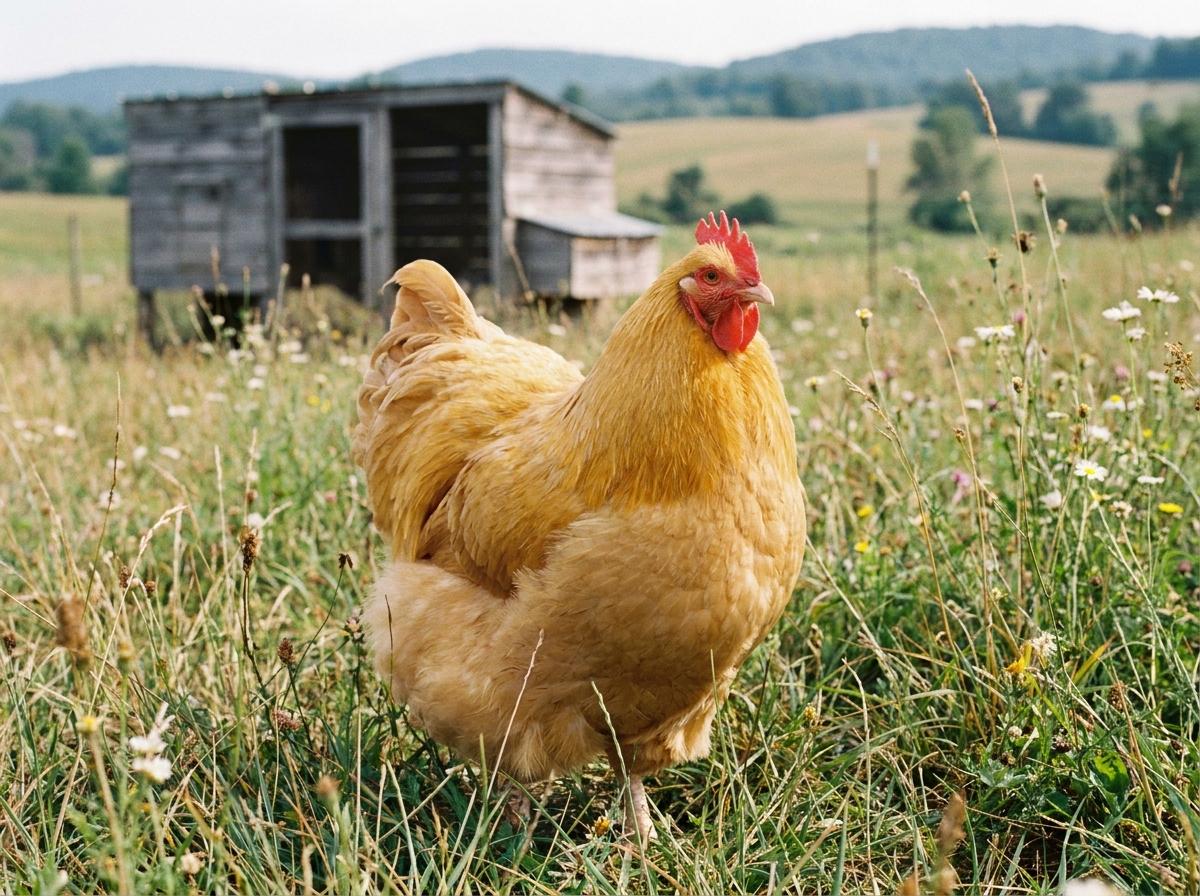
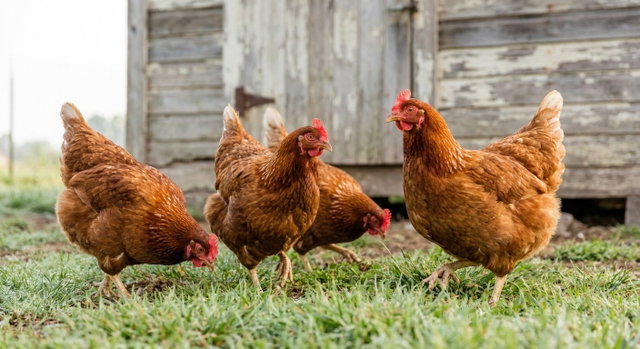
ISA is a Hendrix Genetics laying-hen brand. The company publishes the parent-stock management guide used by its breeding customers. Adult hens typically have reddish-brown plumage with lighter areas, a red single comb and clean legs. Several commercial brown layers can look similar. Appearance alone cannot establish that a hen came from the ISA breeding program, and another brand name is not automatically a synonym. Ask for the supplier’s identity and documentation rather than trying to prove the product name from a photograph.
Do not repeat a supposed two-breed recipe as if it were the manufacturer’s current breeding program. ISA supplies parent stock separately from the commercial laying hens produced for customers. Mating two backyard layers is not the same as reproducing that controlled parent-stock system. If you want a flock that you breed within a stable standard, investigate that goal separately on the chicken species hub.
What laying figures actually mean
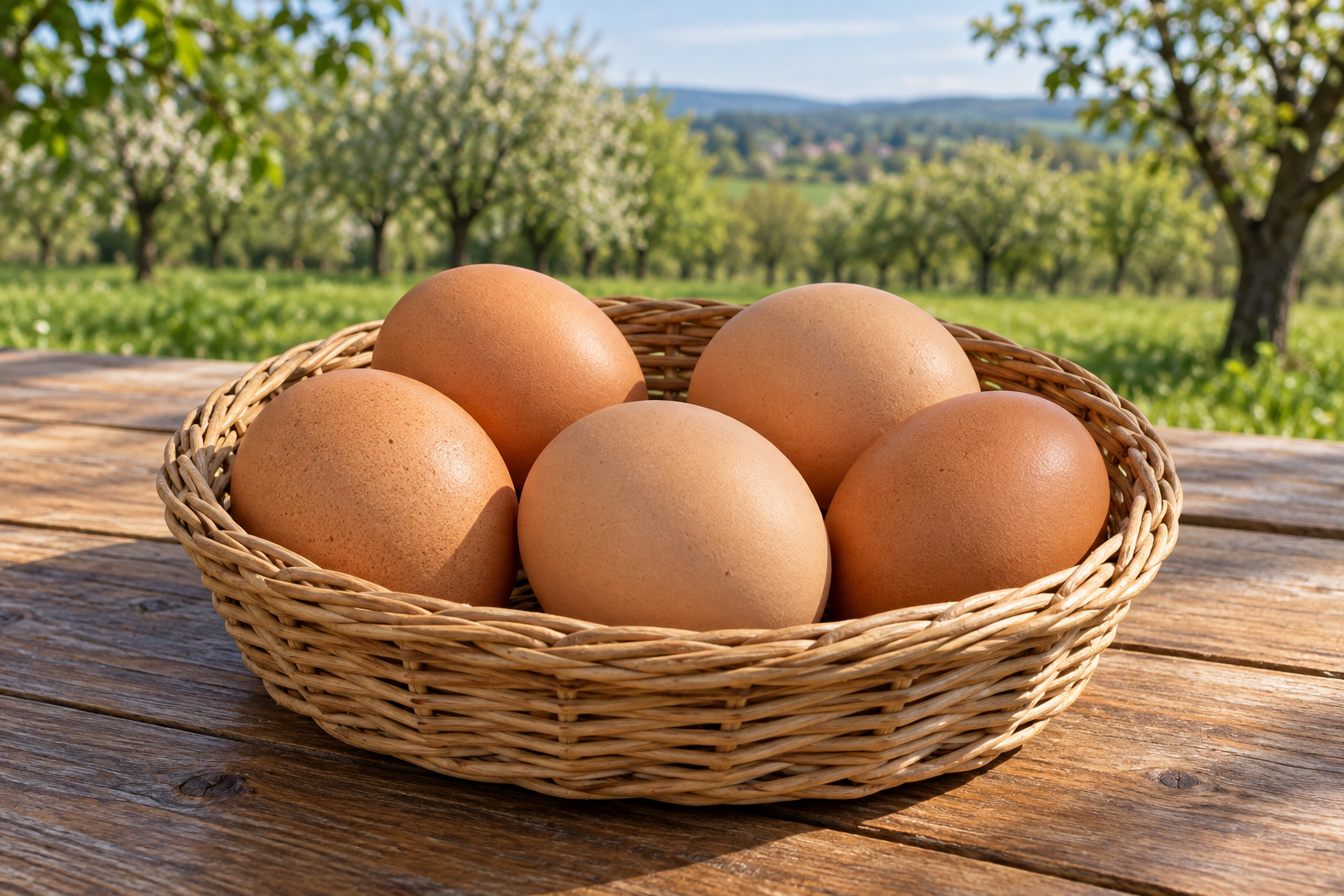
Commercial performance tables describe a defined housing system, age interval and measurement. ISA publishes separate guidance for different systems. A figure expressed as eggs per hen housed over a stated laying period is not the number every individual backyard hen will lay each calendar year.
This guide deliberately gives no annual egg-count guarantee, universal first-egg age or fixed productive lifespan. Ask the supplier which current guide applies to the birds and how your intended housing and feed differ from its assumptions. A pullet’s age and previous management matter when interpreting the first weeks after purchase.
For your own flock, record the date, number of hens present, eggs collected and relevant changes. Keep molt, feed, weather, new arrivals and illness notes alongside the count. If you cannot reliably assign an egg to a hen, record the flock total. A precise-looking individual total built from guesses is less useful than an honest group record.
Poultry Extension’s egg-production guide explains the importance of age, light, nutrition and management. Use those factors to investigate a change, with veterinary advice when health signs are present. A chart can show that something changed; it cannot identify the cause by itself.
Housing and enrichment
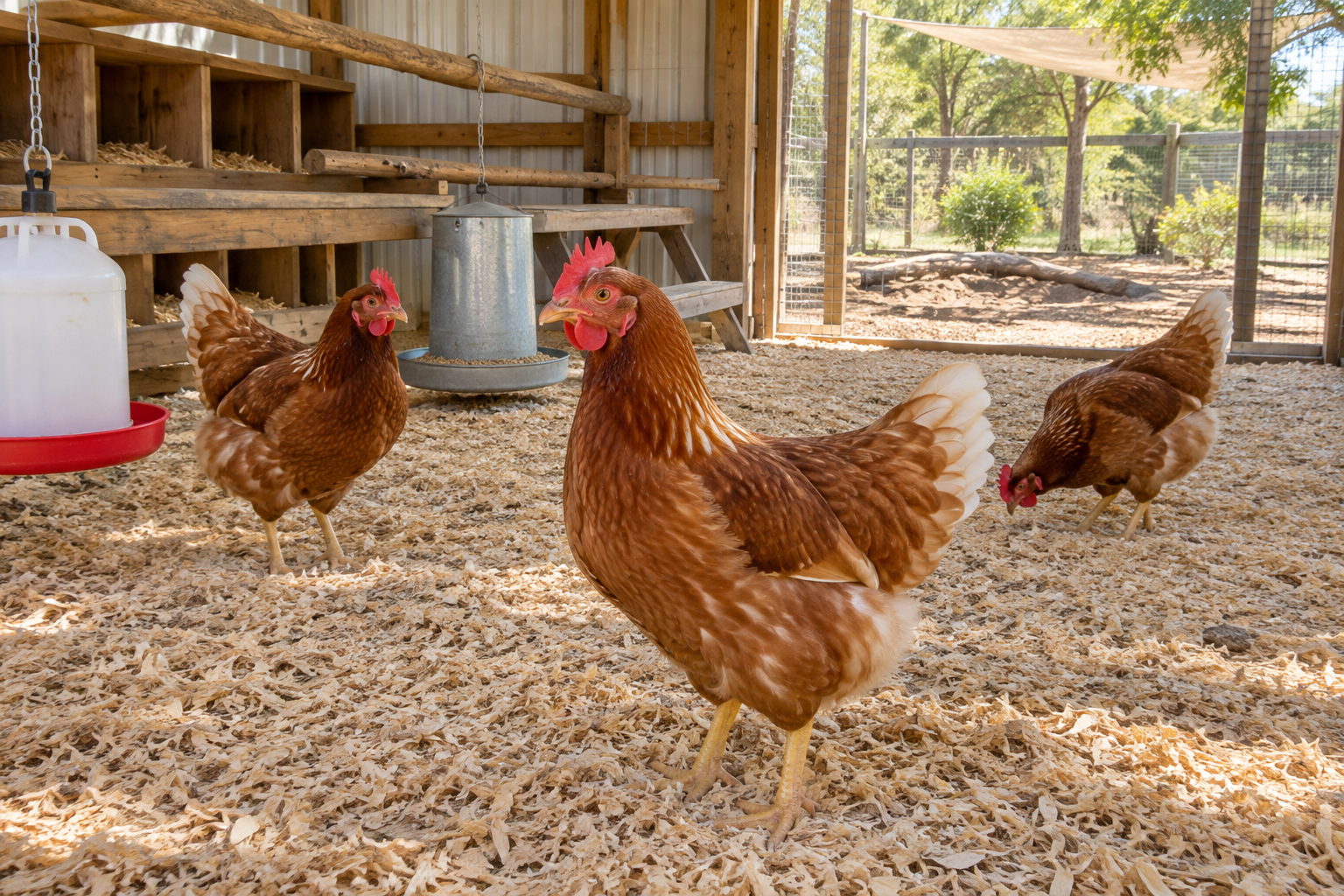
A chicken selected for commercial production still needs opportunities for ordinary chicken behavior. Provide flock companions, dry litter, usable roosts and nests, space to move and scratch, and a suitable dust-bathing area. Secure night housing, shade, ventilation and clean water remain essential whether birds are kept for eggs, companionship or both.
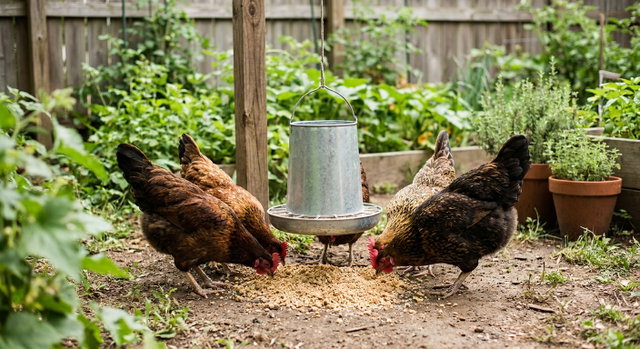
Poultry Extension’s housing overview emphasizes protection, space and access to resources. Avoid crowding around a single feeder or drinker. Check what happens when a dominant hen stands in the doorway, not just whether the coop looks roomy when empty. Our coop guide helps you plan the working layout.
The hybrid label does not guarantee docility or prevent pecking problems. Observe the actual flock and correct management problems rather than assuming every individual behaves alike. A hen newly moved from another housing system may need patient observation while learning the new arrangement. Ask about her previous access to nests, roosts and outdoors before bringing her home.
If your plan also includes seasonal meat birds, Broad Breasted White turkeys have a different grow-out and housing plan. Treat that as a separate turkey project rather than extending this chicken-layer setup.
Feed for the stage, not for a marketing number
Use a complete chicken ration suited to the age and laying stage, with continual access to clean water. University of Minnesota Extension explains balanced feeding and routine laying-hen care. Scratch, scraps and pasture are not substitutes for the formulated ration.
Use the supplier’s current management guide and a poultry adviser to plan feed and calcium provision. Do not assume a growing pullet needs the same ration as a laying adult. Do not add multiple supplements to a balanced ration or manipulate feed to force a particular output. If hens stop laying, investigate their stage, environment and health rather than using a higher target as a treatment.
Store feed so it remains dry and protected from pests, and keep feeders and drinkers clean. Record significant feed changes with dates. If a flock’s appetite or water use changes sharply, the observation is worth more than a remembered guess about when a new bag was opened.
Health, reproductive welfare and life after peak laying
Good care is about the hen as well as the eggs. Watch appetite, activity, breathing, movement, droppings and normal interaction. A change in laying without other signs may have several explanations; a weak hen, persistent straining, breathing difficulty or an abnormal vent needs prompt veterinary advice. Do not assume every non-laying bird is egg-bound.
Merck Veterinary Manual’s backyard-poultry guidance covers management-related and reproductive problems, including prolapse and egg binding. These are reasons to obtain appropriate help, not to attempt an invasive procedure from a short internet description. This guide gives no drug doses or home extraction instructions.
It would be misleading to promise that every ISA Brown has a short life, or that a specific birthday predicts reproductive disease. There is no ISA-wide lifespan estimate or disease rate asserted here. Plan housing, food and veterinary care for birds whose laying slows. Decide that responsibility before purchase, including when taking older hens.
Ask the source for vaccination, disease-test details and any known health history. Plan separate observation and gradual integration before adding birds to an established flock. Neither a commercial name nor an attractive feather coat is a health certificate.
Can you breed ISA Browns?
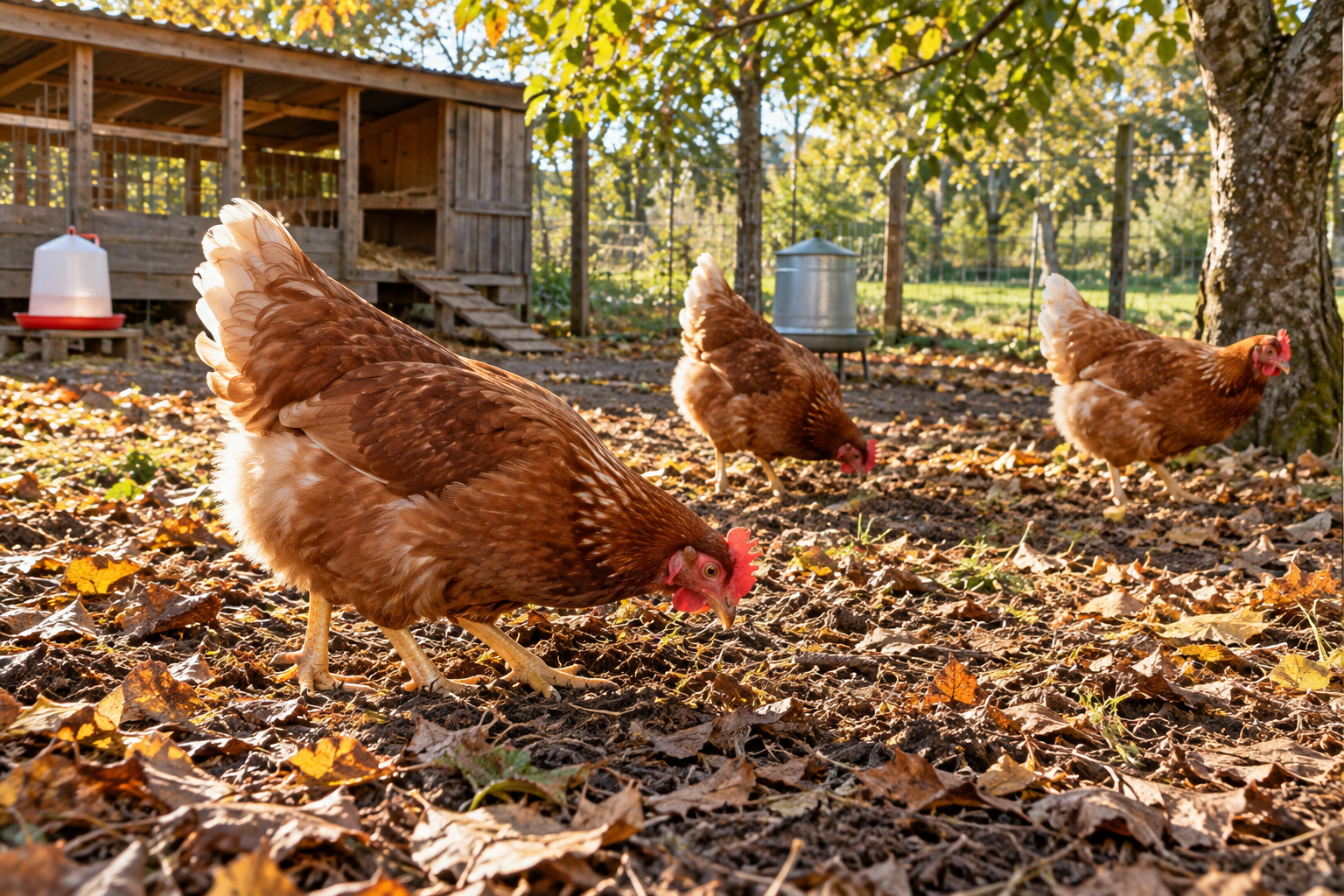
Commercial hybrid is not another word for sterile: a university study of local-chicken crosses used ISA Brown hens as parents. The important distinction is between producing offspring and reproducing the named commercial cross. Offspring from your own mating should be described with their actual known parentage, rather than guaranteed to be equivalent ISA Brown replacements.
If you want replacement commercial layers, ask an identified supplier about its stock and documentation. If you want a breeding project, start by defining its purpose, parent identities and a care plan for both sexes and variable offspring. Do not infer the manufacturer’s parent lines from a hen’s plumage.
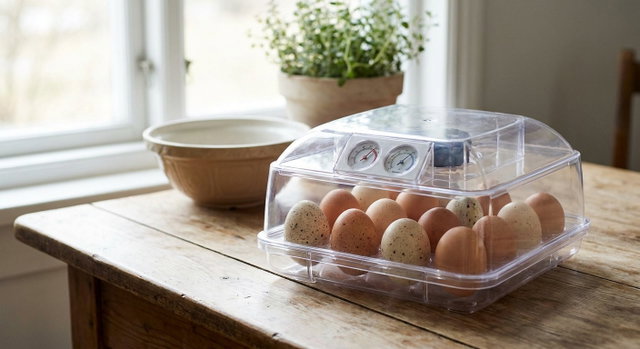
Creatures’ generic records can hold health, weight and breeding observations, and its signed-in clutch workflow can hold eggs set and hatch outcomes. The hatch-records guide explains the recordkeeping. Neither a typed pedigree nor a saved hatch record certifies the commercial product name. The chicken name generator can help name profiles if you keep individual hens.
For a different egg-color goal, the Olive Egger guide explains variable crosses selected for olive eggs. An ISA Brown and an Olive Egger are different descriptions, not interchangeable promises about a future chick.
Cost, availability and buying questions
Compare like with like. A day-old chick needs brooding and feed before laying; a pullet has an age and management history to verify; an older hen may have different care needs and output. Get current dated prices from the supplier, including sexing terms, delivery, minimum order and arrival arrangements. No nationwide synthetic average is useful here.
Budget for secure housing, feed, bedding, transport and veterinary access as well as the birds. The chicken cost guide helps organize those costs. The chicken buying guide compares purchase stages.
Before paying, ask:
- Who supplied these birds, and what supports the ISA Brown name?
- What are the hatch date, sexing basis and sale terms?
- What feed, lighting and housing have they had?
- Are any laying figures actual records from this flock or commercial guide objectives?
- What vaccination, testing and known-health information is available?
- If buying older hens, why are they being moved and what support will they need after arrival?
Listings and directory profiles can help you find leads. They do not prove that suitable stock is available, that the identity is verified or that every seller’s production claim is accurate.
Frequently asked questions
Is ISA Brown a heritage breed?
It is a named commercial hybrid layer. A backyard mating is not a reliable way to recreate the manufacturer’s selected commercial cross.
Are all reddish-brown laying hens ISA Browns?
No. Other commercial layers can look similar. Source documentation matters more than feather color when identifying the named product.
Do they lay an egg every day?
Do not treat a production objective as an individual daily guarantee. Age, laying stage, environment, nutrition and health affect output. Record your flock’s results and investigate changes in context.
Must I replace a hen when laying slows?
That is a flock-management decision, not an instruction carried by the hybrid name. Make a responsible care plan before buying, including food, housing and veterinary help after peak production.
Are ISA Browns sterile?
Hybrid does not mean sterile. Producing offspring and reproducing the named commercial laying cross are different things. Describe any offspring honestly from the actual parents you know.
Do this next on Creatures
- Keep your chickens’ details together. Start an ISA Brown profile. No account is needed to start; a free account keeps it. See adding an animal.
- Keep observations. Add an egg, weight or health note. Opens for visitors; a free account saves it. Read adding a record.
- Wait for suitable birds. Save an ISA Brown search for future matching listings. This does not establish current stock. See saved searches and your watchlist.
- Check current offers. Browse filtered ISA Brown listings, then ask the source the questions above.
- Research sources. Browse breeder and farm profiles. Profiles are information to investigate, not a stock, genetic-identity or endorsement guarantee.
- Describe your operation. Start an organization profile. No account is needed to start. Read creating an organization and adding your team for the workflow.