Turkish Angora
A Turkish Angora is an active cat with a fine, silky coat and a habit of taking an interest in household life. Its elegant outline can make it look more delicate than it is. The useful buying question is whether you want a curious companion whose environment and daily interaction deserve as much thought as its appearance.
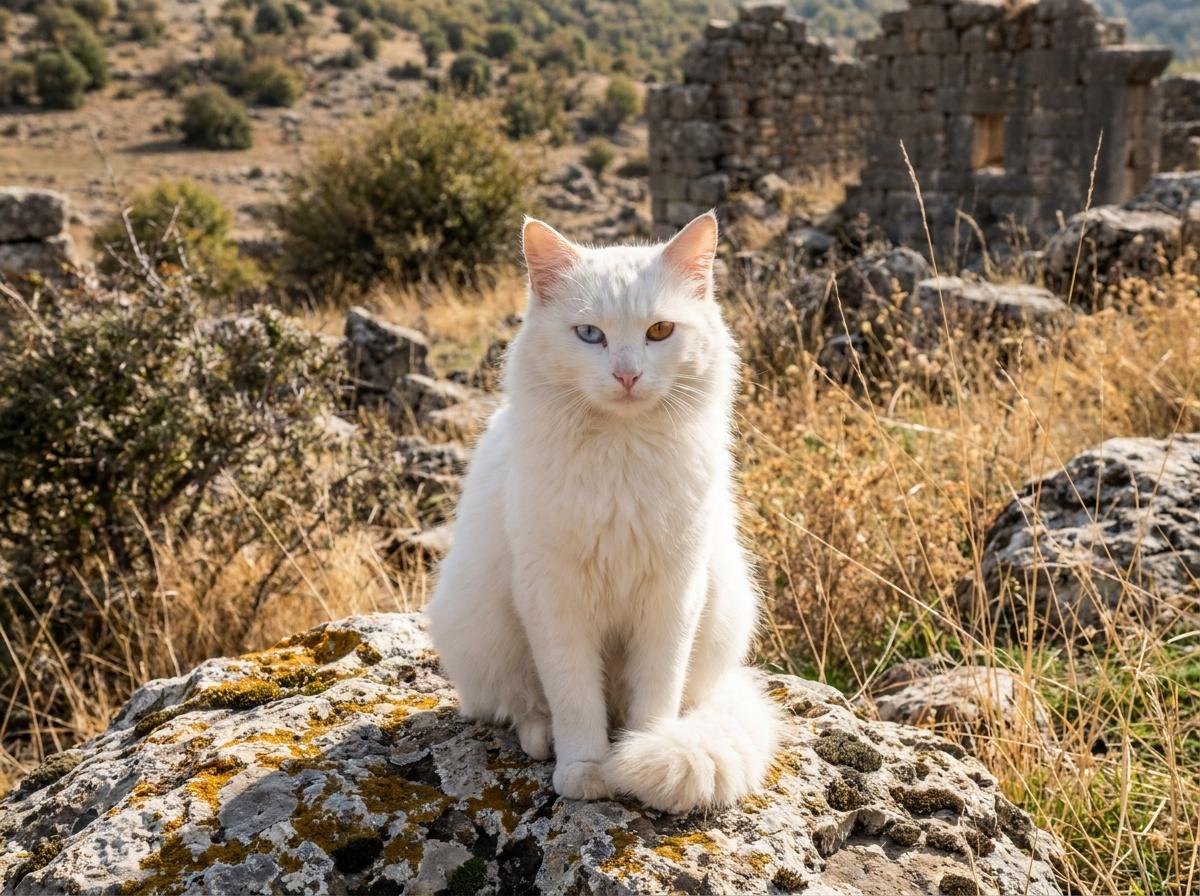
If you are comparing kittens or adult cats, use the Creatures breeder directory to organize conversations about ancestry, handling and the home each animal knows. A photograph of a white longhaired cat cannot settle those questions. You can also save a Turkish Angora listing alert to get an email when a matching animal is listed.

AI-generated illustration.
| Origin | Turkey; preservation programs from the 1930s |
|---|---|
| Build | Long and slender with fine bone |
| Coat | Silky single coat and full tail plume |
| Colors | Many; CFA excludes chocolate, lilac and points |
| Eyes | Blue, green, amber or odd eyes |
| White-cat check | Ask about BAER hearing assessment |
Browse listings, public profiles, breeders, or add your animal.
What makes a Turkish Angora a Turkish Angora?
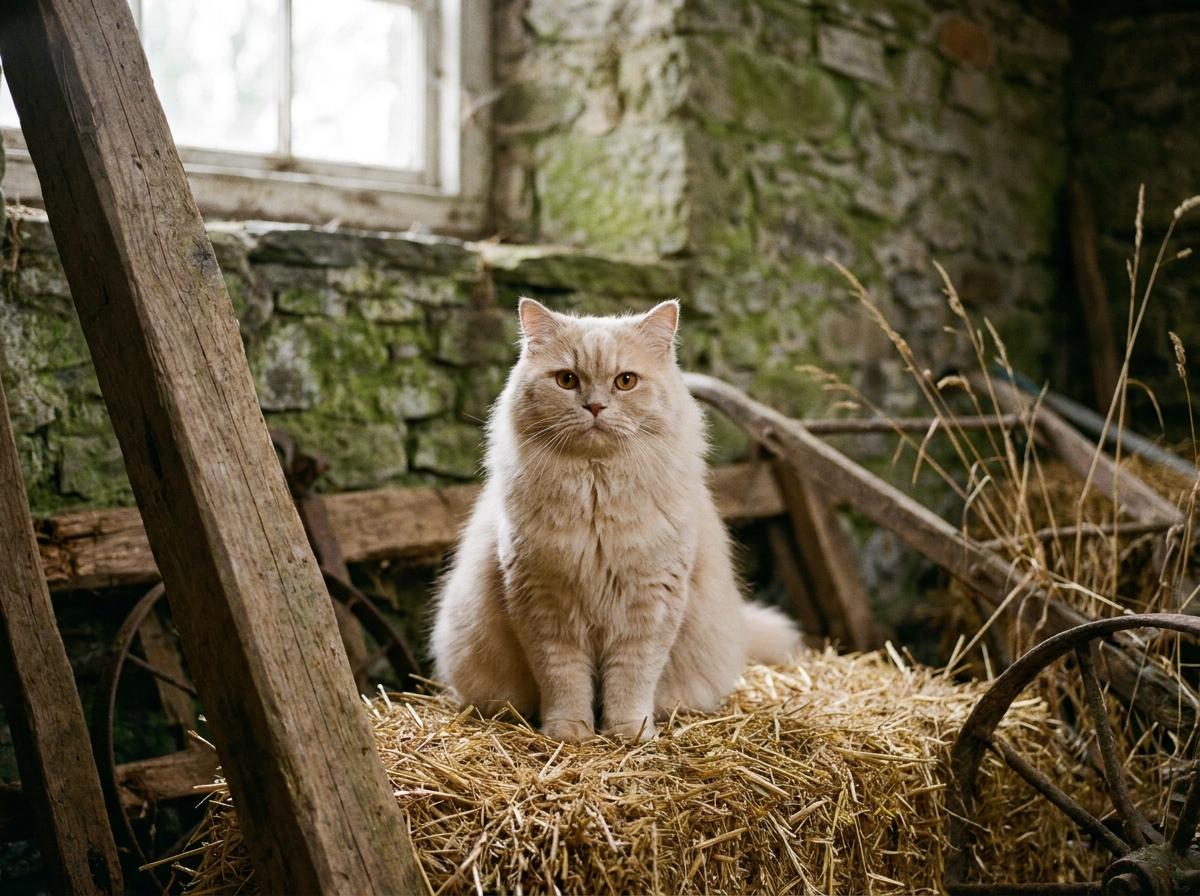
The CFA breed profile and standard identify a Turkish breed with a long, muscular body, a wedge-shaped head, large upright ears and a plumed tail. The coat is silky and single rather than a heavy undercoat wrapped in long guard hairs. White is familiar, but the breed includes many other colors and patterns.
The CFA history describes Turkish zoo preservation programs established in the 1930s after the breed had become scarce. The first US arrivals in 1954 were understood as an all-white breed; CFA now permits many colors, excluding chocolate, lilac and pointed patterns. White is an important part of the history, not the entire modern standard.
Those details describe a registered breed. They do not provide a reliable ancestry test for an unregistered cat. If a seller uses “Angora” loosely for any fluffy kitten, ask what registry and pedigree support the label. A mixed-breed cat may be an excellent companion without needing a more specific identity.
The Turkish Van is a useful comparison because the names are easy to confuse. It has a substantially different build and breed history. Begin with the relevant pedigree rather than treating the two names as interchangeable. The wider cat guide can help you compare other types before narrowing your search.
A house arranged for participation
Plan where this cat can watch what you are doing without occupying the unsafe version of the same place. A stable lookout near your workspace may be more useful than repeatedly moving a cat off your keyboard. A reachable resting platform can replace a precarious route to a cupboard top. Keep access to hot cooking surfaces, open appliances and escape routes controlled.
Make a simple room plan before shopping for furniture. Mark resting places, scratching surfaces, food, water and litter locations. Then look at how a cat moves between them. In a home with other animals, an apparently generous room can still have a narrow doorway where one animal blocks another.
Ask the current keeper for examples of the cat’s day: what it does after breakfast, how it reacts when a visitor arrives, where it sleeps and what kind of play holds its attention. “Very friendly” is less useful than an account of actual behavior. A cat that enjoys company may still prefer contact while standing on its own feet.

AI-generated illustration.
White cats, eye color and hearing
Hearing deserves a specific conversation when considering an all-white cat. Cornell’s explanation of white cats and deafness distinguishes hearing risk from the mistaken belief that blue-eyed white cats are more prone to blindness. The risk of hereditary deafness is higher when one or both eyes are blue. Cornell summarizes research in white cats: 17-22% with non-blue eyes were born deaf, compared with about 40% with one blue eye and 65-85% with two blue eyes. These are population estimates for white cats, not a diagnosis or a Turkish Angora-specific rate. Cornell also explains that one-sided deafness can be difficult to notice in everyday life.
Ask whether a white kitten has had a BAER (brainstem auditory evoked response) hearing test and request the report. CFA notes that some parts of the world require this test for white kittens. Looking at eye color or clapping behind a kitten is not a substitute for a veterinary assessment. A seller who says a kitten “hears perfectly” should be able to explain what that statement is based on.
Deaf cats can be rewarding companions with suitable care. Cornell advises against unsupervised outdoor access for deaf cats because they cannot hear threats such as traffic or approaching dogs. Discuss practical communication and safe access with your veterinarian rather than treating deafness as either a cosmetic detail or a reason a cat cannot have a good life. No coat color is a universal health certificate.
Learn the coat before choosing the comb
The silky single coat is less prone to matting than a dense double coat. CFA describes relatively light combing needs in young cats, with more attention sometimes needed as they age. Still, a long coat can conceal where grooming work is actually needed. Ask for a demonstration on the cat you may bring home, including how the keeper checks behind the ears, under the front legs and around the rear. Watch whether the cat stays comfortable, whether the tool moves easily and whether the keeper can explain what changes during shedding.
Start with the current routine and adjust it to what you observe. Keep sessions short enough that you can stop while the cat is comfortable. If you find a tight mat or a painful area, ask a groomer or veterinary team for help rather than trying to cut close to skin. The point is comfortable maintenance, not achieving a show finish at any cost.
Include grooming supplies and outside help in the household budget even if you expect to do most of the work yourself. Someone needs to know the routine during travel or illness. A written note describing the tools, tolerances and problem areas is useful for that handover.
Choosing a kitten or an adult
A kitten gives you the chance to build routines from the beginning, but also asks you to manage an unfamiliar household transition. An adult can offer a clearer picture of coat, size and established preferences. Neither route guarantees an easy fit. Ask the same direct questions about litter habits, handling, veterinary history and experience with other animals.
Meet the animal in a way that allows it to approach or retreat. Do not use a forced cuddle as the test of a friendly cat. If children live in the home, explain that choosing a companion does not mean choosing an animal that must accept every kind of handling.
Before a deposit, request the proposed agreement and the documents it references. Confirm the animal’s identity, registration terms, known medical information, departure arrangements and what happens if the placement fails. Ask who remains available for questions after collection and how to contact them.
Budget for the whole placement
A quoted purchase price is only one part of the decision. Request a current written quote and separate the cat’s price from transport, registration changes and anything described as included. Avoid comparing two headline prices until you know whether they cover the same things.
Prepare another list for the home: a secure carrier, suitable litter equipment, stable furniture, grooming tools, routine veterinary care and an emergency reserve. Ask your clinic for its own charges. The cat cost guide provides a framework for those categories; local quotes are more useful than an unsupported breed-wide average.

AI-generated illustration.
Keep the first weeks simple enough to observe
For a white kitten, retain the hearing report alongside its other clinical records. The kitten vaccination guide helps you prepare the separate immunization history for your clinic.
Before arrival, agree on who feeds, who cleans and who notices changes. Put the current food and litter details in writing, along with medication instructions from the veterinarian if relevant. Keep the original documents rather than relying on a summary passed through several conversations.
During settling in, record useful observations without turning every preference into a diagnosis. “Stayed on the upper shelf while the vacuum ran” tells a future carer more than “nervous.” If the behavior is new, persistent or accompanied by a physical change, discuss it with your veterinary team. A breed personality description should never explain away a problem in an individual cat.
Turkish Angora questions
Are Turkish Angoras always white?
No. CFA recognizes multiple colors and patterns. White is strongly associated with the breed, but it is not the only legitimate appearance.
Is my white longhaired cat an Angora?
Appearance alone cannot establish pedigree. Lay out known parents in the free cat pedigree chart maker, compare them with the issuing registry’s papers and leave unknown ancestors blank.
Is the Turkish Angora the same as the Turkish Van?
No. Compare the relevant breed standards and pedigrees. Similar place-based names do not make them interchangeable.
Can a deaf Turkish Angora be a companion?
Yes, with a suitable home and a plan for communication and safety. Ask a veterinarian about the individual cat’s hearing and needs.
Do this next on Creatures
Still looking? Get an alert when a Turkish Angora is listed, browse Turkish Angora breeders, or check current Turkish Angora listings. The Help Center explains saved searches and email alerts.
Already caring for one? Add a record when you have a dated document or useful observation. The form opens for visitors; a free account is needed to save. The Help Center explains adding an animal and adding a record.
Breeders and organizations can create an organization profile for their work. The organization and team guide explains the setup.