Turkish Van
A Turkish Van is a sturdy, active cat best known for a mostly white coat with color on the head and tail. Its nickname, the swimming cat, can distract from the more useful question: how will this particular animal live with your household, accept handling and use its space?
Listings may be scarce. Get a Turkish Van listing alert on Creatures, then use the questions below to assess ancestry, handling and the home each cat needs.

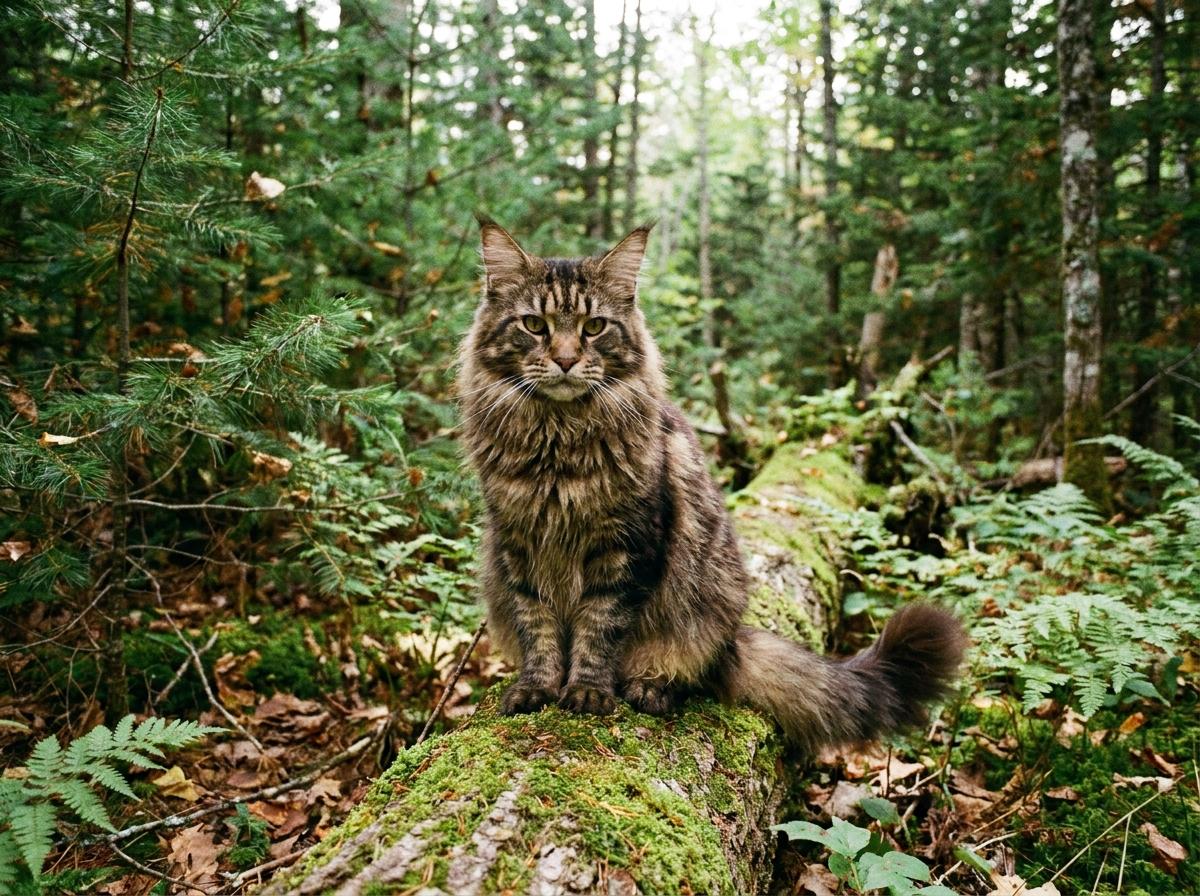
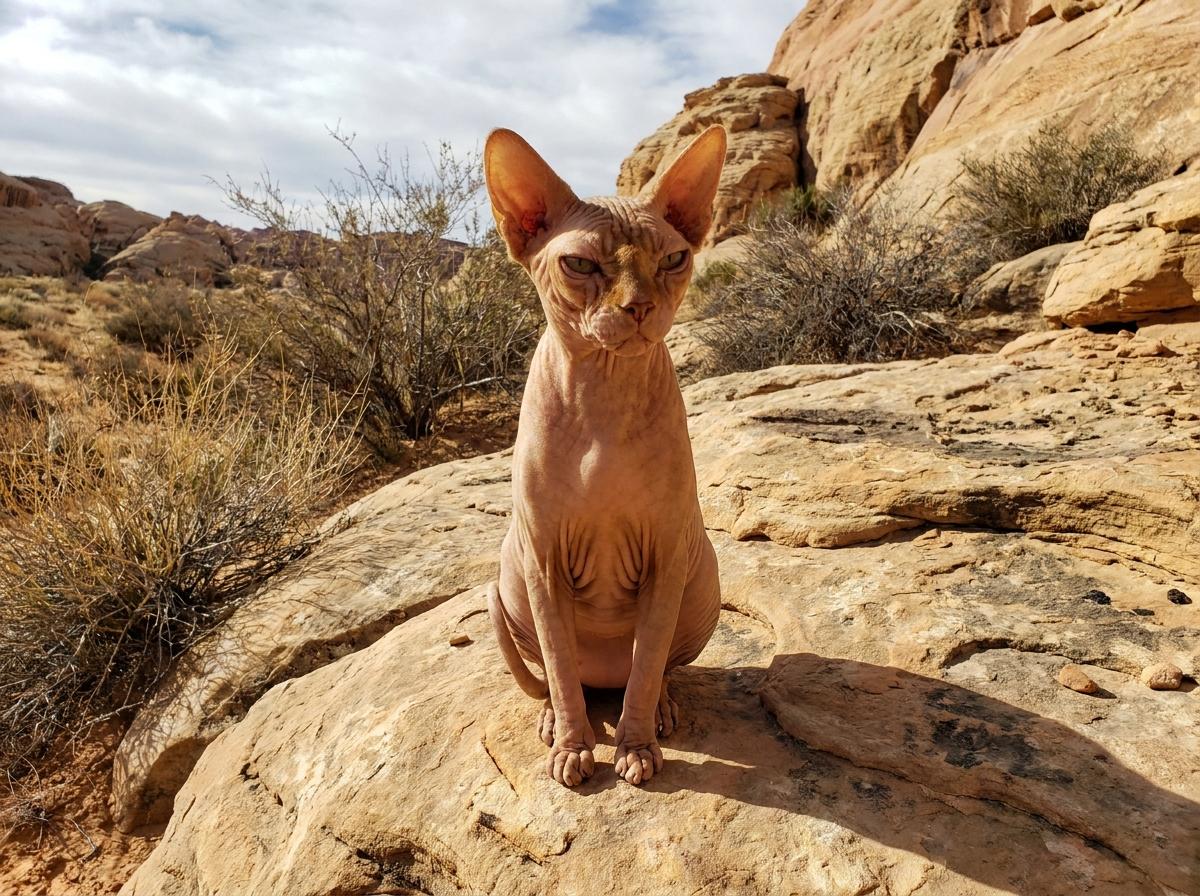
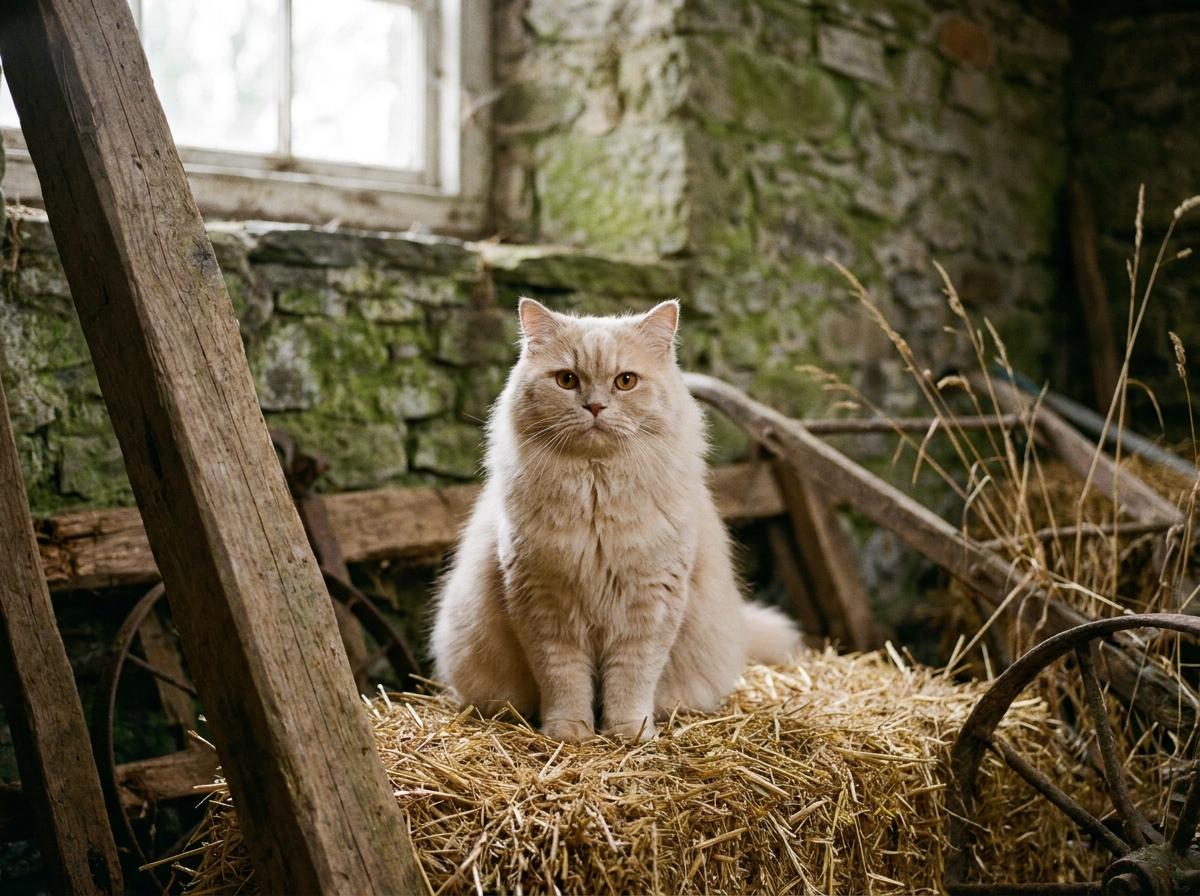
AI-generated illustration.
| Modern history | 1955 imports to Britain; CFA championship 1994 |
|---|---|
| Build | Broad, muscular and substantial |
| Maturity | About 3 to 5 years |
| Eyes | Amber, blue or odd eyes |
| Coat | Seasonal semi-longhair without undercoat |
| Pattern | Mostly white, with color on head and tail |
Browse listings, public profiles, breeders, or add your animal.
Breed and pattern are different things
The CFA Turkish Van profile and standard describe a muscular, broad-bodied, semi-longhaired breed associated with Turkey. Its modern registered history began with a pair brought to Britain in 1955. CFA first recognized the breed in 1988 and granted championship status in 1994. A Turkish Van is distinct from the more slender Turkish Angora.
The word “van” also describes a coat pattern that appears in other breeds and in cats without pedigrees. Seeing color on the head and tail of a white cat does not prove Turkish Van ancestry. Ask what supports the breed label, especially when the seller relies entirely on appearance.
CFA accepts amber, blue or odd eyes. Color is preferred on the head and tail, although limited body markings are allowed by its standard. Maturity takes about three to five years; CFA says mature males may reach 20 pounds, with females smaller. Do not feed toward that upper example. Discuss the individual cat’s healthy condition and choose equipment for its expected adult frame.
Use the free cat pedigree chart maker to compare named ancestors with the original documents. A van-pattern photo cannot fill missing pedigree positions.
Does a Turkish Van need to swim?
No. Reports of a breed’s interest in water are not instructions to put a cat into a bath, pool or lake. A cat that investigates a dripping tap has not agreed to immersion. Never arrange a swimming test to prove its breed or to make a photograph.
Ask what the individual already does around water, and secure the household accordingly. Keep unattended baths, open toilets and other potential traps out of its access. If the cat likes watching a faucet, supervise the interaction and allow it to leave. Ordinary drinking water should remain easy to reach regardless of its interest in play.
The same principle applies to other entertaining descriptions. “Doglike” might refer to following people or retrieving a toy. It does not mean that the cat shares a dog’s needs, training history or comfort with restraint. Use observable behavior rather than a nickname when planning care.

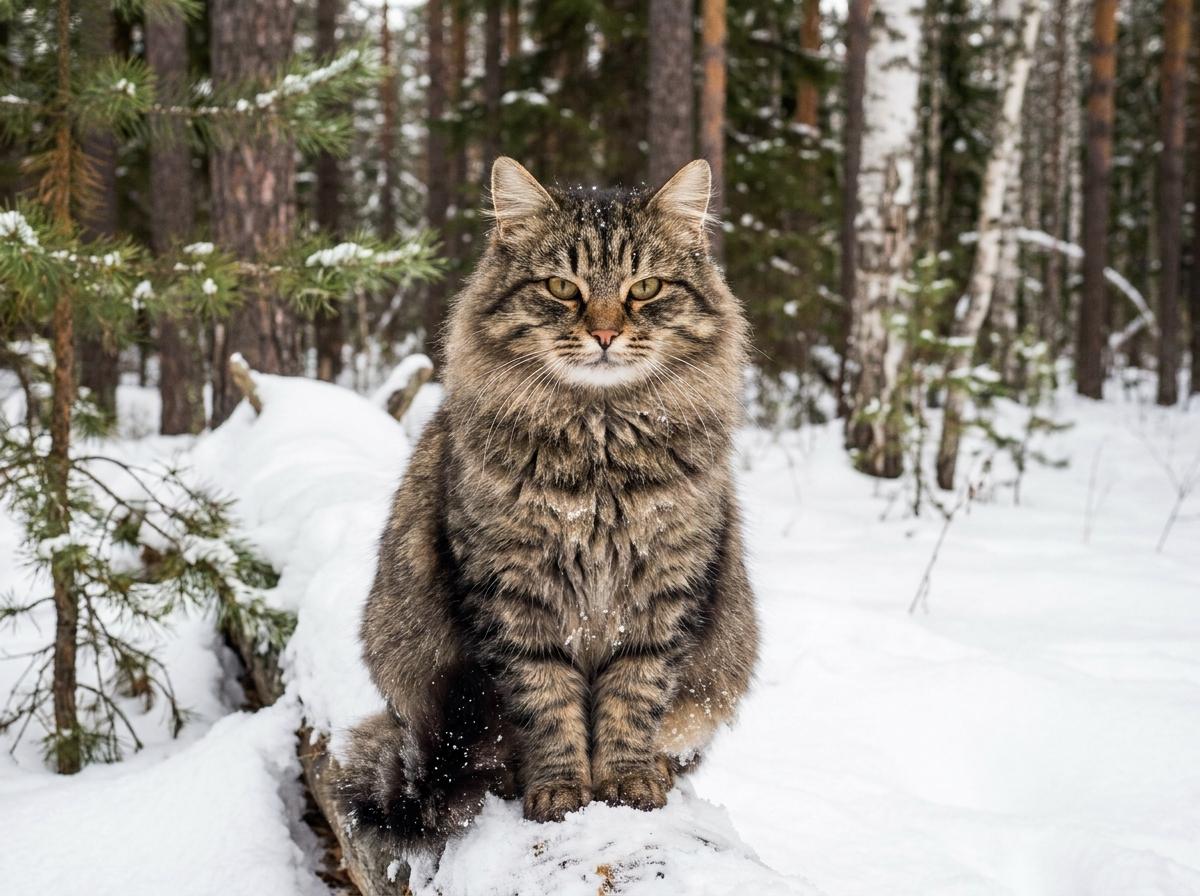
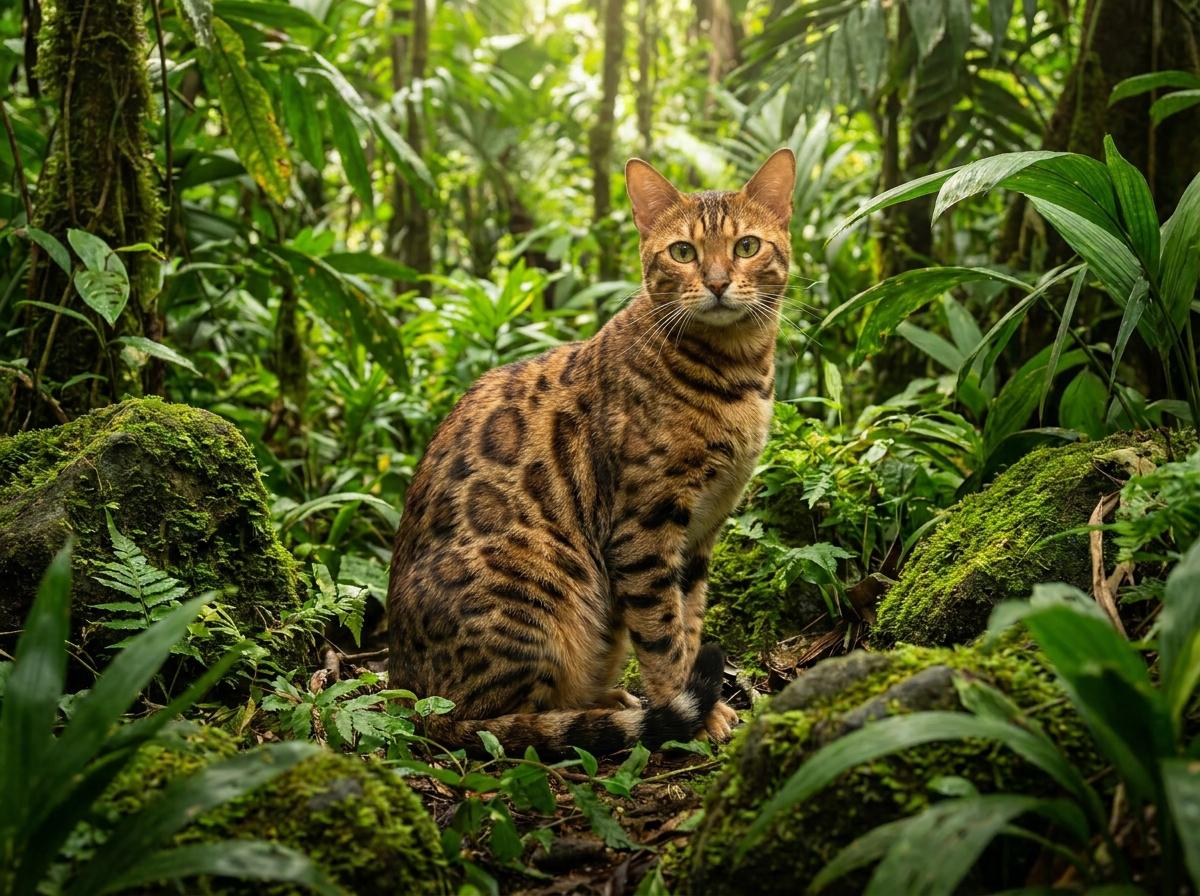
AI-generated illustration.
Affection without constant carrying
CFA specifically describes Turkish Vans as seeking closeness while often disliking being carried. A cat can enjoy sitting beside you without welcoming lifting. Ask the keeper how this one seeks contact and what they do when it needs to enter a carrier or be examined. A relaxed response to necessary handling is useful information; being held still for a long photograph is not a meaningful temperament test.
Make floor-level interaction part of the household routine. Let children sit quietly and allow the cat to approach. Agree that anyone who picks up or handles the animal must stop when it becomes uncomfortable, with adult supervision where appropriate. If lifting is difficult or painful, get veterinary advice instead of labeling the animal stubborn.
AAHA’s cat training guidance supports teaching useful behaviors through positive reinforcement. A carrier that the cat enters voluntarily is a worthwhile training goal. Start with an easy step, reward it and finish before the interaction becomes a struggle. Ask a qualified professional for a plan if fear has already become established.
Arrange space for a substantial cat
Check the equipment you already own rather than assuming anything sold for cats will suit. Does the carrier allow the adult to turn comfortably? Are platforms stable under a landing? Can the cat stretch on its resting surface? Is the litter area accessible without squeezing through a narrow entry?
These questions matter especially for a kitten in a breed that can take three to five years to mature. Ask to see adult relatives when possible, and choose durable equipment with the eventual cat in mind. Do not make furniture height a contest. A stable route that the animal uses confidently is more valuable than a dramatic tower.
For a first home setup, decide where the cat can retreat and where it can participate. A person working at a desk may want a nearby resting spot; a busy kitchen needs a safe alternative to the work surface. Keep doors, screens and household hazards part of the plan.
Coat care through changes in appearance
The Turkish Van has no undercoat, and its seasonal appearance can be striking: the summer coat may look almost shorthaired, while winter brings much greater length and fullness. CFA suggests weekly combing in the lighter summer coat and more attention when needed in winter. Ask for recent photographs from different parts of the year and for a demonstration of the current grooming routine. A shorter-looking summer coat should not be judged against a full-coated winter portrait without context.
Keep the grooming plan responsive to what your cat needs. Notice whether a comb catches, whether loose hair increases and whether the animal objects to a place it previously accepted. Seek help with tight mats or painful skin rather than escalating restraint. A coat that looks clean does not tell you everything about the skin beneath it.
Choose a care routine another responsible person can repeat. Keep the tools together and record any tolerances that matter. If a professional groomer will help, discuss cat handling and the intended service before booking. A buyer should understand those practical needs before being persuaded by a luxurious coat.
What to ask before paying
Start with identity and history. Ask for registration information, parent identities, current veterinary records, the departure plan and a written agreement. If a particular test is mentioned, request the report and clarification about which animal it covers. A vague promise of a “fully tested line” leaves too much unanswered.
Then ask about home life: other animals, visitors, ordinary household sounds, time alone and the situations the cat finds difficult. An adult placement may offer particularly useful answers. A kitten’s future personality cannot be guaranteed, but its experiences so far should be described honestly.
Request an itemized current quote rather than relying on an advertised minimum. Clarify whether a deposit is refundable, what transport arrangements involve and what support is offered after collection. Use the cat cost guide to build a separate care budget, including veterinary services and help during your absence.

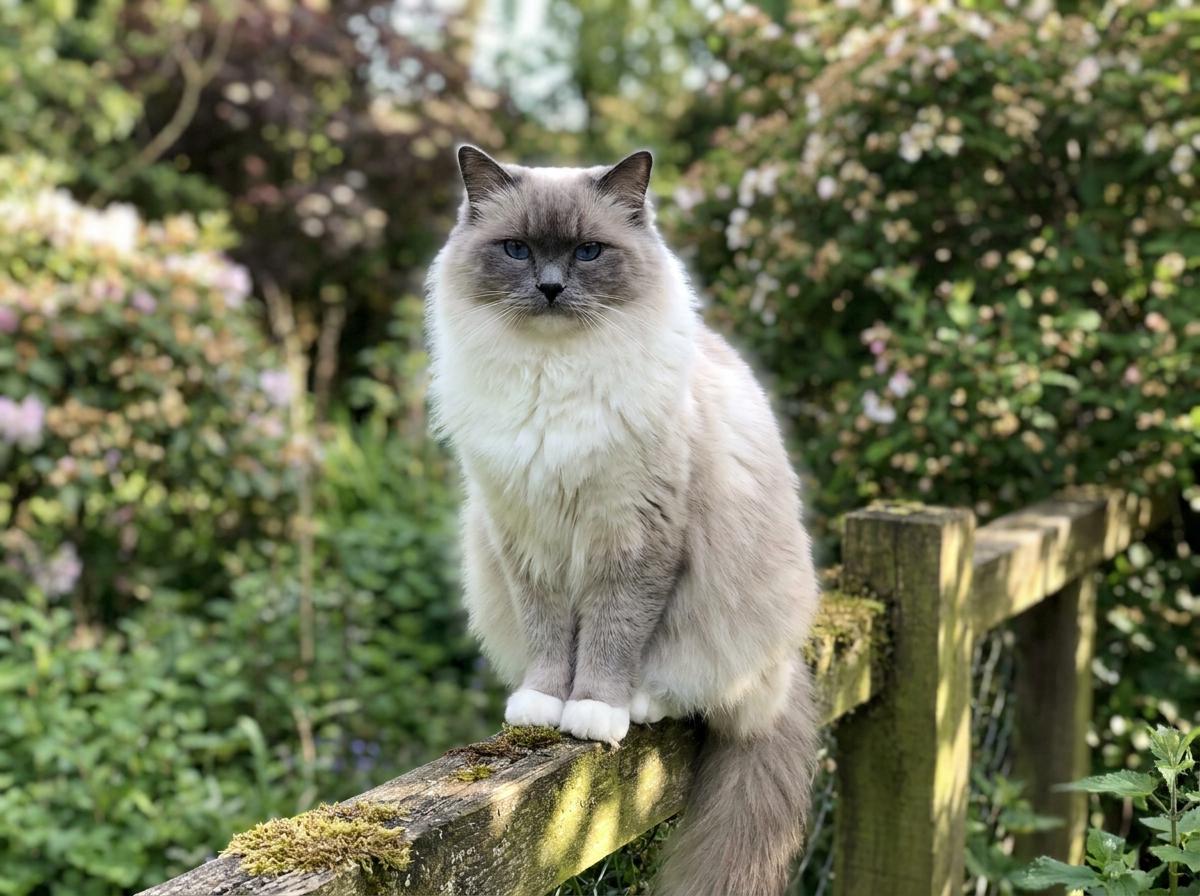
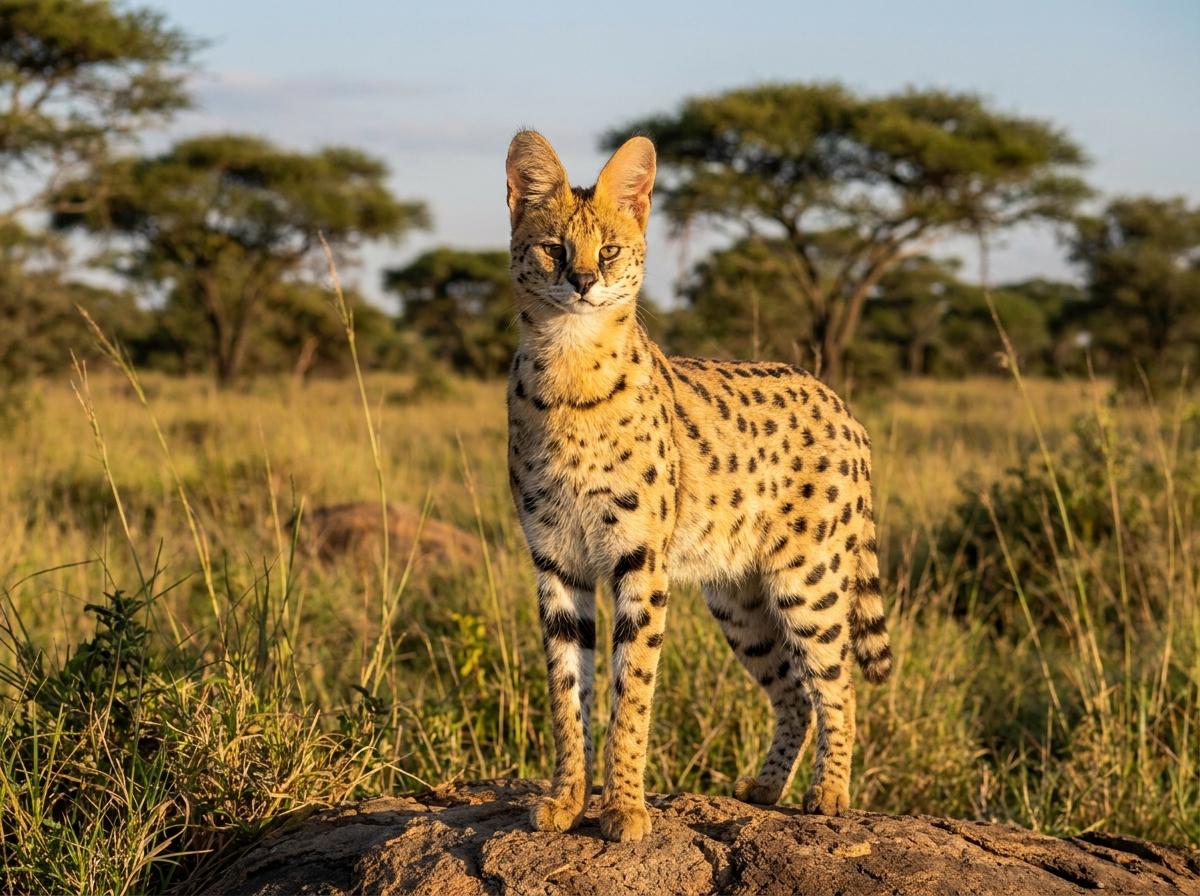
AI-generated illustration.
Make the records match the animal
A slowly maturing body does not supply a vaccination schedule. Bring the kitten’s existing records to your clinic; the kitten vaccination guide helps organize the conversation.
Keep the call name, registered name and identifying information together so documents do not become detached from their subject. Save originals of veterinary results and agreements. For a seller’s anecdote, record who said it and when instead of turning it into an established fact.
Useful notes also include the animal’s preferred carrier setup, handling approach and familiar play. If someone else takes over care, they should not have to infer those details from a breed description. Review the broader cat ownership guides when comparing practical needs across your shortlist.
Turkish Van questions
Is a cat with a van pattern necessarily a Turkish Van?
No. The pattern can occur outside the breed. Reliable ancestry and registration information support a breed claim.
Must a Turkish Van enjoy water?
No. Treat the animal’s own choices as decisive. There is no need to force swimming, bathing or water play.
Are Turkish Vans and Turkish Angoras the same?
No. They are different breeds with different type and histories. Similar names are not evidence of interchangeability.
Can one be affectionate without liking to be held?
Yes. Seeking proximity and tolerating restraint are different behaviors. Ask about the individual’s preferences.
Do this next on Creatures
Still looking? Get an alert when a Turkish Van is listed, explore the wider cat breeder directory, or check current Turkish Van listings. The wider directory is not a promise that this breed is represented. The Help Center explains saved searches and email alerts.
Already caring for one? Add a record when you have a dated document or useful observation. The form opens for visitors; a free account is needed to save. The Help Center explains adding an animal and adding a record.
Breeders and organizations can create an organization profile for their work. The organization and team guide explains the setup.