Siberian
Author: Elliott Garber, DVM · Published
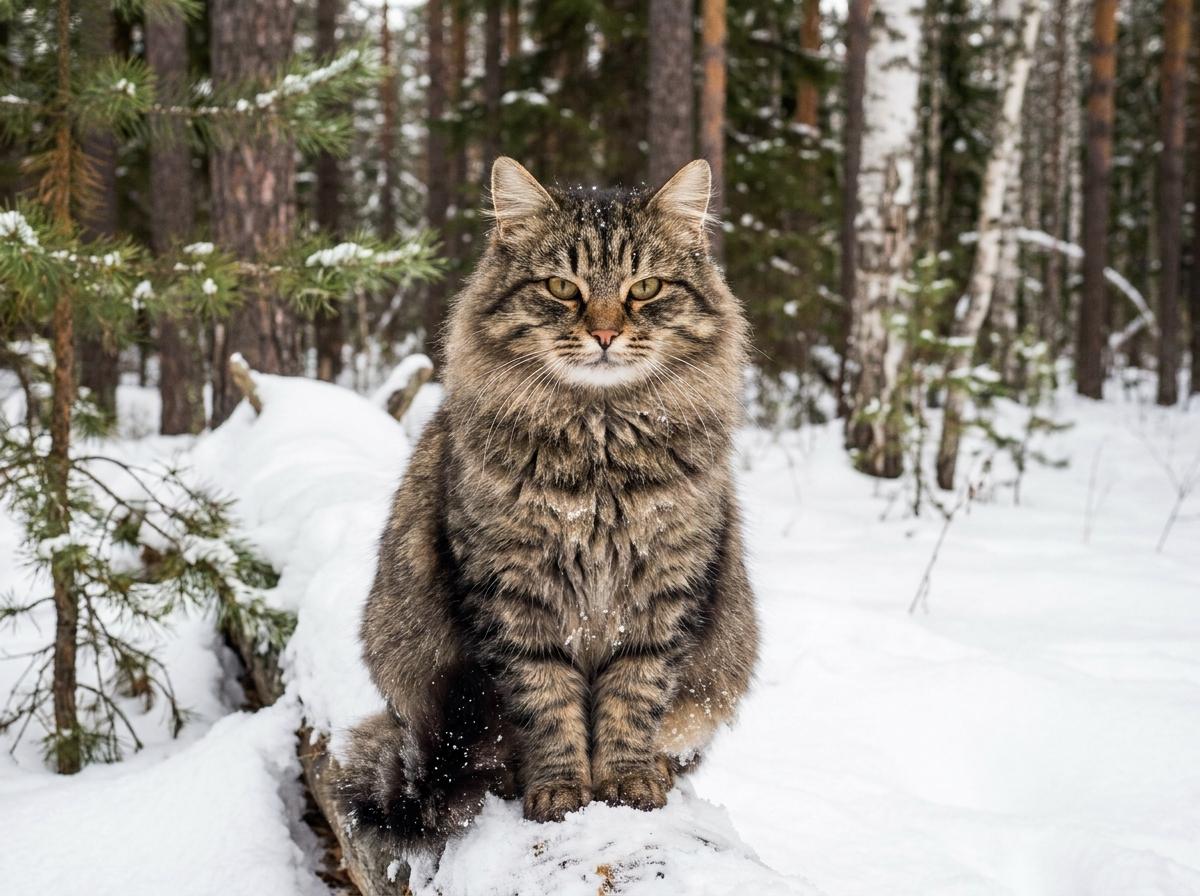
The Siberian is a substantial, muscular cat with a thick coat that changes with the season. It can suit someone who wants an interactive companion and is ready for grooming, sturdy furniture and a careful health handover. Its reputation as a hypoallergenic cat should never replace a conversation about your own allergies. You can begin comparing sources and questions in the Creatures breeder directory. You can also save a Siberian listing alert to get an email when a matching animal is listed.

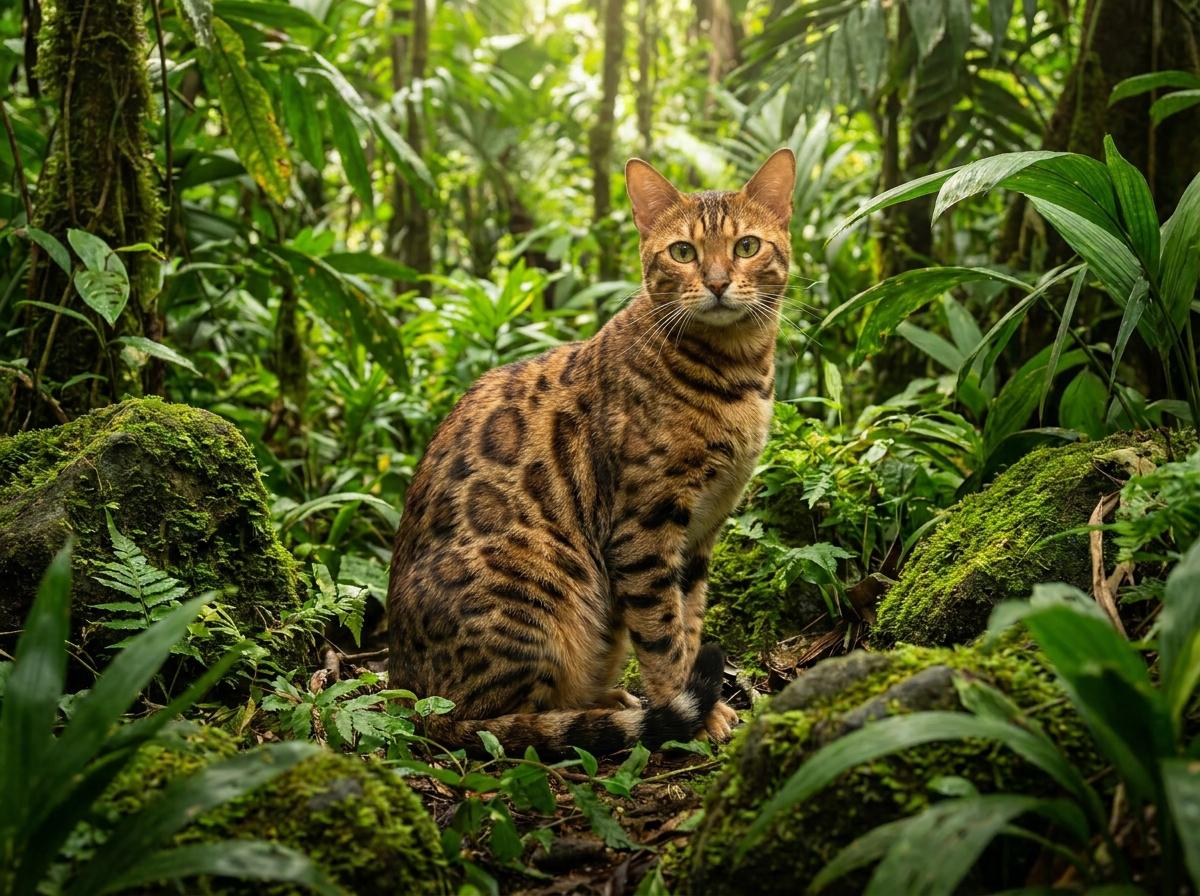
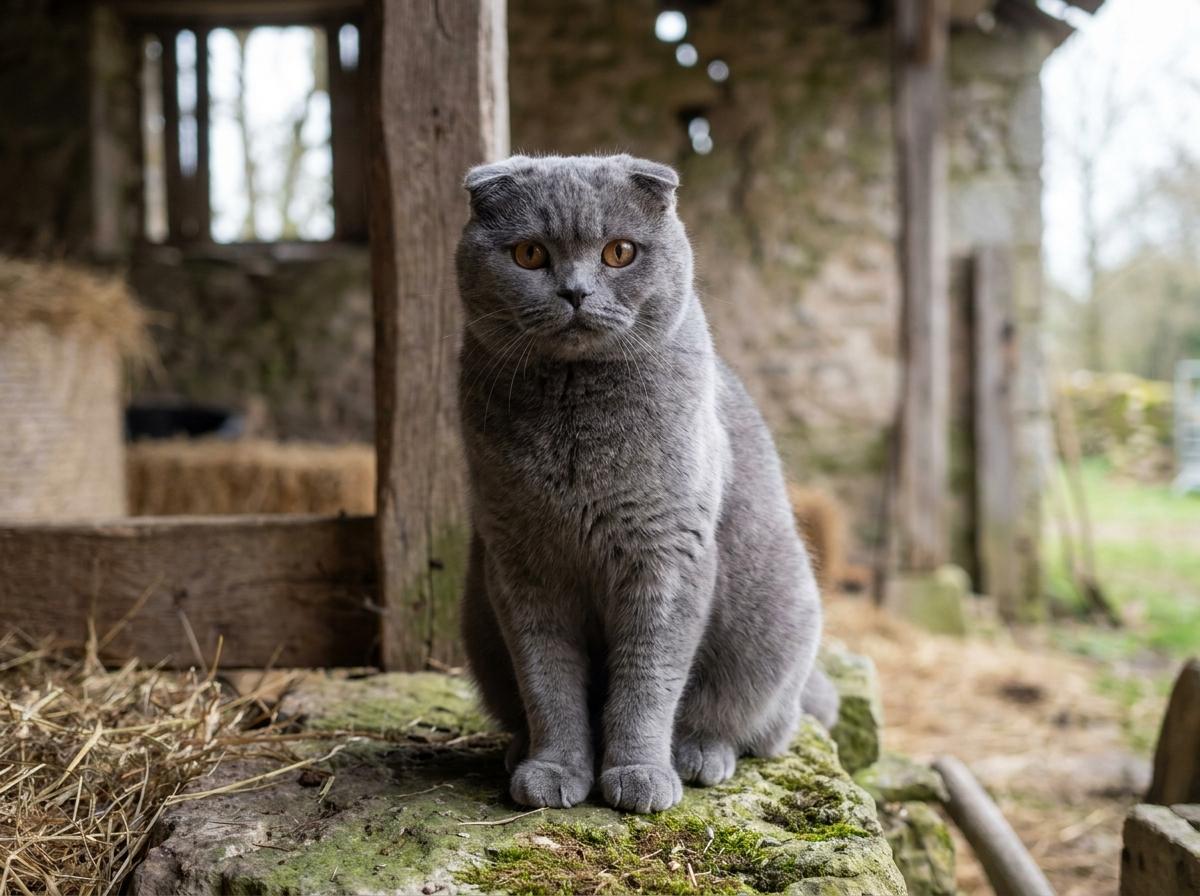
AI-generated illustration.
| Origin | Russia; natural-origin forest cat |
|---|---|
| CFA recognition | Registration 2000; championship 2007 |
| Adult size | Males about 12 to 18 lb; females 8 to 12 lb |
| Coat | Dense triple coat, lighter in summer |
| Maturity | Can take up to 5 years |
| Allergies | No breed guarantees tolerance |
Browse listings, public profiles, breeders, or add your animal.
The Siberian’s shape matters more than a giant-cat label
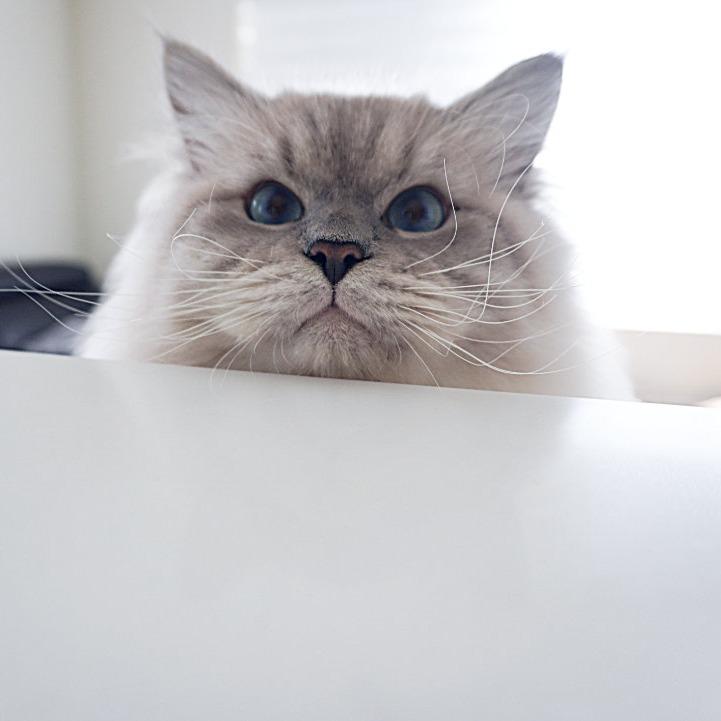
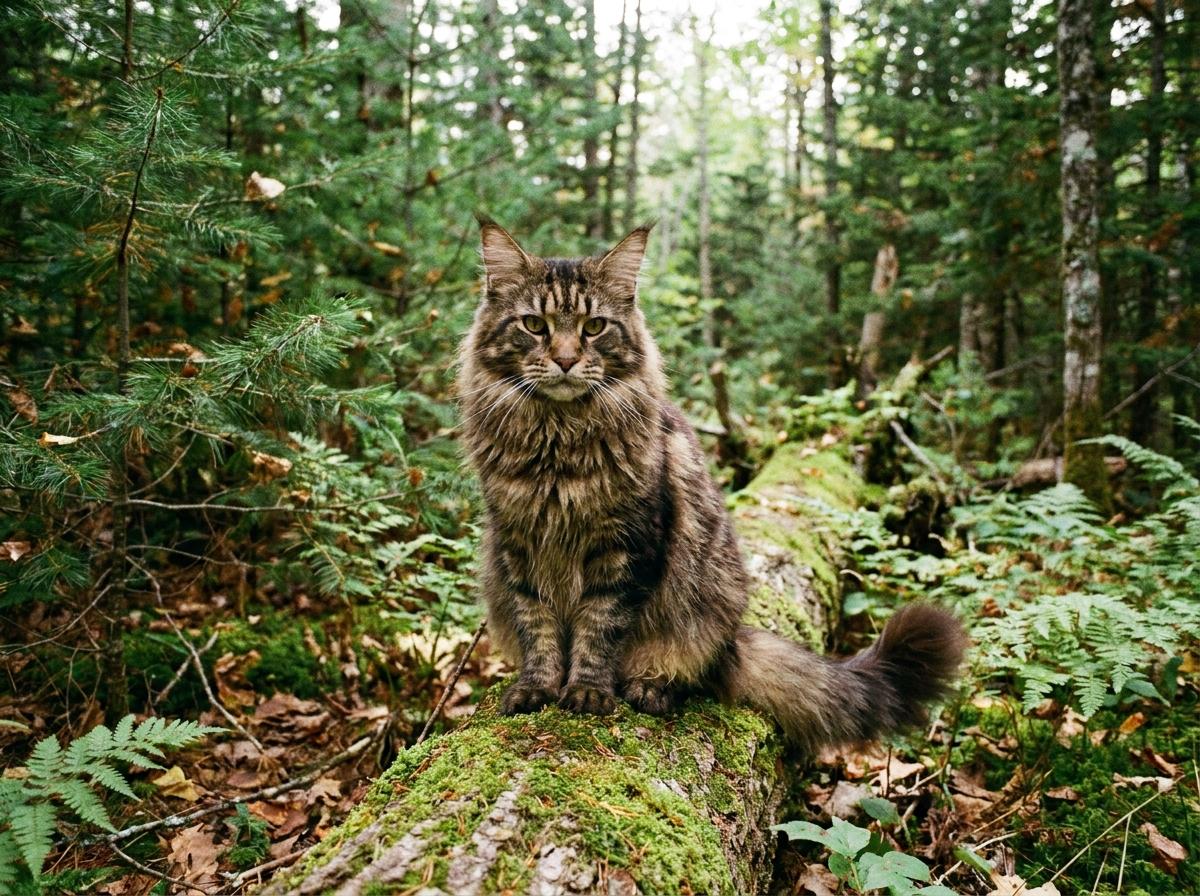
The CFA Siberian standard describes a strong cat with rounded contours and a dense triple coat. A broad body and generous fur create an impression of size, but this is not an instruction to seek the heaviest kitten available. Healthy body condition is different from maximum weight.
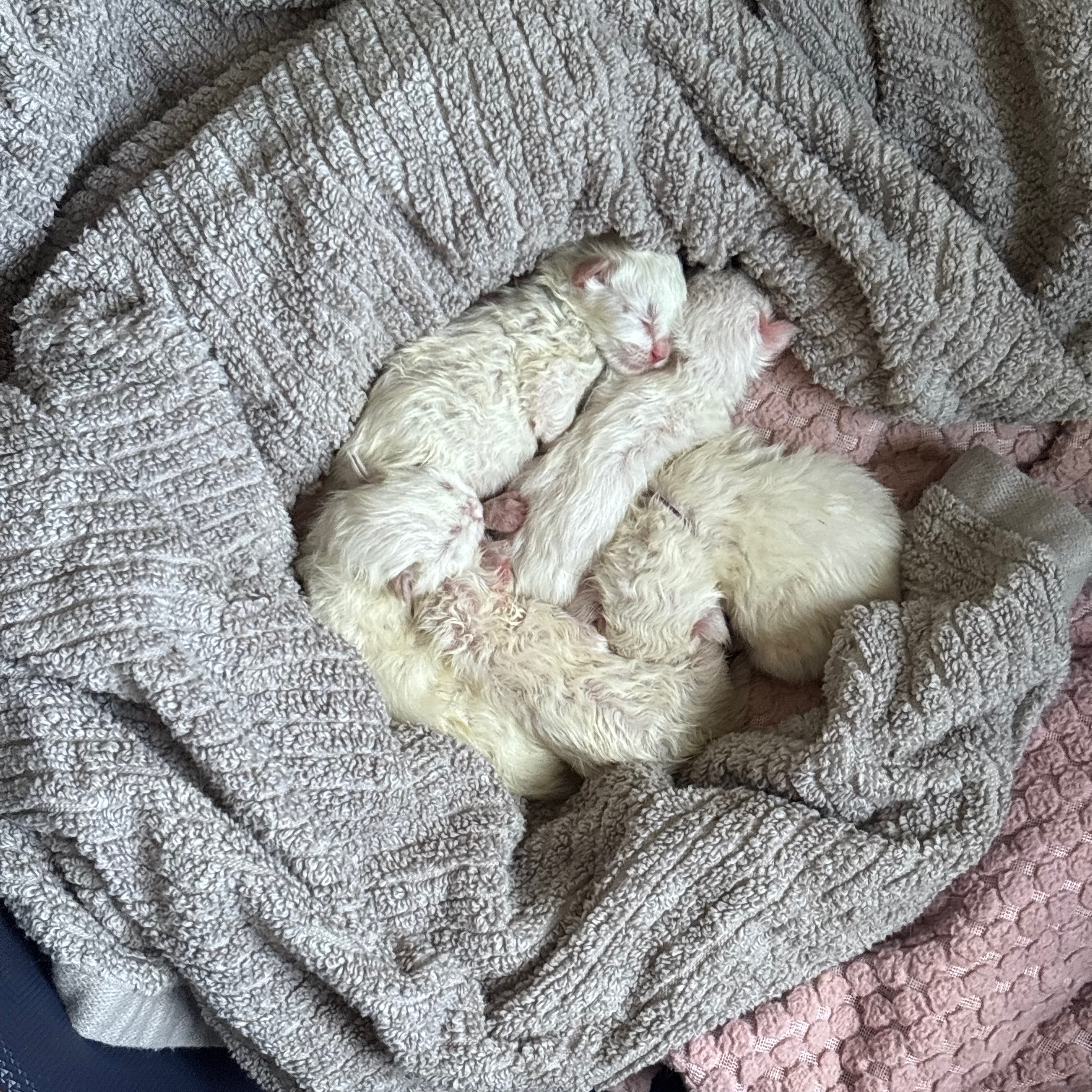
CFA accepted Siberians for registration in 2000 and championship competition in 2007. Its profile describes adult males around 12 to 18 pounds and females around 8 to 12. CFA notes that maturity can take as long as five years. These ranges help you choose equipment, not a target to reach through extra feeding. Ask to see adult relatives instead of expecting a kitten to resemble a fully coated male.

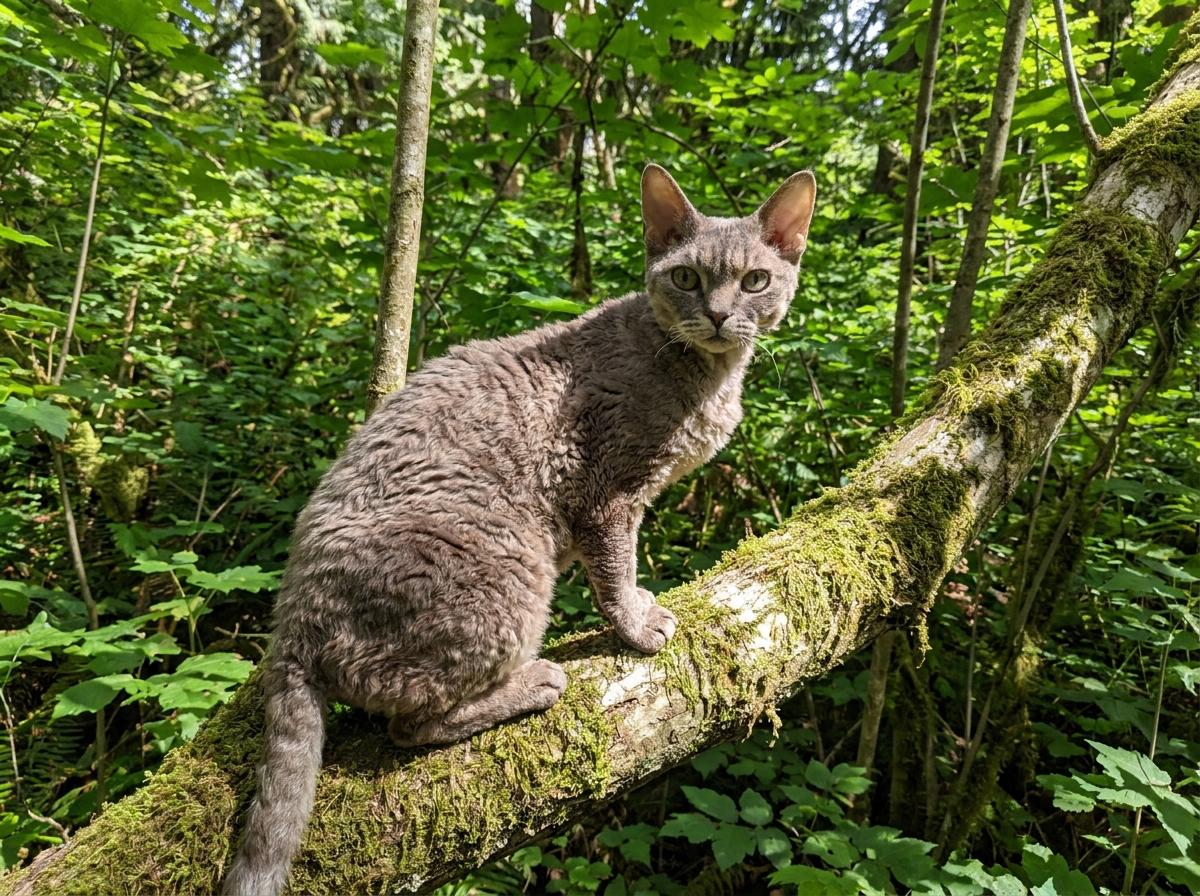
AI-generated illustration.
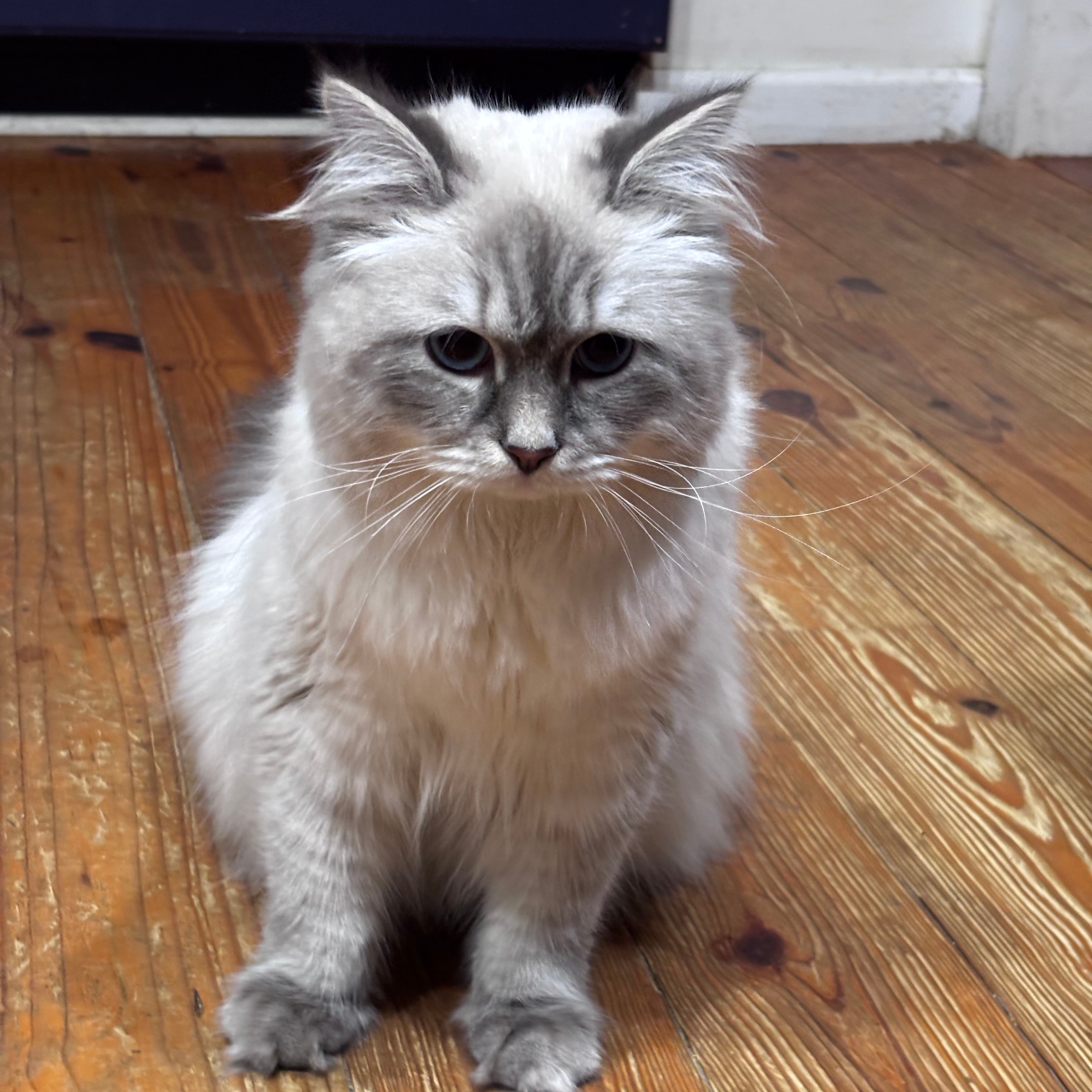
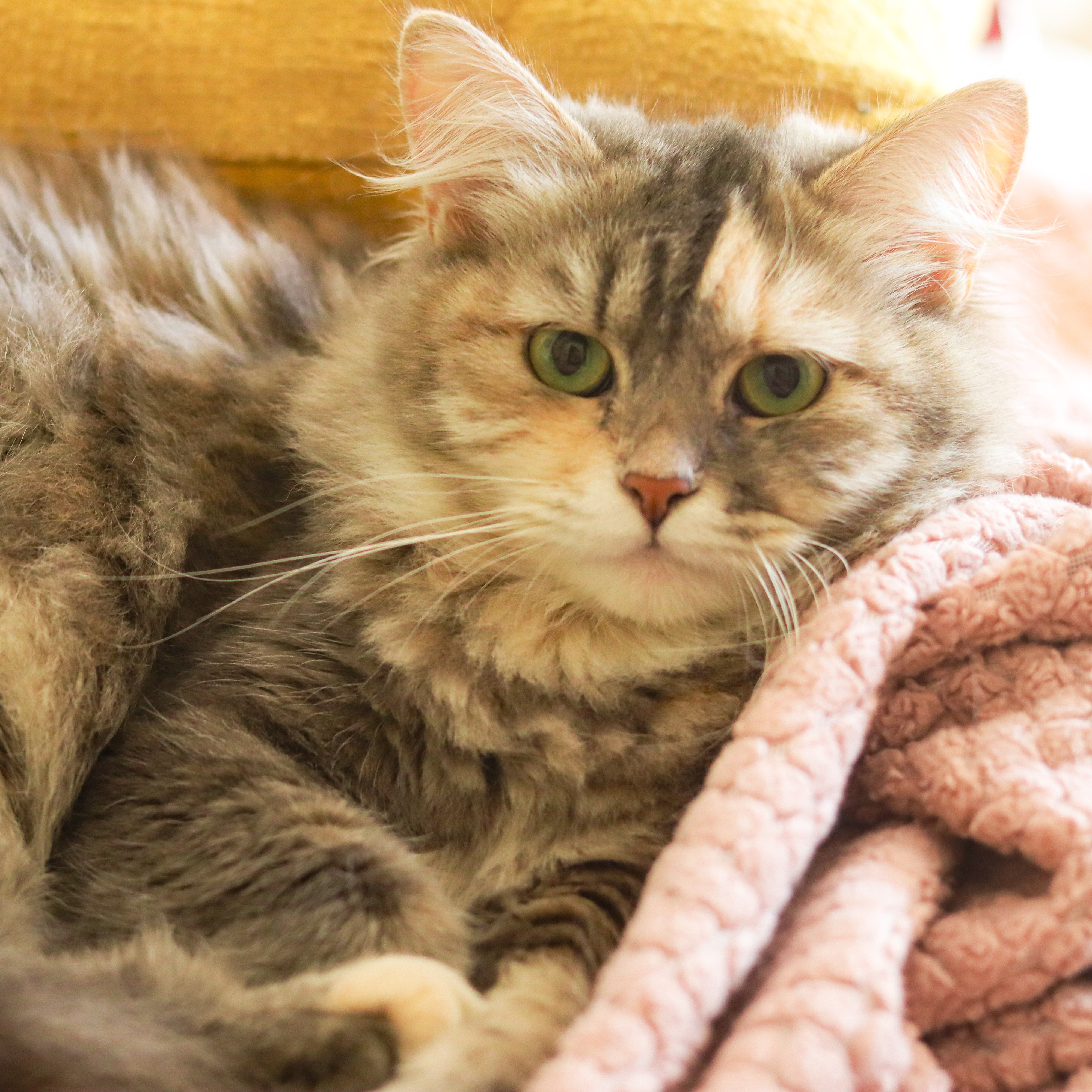
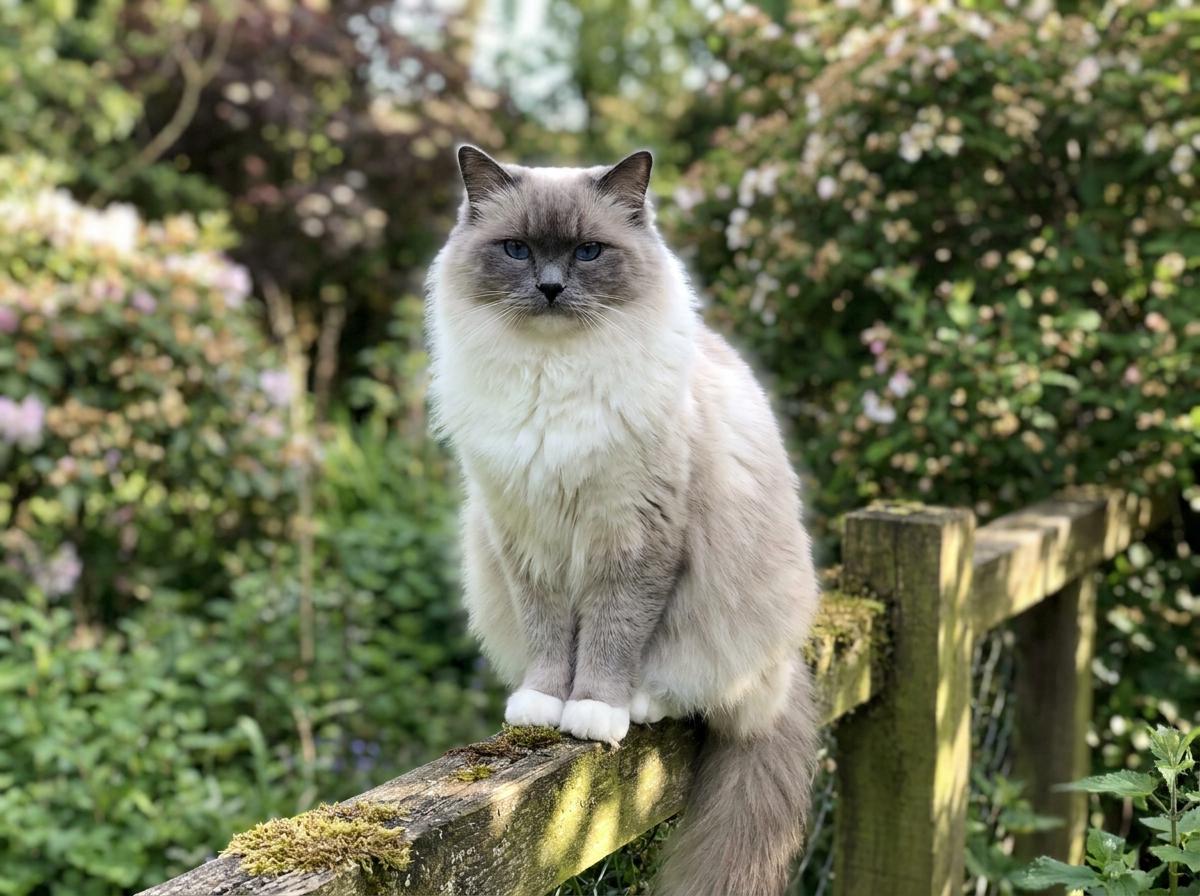
CFA accepts a broad range of colors, including pointed Siberians. FIFe lists Neva Masquerade separately from Siberian, so a colorpoint kitten’s registered name depends on the organization. Ask which standard the seller follows and retain the name on the pedigree. Brown tabby is familiar, but is not the only legitimate appearance.
What seasonal coat really means for an owner
CFA’s standard describes a fuller winter coat and a shorter, less dense summer coat. That change affects the time you spend combing and the amount of loose hair you find around the home.
Ask the breeder to show grooming on an adult, not just a kitten. Can the comb reach through the coat without pulling? Where does that particular cat tangle? How does it signal that it wants a break? Buy the tools after the demonstration so you know what each one is for.
Choose a routine you can repeat on a busy week. A long session after several missed sessions may be harder for both keeper and cat than regular brief checks. If a mat is close to the skin or handling is painful, get help rather than cutting blindly into dense fur.
For a comparison of coat workload, read about the Balinese. Both are longhaired cats, but the Balinese’s close-lying silky coat should not be used as the grooming model for a densely coated Siberian.
The allergy question deserves a separate decision
The American College of Allergy, Asthma and Immunology states that all cats produce allergens. No Siberian advertisement can guarantee that an allergic person will tolerate the cat.
Separate two conversations. With the breeder, ask what evidence supports any claim they make and what happens if the placement fails. With an allergist, discuss the person’s symptoms, risks and options before making a commitment. A short pleasant visit is an observation, not a certificate of lifelong tolerance.
Do not pay a premium for an assurance that leaves the cat at risk of an avoidable return. It is better to settle the household’s limits before joining a waiting list. The same caution applies when a seller claims that a particular color or sex solves allergies.
Strong furniture and room for ordinary play
Siberians are capable, active cats. Think about the stability of a perch, the width of a resting surface and the route down, not just the advertised height of a cat tree. A broad low platform can be useful while you learn which climbing routes your cat prefers.

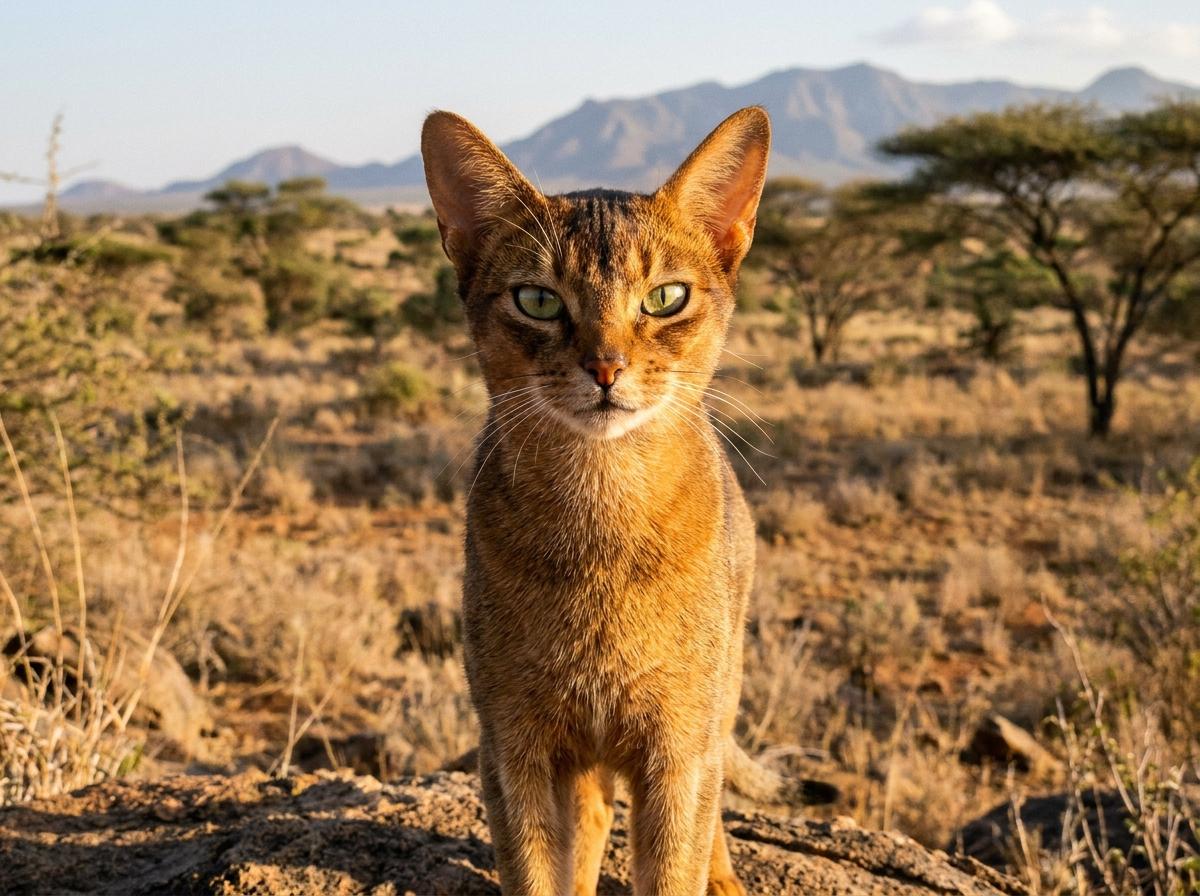
AI-generated illustration.
Start with a room where food, water, litter and rest are easy to find. Introduce additional rooms without forcing the cat out of its refuge. Watch whether an existing pet blocks doorways or resources. Two animals sharing a house are not necessarily comfortable sharing every feeding or resting place.
For daily interaction, ask the former keeper for the cat’s favorite games. Rotate what you offer instead of leaving every toy out all the time. Put away anything the animal damages or tries to swallow, and supervise toys with strings. An activity record can be simple: what engaged the cat, for how long, and whether it settled afterward.
The cat species hub helps compare breeds, but a home visit and an honest account of the individual matter more than any category description.
Health evidence to request before you choose
Begin with named conditions, then ask for evidence. UC Davis lists the Siberian among breeds appropriate for pyruvate kinase deficiency testing. This recessive condition can cause intermittent anemia. Ask for the parents’ DNA results and how the breeder interprets the combination; a carrier is not the same as an affected cat.
CFA also identifies hypertrophic cardiomyopathy among hereditary concerns. Ask how the breeder monitors the parents’ heart health and request dated clinical reports, not just a DNA-panel certificate. Your veterinarian can explain what those reports establish and whether further assessment is appropriate. Keep the kitten’s examination, vaccinations and any treatment history alongside them.
Do not accept a broad DNA panel as proof that every health concern has been ruled out. Ask your veterinarian what the supplied reports cover and what clinical examination or follow-up is still appropriate. This is particularly useful when a seller compresses several different checks into the phrase health tested.
Keep your questions neutral and specific. “Can I see the report linked to this parent’s identity?” is more useful than asking whether the line is healthy. Good documentation lets your veterinarian interpret evidence rather than reconstruct a sales conversation.
Budget for the coat, the cat and the unexpected
Compare written quotes that specify the purchase or adoption fee, travel, included veterinary care, registration paperwork and ongoing support. This guide does not offer a universal market price because an isolated advertisement is not a reliable breed-wide rate.
The cat cost guide helps separate the quoted price from continuing expenses, including the coat-care plan you intend to maintain.
Bring the records home with the cat
Arrange the first veterinary review around the kitten’s actual record, not its large-breed reputation. The kitten vaccination guide helps identify missing dates to ask about.
Before collection, match the registered name, everyday name and microchip or other identifier across the documents. Use the free cat pedigree chart maker to organize documented ancestors, retaining Neva Masquerade or Siberian labels as the issuing registry records them. Keep the original reports. Add your veterinarian’s observations after arrival without rewriting the breeder’s claims into confirmed diagnoses.
A photo can also be a useful dated reference for normal coat and condition. Compare like with like: a fully coated winter image should not make a healthy summer coat look automatically deficient.
For a shorter but still dense coat, the Chartreux guide explains its woolly texture and seasonal grooming. That contrast can help you decide whether your real preference is for a plush feel or a long coat.
Siberian questions
Are Siberians always huge?
No. The breed is substantial, but sex, age and individual build matter. Ask your veterinarian about healthy condition instead of aiming for an advertised maximum.
Will a Siberian cause fewer allergies?
You cannot rely on the breed name to predict personal tolerance. Discuss that decision with an allergist before acquisition.
Is a thick coat a reason to keep it outdoors?
No. A description of ancestral coat function is not a housing plan for an individual pet. Plan a safe home and supervised activities.
Do this next on Creatures
Still looking? Get an alert when a Siberian is listed, browse Siberian breeders, or check current Siberian listings. The Help Center explains saved searches and email alerts.
Already caring for one? Add a record when you have a dated document or useful observation. The form opens for visitors; a free account is needed to save. The Help Center explains adding an animal and adding a record.
Breeders and organizations can create an organization profile for their work. The organization and team guide explains the setup.