

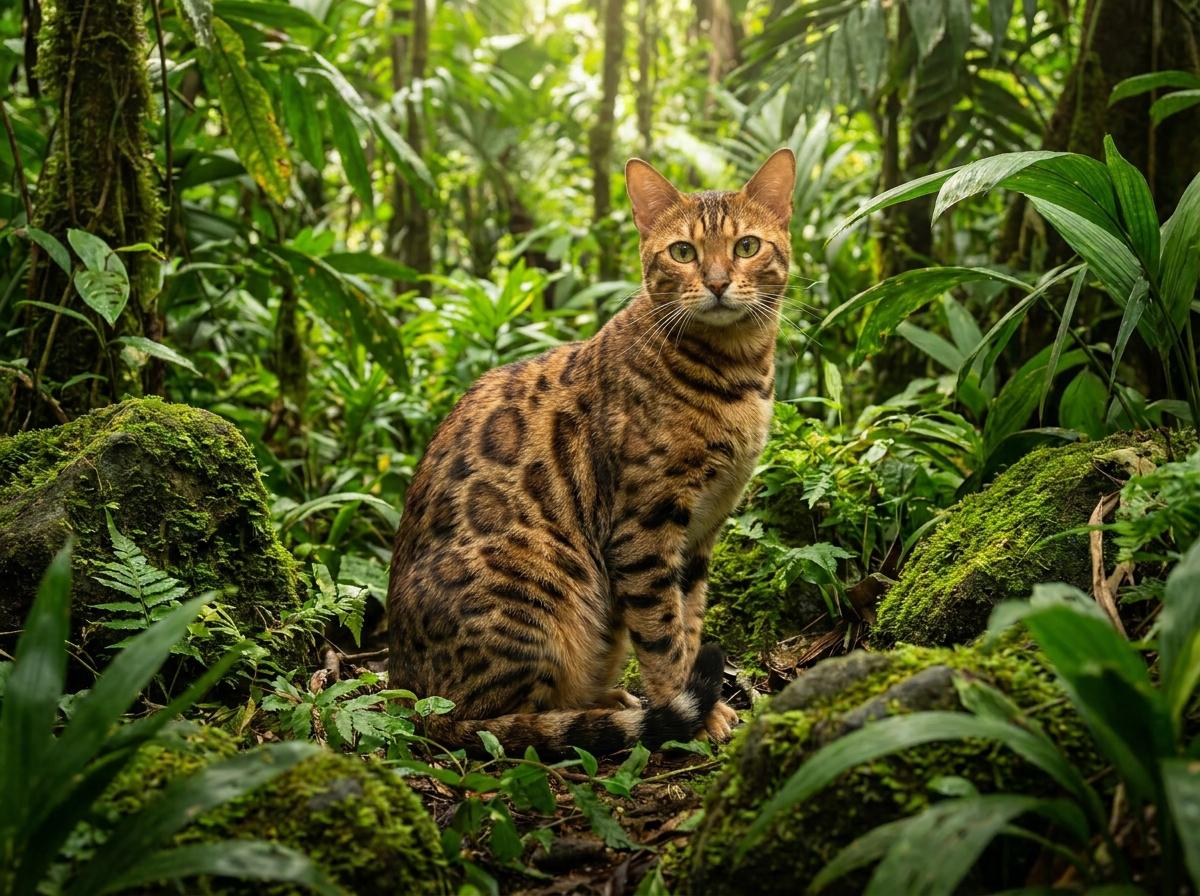
Bengal
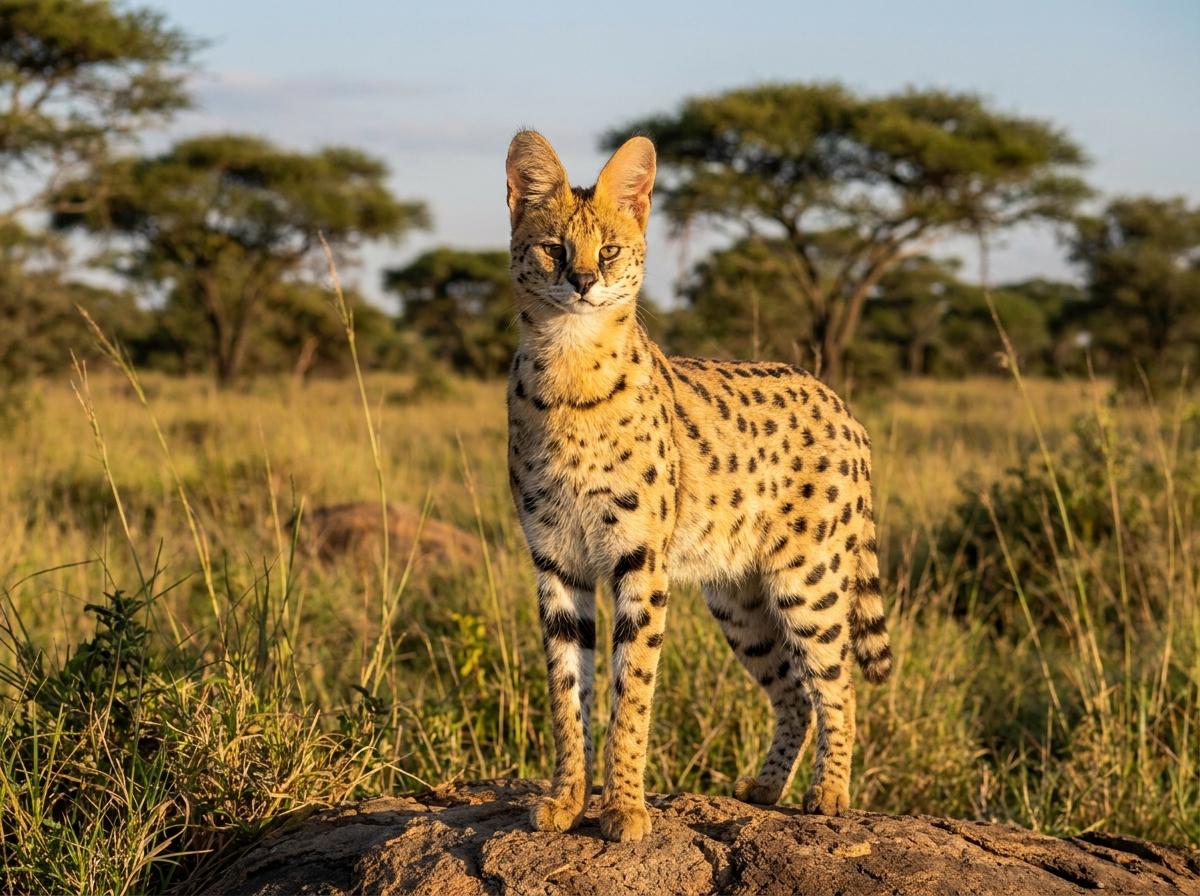
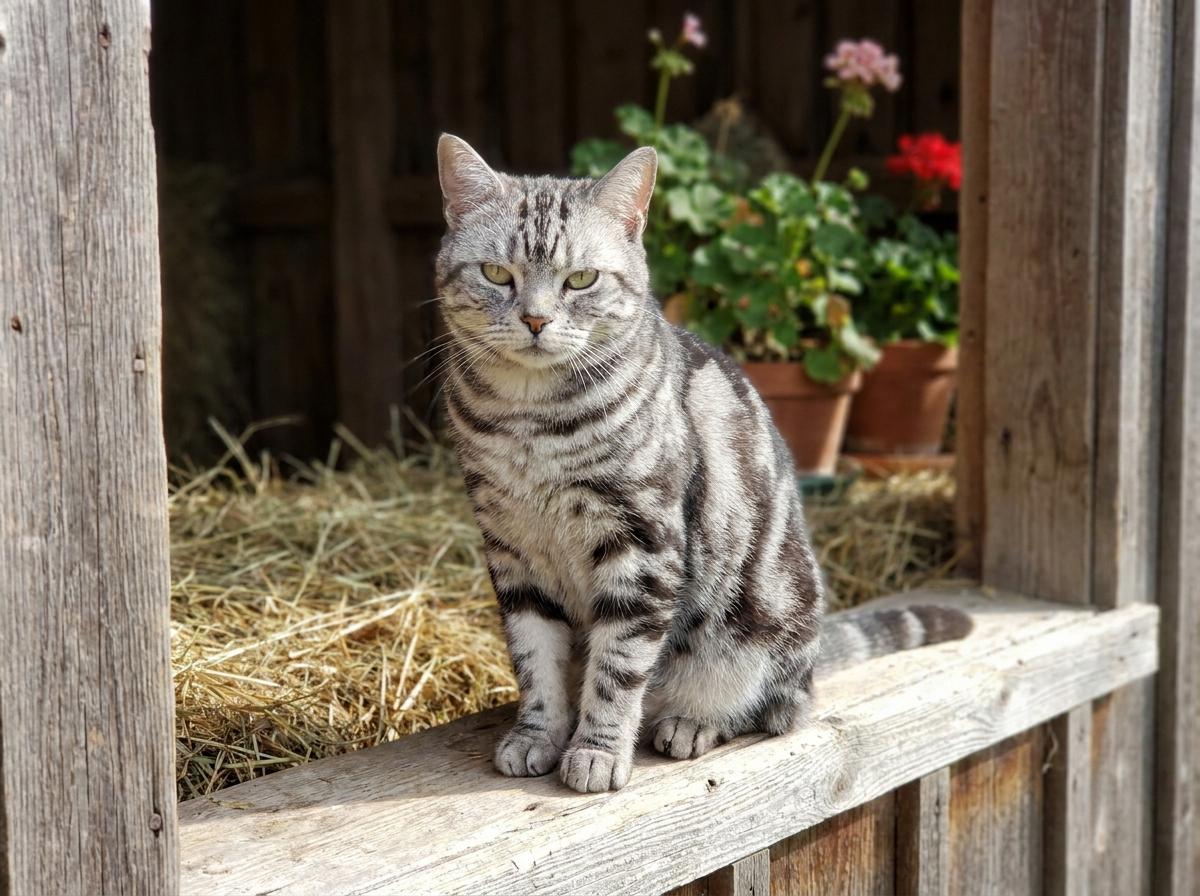
The Bengal is a domestic cat breed developed from crossings between domestic cats and the Asian leopard cat, with later selection for a stable household temperament and a wild-looking coat. Modern registered Bengals are usually many generations removed from the wild ancestor, but the spotted, rosetted, or marbled pattern still gives the breed its signature look. Brown, silver, snow, charcoal, blue, and other colors occur depending on registry and line. Bengals are medium to large, muscular, long-bodied cats with a short dense coat that may show a glittered sheen.
Bengals suit homes prepared for an athletic, problem-solving cat rather than a quiet ornament. Tall climbing areas, daily play, secure outdoor enclosures, and puzzle feeding help reduce boredom and rough mischief. The coat is easy to groom, but energy management takes real time. Early-generation hybrids may be restricted by local law and can be much harder to place, so most pet buyers look for later-generation, registered kittens from socialized lines. Responsible breeders screen for issues known in the breed, including progressive retinal atrophy, pyruvate kinase deficiency, and hypertrophic cardiomyopathy.
Colors: Bicolor, Black, Black Silver Marbled, Black Silver Spotted, Blue, Blue Marbled, Blue Point, Blue Silver Marbled, Blue Silver Spotted, Blue Spotted, Brown, Brown Marbled Tabby, Brown Spotted Tabby, Calico, Charcoal Marbled, Charcoal Spotted, Chocolate, Chocolate Point, Cinnamon, Classic Tabby, Cream, Cream Point, Dilute Calico, Dilute Tortoiseshell, Fawn, Flame Point, Golden, Harlequin, Lilac, Lilac Point, Lynx Point, Mackerel Tabby, Mink, Mink Marbled, Mink Spotted, Pointed, Red, Seal Point, Sepia, Sepia Marbled, Sepia Spotted, Shaded, Shell, Silver, Silver Marbled Tabby, Silver Spotted Tabby, Smoke, Snow Marbled, Snow Spotted, Spotted Tabby, Tabby, Ticked Tabby, Torbie, Tortoiseshell, Van, White