Dorset
Author: Elliott Garber, DVM · Published
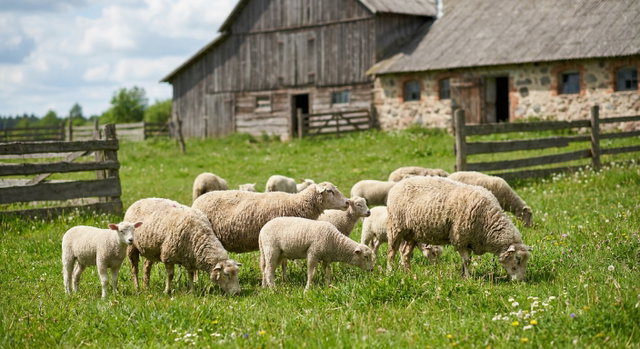
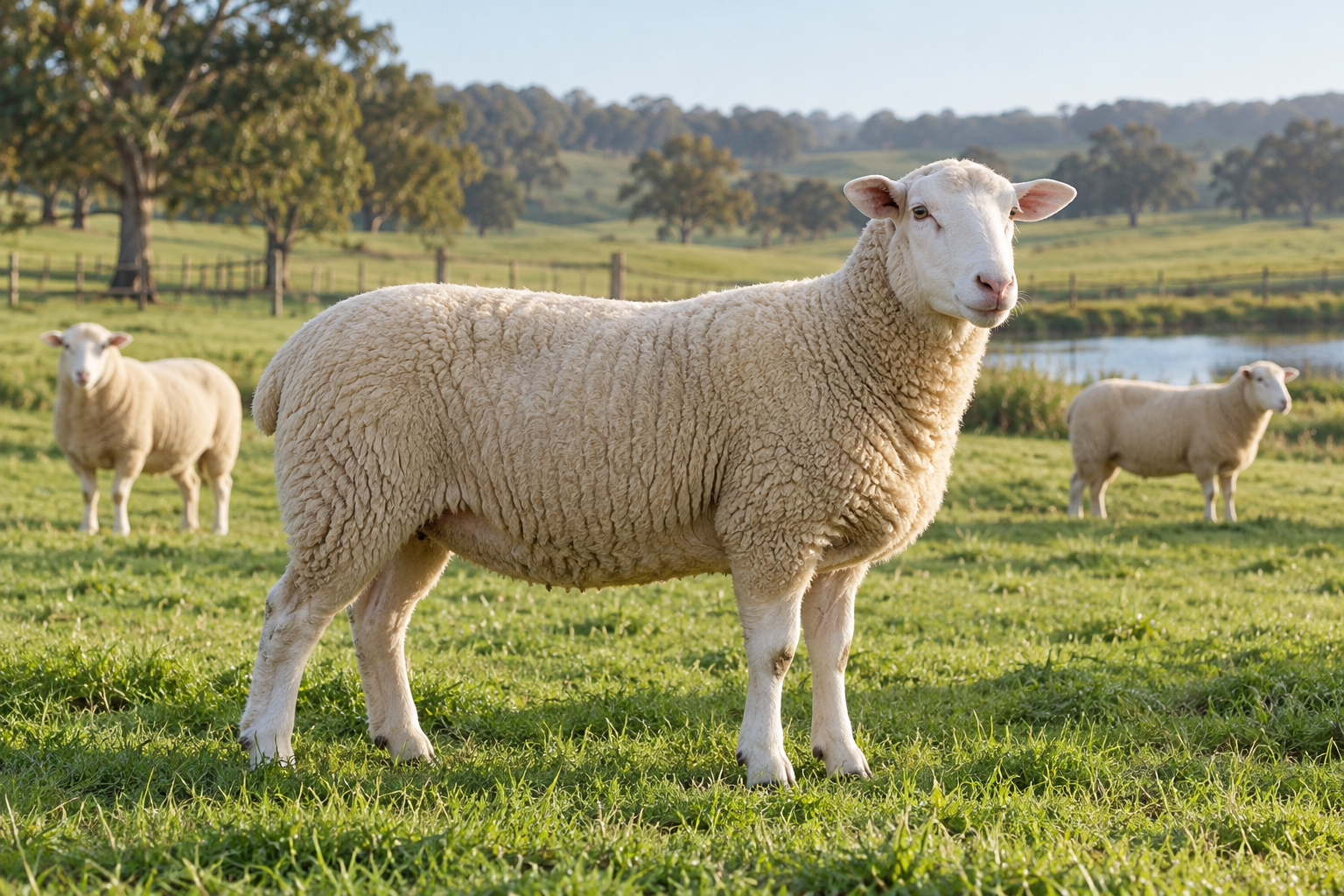
Dorset sheep are white-faced wool sheep kept for lamb production and breeding flexibility. Both horned and polled Dorsets exist. Their useful out-of-season breeding tendency is a reason to investigate a flock, not a promise that every ewe will breed whenever you choose.
If you already have breeding dates, the free sheep gestation calculator can help sketch a lambing window. It estimates dates; it cannot confirm pregnancy or tell you whether a Dorset ewe is ready to breed.
| Identity | White-faced wool sheep, horned or polled |
|---|---|
| Main roles | Breeding ewes, market lambs and crossbreeding |
| Fleece | White medium wool, requires shearing |
| Seasonality | Out-of-season breeding potential varies by flock |
| US registry | Continental Dorset Club |
| Buyer priority | Lambing history, soundness and exact type |
Browse listings, public profiles, breeders, or add your animal.
Which Dorset are you looking at?
In the United States, the Continental Dorset Club standard covers horned and polled sheep. Ask a seller which type and registry appear on the certificate. A sheep with no visible horns may be naturally polled or have a different management history; a photograph alone does not settle that question.
The Club also has a separate Dorset Advantage percentage registry: sheep must be at least 50 percent Dorset with a CDC-registered purebred parent, carry DA-prefixed numbers and cannot be bred up to purebred status, however high the Dorset percentage becomes. This is a registered crossbreeding category, not purebred Dorset registration.
The CDC’s 2024 Rules Guide requires applications for sheep with polled breeding to use P for polled, S for scurred or NH for normal horned. Pure Horned Dorsets with no polled breeding have no such prefix. Match the paper’s category and code to the animal rather than treating any horn as proof of pure Horned ancestry.
The name also needs a location. Regional Poll Dorset populations have their own breeding histories and rules. Our Poll Dorset guide explains that distinction. Do not assume that a US Polled Dorset certificate, an Australian Poll Dorset pedigree and an unregistered white-faced crossbred are interchangeable.
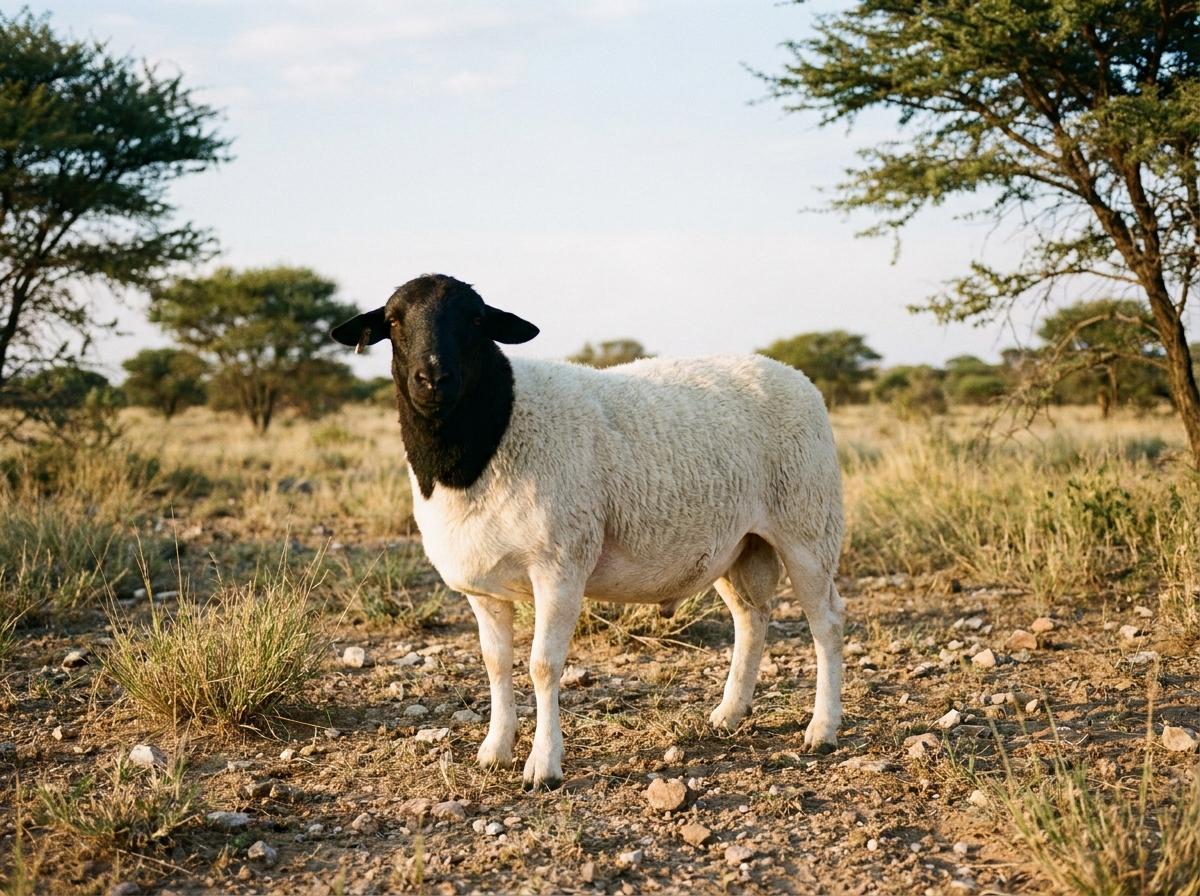
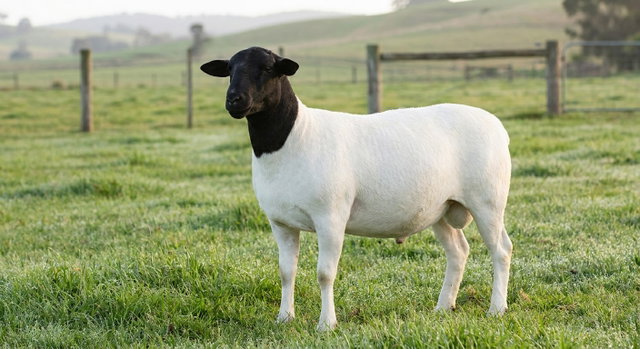
Dorset is also not shorthand for Dorper. A Dorset is a wool sheep with a shearing commitment. If you want a white-faced sheep because you expect it to shed, establish the animal’s actual identity before paying a deposit. The sheep hub is a useful starting point for comparing breed roles.
Appearance, horns and size
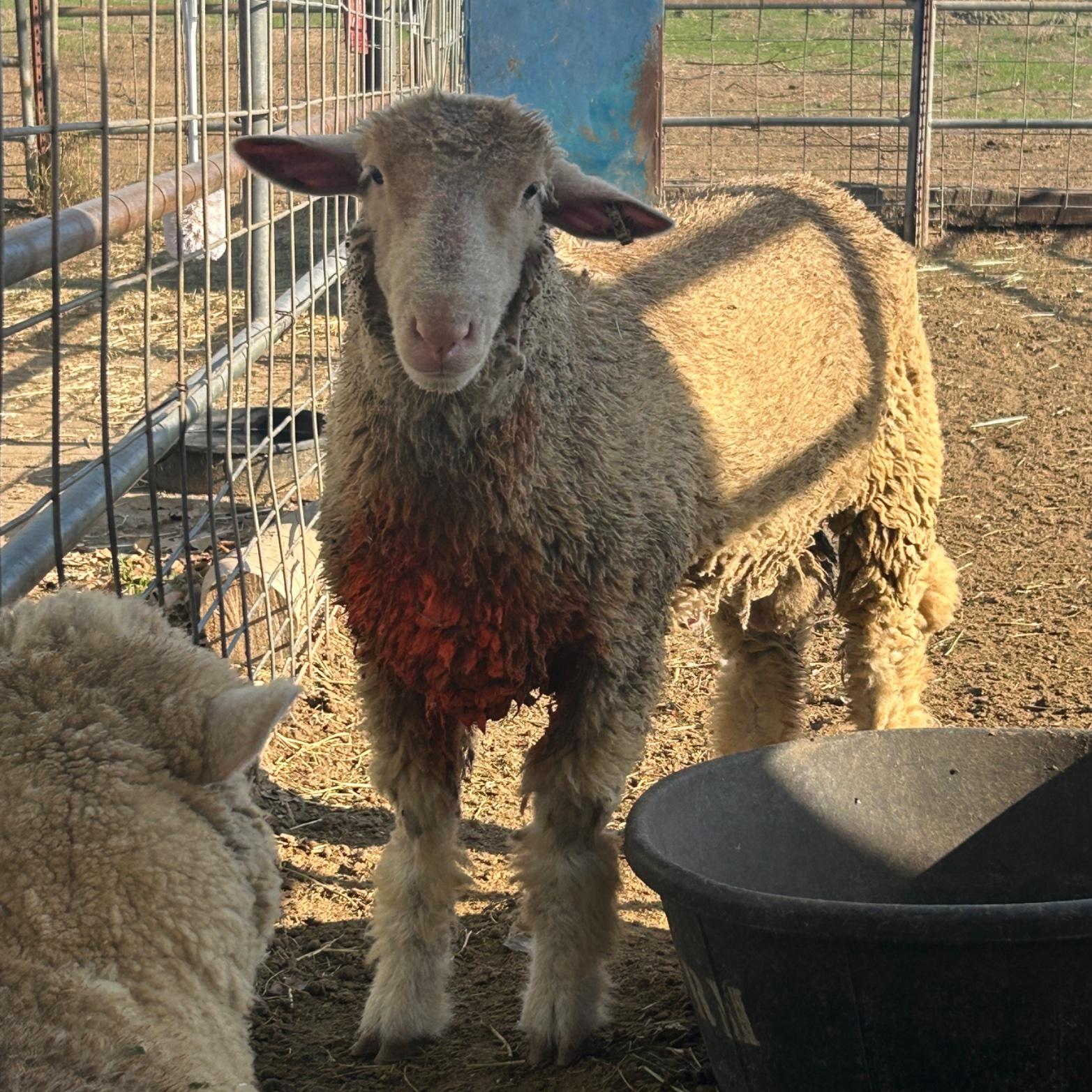
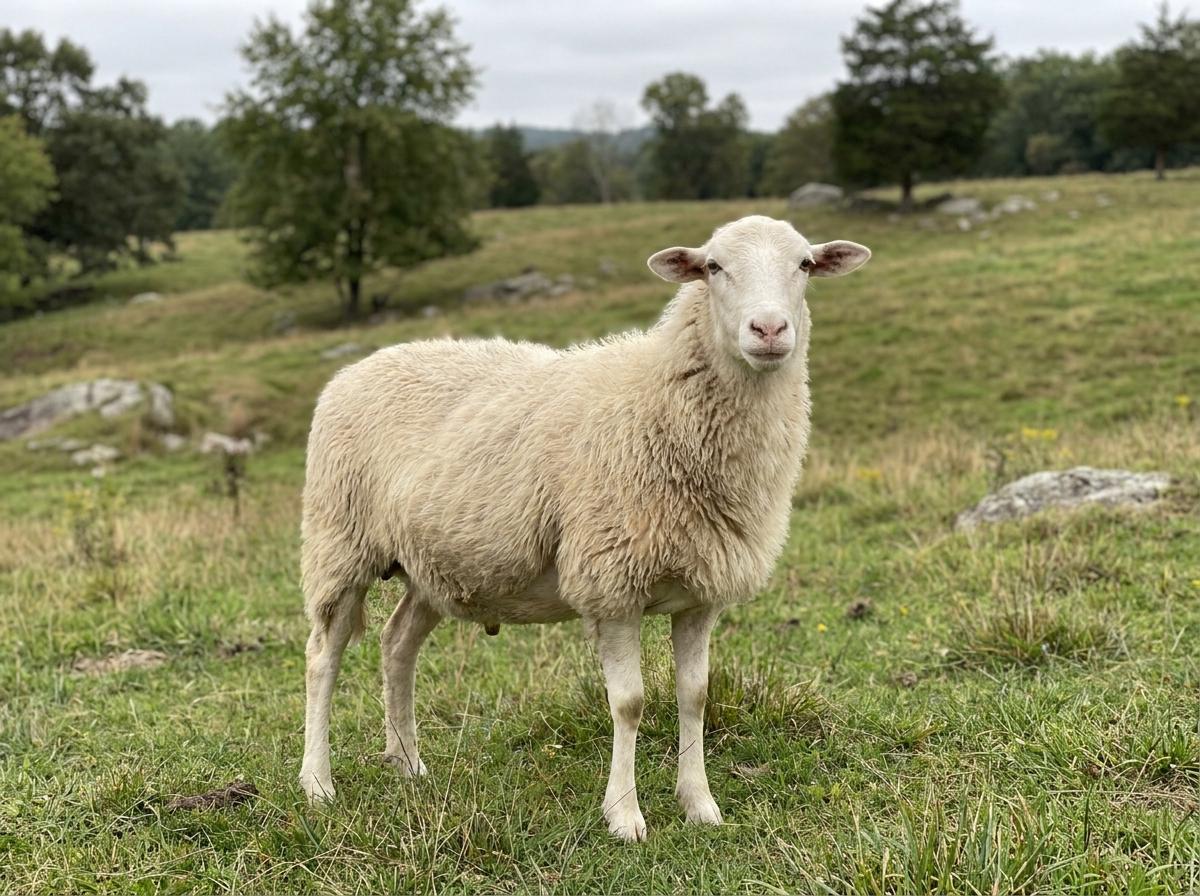
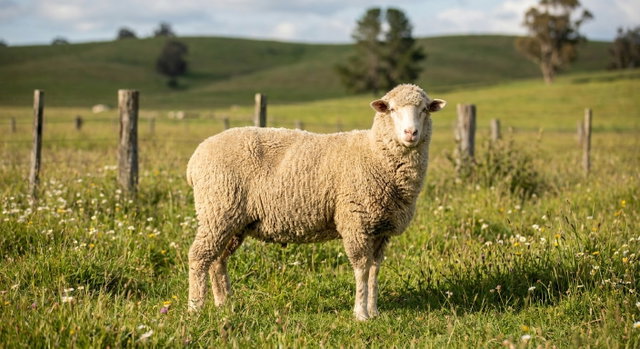
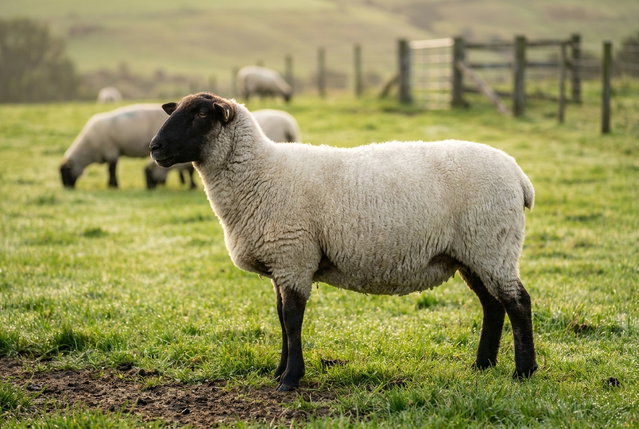
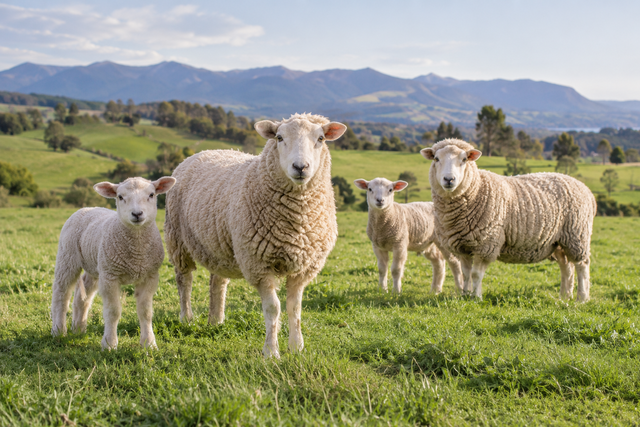
A Dorset should look long, deep and sound rather than merely tall. Look for an open white face, white ears and legs, a broad muzzle and a strong, level back. The US standard prefers pink noses and lips but permits limited pigmentation. Small freckles should not be mistaken for evidence that a sheep is crossbred.
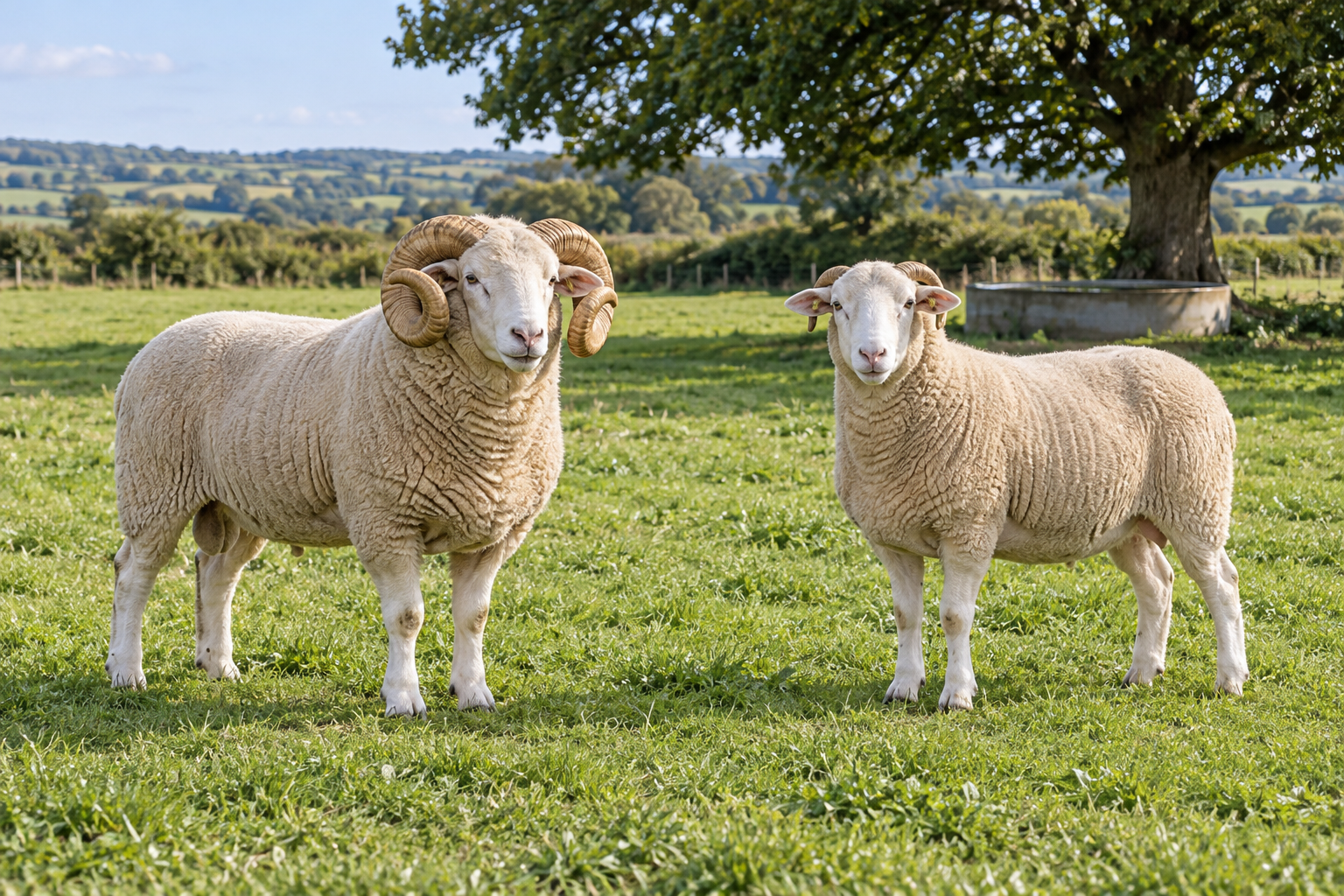
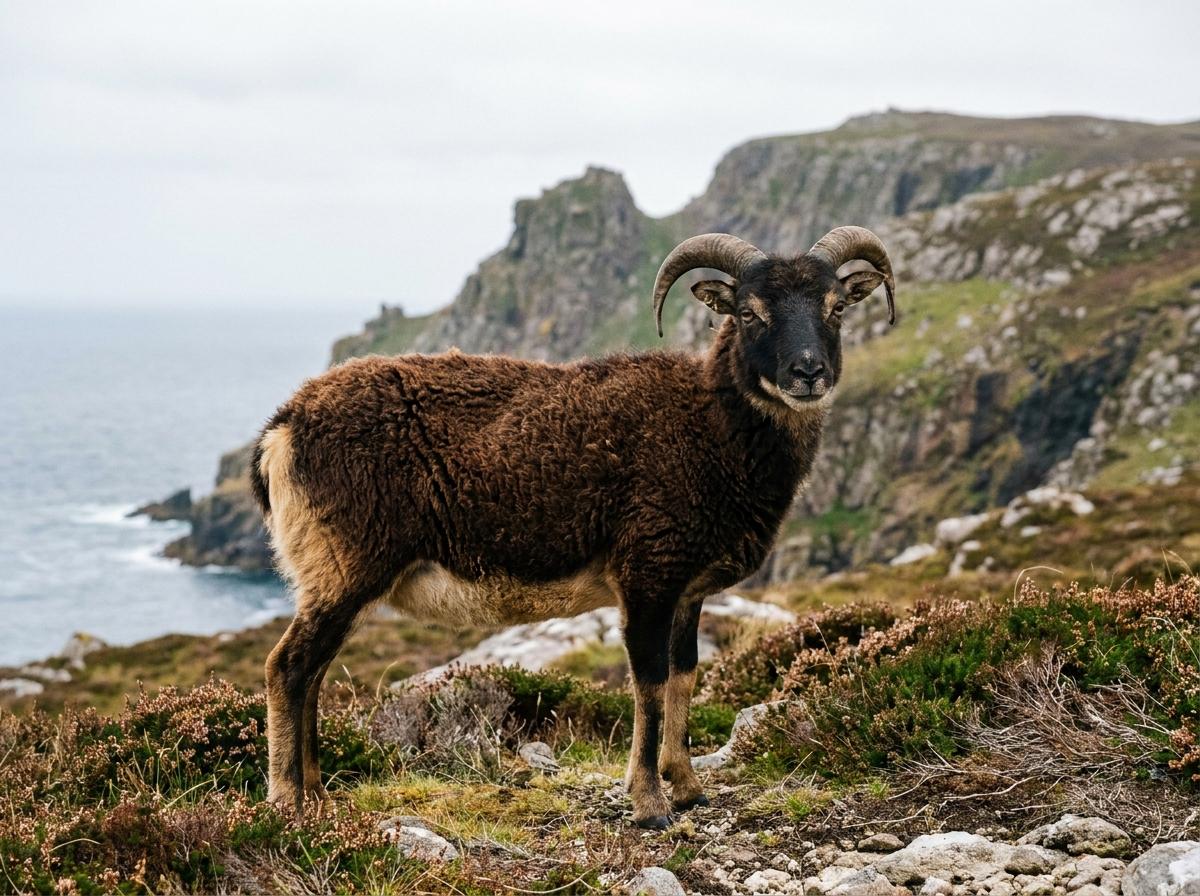
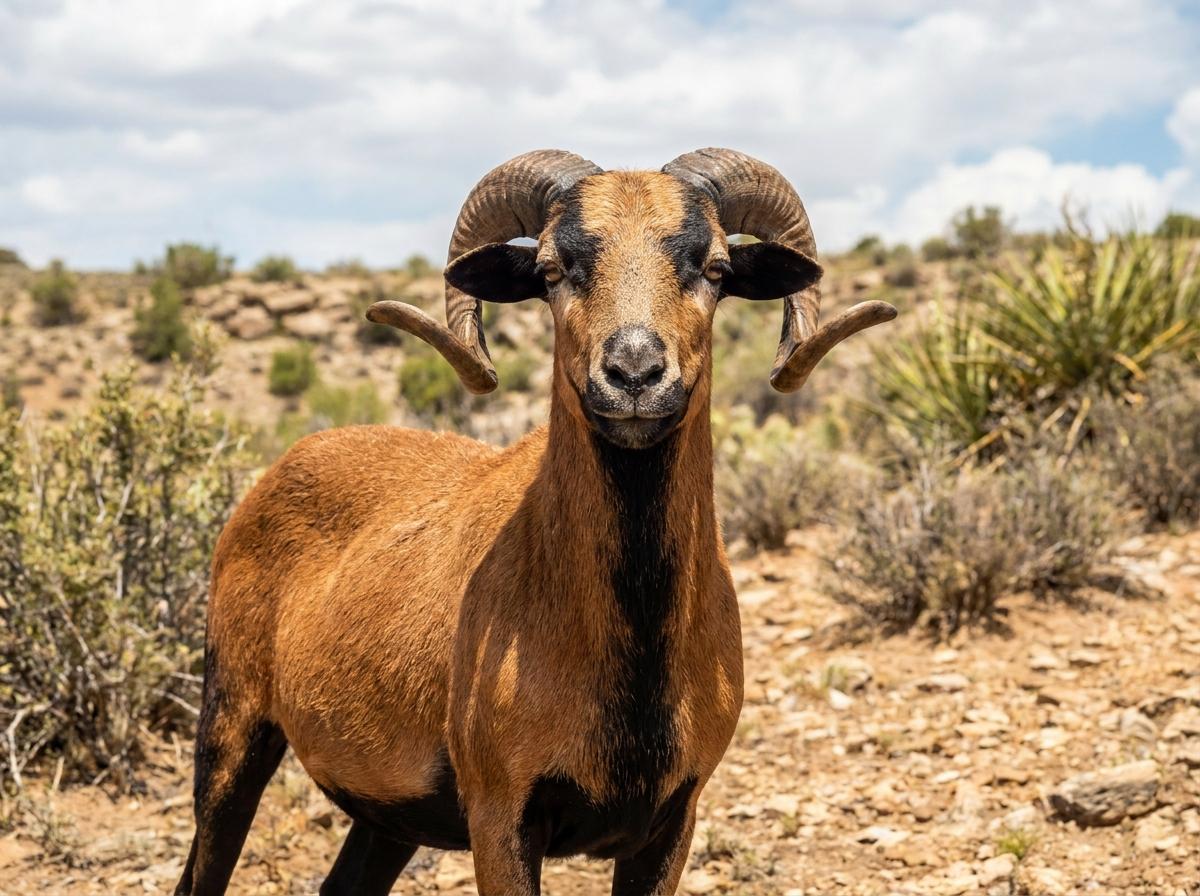
In the Club’s standard, horned rams carry substantial spiral horns that curve down and forward. Ewes have smaller horns curving forward and down near the jaw. Horns should not press into the face. The standard also says that scurs in polled sheep should not count against them. For a buyer, the useful checks are whether the horn growth is safe and what the pedigree identifies, rather than trying to judge purity from a horn tip.
The Club gives ewe weights of 150 to 225 pounds and ram weights of 225 to 325 pounds while acknowledging variation between management systems. These are breed-standard guidelines, not a forecast for a lamb in an advertisement. Ask for the parents’ measured mature weights and the animal’s age. The sheep weight calculator is only a measurement-based estimate. Use scales when an accurate weight matters, and never turn a tape estimate into a medicine dose.
Out-of-season lambing needs evidence and labor
Penn State Extension’s off-season production guidance includes Dorset among breeds that can be useful outside the main autumn breeding season. It also explains that spring mating is harder and that year-round lamb production demands more management. The distinction matters: an extended breeding season does not mean continuous fertility or compulsory accelerated lambing.
Ask for the dates rams entered and left the flock, which ewes conceived, the actual lambing dates and how the ewes recovered afterward. A sale claim such as “fall lambing line” is much more useful when accompanied by several seasons of individual records. Separate observed mating dates from estimated dates, and pregnancy examination results from assumptions.
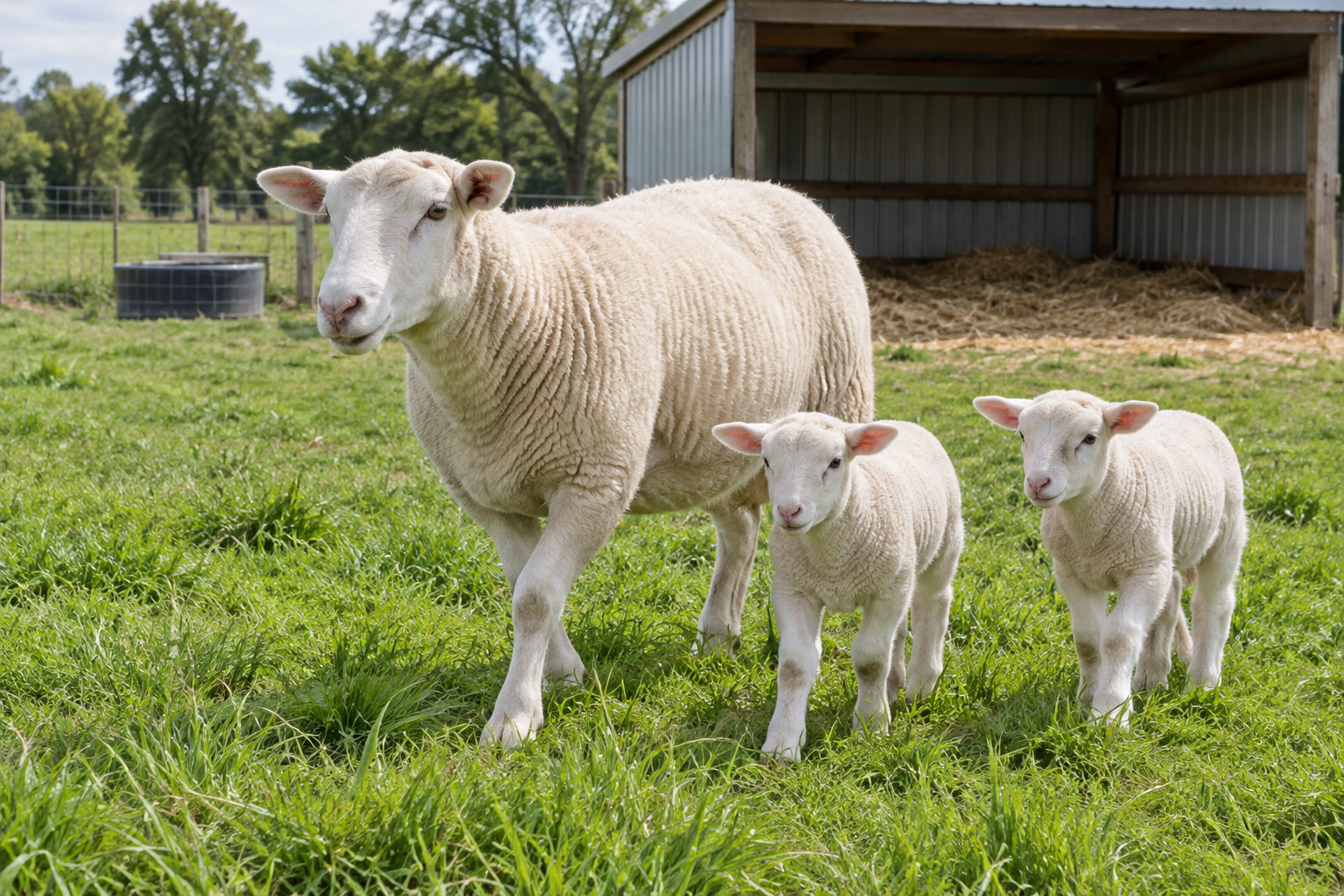
Choose a lambing season your available feed, shelter and attention can support. Before mating, discuss ewe condition, ram breeding soundness and a workable health plan with your veterinarian. Do not let year-round access to a ram make the breeding decision for you. The sheep lambing calendar helps turn a chosen season into practical preparation.
Daily care: forage, shelter and the wool job
Plan for a flock with compatible sheep companions, secure fencing, fresh water and a dry place to rest. Horned stock need particular attention to gaps and feeders that could trap the head. An open-front shelter can work well when its site, drainage and protection suit the climate; a closed, damp building is not an improvement simply because it has walls. See the sheep shelter guide before adapting an existing shed.
Forage is the foundation of the ration. Feed quality and the ewe’s stage of production determine whether it is enough. A dry ewe and a ewe nursing lambs should not automatically receive identical feed. Wisconsin Extension’s sheep management guide covers changing nutritional needs and the importance of sheep-specific minerals. Sheep are vulnerable to copper toxicity; keep cattle and goat feeds or minerals out of reach unless a qualified adviser has specifically assessed the ration.
Book shearing as a routine job, with safe handling and weather protection afterward. Check body condition by handling the animal rather than trusting a full fleece. Include feet, teeth and the udder in routine observation. Neither whiteness nor a large fleece tells you the sheep is thriving.
Health, arrivals and welfare
Make your veterinarian part of the purchase plan. Ask the seller about lameness, contagious disease, parasite monitoring, vaccination history and any recurring lambing or udder problems. Work out a quarantine and testing plan before mixing arrivals with your flock. A single negative test is not a lifetime health guarantee.
Parasite treatment should follow an assessment appropriate to your area and flock, rather than repeated treatment by calendar alone. Wisconsin Extension describes fecal testing and trained anemia assessment as decision tools. FAMACHA is not a test for every parasite or every cause of poor condition. A sheep that stops eating, struggles to breathe, cannot rise or has a difficult birth needs prompt veterinary attention, not a breed-guide diagnosis.
For repeatable IDs and observations, use the sheep flock record book guide. Keep the veterinarian’s findings distinct from your own notes.
Availability, costs and buyer questions
There is no reliable national Dorset price that makes unlike animals comparable. Ask for dated quotes for the same type of animal: commercial ewe, registered replacement, breeding ram or show prospect. Add transport, fencing, quarantine facilities, shearing, forage and veterinary care to the purchase budget. A cheap sheep can be expensive if it brings an unsuitable lambing schedule or needs your handling facilities rebuilt.
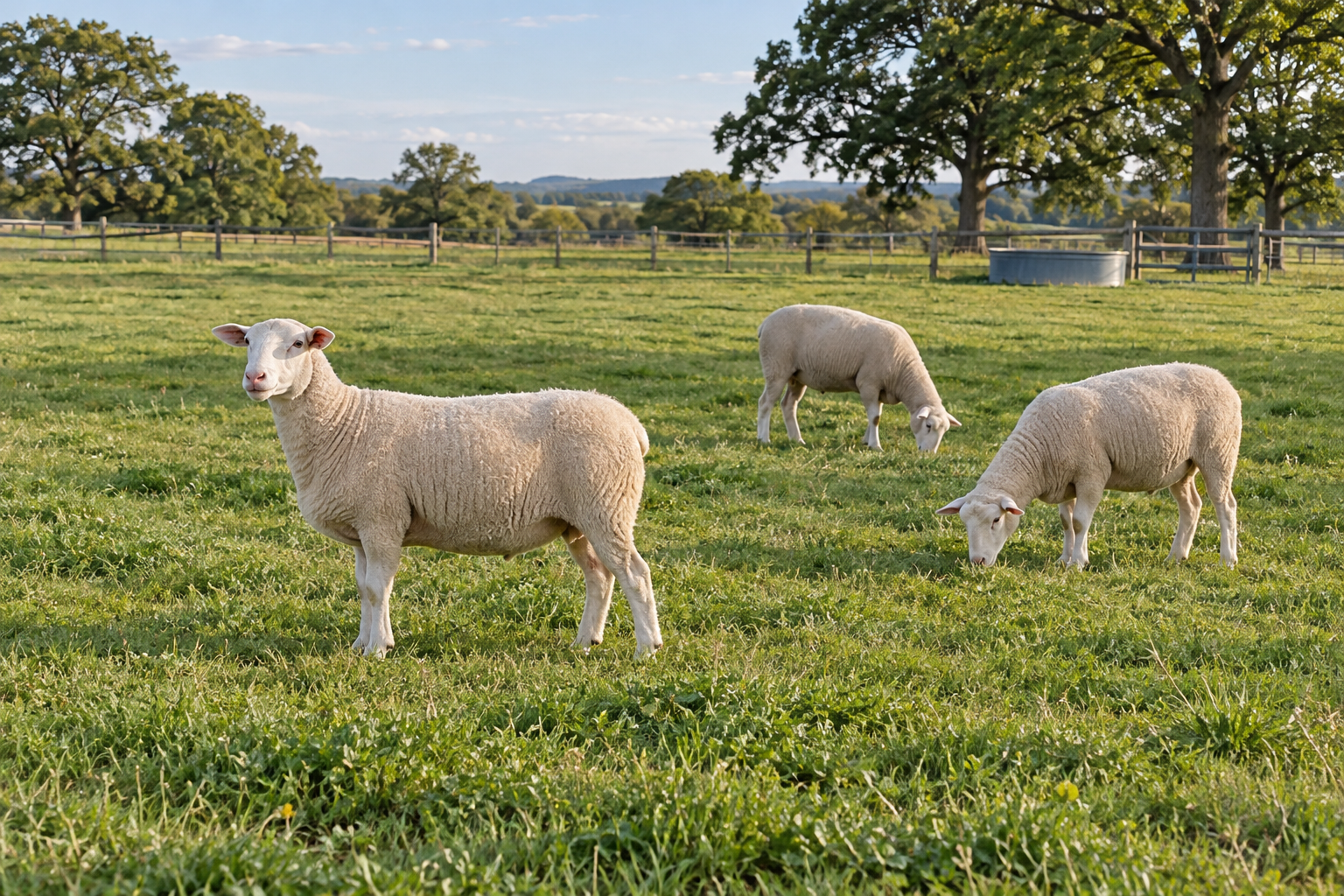
Before committing, ask:
- Is this horned Dorset, US Polled Dorset, a CDC Dorset Advantage percentage sheep, another regional Poll Dorset population or an unregistered cross? Which papers transfer?
- What are the animal’s permanent ID, date of birth and measured weight?
- Which seasons have its dam and the flock actually lambed in, and were births assisted?
- Can I see it walking, its feet, bite and body condition, and the udder or breeding-soundness information relevant to its use?
- What health records, test reports and veterinary contact arrangements can accompany it?
- What diet is it eating now, when was it last shorn, and what does the seller recommend for a gradual move?
If your priorities lean toward a Down-type terminal sire rather than seasonal flexibility, compare Southdown. If fine fleece is the main product, look at Rambouillet. Those comparisons are about flock goals, not a ranking of which sheep is best.
A familiar name can make daily notes easier to read. The sheep name generator offers ideas, but keep every name attached to the animal’s permanent ID.
Frequently asked questions
Are all Dorsets horned?
No. Horned and polled Dorsets are both recognized in the US Club’s standard. Ask about the exact type, registration and any scurs.
Can Dorsets lamb all year?
Some flocks breed successfully outside the usual autumn season. That potential does not mean every ewe cycles or conceives year-round. Buy on the flock’s dated evidence and plan one manageable season first.
Do Dorset sheep need shearing?
Yes. They are wool sheep, not a breed to buy on the assumption of complete shedding. Arrange a shearer and appropriate post-shearing shelter before you bring them home.
Are they suitable for a first flock?
They can be, if the type, mature size and lambing plan fit your facilities and experience. Companions, handling, shearing and a veterinarian remain necessary. A breeding ram is a separate safety responsibility, regardless of breed reputation.
Is a registered Dorset automatically disease-free?
No. Registration concerns identity and ancestry under the registry’s rules. Health history, examinations and an arrival plan need their own evidence.
Do this next on Creatures
Choose the step that fits your plans for Dorset sheep. A breed page or directory entry does not establish current stock, health status or registry eligibility.
Watch for stock. Set a Dorset sheep listing alert for future matching listings. It does not mean an animal is available now. Read saving searches and using your watchlist.
Browse what is listed. Check the filtered marketplace, then ask the seller for the evidence described above.
Start an animal profile. Add your animal. No account is needed to start; a free account keeps your records. See adding an animal to Creatures.
Keep useful observations. Add a record for weights, health observations and breeding dates. The sheet opens for visitors; a free account saves it. The record walkthrough explains the steps. A saved record does not verify a diagnosis, breed or pedigree.
Look for farms. Browse the breeder directory as a starting point for inquiries. Entries are not guarantees of active sellers, endorsement or available stock.
Represent your operation. Start an organization profile for your farm. Read creating an organization and adding your team and the separate directory listing guidance. Creating a profile does not itself verify breeder status or guarantee admission to the directory.