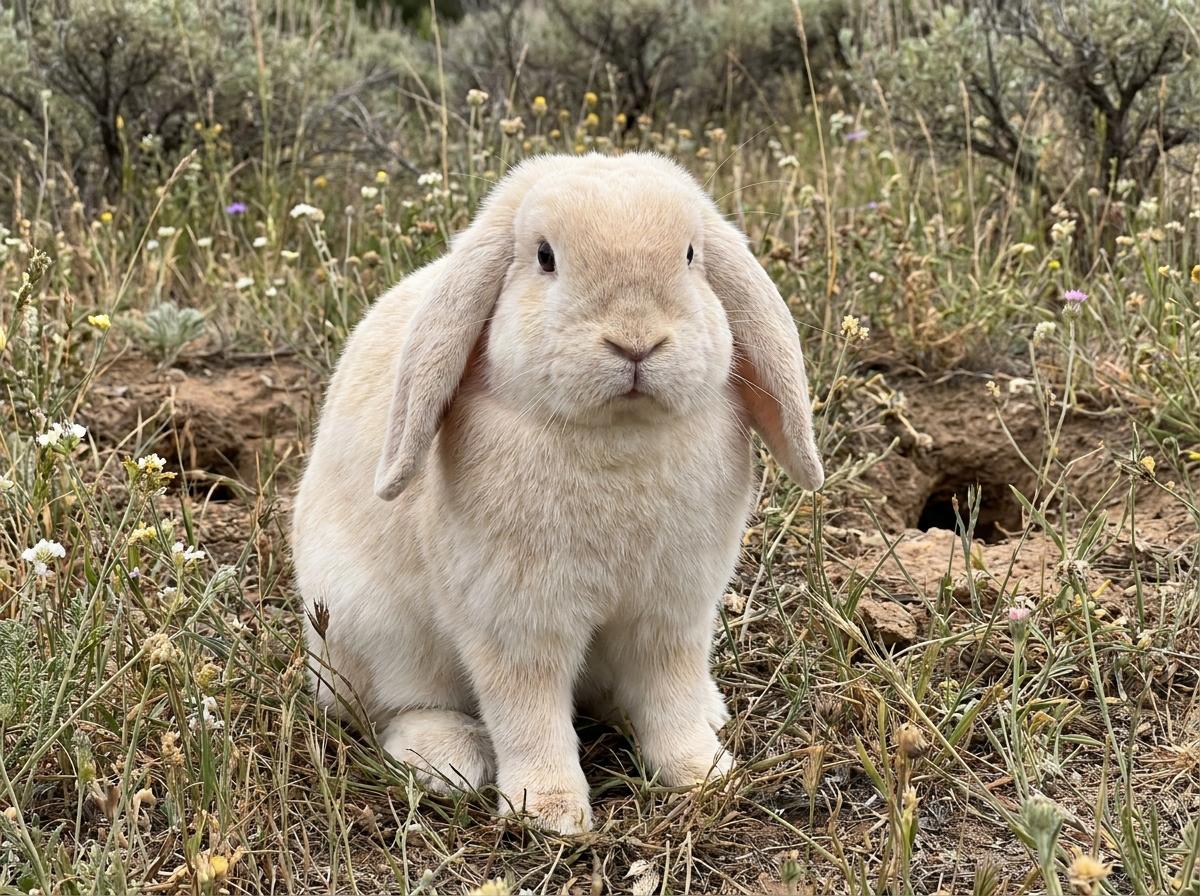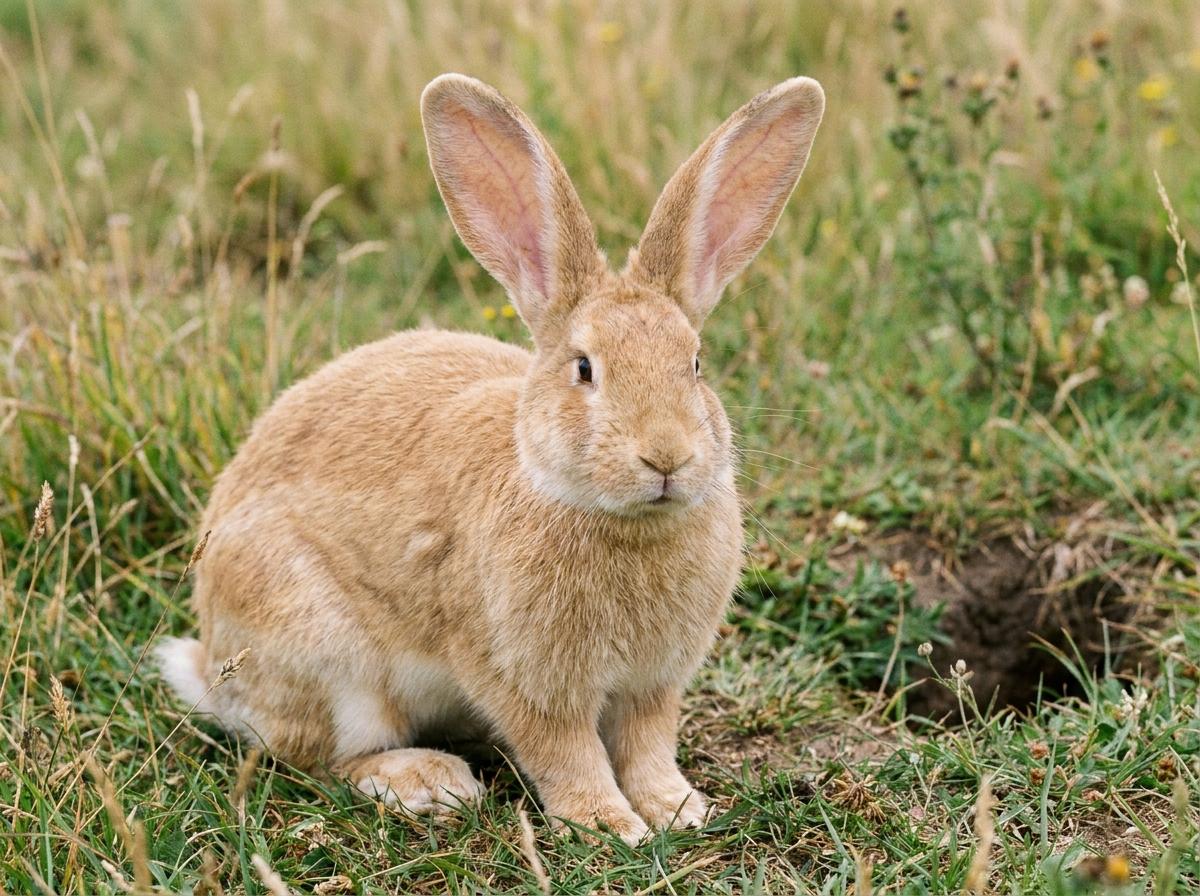


Continental Giant
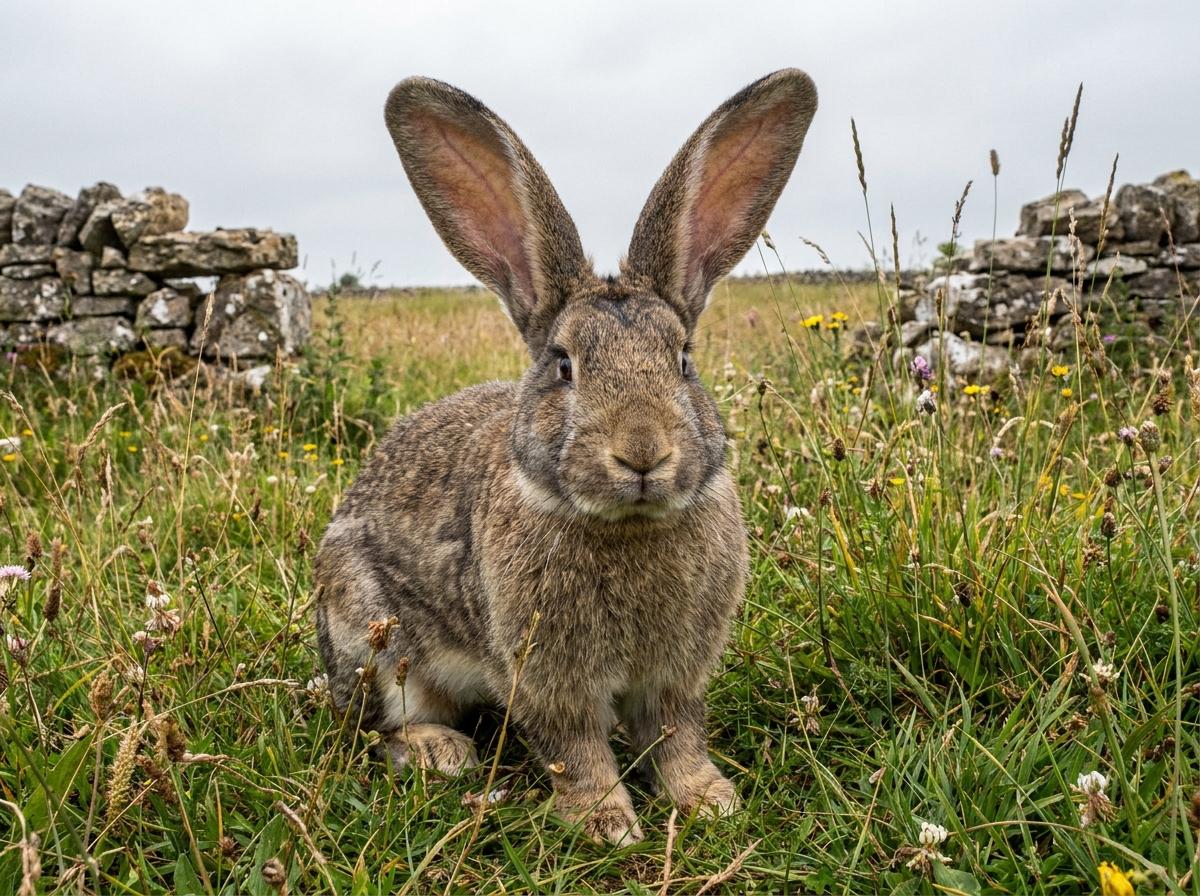
The Continental Giant is a very large domestic rabbit, and its size changes everyday care more than its appearance suggests. It needs generous movement space, safe footing, a sturdy carrier and a keeper who can handle it without injury. A large rabbit is not automatically a registered Continental Giant, so compare the rabbit breed index and ask which pedigree standard the seller uses.

| Type | Large domestic rabbit bred to a giant standard |
|---|---|
| Identity | Ask for registry and parentage records |
| Housing | Giant-sized run with standing height and a companion |
| Diet | Hay-led with an individual veterinary plan |
| Buyer focus | Health, handling and transport |
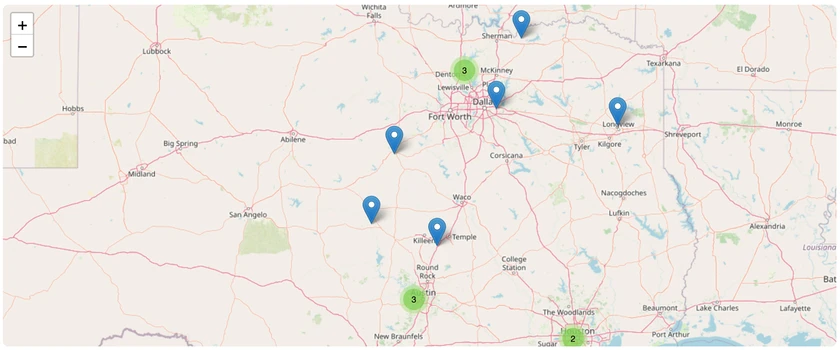
Browse listings, public profiles, breeders, or add your animal.
Giant is a care requirement
A giant rabbit must be able to turn, stretch, hop and rise comfortably. The Rabbit Welfare Association’s giant-rabbit guidance says commercial hutches are too small: a giant may stretch more than 4 ft and need a run long enough for at least three full hops, potentially 12 ft. Measure the particular adult’s full standing height as well; the often-quoted 10 × 6 × 3 ft minimum for average rabbits is not a giant-rabbit target. Provide a dry shelter, shade, predator protection and solid, nonslip flooring. Avoid bare wire floors. Plan space for a compatible rabbit companion, introduced carefully, because rabbits are social animals. The rabbit housing guide helps plan the setup before purchase.
The British Rabbit Council lists Continental Giants under its Fur breeds, with Coloured and White varieties in its standards. The American Rabbit Breeders Association recognized-breed list has no Continental Giant entry; a seller’s use of that name is not an ARBA registration claim. Ask which registry issued the actual papers. Compare the Flemish Giant and British Giant guides rather than treating the names as interchangeable.

Food and safe handling
The daily diet still centers on suitable hay and fresh water, with greens and pellets planned for the individual rabbit. Bigger does not mean unlimited concentrated feed. The rabbit diet guide explains the role of fiber for teeth and digestion. Ask a rabbit-savvy veterinarian to help assess body condition, since a broad frame can hide excess weight.
Support the chest and hindquarters when lifting is unavoidable. Never lift a rabbit by its ears or scruff. A strong kick can injure the back, and the size makes unsupported handling harder. Meet the rabbit at floor level and choose a carrier large enough for it to turn. The rabbit handling guide is a useful first read.
Health and breeder questions

See the rabbit move on solid ground. Check feet for sore hocks, eyes and nose for discharge, and coat and rear end for cleanliness. A rabbit that stops eating or producing normal droppings needs urgent veterinary help; the GI stasis guide explains the risk. Ask the breeder what the rabbit eats now and what veterinary care it has had.
Keep its pedigree, weight trend, identification and care history together. The free rabbit pedigree chart maker lays out known ancestors, but an owner-made chart is not a registry certificate. The rabbit cost guide helps budget for an appropriately sized setup.
For a rabbit this large, dated appetite, weight and mobility notes help you spot changes. The rabbit health record guide gives those observations a place to live.
Fit the companion and enclosure to an adult giant
Measure the enclosure and carrier against the adult animal, not a young rabbit in a listing. Use the giant-rabbit three-hop and standing-height guidance to check the usable run, not the outside dimensions of a hutch. Give both rabbits room to pass, separate retreats and access to hay and water. Bonding takes a suitable partner and a safe introduction; ask a rescue or rabbit-savvy veterinarian for help if either rabbit is new to you.
Ask which BRC variety or other registry standard appears on the papers, and compare the parents’ recorded identities with the rabbit offered. An ARBA Flemish Giant pedigree describes a different recognized breed. Keep those documents with the rabbit’s identity and arrange a rabbit-savvy veterinarian before arrival. The large frame still needs regular checks for sore feet, heat stress, eating and droppings.
Frequently asked questions
Is a Continental Giant the same as a Flemish Giant?
No. The BRC lists Continental Giant as its own breed; ARBA recognizes Flemish Giant but does not list Continental Giant. Ask which registry and standard issued the animal’s pedigree, because size or appearance alone cannot settle its identity.
Can a giant rabbit live in a small hutch?
No. It needs space for normal movement, safe footing, shelter and daily exercise.
Is a large rabbit easier for a child to carry?
No. It still needs full body support and often prefers floor-level interaction.
Do this next on Creatures
Choose the action that fits your stage, whether you are comparing animals, keeping one or building a breeding program.
Watch supply. Set a free listing alert; supply may be thin. See saved searches.
Compare sources. Browse current listings and the breeder directory. Ask for an individual animal’s history.
Start a profile. Add your animal and follow the profile guide.
Keep records. Add a record for identity, health, breeding or measurements. The sheet opens for visitors; a free account saves it. See adding a record and health records.
Make your operation findable. Create an organization profile and read the directory guide.
Keep learning. Explore the rabbit breed index and care reminders.