Ethiopian Horses
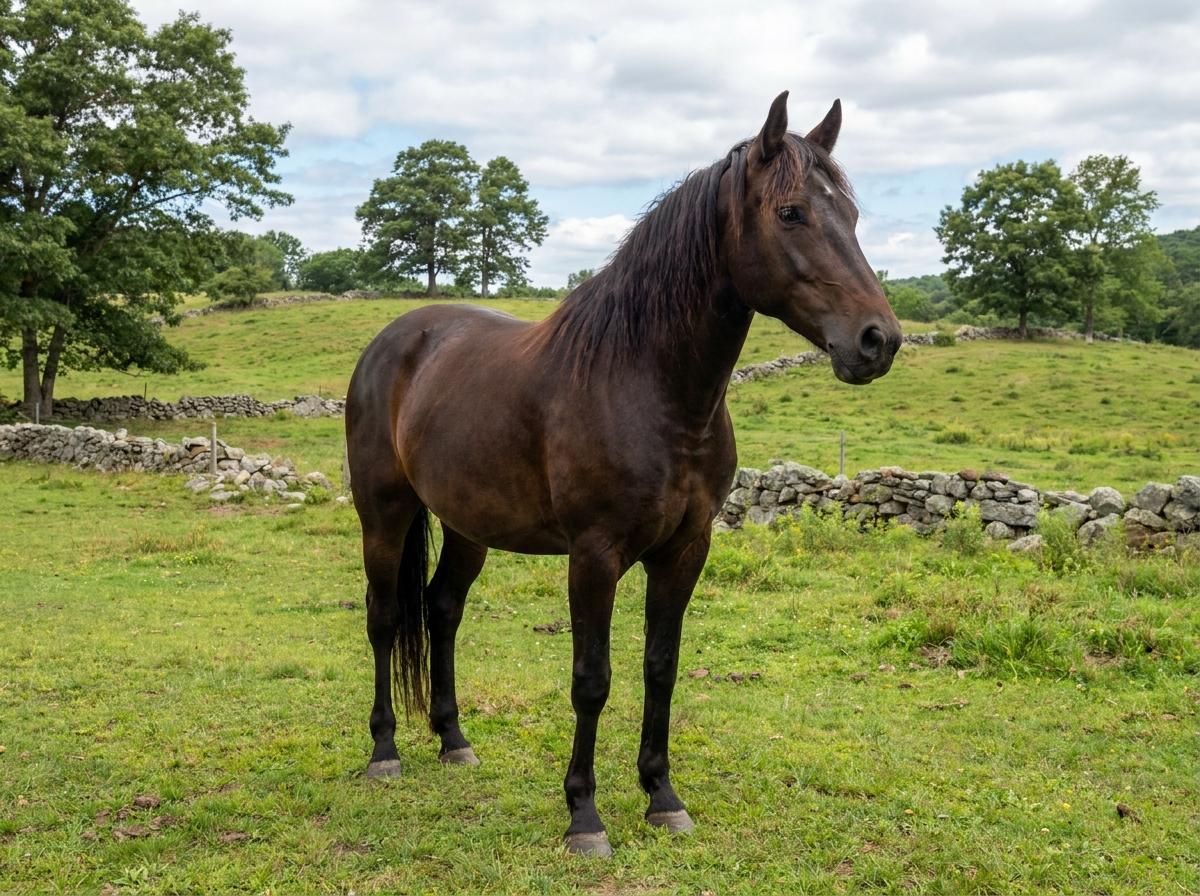
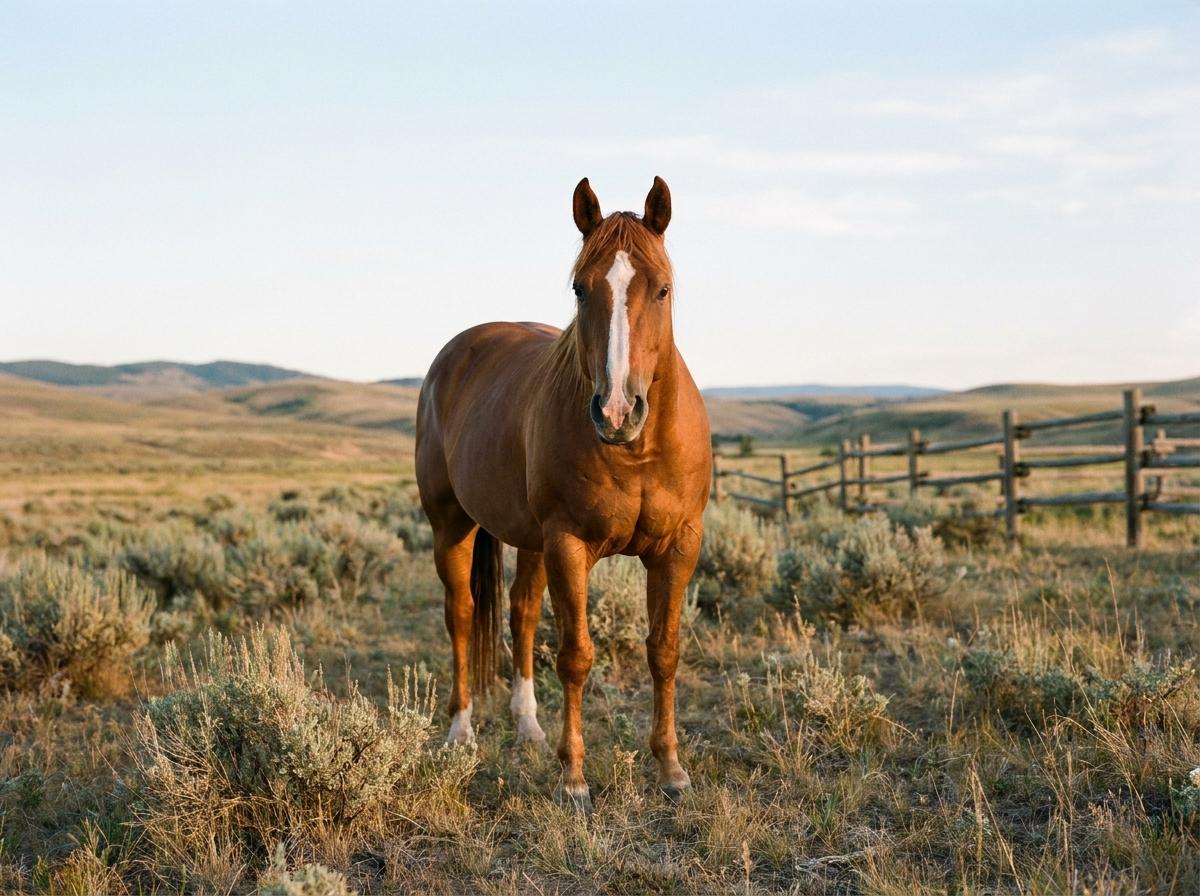
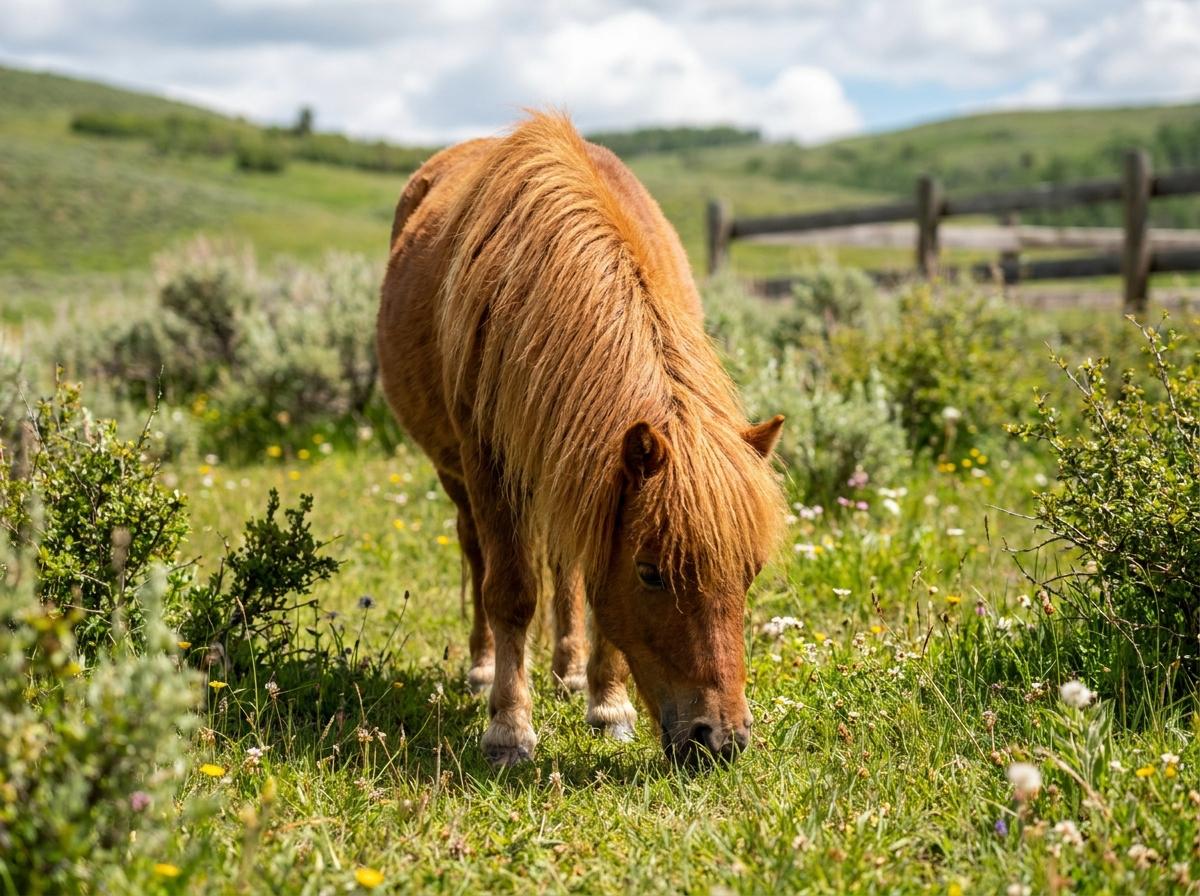
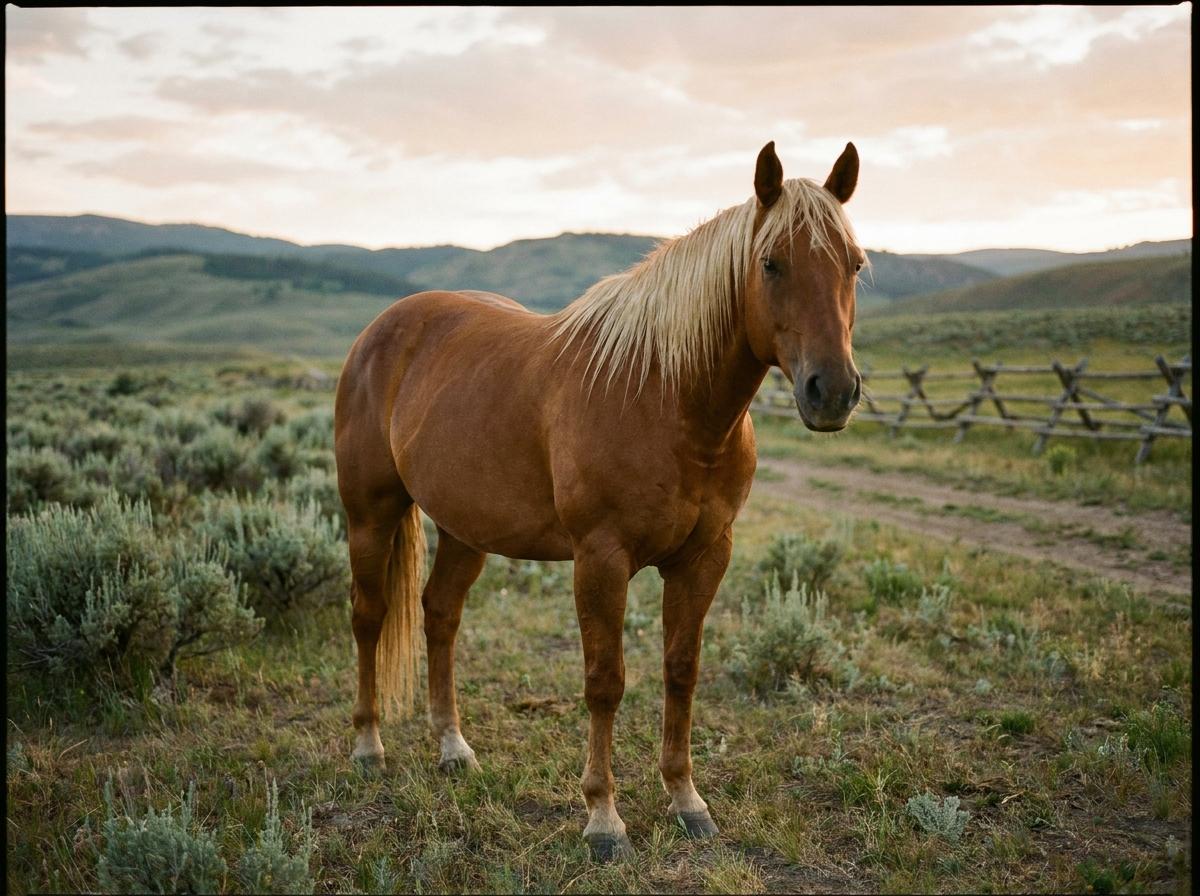
Ethiopian horses are best understood as a group of local horse populations rather than one uniform registry breed. Across the Ethiopian highlands and adjoining lowlands, horses have long been used for riding, pack transport, cart work, ceremonies, and military history. Named types and study populations include Abyssinian, Bale, Borana, Horro, Kafa and the rare Kundudo horse, with size, body shape, and coat color varying by region and use. Many are small to medium horses shaped by altitude, seasonal feed, long daily travel, and local breeding customs.
Practical management is often tied to smallholder systems, where horses share limited feed resources with other livestock and may work hard in harness or under saddle. Harness fit is a frequent welfare issue for working animals; teeth, hooves, parasites, and basic veterinary access also strongly affect soundness. For researchers and conservation teams, the main task is documenting local types, identifying genetically distinct populations, and supporting husbandry that keeps useful village horses healthy. Buyers or charities using the label should ask which Ethiopian population is meant, because needs and traits differ widely.