

Alpine
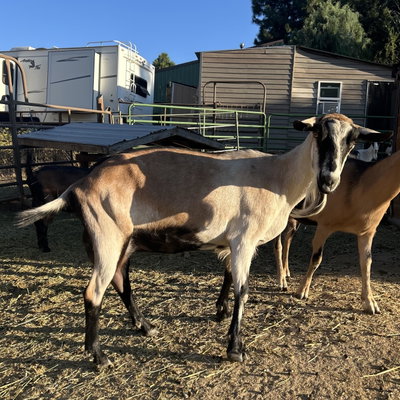
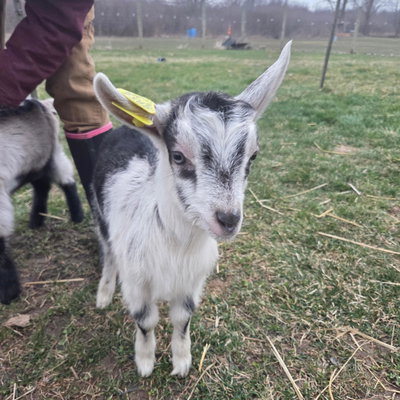
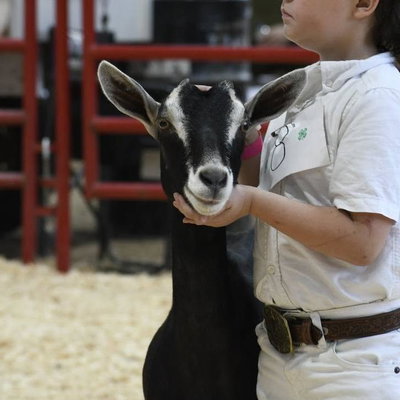
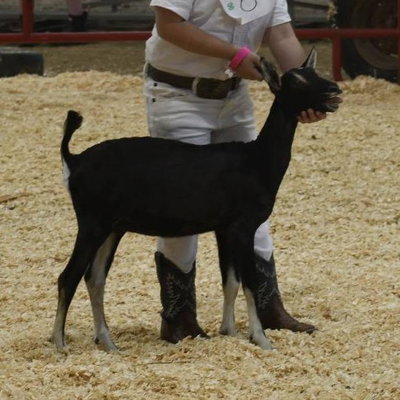
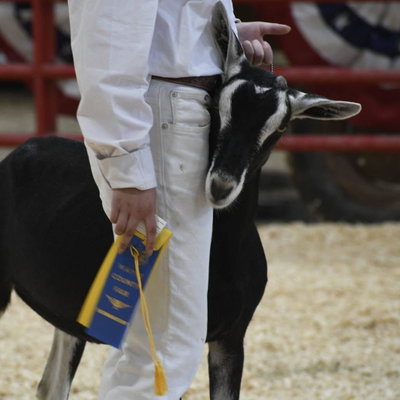
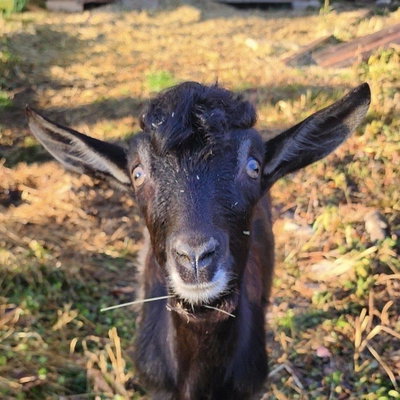
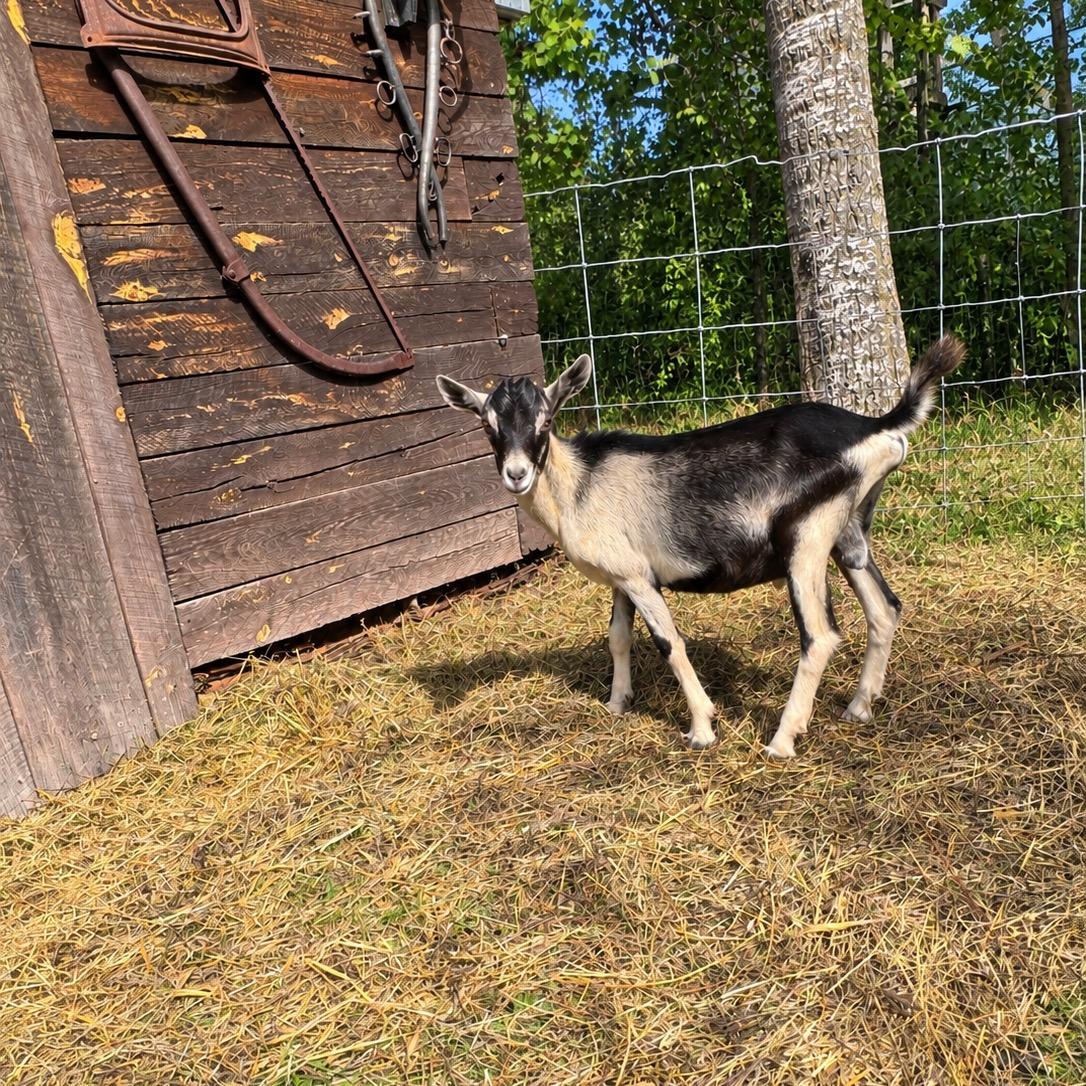
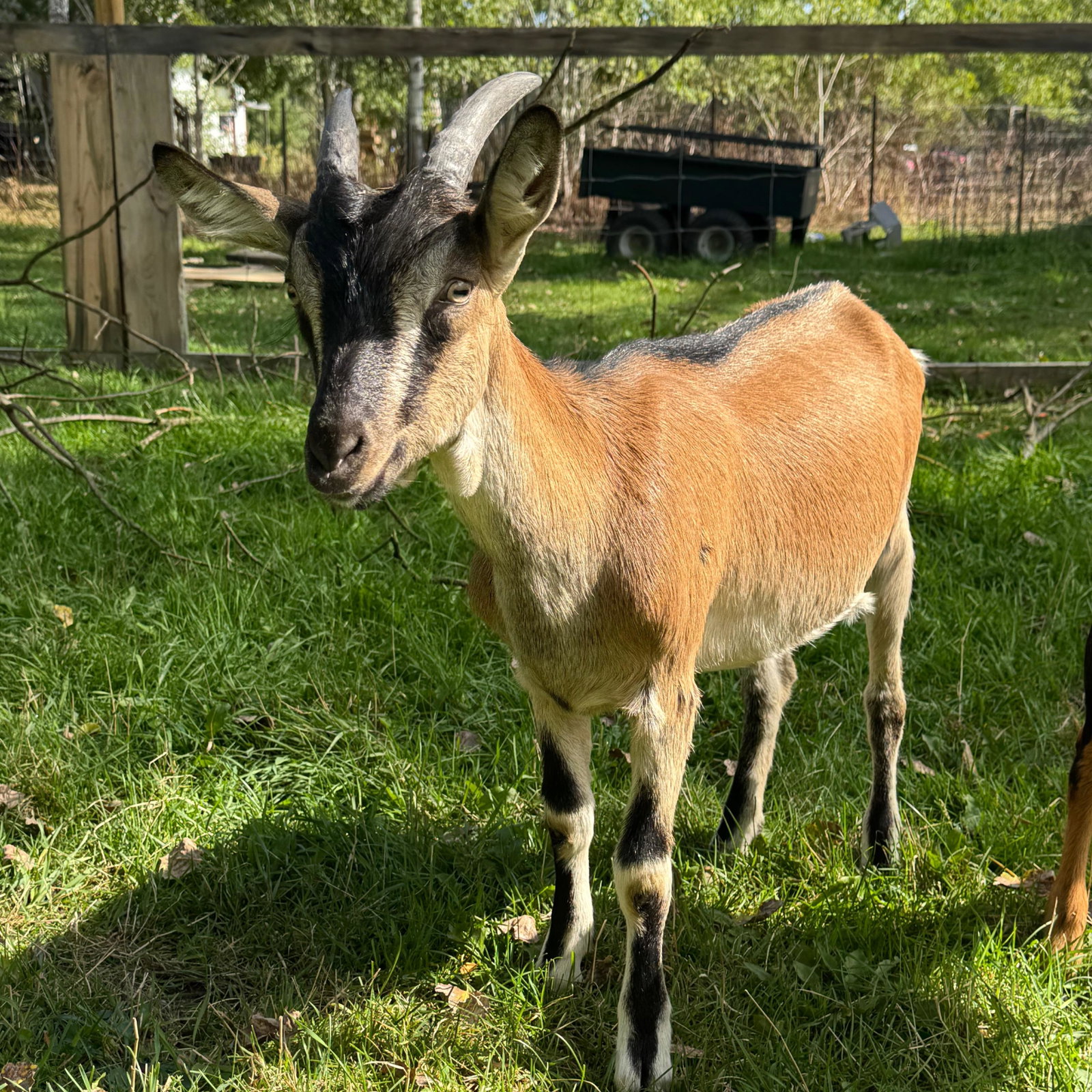
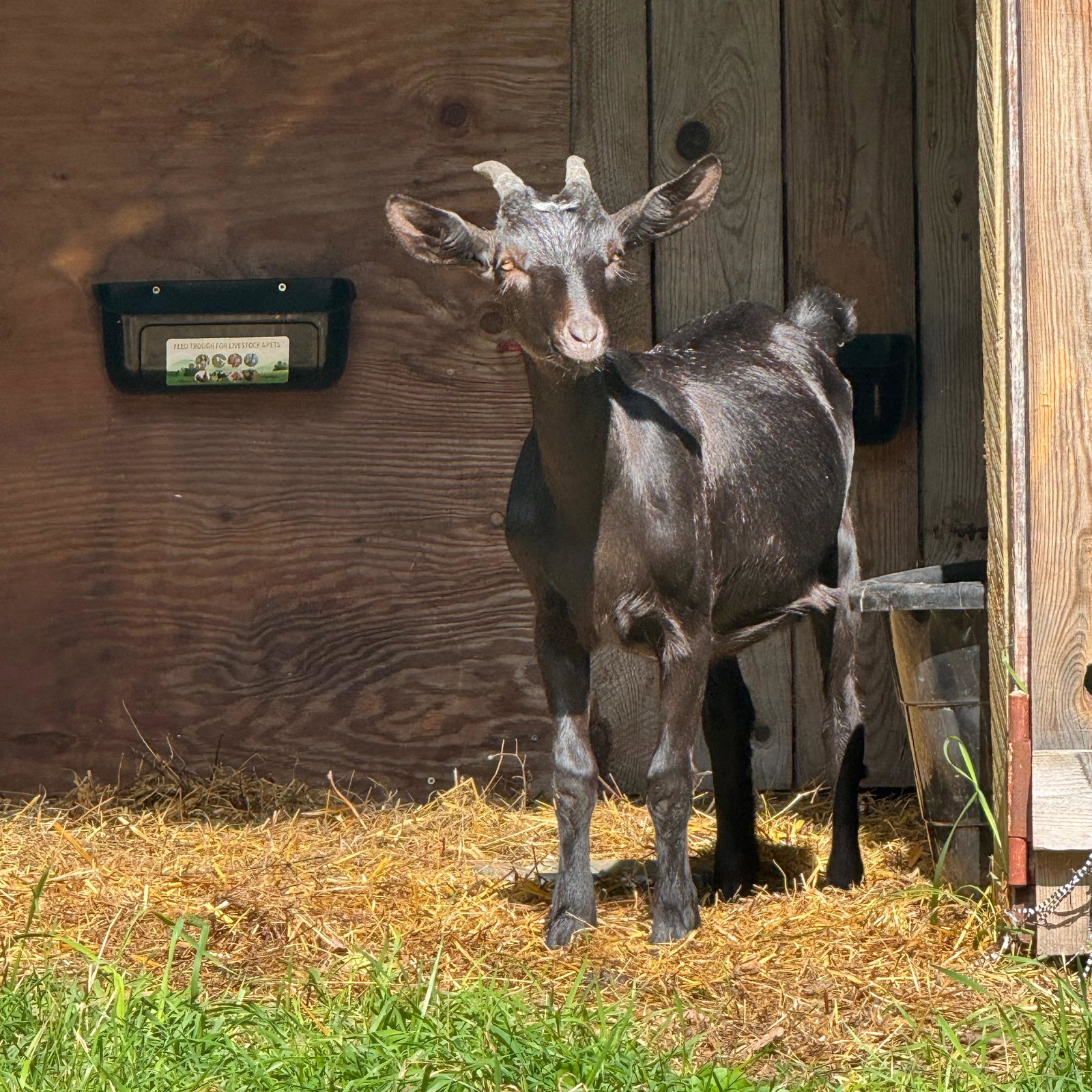
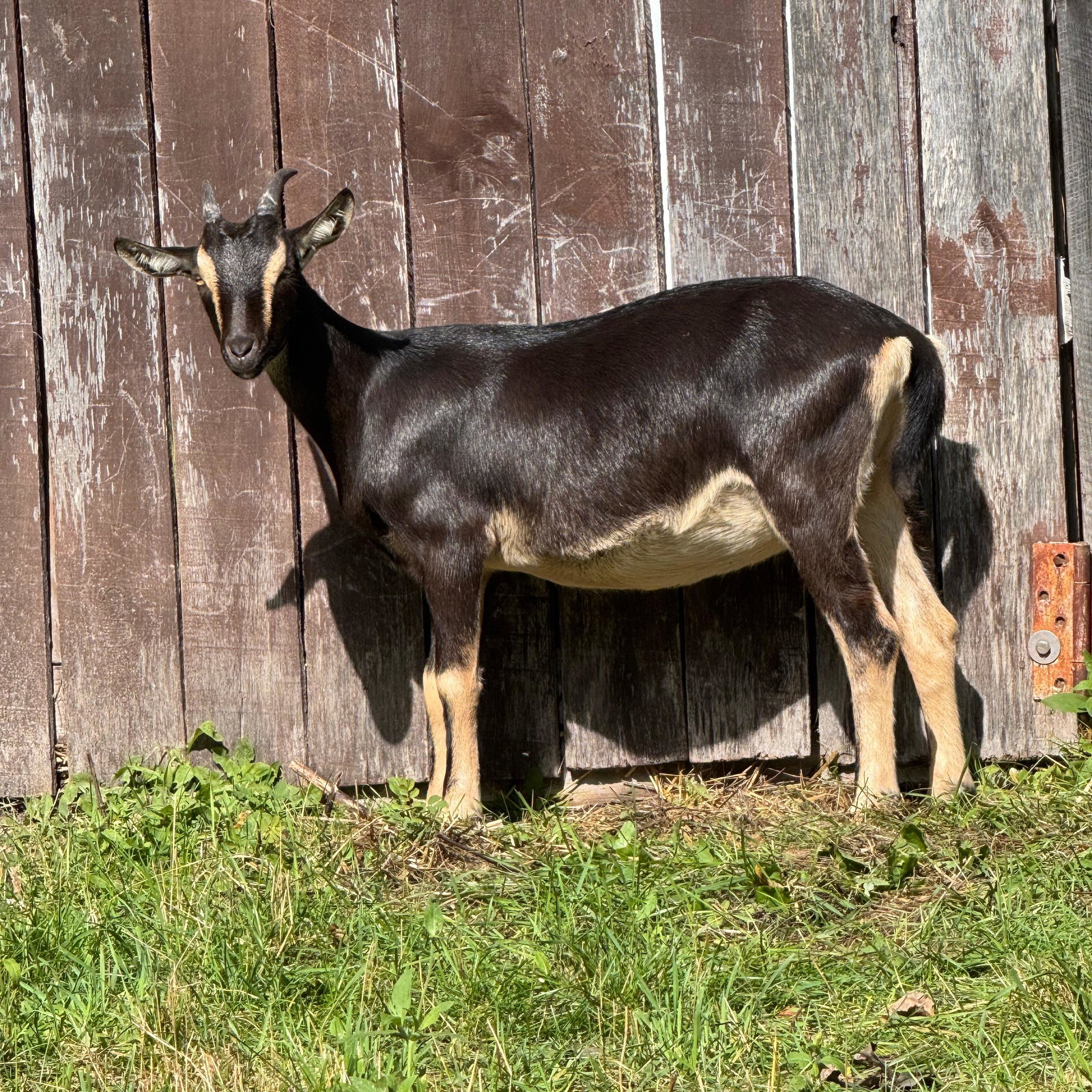
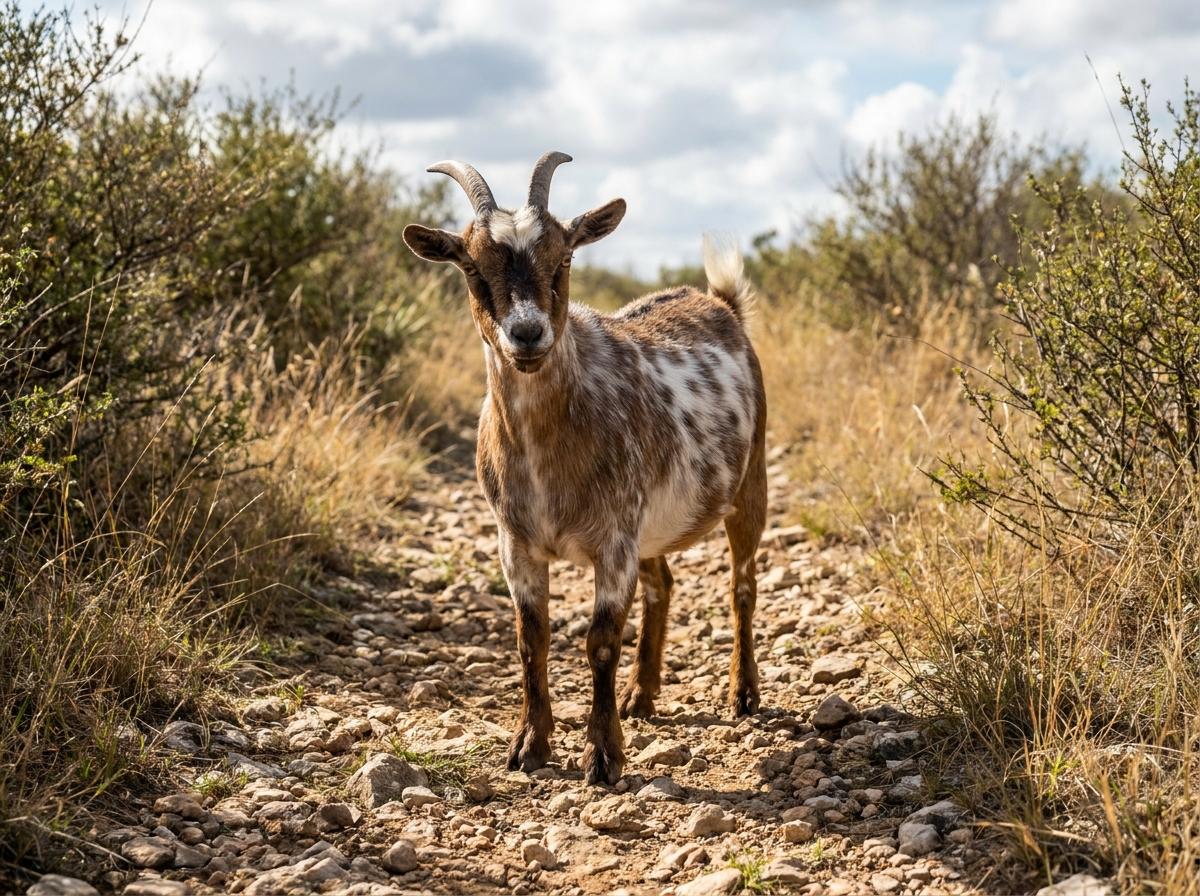
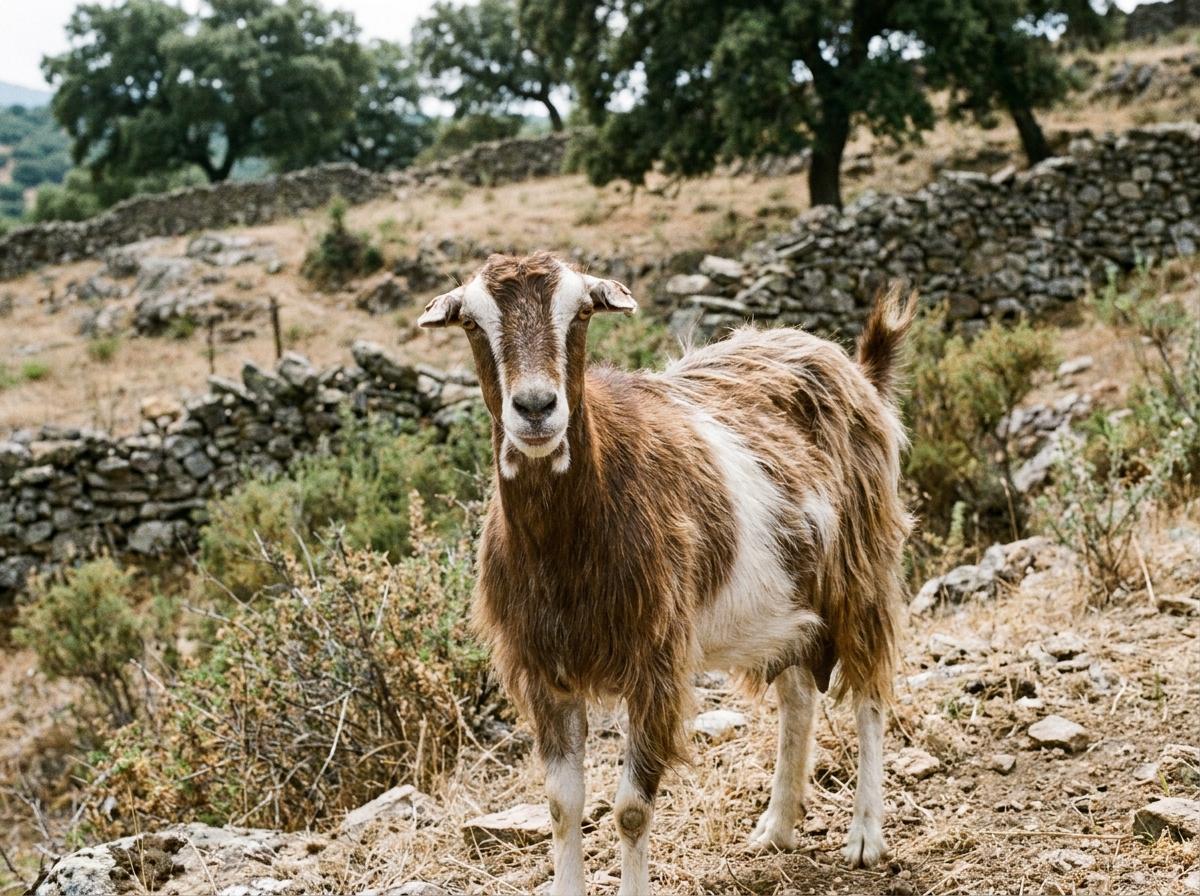
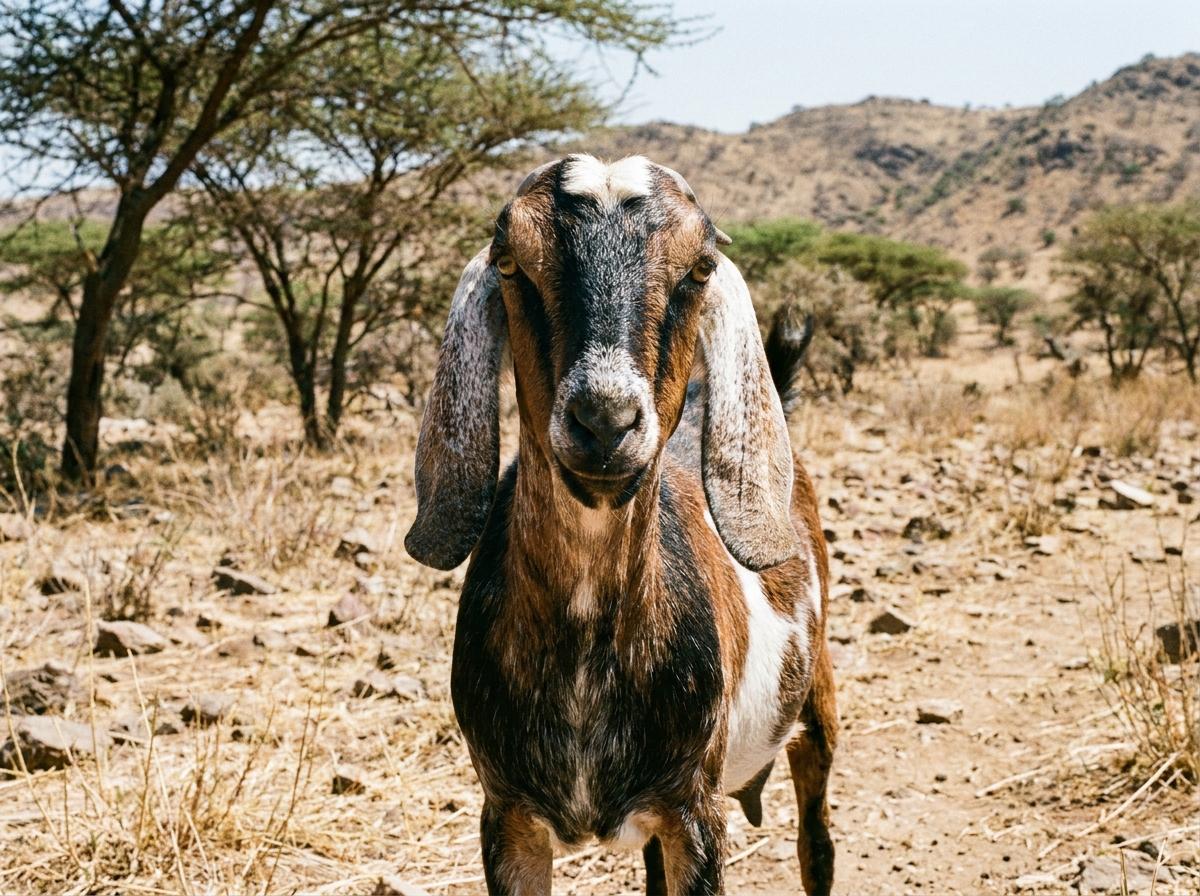
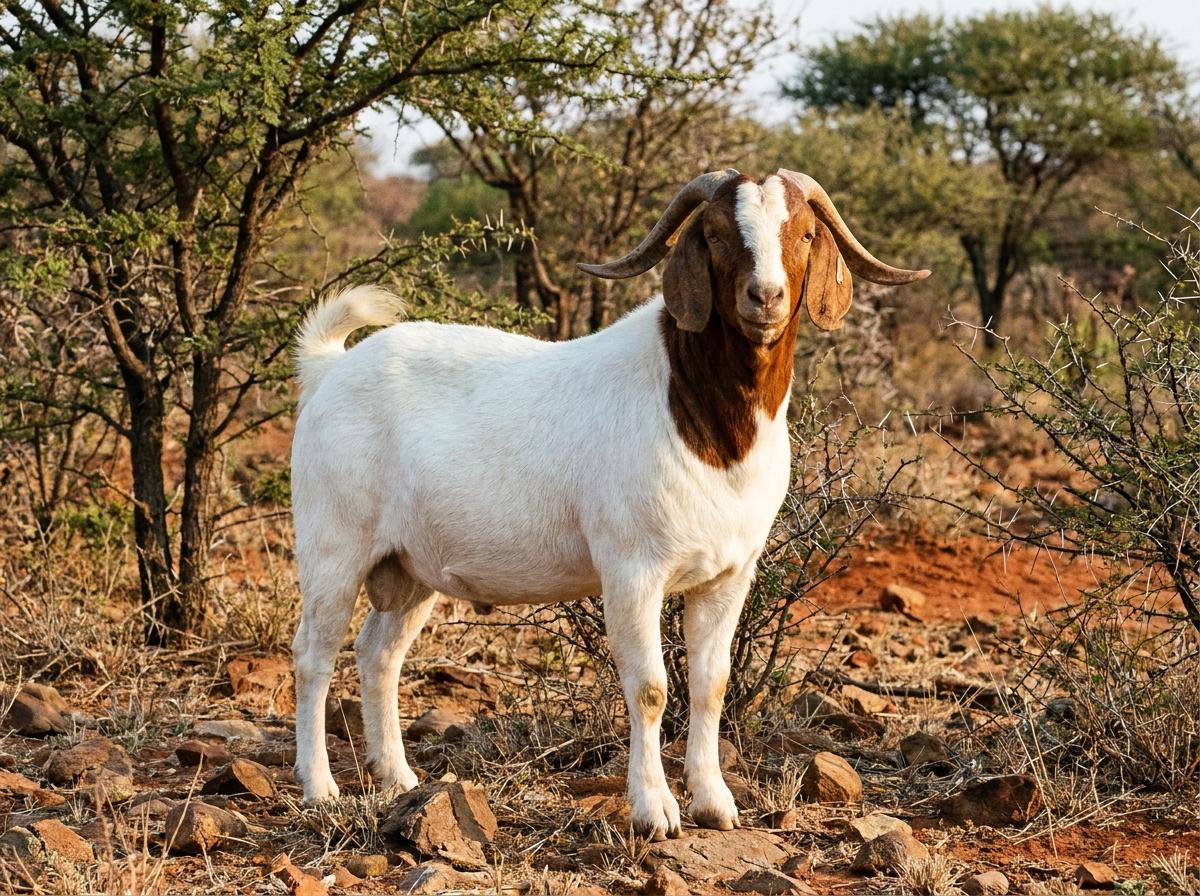
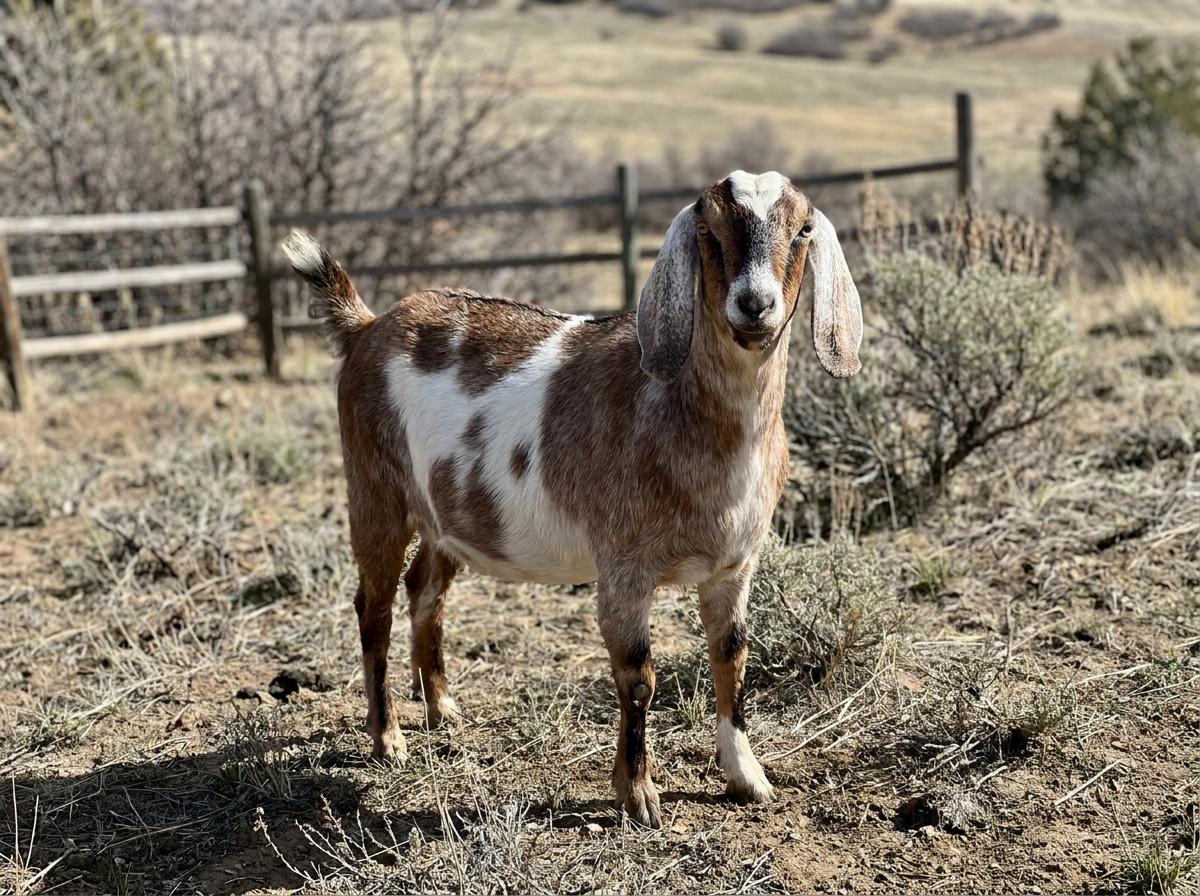
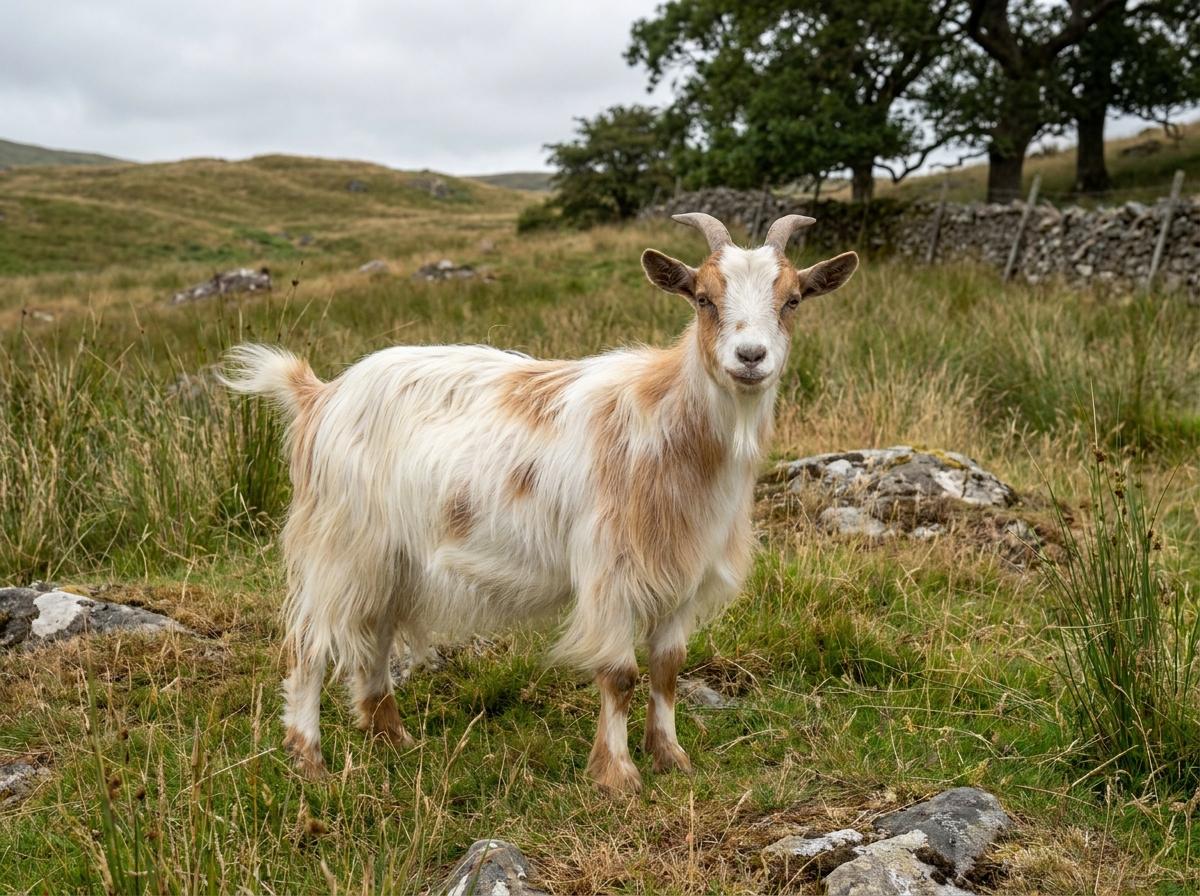
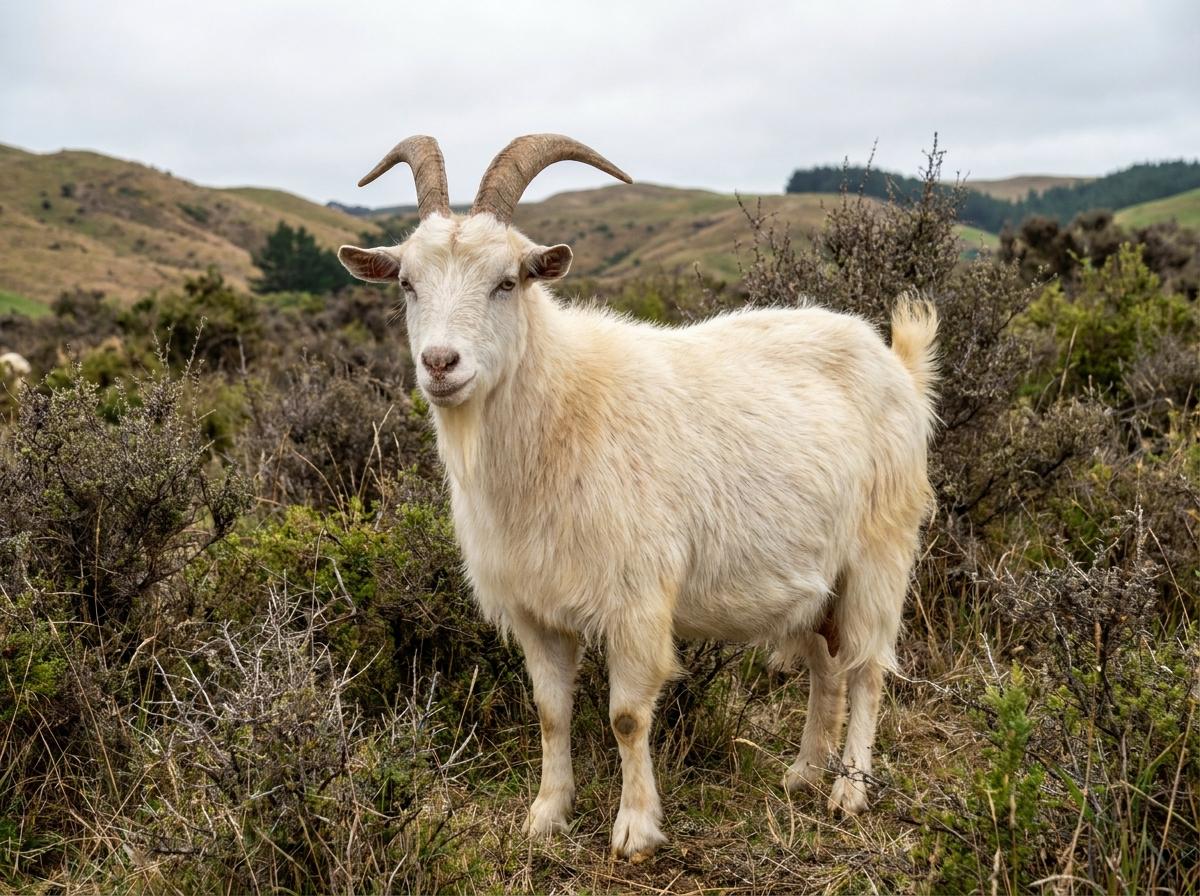
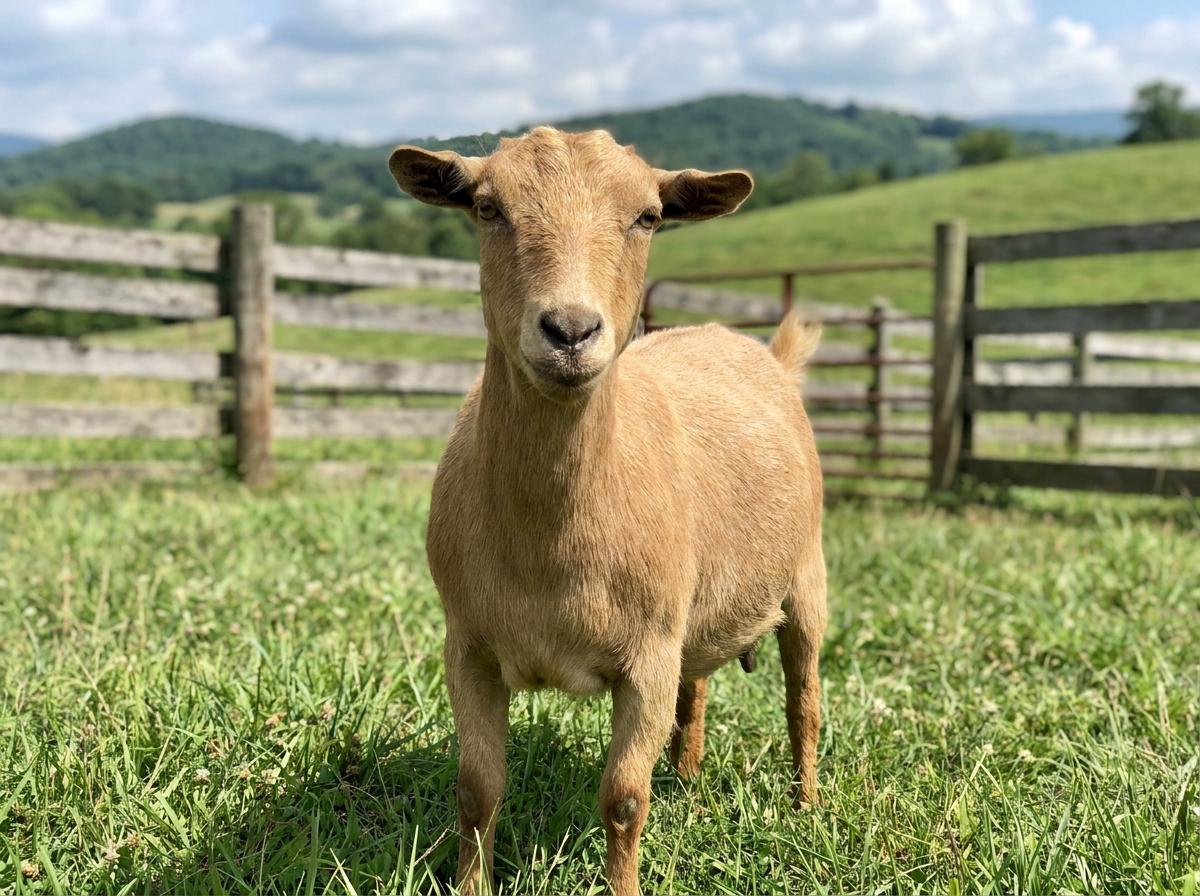
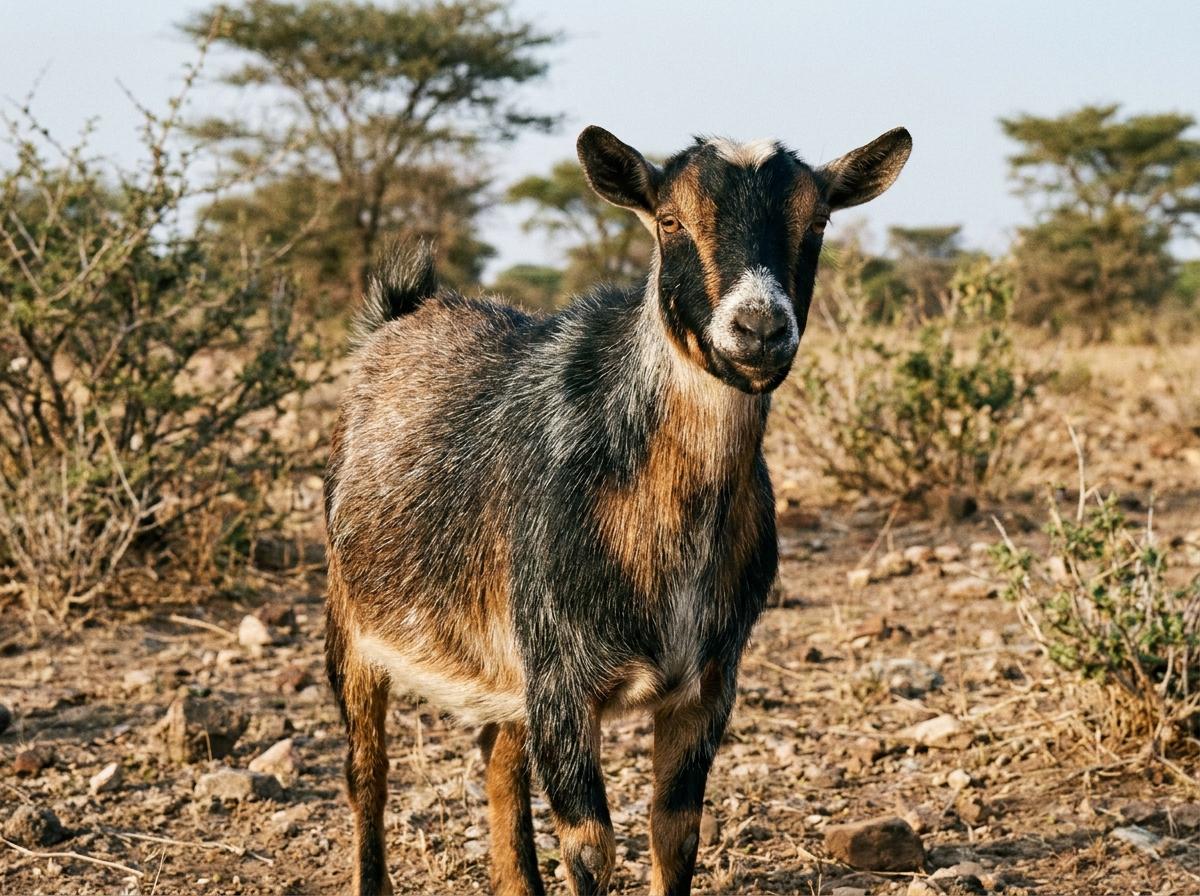
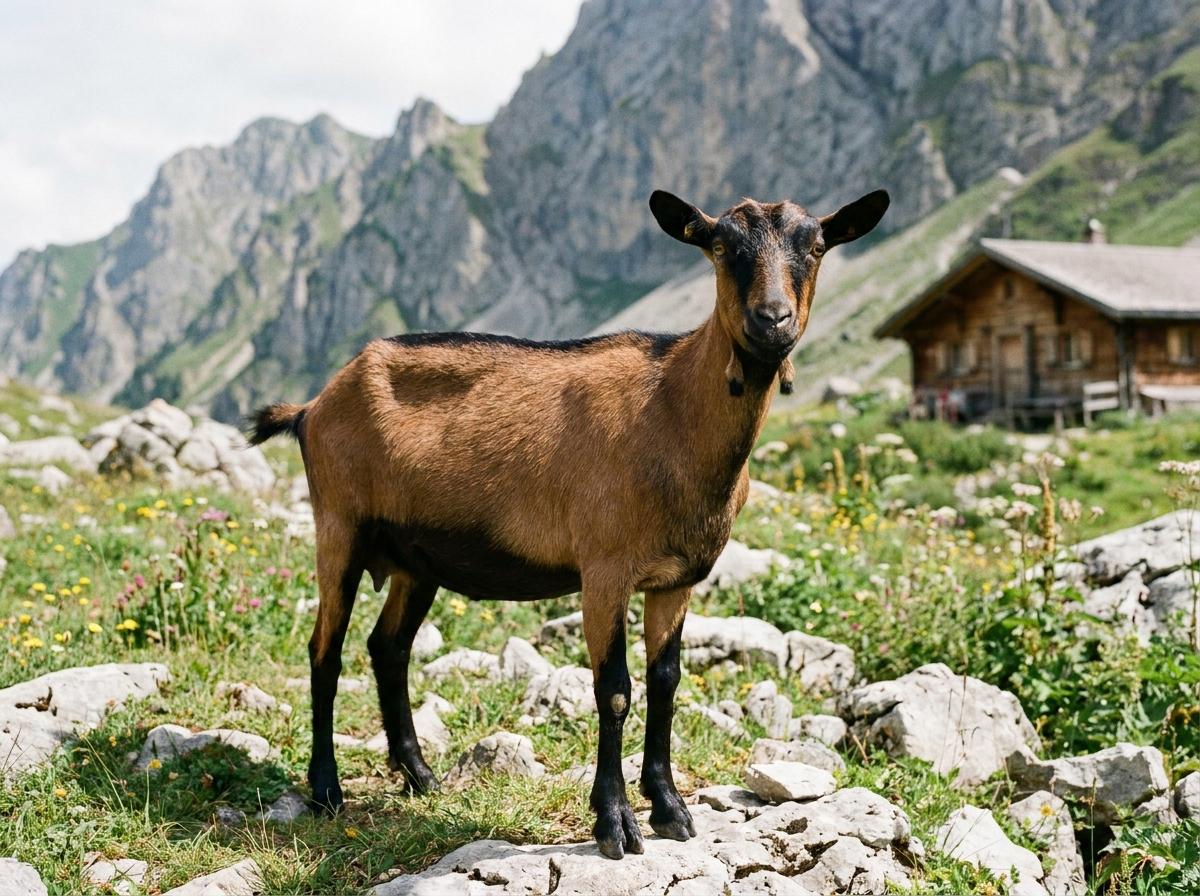
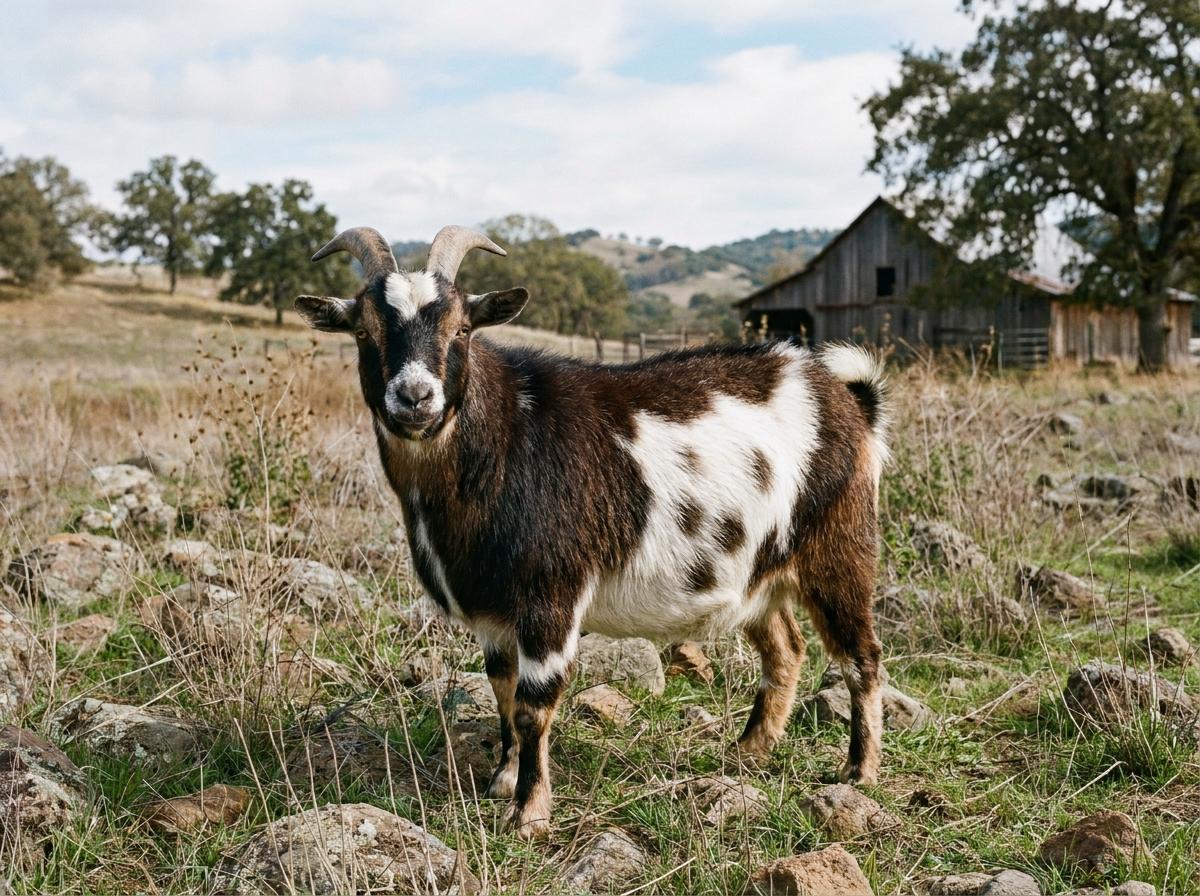
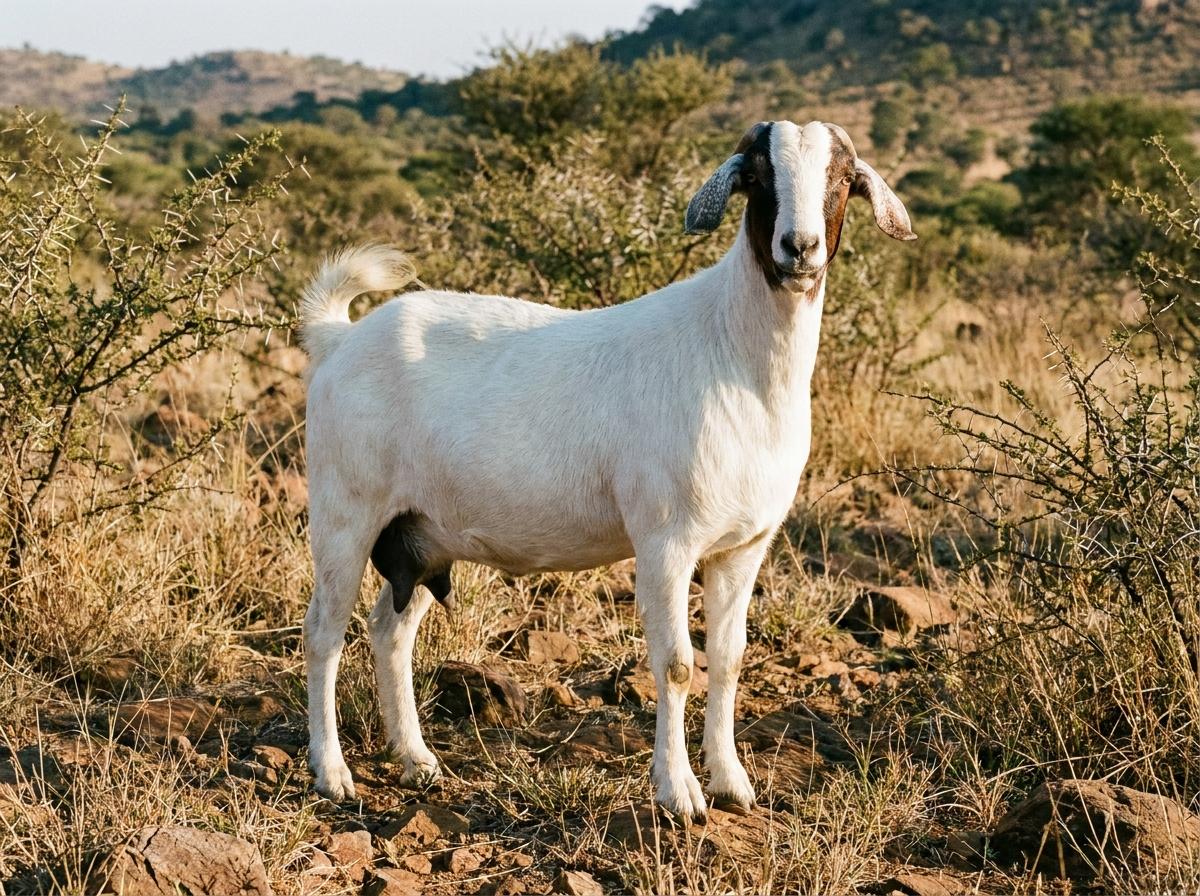
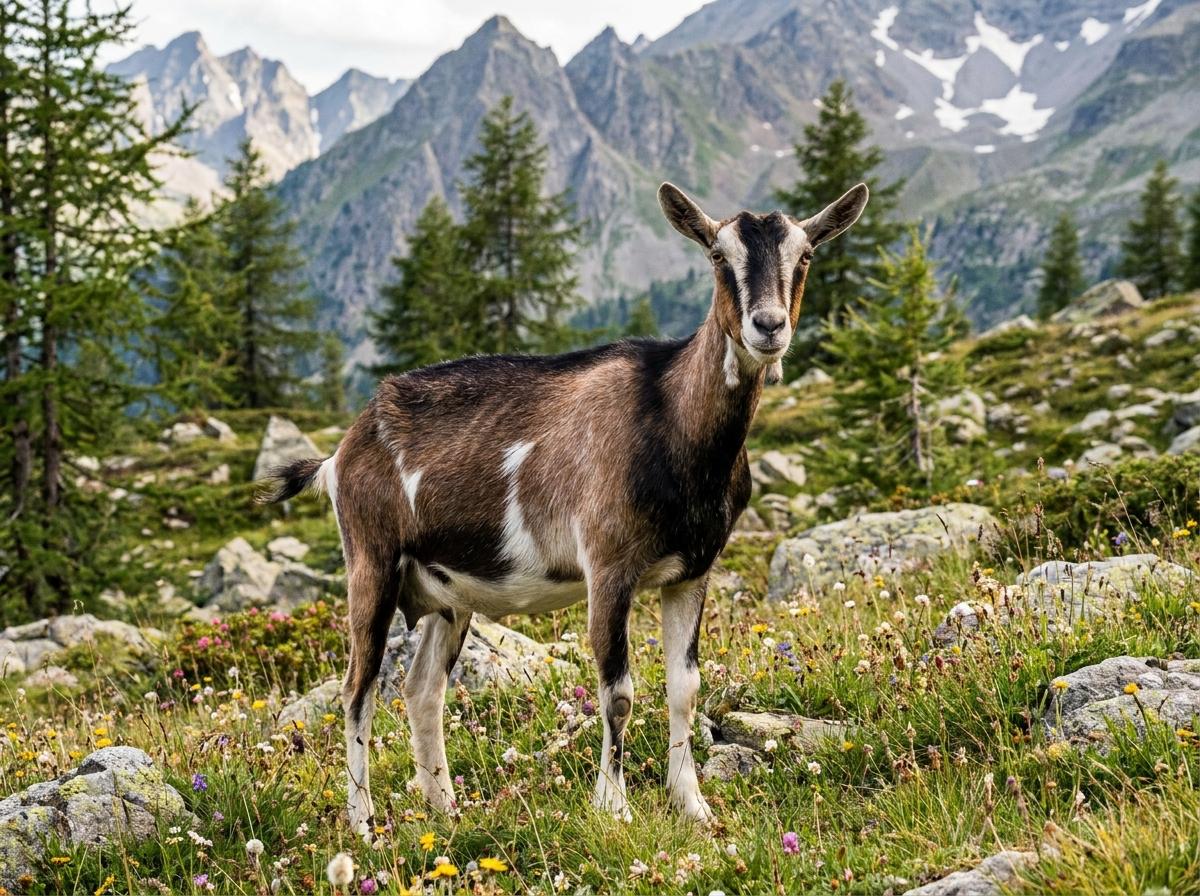
Alpine goats are medium to large dairy goats descended from mountain stock of the French Alps, with American Alpine lines developed after importation to North America. They are deep-bodied, long-legged, alert animals with upright ears and a straight or slightly dished face. The breed is one of the most color-varied dairy goats; accepted pattern names include chamoisee, cou blanc, cou clair, cou noir, sundgau, broken markings, and pied combinations. In the dairy pen, color matters far less than a durable udder, sound feet, and the ability to milk steadily through a long lactation.
Practical Alpine management is built around production. High-yielding does need good forage, balanced minerals, and a ration matched to milk output, while growing kids benefit from early handling and secure browsing space. Alpines are active goats that test weak fences and appreciate room to climb, but they are also common in family dairies because they learn routines quickly. Breeders usually pay close attention to udder attachment, teat placement, milk records, and temperament, since these traits matter more in the milking parlor than coat pattern.
Colors: Belted, Black, Black and White, Black and White Pied, Broken Chamoisee, Broken Cou Blanc, Broken Cou Clair, Broken Cou Noir, Broken Sundgau, Brown, Brown and White, Brown and White Pied, Buckskin, Chamoisee, Chamoisee (Brown with Black Markings), Cou Blanc, Cou Blanc (White Neck), Cou Clair, Cou Clair (Light Neck), Cou Noir (Black Neck), Cream, Fawn, Gold, Gray, Moonspotted, Mottled, Multi-Colored Pied, Pied (Spotted), Pinto, Red, Red and White, Red and White Pied, Roan, Solid Black, Solid Brown, Solid Red, Solid White, Spotted, Sundgau, Sundgau (Black with White Markings), Swiss Marked, Tan, Two-Tone Chamoisee, White