Beauceron
Author: Elliott Garber, DVM · Published
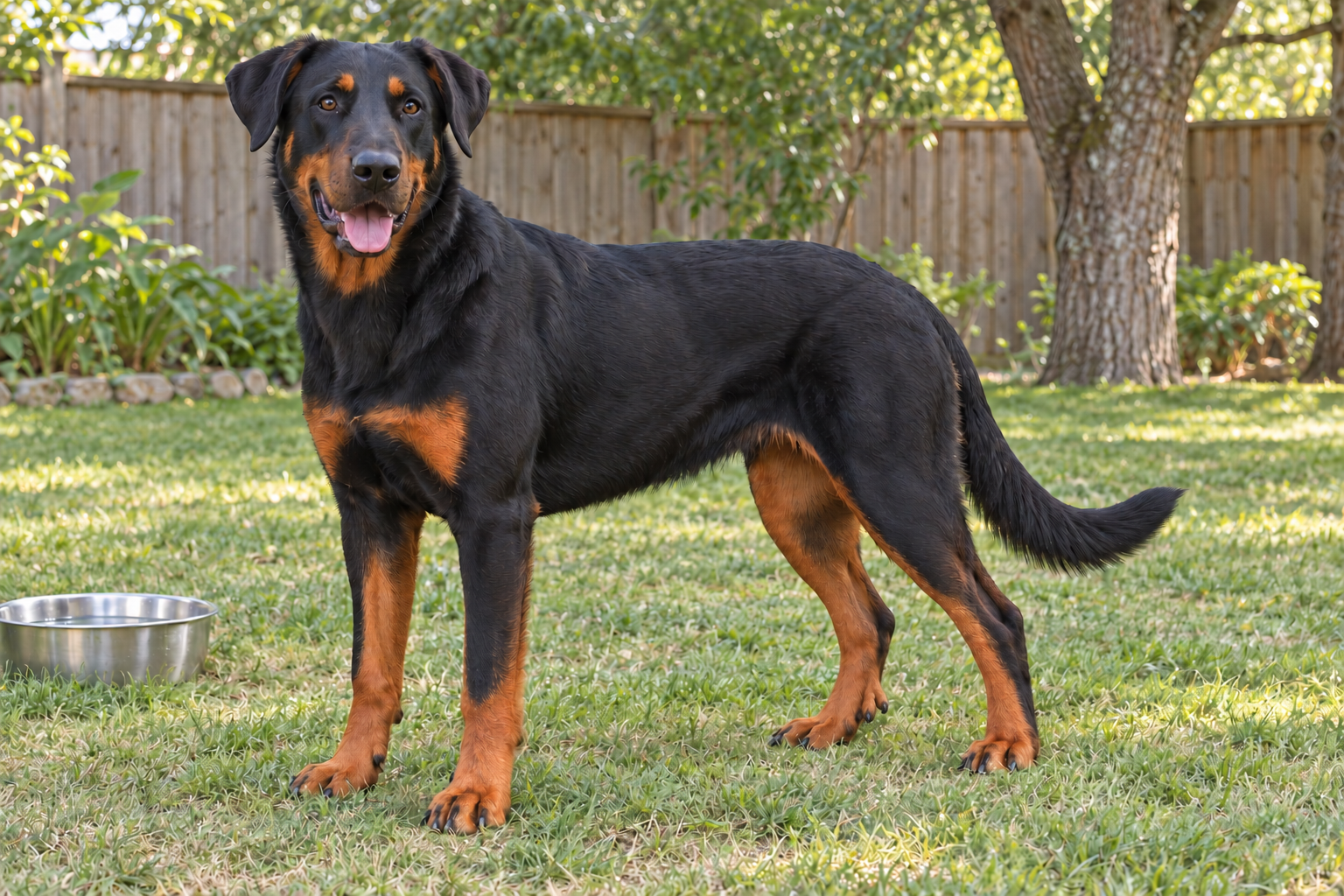
The Beauceron is a large French herding dog, also called the Berger de Beauce, with an athletic build, a short double coat and distinctive double dewclaws on the rear legs. Black and tan and harlequin are the standard color patterns. It needs an owner who enjoys training and daily activity, not simply a household looking for an imposing dog. When assessing a puppy’s background, the dog pedigree chart maker can organize supplied ancestry, but a user-entered chart does not certify parentage or replace registry papers.
| Origin and role | French herding breed, also Berger de Beauce |
|---|---|
| AKC male height | 25.5 to 27.5 inches at the withers |
| AKC female height | 24 to 26.5 inches at the withers |
| UKC height | The same male and female ranges |
| Standard patterns | Black and Tan and Harlequin |
| Identifying feature | Double dewclaws on each rear leg |
| Buyer priority | Temperament fit and actual health-screening results |
Browse listings, public profiles, breeders, or add your animal.
Beauceron identity and working heritage
The AKC standard describes an established French breed selected for herding and guarding flocks, structure and endurance. The UKC standard uses the name Berger de Beauce and describes a powerful, balanced dog without heaviness. The Beauceron is not a recent designer cross between other black-and-tan breeds.
That history helps explain the commitment, but it does not give every puppy a job or a guaranteed temperament. Ask what the breeder’s own adults actually do and how their behavior fits your intended life. A sport prospect, a working farm dog and a family companion may require different placement decisions within the same breed.
If you are comparing active dog breeds, the Belgian Tervuren guide is another useful discussion of herding heritage and training commitment. Compare the practical daily requirements rather than choosing on coat or a protective-sounding description alone.
AKC and UKC standards: size, colors and identifying features
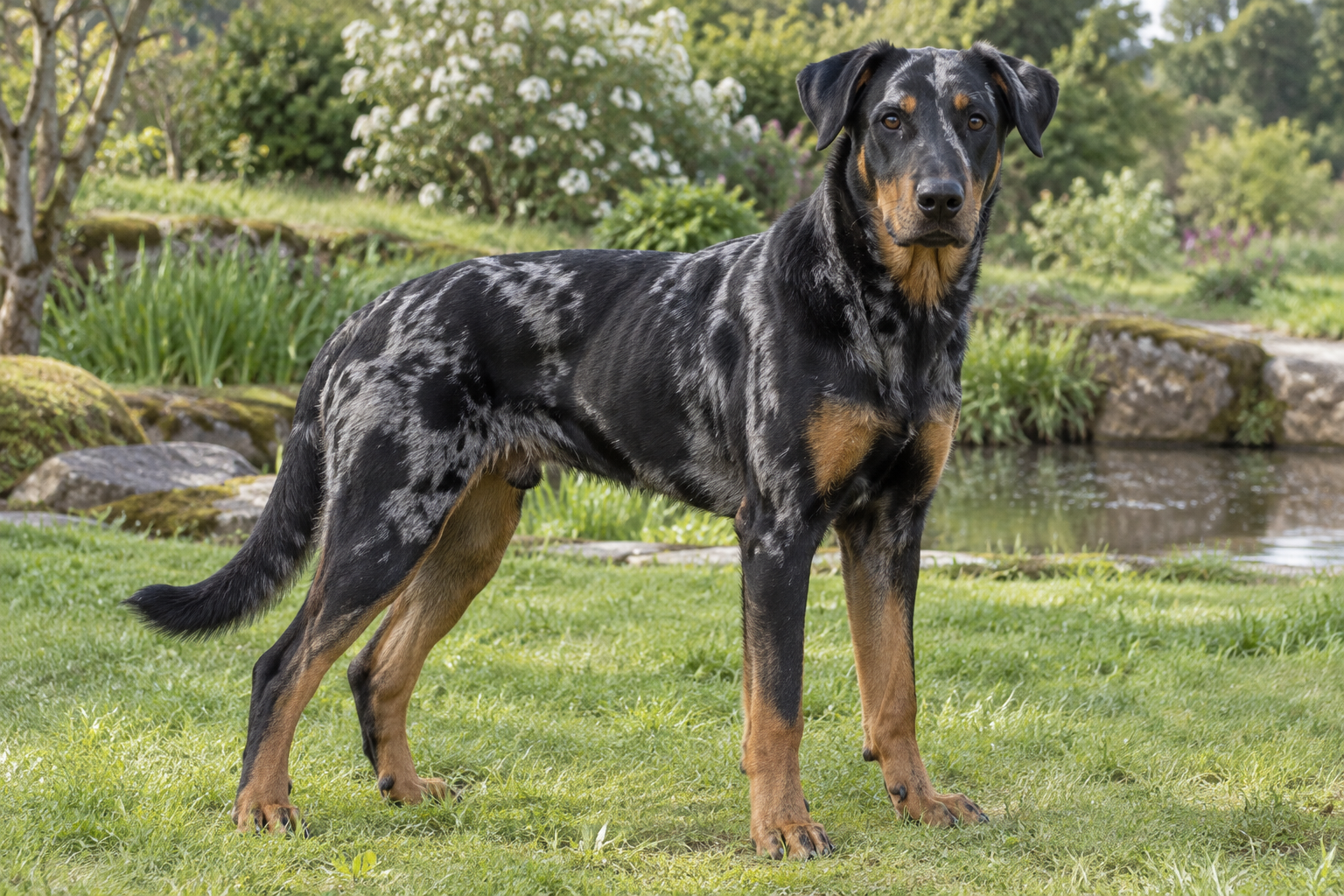
The actual standards agree on height: males measure 25.5 to 27.5 inches and females 24 to 26.5 inches at the withers. These are conformation limits, not the best height for every household. Both describe a slightly longer-than-tall, muscular dog whose build permits useful movement.
Read each registry’s rules as its own document. AKC names Black and Tan and Gray, Black and Tan (Harlequin), with rust-colored markings. UKC names Black and Tan and Harlequin and describes the latter’s gray, black and tan pattern. Harlequin here is not the large white-and-black pattern associated with some other dog breeds.
Both standards require double rear dewclaws, carried close to the feet. Both standards allow cropped or natural ears: AKC describes natural ears as half-pricked or drop, and UKC describes uncropped ears as flat and rather short. Both disqualify rigidly upright natural ears and a docked tail, and UKC adds that no dog at its events is penalized for natural ears or a full tail. A natural tail hangs low with a hook or slight J at the tip.
Fine wording differs. For example, AKC disqualifies a well-defined visible white chest spot 1 inch in diameter or larger, while UKC says more than 1 inch. If showing matters, use the standard for that event, not a blended internet checklist. Show eligibility is separate from whether an individual can be a loved companion.
Is a Beauceron a good fit for your home?
The AKC’s breed-care information emphasizes physical and mental challenges, socialization and obedience work. A yard alone does not provide that program. Plan daily outings and training that suit the dog’s age, fitness and behavior, plus opportunities to settle quietly afterward.
Before choosing the breed, describe a normal weekday honestly. Who will provide exercise, training, company and safe management when your schedule changes? What will happen when visitors arrive, when a sitter takes over, or when the dog needs restricted activity? These practical questions are more revealing than asking whether the breed is loyal.
Meet adult Beaucerons if possible and discuss the breeder’s individual dogs. A standard’s ideal temperament is a selection goal, not a warranty. Reserved behavior should not be sold as permission for uncontrolled aggression, and confidence should not mean the dog is expected to manage strangers without guidance.
Supervise interactions with children and other animals, use safe barriers and teach calm routines. On a multi-species property, a Beauceron’s herding background does not authorize unsupervised access to livestock. A Mammoth donkey has different needs and responses; plan separate spaces and supervised management instead of assuming the animals will work together naturally.
Training without a contest of strength
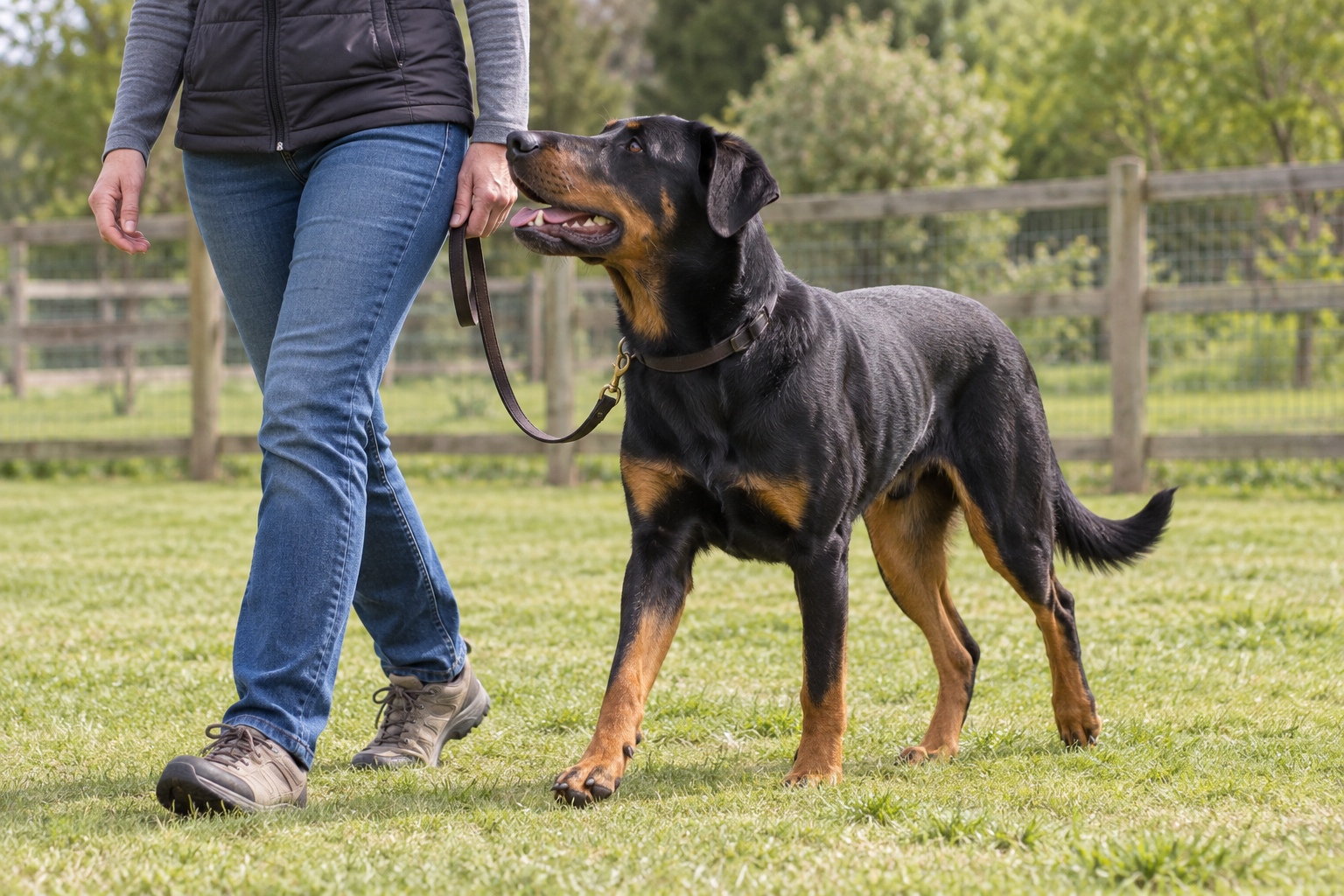
Start with useful behaviors: responding to a name, coming when called, walking on a loose leash, settling on a mat and accepting ordinary grooming and veterinary handling. Break tasks into manageable steps and reward what you want repeated. A large adolescent dog is easier to live with when those routines are taught before they become urgent.
The American Veterinary Society of Animal Behavior’s current position recommends reward-based methods for training and behavior modification. Strength and working heritage do not create an exception that requires painful tools or physical intimidation. If fear, guarding or reactivity is developing, involve your veterinarian and a qualified professional using humane methods.
A sitter or walker needs the same clear routine you use. The pet sitter instructions template helps document cues, equipment, feeding and emergency contacts. Tell a helper what the dog can do reliably today, not what a training plan hopes it will do eventually.
Feeding, coat care and ordinary veterinary prevention
Choose a complete diet appropriate to life stage and individual needs. Review body condition as activity changes and account for training treats rather than adding them without limit. The WSAVA nutrition resources support assessing the individual dog and discussing diet with the veterinary team. A growing large-breed puppy needs a considered feeding and exercise plan, not a fixed ration copied from an adult.
The AKC care page recommends regular brushing, more attention during heavy shedding, nail care including the rear dewclaws, and routine ear and dental checks. A short coat still sheds. Learn safe nail care and ask a professional for help rather than allowing the extra claws to become overgrown.
Arrange ordinary examinations, vaccinations and parasite prevention with your veterinarian. Preserve certificates and dates so a new clinic or helper can see what was actually done. The dog vaccination-record template and microchip records guide help keep documents and identification linked to the correct dog.
Health screening: ask for results, not a slogan
The American Beauceron Club health statement hosted by AKC recommends evaluation of hips, eyes and heart, including echocardiography, for breeding stock. It also encourages elbow and thyroid testing. Ask for the actual reports, dates, dog identifiers and results, then discuss them with your veterinarian.
The statement notes documented dilated cardiomyopathy while saying its incidence is unknown. It does not justify a made-up prevalence or a promise that one normal cardiac examination clears a dog for life. Ask about repeat evaluation, older relatives and health problems that appeared after earlier screening.
Completed screening and a favorable result are different facts. A health-program number, pedigree or registration certificate is not a guarantee that all results were normal or that the puppy will never develop disease. Keep the documents and their limits visible.
Beaucerons also fit the large, deep-chested description relevant to gastric dilatation-volvulus (GDV). The American College of Veterinary Surgeons describes this as an emergency. Unproductive retching, a distended or painful abdomen, marked restlessness, weakness or collapse need immediate veterinary assessment. Discuss risk reduction and whether preventive surgery is appropriate with your veterinarian before an emergency, not through an improvised home response.
Rest, records and responsible breeding
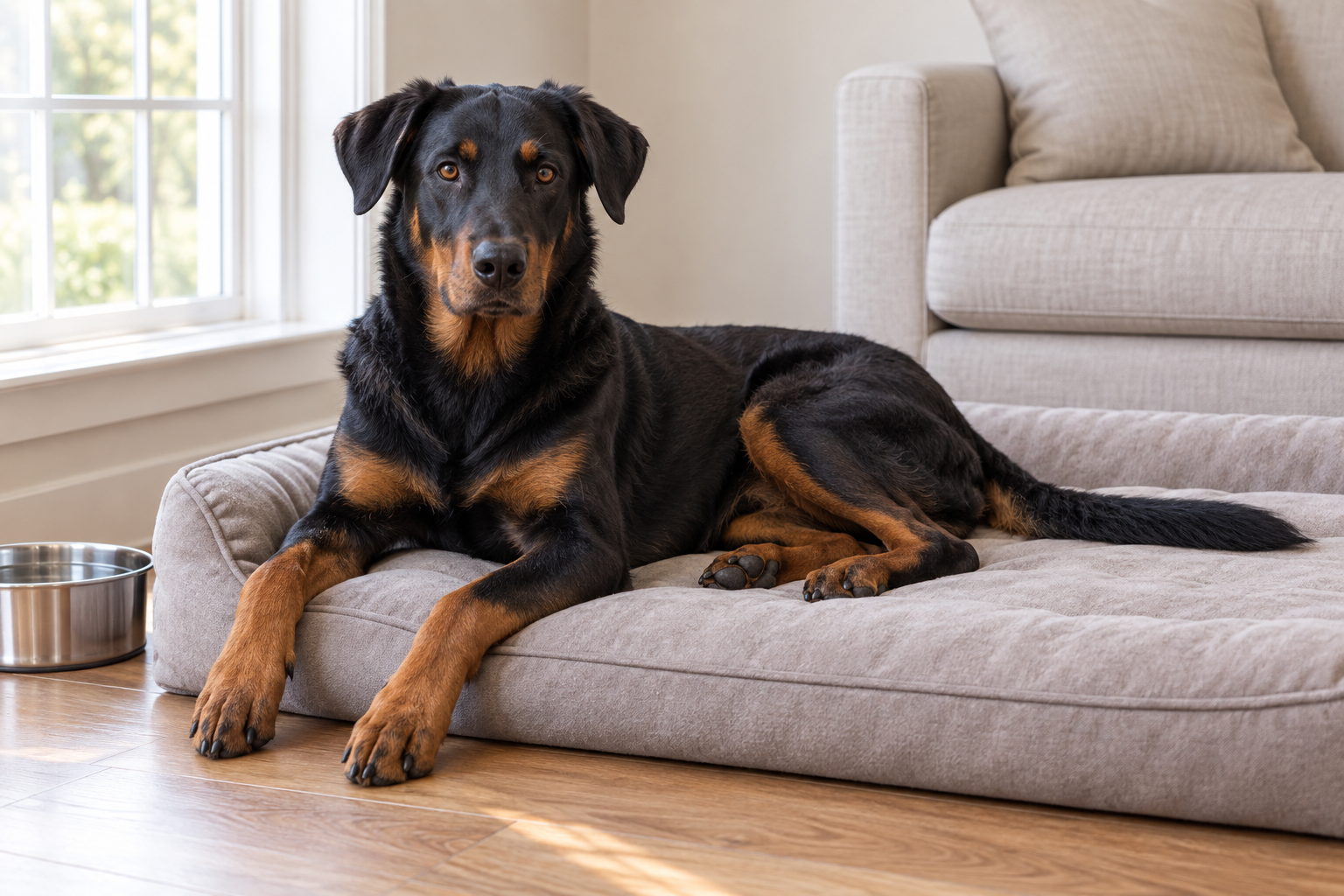
An active dog also needs a comfortable quiet place to rest. Build routines your household can sustain and write down what a helper needs. Retain health reports, weight observations, training notes and the dog’s original identity together. Records improve the handoff; they do not diagnose a problem or verify a breed claim.
If you are considering breeding, health screening is only part of the decision. Discuss temperament, relationships within the pedigree, reproductive welfare, suitable placements and support for returned dogs with experienced breed mentors and your veterinarian. Owning a registered dog does not create an obligation to breed it.
Our dog pedigree papers guide explains the difference between registration documents, an ancestry chart and parentage evidence. Use the dog gestation calculator only as a planning estimate from recorded dates; it does not diagnose pregnancy or establish when intervention is needed.
Beauceron price and questions before buying
A dependable national average price cannot be inferred from scattered advertisements. Obtain a current written quote, the contract and a precise account of what is included. Transport, health evaluation, training support and return terms can materially change the comparison. A high price or unusual coat is not evidence of responsible breeding.
Budget for the adult dog’s food, secure housing, training, equipment, veterinary prevention and an emergency reserve. Consider the cost of capable help when you travel as well as the purchase itself.
Ask a breeder or rescue:
- Why does this individual suit the life I described?
- Can I meet suitable adult relatives and discuss their everyday behavior?
- Which registry documents and identifiers belong to the dog?
- Can I read the parents’ hip, eye and cardiac reports, with dates and results?
- What is known about later-onset problems and close relatives?
- How has the puppy been socialized, and what training is established now?
- What behavior or health concerns are already known?
- What support, return obligations and breeding restrictions are in the contract?
The dog name generator can help with a call name, while registry names and identifiers stay attached to documents. A directory is a research starting point, not proof that a breeder has puppies available or that every claim has been checked.
Frequently asked questions
Is a Beauceron a Doberman or Rottweiler mix?
No. The standards describe an established French herding breed. Similar black-and-tan coloring does not make the breeds interchangeable.
Do Beaucerons have to have cropped ears?
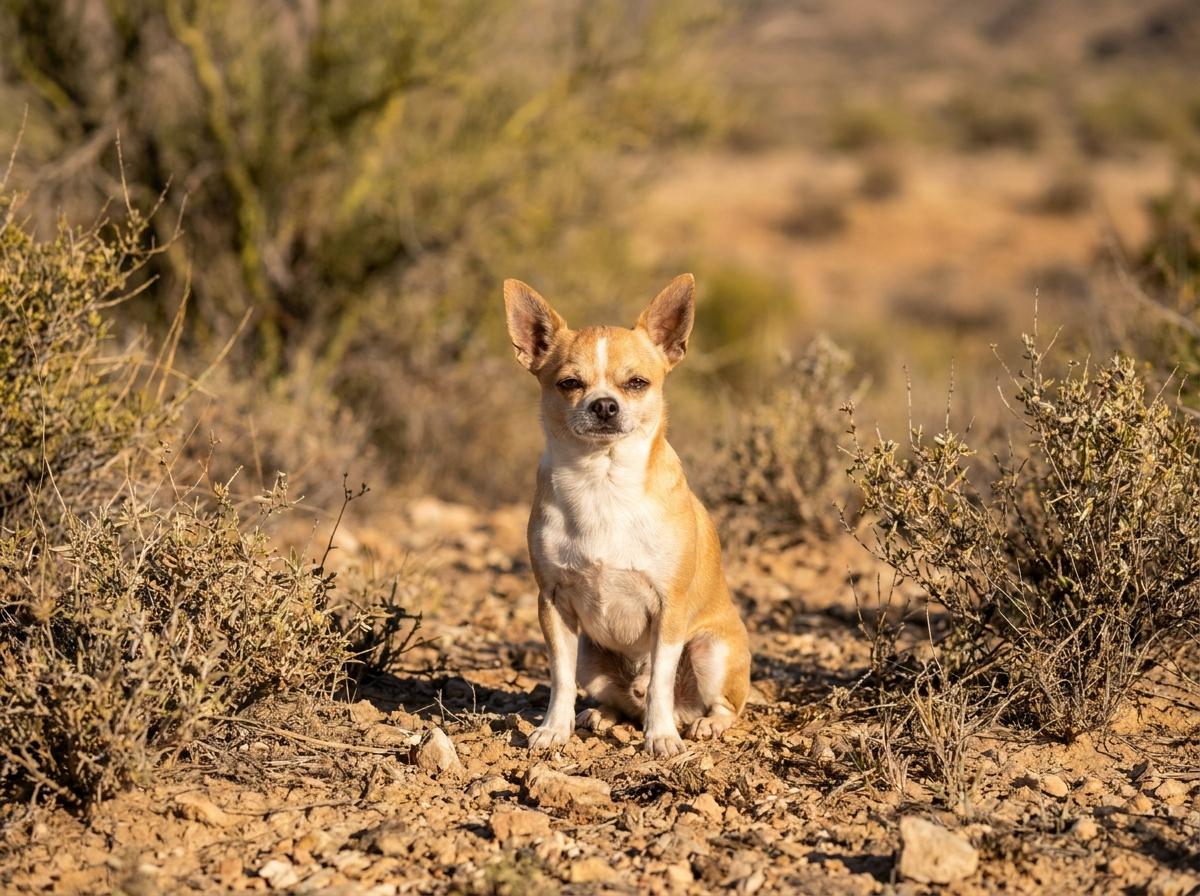
No. AKC and UKC both allow cropped or natural ears, and UKC does not penalize natural ears at its events. A natural ear should not be carried rigidly upright. The photos here show folded natural ears.
Why do they have double rear dewclaws?
They are an identifying feature required by the standards. Check and maintain their nails as part of ordinary care. A photograph of extra claws alone does not prove pedigree.
Are harlequin Beaucerons a different breed?
No. Harlequin is a standard color pattern within Beauceron. Confirm the dog’s identity, health history and documentation independently of color.
Is the Beauceron suitable for a first dog?
Its strength, activity and training commitment make careful preparation important. The AKC recommends an experienced, active owner. If you are new to dogs, meet adults and arrange sustained professional support before deciding whether this individual is a sensible match.
Does health-tested mean guaranteed healthy?
No. Read the actual results and dates. Screening can inform breeding and buying decisions without predicting every future illness.
Do this next on Creatures
Start with your animal. Start an animal profile, no account needed to start. See adding an animal to Creatures for the steps.
Keep the evidence. Add a care or health record. The sheet opens for visitors; a free account saves it. Read adding a record and retain the original documents beside your observations.
Wait for a suitable match. Set a Beauceron listing alert for future matching listings. No account needed to start. An alert does not establish that an animal is available now. The guide to saved searches and the watchlist explains the workflow.
Check current listings. Browse Beauceron marketplace results and verify the individual, records and sale terms with the seller.
Research people and organizations. Use the breeder directory as a starting point. A profile is not a health certification, endorsement or guarantee of current stock.
Represent your organization. If you run a breeding operation, start an organization profile. No account needed to start. Review creating an organization; starting a profile does not verify breeding claims.