Mammoth
Author: Elliott Garber, DVM · Published
The Mammoth donkey, formally American Mammoth Jackstock, is a large American donkey breed developed chiefly to produce working mules. It is a donkey, not a small horse or a mule. Height is part of the story, but a tall donkey does not automatically have the ancestry, measurements or documents required by a particular registry.
For an animal you already keep, the free donkey weight calculator provides a measurement-based estimate to record alongside body condition. It is not a scale, a feeding prescription or a medication dosing tool.

| Formal breed name | American Mammoth Jackstock |
|---|---|
| Historic purpose | Large jacks used to sire working mules |
| Terms | Jack: intact male; jennet or jenny: female; gelding: castrated male |
| AMJR entry routes | Pedigree or measurement, with different requirements |
| Daily priority | Compatible company, controlled feeding and dry shelter |
| Buying priority | Soundness, manners, facilities and the actual certificate |
Browse listings, public profiles, breeders, or add your animal.
American Mammoth Jackstock, not just a height label
The Livestock Conservancy’s breed account describes American breeders combining large imported donkey strains to produce substantial jackstock for mule breeding. The history involves several European and Mediterranean sources rather than a single imported breed.
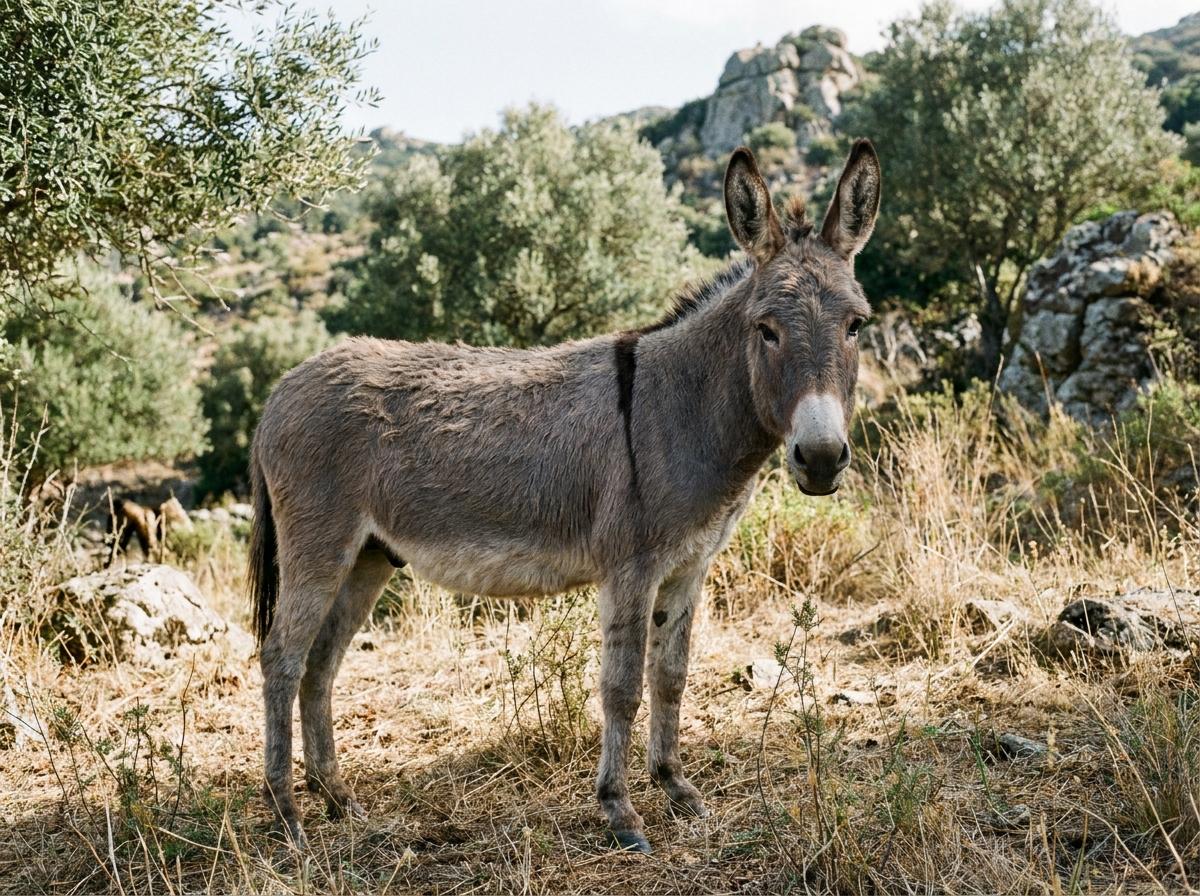
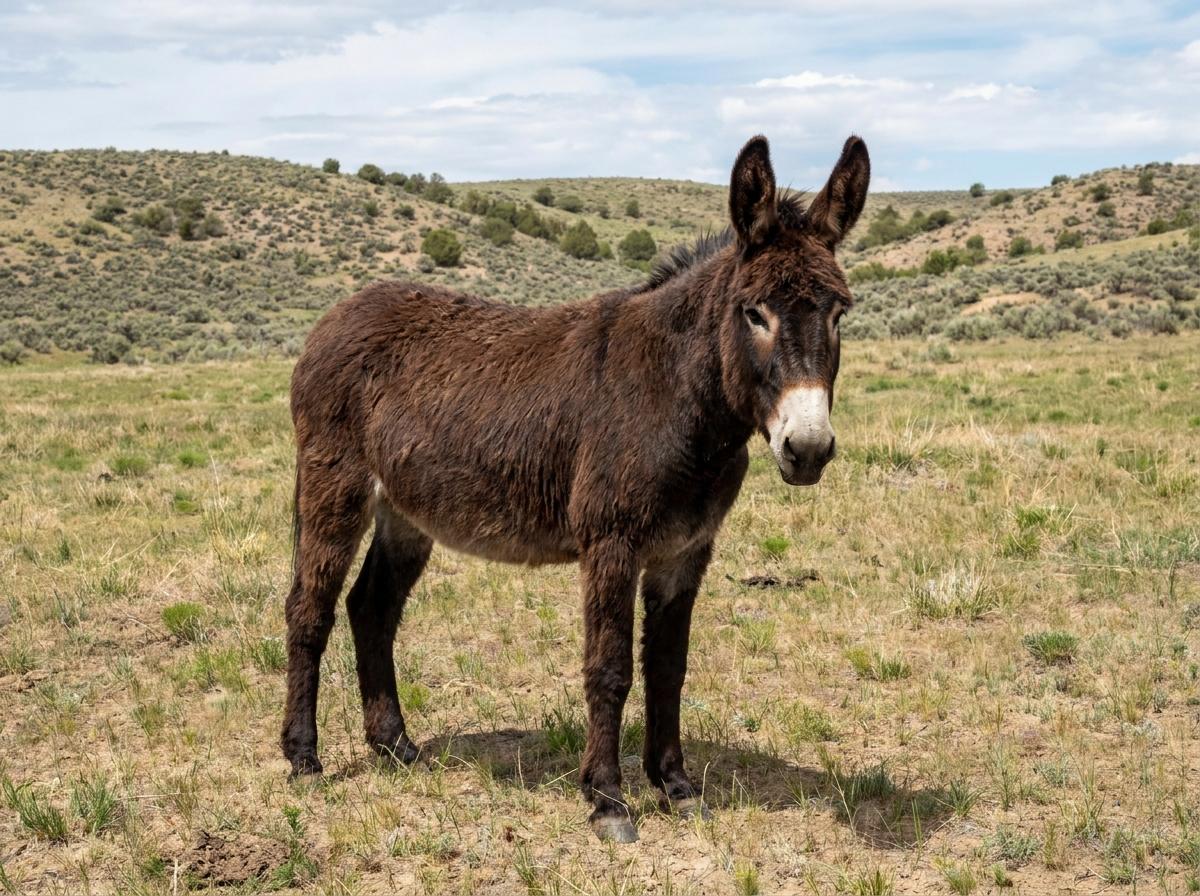
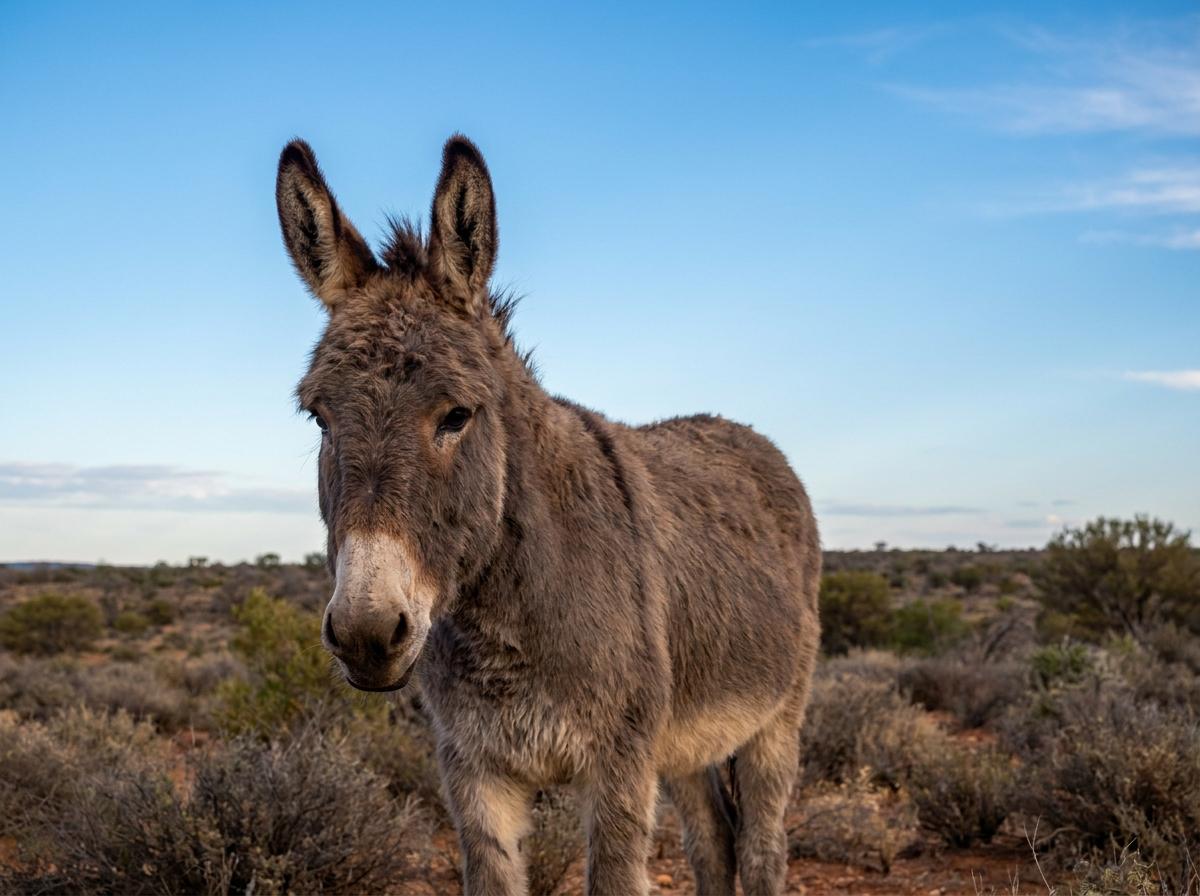
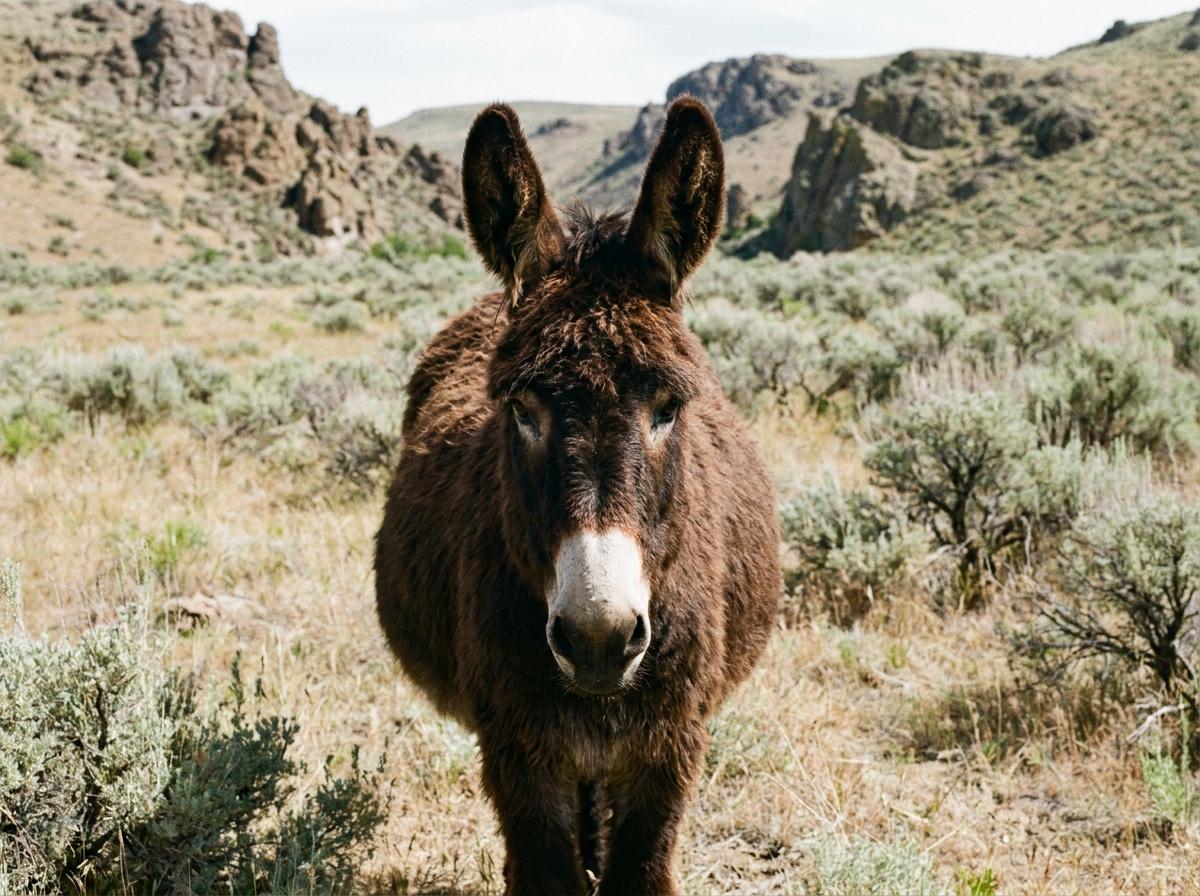
The type has a large head, very long ears, substantial bone and a deep, long body. As with other donkeys, the mane is upright and the tail ends in a tuft. Do not buy on an ear-length claim or an impressive height alone. Sound feet, movement and handling are more useful than a superlative.
A mule usually has a donkey sire and horse dam. A Mammoth donkey is itself a donkey. Our Mini Mule versus Mini Donkey guide explains the distinction at the smaller end of the comparison; it does not establish a Mammoth animal’s eligibility or suitability for work.
Why registry height figures differ
Name the registry before quoting its standard. The American Mammoth Jackstock Association’s published registration standards describe two routes into the American Mammoth Jackstock Registry, or AMJR.
- Jacks, measurement route: at least 14.2 hands (58 inches) at the withers, 61 inches around the heart girth and 8 inches around the cannon.
- Jennets and geldings, measurement route: at least 14 hands (56 inches), 61 inches around the heart girth and 7.5 inches around the cannon.
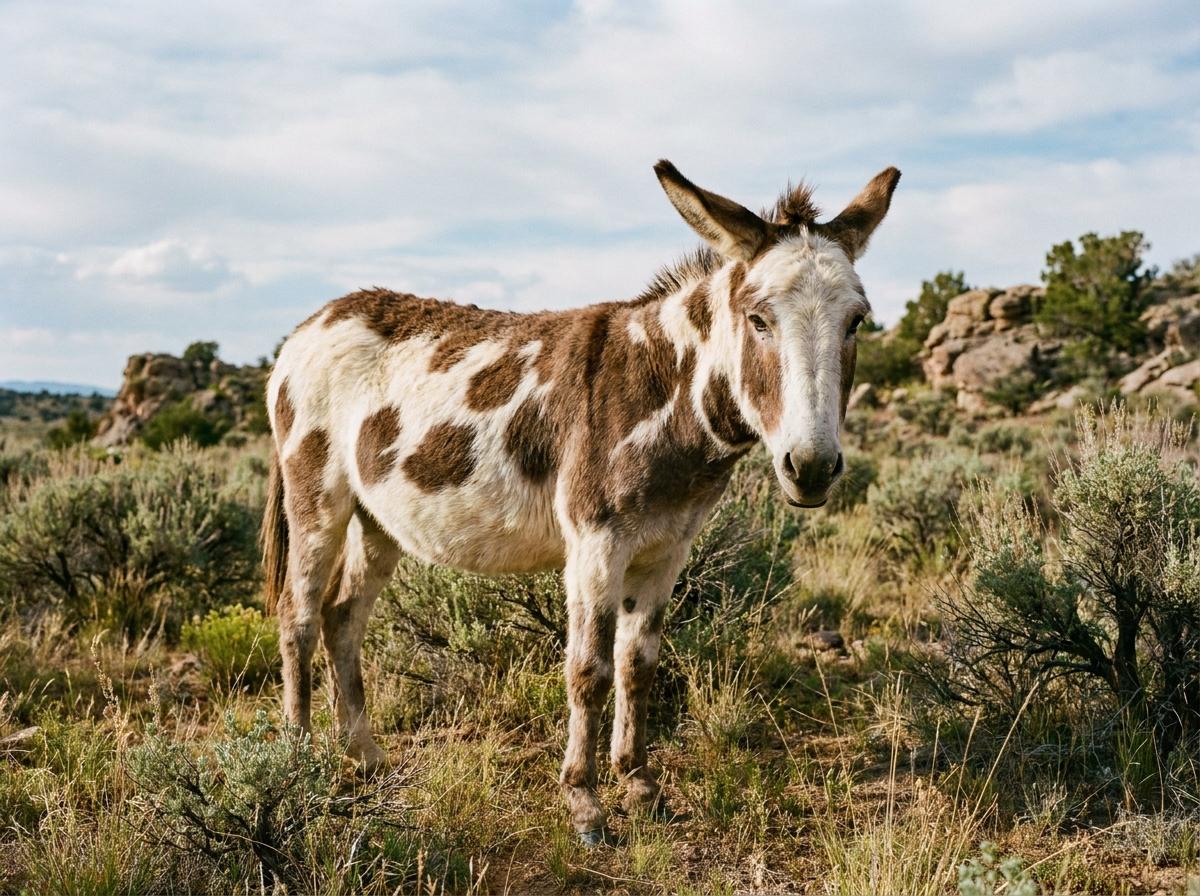
These are requirements for the measurement route, not a universal definition of every Mammoth donkey. The pedigree route may accept animals of any age without regard to measurement when both parents are registered with AMJR/SJJR, subject to the registry’s inspection or veterinary-certification provisions. The standards also exclude white or spotted animals and animals bearing a burro cross. Ask the registrar how the published rules apply to the individual.

The Conservancy explains that the Standard Jack and Jennet Registry historically lowered its height thresholds, that the American Donkey and Mule Society followed the lower standard when establishing its registry, and that SJJR later raised its standard again. This accounts for commonly quoted differences. Do not combine a historical threshold from one organization with a current rule from another.
The AMJA registry page also distinguishes temporary entries for immature animals from permanent certificates after the required update and verification. A foal’s papers should not be represented as proof of its final adult measurements. Confirm the certificate’s current status and the documents needed for transfer.
Choosing a companion or working donkey
For a companion home, inspect the individual and its training. Can it be caught calmly, led through gates, handled for foot care and loaded into a suitable trailer? Ask for a demonstration, then arrange help learning the same routines. Size magnifies a handling problem; it does not make training unnecessary.
The Conservancy cautions that intact jacks need experienced owners and are not an ordinary pet choice. For someone seeking a companion, a suitable jennet or well-handled gelding may fit better than an intact breeding male. Evaluate each animal, its social group and the keeper’s experience.
For riding, packing or driving, seek a trainer and veterinarian who can evaluate the animal’s soundness, conditioning, training and equipment. This guide gives no universal rider or pack-weight allowance. Large size does not certify a safe workload, and donkey tack should not be assumed to fit because it fits a horse of similar height.
If you are also considering a Gypsy Vanner horse or a Racking Horse, compare the actual riding or driving job and care requirements. They are horse alternatives, not interchangeable versions of a Mammoth donkey.
Company, shelter and room to move
Plan compatible companionship before arrival. The Donkey Sanctuary of Canada’s care guidance explains donkeys’ social bonds and the stress of isolation. Buying a bonded pair may be more appropriate than separating one animal from its established companion. Introductions still need careful management.
Provide a dry roofed shelter, clean bedding and firm, well-drained footing. Check that gates, doorways, handling areas and the trailer actually fit these large equids. All animals in the group must be able to reach shelter, feed and water without being trapped or displaced. Fence and maintain the area for equids, and remove exposed wire, sharp edges and other hazards.

Do not purchase a Mammoth as a guaranteed livestock guardian. A donkey’s reaction to a dog does not establish reliable predator protection or safe compatibility with your pets. Plan secure separation for dogs and other vulnerable animals until experienced assessment supports an arrangement. Children need adult supervision around any large equid.
Feeding a large donkey without feeding it like a large horse
Mammoth size does not erase donkey physiology. The Donkey Sanctuary of Canada’s nutrition guidance explains why a donkey diet differs from a horse’s. Build a high-fiber diet around the individual’s condition, teeth, health and workload with a donkey-aware veterinarian or nutrition adviser.
Control access to rich pasture and unnecessary energy-dense feeds. Supply suitable forage, clean water and a balanced mineral plan. Avoid suddenly removing feed to make an overweight donkey lose weight; have a professional guide a gradual, monitored plan. Older animals or animals with poor teeth may need a different forage form.
The miniature donkey care guide is useful for the daily routine, while the Miniature Mediterranean breed guide makes the size comparison. Do not copy a miniature’s portion size or facilities into a Mammoth care plan. The donkey hub collects the wider donkey resources.
Health, feet and signs that deserve a call
Arrange veterinary, dental and hoof care with people experienced in donkeys. Check appetite, droppings, movement, behavior, skin and feet during the daily routine. Donkeys can show illness subtly. Reduced eating, reluctance to move or an unusual withdrawn posture warrants prompt veterinary advice rather than waiting for dramatic signs.
Keep weight and body-condition observations together, and retain the measurement method. The nutrition guidance discusses obesity and laminitis. A published clinical report of hyperlipaemia in a jennet also demonstrates why prolonged inadequate intake can be dangerous. The paper also reviews obesity, late pregnancy, lactation, lack of exercise, advancing age and stress as risk factors, so this is not only a thin-donkey problem. Pain or underlying illness can also reduce appetite. Its single clinical case supports prompt professional attention, not a home treatment recipe or a Mammoth-specific risk estimate. A nutrition plan should monitor both body condition and intake.
Breeding and conservation records
Conservation breeding requires an objective and suitable animals, facilities and expertise. Ask the relevant registry about recorded ancestry and eligibility before planning a mating. The public pedigree chart maker can organize entered family information, but it cannot create registry recognition or validate an unknown parent.
Breeding a jack to a mare to produce a mule is not a casual introduction between pasture companions. Use experienced reproductive and handling professionals. Record the intended cross accurately so a mule is not later advertised as a pure Mammoth donkey.
For a bred jennet, the donkey gestation calculator gives a planning estimate from a breeding date. Keep that estimate separate from pregnancy confirmation and the veterinarian’s foaling plan. Save the eventual birth outcome and foal identity, not just the projected date.
Cost, availability and buyer questions
The Conservancy lists the breed as Critical on its current breed page. That describes conservation status, not today’s local inventory or a justification for breeding an unsuitable animal. Do not assume that a directory listing means a breeder has stock ready for sale.

There is no reliable universal Mammoth price. Obtain dated quotes for the specific type of animal and include the cost of a companion, transport, fencing, shelter, hoof care, veterinary care and forage. Confirm that a professional near you will handle a donkey of this size before paying a deposit.
Ask the seller:
- Which registry issued the certificate, and is the entry temporary or permanent?
- Is eligibility based on pedigree or measurement, and can the supporting records be inspected?
- What are the actual height and measurements, who took them and when?
- Can the animal be caught, led, have its feet handled and load into a trailer?
- What company does it live with, and is there a bonded animal that should remain with it?
- What is its current diet, body condition and dental or hoof history?
- Is it sold as a companion, breeding animal or trained worker, and what evidence supports that description?
Our miniature versus standard donkey comparison helps frame size labels. It is the named registry and the animal’s own evidence that settle the Mammoth purchase questions.
Frequently asked questions
How tall must a Mammoth donkey be?
It depends on the registry and entry route. AMJA’s AMJR measurement route lists 14.2 hands for jacks and 14 hands for jennets and geldings, plus girth and cannon requirements. Its pedigree route has a measurement exception. Do not use height alone to declare an animal registered.
Are spotted Mammoth donkeys eligible for AMJR?
The published AMJA standards exclude white and spotted animals and the burro cross. Other registration claims must be checked with the organization actually named on the papers.
Is a Mammoth donkey a mule?
No. Mammoth Jackstock are donkeys. Their historic role includes producing mules when jacks are bred to horse mares.
Can one live alone with people for company?
Plan suitable animal companionship. Human visits do not provide the continuous social contact of a compatible companion. Be particularly careful about separating bonded donkeys.
Are intact jacks good beginner pets?
The Conservancy cautions against that choice for inexperienced keepers. Seek a suitable jennet or gelding, assess its actual behavior and arrange instruction and facilities before bringing it home.
Do this next on Creatures
Choose the next action that fits your stage. Keep purchase claims and your own observations tied to the right animal.
- Watch for a suitable listing. Save a Mammoth donkey listing alert for future matching listings. No account is needed to start. See saving searches and using your watchlist.
- Check current listings. Browse Mammoth donkey listings. Availability changes; inspect the actual listing and contact the seller about its documents and terms.
- Research a breeder or farm. Browse the breeder directory. A directory entry does not guarantee available stock or establish the animal’s identity, soundness or suitability.
- Start an animal profile. Add your Mammoth donkey profile. No account is needed to start; a free account keeps the records. Follow adding an animal to Creatures.
- Keep the evidence. Add a health, weight, breeding or care record. The sheet opens for visitors; a free account saves it. See adding a record and health and medical records.
- Describe your operation. Start a breeder or farm profile. Starting a profile does not verify breeder status or guarantee directory admission. Read creating an organization and adding your team and getting listed in the breeder directory.