Sultan
Author: Elliott Garber, DVM · Published
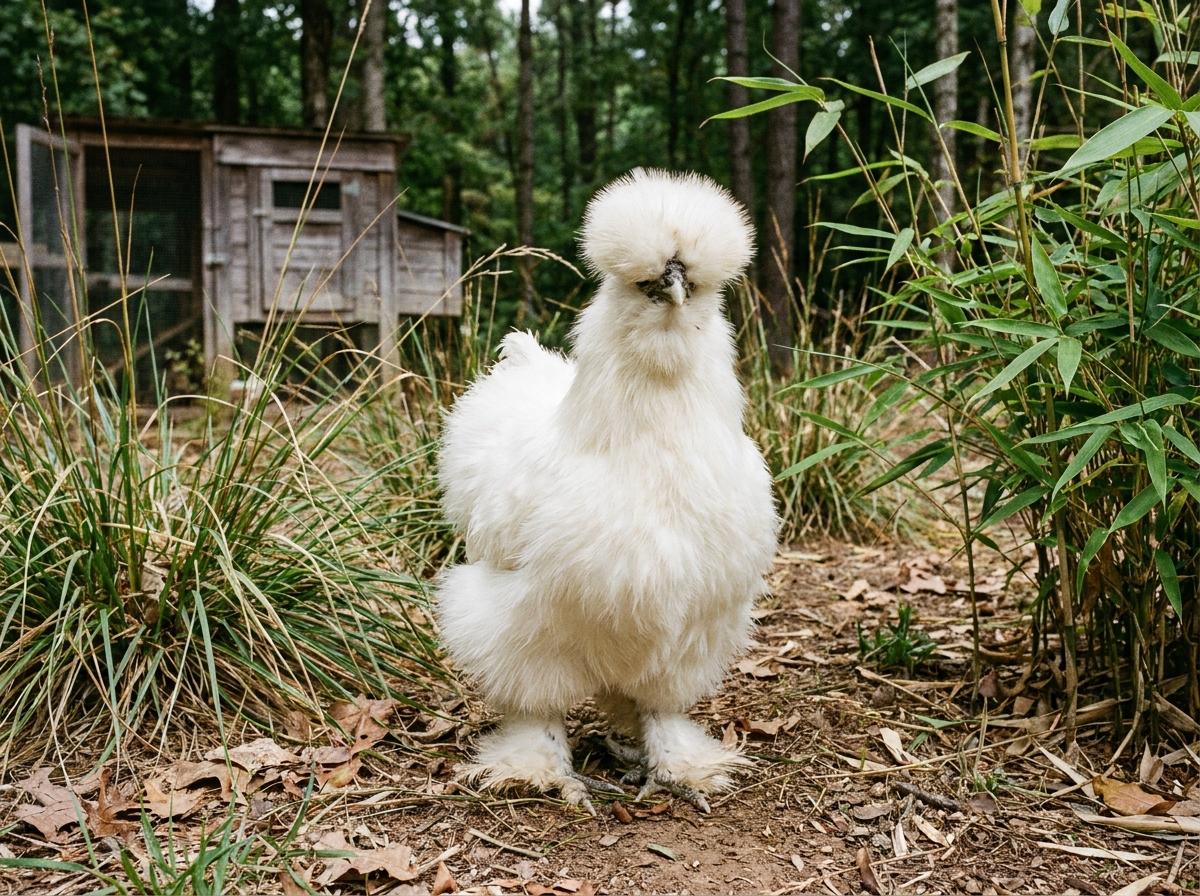
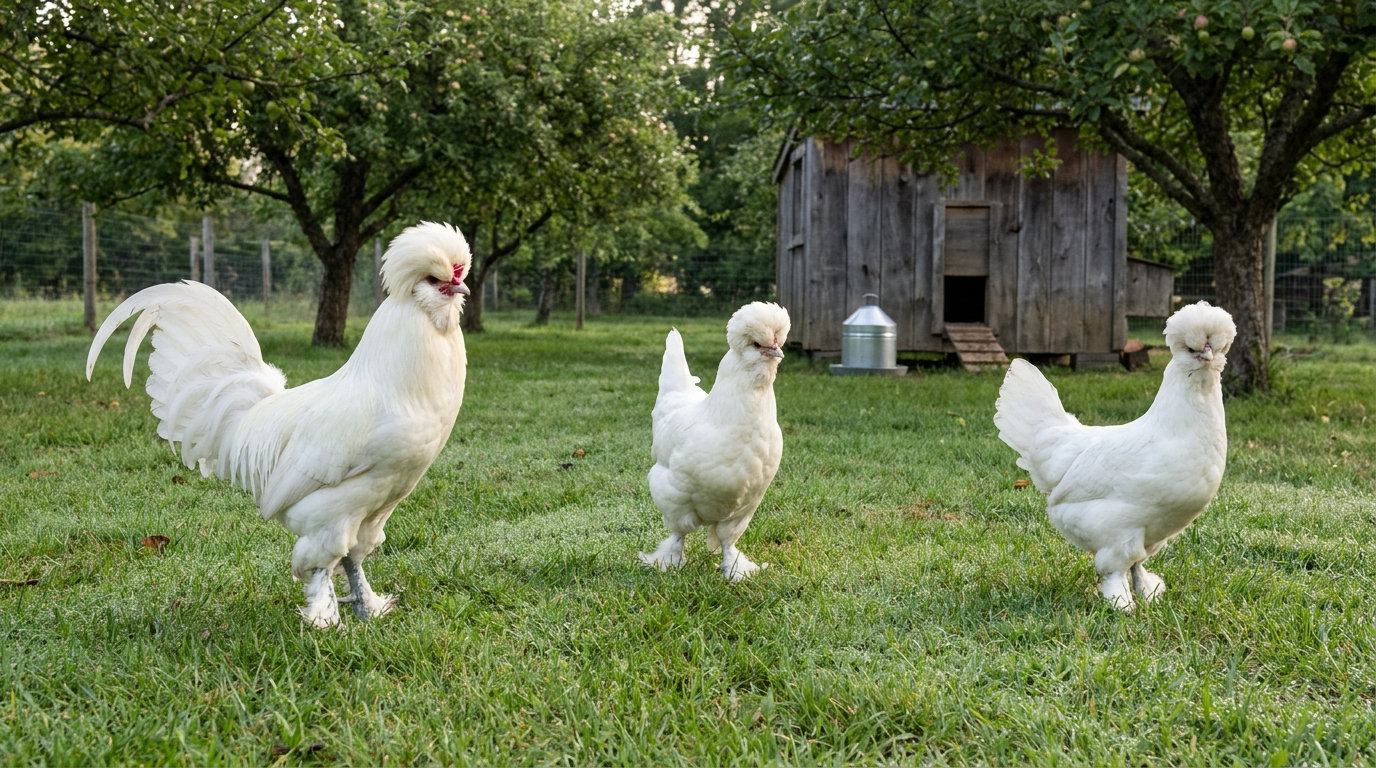
The Sultan is a rare, white, crested ornamental chicken from Turkey, and almost everything about it is decoration: a full crest, a beard and muffs, a small V-shaped comb, feathered legs and toes, stiff vulture hocks and five toes on each foot. It was in the first American Poultry Association standard in 1874 and is now on The Livestock Conservancy’s Threatened list, so finding good birds takes patience. Keepers choose it for calm temperament and looks, not for eggs. If you already keep Sultans, you can start a Sultan profile for a bird or a whole flock without an account; a free account keeps it.
| Origin | Ottoman Turkey (“Serai Täook”, the Sultan’s fowl); reached England in 1854 and America in 1867 |
|---|---|
| APA status | White only; large fowl in the All Other Standard Breeds class, bantam in the Feather Leg class |
| Diagnostic traits | V comb, crest, beard and muffs, vulture hocks, feathered shanks and toes, five toes |
| Size | About 6 lb cocks and 4 lb hens (Livestock Conservancy) |
| Eggs | Small, white; roughly 50 or more a year; hens rarely go broody |
| Conservation | Threatened on The Livestock Conservancy’s 2026 Conservation Priority List |
| Best suited to | Dry, covered, predator-proof housing with calm flock mates |
Browse listings, public profiles, breeders, or add your animal.
What a Sultan is, and where it came from
According to The Livestock Conservancy’s Sultan profile, the breed comes from the Ottoman world and was known in Turkey as Serai Täook, usually translated as “the Sultan’s fowl.” The story that these birds lived as ornaments in palace gardens is tradition rather than documented record, so treat it as part of the breed’s charm, not its history. The documented part starts in 1854, when Elizabeth Watts of Hampstead in London received a shipment of birds that arrived mud-stained and only showed their pure white plumage after a molt. The breed reached the United States in 1867 and was included in the American Poultry Association’s first standard in 1874. The Conservancy also notes that Sultans nearly disappeared in the 1930s.
The Sultan is not a Silkie with normal feathers, and it is not a Polish chicken with a beard. The combination of features is what identifies it. A Silkie shares the crest, feathered feet and five toes but has hair-like silkie plumage, while the Italian Padovana has a crest and beard but clean legs. Browse the chicken species hub if you are still choosing between ornamental breeds.
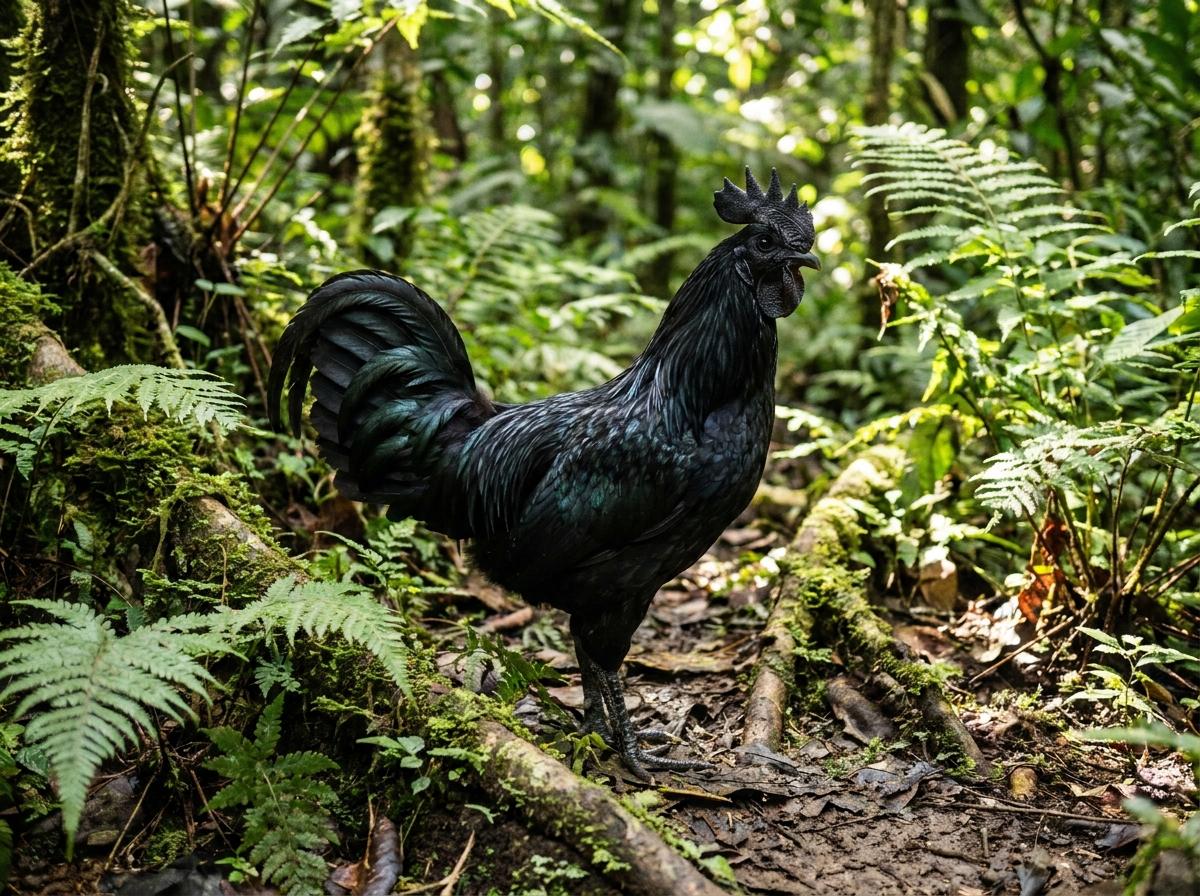
Recognition today is narrow. On the American Poultry Association’s accepted breeds and varieties list, checked October 31, 2026, the Sultan appears in one variety, White, with the large fowl in the All Other Standard Breeds class and the bantam in the Feather Leg class. Black and blue Sultans exist in some flocks, but in the United States they are not an accepted show variety. A seller offering colored birds is offering a project or a cross, not a mistake to be embarrassed about, but you should know which you are buying.
How to recognize a Sultan
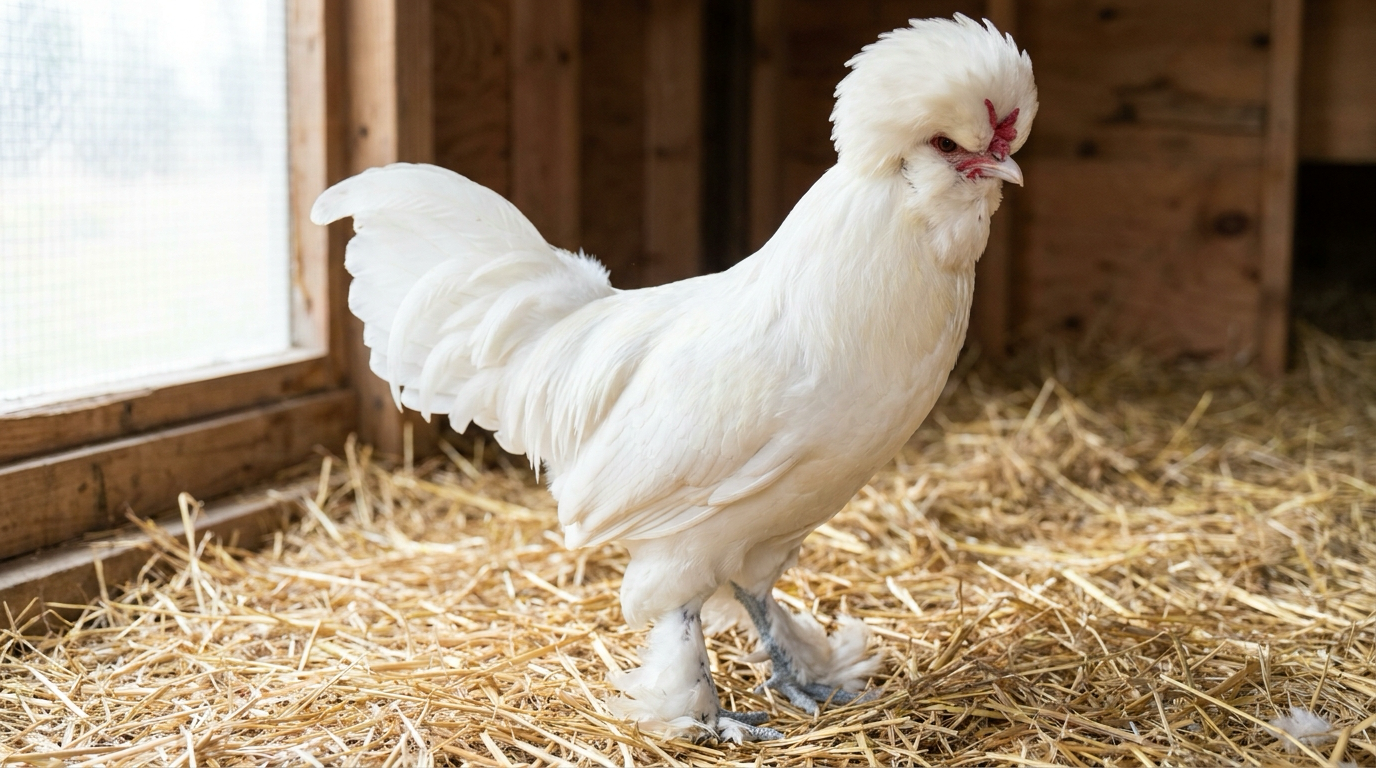
The Livestock Conservancy describes pure white plumage over slate blue shanks and toes, a V-shaped comb, a crest, a beard and muffs, and reddish-bay eyes. Its other markers are the ones that separate a Sultan from most crested breeds:
- V comb. Two small horn-like points in front of the crest rather than a single blade.
- Crest, beard and muffs. A rounded crest on top of the head and full feathering around the face.
- Vulture hocks. Stiff feathers growing back from the hock joint, with the wings carried low enough to cover the thighs and upper hocks.
- Feathered shanks and toes, five toes per foot. The fifth toe is part of the breed, so count toes on any bird you buy.
- Upright stance. The Conservancy notes Sultans tend to stand somewhat erect.
The Conservancy gives weights of about 6 pounds for males and 4 pounds for females, so a Sultan is a light bird. Buyers who want exhibition stock should ask which standard the breeder selects toward and look at the feet and hocks closely: foot feathering and vulture hocks are easy to damage, and broken or missing feathers there can make a good bird look like a poor one.
Temperament and who the breed suits
The Conservancy describes Sultans as active, friendly birds that like people and like being held, with roosters that are usually not aggressive and are “chatty but not loud.” The same profile adds an important warning: Sultans are often bullied by more assertive breeds. In practice that means a mixed backyard flock with heavy, pushy layers is not the right home for them. Plan to keep Sultans together or with other calm ornamental breeds, and watch feeding time for birds being pushed away.
They suit keepers who want a quiet, decorative flock, exhibitors working with a rare breed, and conservation breeders. They do not suit anyone who needs dependable eggs, free-range birds that fend for themselves, or a flock that can live in an open muddy run.
Housing: dry, covered and predator-proof
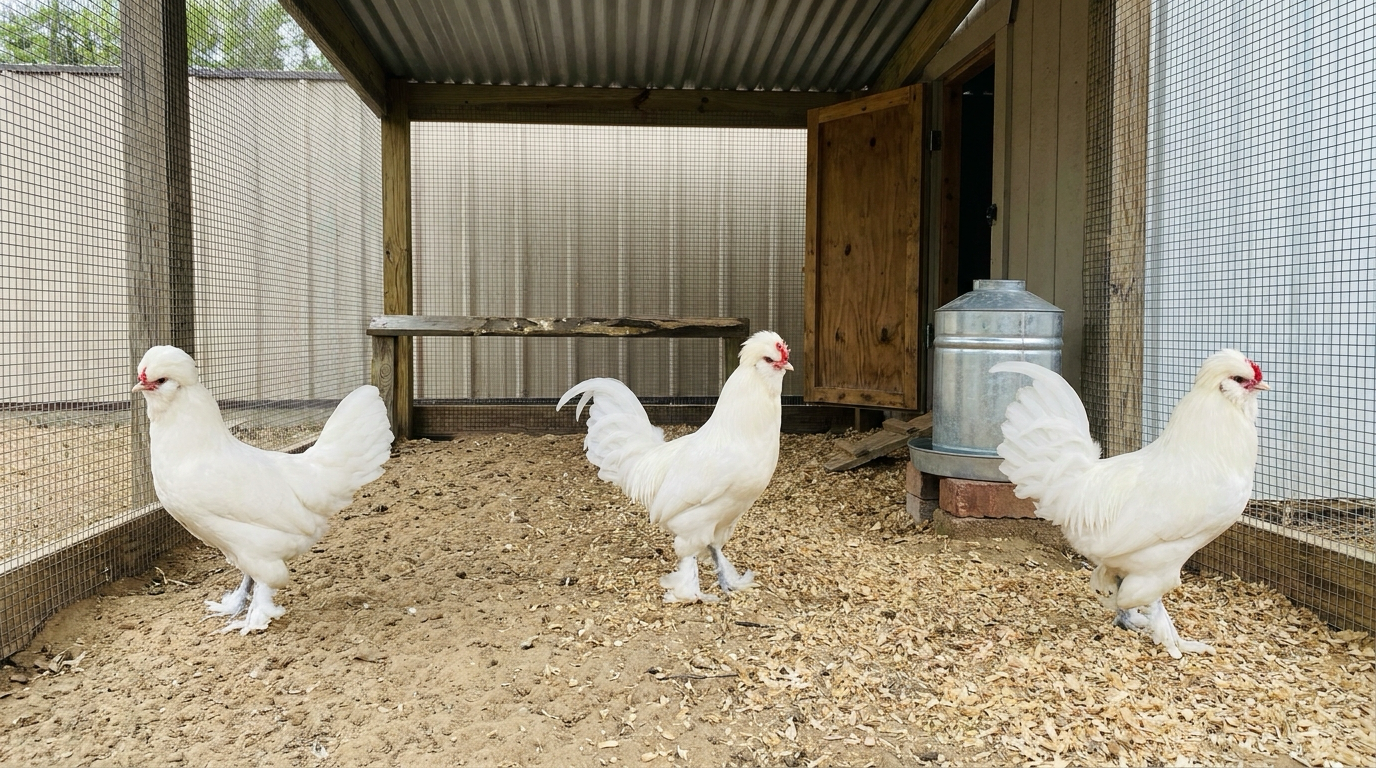
Most of a Sultan’s care comes from its feathering. The Livestock Conservancy notes that crests make the birds more vulnerable to predators and that they do poorly in cold, wet conditions because of frostbite risk, while they do well in confinement. Those three points shape the setup:
- A covered, predator-proof run. A crested bird has a restricted field of view, so a roofed run with secure mesh protects it from hawks and ground predators that it may not see coming. The chicken predator guide covers fencing, mesh and night lockup.
- Dry footing. Feathered feet pick up mud and droppings and stay wet. Use dry litter such as sand or wood shavings in the run, clean it often, and give the birds a covered area that stays dry in rain.
- A dry, ventilated coop. The University of Kentucky’s frostbite guidance on Poultry Extension explains that frostbite is most likely at night in a cold, poorly ventilated coop with damp bedding, because chickens give off a lot of moisture. Ventilation that removes moisture without a draft at roost level matters more than heat. Our winter chicken care guide and coop guide go through the details.
- Low roosts and clean water. Low, wide roosts are easier for heavily feathered birds, and the Conservancy suggests cool water and shade in hot weather. Keep beards and crests out of dirty water by cleaning drinkers often.
Check crests, beards and foot feathering during routine handling. Matted or soiled feathers, crusting around the eyes, a bird that seems unable to find food, or lameness are reasons to look closer and, if they persist, to ask a poultry veterinarian. Records help here: a dated note of when you first saw a problem makes a later conversation with a vet more useful.
Eggs and production expectations
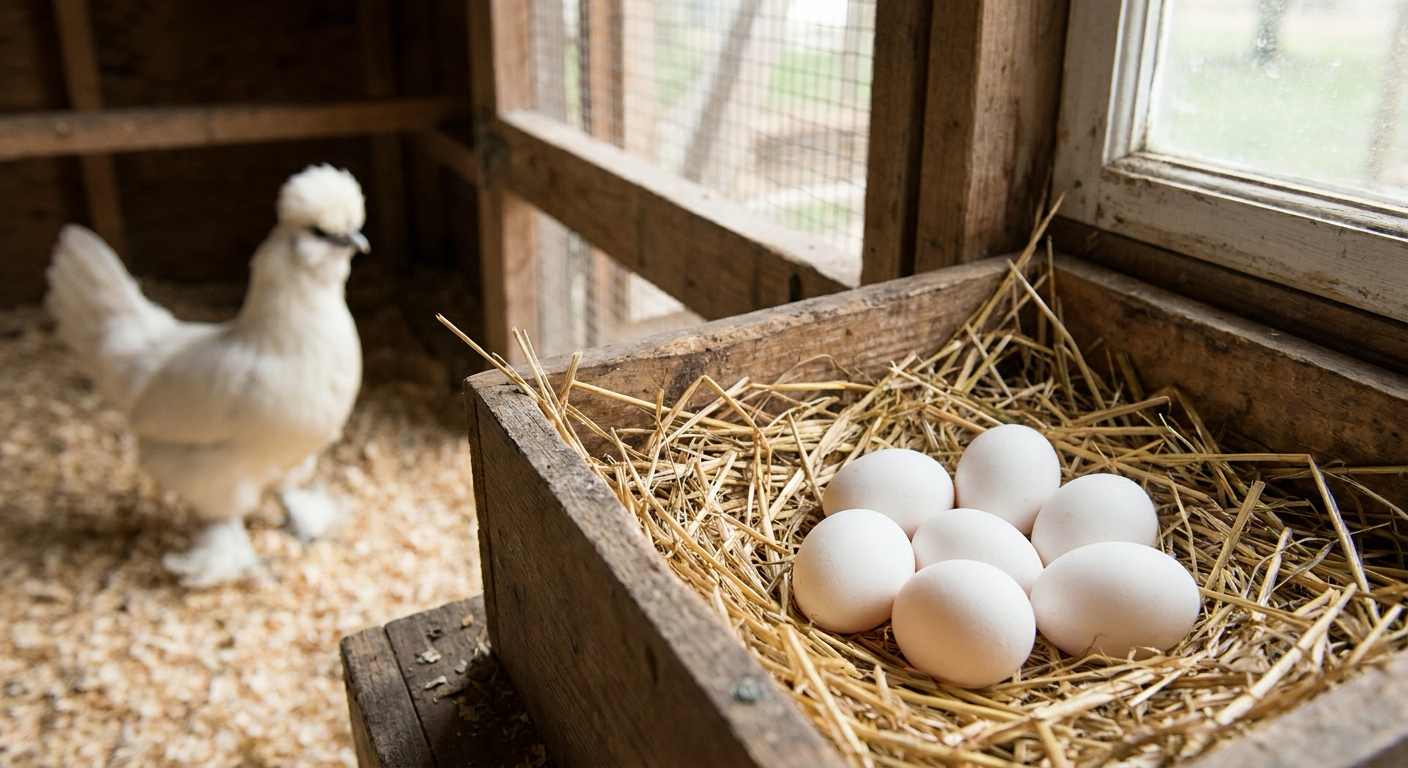
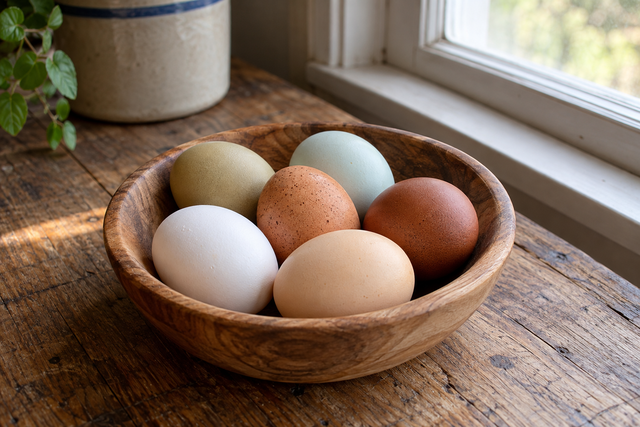
Sultans lay small white eggs, and the Livestock Conservancy puts production at 50 or more a year. That is ornamental-breed output, not a backyard layer. The Conservancy also describes hens as non-sitters, so if you want chicks you will usually need an incubator or a broody hen of another breed. Plan for that before the breeding season, not after you have a basket of eggs.
If you want to know what your own hens actually lay, count it. The egg production records guide shows how to keep counts that stay useful through molt and winter, and our chicken egg colors guide explains why shell color tells you nothing about nutrition.
Breeding a rare breed
With a Threatened listing, every Sultan breeding season is conservation work, even in a backyard. A few habits make the work count:
- Keep parentage straight. Know which rooster was with which hens and when. A breeding pen with one male makes this simple.
- Track each hatch. Note how many eggs were set, the set date, how many hatched and how many chicks showed correct crests, beards, hocks and five toes. Over a few seasons that tells you which pairings throw sound birds.
- Select for function as well as ornament. Fertility, hatch rate and birds that can see well enough to eat and avoid trouble are part of a healthy line.
Creatures handles the paperwork side of this when you are signed in. You can set a clutch of eggs and follow incubation, which counts the days and plans candling and lockdown checks for chickens, then record the hatch and add the chicks. It records what you enter; it does not run an incubator or verify ancestry. The chicken hatch records guide walks through one batch from eggs to identified chicks. To share a lineage on paper, the free pedigree chart maker builds a printable chart for any species, no account needed.
Exhibitors can keep results with the bird as well. Placings from shows not run on Creatures can be added by hand under Shows and Titles, as the help article on adding a show result from another show explains.
Buying Sultans: what to ask
Supply is thin. When this guide was written, the Creatures Sultan page listed one breeder and no active listings, and the Livestock Conservancy describes the breed as rare. Ask questions before you commit, especially for shipped birds or hatching eggs:
- Are these White Sultans bred toward the APA standard, or colored birds or crosses?
- Can you show the parents, including their feet, toes and hocks?
- How many toes do the chicks have, and how do you handle chicks that lack breed features?
- What housing have the birds come from, and what are your vaccination and health practices?
- If I buy hatching eggs, what hatch rate have you seen recently?
Our where to buy chickens guide covers chicks, pullets and hatching eggs in more depth, and the chicken cost guide helps budget the coop and run, which will cost far more than the birds. Before new birds join an existing flock, read how to integrate chickens; Sultans in particular should not be dropped in among assertive breeds.
Sultan vs Minorca: two very different old breeds
Both are old breeds on the Conservancy’s priority list, but they answer different questions. The Minorca is a large, active Mediterranean layer known for very large white eggs and a big comb that needs winter protection. The Sultan is a small, calm ornamental that lays little and needs dry, sheltered housing. If eggs matter to you, the Minorca is the practical choice; if you want a gentle, unusual exhibition bird, the Sultan is.
Frequently asked questions
Are Sultan chickens good layers?
No. The Livestock Conservancy puts them at about 50 or more small white eggs a year, and the hens rarely go broody. Keep them for temperament, looks and conservation.
What colors do Sultans come in?
The APA accepts only White, in both large fowl and bantam. Black and blue birds exist in some flocks but are not accepted varieties in the United States.
Do Sultans have five toes?
Yes. Five toes on each foot is a breed feature, along with feathered shanks and toes and vulture hocks.
Can Sultans free range?
They can go outside in good weather, but their crests limit vision and the Conservancy notes they are vulnerable to predators. A covered, secure run is the safer default.
Are Sultans good with children?
The Conservancy describes them as friendly birds that like to be held. Supervise handling so crests, hocks and foot feathers are not damaged, and keep them away from bullying breeds.
Do this next on Creatures
- Hear about Sultans for sale. Save a Sultan search and get an email when a matching listing goes live. No account needed to start. See saving searches and using your watchlist.
- Find a breeder to contact. Browse breeder and farm profiles. A listing is a lead to investigate, not a guarantee of stock or quality.
- Check current listings. See Sultan listings on the marketplace; there may be none today, which is what the alert is for.
- Record your birds. Add a Sultan or a whole flock, no account needed to start. Read adding an animal.
- Keep hatch, egg, show and health notes. Add a record. The form opens for visitors; a free account saves it. See adding a record.
- Breed Sultans? Create a farm profile so buyers searching for this rare breed can find you, no account needed to start. Read getting listed in the breeder directory.