Padovana
Author: Elliott Garber, DVM · Published
The Padovana is a crested, bearded chicken associated with Padua in Italy. Its identity is more specific than “a chicken with a big crest”: the Italian FIAV standard combines a full crest with a developed beard, clean legs and a light, moderately long body. Padovana, Padua and Paduan are names you may meet in this breed’s context; they do not make every bird sold as Polish the same standardized breed.
Use the chicken guide for broader flock planning. The decisions peculiar to Padovana are how to identify the intended standard and how to keep its crest from interfering with ordinary life.
| Reference | Italian FIAV Padovana standard |
|---|---|
| Key features | Full crest, developed beard and clean legs |
| Egg shell | White |
| Illustrated variety | Silver with black lacing |
| Practical priority | Clear vision and a dry crest |

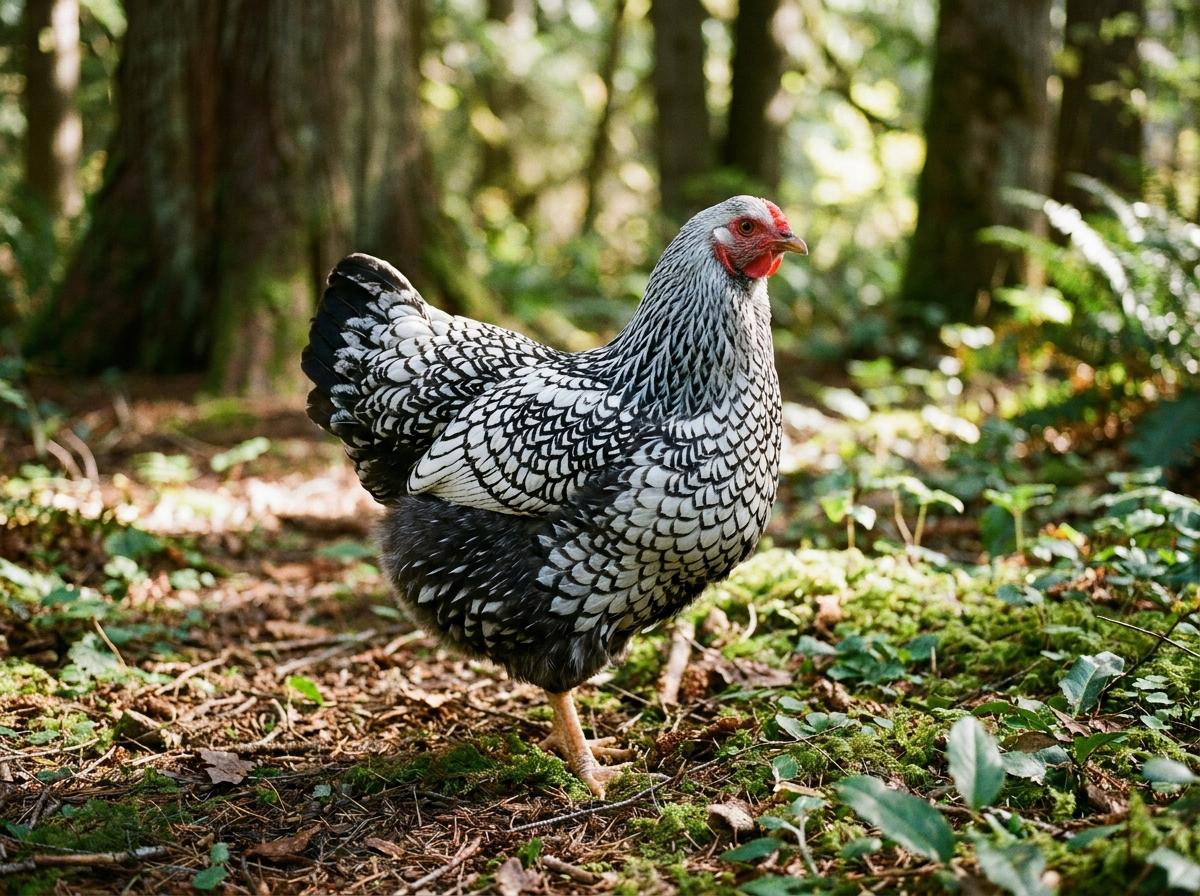
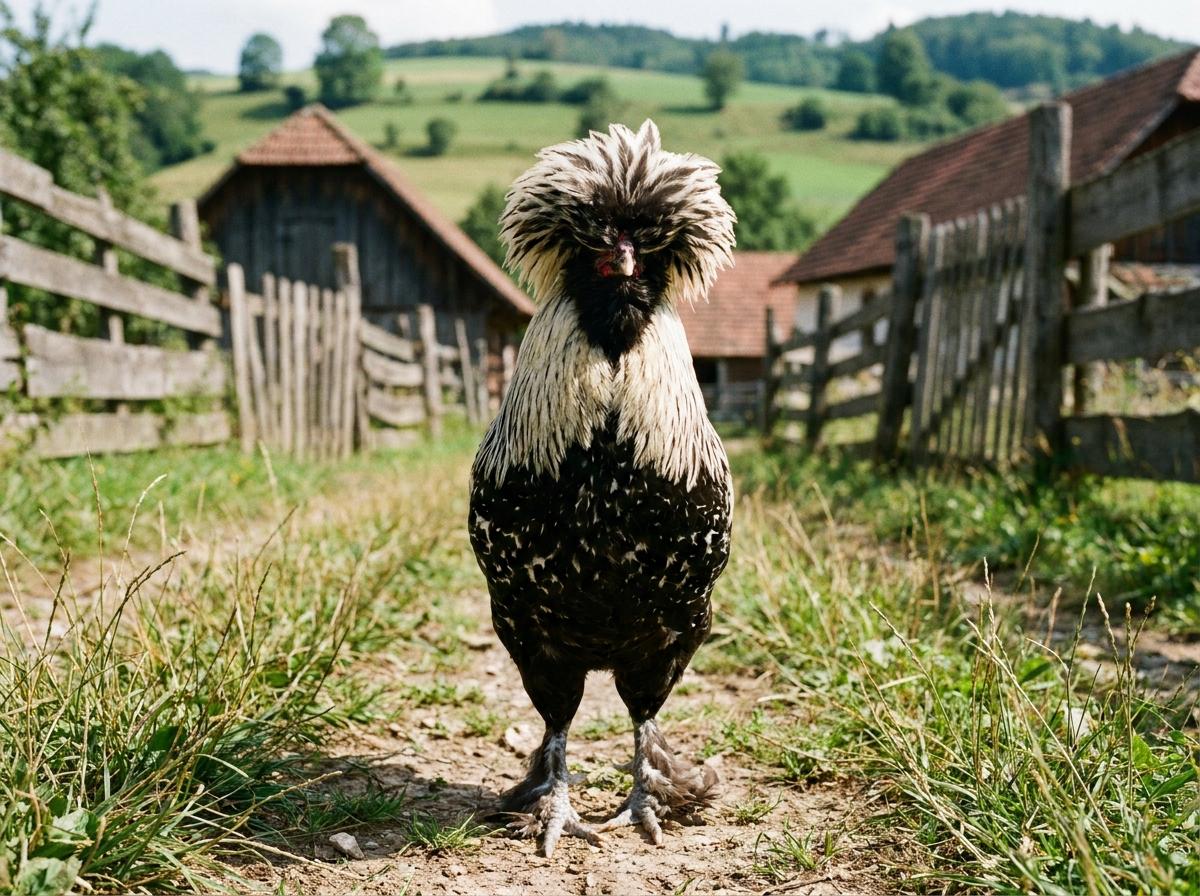
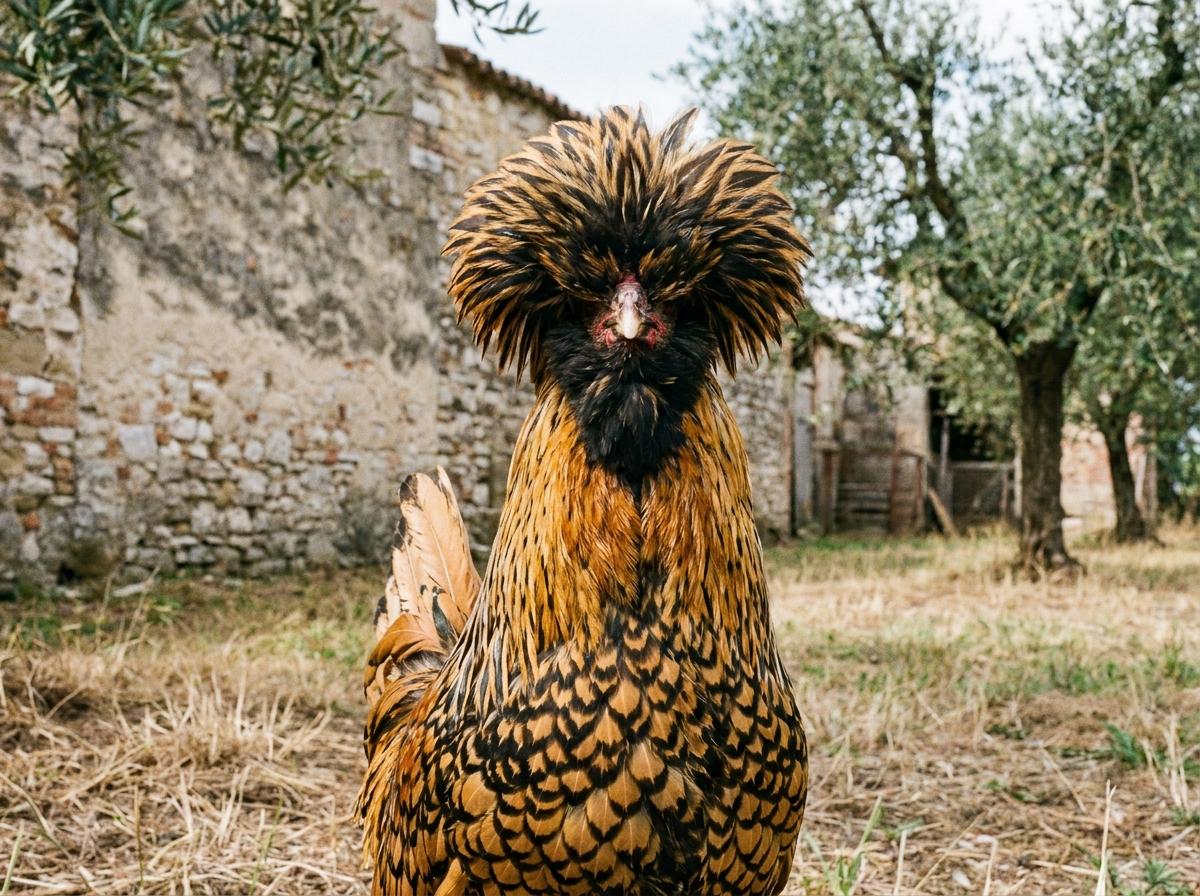
AI-generated illustration of a silver black-laced Padovana hen, not a photograph or a show-quality guarantee.
Browse listings, public profiles, breeders, or add your animal.
Padovana, Paduan and Polish: ask which standard
Names cross borders more easily than standards do. Before buying a breeding bird, ask the breeder for the registry or show system they follow and the name used on their flock records. The FIAV Padovana standard is the reference for this article. It calls for a developed beard, no prominent comb, wattles absent or hidden by the beard, and featherless shanks with four toes.
For US readers, the closest APA category to compare is bearded Polish. The APA accepted list includes bearded Polish varieties, including Silver, under that name. This is a practical cross-reference, not a claim that the Italian and US standards are identical. The Polish chicken page gives the wider comparison. Avoid replacing the breeder’s documented identity with a label chosen from an image search.
The standard describes several colors. This article uses the silver black-laced variety consistently so that differences between images do not masquerade as breed differences. Color is one part of identification; head furnishings and body form matter too.
The crest must leave the bird able to see
The crest also covers a developed cranial protuberance, described by FIAV as a cranial hernia. Research on cerebral hernia in crested chickens discusses the vulnerability of affected skull tissue to pressure and injury; it does not establish the condition of every crested bird. Handle gently without pressure on the head, prevent head pecking, and seek veterinary advice after a head injury.
A large crest is attractive only if the bird can function normally. FIAV explicitly says the crest should not obstruct vision and treats limited sight as a serious fault. Its text allows grooming to improve vision. That is a better starting point than selecting the most face-covering crest in a photograph.

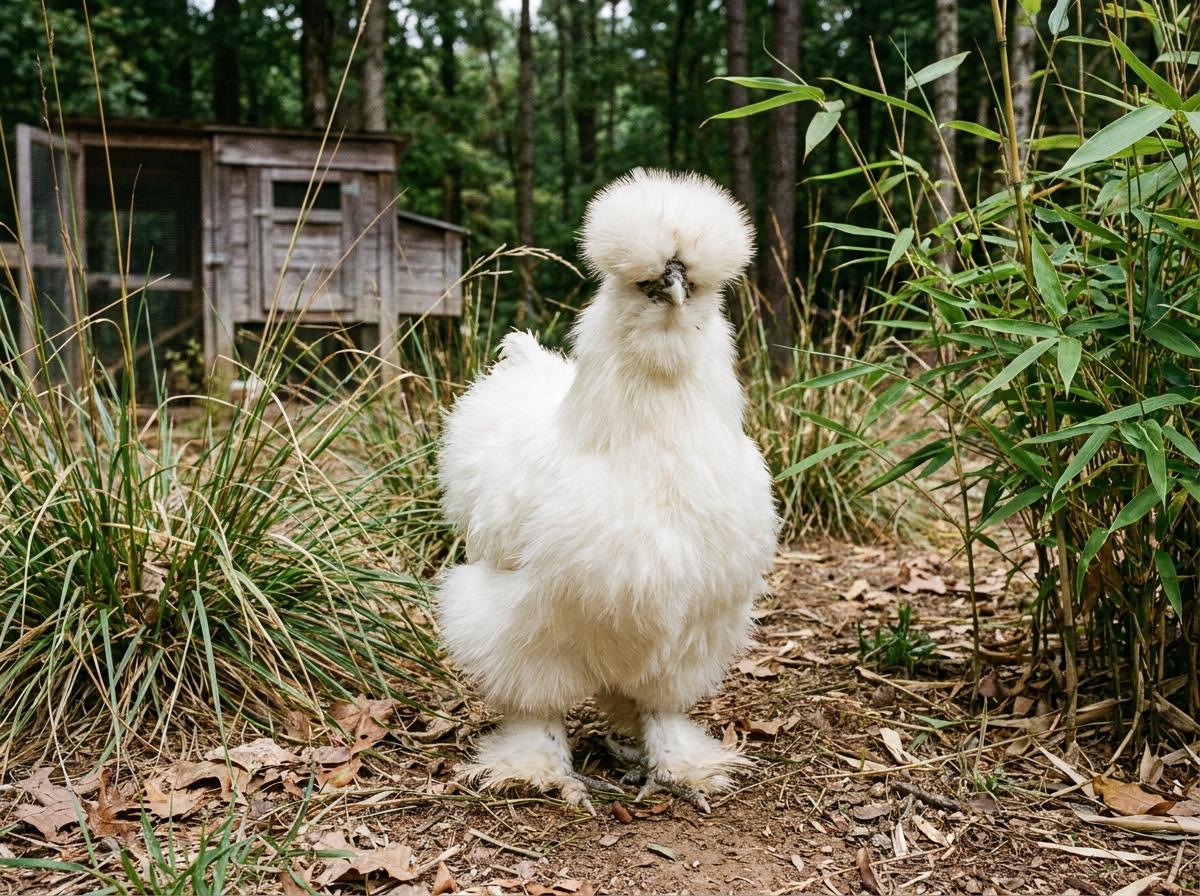
AI-generated illustration of head furnishings with the eye visible. It is an identification detail, not a grooming demonstration.
At home, watch the individual move toward feed, locate water and respond to flockmates. Keep the crest dry and inspect it during routine checks rather than assuming its shape remains the same after rain or a drink. If grooming is needed, get help from an experienced keeper or avian veterinarian; do not improvise around an eye or cut a growing feather.
Think about the feeder, drinker and shelter as a group. A bowl that repeatedly soaks head plumage or a flock arrangement where a timid bird cannot reach food deserves adjustment. These are observations to make in your own flock, not a promise that every Padovana has the same temperament.
A useful flock setup
Padovana still need the basics of chicken keeping: secure overnight housing, ventilation, dry bedding, perches and space for normal scratching and dust bathing. University of Minnesota Extension’s flock guidance covers housing, feed and routine health observation. Choose a complete feed appropriate to age and production stage, and keep drinking water accessible.
Introduce new birds with a planned separation period and monitor access to resources when mixing them. A decorative breed name does not establish compatibility with a larger or more assertive flock. During introductions, being physically present to observe the birds matters more than a breed’s reputation for friendliness.

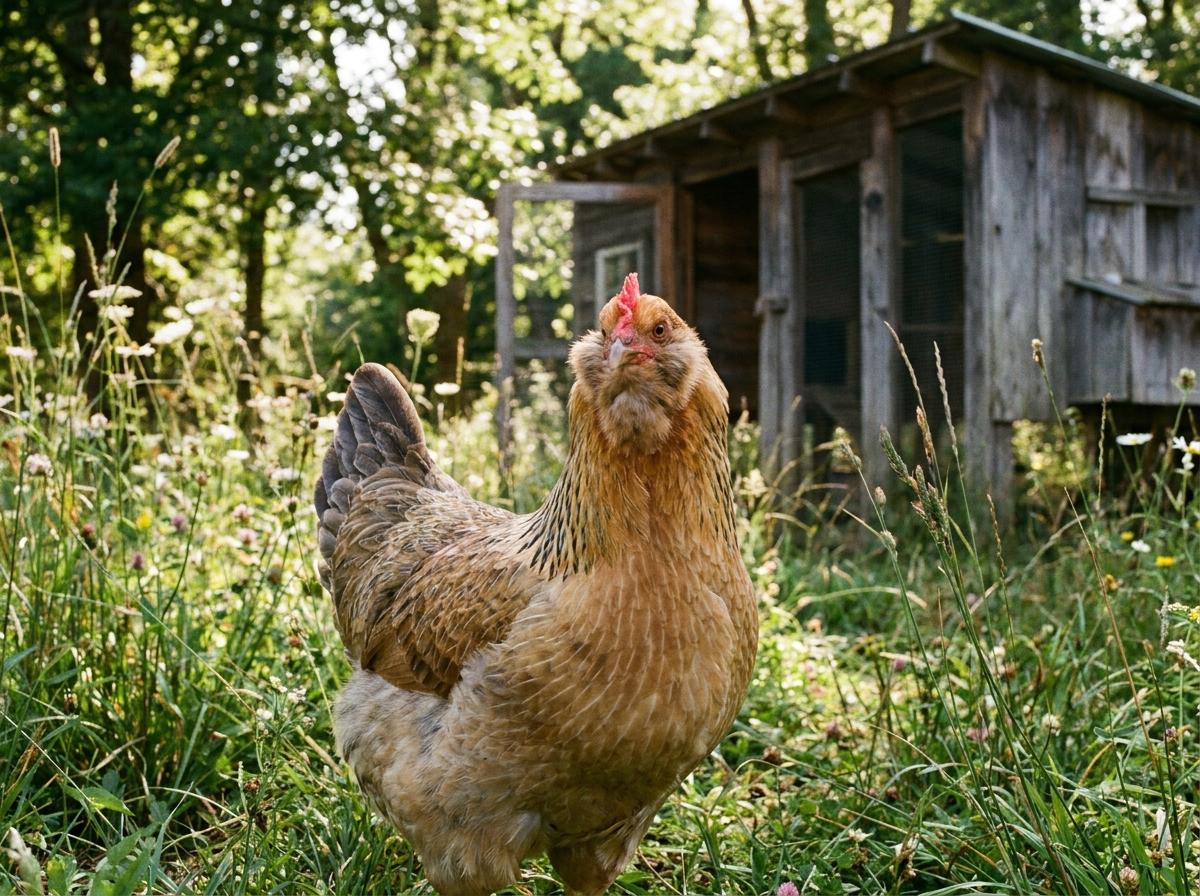
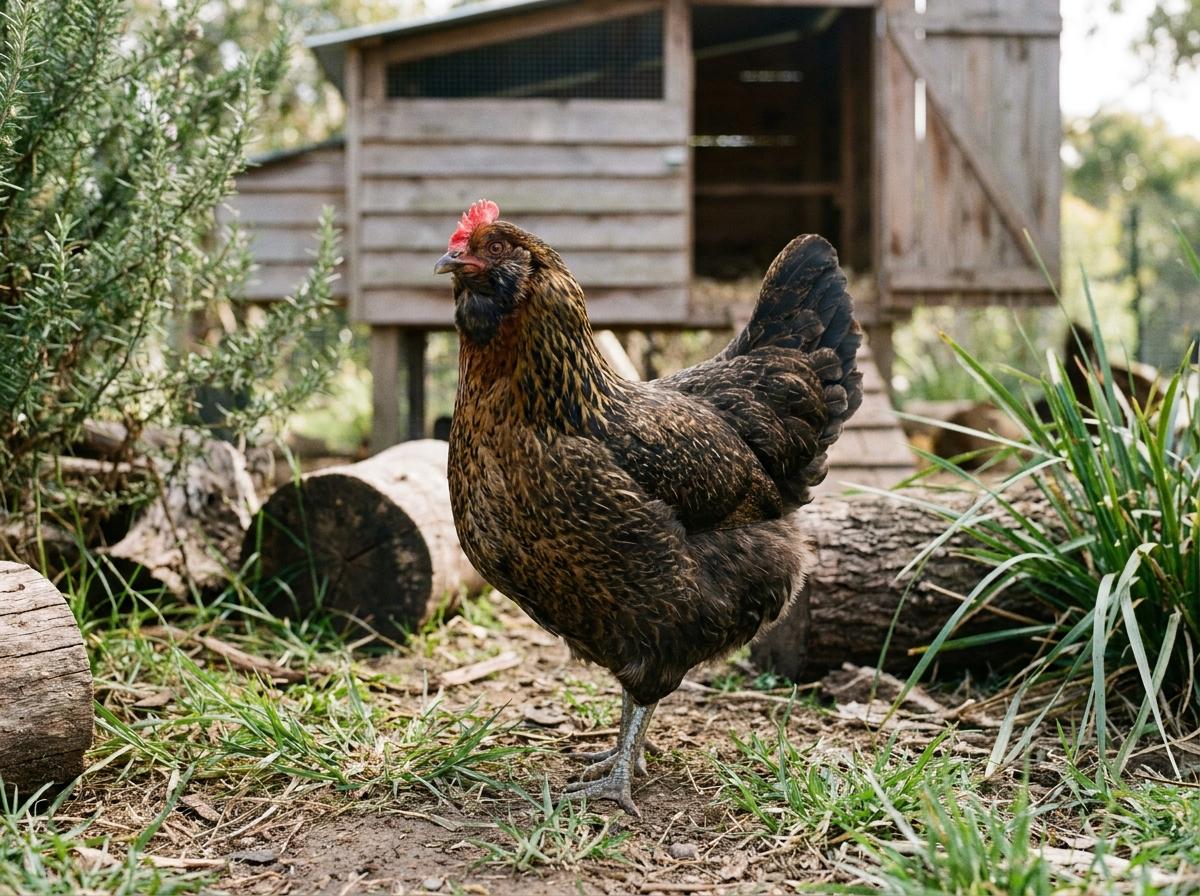
AI-generated illustration of an active hen. The outdoor portrait does not show a complete predator-resistant run or night shelter.
Eggs, price and what to ask a breeder
The standard specifies white eggs. It does not give your future hen an annual laying guarantee. If eggs are a major reason for buying, ask for records from the breeder’s actual birds: their age, laying season, feed and management context. Compare this with an egg-focused breed such as Welbar, without assuming either name guarantees a particular count.
There is no single international Padovana price. First establish whether a quote covers hatching eggs, unsexed chicks, sexed growers or mature birds. These involve different waiting times and uncertainties. Shipping fertile eggs is not the same purchase as receiving a healthy, correctly sexed adult.
For a breeding or exhibition purchase, ask for parent photographs, the intended color name and standard, hatch dates, identification and any known faults. For a companion flock, ask about actual handling and flock experience. In either case, ask to see the eyes and legs clearly. A photograph in which all facial detail disappears under the crest tells you less than it first appears to.
Frequently asked questions
Is Padovana just another name for Polish?
The naming overlaps in everyday use, but this article specifically follows the Italian Padovana standard. Confirm the standard and variety before assuming an imported name has the same show meaning.
Does a larger crest make a better Padovana?
Not if it restricts sight. FIAV includes both crest development and unobstructed vision in its description.
Are Padovana only ornamental?
They are kept for their distinctive appearance, and hens also lay eggs. Whether their output suits your household is a question for the actual flock’s records, not an advertised breed maximum.
Do this next on Creatures
Use the chicken guide to compare related breeds and plan the questions that matter for your own birds.