Cream Legbar
Author: Elliott Garber, DVM · Published
The Cream Legbar is a crested, autosexing chicken developed in Britain and valued for blue eggs. Autosexing means that correctly bred chicks have sex-related differences in their down at hatch. It does not mean every striped chick is a Cream Legbar or that a seller can ignore unclear markings. Keep the chick assessment and the later outcome together; chicken hatch records help make that comparison useful. You can start a chicken profile without an account; a free account keeps it.
| Origin | Britain, developed at Cambridge |
|---|---|
| Type | Crested autosexing chicken |
| Eggs | Blue; shade varies among lines |
| Adult features | Single comb, small crest, gray-and-cream barred plumage |
| Hen appearance | Salmon breast and clean yellow legs |
| Chick assessment | Down-pattern differences in a correctly bred line |
| Buying priority | Known line, clear hatch photographs and sexing terms |
Browse listings, public profiles, breeders, or add your animal.
What makes a Cream Legbar?
The Poultry Club of Great Britain identifies the Cream Legbar as a crested blue-egg member of the autosexing group developed at Cambridge. Its history involves Legbar and Leghorn breeding work, with the blue-egg trait incorporated through Araucana ancestry. It is more specific than a cream-colored backyard chicken.
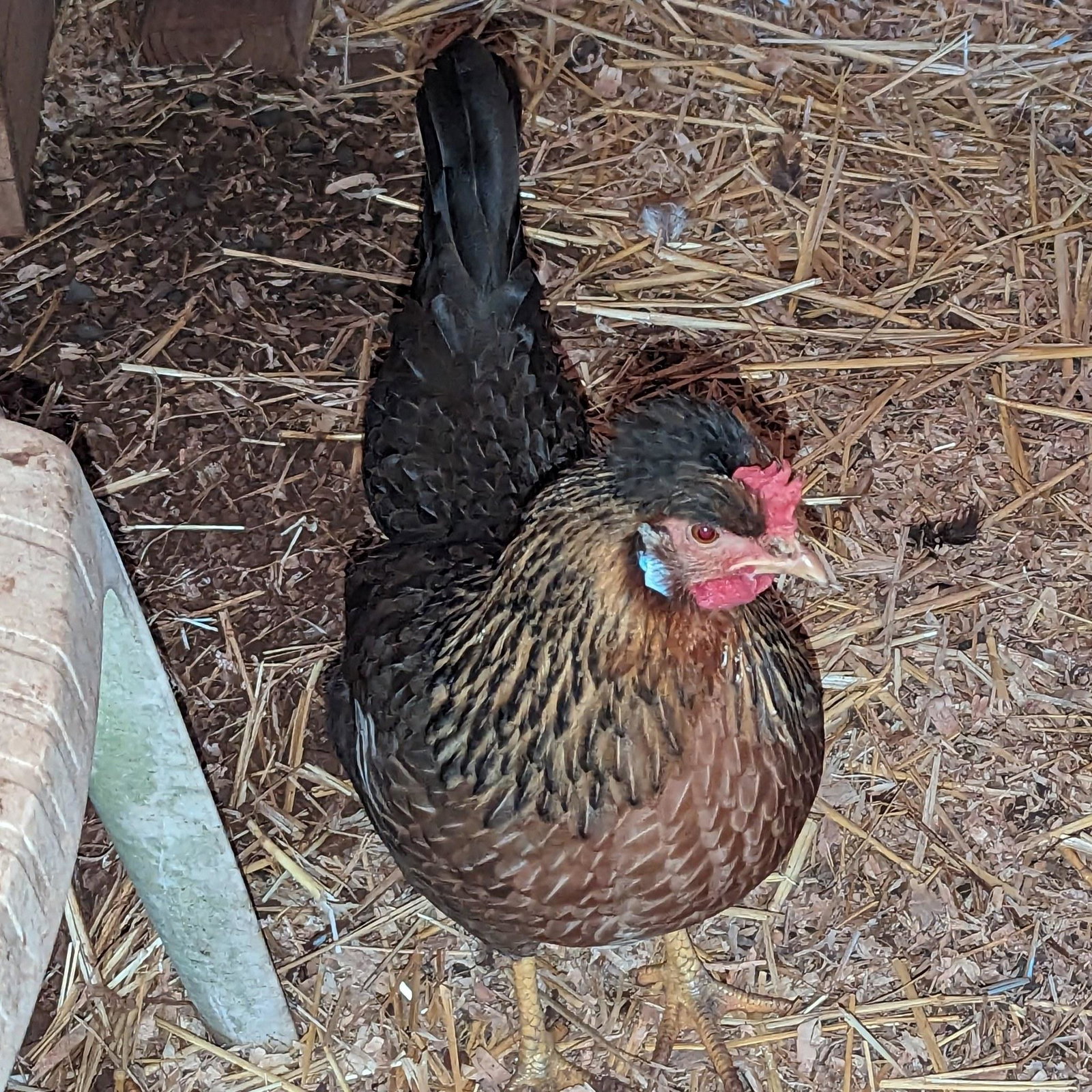
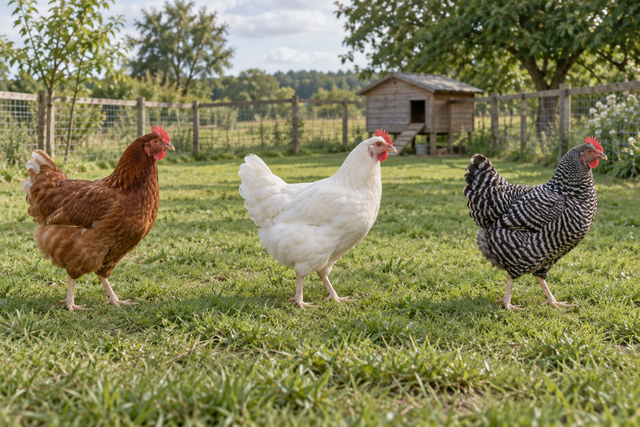
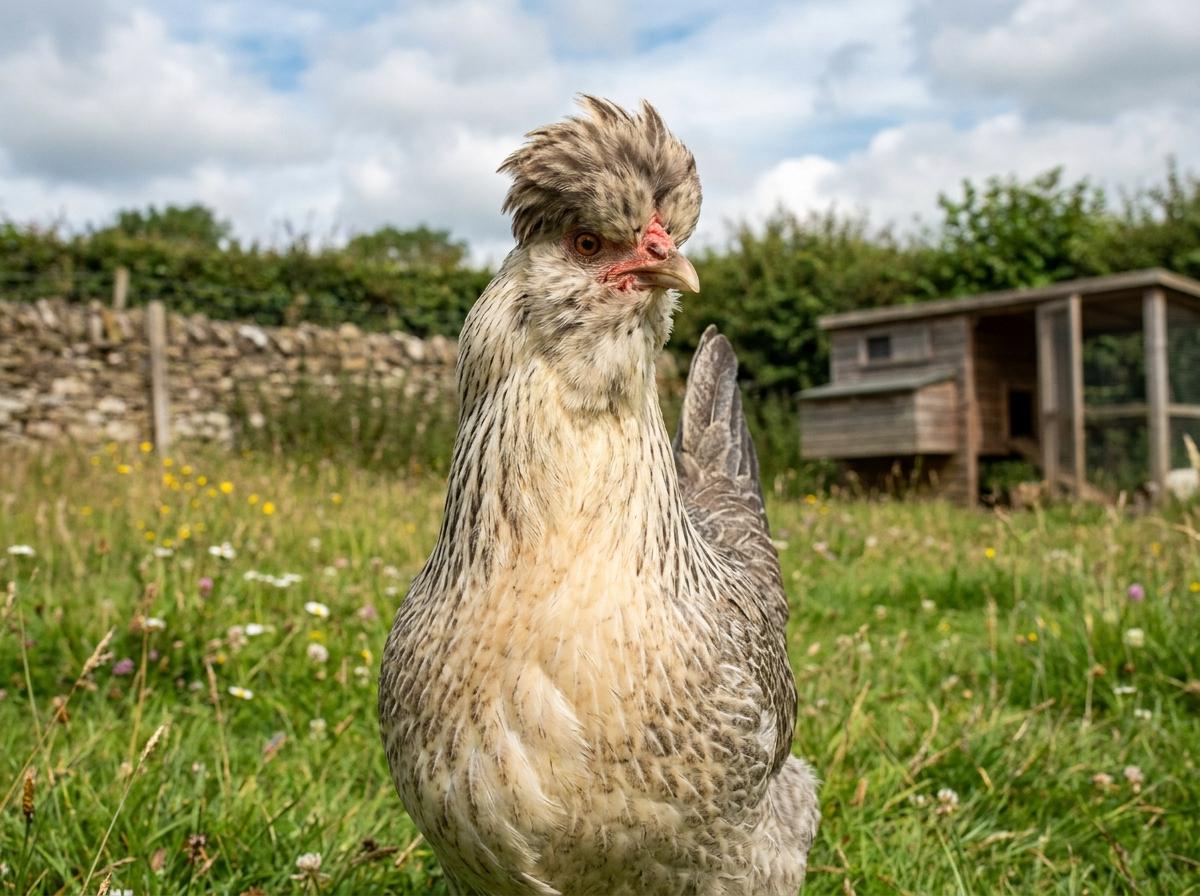
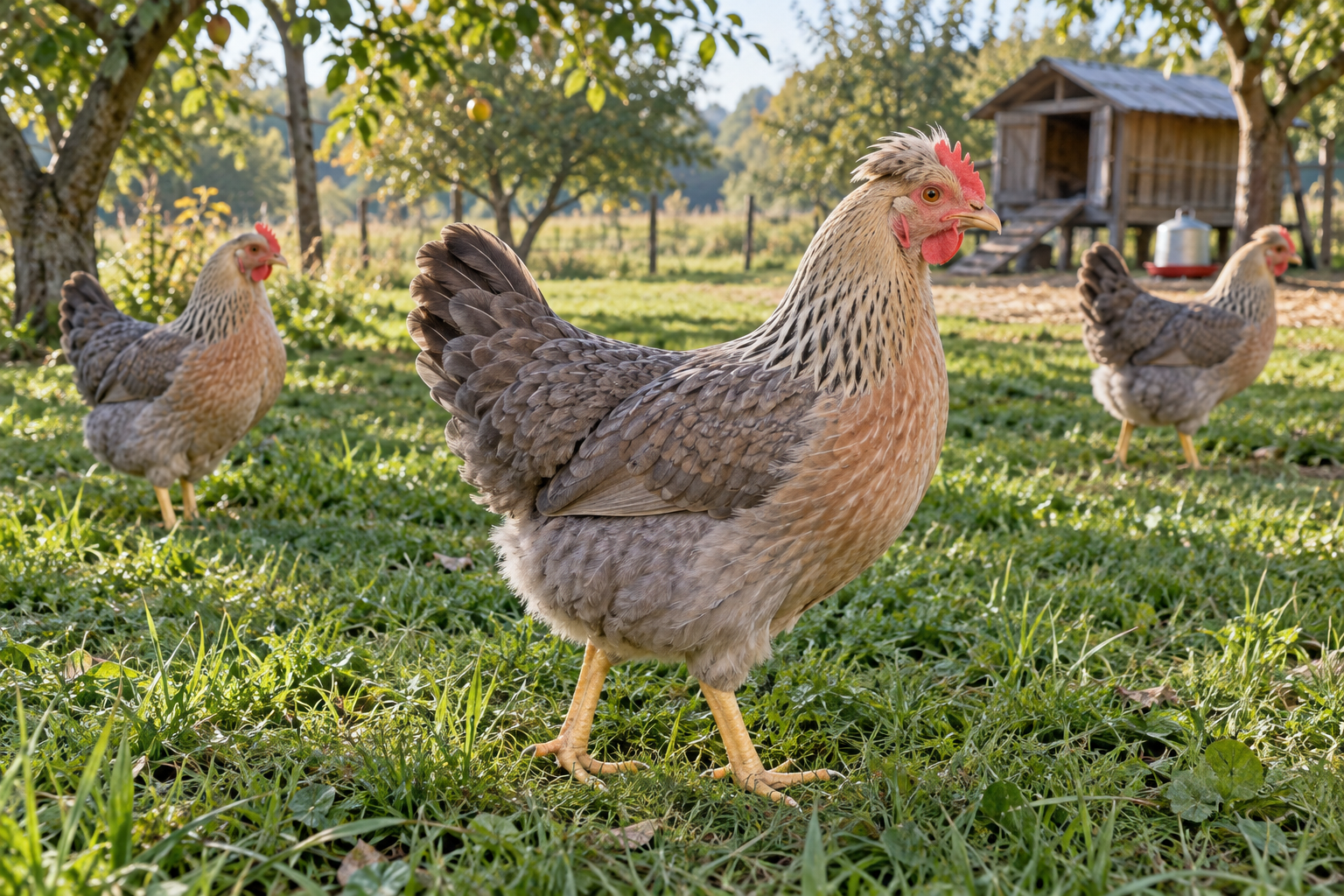
The usual adult picture is a light, active-looking chicken with a single comb, a small crest and barred gray-and-cream plumage. Hens have a salmon-colored breast, while males are lighter and more strongly barred. Rare Breeds Survival Trust’s breed profile describes the adult plumage and crested, autosexing identity. Ask which written standard a breeder follows, especially when buying for exhibition.
Cream does not mean a plain cream or white hen. Nor does every crested blue-egg cross retain the full breed definition. A seller should distinguish standard-bred Cream Legbars from crosses, color projects and birds with unknown ancestry. When checked on October 29, 2026, the Cream Legbar was absent from the American Poultry Association’s accepted-breeds list. In Britain it is standardized by the Poultry Club of Great Britain. Rare Breeds Survival Trust warns that many birds sold as Cream Legbars do not meet the standard because they have lost the dilute cream gene. Ask about that breeding background as well as the crest and eggs; a sales label alone does not settle standard conformity.
The chicken species hub helps compare goals. An Araucana has a different North American breed definition; an Olive Egger is a crossbred egg-color type. Shared blue-egg ancestry does not make these labels interchangeable.
Autosexing is a breeding trait, not a guess from any stripe
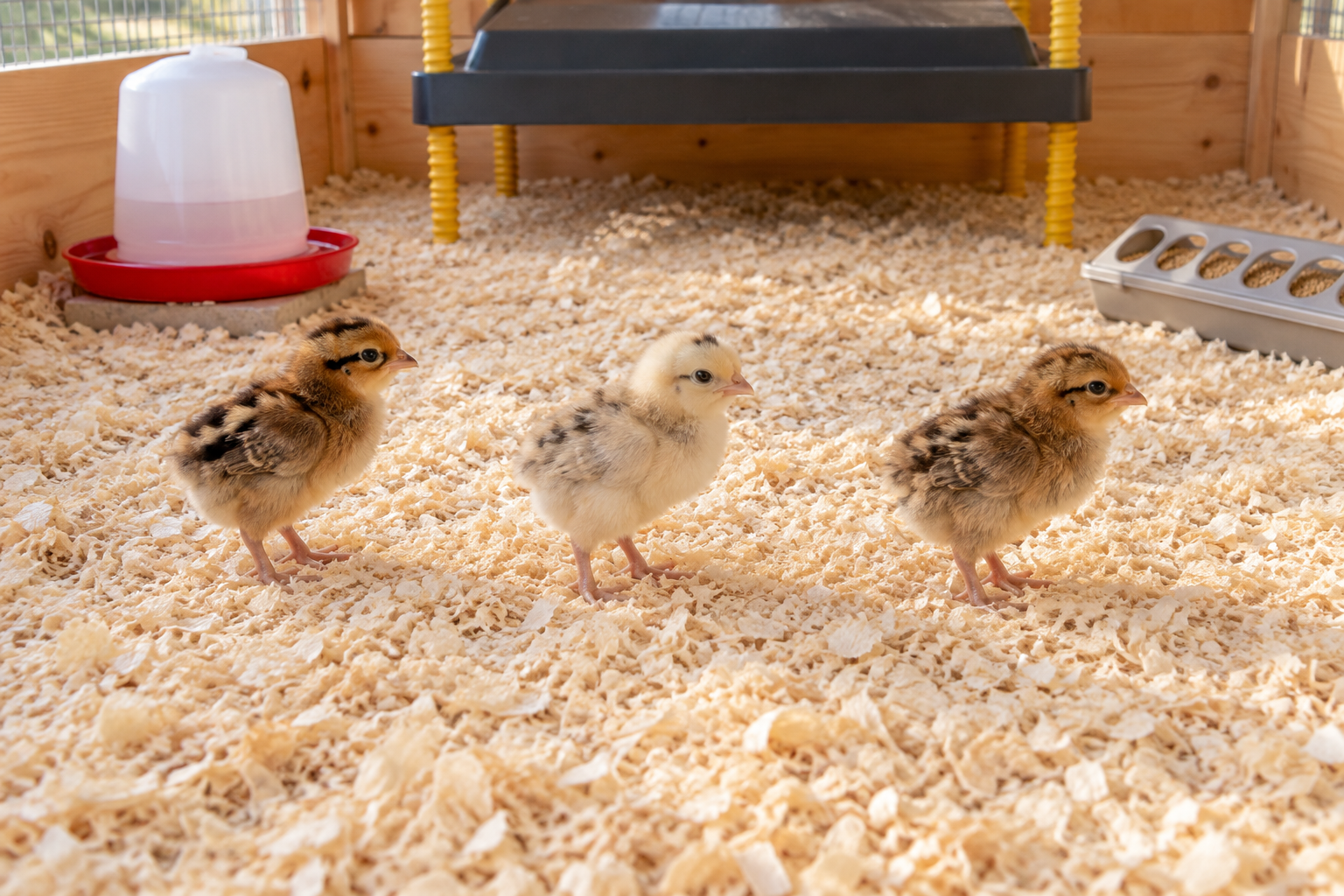
Rare Breeds Survival Trust’s Legbar description explains the usual contrast: female chicks are darker, with clearer dark back stripes, while male chicks are paler with a light head spot. The useful comparison is within the correctly bred line, using the whole down pattern, not one small spot in isolation.
Ask the breeder for clear hatch-day photographs and how initial assessments compared with the birds’ later sex. Keep an uncertain chick marked uncertain. A guarantee of no mistakes should prompt questions about the evidence and the remedy, rather than replacing your own planning for a possible male.
Autosexing breeds and sex-linked commercial hybrids are different breeding systems. The mechanism involves sex-linked barring: University of Kentucky Poultry Extension explains that the incompletely dominant barring gene, B, is on the Z chromosome. In a correctly bred Cream Legbar line, males are ZZ with two copies of B, while females are ZW with one. The double dose lightens the male down and makes its pattern less distinct, matching the chick differences described by RBST. Matings within such a line preserve this dosage difference; selection keeps the down markings easy to read. A sex-linked hybrid depends on a particular parental cross. Crossing a Cream Legbar with another chicken does not automatically preserve reliable Cream Legbar autosexing in the offspring. Compare the commercial-layer discussion in ISA Brown when choosing what kind of flock to keep.
For a breeder, clear down patterns belong beside adult type, soundness, egg color and laying observations in selection decisions. Do not select only the prettiest adult rooster and discover later that the chicks are difficult to assess. For a household buying pullets, the practical question is simpler: how were these birds identified, and what happens if one is male?
Eggs and realistic laying expectations
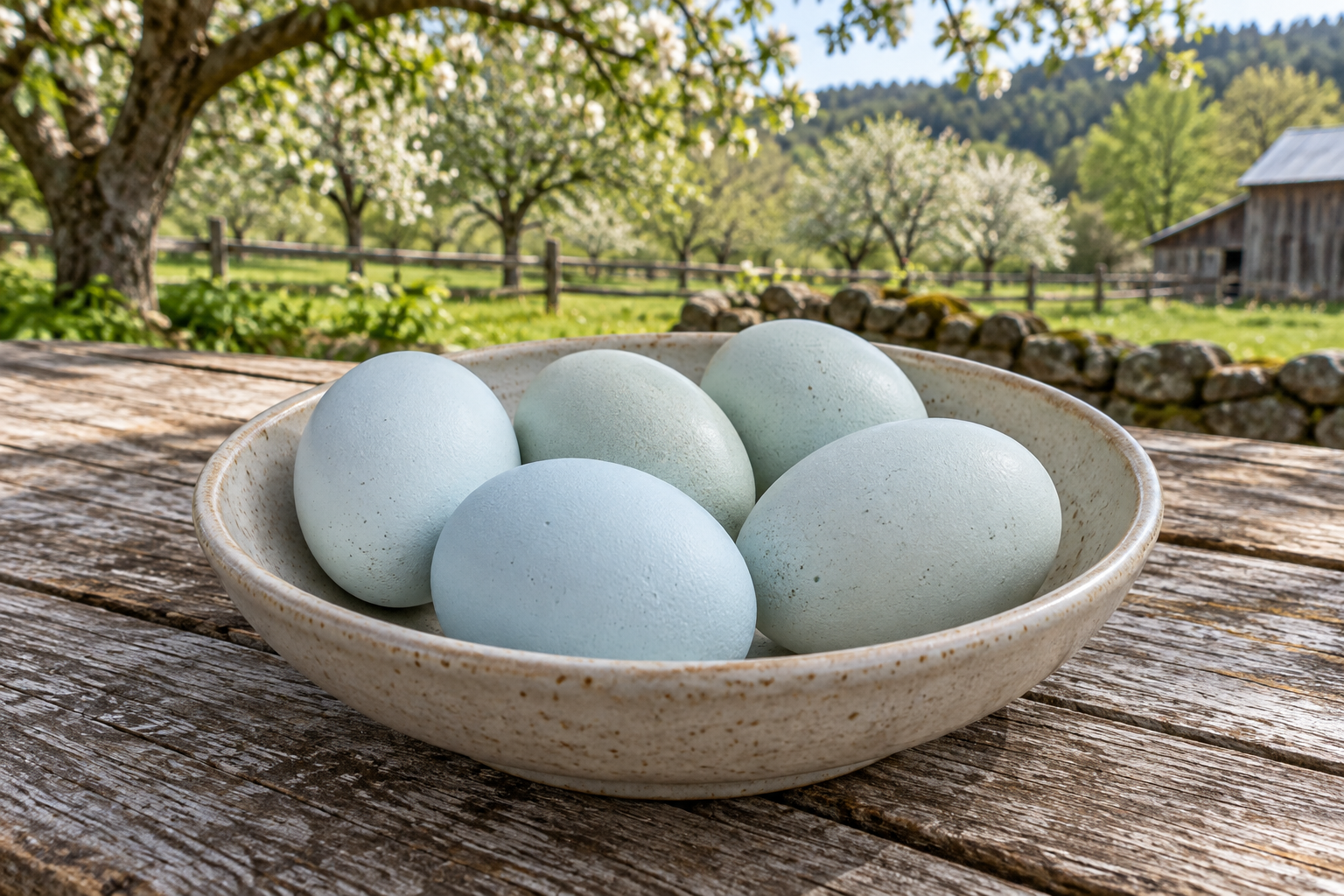
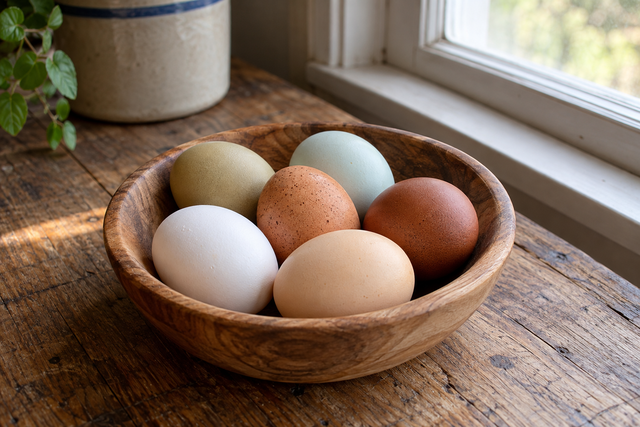
Blue eggs are central to the breed’s appeal, but photographs do not establish one exact shade for every hen. The Poultry Club describes blue eggs, while Rare Breeds Survival Trust also records green and olive shades among strains. If shell color matters to your breeding goals, ask for eggs from identified hens under ordinary lighting rather than a highly edited basket photo.
Do not confuse the shell with the contents. Oklahoma State Extension’s egg questions explains that shell color itself does not confer a nutritional advantage. Feed and ordinary egg handling remain important regardless of color.
This guide gives no fixed annual laying promise or universal first-egg age. Ask about the source flock’s recorded production, the ages of the hens and the period covered. A young flock during favorable light is not a lifetime average. Egg production records can help you follow your own flock’s output alongside molt, feed changes and health observations.
Housing an active flock
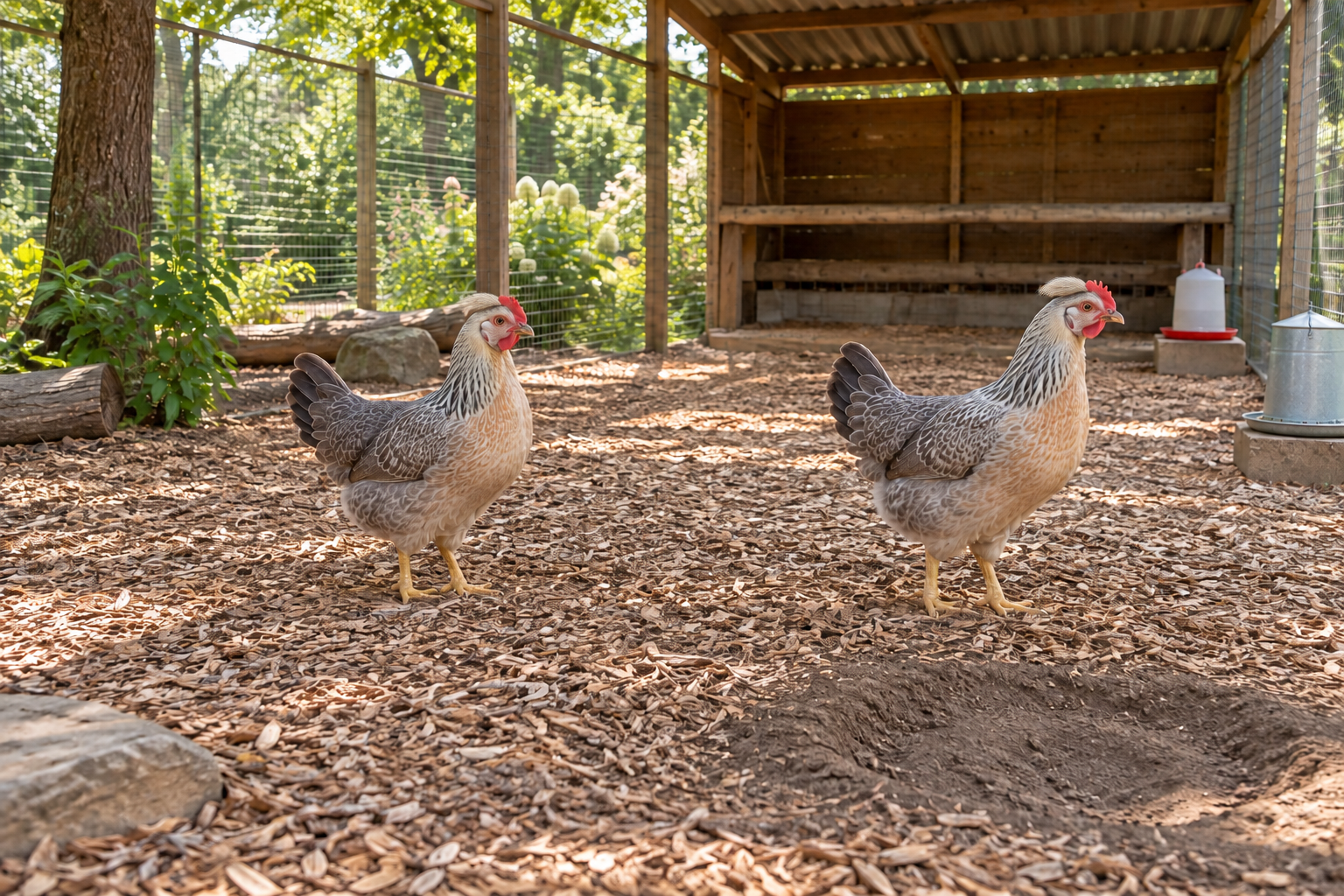
Give these chickens a secure, usable environment rather than relying on descriptions of them as good foragers. Rare Breeds Survival Trust describes an active breed, but activity is not a predator-proofing system. Provide night shelter, protected outdoor space, shade, dry bedding, nest boxes, roosts and room to scratch and dust bathe. Keep feed and clean water accessible to every bird.
Poultry Extension’s housing guidance emphasizes ventilation, protection and sufficient space. Walk through the layout from a chicken’s perspective: are entrances blocked by dominant birds, is water exposed to droppings, or does the run become wet around one feeder? The coop guide helps with the layout; the predator guide covers the barriers.
Do not assume every individual will be equally calm or equally tolerant of handling. Observe the flock you are buying. Plan companionship, gradual introductions and an identification system before bringing birds home. If raising chicks, prepare the brooder first and use the baby-chick care guide rather than housing chicks as small adults.
Feeding, health and daily checks
Use a complete chicken ration suited to age and laying stage, with clean water always available. Foraging, scratch and table scraps do not replace balanced feed. University of Minnesota Extension covers feeding, housing and routine care. Ask a poultry adviser how to supply calcium and grit for your flock, and follow the feed label instead of improvising a supplement program.
Watch appetite, drinking, movement, breathing and normal flock behavior each day. A bird hanging back, wheezing or failing to reach food needs investigation; persistent illness signs need veterinary advice. A crest or autosexing pattern is not evidence that a bird is healthy. Ask about vaccination history and the exact scope of flock testing when evaluating a seller.
Before adding new chickens, plan separate observation and gradual flock integration. Good records preserve the date a symptom or change began and any veterinary instructions. They do not establish a diagnosis. There is no breed-specific lifespan guarantee in this guide; plan care beyond the period when egg output is highest.
Breeding and identification records
Start with known parents, a described breeding group and a clear way to associate eggs and chicks with that group. Record the set date and hatch outcome, photograph down markings early, and keep the initial sex assessment separate from later confirmation. That gives you something to learn from if a line’s markings become unclear.
Creatures’ signed-in clutch workflow records eggs set and hatch outcomes. It does not run the incubator, verify ancestry or guarantee a hatch. The hatch-records guide explains the workflow. A generic record can hold the later sex confirmation or an egg-color observation.
If individual names make your records easier to use, try the chicken name generator. Use names alongside reliable identification. Two similar hens should not silently exchange identities in a breeding record because their names were attached only to a photograph.
Cost, availability and buyer questions
Compare dated offers for the same kind of stock: hatching eggs, unsexed chicks, sexed chicks, pullets or adults. Ask whether the birds are standard-bred Cream Legbars, an identified color project or a cross. Paying for an attractive label without that distinction does not buy breeding certainty.
There is no universal current price to quote. Include brooding, feed, housing, shipping, veterinary access and plans for any males in the budget. The chicken cost guide helps organize the categories; get the actual amounts from your source and local suppliers.
Useful questions are:
- Which standard and breeding line do you follow?
- Can you show the adult parents and hatch-day down photographs?
- How often have your initial chick assessments matched the later sex, and over what recorded group?
- What is the remedy for a sexing error?
- Are egg photographs from identified hens in this line?
- What vaccination, health-testing and arrival information comes with the birds?
Use the chicken buying guide to choose the purchase stage that fits your experience. Directory entries are sources to investigate, not proof of current stock or certified breed quality.
Frequently asked questions
Does autosexing mean the chicks cannot be misidentified?
It means the line is bred for a useful difference in down pattern. Unclear markings, crosses and human error still require caution. Ask for the breeder’s actual confirmation records and sale terms.
Are Cream Legbars plain cream-colored chickens?
No. Their adult appearance includes gray-and-cream barring, a small crest and sex-related plumage differences. The name is not a generic feather-color label.
Will a Legbar cross still autosex?
Do not assume it will. Ask what mating produced it and what the breeder has demonstrated from that cross. A blue egg or a striped chick does not establish the complete breed or its autosexing reliability.
Do they need a special diet to lay blue eggs?
They need proper chicken nutrition. Shell color has a genetic basis; special treats do not turn an unrelated chicken into a blue-egg breed.
Should I buy hatching eggs or pullets?
Hatching eggs add incubation, uncertain hatch outcomes and a care plan for both sexes. Well-described pullets can reduce those tasks, but still require careful source checks and a ready home.
Do this next on Creatures
- Keep your chickens’ details together. Start a Cream Legbar profile. No account is needed to start; a free account keeps it. See adding an animal.
- Keep observations. Add an egg, weight or health note. Opens for visitors; a free account saves it. Read adding a record.
- Wait for suitable birds. Save a Cream Legbar search for future matching listings. This does not establish current stock. See saved searches and your watchlist.
- Check current offers. Browse filtered Cream Legbar listings, then ask the source the questions above.
- Research sources. Browse breeder and farm profiles. Profiles are information to investigate, not a stock, genetic-identity or endorsement guarantee.
- Describe your operation. Start an organization profile. No account is needed to start. Read creating an organization and adding your team for the workflow.