Araucana
Author: Elliott Garber, DVM · Published
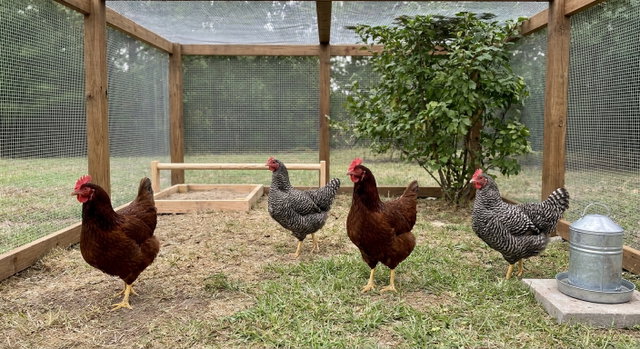
The Araucana is a blue-egg chicken associated with Chile. In the United States show standard, its defining combination is a rumpless body, ear tufts and a pea comb. It is different from the tailed, bearded Ameraucana and from mixed-breed Easter Eggers. If you are comparing breeding stock, start with the standard the breeder follows and the flock’s actual hatch history; the chicken hatch-records guide shows how to keep those observations useful. You can start a chicken profile without an account; a free account keeps it.
| Reference type | North American rumpless, ear-tufted Araucana |
|---|---|
| Origin association | Chile |
| Eggs | Blue to turquoise shells |
| Comb | Pea |
| Key distinction | Ear tufts, not beard and muffs |
| Breeding concern | Ear-tuft allele has embryonic viability effects |
| Buying priority | Correct standard, known parents and honest hatch records |
Browse listings, public profiles, breeders, or add your animal.
Know which Araucana definition you are buying
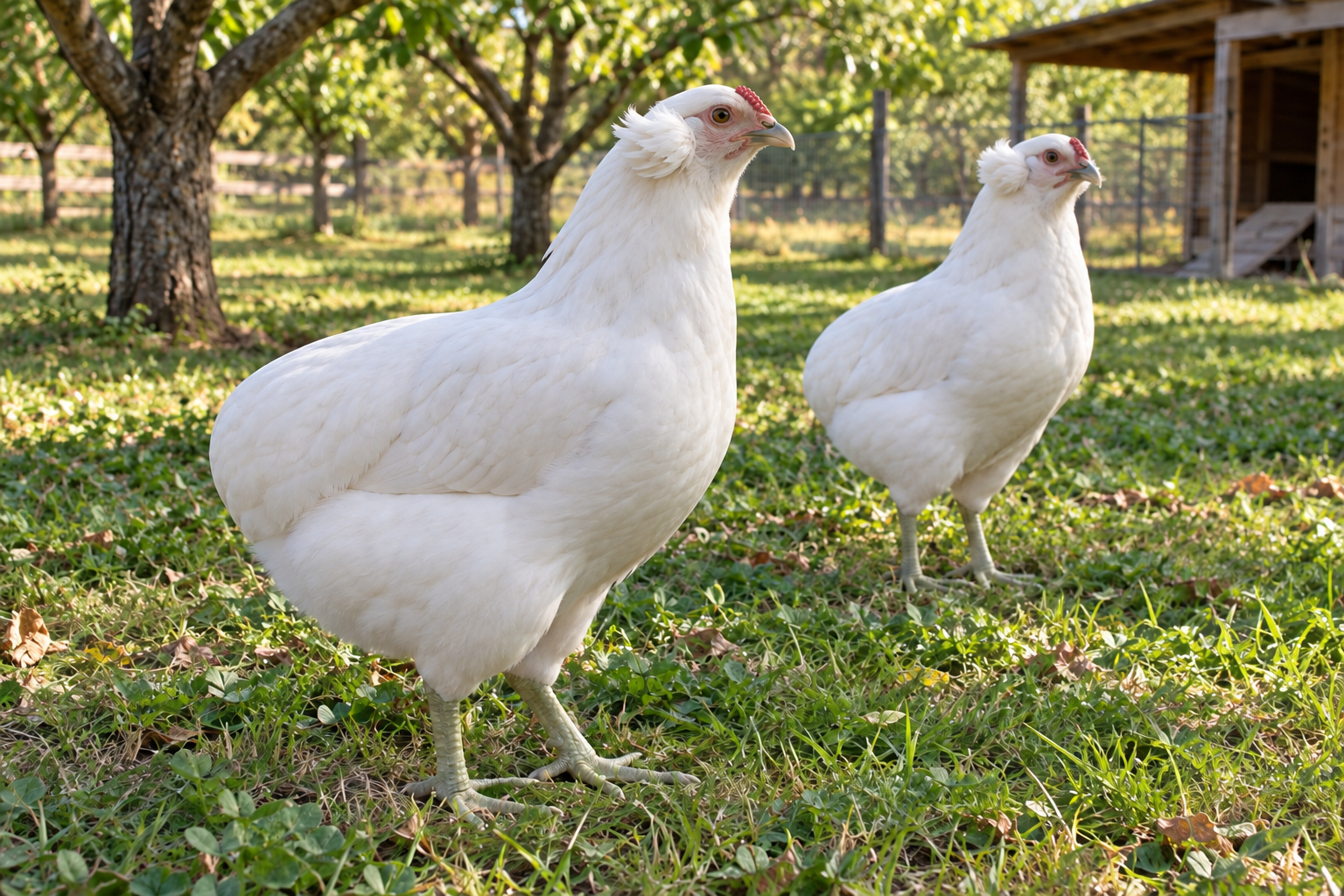
The Araucana Club of America’s standard page describes the North American exhibition bird as rumpless and ear-tufted, with a pea comb and blue or turquoise eggs. Ear tufts are feathers growing from small skin projections near the ears. They are not the beard and muffs of an Ameraucana, and rumplessness means more than a tail that has been clipped or lost feathers.
The American Poultry Association and American Bantam Association have standards for their respective exhibitions. Large fowl and bantams are different size classes. The APA accepted-varieties list, checked October 29, 2026, lists Black, Black Breasted Red, Golden Duckwing, Silver Duckwing and White Araucanas in both large fowl and bantams. If you intend to show, obtain the current standard and the show’s rules rather than deciding from the word Araucana on a sales page. A useful backyard bird may fail an exhibition requirement without being unhealthy or unworthy of care.
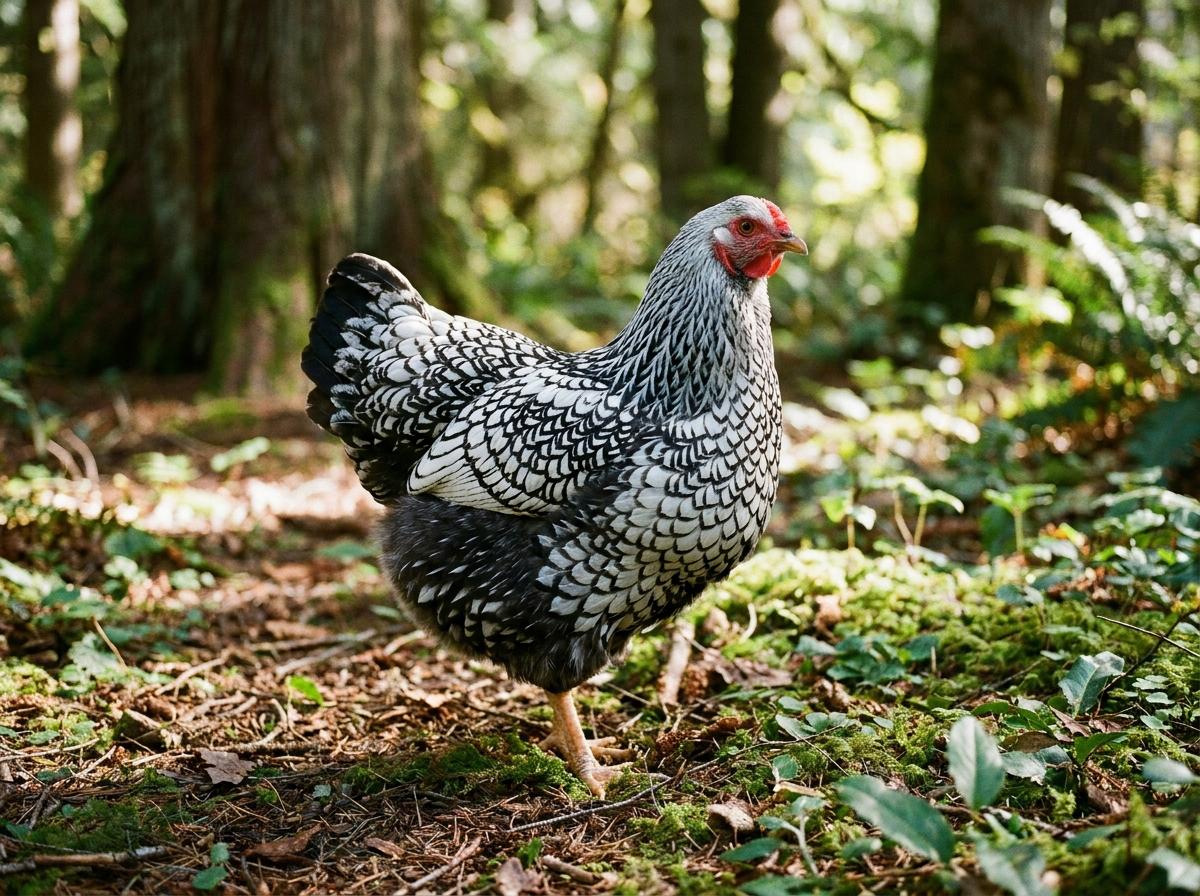
Names and standards vary internationally. This guide uses the North American tufted, rumpless bird as its main reference and illustrates that type. For imported stock or a seller working under another national system, ask for the exact standard. Do not reject or certify a foreign bird by applying a different country’s definition without saying so.
Araucana, Ameraucana and Easter Egger
The Ameraucana Alliance’s breed comparison distinguishes a rumpless Araucana with ear tufts from a tailed Ameraucana with beard and muffs. Both can be blue-egg breeds; blue eggs alone do not establish either identity. Easter Egger is a broad label for colored-egg chickens that do not meet one of these complete breed descriptions.
An Olive Egger is a crossbred egg-color project, and a Cream Legbar is a different crested, autosexing breed. These distinctions matter when paying for breeding stock. They matter less if your only goal is a healthy backyard flock with interesting eggs, but the seller should still describe the birds honestly. Compare the wider options on the chicken species hub.
Appearance: look beyond a blue egg
In the North American type, look for a compact rumpless outline, a small pea comb and ear tufts arising at the sides of the head. Do not confuse a rounded rear with a bird photographed at an angle that hides its tail. The club standard supplies detailed shape and color requirements; an internet photograph cannot replace an in-person assessment by an experienced breeder or judge.
Ear tufts vary in expression. A breeding flock can contain clean-faced birds without making those birds disposable. The presence, absence or symmetry of tufts is a trait observation, not a complete genetic test or an assessment of health. Ask the breeder to explain the role of each bird in a mating rather than buying a visually matched pair and assuming the rest will follow.
Blue eggs and useful laying records
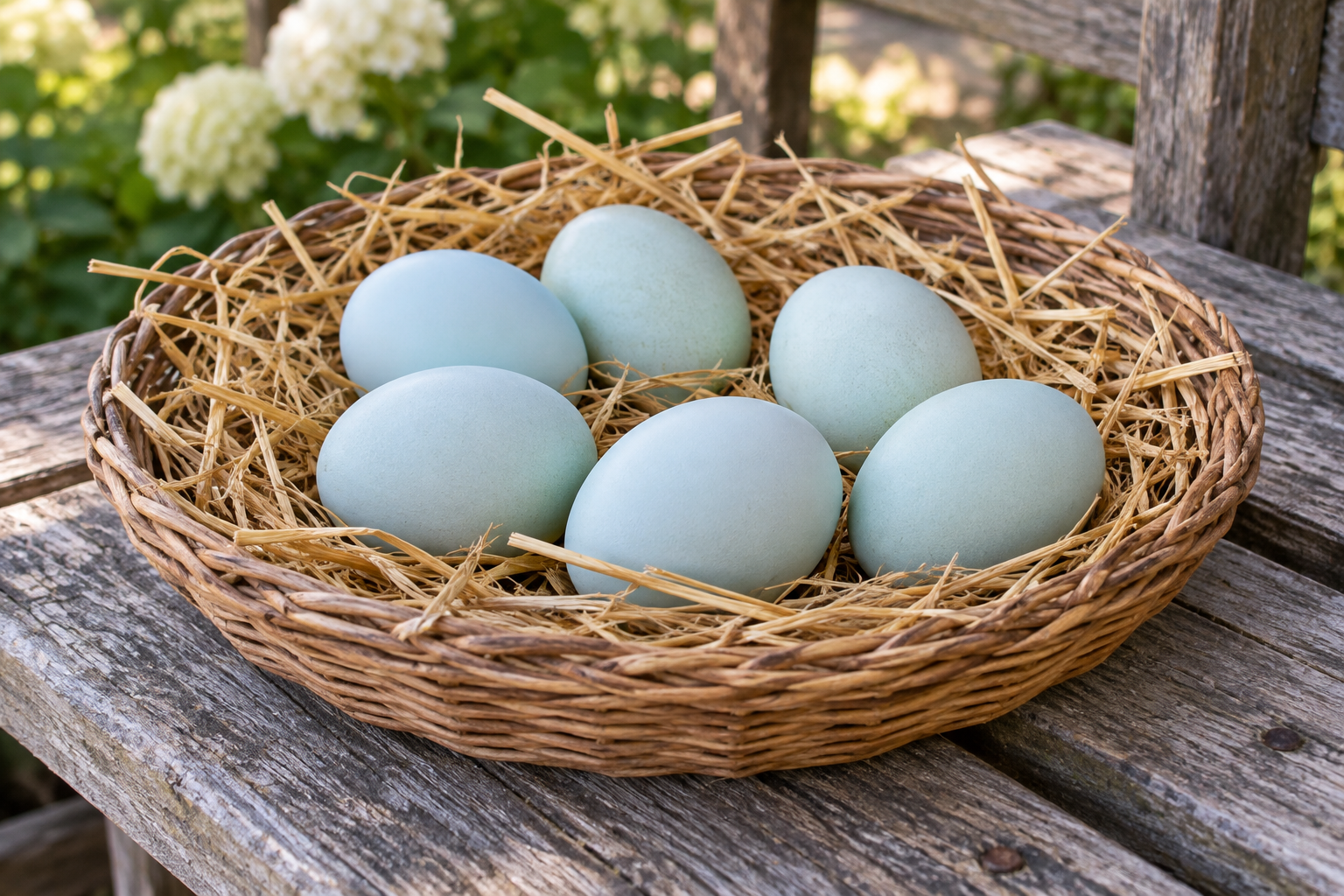
Blue shell color has a genetic basis. The blue-egg trait and the traits that produce tufts or a rumpless body are distinct subjects; carrying one does not prove the others. Poultry Extension’s explanation of colored eggs also addresses the misconception that blue eggs indicate a sick hen or an unsafe egg.
Avoid an annual egg-count guarantee for every Araucana. Ask how the seller recorded laying, whether the figures refer to an individual or a flock, and what season and age the records cover. A basket of attractive blue eggs says little about how many birds produced it or over what period.
At home, record dates, total eggs and any known hen identity. Include notes on molt, feed, new birds and health changes before attributing a drop to the breed. The egg production records guide explains how observations help without turning a flock count into a diagnosis.
Ear-tuft genetics needs careful breeding decisions
The welfare issue is real, and it belongs in the buying discussion. Noorai and colleagues’ primary genetics study describes ear tufting as a dominantly expressed trait with embryonic lethality when the relevant allele is inherited in two copies. The same paper discusses variable expression and additional viability concerns. A visible tuft is not simply a harmless decorative feather to maximize without considering hatch outcomes.
For two known one-copy carriers (Et/et+ mated to Et/et+), the simple inheritance expectation is one embryo in four with two copies, Et/Et. The paper summarizes reports that these embryos usually die at about 17 to 19 days of incubation; it also reports losses among some one-copy embryos near hatch and higher post-hatch mortality among tufted birds. These are genotype and viability observations, not a guaranteed loss percentage for a particular set of eggs.
A practical way to avoid producing two-copy Et embryos is to mate a one-copy carrier with breeding stock known not to carry Et (et+/et+). That mating is expected to produce one-copy carriers and noncarriers in equal proportions before survival effects. Crucially, a clean face alone does not prove et+/et+: the same paper documents reduced penetrance, meaning some carriers lack visible tufts. Ask how the breeder established the proposed noncarrier’s status; do not assume the photograph settles it. This pairing avoids Et/Et embryos under those stated parent-genotype assumptions, but does not eliminate other viability concerns.
Record late dead-in-shell eggs separately from eggs assessed as infertile. An unhatched egg should not automatically be called infertile, and an incubator problem should not automatically be blamed on tufts. Keep the observations separate and involve a poultry veterinarian or an experienced specialist when investigating losses.
Rumplessness is a different trait from ear tufting. The study also discusses reproductive and developmental effects associated with rumplessness. Do not collapse both into one “lethal gene” explanation, or assume that every rumpless bird has the same outcome. Ask breeders how they assess soundness, fertility, hatchability and chick survival in their own stock.
For a newcomer who only wants blue eating eggs, breeding tufted Araucanas is optional. Buying well-described hens and learning their care may be the better first project. If you breed, make welfare and accurate records part of selection, and have a care plan for clean-faced, tailed or otherwise non-show offspring.
Housing, feed and daily care
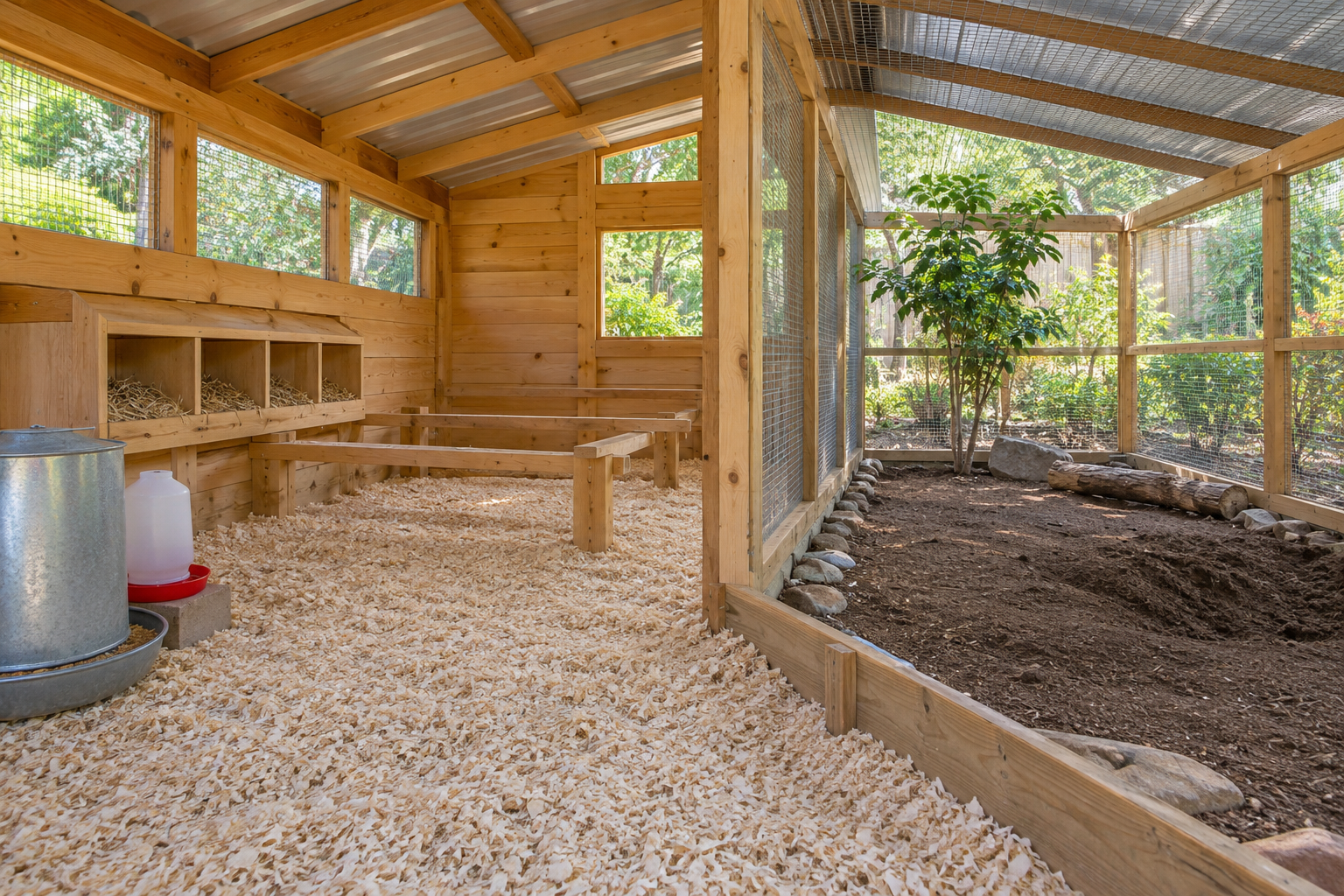
Blue eggs and distinctive heads do not replace ordinary chicken needs. Provide companions, secure shelter at night, dry bedding, fresh air, nest boxes and room to scratch, forage and dust bathe. Arrange feeders and drinkers so a timid bird cannot be excluded. Poultry Extension’s housing overview covers protection, usable space, ventilation and access. Our coop guide gives a practical planning sequence.
Feed a complete age-appropriate chicken ration and keep clean water continuously available. Scratch, scraps and forage cannot supply the whole diet. University of Minnesota Extension’s laying-hen guidance covers balanced nutrition and routine care. Use the feed label and professional advice to plan calcium and grit rather than adding supplements to chase shell color.
Observe whether each bird eats, drinks, moves and interacts normally. Persistent respiratory signs, lameness, weakness or a marked change in appetite warrants veterinary advice. Do not treat a tuft, a pea comb or a blue egg as a health certificate. Ask about vaccination and flock testing before purchase, and plan separate observation and gradual introduction for new arrivals.
Breeding records worth asking to see
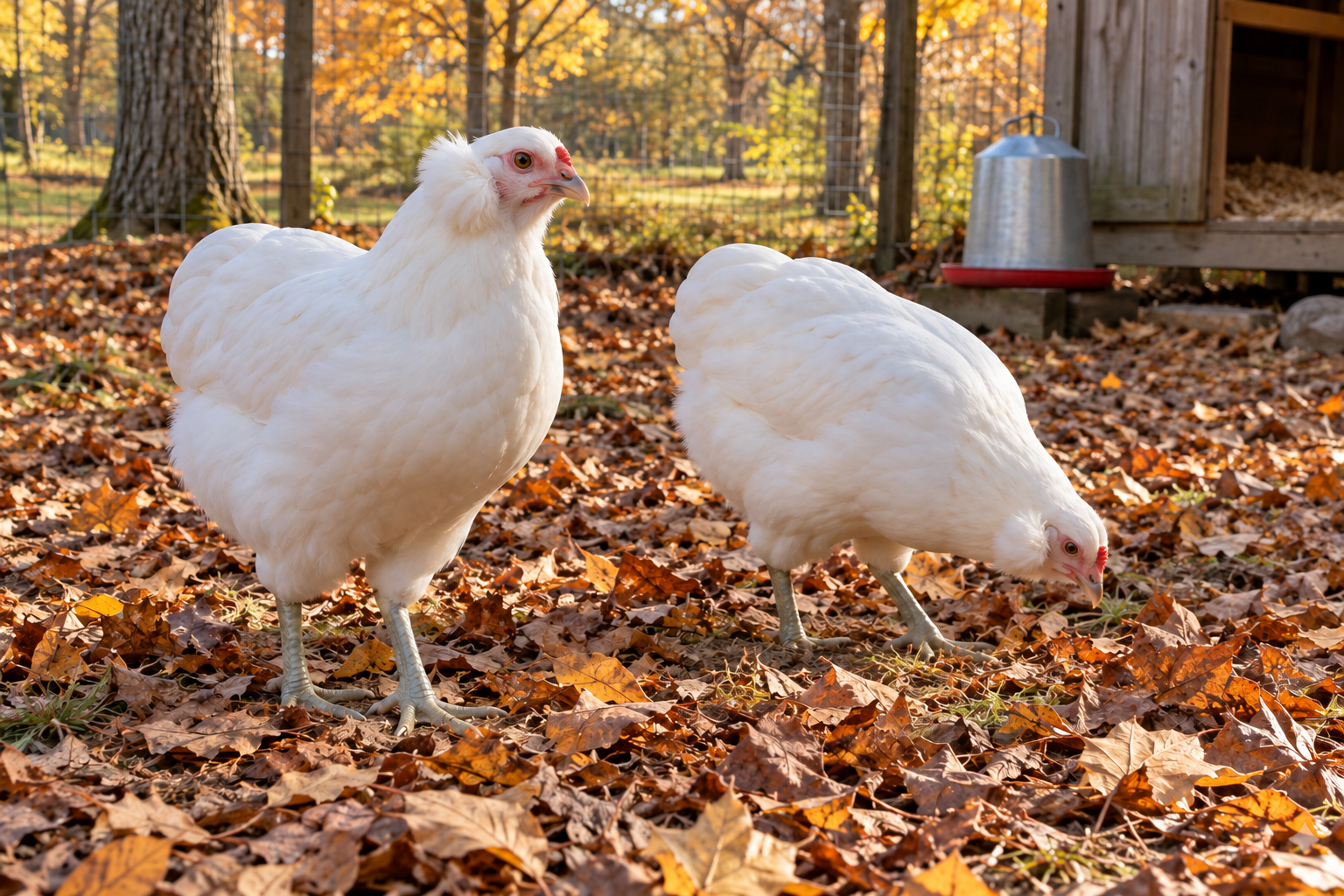
A useful breeder can describe the mating groups as well as show attractive adults. Ask how parents are identified, how set eggs are associated with a group, and how hatch and chick outcomes are recorded. Notes on tufts, tails, shell color and later soundness should stay attached to identifiable birds. Unknown parentage should remain unknown in the record.
Use the hatch-records workflow to distinguish eggs set, fertility observations, losses and chicks hatched. Creatures’ clutch workflow requires signing in to save; it records outcomes rather than controlling an incubator or proving a genetic cause. A generic health or breeding note can preserve an observation without turning it into a certified diagnosis.
The chicken name generator can help name individual profiles. Keep an identification method that still works when birds look alike. A user-entered parent name is a record of what you know, not registry certification.
Availability, cost and buying checks
There is no single price for a bird sold as Araucana. A hatching egg, straight-run chick, sexed pullet and proven breeding adult carry different costs and uncertainties. Compare dated quotes with shipping, minimum order, sexing terms and the evidence behind the breed claim. Budget for housing and veterinary access as well as the purchase.
Before paying, ask:
- Which national standard and size class are these birds bred to?
- Can I see clear side views of the adults, including their rumps and ear tufts?
- Are the eggs pictured assigned to particular hens or a mixed flock?
- What are the recent fertility, hatch and chick-survival records?
- How are clean-faced or tailed offspring managed and described to buyers?
- What vaccination, disease-testing and arrival information comes with the birds?
Read the chicken buying guide before deciding between eggs and live birds. A source willing to discuss uncertainty is more useful than a claim that every chick will be show quality. Marketplace and directory pages are ways to find leads, not guarantees of correct identity or available stock.
Frequently asked questions
Are Araucanas and Ameraucanas the same?
No. In North American standards, Araucanas are rumpless and ear-tufted; Ameraucanas have a tail, beard and muffs. Blue eggs are not enough to identify either breed.
Must every Araucana have visible tufts?
Under the APA and ABA standards summarized by the Araucana Club of America, a bird lacking ear tufts is disqualified from exhibition. Clean-faced birds can still be healthy flock members and useful breeders. A clean face does not, by itself, prove absence of the Et allele, so ask about the bird’s ancestry, breeding role and evidence of carrier status.
Is rumplessness the lethal ear-tuft trait?
No. They are different inherited traits. The primary study discusses both, and tuft-associated embryonic lethality should not be used as a catch-all explanation for every failed hatch.
Are blue eggs unsafe or specially nutritious?
Blue color itself is not evidence of disease. Shell color does not make an egg nutritionally superior. Apply normal egg handling and assess the flock’s health separately.
Are Araucanas suitable for a first flock?
Healthy hens can fit a prepared backyard flock. Breeding the tufted type adds decisions about genetics, hatch outcomes and welfare. You can enjoy blue eating eggs without starting that breeding project.
Do this next on Creatures
- Keep your chickens’ details together. Start an Araucana profile. No account is needed to start; a free account keeps it. See adding an animal.
- Keep observations. Add an egg, weight or health note. Opens for visitors; a free account saves it. Read adding a record.
- Wait for suitable birds. Save an Araucana search for future matching listings. This does not establish current stock. See saved searches and your watchlist.
- Check current offers. Browse filtered Araucana listings, then ask the source the questions above.
- Research sources. Browse breeder and farm profiles. Profiles are information to investigate, not a stock, genetic-identity or endorsement guarantee.
- Describe your operation. Start an organization profile. No account is needed to start. Read creating an organization and adding your team for the workflow.