
Author: Elliott Garber, DVM · Updated
Why Pricing Livestock Correctly Matters More Than You Think
Every livestock seller faces the same question: how much should I charge? Price too high and your listing sits for months. Price too low and you leave money on the table, or worse, signal to buyers that something is wrong with the animal.
Pricing livestock well requires data, market awareness, and an honest assessment of what you’re selling. Unlike commodity goods with fixed price tags, livestock values fluctuate based on breed, age, genetics, registration status, geographic demand, and timing. The sellers who consistently move animals at strong prices aren’t guessing. They’re doing research.
This guide breaks down the key factors that determine livestock value, shows you where to find real pricing data, and walks through pricing strategies for different types of animals. Whether you’re selling registered highland cattle, miniature donkeys, horses, or backyard poultry, the framework applies.
The Factors That Determine Livestock Value
Before setting a price, you need to understand what buyers are actually paying for. Livestock pricing is driven by a combination of objective and subjective factors that vary by species and market segment.
Breed and Registration Status
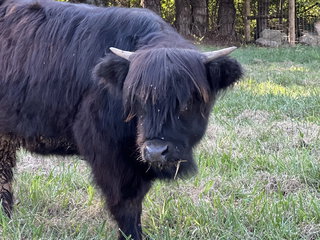
Registration is the single biggest price differentiator for breeding stock. A registered animal with documented pedigree and breed association paperwork commands a significant premium over an unregistered animal of the same breed. In highland cattle, for example, a registered heifer from a reputable breeder can sell for $3,000 to $8,000 or more, while an unregistered highland heifer might bring $1,500 to $3,000.
The breed itself matters enormously. Heritage and rare breeds often carry premiums because supply is limited and demand is driven by enthusiast communities. Commercial breeds priced as commodity livestock follow different economics entirely, where per-pound pricing and feed conversion ratios drive the math.
Age and Sex
Young breeding stock (heifers, jennets, fillies) in their prime reproductive years command the highest prices. Proven brood animals with a track record of healthy offspring are worth more than unproven yearlings, though yearlings offer buyers more years of productive life.
Males generally sell for less unless they have exceptional genetics, show records, or are intact breeding bulls or stallions with proven offspring. Geldings, steers, and wethers are priced lower because they have no breeding value.
Genetics and Pedigree Quality
In registered breeding stock, pedigree depth and quality significantly affect value. Animals descending from champion bloodlines, with multiple generations of documented health testing and show performance, are worth more than animals with shallow or unremarkable pedigrees.
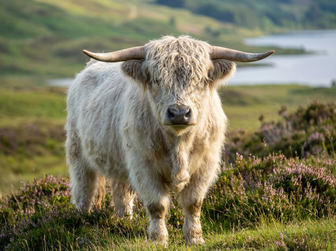
Specific genetic traits can add substantial value. In highland cattle, rare colors like white or silver dun carry premiums in certain markets. In dogs, health-tested parents with OFA certifications justify higher prices. In horses, specific bloodlines carry reputations that buyers will pay for.
Health and Veterinary Records
Animals with complete, documented health histories sell for more and sell faster. Buyers want to see vaccination records, deworming schedules, genetic test results, and veterinary exam reports. Sellers who log health records and attach them to animal profiles give buyers the confidence to pay full asking price.
A pre-sale veterinary examination adds credibility and can justify premium pricing, especially for high-value breeding stock. A Certificate of Veterinary Inspection (CVI) is required for interstate transport in most states and demonstrates compliance with animal health regulations.
Training, Handling, and Temperament
An animal that is halter-trained, gentle with handlers, loads easily into a trailer, and has been socialized with people (especially children) is worth more than a flighty or untrained animal of identical genetics. For horses, the level of training, riding discipline, and show experience dramatically affect price.
If you are new to raising livestock, temperament is especially important for safe, low-stress handling.
Be specific when describing temperament in your listings. “Friendly” tells buyers nothing. “Halter-trained at 4 months, leads quietly, stands for hoof trimming, and has been handled daily by our children” tells them everything.
Geographic Demand and Local Market Conditions
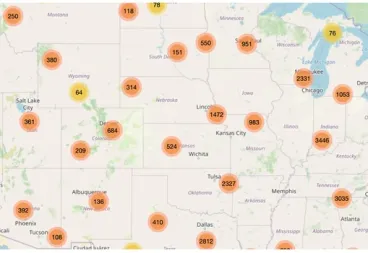
The same animal can be worth dramatically different amounts depending on where it’s located and who the buyer base is. Highland cattle sell for higher prices in the Northeast and Southeast, where hobby farms and small acreage operations drive demand. In Texas and the Great Plains, where large-scale ranching dominates, the premium for heritage breeds is lower.
Online marketplaces help sellers reach buyers nationwide, which can be a significant advantage if your local market is soft. Listing on the Creatures Marketplace with breed-specific search and verified buyers expands your effective market well beyond your immediate area.
Where to Find Real Pricing Data
The most common pricing mistake is basing your price on what other sellers are asking rather than what animals actually sell for. Asking prices and selling prices are often very different. Here’s where to find real transaction data.
Breed Association Sale Results
National and regional breed association sales publish complete results with individual animal prices. For highland cattle, the Small Cows, Big News newsletter tracks every major auction in North America with detailed pricing breakdowns, trend analysis, and market commentary. Recent coverage includes sales where individual animals brought $5,000 to $40,000, with detailed analysis of what drove those prices.
Most breed registries publish sale catalogs and results. The AHCA, HHCA, ADMS, and other registries are valuable data sources. Check their websites and newsletters for recent sale reports.
Online Marketplace Listings
Browse active and recently sold listings on online platforms to see what comparable animals are priced at. Pay attention to animals of the same breed, similar age, comparable registration status, and similar geographic market. You can browse Creatures listings and filter by species, breed, and location to find relevant comparisons.
USDA Market Reports
For commercial livestock sold by weight, USDA Agricultural Marketing Service publishes weekly market reports with per-hundredweight pricing by animal class and grade. These reports cover cattle, hogs, sheep, and goats across regional auction markets.
Ready to sell? You can list on the Creatures marketplace to reach buyers nationwide, and create a profile for your animals to showcase your animals’ genetics and production records.
While USDA reports primarily track commercial livestock, they provide a useful floor price for breeding stock. If a commercial steer brings $2.00 per pound at auction, a registered bull of the same breed should be worth considerably more based on his breeding value.
Local Auction Results
Regional auction barns publish their sale results, often weekly. These give you the most accurate picture of local market conditions. Keep in mind that auction prices reflect wholesale, not retail. Private treaty sales can bring more than auction prices for some animals because you’re selling directly to end buyers rather than through an intermediary.
Pricing Strategies by Animal Type
Different categories of livestock require different pricing approaches. The framework below covers the most common scenarios.
Registered Breeding Stock
This is where pricing has the widest range and the most room for strategic positioning. Registered breeding stock is valued primarily on genetics, pedigree, conformation, and reproductive potential.
Research step: Pull recent sale results from your breed association. Identify animals comparable to yours in terms of age, pedigree quality, and conformation. Note the price range and what separated the top-sellers from average animals.
Price positioning: If your animal has above-average genetics, documented health testing, show records, or proven offspring, price in the upper third of the range. If your animal is solid but unremarkable, price at the median. If you’re selling a young, unproven animal from a less established breeding program, price in the lower third but emphasize growth potential.
Example: Highland cattle heifers at recent national sales have ranged from $2,500 for unproven yearlings to $15,000+ for bred heifers from champion bloodlines. A well-bred, registered 18-month heifer from a program with documented health testing might reasonably be priced at $4,000 to $6,000 for private treaty sale.
Companion and Pet Animals
Companion animals (pet-quality miniature donkeys, horses not suitable for breeding, pet goats, backyard poultry) are priced based on temperament, training, and the local market for that species. Registration status matters less here because buyers are purchasing a pet, not a breeding animal.
Key factors: Temperament and handling (the biggest driver for companion animals), age (younger animals command premiums), color and appearance (buyers have aesthetic preferences), and whether the animal has been gelded/spayed.
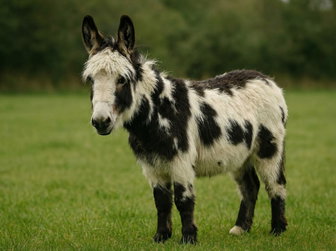
Example: A gelded miniature donkey that is gentle, halter-trained, and good with children might sell for $800 to $2,000 depending on your market. A pair (donkeys are social and should not be kept alone) might bring $1,500 to $3,500.
Commercial Livestock
Commercial livestock (feeder cattle, market hogs, meat goats, broiler poultry) is priced primarily by weight and current commodity market conditions. Individual animal characteristics matter less than weight, grade, and lot uniformity.
Pricing method: Use USDA market reports to determine the current per-pound or per-hundredweight price for your animal’s class and weight range. Factor in any value-added premiums: source-verified, age-verified, natural, organic, or breed-specific programs can add $3 to $10 per hundredweight.
A complete animal profile helps justify your asking price. Create a free Creatures account to build professional profiles for your herd.
Show Animals
Animals with active show careers or show potential carry premiums based on their competitive record and the prestige of their wins. A grand champion at a national breed show is worth significantly more than an animal that has never been shown.
For youth show animals (4-H, FFA projects), pricing is influenced by the local show circuit, the animal’s potential for success, and the willingness of show families to invest in competitive animals. This market is seasonal, with demand peaking in spring and early summer before show season.
Seasonal Pricing Patterns
Livestock prices follow predictable seasonal patterns. Timing your sales to align with peak demand can add 10-25% to your selling price.
Spring (March through May): Historically the strongest period for cattle sales. Buyers are looking for animals to put on spring pasture, and breeding stock demand peaks as operations plan for fall calving. Poultry demand also spikes as people plan spring flocks.
Summer (June through August): Show season drives demand for show-quality animals and youth project animals. Companion animal sales remain strong as families have more time for farm visits.
Fall (September through November): Weaning season means high supply of calves, which depresses per-head prices for commercial cattle. However, consignment sales through breed associations often occur in fall and can bring strong prices for registered stock.
Winter (December through February): Generally the slowest period for livestock sales. Buyers are less active, and weather makes transportation more difficult. National breed sales at major stock shows (like the National Western in January) are exceptions that can bring premium prices.
Plan your breeding program around these cycles. If you know spring is your strongest market, time your breeding so calves or foals are at a sellable age by March. Use a gestation calculator to plan breeding dates that align with peak selling seasons.
Common Pricing Mistakes to Avoid
Pricing Based on What You Paid, Not What the Market Says
What you paid for an animal (or its parents) is irrelevant to the buyer. The market sets the price. If you paid $5,000 for a bull two years ago and the market has softened, you may need to accept less. Conversely, if demand for your breed has surged, you may be able to charge more than you originally expected.
Pricing Based on Feed and Care Costs
Your cost of production is your problem, not the buyer’s. While it’s useful to know your break-even point, pricing based on “I have $X invested in this animal” ignores market reality. If the market value is below your cost of production, that’s a signal to adjust your operation, not inflate your prices.
Refusing to Negotiate
Build a 10-15% negotiation buffer into your asking price. Most livestock buyers expect some room for negotiation, and refusing to budge at all can kill deals. The exception is when you’re priced below market and demand is strong. In that case, hold firm and let the market validate your pricing.
Not Providing Enough Information to Justify Your Price
A listing that says “Highland heifer, $5,000” with two blurry photos gives buyers no reason to pay that price. A listing with registration details, pedigree highlights, health records, professional photos, and a detailed description of the animal’s qualities justifies the price and reduces negotiation pressure. Create detailed animal profiles with complete records so buyers can evaluate your animal thoroughly.
Ignoring Your Competition
Before listing, search for comparable animals currently for sale. If three similar animals are listed at $3,000 and you list yours at $5,000 with no clear differentiator, you won’t get inquiries. Either identify what makes your animal worth the premium and communicate it clearly, or adjust your price to be competitive.
Using Auction Data to Inform Your Pricing
Auction results are the most transparent pricing data available in the livestock market. They show what real buyers paid for real animals in a competitive bidding environment.
Our February 2026 auction analysis broke down 70 animals across four sales, totaling over $750,000. The data showed remarkably consistent pricing patterns across very different catalogs and consignors. This kind of detailed analysis helps sellers understand not just averages, but what separates $3,000 animals from $15,000 animals.
When using auction data, remember that private treaty sales typically bring higher prices than auction sales because you’re dealing directly with motivated buyers who found your specific animal, rather than competing against a room full of alternatives in a single afternoon.
Before quoting a range, read how the livestock value calculator works, including its comparison groups, minimum sample, and limits as evidence for an individual animal.
How to Adjust Your Price If Animals Aren’t Selling
If your animal has been listed for 60 days without serious inquiries, something needs to change. The issue is almost always one of three things: price, presentation, or visibility.
Price: Compare your listing against active and recently sold comparables. If you’re priced above the market, reduce by 10-15% and see if inquiry volume changes.
Presentation: Revisit your photos, description, and listing completeness. Are your photos high quality and well-lit? Does your description answer every question a buyer would have? Have you included health records and registration details? Our guide on proven selling strategies covers presentation in detail.
Visibility: Is your listing on the right platform? Are you marketing it through the right channels? Make sure you’re listed in the Breeder Directory so buyers can find your operation by species, breed, and location.
Building Long-Term Pricing Power
The breeders who consistently command premium prices have built something beyond individual animals: they’ve built reputation, brand, and trust.
Document everything. Health records, genetic testing, show results, and offspring performance all contribute to your credibility. Buyers pay more when they trust the seller. Log vaccinations, breeding dates, and vet visits so every animal has a complete documented history.
Build your online presence. A professional breeder profile, active animal pages, and a track record of positive buyer reviews establish you as a serious, reliable operation. Over time, this reputation lets you command prices that newer, less established sellers cannot.
Track your data. Keep records of every sale: what you sold, for how much, when, and to whom. Over multiple seasons, you’ll see patterns that help you optimize timing, pricing, and breeding decisions. This data becomes a competitive advantage that compounds over years.
Start Pricing With Confidence
Pricing livestock doesn’t have to be a guessing game. With real market data, an honest assessment of your animals’ strengths, and a strategic approach to timing and presentation, you can price with confidence and sell consistently.
Ready to get started? Here’s your action plan:
- Add your animals to Creatures with breed, registration, pedigree, and photo information.
- Build credibility with records by logging health records, vaccinations, and breeding history.
- List on the Marketplace with verified records attached and data-backed pricing.
- Subscribe to Small Cows, Big News for ongoing auction data and market trends.
The livestock market rewards sellers who combine quality animals with transparency, data, and professionalism. That’s what Creatures is built to support.
Frequently Asked Questions
How much should I sell a cow for?
It depends on whether you’re selling a commercial cow, a registered breeding animal, or a companion animal. Commercial cows are priced by weight based on USDA market reports (typically $1.50 to $2.50 per pound for feeder cattle in 2026). Registered breeding cows sell based on breed, pedigree, age, and reproductive status, with prices ranging from $2,000 to $15,000+ depending on breed and quality. Check recent national sale results for your breed to find comparable sales.
How do I find out what my livestock is worth?
Research recent sale results from breed association auctions, browse comparable Creatures listings, check USDA market reports for commercial livestock, and review local auction results. The key is comparing against actual transaction prices, not just asking prices.
Should I price my livestock higher for private treaty sales than auction?
Yes. Private treaty sales can bring more than auction prices for some animals because you’re selling directly to a motivated buyer who specifically chose your animal. Auctions compress the buying decision into minutes and pit your animal against immediate alternatives. Private treaty sales allow buyers to evaluate your animal thoroughly, which benefits sellers with well-documented, quality animals.
What is the best time of year to sell livestock?
Spring (March through May) is historically the strongest period for most livestock species. Buyers are active, pasture conditions are improving, and breeding stock demand peaks. Fall consignment sales through breed associations can also bring strong prices. Winter is generally the slowest period. Plan your breeding program so animals reach sellable age during peak demand periods.
How do I justify a premium price for my animals?
Premium prices require premium documentation. Provide complete health records, genetic testing results, registration and pedigree details, professional photos, and honest descriptions. Show results, offspring performance data, and breeder reputation all support higher pricing. Create a free Creatures profile to build a documented track record that buyers trust.