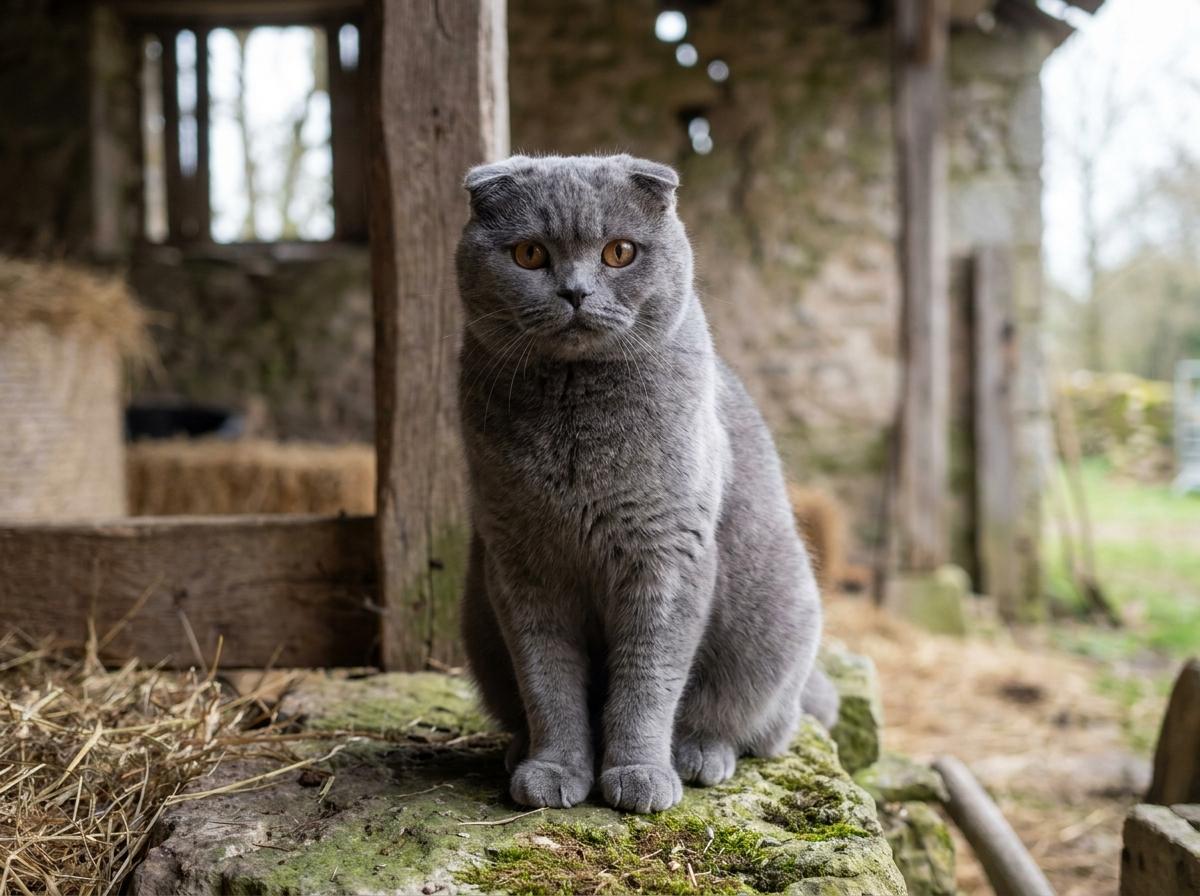
Siamese
Author: Elliott Garber, DVM · Published
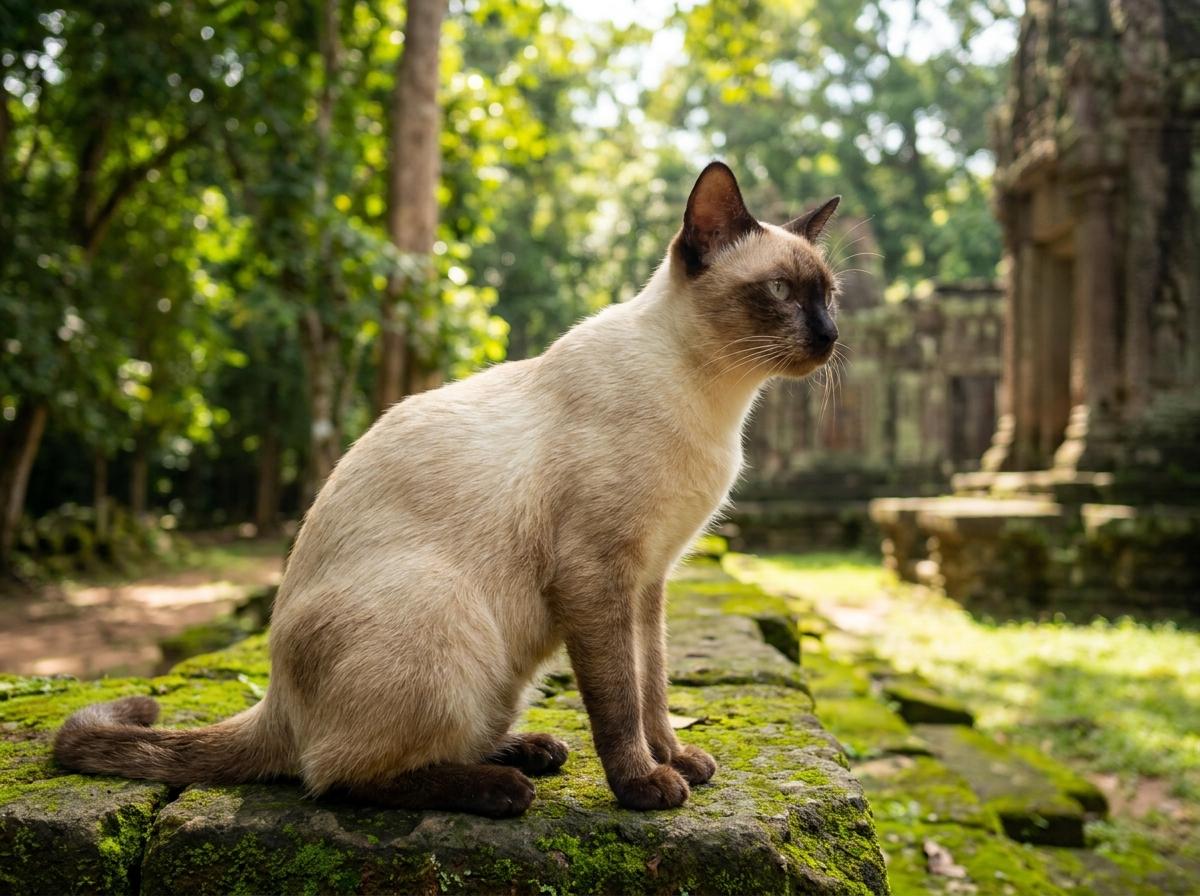
The Siamese is a shorthaired, pointed cat known for blue eyes, a slender body and a strong interest in what its people are doing. The right home is one that wants an active relationship with a cat, including the possibility of plenty of conversation. If that sounds like your household, begin with the Creatures breeder directory and ask about the daily behavior of the cats available. You can also save a Siamese listing alert to get an email when a matching animal is listed.

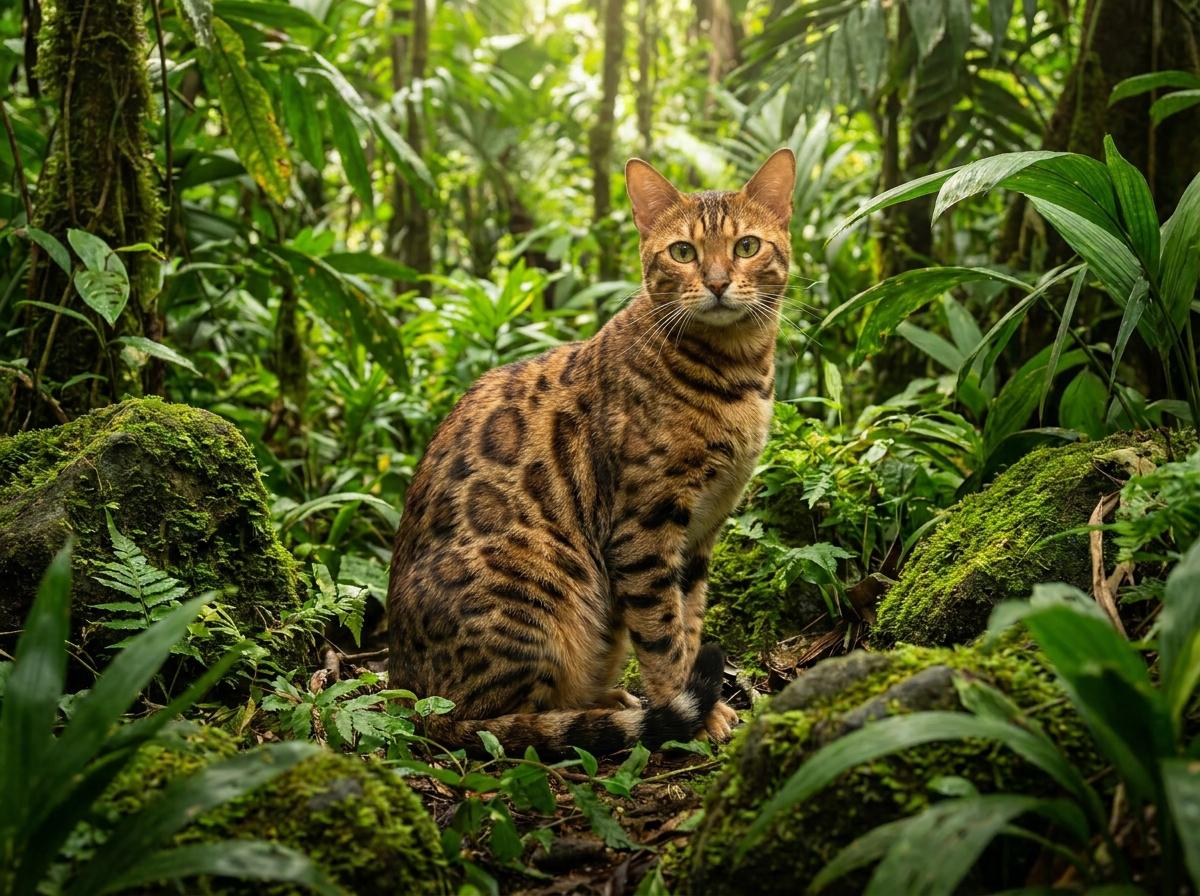
AI-generated illustration.
| Origin | Thailand, formerly Siam |
|---|---|
| CFA colors | Seal, chocolate, blue and lilac point |
| TICA colors | All pointed-category colors and patterns |
| Build | Long, slender and muscular |
| Health questions | PRA rdAc reports and amyloidosis history |
| Daily planning | Company, play and places to retreat |
Browse listings, public profiles, breeders, or add your animal.
What identifies a Siamese?
The CFA standard describes a long, refined outline, a wedge-shaped head, large ears, blue almond-shaped eyes and a short coat. The points are the darker areas on the face, ears, legs and tail. CFA’s Siamese colors are seal, chocolate, blue and lilac point.
In CFA, red, cream, lynx and tortie-point cats of this type belong to a separate CFA breed, the Colorpoint Shorthair. TICA accepts all colors and patterns in the pointed category as Siamese. Thus a lynx-point listing needs a registry name before you can interpret it. Ordinary domestic cats can be pointed too; neither color nor a sales label proves ancestry.

AI-generated illustration.
The breed has historical roots in Thailand, formerly Siam, and was among CFA’s recognized breeds at its founding in 1906. Modern pedigrees use related names for different standards. If you prefer a more moderate head and body, describe those preferences plainly to the breeder and compare actual adults. The Thai cat guide explains the old-style Siamese relationship; the Balinese guide covers the longhaired relative.
Choosing a healthy, comfortable companion matters more than winning an argument about a photograph. A pedigree establishes recorded parentage, while a veterinary examination evaluates the animal in front of you. Neither can be replaced by coat color.
The social commitment behind the familiar voice
TICA’s Siamese profile emphasizes people-oriented behavior, activity and vocal communication. If quiet is essential in your home, treat that tendency seriously. It is easier to choose an appropriate companion than to resent normal behavior later.
Ask about context. Does the cat call at closed doors, during meals, when its person leaves or while playing? Can the keeper describe how it settles afterward? An adult’s established routine may answer those questions more clearly than a young kitten’s short visit.
Map your normal week rather than an ideal holiday weekend. Include commuting, evenings away, visitors and travel. Decide who will provide play, food and company when the usual person is absent. If a second pet is part of your plan, arrange introductions around both animals’ needs. Another cat is not an automatic substitute for human attention or a guarantee that the pair will get along.
A useful way to assess a kitten
Ask to see the kitten where it has been raised and, where possible, observe its mother. Let it decide how closely to approach. Look for curiosity and recovery after ordinary events rather than demanding that it accept immediate handling by a stranger.
The AAHA kitten behavior guidance stresses reading signals such as cowering, flattened ears and hissing. Those signals call for space and a gentler plan, not a contest over who can hold the kitten longest.
Ask what positive experiences the kitten has had with a carrier, comb, nail handling and household sounds. Request examples, including how a session ended when the kitten became tired. The answer tells you more about preparation than a claim that it has been exposed to everything.
Make participation easy and mischief less rewarding
A Siamese needs appropriate things to do where people actually spend time. Put a stable resting place near a work area, provide scratching options and offer a safe view from a window. Check the route down from climbing furniture as carefully as the route up.

AI-generated illustration.
Agree on household habits before the cat arrives. Will bedroom doors be open? Where will meals happen? Who checks the washing machine before it starts? Which cupboards contain items a curious cat must not reach? Consistent ordinary habits reduce the number of daily conflicts.
Begin games with the cat’s current preferences. A breeder or rescue should be able to show you a favorite toy or activity. Keep an indoor cat’s day varied without turning every interaction into vigorous play. Contact can also mean sitting nearby while the animal rests.
Short coat, full responsibility
A short coat changes the grooming workload, not the need for routine care. Ask the keeper to demonstrate comfortable brushing and handling, then ask your veterinarian for a preventive-care plan suited to the animal’s age and circumstances.
Ask specifically about progressive retinal atrophy. UC Davis lists Siamese among breeds appropriate for the PRA rdAc DNA test, which detects a recessive variant associated with progressive blindness. Read both parents’ reports: a carrier is not an affected cat, and one clear variant result does not rule out every eye disease.
CFA also identifies amyloidosis, which can affect the liver, as a family-history question. TICA says a screening test is not available, so ask about affected relatives and the breeder’s follow-up with previous kittens. Do not let a broad DNA panel stand in for that conversation. Share the breed and medical history with the veterinarian before anesthesia; individual planning belongs to the clinic.
Lay out the named parents in the free cat pedigree chart maker while matching those names to the laboratory reports. Keep the kitten’s own examination and vaccination documents separate from its parents’ screening evidence.
Do not turn a behavior concern into a breed stereotype. A new change in calling, appetite, grooming or litter habits deserves attention. Record what changed and contact your veterinarian when concerned rather than assuming it is simply what Siamese cats do.
If you are comparing sociable companions, the European Burmese guide explains a different breed identity and the health questions to bring to that conversation.
Price and choosing a responsible source
There is no single price that makes a Siamese a good purchase. Compare an actual written offer with another actual written offer. Ask what veterinary care, registration, support and return terms each includes, and whether travel is separate.
Use the cat cost guide to plan continuing care alongside the initial purchase or adoption expense.
Build a handover that survives the first busy week
Put the kitten’s dated veterinary record beside, not inside, the parents’ screening file. Use the kitten vaccination guide to prepare the preventive-care questions for your clinic.
Use the cat hub to keep comparing breeds until your decision is settled. Once you have chosen a cat, prepare a record of its everyday name, registered identity if relevant, age, microchip, current routine and medical documents.
Keep early observations concrete. “Ate the usual meal after the room became quiet” is useful. “Anxious Siamese” is an interpretation that may harden into a label before the cat has had time to adjust.
If conversation and interactive play appeal more than the pointed coat, compare the Japanese Bobtail guide. It covers another communicative, active cat with a different body, tail and registry history.
Siamese questions
Are all pointed cats Siamese?
No. Pointed coloring occurs beyond this breed. Describe unknown ancestry honestly.
Are they always loud?
Individuals differ, but vocal behavior is a recognized breed tendency. Ask how the specific cat communicates before choosing.
Is the Balinese a calmer alternative?
A longer coat does not guarantee a quieter or less interactive cat. Compare individuals and the practical demands of both coats.
Do this next on Creatures
Still looking? Get an alert when a Siamese is listed, browse Siamese breeders, or check current Siamese listings. The Help Center explains saved searches and email alerts.
Already caring for one? Add a record when you have a dated document or useful observation. The form opens for visitors; a free account is needed to save. The Help Center explains adding an animal and adding a record.
Breeders and organizations can create an organization profile for their work. The organization and team guide explains the setup.