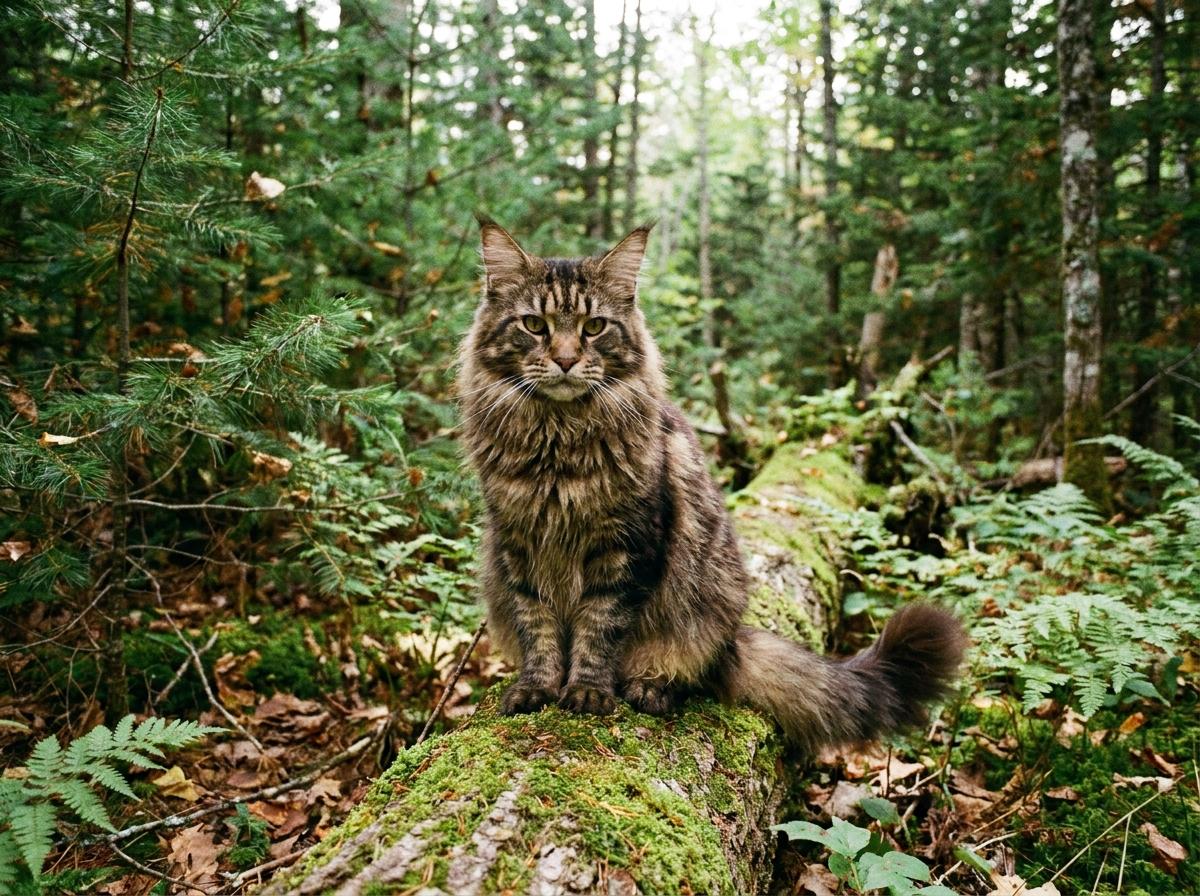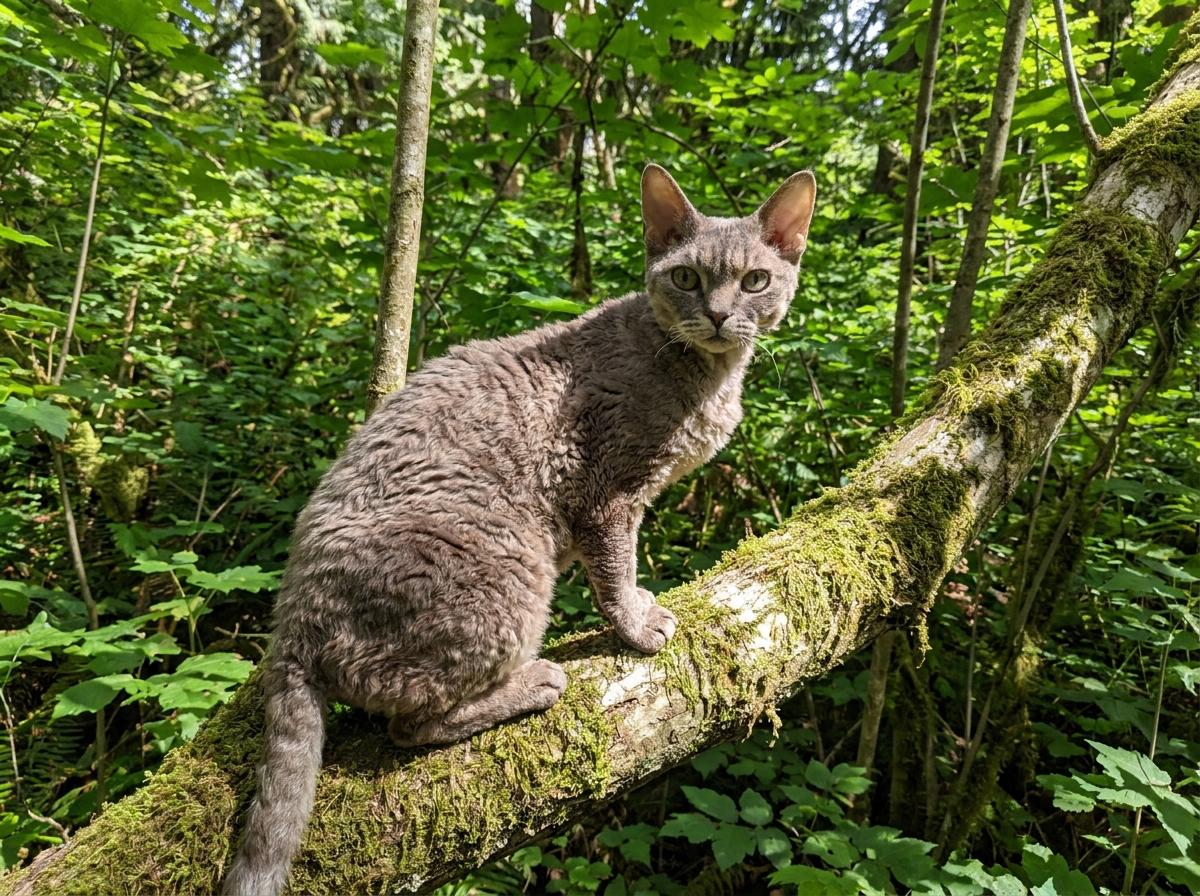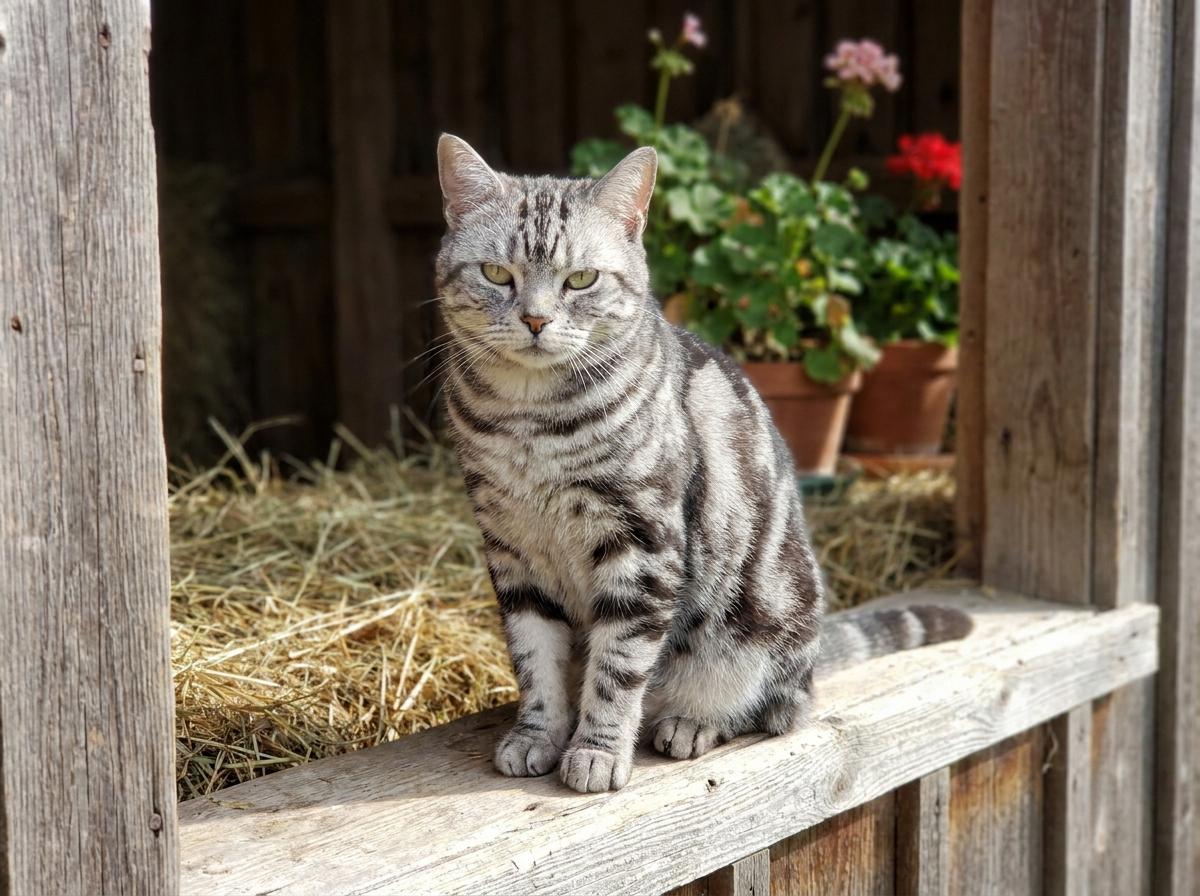
European Burmese
A European Burmese is a shorthaired, people-oriented cat whose name deserves a little care. In CFA, European Burmese and Burmese are separate breeds. A listing that shortens both to “Burmese” may leave important questions about ancestry, appearance and testing unanswered.
Listings may be scarce. Get a European Burmese listing alert on Creatures, then use the questions below to assess ancestry, handling and the home each cat needs.

AI-generated illustration.
| Development | British branch of shared Burmese ancestry |
|---|---|
| CFA recognition | Registration 1993; championship 2002 |
| Colors | Six solid colors and four tortie colors |
| Build | Moderate, muscular, with a blunt wedge head |
| Eyes | Yellow-gold to amber |
| Health question | Burmese hypokalemia DNA results |
Browse listings, public profiles, breeders, or add your animal.
What does European Burmese mean?
The CFA European Burmese profile traces both Burmese branches to Wong Mau, brought to the United States in 1930. American-bred Burmese reached England from 1949, where a different pattern of development produced the European branch. CFA accepted European Burmese for registration in 1993 and championship competition in 2002.
In CFA, European Burmese are a separate breed from Burmese. The distinction includes moderate proportions, a blunt wedge-shaped head and a wider palette. The ten colors are brown, chocolate, blue, lilac, red and cream, plus brown, chocolate, blue and lilac tortie. A brown kitten is only one part of the breed’s range.
This naming distinction does not travel unchanged between registries. GCCF calls the British-developed breed Burmese and lists ten standard colors. FIFe’s recognized-breed list also uses Burmese, with code BUR. TICA uses Burmese too. Ask for the registry as well as the breed name; the bare word Burmese in an overseas pedigree need not mean CFA’s separate, more rounded breed.
Before comparing reports, connect the registered name with the animal’s call name, identifying details and parents. The free cat pedigree chart maker is a useful way to lay out that information without filling gaps by guesswork. A seller’s color label is not ancestry evidence.
For a differently built, often more vocal social companion, compare the Siamese guide. The cat hub opens the wider shortlist, but the keeper’s account of the particular cat remains the best starting point for household fit.
Company is a household commitment
This breed is commonly described as interactive and strongly attached to people. Turn that broad description into practical questions. Who will be home on an ordinary weekday? What happens during travel? Do household members want a cat involved in their activities, or are they hoping for an animal they rarely notice?
Ask a current keeper to describe a typical day rather than rating affection on a scale. Does the cat settle near a person, seek a lap, follow someone between rooms or prefer play before contact? How does it react when a familiar person leaves? Concrete examples reveal more than “loves everyone.”
Do not assume that buying a second animal automatically solves a mismatch in available care. Introductions and compatibility require their own planning. If a cat already has a bonded companion, discuss that relationship with the keeper before deciding on a placement.

AI-generated illustration.
A moderate body is still an individual body
Breed type describes proportions, not a target weight for every cat. Ask your veterinarian how to assess body condition and adjust feeding for the animal’s age, activity and health. Keep the current food details during the transition so the clinic can advise from a clear starting point.
A useful meal note records the food name, measured amount and any treats or additions. “A bowl twice a day” can mean different quantities to different carers. Take the opportunity to make the instructions repeatable before asking a sitter to follow them.
The short coat is convenient, but routine care includes more than coat appearance. Ask the keeper how the cat accepts brushing, nail care and being placed in a carrier. Request a demonstration of a calm routine, with breaks, rather than waiting until an urgent appointment to discover what is difficult.
Hypokalemia: ask for the result, not a reassurance
The UC Davis Veterinary Genetics Laboratory lists European Burmese among breeds appropriate for testing for Burmese hypokalemia. This inherited condition can cause episodes of muscle weakness. The laboratory distinguishes unaffected, carrier and affected test results.
Ask the breeder what testing has been performed, on which cats, and how the results informed the mating. Read the actual report with its identifying information. A carrier is not the same as an affected animal; a clear result for one variant is not a guarantee against every possible illness.
If a cat shows weakness or difficulty walking or holding its head, contact a veterinarian. Do not diagnose from breed identity or begin supplements on the strength of an online guide. A test discussion helps you ask better questions, while the individual animal still needs appropriate clinical care.
How to assess a placement conversation
A thoughtful conversation should go both ways. Explain your work pattern, other animals, children, travel and previous cat experience. Ask why the breeder or rehoming organization thinks a particular cat may suit those circumstances.
For a kitten, discuss the experiences it has already had and the plan between now and departure. For an adult, ask what routines are established and why the placement is changing. If the cat has struggled with another animal or a busy household, you need that information before deciding, not after collection.
Arrange a visit or live conversation that lets you see ordinary behavior when possible. A cat should be allowed to choose distance. Being temporarily wary of an unfamiliar person is different from a complete history of handling difficulty, so ask for context and avoid interpreting one moment as the entire personality.
Price and terms belong in writing
Ask for a current quote with separate lines for the animal, transport and any registration-related charges. Read the proposed contract before paying a deposit. Confirm what is reserved, the circumstances for refunds and the process if the chosen cat becomes unavailable.
Use the cat cost guide to plan beyond the purchase. Include equipment, routine veterinary services, food and litter, care during travel and a reserve for unexpected needs. Get local quotes for those services. A glossy coat and affectionate reputation do not predict a household’s exact expenses.

AI-generated illustration.
Keep evidence and observations together
Keep the parents’ hypokalemia reports separate from the kitten’s medical timeline. The kitten vaccination guide helps you discuss that timeline with your veterinarian.
A useful record collection distinguishes the original laboratory report from your summary of it. Save the file, identify the cat it belongs to and date any question you still need to ask. Do the same for vaccination paperwork, veterinary recommendations and the transfer agreement.
Add behavior notes in plain language. “Climbed into a visitor’s lap after several minutes” is more informative than “perfect temperament.” If a preference changes, record when and what else changed around the same time. That gives your veterinary team or future carer something concrete to work with.
For breeders, registration, parent identities and test results should connect clearly. A buyer should not have to guess whether a result with an unfamiliar name belongs to the sire, dam or another animal. Explaining those connections is part of an honest handover.
European Burmese questions
Is European Burmese just another name for Burmese?
CFA recognizes European Burmese separately from Burmese, while GCCF, FIFe and TICA register this cat simply as Burmese. Ask which registry issued the papers before comparing the names.
Does a clear hypokalemia test mean the cat cannot become ill?
No. It concerns the tested variant. It does not replace veterinary examinations or cover every inherited and acquired condition.
Does a short coat mean little daily attention?
No. Coat maintenance and social needs are different obligations. Evaluate the individual cat and your available company.
Is an adult a sensible option?
An adult with a well-described history may be a good match. Ask the same questions about health, handling, routines and placement terms that you would for a kitten.
Do this next on Creatures
Still looking? Get an alert when a European Burmese is listed, explore the wider cat breeder directory, or check current European Burmese listings. The wider directory is not a promise that this breed is represented. The Help Center explains saved searches and email alerts.
Already caring for one? Add a record when you have a dated document or useful observation. The form opens for visitors; a free account is needed to save. The Help Center explains adding an animal and adding a record.
Breeders and organizations can create an organization profile for their work. The organization and team guide explains the setup.