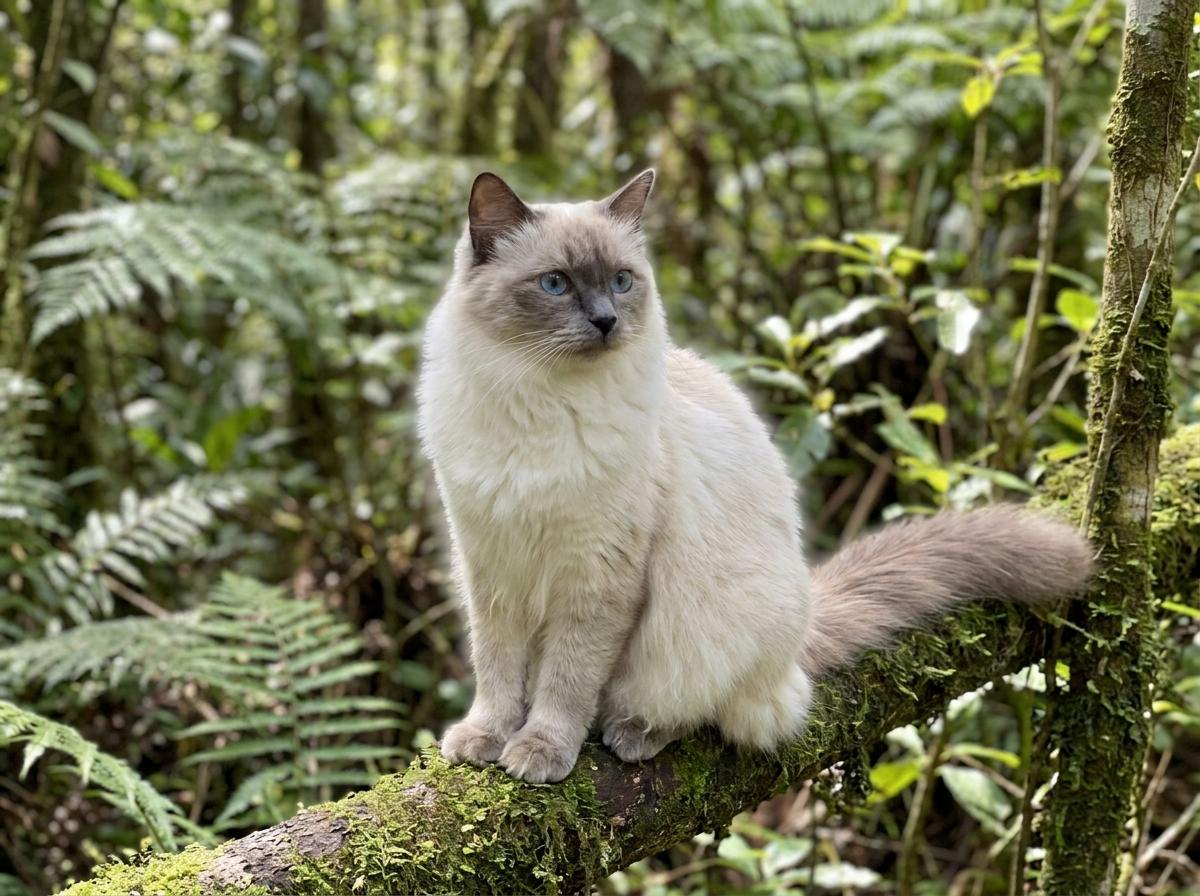
Balinese
The Balinese is a longhaired member of the Siamese family: a pointed, blue-eyed cat with a silky coat and a conspicuous tail plume. Choosing one is as much a decision about company and activity as about appearance. Compare the Balinese breeders listed on Creatures, then ask about their cats’ pedigree, screening and daily company. You can also save a Balinese listing alert to get an email when a matching animal is listed.

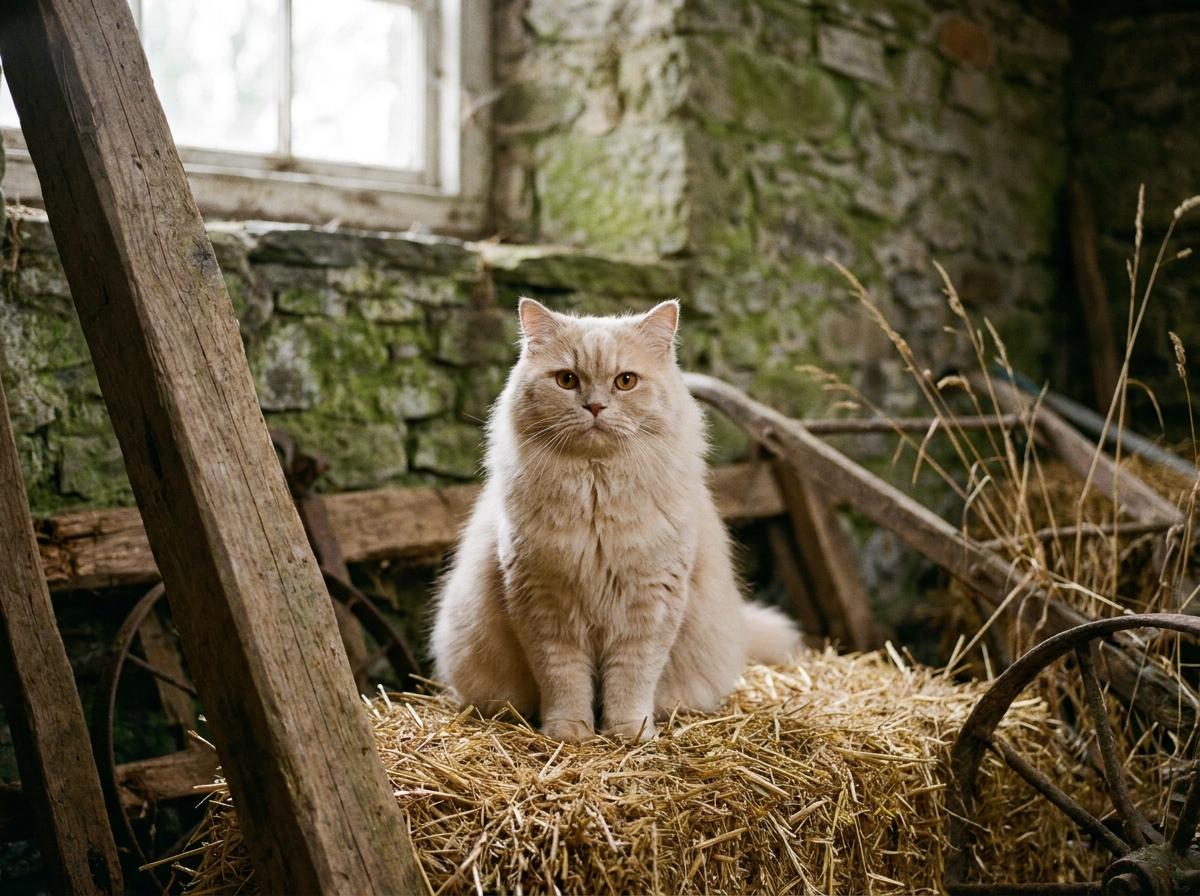
AI-generated illustration.
| Origin | United States; developed from Siamese lines |
|---|---|
| Coat | Silky single coat and full tail plume |
| CFA history | Championship 1970; Javanese merger 2008 |
| Colors | Traditional points plus Javanese division |
| Health questions | PRA rdAc results and amyloidosis history |
| Company | Active, vocal and involved with people |
Browse listings, public profiles, breeders, or add your animal.
What a Balinese is, and what the name does not mean
Despite the name, the modern Balinese was developed in the United States from longhaired kittens in Siamese lines. The name evokes Balinese dancers, not an island population of cats. The CFA breed history traces deliberate development to breeders working in the 1940s and championship recognition to 1970.
The original CFA colors were seal, chocolate, blue and lilac point. Additional colors, including lynx and tortie points, entered CFA as Javanese in 1979; the two were merged as divisions of one breed in 2008. This matters when reading an older pedigree: Javanese may describe a registry classification rather than an unrelated ancestor. Ask the issuing registry how it records the cat today.
A Balinese should look long and fine boned beneath its coat. The single coat follows the body instead of concealing it under a thick undercoat; the plumed tail supplies much of the volume. A longhaired pointed domestic cat may resemble one without having documented Balinese ancestry. Ask for the registered identity and parents, not an identification based on color.
Use the free cat pedigree chart maker to lay out the named ancestors while checking the original papers. Leave unknown positions empty. The chart helps you see the record clearly; it does not certify that the pedigree is correct.
Recognizing the coat and shape
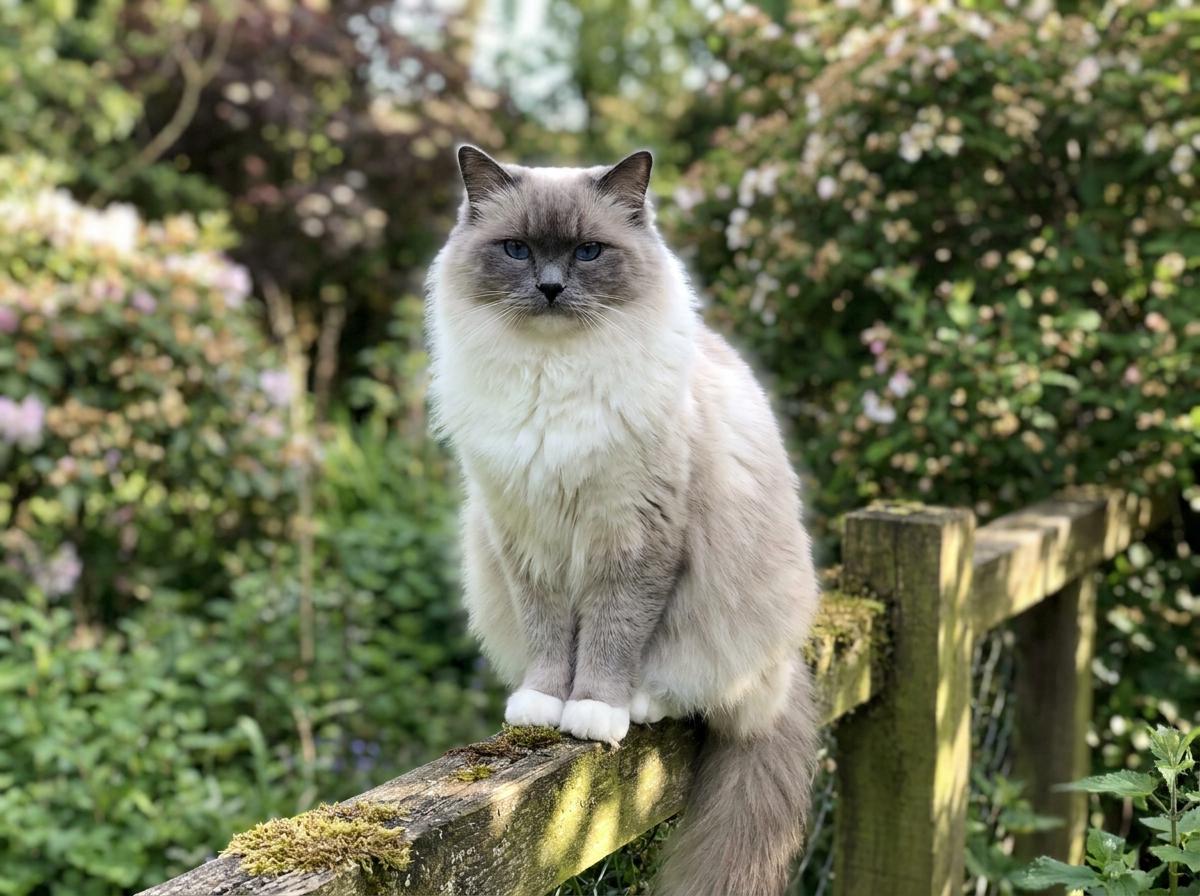
The familiar picture is a slender cat with a wedge-shaped face, large ears, blue eyes and darker color on the face, ears, legs and tail. The body coat is silky and lies close enough that the animal’s outline remains visible. It is not a Persian-style dense coat over a round, flat-faced cat.

AI-generated illustration.
For a useful comparison, see the Siamese guide. The relationship is close, but choosing the shorter coat does not remove the need to plan for an interactive companion. Within either breed, assess the actual adult and the home it knows. A kitten photograph cannot tell you how readily that individual settles, tolerates grooming or responds to unfamiliar visitors.
Would the daily relationship suit you?
TICA describes Balinese as active, vocal cats that seek involvement with their people. Treat that as a reason to ask detailed questions, not a promise that every kitten will sit on a lap or welcome every dog.
Before visiting a litter, write down a normal weekday. Who is home? Where could the cat retreat while you work? Is someone willing to play when the household becomes busy? What happens on travel days? The answers matter more than a broad claim that a breed is suitable for apartments.
During a visit, ask the breeder to describe ordinary behavior rather than perform a demonstration. Which kitten seeks contact? Which waits until the room is quiet? What does the mother do when a new person arrives? Ask how the kittens have experienced carriers, household noises and gentle grooming. Specific examples are more useful than the word friendly.
If you already have a cat, start with the resident animal’s needs. A second cat is not a guaranteed remedy for loneliness, and an energetic newcomer may overwhelm a quiet senior. Make an introduction plan with the breeder, rescue or your veterinarian before bringing the newcomer home.
A home with places to climb and places to stop
Give the cat more than a box of toys. Sketch the paths through the home: a comfortable resting place, a stable elevated perch, scratching options and an unobstructed route away from busy rooms. Keep resources accessible instead of putting everything beside one doorway.
This follows the AAHA guidance on feline environmental needs: resources should be thoughtfully distributed, with a safe retreat that lets a cat take a break from contact. For a Balinese, a perch close to your desk may be more useful than a tall tree in a room nobody visits.

AI-generated illustration.
A practical first-week plan is modest. Prepare one quiet base room, copy the previous home’s food and litter routine initially, and introduce the rest of the home at the cat’s pace. Note which places the cat actually uses. Add equipment to solve an observed need instead of filling every corner before you know the animal.
Grooming and health questions worth asking
Ask the current keeper to demonstrate gentle combing through the tail, behind the ears and in areas that rub during movement. A silky single coat generally needs less work than a dense undercoat, but an individual cat can still develop tangles. Stop if handling becomes painful and get help with a tight mat.
Two health questions deserve names. The UC Davis Veterinary Genetics Laboratory’s PRA rdAc test applies to Balinese and identifies a recessive variant associated with progressive loss of vision. Ask for the parents’ reports, identities and the breeder’s explanation of the mating. A carrier is not an affected cat, and a clear result covers that variant rather than every cause of blindness.
TICA’s Balinese health section also identifies amyloidosis as a concern and says a screening test is not available. Ask about illness in close relatives and how the breeder follows up on placed kittens. A broad DNA panel cannot answer that family-history question. Tell your veterinarian about the breed and supplied history when planning anesthesia; the clinic decides the precautions for this cat.
Do not accept allergy-safe as a promise. The American College of Allergy, Asthma and Immunology says all cats produce allergens. Discuss significant allergy concerns with an allergist before committing. A low-shedding advertisement is not evidence of personal tolerance.
Price, availability and the cost of waiting
There is no useful universal price for a Balinese kitten. Location, age, registration, the contract and what veterinary care is included can change the offer. Get a written total from each source and compare the same things: purchase or adoption fee, travel, initial veterinary care, equipment and continuing support.
For the wider household budget, use the cat cost guide to separate purchase costs from the ongoing care you will need to fund.
Keep the identity and the everyday story together
Parent DNA screening does not describe the kitten’s preventive care. Bring its own dated record to your veterinarian and use the kitten vaccination guide to identify questions for that visit.
Create a simple handover checklist before collection: registered name if applicable, everyday name, date of birth or estimated age, microchip details, current food, veterinary documents and contact information. Record uncertainties as uncertainties rather than inventing dates.
The cat species hub is a useful starting point for comparing breeds. Once the cat arrives, the most useful record may be ordinary: a weight measured at the clinic, a change in appetite or a grooming method the cat accepts. Keep those observations separate from veterinary diagnoses.
Balinese questions
Is a Balinese just a fluffy Siamese?
The breeds are closely related, and coat length is a central distinction. For a registered animal, use the pedigree and the issuing registry’s classification rather than identifying it by fluff alone.
Will a Balinese be quiet?
Do not choose one on that assumption. Ask about the individual’s vocal behavior, including when left alone, at feeding time and overnight.
Does a pet need show papers?
A companion does not need show eligibility. You do need an honest description of identity, health, ownership and the terms of the placement.
Do this next on Creatures
Still looking? Get an alert when a Balinese is listed, browse Balinese breeders, or check current Balinese listings. The Help Center explains saved searches and email alerts.
Already caring for one? Add a record when you have a dated document or useful observation. The form opens for visitors; a free account is needed to save. The Help Center explains adding an animal and adding a record.
Breeders and organizations can create an organization profile for their work. The organization and team guide explains the setup.