Siamese Sable
Siamese Sable can name a standardized rabbit in the British Sable family or a shaded colour in another breed. Those meanings are related, but they are not interchangeable. Before comparing rabbits, establish the breed, the colour and the country whose terminology the seller is using.
The British Rabbit Council’s archived 2021 to 2025 standards give Siamese Sable its own entry, N30, followed by the separate Marten Sable entry. That is stronger evidence than a photograph caption calling any brown shaded rabbit a “Siamese.” In the United States, someone seeking the comparable recognized breed should also investigate the American Sable.

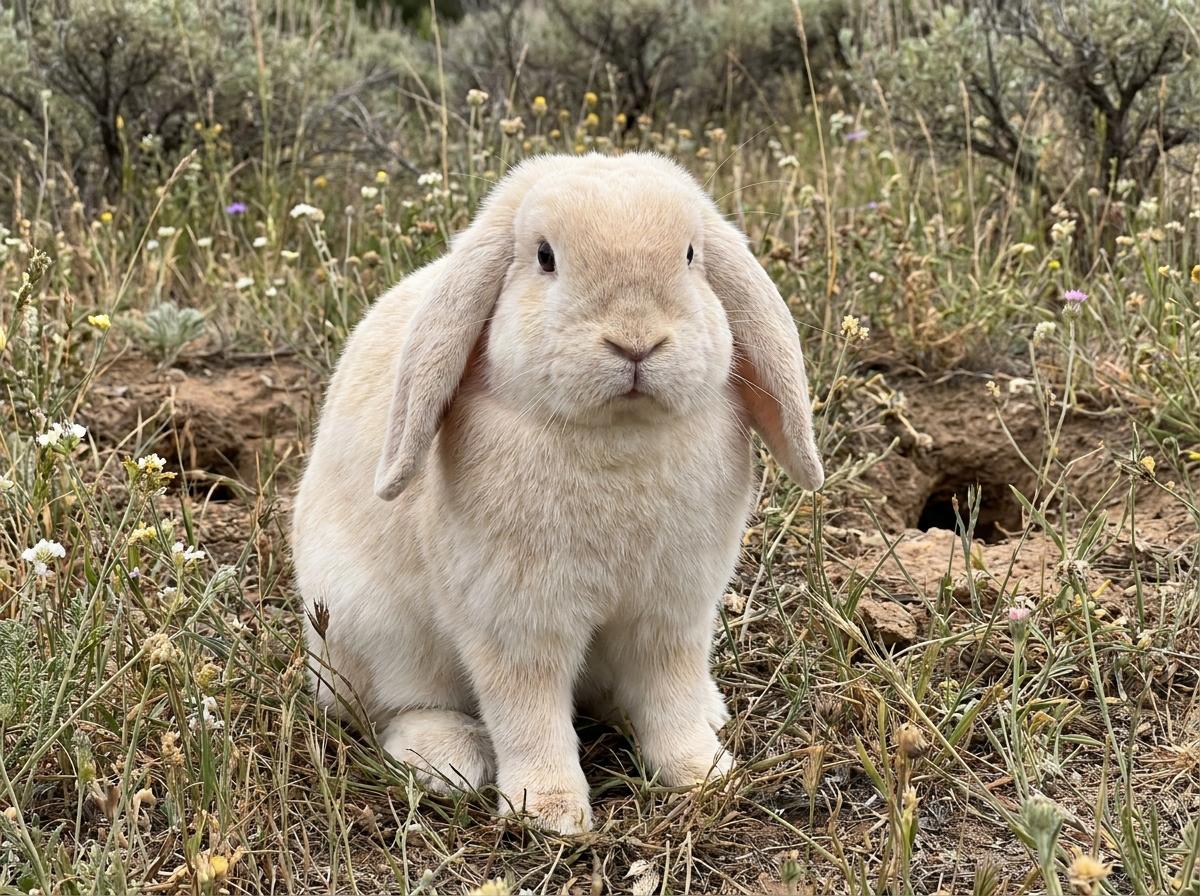
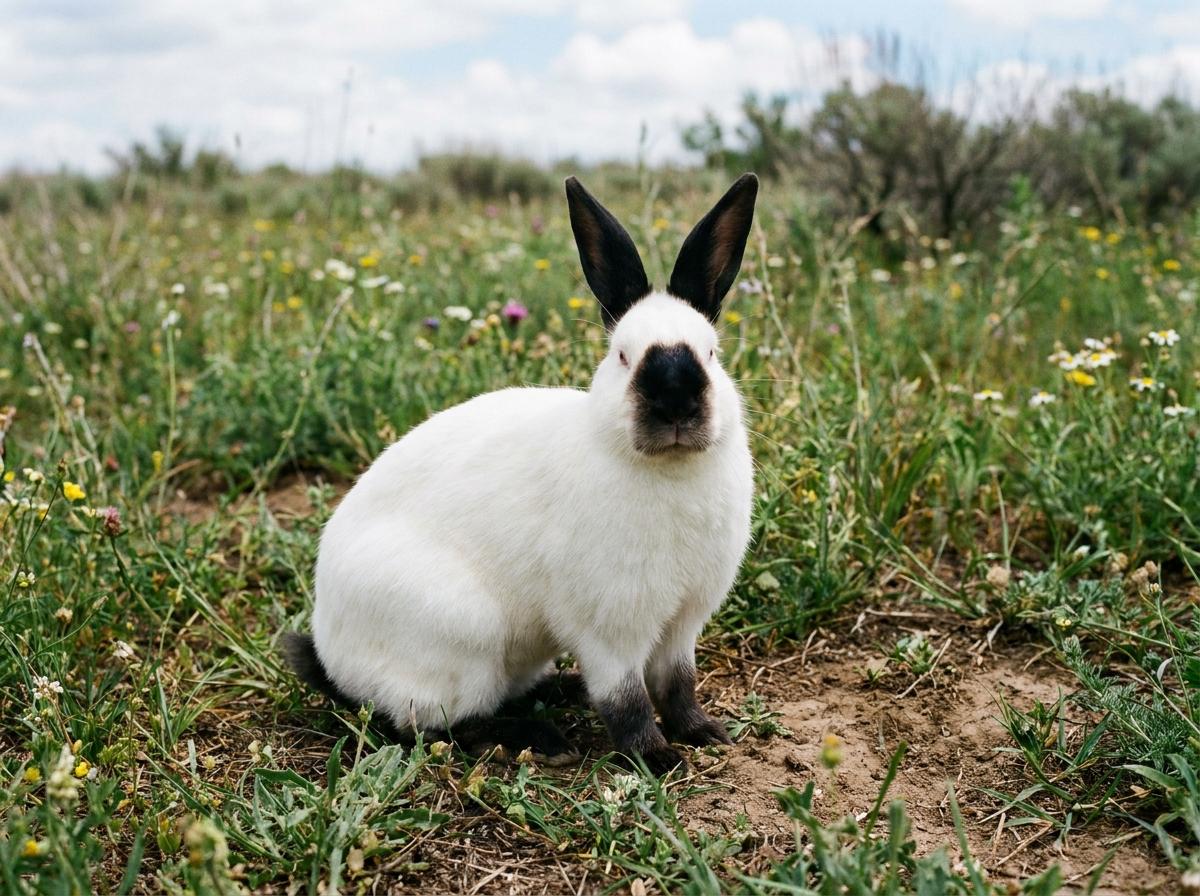
AI-generated illustration of a Siamese Sable appearance. The garden portrait is not a complete housing plan or proof of pedigree.
| UK identity | Standardized normal-fur rabbit in the Sable family |
|---|---|
| Visual clue | Dark sepia shading over a lighter brown body |
| Ears | Neat and upright in the British standard |
| US comparison | American Sable is a recognized breed |
| First question | Is this the breed name or only the colour? |
Browse listings, public profiles, breeders, or add your animal.
What the British standard describes
The BRC’s 2021 to 2025 standard describes light, medium and dark shades. Their common pattern is richer sepia along the back and on the face, ears and outer legs, blending into lighter sides and belly. The standard values a gradual transition, dense soft fur and a compact body of moderate length. It describes erect ears, not lop ears.
This is a brown shaded animal, not a white rabbit with a few dark points. Nor does adding white eye rings and a white belly preserve the same standard pattern: Marten Sable is a separate entry. A picture taken under warm indoor light can make these distinctions harder to judge. Request unfiltered daylight views of the sides, face and back rather than deciding from a single dark photograph.
The archived edition gives adult weight as 5 to 7 lb. Treat that as a historical show reference, not a feeding target or a promise about a youngster. Before entering a show, obtain the current standard and schedule from its organizer.

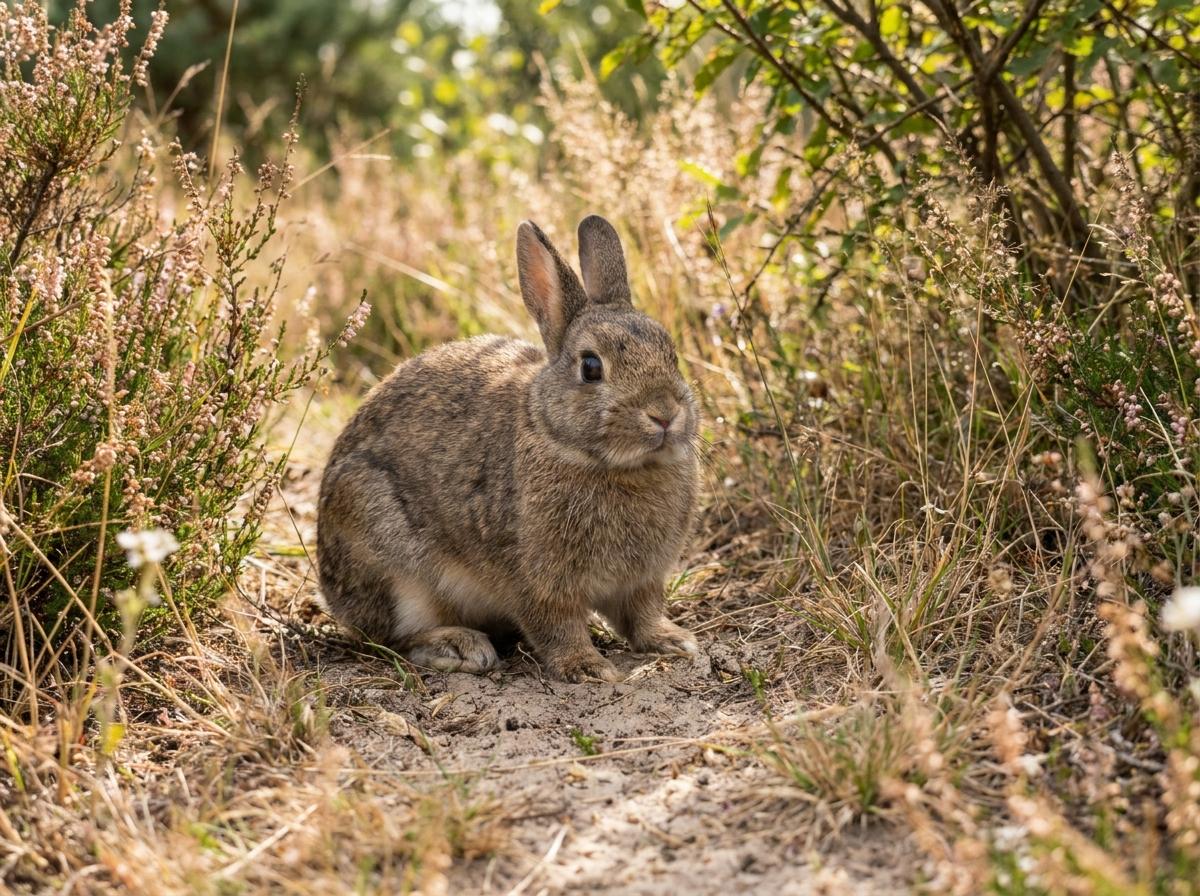
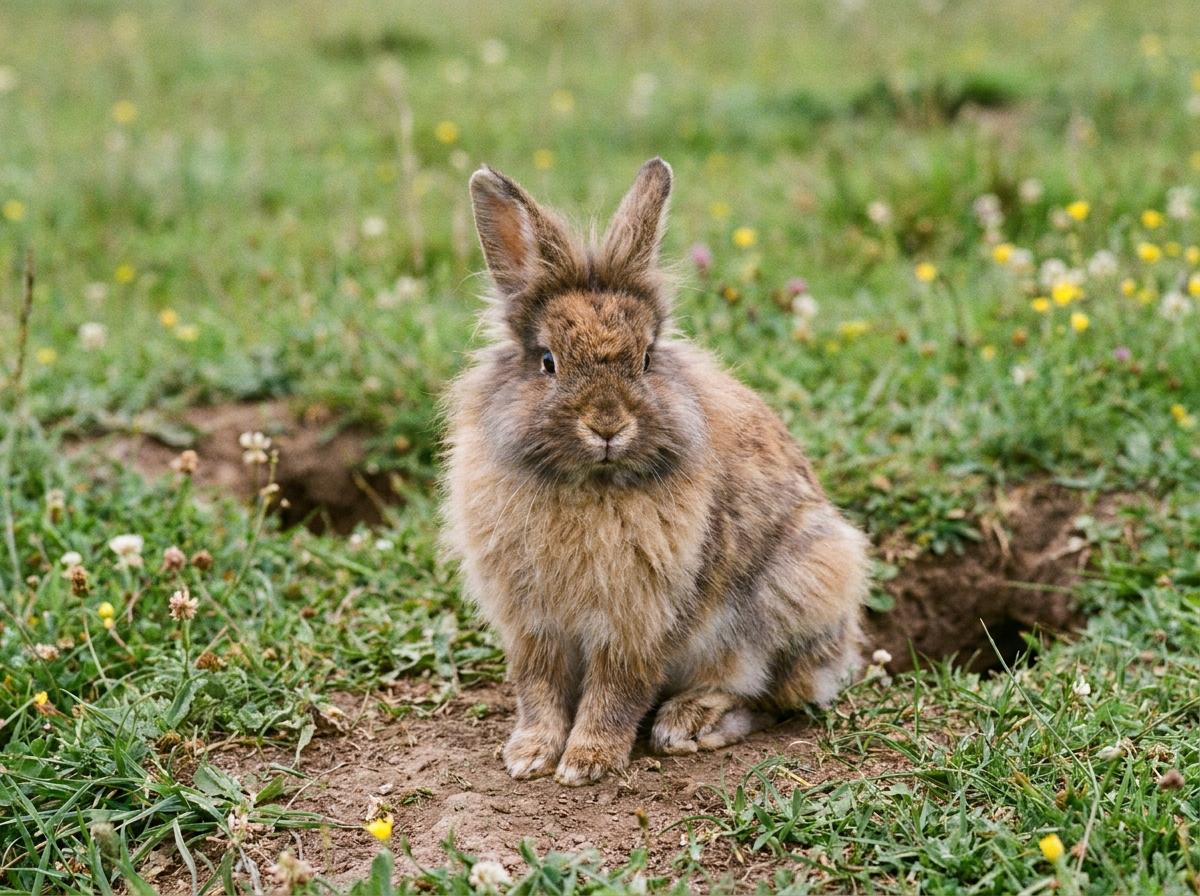
AI-generated illustration showing a shaded face and coat transition. Colour alone cannot establish breed identity.
When Siamese Sable is only the colour
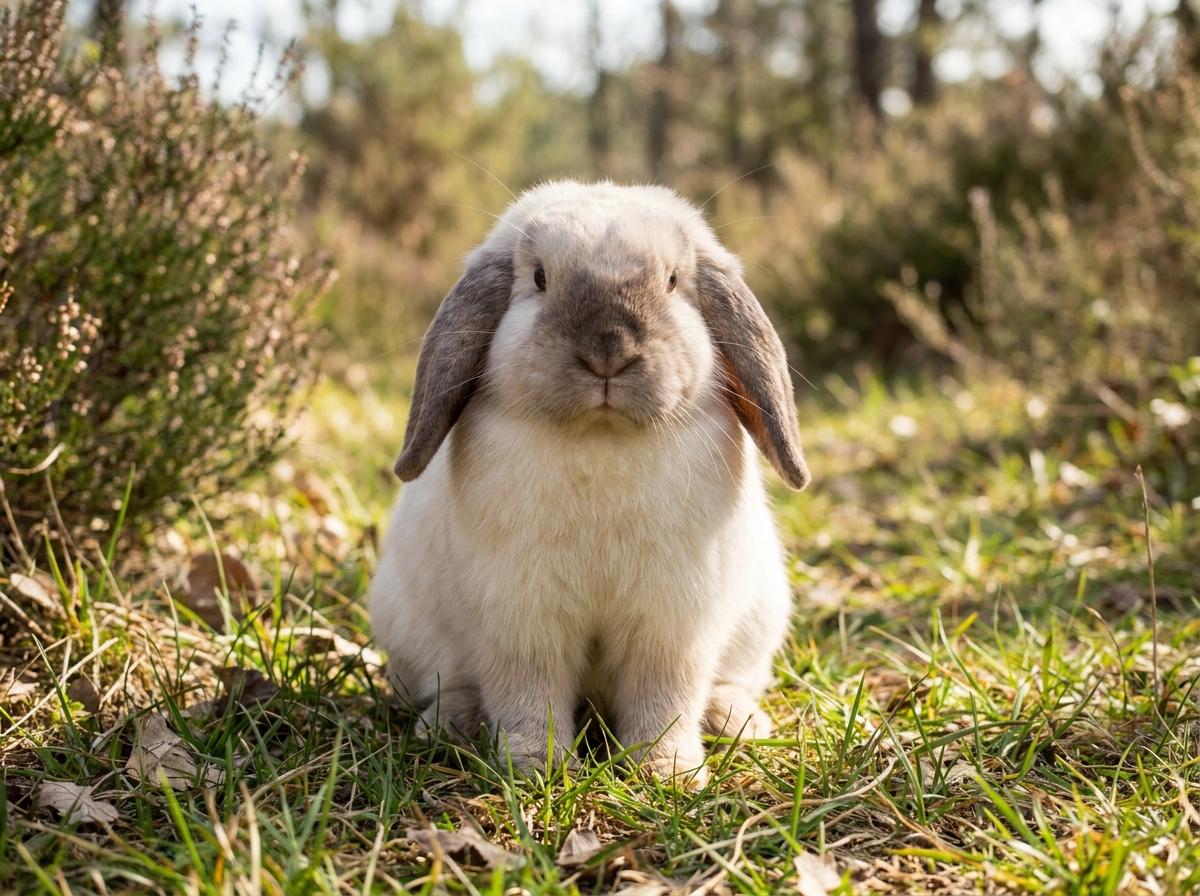
A Netherland Dwarf described as Siamese Sable remains a Netherland Dwarf. A Holland Lop sold with that colour description remains a Holland Lop. Record the animal’s actual breed first and its colour separately. Neither becomes the British normal-fur breed simply by sharing sepia shading.
American Sable also deserves its own name and records. ARBA recognizes American Sable as a breed with a dark-to-light sepia coat. That does not mean a seller can substitute British and American paperwork without explanation. Ask which registry or club the pedigree belongs to, whether it identifies the parents, and what any stated registration actually verifies.
For an unpedigreed pet, it is reasonable to describe visible colour without inventing ancestry. “Shaded brown rabbit, breed unconfirmed” is more useful than an attractive but unsupported breed claim.
Care follows the rabbit, not the shade
The colour does not call for a special “sable diet.” The RSPCA’s rabbit diet guidance puts hay or grass at the centre, with fresh water, suitable greens and a measured amount of pellets. Preserve the existing diet during a move and arrange any change gradually. A rabbit refusing food needs prompt veterinary assessment.
Plan room for normal movement, hiding and enrichment, suitable rabbit companionship introduced safely, and a rabbit-experienced veterinarian. Ask how the rabbit is currently housed and handled. A show pose cannot tell you whether it enjoys contact, copes with lifting or has been bonded to another rabbit. Meet it at floor level and watch its ordinary behaviour.
Soft fur still needs regular inspection. Ask to see the feet, rear end, eyes and nose as well as the attractive back. Discuss vaccination and parasite prevention with a local veterinarian because risks and available products vary by location. A clean coat does not replace a health history.

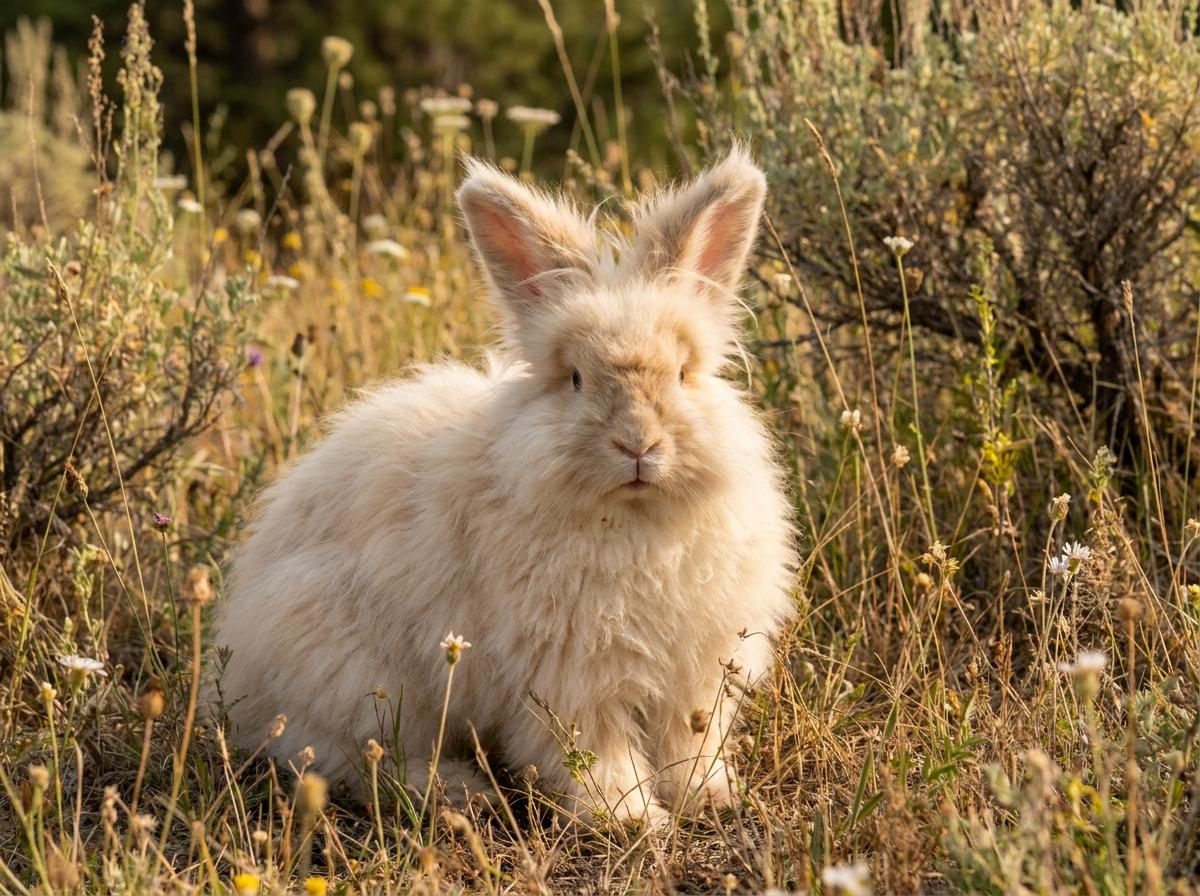
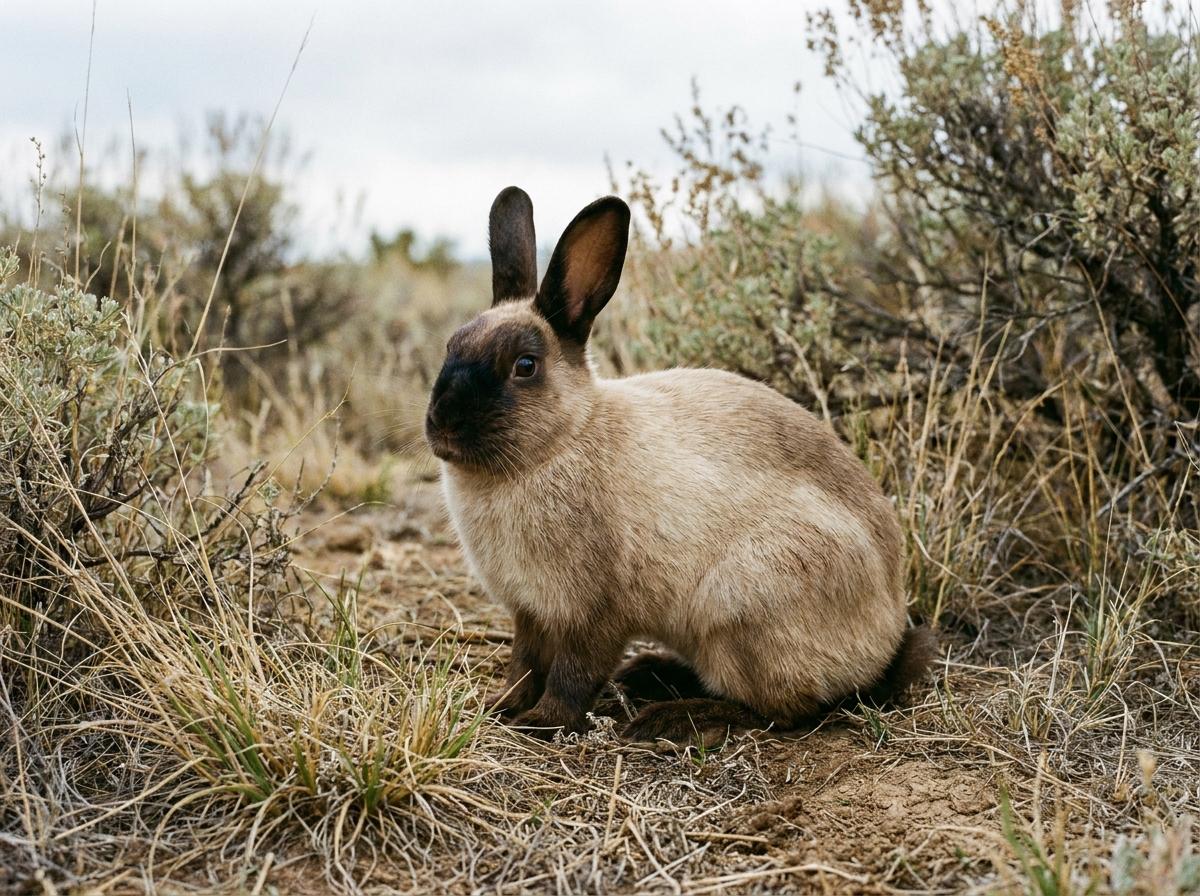
AI-generated portrait illustrating the dark saddle and lighter side. It does not depict a complete enclosure.
Price and buying questions
There is no defensible universal price for this name across countries, pedigree systems and pet listings. Obtain a current written quote for the individual. Separate the animal’s price from transport, housing, veterinary care and any registration costs.
Ask the seller to put these details in writing: actual breed, colour, date of birth, sex, parentage if known, health history and the documents included. If “show quality” is part of the price, ask which standard was used and whether that describes a current assessment or a prediction about a young rabbit. A pet with a nonstandard marking can still be a valued companion; the marking should not be concealed or used to fabricate a different identity.
Common questions
Is Siamese Sable a breed or a colour?
Both uses exist. The BRC has a specific normal-fur Siamese Sable standard, while the colour terminology also appears in other breeds. The accompanying breed name and paperwork resolve the ambiguity.
Is it the same as American Sable?
Do not treat the labels as automatically interchangeable. American Sable is the relevant ARBA-recognized breed to investigate in the US; compare the actual registry and pedigree.
Can a lop-eared rabbit belong to this British standard?
The cited normal-fur standard calls for erect ears. A lop of similar colour should be identified by its own breed, with the colour recorded separately.
Do this next on Creatures
Use the Siamese Sable hub as the identity reference, then compare the breed name on any rabbit’s records with the seller’s colour description.