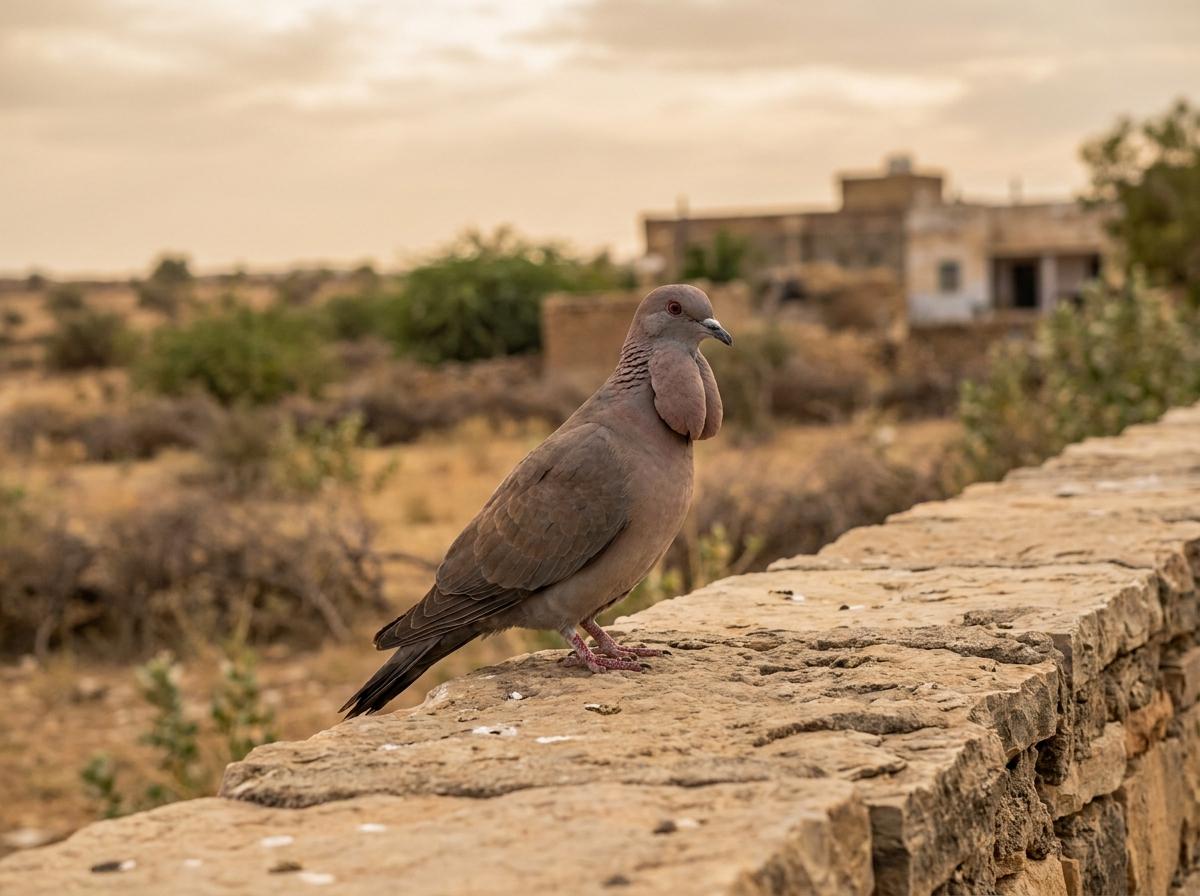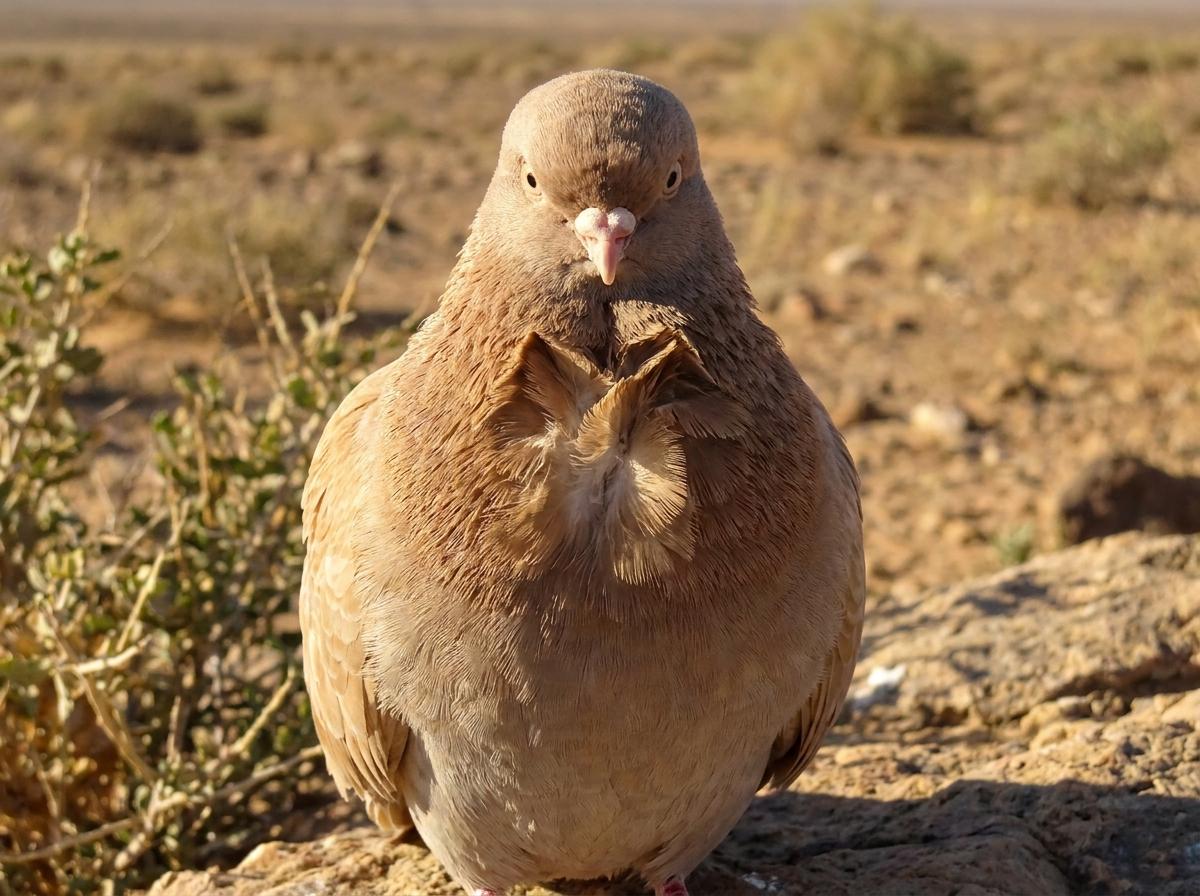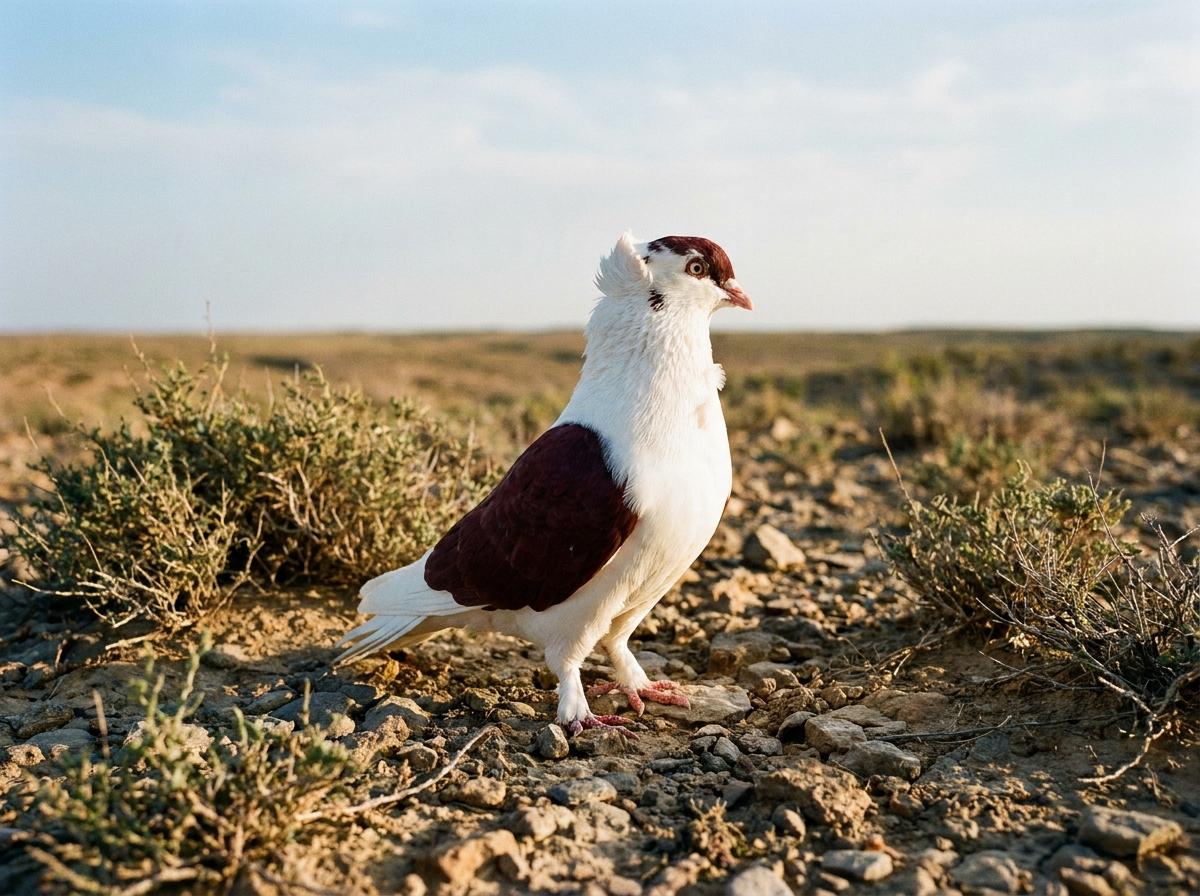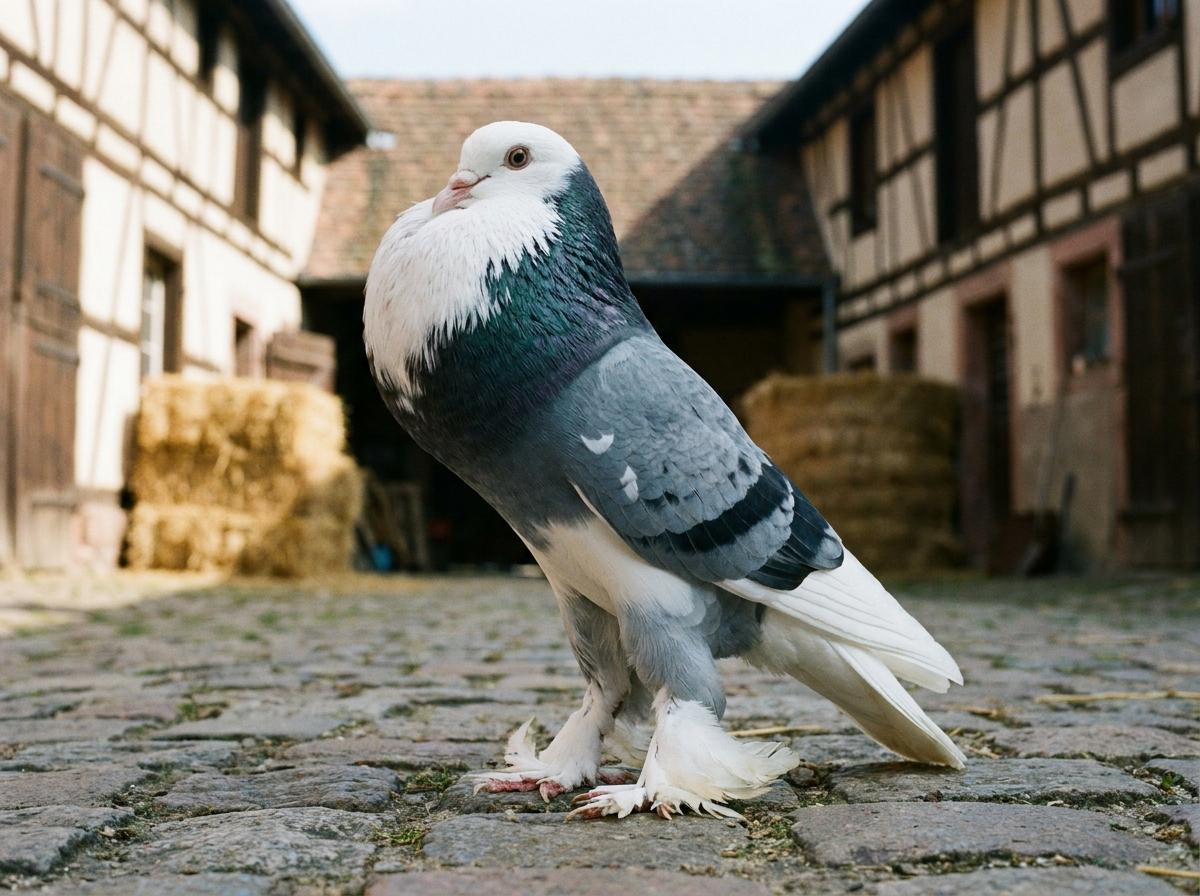



Bokhara Trumpeter
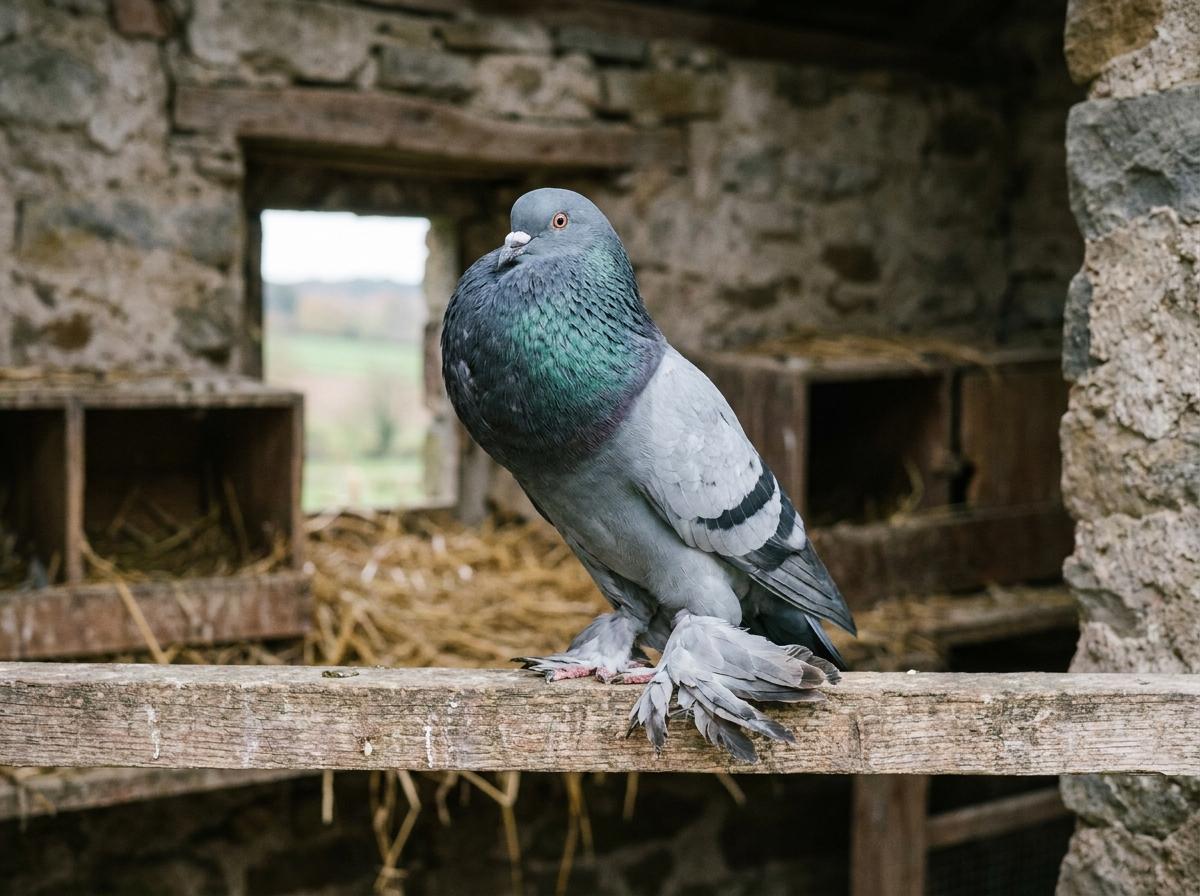
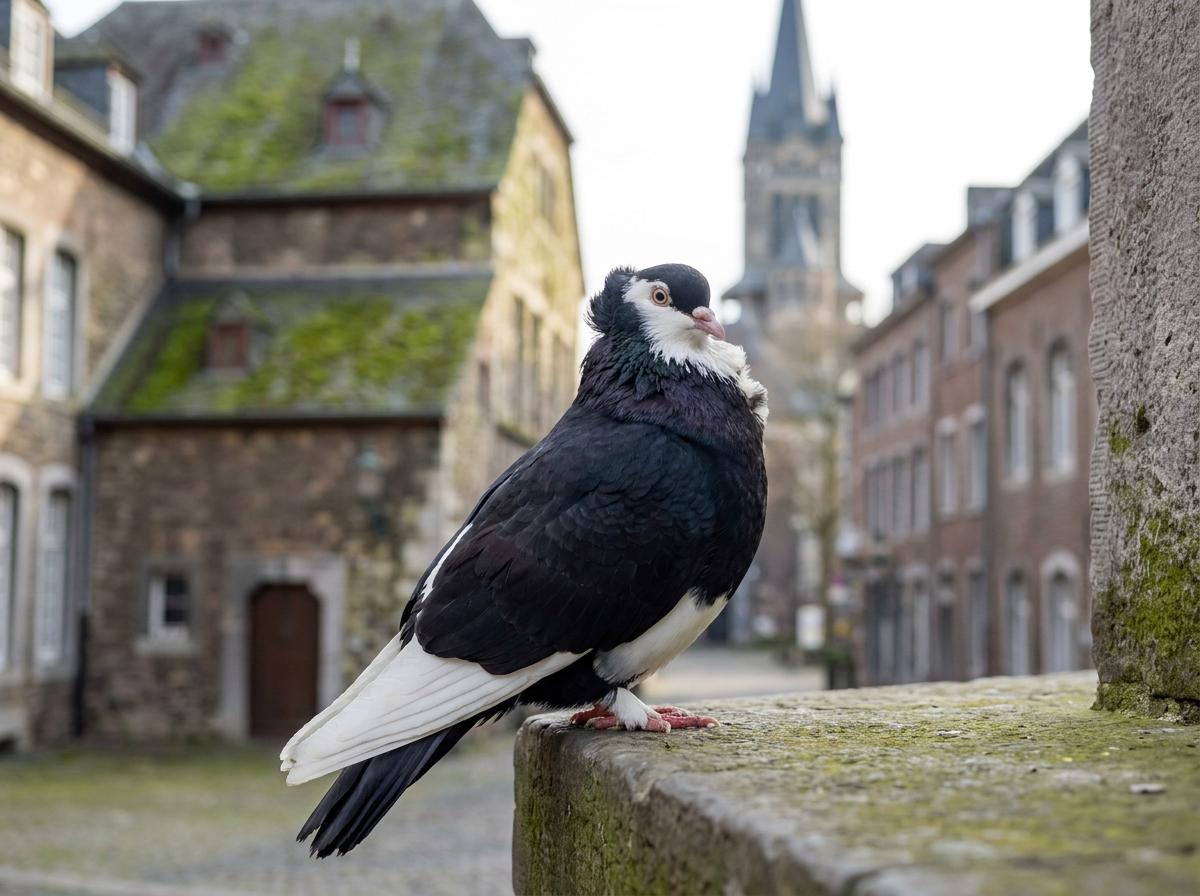
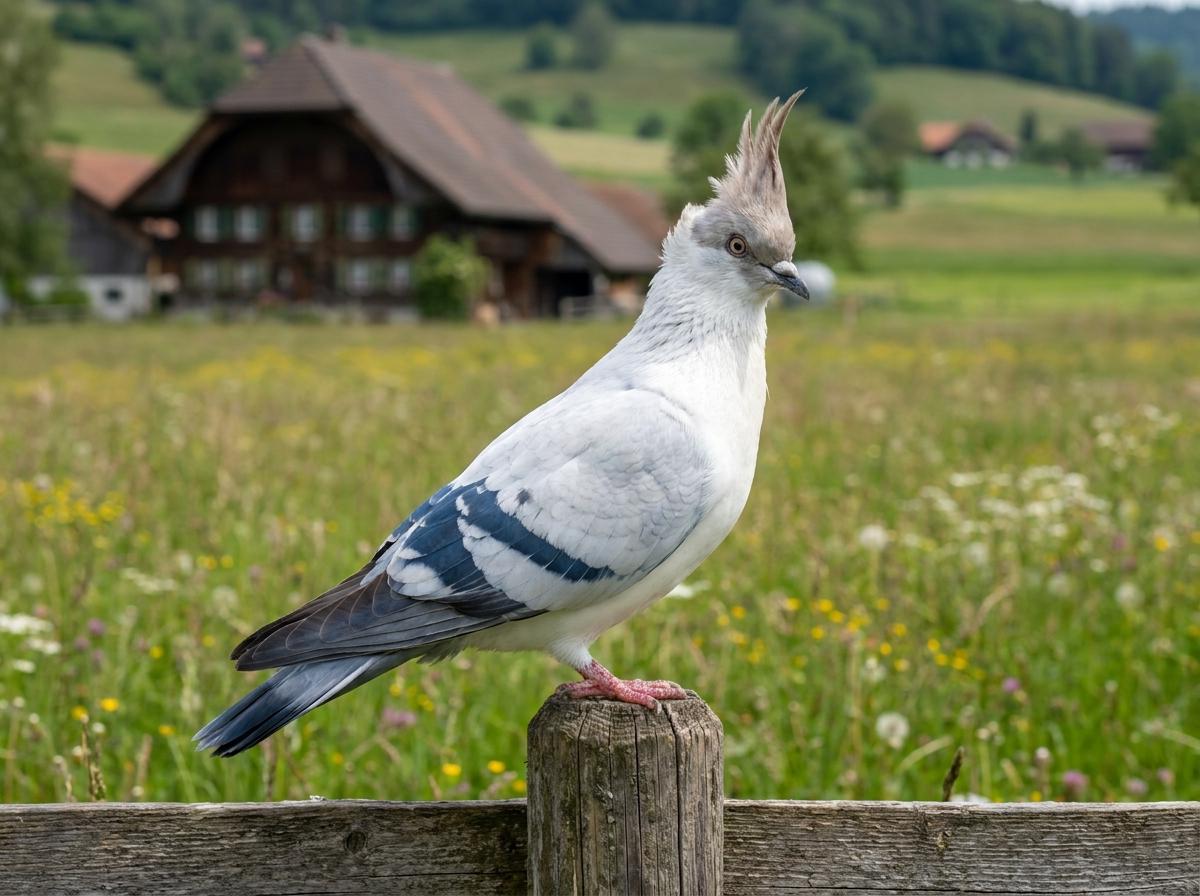
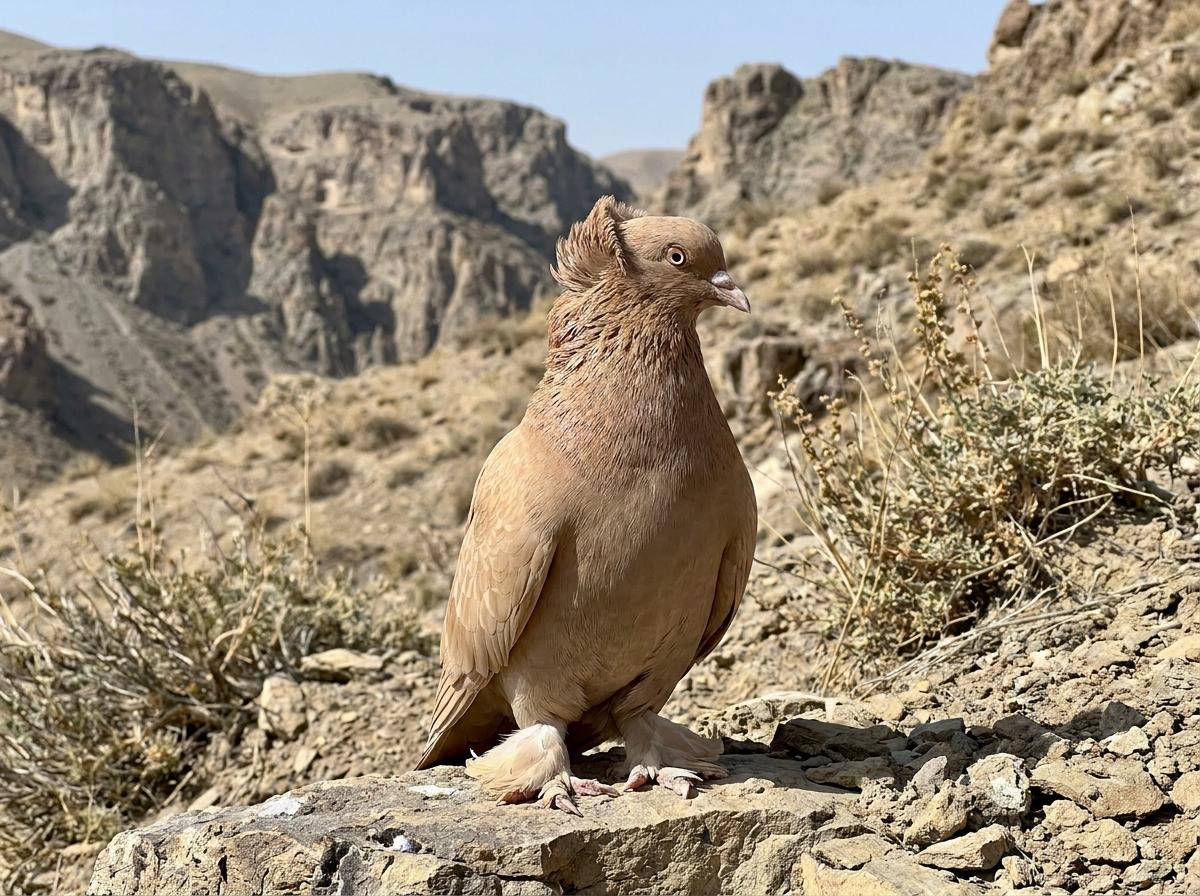
The Bokhara Trumpeter is an ornamental fancy pigeon bred for two things: an extraordinary voice and an extreme coat of feathers. It carries a double crest that can fall across its eyes like the fringe of an Old English Sheepdog, and long feathered feet, called muffs, that trail on the ground and can grow longer than a grown person’s hand. Its name comes from Bukhara in Central Asia, in present-day Uzbekistan, and the modern show breed was refined by German and European fanciers. This is not a working or racing pigeon but a slow, calm, heavily decorated show bird that most keepers describe as gentle to handle and genuinely demanding to breed. If you are weighing one up as a pet or a loft project, here is what the breed is, where it came from, how to recognize a good one, and the parts of its care that catch new keepers out.
Browse listings, public profiles, breeders, or add your animal.
What is a Bokhara Trumpeter?
A Bokhara Trumpeter is a fancy pigeon, meaning a domestic pigeon (a descendant of the wild rock dove, Columba livia) kept for its appearance and its voice rather than for racing, meat, or message carrying. It belongs to the trumpeter group, a family of breeds selected over generations for an unusually long, rolling call. The National Pigeon Association, the main United States show body, files the Bokhara among its trumpeter breeds, and it is generally regarded as one of the most popular trumpeter varieties kept in the United States.
Two features set it apart even within that already-decorative group. One is the double crest, a mass of head feathers that in a well-bred bird sweeps forward far enough to obscure the eyes. The other is the muffs, the long feathering on the legs and feet. Multiple breed references describe foot feathers exceeding 25 cm, roughly 10 inches, long enough to sweep along the floor of the loft. Together they give the breed its unmistakable, slightly comic silhouette, and they are also the reason it takes real work to keep and breed well.
If you are comparing pigeon breeds before you settle on one, the Creatures pigeon species page shows the Bokhara alongside the racing, utility, and other fancy breeds so you can judge which type of bird fits your setup.
Where the breed comes from
The breed takes its name from Bukhara, an ancient Silk Road city in what is now Uzbekistan, and its roots lie in the pigeon-keeping traditions of Central Asia, southern Russia, and Turkestan. Old Bukhara sat on the trade route between Europe and Asia, one of the gateways through which unusual Eastern pigeon breeds reached Western fanciers.
Western writers noticed trumpeter pigeons early. The English fancier John Moore described a trumpeter in his 1735 book Columbarium, one of the first breed-by-breed accounts of domestic pigeons in English. Later imports brought better Eastern stock into Europe and Britain through the middle of the nineteenth century, and breed histories commonly credit George Ure with receiving Bokhara birds by way of Moscow around 1850. From there the heavily feathered modern form was developed above all by German and continental European breeders, and many references date its establishment in Germany to 1872. Treat these older dates as the received history of the fancy rather than as documented events, because the primary paper trail for a hobby breed this old is thin.
The breed did catch the eye of the most famous pigeon keeper of all. Charles Darwin bred and studied dozens of fancy pigeon varieties at his home in Down while working out his ideas on selection. He singled out the trumpeters and laughers for their strange voices, treating the exaggerated coo as a clear case of a trait pushed far past its wild starting point by human choice. The Bokhara is one end of that experiment: an ordinary rock dove reshaped, over centuries of deliberate breeding, into a bird that trumpets for many seconds at a stretch and can barely see past its own crest.
How to recognize a Bokhara Trumpeter
Set a Bokhara next to a common feral pigeon and the differences are immediate. This is a medium-bodied bird with a short neck, an upright and slightly proud carriage, and so much ornamental feather that the underlying pigeon shape is half hidden.
The double crest
The headpiece is the breed’s calling card. A good Bokhara carries a double crest: an elaborate frontal rosette fanciers call the rose, plus fuller feathering that continues back over the crown. In a strong show bird the combined crest grows forward and down until it screens the eyes, which is where the Old English Sheepdog comparison comes from. It looks charming, and it is also a problem the keeper has to manage: a bird that cannot see well struggles to find food, water, a mate, and its own nest.

The muffs
Below, the legs and feet disappear into muffs, sometimes called boots, a spreading skirt of long feathers. In heavily feathered birds these can pass 25 cm, about 10 inches, and drag along the ground as the pigeon walks. Judges look at them closely and the show pen prizes them, but they are fragile. They break, soil, and pick up bedding, and they mean the bird needs clean, dry, low-traffic footing rather than a muddy run.
Body, size, and color
The Bokhara is a solid, medium-sized pigeon with a short neck that sets off a longish body. Commonly cited references put mature weight in the region of 370 grams, but that number circulates through hobbyist breed pages rather than any measured survey, so read it as a rough guide rather than a precise standard. Reliable morphometric data on the breed simply is not published.
Color is where the breed opens up. Bokharas are bred in black, white, red, and yellow selfs (solid colors) and in blue in both barred and checkered patterns, along with other shades and markings recognized on the show bench. Whatever the color, a buyer should judge the feathering and structure first, not the shade.
The voice: trumpeting and drumming
The breed is called a trumpeter for a reason. Where a wild pigeon gives a short, repeated coo, the trumpeter breeds produce a long, rolling, drumming sound that can carry on for many seconds with only brief pauses. German and Low Countries breeders traditionally call it drumming; British and American fanciers call it trumpeting. Descriptions range from a deep drum roll to something oddly like distant, low laughter. It is heard most in the breeding season, when cocks are displaying.
For most of the breed’s history the voice was the whole point, and the extravagant feathering came second. That balance has flipped, and today many keepers are drawn first to the look, with the voice a bonus. If the voice is what appeals to you, the same pattern of breeding an ordinary call into an art form shows up in other species. The Spanish Timbrado canary is a songbird developed entirely around a particular style of song, an interesting comparison to what pigeon fanciers did with the trumpeter’s coo.
Temperament and daily life
Bokhara Trumpeters have a gentle reputation. Keepers routinely describe them as calm and easy around people and other animals, happy to be handled, which is a large part of their appeal as pet and show pigeons rather than performance birds. Breeders phrase the flip side less kindly: the same birds get called lazy, stubborn, or arrogant, meaning they can be slow to do the things a keeper needs them to do, including court, mate, and raise young.
They are also poor flyers. Between the body type and the heavy foot feathering, this is a bird that lives on the ground and on low perches, not one that will wheel around the sky like a racing homer or a tumbler. Low perches and nest boxes, clean floor space, and protection from predators matter more here than flight room, because a Bokhara that cannot see well and cannot fly well is very exposed to a cat, a hawk, or a rat.
Care and housing
Most of a Bokhara’s care is standard good pigeon husbandry, with a few adjustments forced by all that feather.
The loft needs to be dry, clean, well ventilated without being drafty, and secure against predators and rodents. Because the muffs sweep the floor, bedding hygiene matters more than it would for a clean-legged breed. Damp or dirty litter fouls and damages the foot feathers and can lead to sore feet, so many keepers favor dry substrate and low perches that spare the muffs from constant wear. Fresh drinking water and regular bathing help the birds keep their plumage in order, so offer a bathing pan routinely.
Feed a good pigeon diet: a quality seed or grain mix appropriate for fancy pigeons, grit for digestion, and access to the minerals pigeons need, with clean water always available. Because the crest can block a bird’s view, position food and water so a partly blinded pigeon can reach them without a struggle. Watch body condition, keep an eye on the feet and muffs for damage or dirt, and check the vent area stays clean.

On health, treat the Bokhara like any pigeon: keep the loft clean, watch for the common pigeon problems such as canker, coccidiosis, worms, and external parasites, and get a bird that is off its food, fluffed up, or losing condition seen promptly. Any medical decision, and every drug or dose, belongs with an avian or livestock veterinarian who can examine the bird, not with a care article. Simple written records of each bird, its treatments, its molt, and its breeding history make it far easier to spot a pattern early. Keep those health and care records on Creatures so a bird’s history travels with it; the help guide on health and medical records walks through what to log.
The breeding reality
This is the part that surprises people. For all its beauty, the Bokhara Trumpeter is widely considered a difficult bird to breed, and much of that difficulty is a direct consequence of the very features it is bred for.
Start with sight and mating. The double crest that hangs over the eyes stops birds from seeing each other properly, which interferes with courtship, and the long muffs and the heavy feathering around the vent physically get in the way. So experienced breeders trim: cutting back the crest so the birds can see, and trimming the boots and the feathers around the vent so a pair can mate and fertilize eggs. None of that is cruel when done sensibly, but it is hands-on management that a clean-legged, plain-headed breed never needs.
Then there is parenting. Bokharas are often described as inattentive parents that will not reliably incubate their own eggs or feed their own squabs, so many breeders keep foster pairs, commonly hardy feeders such as racing homers or ordinary utility pigeons, and move Bokhara eggs or young under them to be raised. If you are serious about producing Bokharas, plan for a foster system from the start rather than discovering the problem after your first clutch fails.
This is a breed for a keeper who enjoys the fussing. If you want pigeons that pair up, sit tight, and raise their own young with no intervention, the Bokhara is not that bird. If the grooming, trimming, and foster management sound satisfying rather than tiresome, it can be a rewarding long-term project.
Registry and showing
If you plan to exhibit, the Bokhara Trumpeter is an established show breed. In the United States it sits within the trumpeter group of the National Pigeon Association, which maintains the standards and runs the shows where these birds are judged. In Europe the trumpeter breeds are judged under national standards coordinated through the continental fancy. Judges assess the crest, the muffs, body type, condition, and color against the written standard, which is why serious breeders pay so much attention to feather quality and structure rather than to the voice.
For a newcomer, connect with a specialist club or established breeders before buying, learn what a correct bird looks like in the standard, and see birds in person at a show if you can. A striking photograph online tells you very little about whether a bird is good.
Getting one: availability and what to check
Bokhara Trumpeters are kept by hobbyist fancy-pigeon breeders rather than sold through mainstream pet channels, so finding one usually means finding a breeder. Prices vary widely with quality, from modest sums for pet-grade birds to considerably more for top show stock, and there is no single reliable published price, so be wary of any source that quotes one as gospel. Judge value by the bird and the breeder, not by a headline number.
Look past the wow factor of the feathering and check the fundamentals. Is the bird bright, alert, and a good weight under all that plumage? Are the feet and muffs clean and free of sores, scale, or damage? Can the bird see, or is the crest so heavy it is effectively blind and unmanaged? Is the vent clean? Ask the breeder how the line breeds, whether they foster, and what health practices they follow. A good fancy-pigeon breeder will talk openly about the breed’s quirks, including the trimming and fostering, because they live with them.
Because this is a specialist breed, a saved listing alert is often the most practical way to catch one when it appears, and a breeder directory is the natural place to find the people producing them. Watch for birds on the Creatures pigeon marketplace and look for breeders and lofts in the Creatures directory. The records-first habit that helps with any small gene pool applies here: keepers of rare breeds in other species, from the Barbados da Terceira dog to niche poultry, lean on written pedigrees and health records precisely because the population is small and provenance is easy to lose.
Frequently asked questions
Why does the Bokhara Trumpeter look like it has no eyes?
Its double crest, a frontal rosette breeders call the rose plus fuller feathering over the crown, grows forward and down until it covers the eyes in a well-feathered bird. The result recalls an Old English Sheepdog. Keepers often trim the crest so the bird can see, feed, and breed.
How long are the feathered feet?
The muffs, the long leg and foot feathers, can exceed 25 cm, about 10 inches, in heavily feathered birds and will drag on the ground. That is why the breed needs clean, dry footing to keep the muffs from damage.
What does a trumpeter pigeon sound like?
Instead of a short coo, it makes a long, rolling, drumming call that can continue for many seconds with brief pauses, sometimes compared to a drum roll or low laughter. The sound is most noticeable in the breeding season.
Are Bokhara Trumpeters good pets?
For the right person, yes. They are calm and gentle to handle, but they are high-maintenance in grooming and breeding, they fly poorly, and their reduced sight makes them vulnerable, so they need a secure, well-managed loft rather than free flight.
Why are they hard to breed?
The crest blocks their sight during courtship, and the muffs and vent feathering physically hinder mating, so breeders trim these areas. The birds are also often unreliable parents, so many keepers foster the eggs or young under steady breeders such as racing homers.
How big are they and how much do they weigh?
They are a medium, short-necked pigeon. Breed references commonly cite a weight around 370 grams, but that figure comes from hobbyist sources rather than a measured study, so treat it as a rough guide rather than an exact standard.
Do this next on Creatures
Whether you are researching the Bokhara Trumpeter, hunting for a breeder, or already running a loft, Creatures is the records, marketplace, and directory layer to keep it all in one place.
Add your pigeon. Keeping Bokharas already? Create a free animal profile for each bird in a few minutes. The walkthrough is in adding an animal to Creatures.
Track pairings and health. Log molts, trims, foster clutches, and health notes as you go. The record sheet opens for any visitor to look around, and a free account saves what you enter. See adding a record for the full how-to.
Stay on top of the season. Breeding, molting, and worming all run on a calendar. Use reminders and upcoming care so nothing slips.
Find birds. Browse Bokhara Trumpeters and other pigeons on the marketplace and search trusted breeders and lofts in the Creatures directory. New to the marketplace? See saving searches and using your watchlist.
Get alerted. This is a specialist breed, so set a free Bokhara Trumpeter listing alert and we will tell you when one is posted. No account needed to start.
List your loft. Breed Bokharas? Add your loft as an organization so buyers searching for this breed can reach you.