

Barbados da Terceira
Author: Elliott Garber, DVM · Updated
The Barbado da Terceira is a rare Portuguese herding dog from the island of Terceira in the Azores: an athletic, bearded, medium-sized farm dog that spent centuries working cattle on volcanic pasture and very nearly disappeared before island breeders and the University of the Azores brought it back. If you are trying to work out whether that shaggy, expressive dog you saw is a real breed, whether it would suit your household, and how on earth you would ever find one, this page is written for you. It covers the breed’s origins, how to recognize it, what it is like to live with, what its coat and health need, and the honest reality of buying a dog that remains genuinely rare worldwide. One note on spelling: you will see both “Barbado da Terceira” (the official Portuguese name, where barbado means bearded) and “Barbados da Terceira.” They are the same breed, and we use the singular Barbado throughout.
| Also called | Barbados da Terceira, Terceira Cattle Dog (barbado means “bearded” in Portuguese) |
|---|---|
| Origin | Terceira island, Azores, Portugal |
| Original job | Herding and guarding semi-feral cattle on island farms |
| Height at withers | Males about 52 to 58 cm (roughly 20 to 23 in), females about 48 to 54 cm (roughly 19 to 21 in) |
| Weight | Males about 25 to 30 kg (roughly 55 to 66 lb), females about 21 to 26 kg (roughly 46 to 57 lb) |
| Coat | Long, wavy double coat with a full beard; yellow, grey, black, fawn, or wolf grey, with or without white markings |
| Temperament | Intelligent, willful, sensitive, deeply bonded to family, reserved with strangers |
| Lifespan | The AKC lists roughly 12 to 14 years |
| Recognition | Portuguese Kennel Club (2004); AKC Foundation Stock Service since 2021; not FCI recognized |
| Availability | Genuinely rare worldwide; a 2005 Azores census recorded 222 dogs |
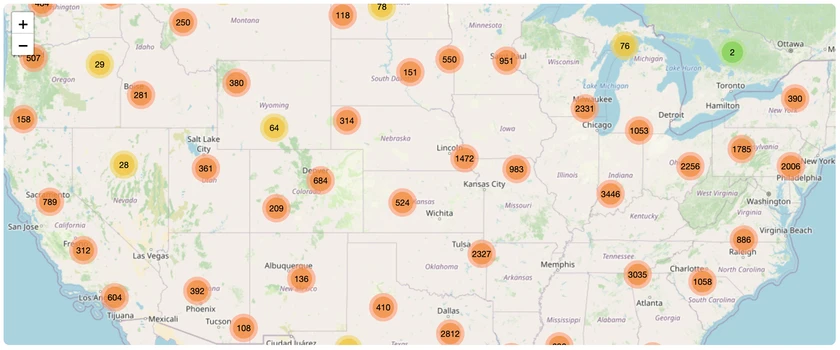
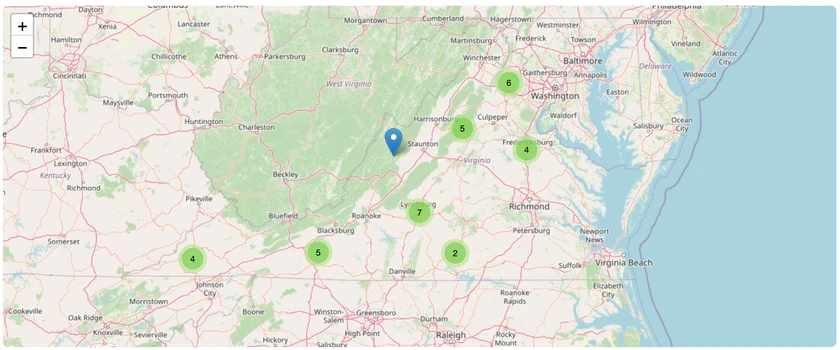
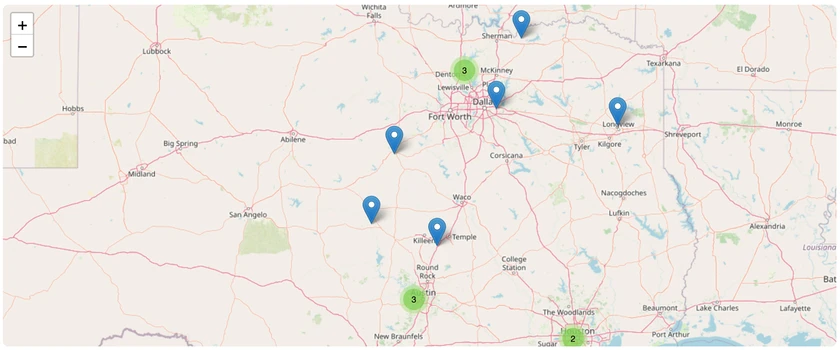
Browse listings, public profiles, breeders, or add your animal.
What is a Barbado da Terceira?
The Barbado da Terceira is a medium-sized Portuguese herding and guard dog native to Terceira, one of the nine islands of the Azores archipelago out in the mid-Atlantic. Its name tells you the two things that matter most about it: barbado, “bearded,” for the thick furnishings on its face, and da Terceira, “of Terceira,” for the single island where it took shape. The Clube Português de Canicultura (the Portuguese Kennel Club, referred to here as the CPC) describes it as a rustic, strongly built dog covered in long, abundant, wavy hair, with a relatively short, wide muzzle carrying the beard that gives the breed its name.
This is a working farm dog rather than a designed companion breed. For generations it drove and gathered cattle across the rough volcanic pasture of Terceira, and it kept the versatility that job demanded: it herds, it guards, and it forms an intense attachment to the people it works with. The Barbado is one of only a small handful of dog breeds that developed in the Azores, alongside the São Miguel Cattle Dog (the Cão de Fila de São Miguel, from another island in the archipelago). If you are still weighing breeds, the broader dogs on Creatures hub is a good place to compare the Barbado against other herding and working types.
Worth setting straight early: the Barbado is not a giant dog, and it is not a couch dog either. It sits squarely in the medium range, built like an athlete, bred to spend its day thinking and moving.
Origin and history
The Barbado’s story starts with the settlement of the Azores. Portuguese colonists began arriving on Terceira in the middle of the fifteenth century, bringing working dogs from the mainland to move and guard livestock. Over the centuries those dogs, selected on the island for their aptitude with cattle, became a recognizable local type: the bearded herding dog of Terceira. It was never fashionable or widely exported, just a tool island farmers kept because it did a hard job well.
The twentieth century nearly ended it. As farming mechanized and the practical need for a cattle dog fell away, the Barbado’s numbers dropped steeply, and by the late 1900s the breed survived mostly with older farmers who still kept working dogs out of habit and tradition.
What saved it was a deliberate recovery effort. In April 2004 a protocol to recognize and preserve the Barbado da Terceira was signed by the Portuguese Kennel Club, the regional agricultural authority, and the University of the Azores, and that year the breed was recognized by the CPC and by Portugal’s Direcção-Geral de Veterinária (the national veterinary authority). A 2005 census recorded 222 dogs, which tells you how thin the population was even at the point of official recognition. The breed is still not recognized by the Fédération Cynologique Internationale (the FCI, the large international kennel federation), which matters if pedigree paperwork matters to you.
In North America the breed is newer still. The first Barbados reached the United States from Portugal in 2018, and a small community of breeders has been building the population from that base, importing more Portuguese dogs since to widen the gene pool. The American Kennel Club (AKC) admitted the breed to its Foundation Stock Service in 2021, the entry stage that records rare breeds working toward eventual full recognition, and lists it with the herding breeds. It has not yet advanced to the Miscellaneous Class or full AKC recognition, both of which depend on the population continuing to grow.
How to recognize a Barbado da Terceira

For a breed most people have never seen in person, the Barbado is surprisingly distinctive once you know what to look for. Four features do the identifying work.
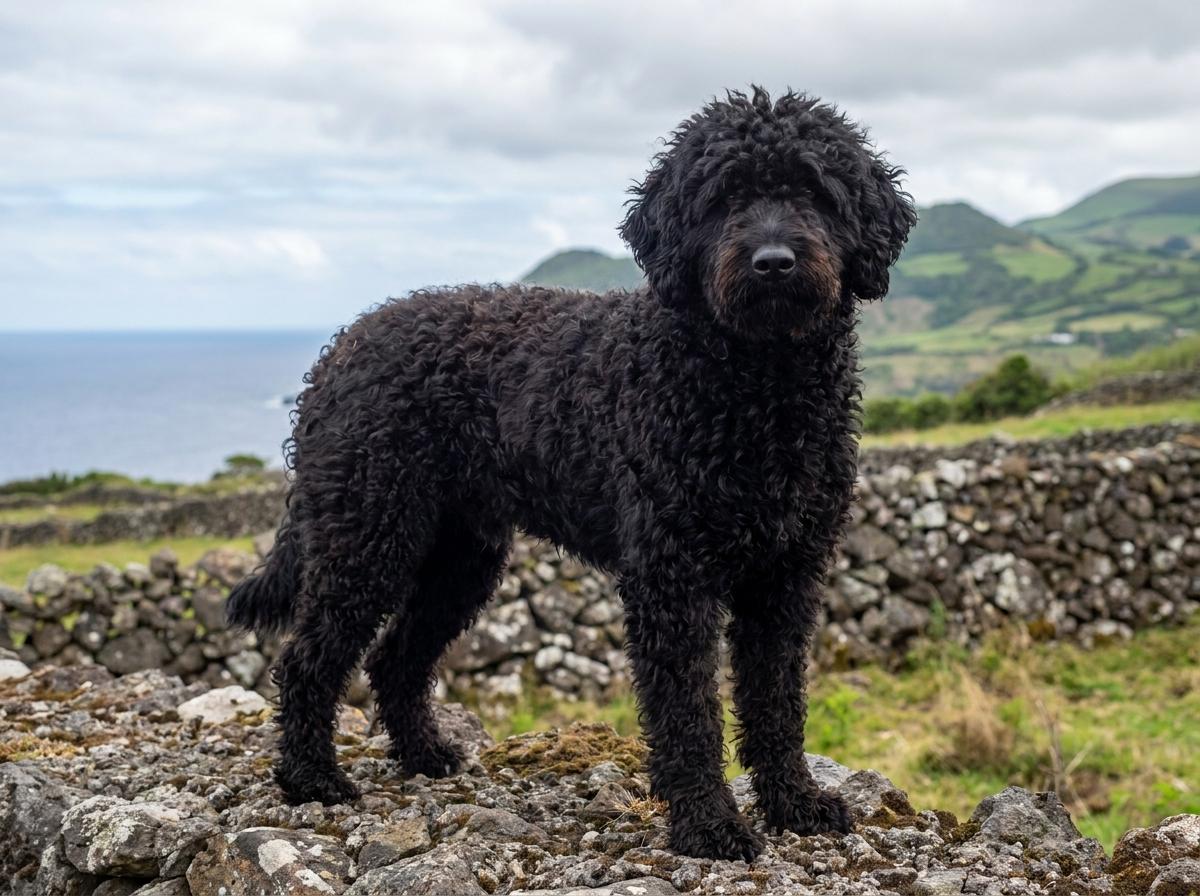
- The beard and facial furnishings. The signature, and the source of the name. The hair is thick over the head and especially heavy under the jaw, forming a full beard, with longer hair over the eyes that gives the breed its soft, watchful, faintly bemused expression. That face is the fastest way to tell a Barbado from a generic shaggy herding mix.
- A long, wavy double coat. Long, abundant, and wavy over a thick undercoat built for the damp, changeable Atlantic climate of the Azores. It is a functional weatherproof coat, not a show-ring confection, but it does need real grooming (more on that below).
- Working coat colors. The CPC standard recognizes yellow, grey, black, fawn, and wolf grey, in any shade, with or without white markings. That covers a wide visual range, so color alone will not identify the breed; one of those base colors plus the beard and wavy coat will.
- A medium, athletic build. Males stand roughly 52 to 58 cm at the withers (about 20 to 23 inches) and weigh around 25 to 30 kg (about 55 to 66 pounds); females run a little smaller at roughly 48 to 54 cm (about 19 to 21 inches) and 21 to 26 kg (about 46 to 57 pounds). The body is slightly longer than it is tall, the frame muscular, the impression that of a dog that can trot all day. These figures come from the Portuguese standard; the AKC describes the breed in the same range, around a 55 cm and 25 kg median.
The honest silhouette, then, is a sturdy, bearded, medium dog that looks purpose-built for a long day outdoors, because it is. If a seller shows you something well outside those ranges, a tiny lap version or a giant one, ask harder questions about what you are actually looking at.
Temperament and what living with one is really like
The AKC describes the Barbado da Terceira as intelligent, easy to train, docile and willful, joyful, and sensitive, and every one of those words carries weight in practice. This is a dog that bonds hard. It attaches itself to its family and wants to be wherever they are and part of whatever they are doing, which makes it a warm, engaged companion for the right household and a poor fit for a home where a dog would spend most of the day alone.
“Willful” and “sensitive” are the two words to sit with before you commit. Willful means the Barbado has opinions and a herding dog’s habit of making decisions on its own; it will not do a thing simply because you asked. Sensitive means it reads your mood, takes harsh handling badly, and can shut down or grow anxious under heavy-handed correction. That combination is why experienced breeders and the AKC steer the breed toward owners who already understand working dogs. A calm, consistent, reward-based approach gets the best out of a Barbado; nagging or punishment does not.
With its own people the breed is affectionate and often playful. With strangers it is reserved and watchful, a legacy of its guarding history, so early and ongoing socialization to new people, places, dogs, and situations is not optional. A well-socialized Barbado is discerning rather than reactive; an under-socialized one can become suspicious and hard to settle. Individual temperament still varies with the dog and its early experiences, so meet the parents and the breeder’s dogs in person wherever you can.
Exercise, training, and mental work
A Barbado was bred to work cattle across broken ground, and it still carries that engine. This is not an apartment dog you can satisfy with a stroll around the block. It needs substantial daily physical exercise and, just as importantly, real mental work. Bored and under-exercised is where the frustrating behaviors come from: pacing, restlessness, nuisance barking, fixating on movement, inventing its own jobs around the house.
Give it a proper outlet instead. Long walks and off-leash running in safe areas, hiking, and vigorous play cover the physical side. For the mind, the breed does well at the dog sports that suit a clever, athletic herder: obedience, agility, rally, tricks, scent games, and herding activities where they are available. The AKC lists the breed as eligible for companion events such as obedience, agility, and herding trials. Training should start early, lean on positive reinforcement, and stay varied, because a Barbado that finds the work engaging is a delight and one that finds it repetitive will tune you out.
A practical note for households: a strong herding instinct can show up as trying to gather children, other pets, or joggers, usually through movement and body pressure rather than aggression. Training and redirection manage it, but know it before you bring one into a busy home. It is another reason early socialization matters.
For another herding-breed comparison, the Belgian Tervuren guide helps translate working heritage into questions about your actual weekday routine.
Grooming and coat care
That long, wavy double coat is beautiful, and it is a commitment. Plan on thorough brushing at least a few times a week, closer to daily when the coat is blowing, to work through the waves and prevent mats. Pay particular attention to the friction areas where tangles start: behind the ears, in the beard and around the muzzle, in the armpits, and around the rear. The beard collects food, water, and debris, so wipe and check it routinely.
Bathe as needed rather than on a rigid schedule, and dry the coat properly afterward given its density. Round out the routine with the basics every dog needs: nail trims, ear checks (the hair around the ears can trap moisture), and dental care. None of this is exotic, but the sheer amount of coat makes grooming a real recurring part of owning the breed, so factor in the time or the professional grooming cost before you decide.
For another heavily coated herding breed, the Old English Sheepdog guide explains how to arrange a grooming demonstration and discuss a pet trim before committing.
Health and lifespan
The Barbado da Terceira is generally regarded as a hardy, healthy breed, which is unsurprising for a working dog shaped by function rather than by exaggerated features. The AKC lists a life expectancy of roughly 12 to 14 years. The breed is so young in registry terms, and so few dogs exist, that there is no large breed-specific survival or health-outcome dataset behind that number: treat it as the registry’s stated expectation for a well-kept medium dog rather than a guarantee. The breed’s true health profile is still being characterized as the population grows.
As with most medium and larger active breeds, hip dysplasia is worth screening for, and conscientious breeders health-test their breeding stock (hip evaluations through a recognized scheme such as the Orthopedic Foundation for Animals are a reasonable thing to ask about). Eye conditions and skin or coat sensitivities also come up among the things owners watch. None of this is a diagnosis or a treatment plan. Any health decision, screening choice, or symptom belongs with a veterinarian who can examine the individual dog, and a good relationship with a vet who knows your dog is the single most useful health investment you can make. Clear records of vaccinations, screening results, and health events over the dog’s life make those veterinary conversations far more productive, and that is exactly the kind of thing you can track in a health record on Creatures.
Cost, rarity, and finding one

Here is the honest part. The Barbado da Terceira is one of the rarer dog breeds in the world, and finding one is the hard step, not affording one. The 2005 Azores census counted only 222 dogs, and while the population has grown since through the recovery effort, the breed remains scarce even in Portugal. Outside Portugal it is scarcer still: the breed community in the United States and Canada has reported on the order of about a hundred dogs across both countries in the mid-2020s, spread among a small number of dedicated breeders. This is a low-supply breed, not a marketing line.
That scarcity shapes everything about acquiring one:
- Expect a waitlist, not a shelf. With so few breeders and litters, prospective owners are usually placed on a waiting list and matched to a future litter rather than picking from available puppies. Patience is part of the deal.
- Price tracks rarity and importation. Reliable public price data for a breed this uncommon does not exist, so we will not invent a number. What is fair to say: a rare breed from a health-testing breeder, sometimes involving imported parent dogs, is not an inexpensive dog, and the real cost spreads across the purchase, the travel or import logistics, and years of grooming and care. Be skeptical of any listing offering the breed cheaply or with no waitlist, because that does not match the supply reality.
- Importation is a real possibility and a real project. Some North American dogs come directly from Portugal. Importing one yourself is legally possible but involves health certificates, vaccination and microchip requirements, and airline and customs logistics that vary by country and change over time. Verify the current rules with the destination country’s agriculture or veterinary authority (in the United States, the USDA and the CDC) rather than a forum post, and budget the time and money accordingly.
- Verify what you are buying. With a breed this uncommon, confirm registration and pedigree, meet the breeder’s dogs, ask about health testing, and make sure the animal in front of you actually is what it is presented to be. The national breed club is the sensible starting point for finding reputable breeders.
You can browse current listings on the Creatures marketplace for the Barbado da Terceira and look for breeders and rescues in the Creatures directory. Because genuine stock is so scarce, a saved listing alert (see the hub at the end) is usually the most practical way to hear about a dog when one becomes available.
Is the Barbado da Terceira right for you?
The Barbado rewards a particular kind of home and frustrates the wrong one, so be honest with yourself.
It is a strong match if you want an athletic, deeply bonded, intelligent companion, you have experience with working or herding dogs, you can commit to daily exercise plus mental enrichment, you are happy to keep up a real grooming routine, and someone is around for much of the day. Active owners, dog-sport enthusiasts, and rural or suburban households with room to move tend to do very well with the breed.
It is a poor match if you are a first-time owner looking for an easygoing, low-maintenance pet, if the dog would be alone for long stretches, if you cannot provide serious daily activity, or if a demanding coat is a dealbreaker. The willful, sensitive temperament and high exercise needs are not flaws, they are the breed, and they ask for an owner who enjoys the training relationship a working dog requires.
If that sounds like you, rarity is the last hurdle rather than the first, and patience clears it. If it does not, a different herding or companion breed will make you both happier, and there is no shame in landing there.
Frequently asked questions
Is the Barbado da Terceira a real, recognized breed?
Yes. It was recognized by the Portuguese Kennel Club and Portugal’s national veterinary authority in 2004, and the AKC admitted it to its Foundation Stock Service in 2021. It is not yet recognized by the FCI and has not yet reached full AKC recognition, both of which depend on the population growing.
Where does the Barbado da Terceira come from?
From Terceira island in the Azores, a Portuguese archipelago in the mid-Atlantic. It descends from working dogs brought by settlers from the fifteenth century onward and was developed on the island as a cattle herding and guarding dog.
How big does a Barbado da Terceira get?
Medium. Males stand about 52 to 58 cm (roughly 20 to 23 inches) and weigh about 25 to 30 kg (roughly 55 to 66 pounds); females are a little smaller. It is an athletic, muscular dog, not a giant one.
Are they good family dogs?
For the right family, yes. They bond intensely and are affectionate with their people, but they are willful, sensitive, high-energy, and reserved with strangers, so they suit experienced, active owners who can meet their exercise, training, and socialization needs. They are not an ideal first dog or an apartment-and-alone-all-day dog.
Why are Barbado da Terceiras so hard to find?
Because the breed is genuinely rare. A 2005 census recorded 222 dogs, and the breed community has reported only around a hundred in the United States and Canada in the mid-2020s. With few breeders and litters, buyers usually join a waitlist rather than choosing from available puppies.
Do they shed and need a lot of grooming?
Yes to the grooming. The long, wavy double coat needs regular thorough brushing to prevent mats, especially in the beard and friction areas, plus the usual nail, ear, and dental care. Grooming is a genuine ongoing commitment with this breed.
Do this next on Creatures
Whether you are researching the breed, waiting for a litter, or already living with a Barbado da Terceira, Creatures is the records, marketplace, and directory layer to keep it all in one place. You can also compare notes with owners of other uncommon breeds we cover, from the Spanish Timbrado canary to the Lambkin cat, or look at a better-known Portuguese relative on the Portuguese Water Dog page.
Get alerted when one is listed. Because the breed is so rare, set a free Barbado da Terceira listing alert and we will tell you when a dog is posted. No account needed to start. New to this? See saving searches and using your watchlist.
Find dogs and breeders. Browse any current Barbado da Terceira listings on the marketplace and search trusted breeders and rescues in the Creatures directory.
Add your dog. Already have a Barbado? Create a free animal profile in a few minutes. The walkthrough is in adding an animal to Creatures.
Track health and training. Track vet visits, vaccines, and training milestones for your dog. The record sheet opens for any visitor to look around, and you will need a free account to save what you enter. See adding a record and set reminders for upcoming care so vaccines and screenings do not slip.
Breed or list dogs? If you raise Barbados, list your program in the Creatures directory so the people searching for this hard-to-find breed can reach you, and read getting listed in the breeder directory.
Already living with one? Start its free profile and records, and keep its vaccinations, grooming, and vet history in one place from day one.