




Mouse
Mus musculus
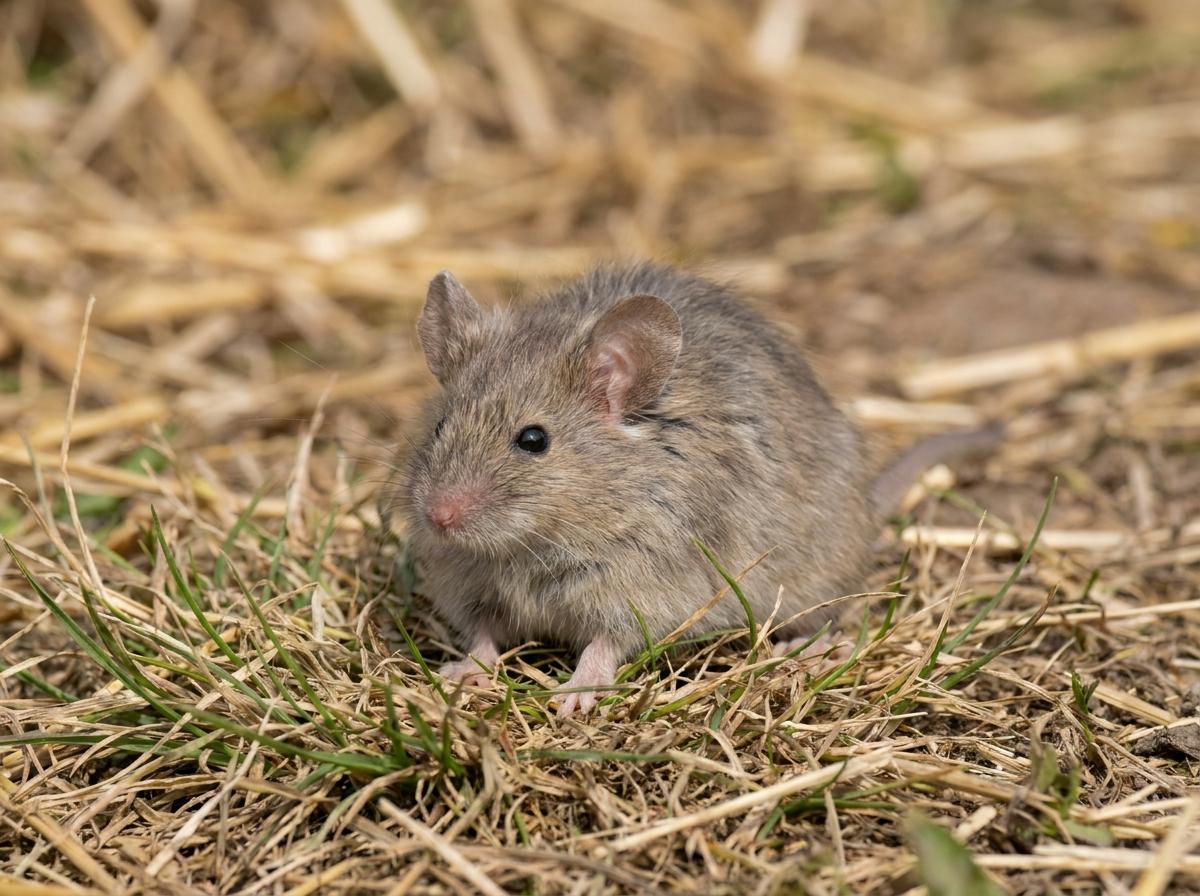
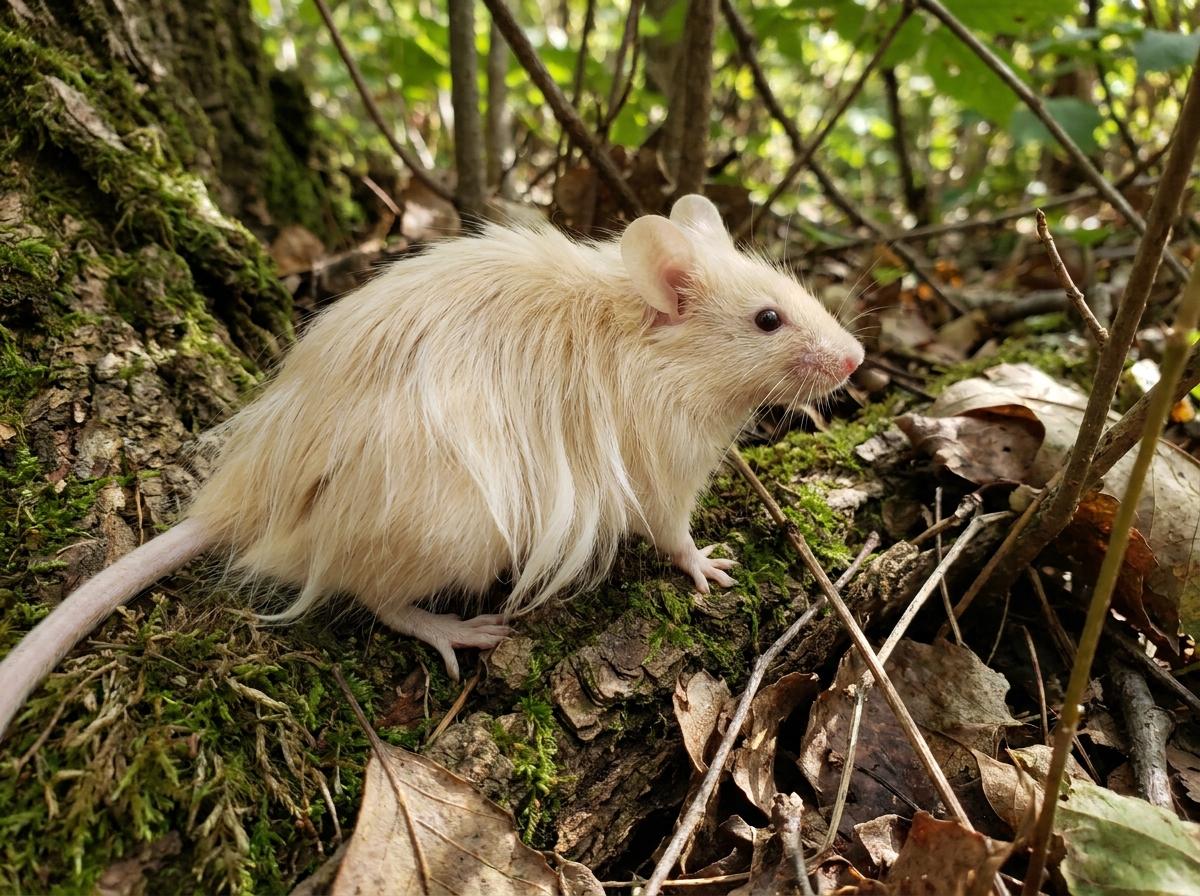
The mouse, here represented by Mus musculus, is the small house mouse that became one of the most familiar mammals in human environments. It has a pointed muzzle, large ears, quick movements, and a flexible diet that lets it live in fields, barns, homes, laboratories, and pet rooms. Domestic fancy mice come in many coat colors, markings, and hair types, while laboratory strains are selected for defined genetics and research consistency. The same species can be viewed as a companion animal, a managed research model, a feeder animal, or a pest depending on context.
Keeping mice well depends on clean group housing, secure ventilation, nesting material, chewable enrichment, and careful separation of incompatible males. Breeders watch temperament, fertility, coat traits, health, and weaning timing because mice mature quickly and litters can arrive close together. Research colonies require strict records, biosecurity, and strain identity, while pet owners usually focus on social stability, odor control, gentle handling, and escape-proof cages. Mice are small, but their management rewards close daily observation.