

Texel
Author: Elliott Garber, DVM · Published
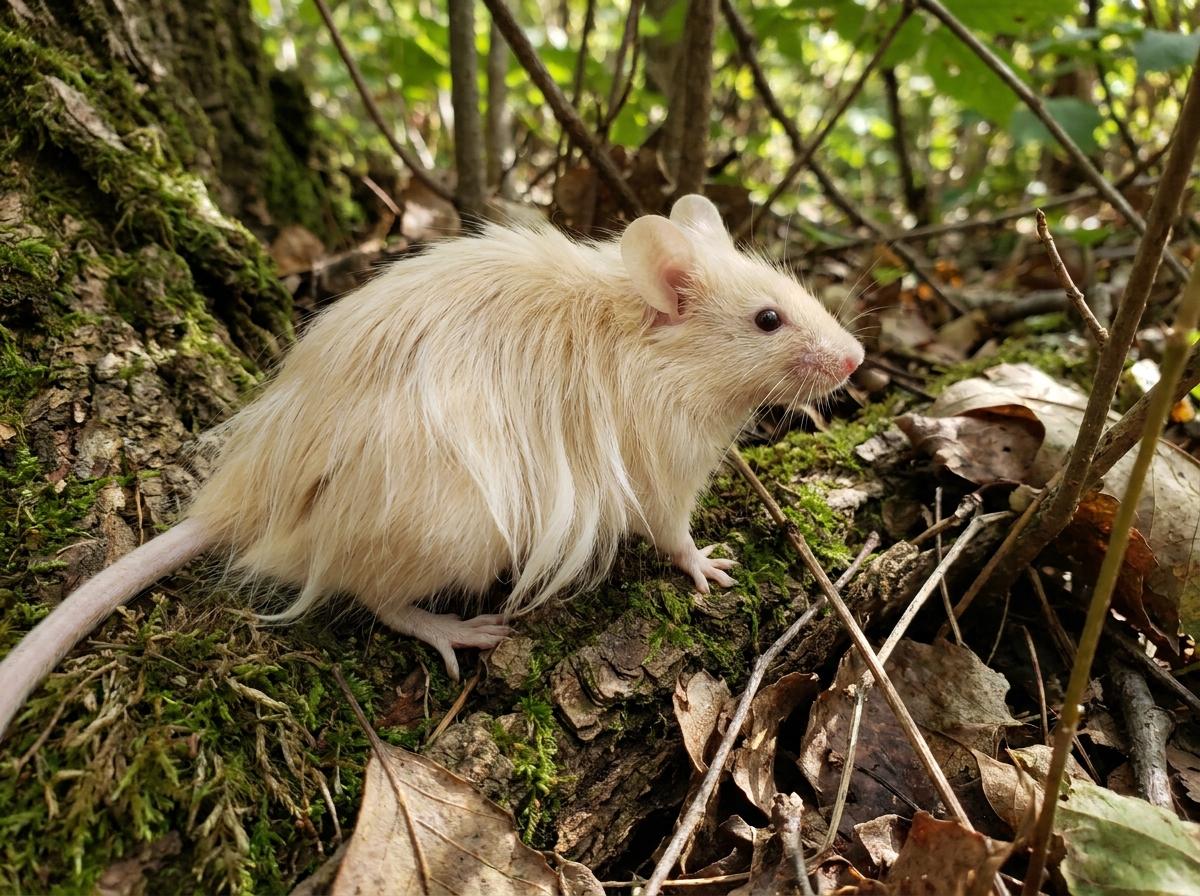
A Texel mouse is a fancy domestic mouse with a long, curly or ringleted coat and curled whiskers. It is not a Texel guinea pig, and it is not a separate mouse species. The name describes a coat variety, with details and show terminology that differ between mouse-fancy organizations. Start at the Creatures mouse hub for the species, or check Texel mouse listings if you are evaluating an individual animal.
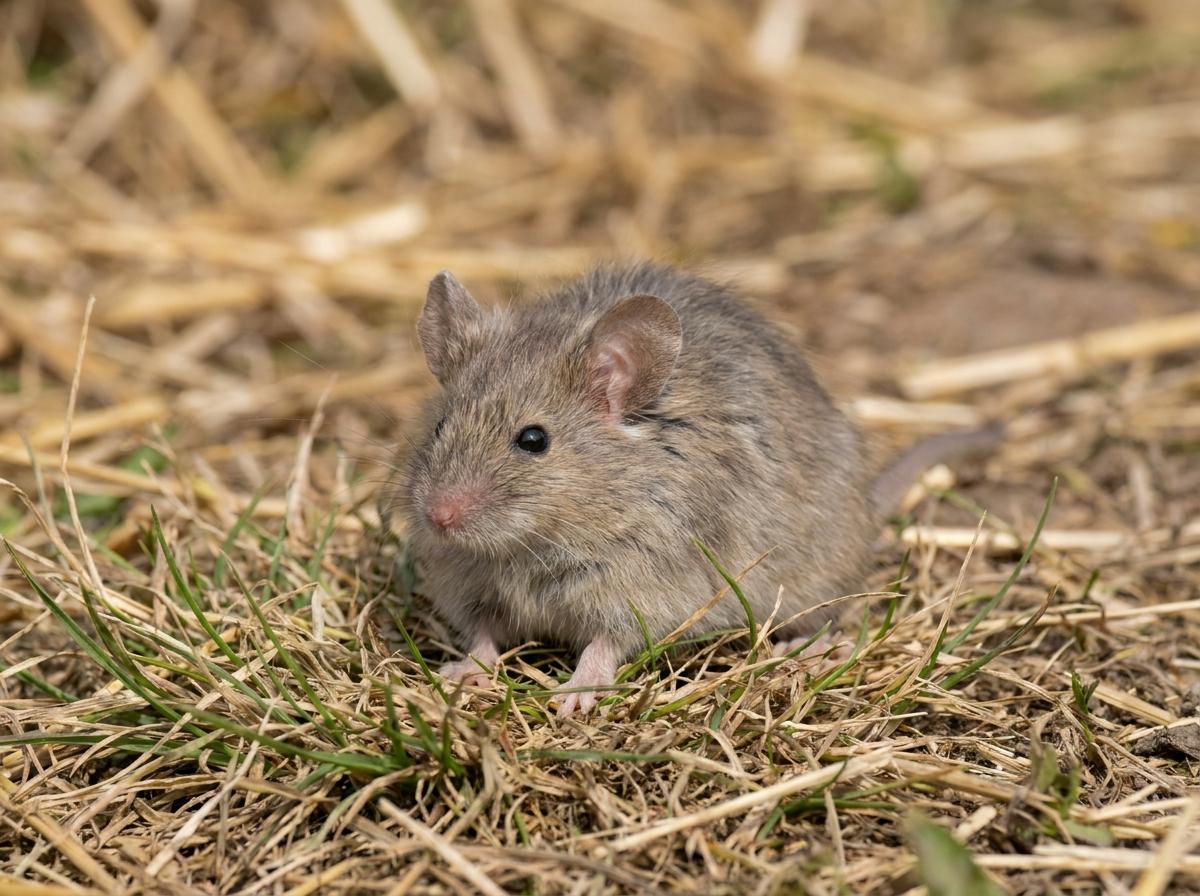
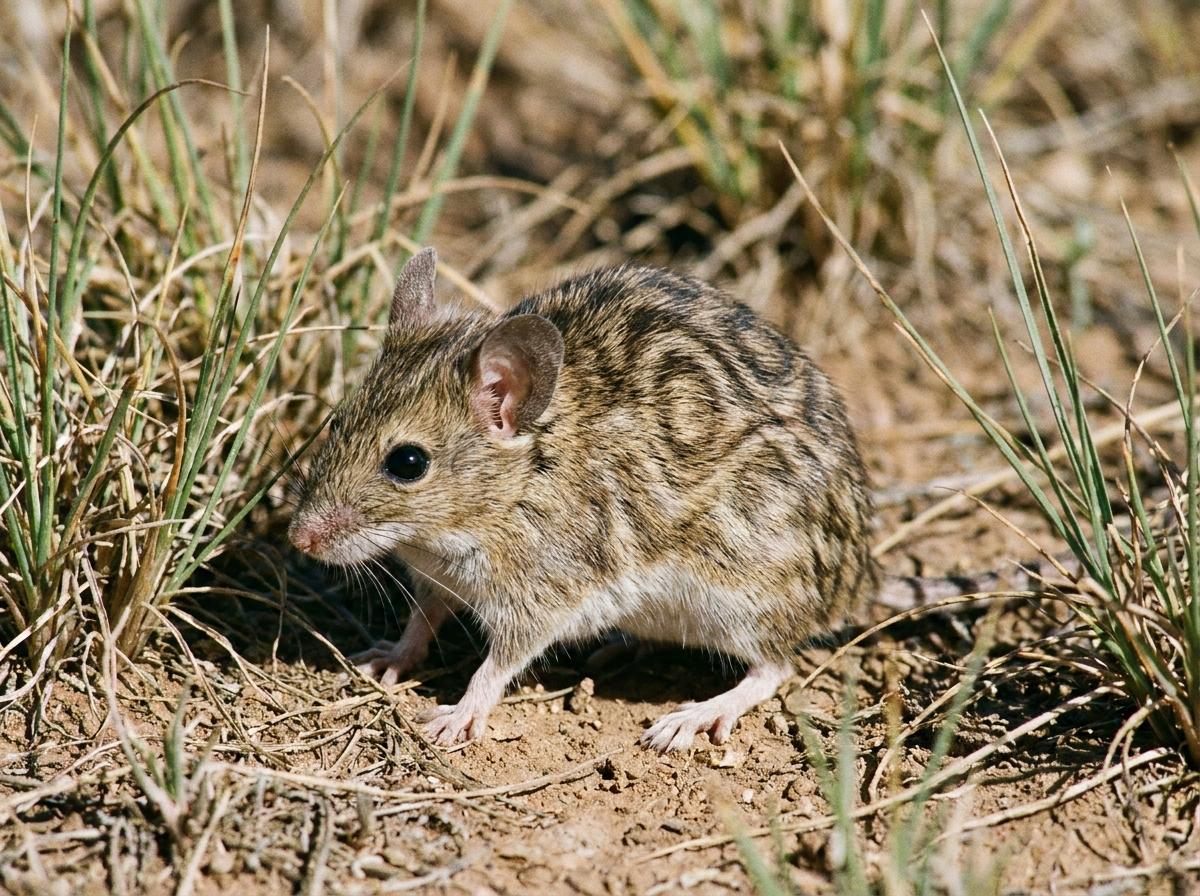
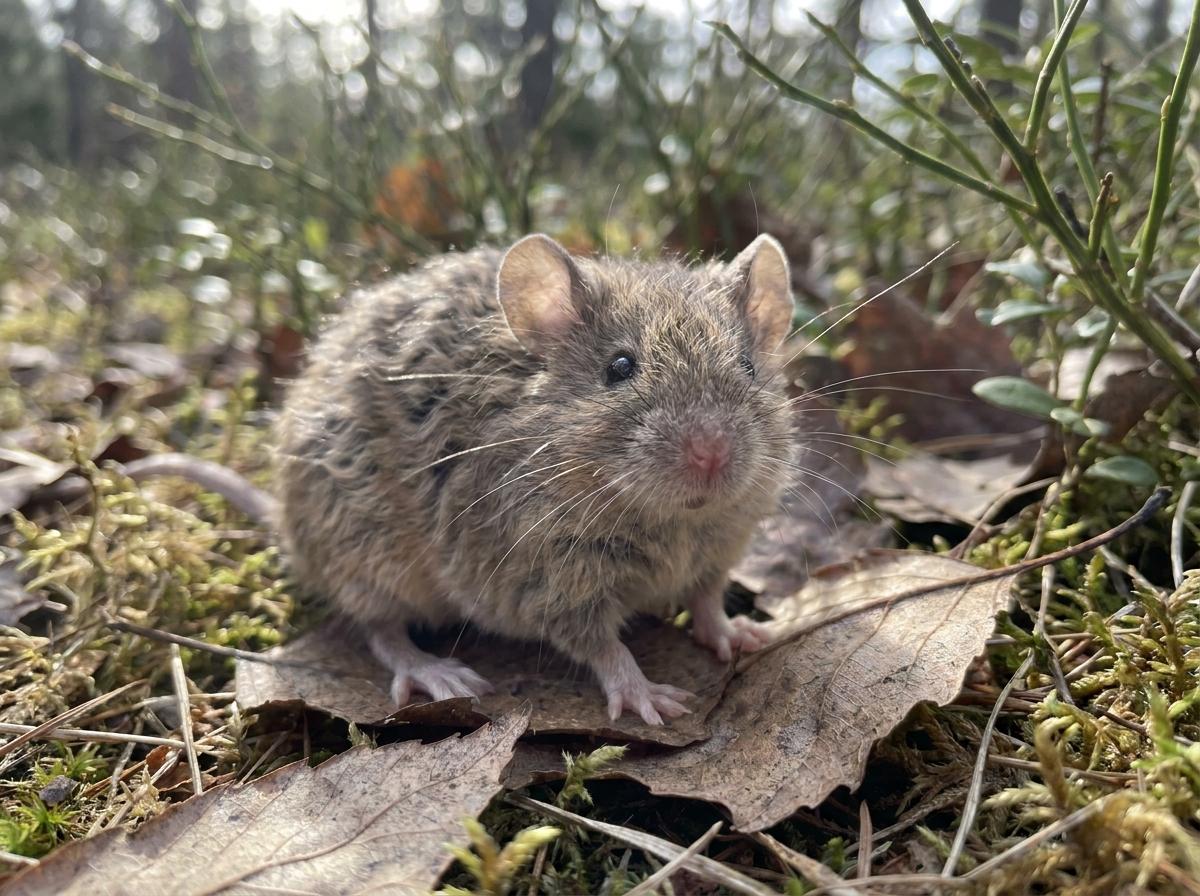
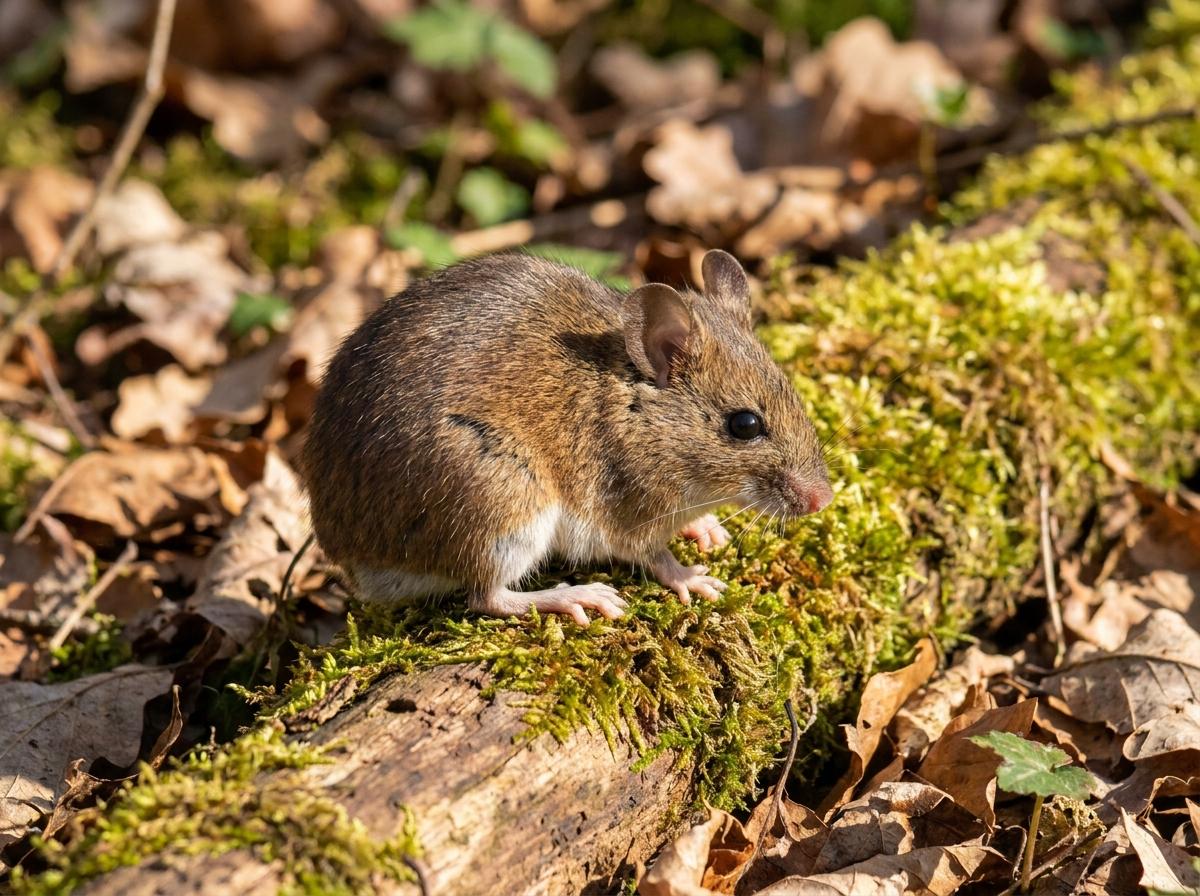
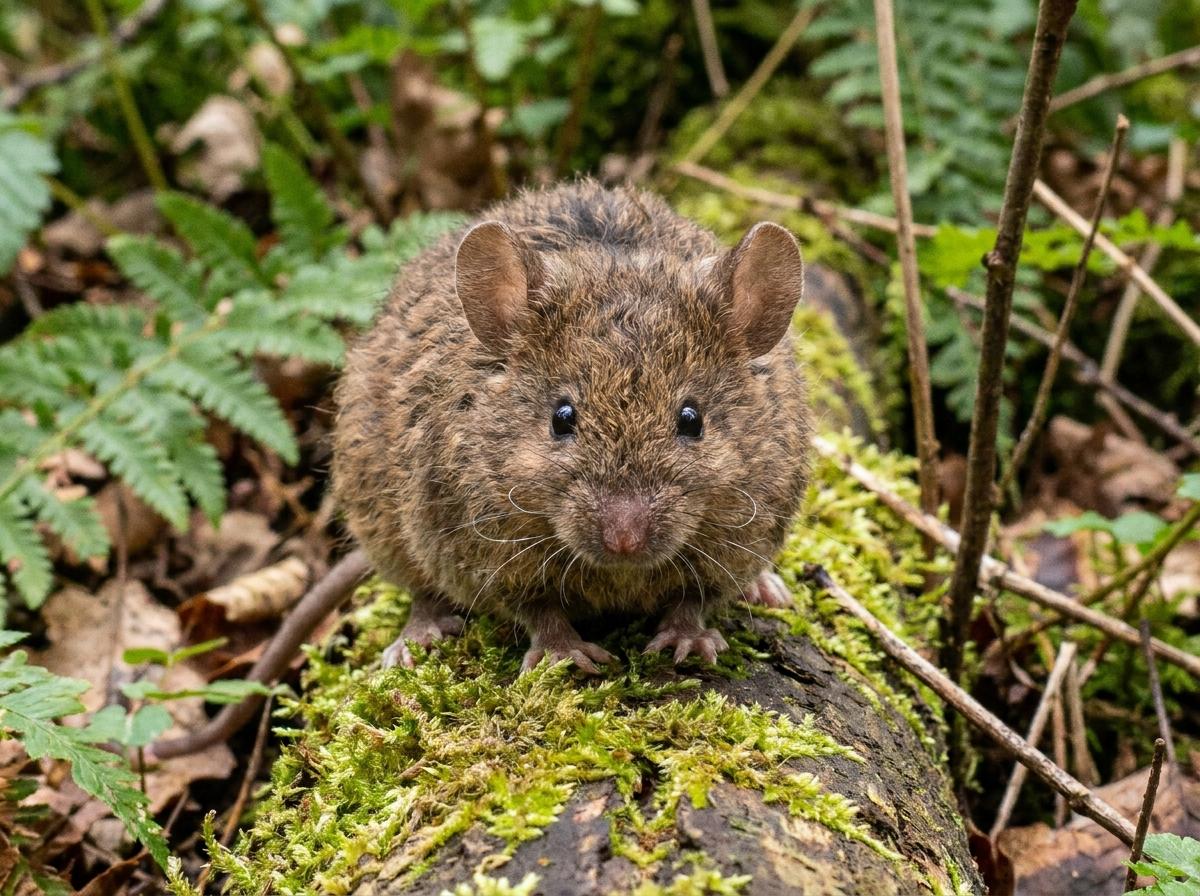
The best identity test is a mouse body under a long curly coat: pointed muzzle, prominent round ears, small paws, and a long thin mostly hairless tail. A cavy has a blunt head and no visible tail. A rat is much larger, with different proportions and a heavier tail. Search results often mix all three, so this page keeps the standard, care, links, tags, and images strictly mouse-specific.

| Animal | Domestic fancy mouse, Mus musculus |
|---|---|
| What Texel means | A long-haired curly coat variety, not a separate species |
| Coat ideal in FMBA | As long and curly as possible, with even length and curl, ringleted but fluffy, and no straight sections |
| Whiskers | Long and curled in the FMBA description |
| Color | FMBA permits any color or pattern for the Texel coat class |
| Registry variation | FMBA and QRF judge Texel by name; AFRMA uses different show labels for curly mice |
| Social housing | Compatible mice need company; grouping choices depend on sex, temperament, and veterinary advice |
| Care difference | Inspect the long curly coat and skin closely, while meeting all ordinary mouse needs |
Browse listings, public profiles, breeders, or add your animal.
A variety name, not one universal standard
Fancy-mouse terminology is organizational. The same animal can be described differently under different standards, and a seller’s label should be checked against the registry being referenced.
The Fancy Mouse Breeders Association standard gives Texel its own coat description. It calls for a coat as long and curly as possible, even in length and curl across the body, ringleted but still fluffy, with no straight sections or tufts. Whiskers should be long and curled. Any color or pattern may be shown under that coat.
The FMBA faults straight areas, long protruding guard hairs, and a skirt of longer hair around the lower body. Those are exhibition distinctions, not diagnoses. A pet mouse with an uneven curl is not unhealthy merely because it would lose points on a show bench.
Queensland Rodent Fanciers also lists Texel as a mouse variety and shows it across multiple color and marking groups. That corroborates the name in another fancy without implying the exact judging language is identical.
The American Fancy Rat and Mouse Association explains the long-haired curly mouse and the Texel name, but notes that its own show system places curly mice under Frizzie or Frizzie Satin rather than a separate Texel class. AFRMA also cautions that curly genes and coat expression differ, and curl can change as a mouse matures. The safe conclusion is simple: ask which standard the breeder means.
Texel mouse versus Texel guinea pig
They share a coat name, not a species.
The quickest distinctions are anatomical:
- Basic animal: a Texel mouse is a small domestic mouse; a Texel guinea pig is a cavy.
- Muzzle: the mouse’s is pointed and tapered; the cavy’s is broader and blunter.
- Ears: the mouse has prominent rounded mouse ears; the cavy’s ears are smaller relative to its head.
- Tail: the mouse has a long, thin, mostly hairless tail; the cavy has no visible external tail.
- Feet: the mouse has tiny mouse paws; the cavy has larger cavy feet.
- Coat name: Texel describes a long curly mouse variety here and a long curly cavy breed or variety in its own fancy.
This page’s canonical route is /species/mouse/texel, its profile actions preselect mouse, and its exact tags are mouse tags. If the animal in front of you has no tail and a cavy body, use the guinea pig species page rather than attaching it to this hub.
What the coat should look and feel like
The exhibition ideal is long, soft-looking curl distributed across the whole coat, not a short Rex wave only over the back. Ringlets should remain legible while the coat still has volume. The whiskers may curl too, a useful clue when the body coat is changing.

Black and other dark coats need side light to show texture, which is why a flat phone photograph can make a curly mouse look smooth. Photograph from the side and above, without flash in the eyes, and record the date. A juvenile coat, an adult coat, and a coat during shedding may not look identical.
Do not turn a show standard into a grooming mandate. The sources reviewed for this page do not support frequent bathing, brushing, clipping, or cosmetic products as a Texel routine. Mice normally maintain their own coats. A keeper’s job is to provide a clean environment and inspect without pulling at curls.
Coat checks without over-grooming
Use a brief hands-off look first. The eyes should be open and clean, breathing quiet, movement coordinated, and coat free of wet patches or obvious matting. When the mouse is comfortable being handled, part a small section of hair with fingertips to inspect the skin. Look especially behind the ears, at the shoulders, along the flanks, and near the tail base.
Record rather than immediately treating any change. Patchy hair loss, repeated scratching, crusts, reddened skin, wounds, a greasy or damp coat, a sudden loss of curl with poor condition, or cage-mates over-grooming one mouse all have more than one possible cause. Separate only when safety requires it or a veterinarian advises it; social isolation has its own cost.
Never use dog or cat flea products, essential oils, human dandruff products, or internet remedies on a mouse without veterinary direction. Small body size makes dosing errors dangerous, and coat length can hide skin damage until it is advanced.
Housing: the coat does not change the species
A Texel needs a good mouse habitat, not a decorative display cage. The RSPCA’s home cage for mice factsheet emphasizes solid flooring, deep suitable bedding, ventilation, shelters, gnawing material, tunnels, climbing opportunities, and environmental complexity. It warns against wire flooring and poorly ventilated aquarium-style housing.

The installed habitat image follows those principles: a solid base, deep paper bedding, a broad cork tunnel, a cardboard hide with two openings, low branches, and a large solid wheel. It is an editorial example, not a scale drawing. Choose enclosure dimensions, wheel diameter, and group setup for the actual mice, and check that no long coat or tail can catch in joins.
Practical priorities:
- Use deep, clean, low-dust bedding that supports digging and absorbs moisture. Remove wet areas promptly without stripping every familiar scent at once.
- Provide more than one hide and route through the enclosure so one mouse cannot block every resource.
- Use a solid-surface wheel large enough for the mouse to run without a sharply curved back. Avoid wire rungs and open axles that can trap feet or tails.
- Keep climbing structures low over deep bedding, because a long coat is not fall protection.
- Maintain ventilation without placing the enclosure in a draft, direct sun, or household fumes.
- Give plain paper nesting material. Avoid fluffy cotton-like fiber that can wind around limbs.
Social life and sex matter
Mice are social, but grouping advice cannot ignore sex. The RSPCA’s mouse companionship guidance recommends compatible social housing and explains that isolation can be stressful. It also notes that unfamiliar adult males can fight, so “just add a friend” is not a safe universal instruction.
Confirm sex before combining mice. Female littermates or compatible established female groups are common pet arrangements. Male housing depends on history, temperament, space, resources, and expert advice. Never mix intact males and females unless a deliberate, welfare-reviewed breeding plan is the goal.
Watch interactions rather than assuming a sleeping pile proves harmony. Chasing, squeaking, and brief disputes can occur, but repeated biting, blood, weight loss, exclusion from food or water, or one mouse hiding continuously needs prompt action and veterinary or experienced behavior guidance.
Feeding and enrichment
Texel coat quality cannot be fed in from a supplement bottle. Use a balanced mouse diet as the nutritional base and offer fresh water continuously. Treats should remain small enough that they do not displace balanced food. Sudden weight change is easier to catch with regular gram-scale measurements than by looking through a long coat.
Give the nose and hands work: scatter part of the ration through clean bedding, hide small portions in cardboard, rotate chew-safe objects, and rearrange some paths while retaining familiar nest and scent cues. Enrichment should invite mouse behavior, not force performance for a camera.
Health warning signs
There is no sound evidence that the Texel coat creates a unique disease list. General mouse problems still apply, and long hair can make weight loss, skin changes, or wounds harder to see. The Merck Veterinary Manual’s mouse disease overview covers respiratory, skin, digestive, and age-related problems and stresses veterinary diagnosis.
Seek prompt veterinary advice for labored or noisy breathing, repeated sneezing with discharge, a hunched inactive mouse, loss of appetite, rapid weight loss, diarrhea, bleeding, a wound from fighting, loss of balance, inability to use a limb, or a mass that changes quickly. Mice can deteriorate fast. A dated weight series, video of breathing taken without stressing the mouse, and notes on cage-mates and recent changes help the clinician.
Finding a Texel mouse
Current price and availability vary too much for a defensible figure. Search Texel mouse listings and the Creatures breeder directory, then ask what “Texel” means in that breeder’s program.
Useful questions:
- Which mouse-fancy standard or terminology does the breeder use?
- Can the breeder show adult relatives, not only very curly juveniles?
- Does the line’s curl persist, soften, or change with age?
- What are the parents’ ages, health histories, temperaments, and causes of death where known?
- How are babies sexed, grouped, socialized, and transferred?
- What diet and bedding is the mouse already using?
Do not buy a “Texel” whose photographs hide the tail, head, or enclosure. Ask for a current full-body image that proves the animal is a mouse and lets you assess eyes, body condition, coat, tail, and surroundings.
Frequently asked questions
Is a Texel mouse a mouse or a guinea pig?
A Texel mouse is a domestic mouse with a long curly coat and a long thin tail. A Texel guinea pig is a cavy with no visible external tail. They need separate records and species-specific care.
Is Texel a mouse breed?
It is most precisely a fancy-mouse coat variety. “Breed” is often used casually in pet listings, but mouse organizations classify varieties by coat, color, and markings rather than following dog-breed terminology.
What does the FMBA Texel standard require?
It calls for the coat to be as long and curly as possible, even in length and curl, ringleted but fluffy, with no straight sections or tufts. Whiskers should be long and curled, and any color or pattern is allowed.
Why does AFRMA call the coat something else?
AFRMA explains the Texel-type long curly mouse but shows curly mice under Frizzie or Frizzie Satin in its own system. Registry labels differ.
Do Texel mice need brushing or bathing?
The authoritative sources reviewed here do not establish routine brushing or bathing as necessary. Keep the enclosure clean, inspect coat and skin gently, and ask an exotics veterinarian about matting or skin disease.
Can Texel mice live alone?
Compatible mice generally benefit from mouse company, but sex and history matter. Unfamiliar adult males can fight. Plan grouping with a knowledgeable source and a veterinarian rather than applying one rule to every mouse.
Does the curly coat change with age?
It can. AFRMA notes that different curly genes and age can affect expression and that curl may fade. Ask to see adult relatives and maintain dated photos.
Are Texel mice rare or expensive?
No reliable current market figure was found. Availability is local and registry terminology varies, so use saved searches and assess each breeder rather than paying for a rarity slogan.
Do this next on Creatures
Find mice. Browse Texel mouse listings and search the Creatures breeder directory. See saving searches and using your watchlist.
Get alerted. Set a free Texel mouse listing alert with the species fixed to mouse.
Add your mouse. Create a free mouse profile for sex, birth date, adult coat photographs, weight, and lineage. Follow adding an animal to Creatures.
Track change. Open the record sheet as a visitor; a free account is required to save gram weights, coat and skin observations, respiratory signs, treatments, and group changes. See adding a record and health and medical records.
Represent a mousery. Create an organization profile, then use getting listed in the breeder directory.
Keep species exact. Compare on the mouse species page. Use the separate guinea pig page only for a cavy, never for the long-tailed animal described here. For another same-round fancy variety whose identity changes visibly with maturity, see the Seraphim pigeon.