Jockey Club Registration: Thoroughbred Foal Steps and 2026 Fees
Author: Elliott Garber, DVM · Published
Jockey Club registration is how a Thoroughbred foal born in the United States, Canada or Puerto Rico gets into The American Stud Book. The stallion owner reports the cover, you file a Live Foal Report within 30 days of foaling, and then you return the registration application, DNA hair sample, microchip number, four photographs and the signed service certificate, all within one year of the foaling date to pay the base fee.
Most delays come from paperwork that does not match: a service certificate that never arrived, photos that miss a marking, an address that changed. Get the names straight early. The free horse pedigree chart maker lays out the sire and dam lines before the application arrives, and the racehorse name generator helps you build a shortlist that fits the registry’s 18 character limit.
Rules and fees checked November 14, 2026 on The Jockey Club’s Interactive Registration site: the fee schedule (revised January 2026), the registration overview, the microchip and DNA sampling help pages, and the Principal Rules and Requirements of The American Stud Book.
| Registry | The Jockey Club, The American Stud Book (US, Canada, Puerto Rico) |
|---|---|
| Who qualifies | Foals of two registered Thoroughbred parents, conceived by live cover |
| Stallion report | Report of Mares Bred due August 1 of the breeding year |
| Live Foal Report | Within 30 days of foaling |
| Application needs | DNA hair sample, microchip number, four color photos, service certificate, fee |
| Base deadline | All requirements met within one year of the foaling date |
| Fee, foals of 2026 | $325 on time, rising to $2,100 after the two year old year |
| Names | 18 characters or fewer, first valid attempt free until February 1 of the two year old year |
Which foals The Jockey Club will register
The rules are short and strict. Under Rule 1 of the Principal Rules and Requirements, a foal born in the United States, Canada or Puerto Rico can be registered only if both its sire and dam are already registered in The American Stud Book. The one exception the rule names is a foal imported in utero whose dam is registered here and whose sire is registered in an approved foreign stud book.
The foal must come from a live cover. Rule 1 says that a foal produced by artificial insemination, embryo transfer, cloning or other genetic manipulation is not eligible. The rule defines a narrow exception for an aid given to the mare during that same cover, which your veterinarian and the official rules cover, and the mare who conceived must carry and deliver the foal. If you are pricing a season, our horse stud fees guide covers what a breeding contract usually includes, and the mare heat cycle guide covers timing the cover.
Both parents also need a DNA type on file. A foal is not eligible unless its sire and dam have been genetically typed, with a narrow route for a parent that died before testing. If either parent is registered but unnamed, that parent has to be named before the foal’s registration can be completed. Finally, every Thoroughbred’s official birthday is January 1 of its foaling year, which is why the fee deadlines below talk about the yearling and two year old years rather than birthdays.
The registration process, step by step
The registration overview splits the job between the stallion owner and the mare owner. Here is the order things happen in.
- Report of Mares Bred. The stallion owner or lessee reports every mare bred to the stallion, with her last cover date, no later than August 1 of the breeding year. The registry then issues service certificates for each reported mare. A late report delays those certificates.
- Service certificate. The stallion owner signs the certificate and either sends it to the breeder or releases it electronically. Without a valid service certificate, the foal cannot be registered, so ask about it when you pay the stud fee balance rather than at application time.
- Live Foal Report within 30 days. The mare owner, breeder or authorized agent reports the foaling date, the foal’s sex and the state or Canadian province of birth. This is also where the breeder and the mailing address for the certificate are set. If the mare did not produce a live foal, a No Foal Report goes in instead, within 30 days of the projected birth. Mares that were not bred are reported in January.
- Kit and application arrive. About three to four months after the reported foaling date, The Jockey Club mails a preprinted Registration Application, a genetic typing kit and, for foals born in 2017 or later, a microchip. If nothing has arrived within 180 days of foaling, the rules say to contact the registry right away.
- Sample, chip, photos and paperwork. Use the kit within 45 days of receiving it. Return the completed application with four color photos, the microchip number, the service certificate and the fee. For foals born in 2018 or later, the application also names the initial Digital Certificate Manager.
- Certificate. Once every requirement is met, the overview says a Certificate of Foal Registration usually issues in about four weeks. Corrections are free for six months from issue.
The Live Foal Report is the step people miss because it lands in the busiest weeks of foaling. Plan it with the due date: the free horse gestation calculator projects a foaling window from the cover date, and the foaling guide covers labor signs and when to call your veterinarian.
Photos, markings, microchip and the DNA sample
Identification is where applications stall. The overview lists the most common reasons for delay as wrong addresses, missing or partial fees, a missing service certificate, and photos that are too dark or fail to show every distinguishing marking.
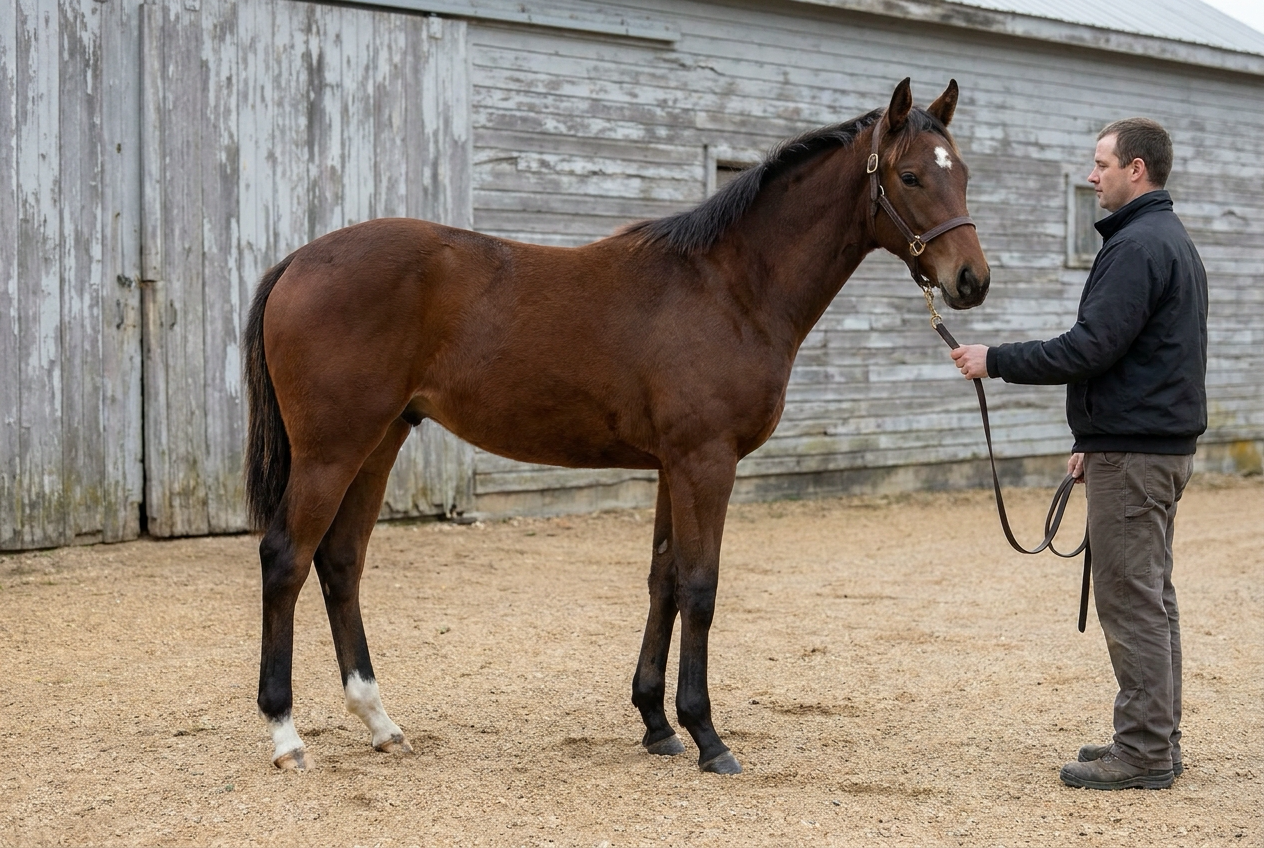
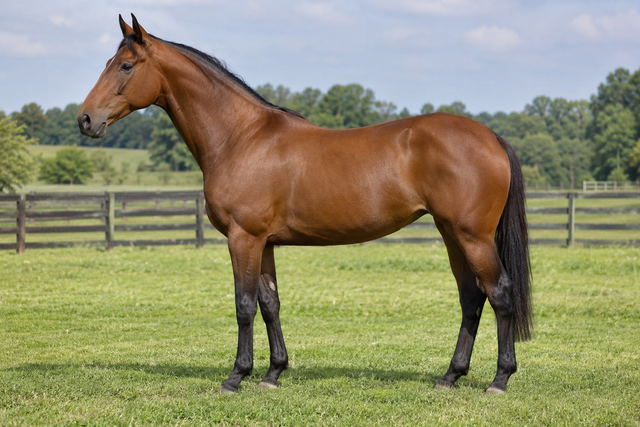
Photos. Take four color photographs: front, rear and both sides, with the foal standing so the legs and head markings are clear. A horse with no white markings also needs a close-up of the face showing its cowlicks (hair whorls), and the overview asks for face and night-eye photographs for grays and no-white foals. Describe every marking on the application exactly as it appears in the photos, because those markings identify the horse for life. If you want to predict a foal’s color before it arrives, the horse coat color calculator works from the parents; once the foal is on the ground, register what you see, and remember that a gray horse keeps lightening with age.
Microchip. Microchips are a registration requirement for foals of 2017 and later, and a chip comes free in the registration kit. The Jockey Club’s microchip FAQ recommends implantation by a veterinarian or under a veterinarian’s supervision, so arrange it with your vet, ideally at the same visit as the hair sample and photos, and record the chip number on the application. A chip number is not linked to a horse until it is reported.
DNA hair sample. The DNA sampling guide asks for about 50 mane hairs pulled from the base of the neck so the roots come with them. Do not cut the hair; the roots carry the genetic material. Sample a dry mane, follow the folding steps on the kit, and mail it straight to the laboratory. The registration fee covers genetic typing and parentage verification. If the foal does not qualify as an offspring of the reported sire and dam, more testing may be required, and the rules put the responsibility for resolving parentage on the applicant.
Jockey Club registration fees for 2026
The fee schedule (US dollars, revised January 2026) prices registration by when every requirement is complete, not by when you start.
| Foals of 2026, within one year | $325 |
|---|---|
| Foals of 2025, within one year | $265 |
| By December 31 of yearling year | $600 |
| By December 31 of two year old year | $860 |
| After December 31 of two year old year | $2,100 |
| DNA kit used, foal not registered | $100 |
| Restart of DNA typing | $100 |
| Express processing | $250 next business day; $150 two or three business days |
The registration fee also covers genetic typing, parentage verification, corrections in the first six months, and every valid naming attempt made by February 1 of the two year old year. The rule book adds later transfers of ownership. Other listed charges include a $100 correction after six months, a $200 duplicate certificate, and a per-mare Report of Mares Bred fee that the stallion owner pays ($50 per mare for the 2026 season). The schedule notes that a portion of registry transactions goes to Thoroughbred aftercare. Fees change, so check the live schedule before you budget a crop.
Naming a Thoroughbred
Many Thoroughbreds are registered without a name, which lets a buyer choose one. A name can be claimed on the application, on a name claiming form, or through Interactive Registration, listed in order of preference. Rule 6 sets the limits; the most common reasons a name is refused are these:
- More than 18 characters, with spaces and punctuation counted.
- All initials, all numbers (numbers above 30 can be spelled out), or ending in a numeral such as “2nd”.
- Ending in a horse word such as “colt”, “filly”, “mare” or “stallion”.
- A name active in racing or breeding, a grade one stakes winner from the past 50 years, or a permanent name such as a Kentucky Derby winner or Horse of the Year.
- A living person’s name without written permission, the name of a racetrack or graded stakes race, or anything the registrar judges offensive or commercially significant.
- A name already used by a horse from the same sire or the same dam, or one that appears in the foal’s own first five generations.
Coined names need an explanation, and foreign words need an English translation. Naming is free until February 1 of the two year old year as long as a valid attempt is made by then; a first attempt after that costs $130. A name can be reserved for one year for $120, and changed for $150 before the horse’s first start, provided it has not been used for breeding. After a first start or breeding use, a change needs good cause.
Use the racehorse name generator to brainstorm, then check every candidate in The Jockey Club’s Online Names Book on the registry site. A generated idea is a starting point: none is checked for availability or approved by the registry until The Jockey Club assigns it.
A worked example: a foal born April 10, 2026
Say a bay colt arrives on April 10, 2026, by a stallion whose owner filed the Report of Mares Bred last summer.
- By May 10, 2026: file the Live Foal Report, about 30 days after foaling.
- Around July or August 2026: the application, DNA kit and microchip arrive, roughly three to four months after the reported date. If nothing has come by early October, about 180 days on, call the registry.
- Within 45 days of the kit arriving: chip, pull the hair sample, photograph and send it all, with the service certificate and fee.
- By April 10, 2027: every requirement complete for the $325 rate. Miss it and the colt moves to $600 if finished by December 31, 2027, his yearling year.
- By February 1, 2028: a valid first naming attempt for no extra charge.
Transfers, sales and the certificate
Registration and ownership are separate records. A sale is reported on a Transfer of Ownership form or through Interactive Registration, and the registry also accepts ownership information from recognized racetracks and sales companies. For foals born in 2018 or later, the registration application names a Digital Certificate Manager, who manages the horse’s digital certificate. Rule 7 advises buyers not to complete a purchase until the previous owner has transferred the certificate or assigned it as Certificate Manager, and to compare the certificate’s description with the horse before paying.
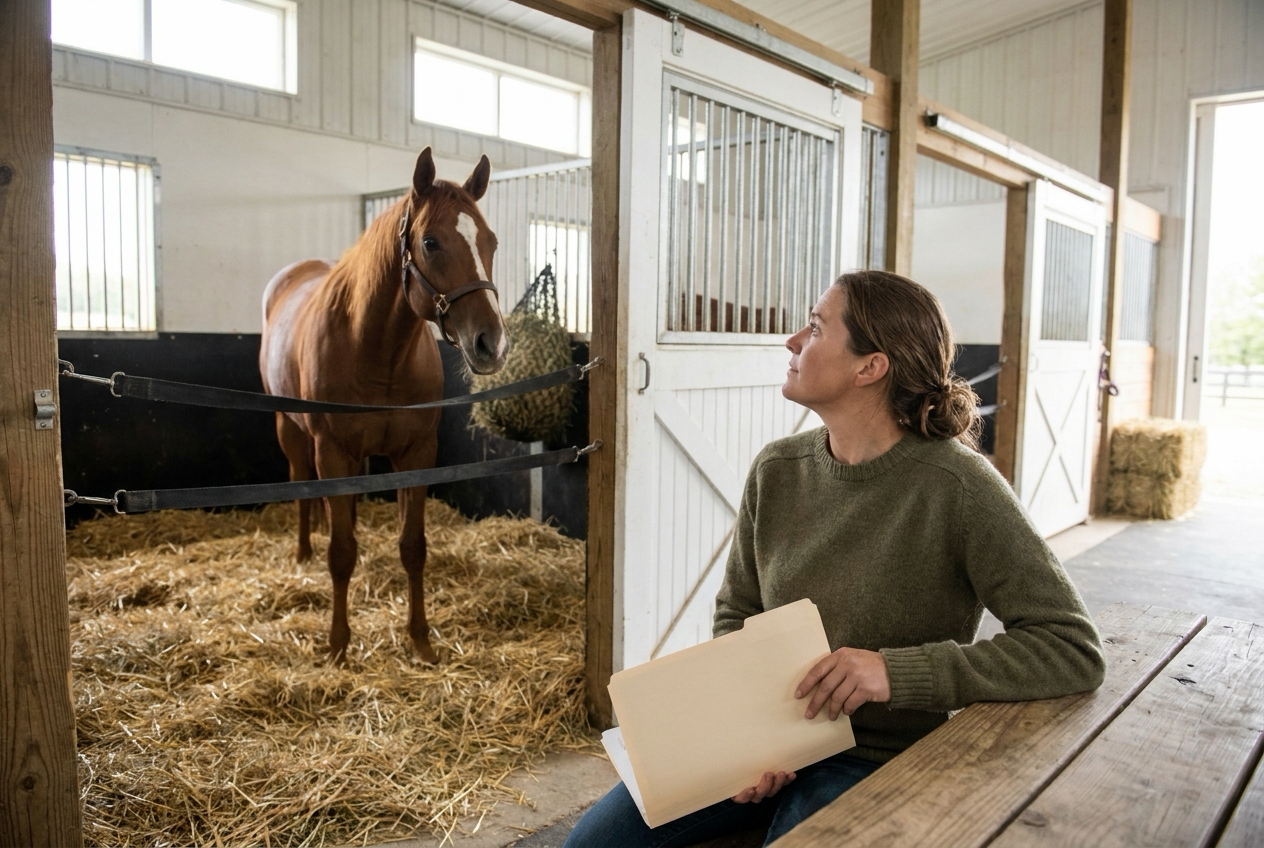
Before you buy, match the horse to the paper: markings, microchip and, on older horses, the lip tattoo. Our guide to checking horse pedigree papers walks through that match, the horse bill of sale guide covers the sale document itself, and where to buy a horse covers the pre-purchase exam. For the breed itself, retraining and buyer questions, see the Thoroughbred breed guide.
Keeping your Thoroughbred’s paperwork on Creatures
Creatures is where you keep the working records around the registry paperwork. Adding a record never registers a foal, files a report, or replaces a Jockey Club certificate; you still submit every report and application to The Jockey Club.
- The horse’s profile and registration. Add the mare, stallion or foal as a horse profile, then add a Registration record. The Jockey Club is in the registry picker; enter the registered name, registration number, a link and notes. The identity records guide shows where these live.
- Identifiers. Each profile’s identity section takes a microchip number and a tattoo alongside other IDs, so the number you put on the application and the number in the horse’s history match.
- The cover. A Breeding and Reproduction record with the category Natural Mating holds the sire (picked from Creatures or typed in), the service dates and an option to track the due date and reminders. Projected foaling dates then show on your Breeding dashboard. The recording a breeding guide walks through it.
- The foal. Record the birth from the mare’s breeding and Creatures creates the foal’s profile linked to its dam and sire; the births and litters guide explains how. Note the foaling date there and you have the start of your 30 day and one year clocks in one place.
- Pedigree. Each profile has a pedigree view built from the parents you record, with PDF and PNG export; the pedigree and lineage guide covers it.
- Existing papers. Signed in with a free account, you can bring PDFs and photos of certificates into Import and check the proposed names, IDs and parents before anything saves.
Breeding more than one registry? The sister guides to AQHA registration and APHA registration cover those associations, which set their own breeding and paperwork rules. The horse species page links every horse guide we publish.
Questions breeders ask
Can a foal conceived by artificial insemination be registered with The Jockey Club?
No. Rule 1 makes foals produced by artificial insemination, embryo transfer or cloning ineligible. The only allowance is a narrow aid given during that same live cover, as the rule defines it, so the foal must still come from a live cover.
What happens if I miss the one year deadline?
The foal can still be registered late if every requirement is completed and the late fee is paid: $600 by December 31 of the yearling year, $860 by December 31 of the two year old year, and $2,100 after that, per the January 2026 schedule.
Do I have to name the foal to register it?
No. Many Thoroughbreds are registered unnamed. Naming stays free for valid attempts made by February 1 of the two year old year, which leaves room for a buyer to choose the name.
What is a Racing Permit?
Under Rule 3, The Jockey Club may issue a Racing Permit, for good cause, to a horse whose dam qualified on parentage but whose sire did not. It is an identification document only: the horse is not entered in The American Stud Book and cannot be used as a Thoroughbred for breeding.
Does saving the registration number on Creatures register my horse?
No. A Registration record stores what The Jockey Club issued. Registration, naming and transfers happen only through The Jockey Club.
Do this next on Creatures
Start with the mare carrying this year’s foal, or the foal you need to register, and keep the dates that drive the registry clock with that horse.
- Add your Thoroughbred’s profile with its registered name and microchip. This has a guest signup path; the adding an animal guide walks through the form.
- Add a registration or breeding record for the cover, the foaling or the certificate. The form opens for visitors; a free account is needed to save. The adding a record guide explains each type.
- Create your farm profile so buyers can find your program. The breeder directory guide explains the listing.
- Save a Thoroughbred listing alert and hear when a new horse is listed.
- Browse Thoroughbreds for sale and ask each seller for the certificate status before you pay.
- Browse the breeder directory to contact farms about their horses and paperwork.