

Black Star
Author: Elliott Garber, DVM · Published
A Black Star chicken is a black sex-link hybrid selected for practical brown-egg production, not a standardized breed that reproduces true generation after generation. The useful feature is visible sex difference at hatch when the correct barred female and non-barred male parent lines are crossed. That advantage belongs to the cross, not to every black chick and not to offspring produced by mating two Black Stars. Compare flock options on the Creatures chicken hub, and use the breeder directory to ask a seller exactly which parent lines produced the chicks.

| Identity | Commercial black sex-link hybrid label, not a standardized breed |
|---|---|
| Common cross | Barred Plymouth Rock hen with Rhode Island Red or New Hampshire rooster |
| Hatch clue | Male chicks carry a pale head spot, female chicks lack it in the intended cross |
| Adult hens | Usually black with variable red or copper leakage |
| Eggs | Brown shells, high production potential that varies by line and management |
| Breeding result | Black Star offspring do not reliably recreate the parent hybrid or hatch-sexing pattern |
| Best use | Backyard keeper who prioritizes pullet selection and eggs over a closed breed standard |
Browse listings, public profiles, breeders, or add your animal.
What does Black Star mean?
Black Star is one trade name used for a black sex-link chicken. You may also see black sex-link or Rock Red. The label usually points to the same genetic idea, but commercial suppliers can use different selected parent strains. Ask about the actual cross rather than treating every catalog name as interchangeable.
The Mississippi State University Extension guide describes Black Stars as the offspring of a Rhode Island Red or New Hampshire rooster and a Barred Rock hen. The national Cooperative Extension poultry resource gives the same common pairing and explains that the direction matters.
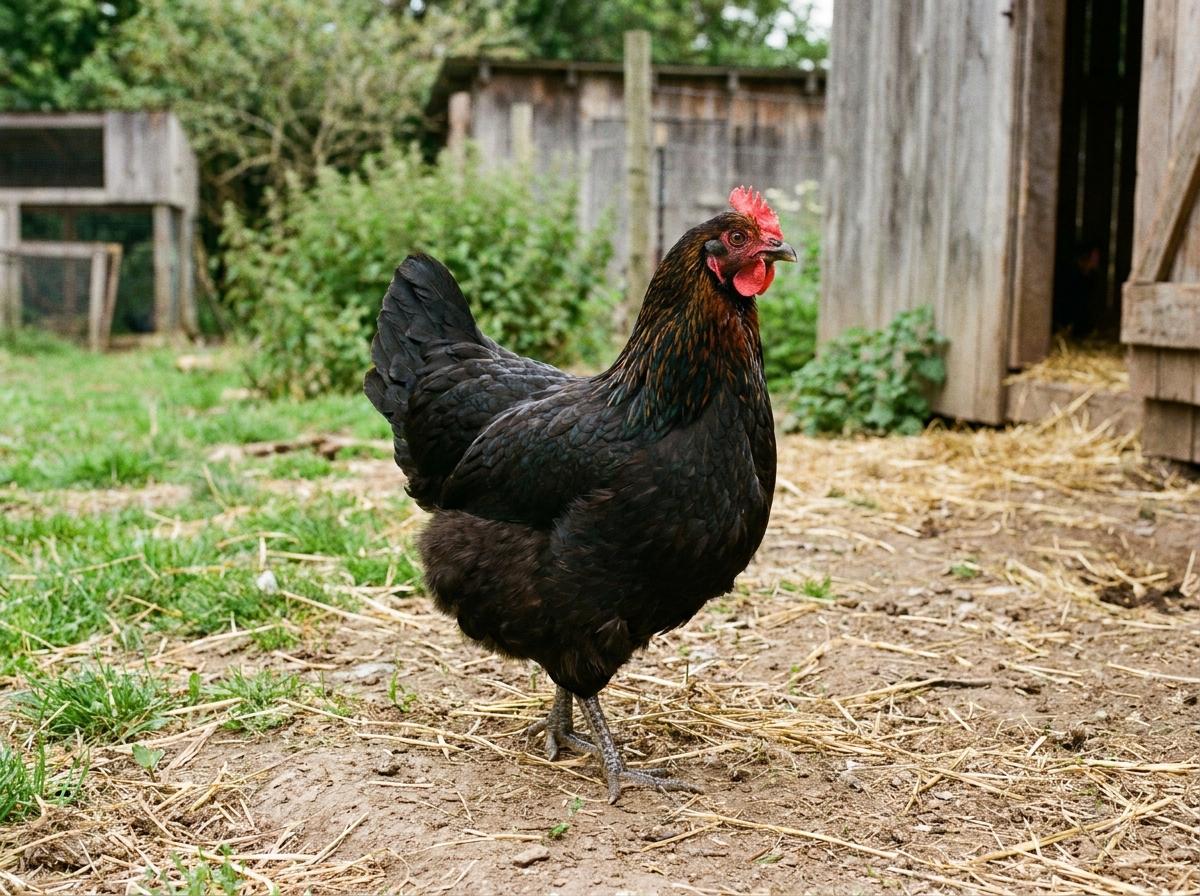
Because the product is a first-generation cross, there is no single Black Star breed standard for exact weight, comb points, shade, or exhibition faults. Hens are typically predominantly black, often with red or copper in the neck and breast, while details vary with the parent lines. That variation is expected, not evidence that one correctly sourced hen is fake.
How black sex-link genetics works
Birds use Z and W sex chromosomes. Hens are ZW and roosters are ZZ, which means the female parent determines which sex chromosome an offspring receives. The barring gene used in this cross sits on the Z chromosome.
The Extension explanation of sex-linked traits is precise about the recipe: mate a barred hen with a non-barred rooster. Sons inherit the hen’s barred Z chromosome and show a pale head spot in dark chick down. Daughters receive her W chromosome and the father’s non-barred Z, so they do not show the male head spot and mature non-barred, commonly black with red.
Reverse the parents and the shortcut no longer works the same way. Mate the hybrid offspring to each other and genes recombine, so the next generation will not reliably match the Black Star look, production package, or hatch-sexing pattern. This is why Black Star is a hybrid product rather than a true-breeding breed.
Hatch color is a production tool, not a universal law for any black chick. Seller accuracy still depends on known parent lines, correct matings, and careful chick identification.
Appearance and normal variation
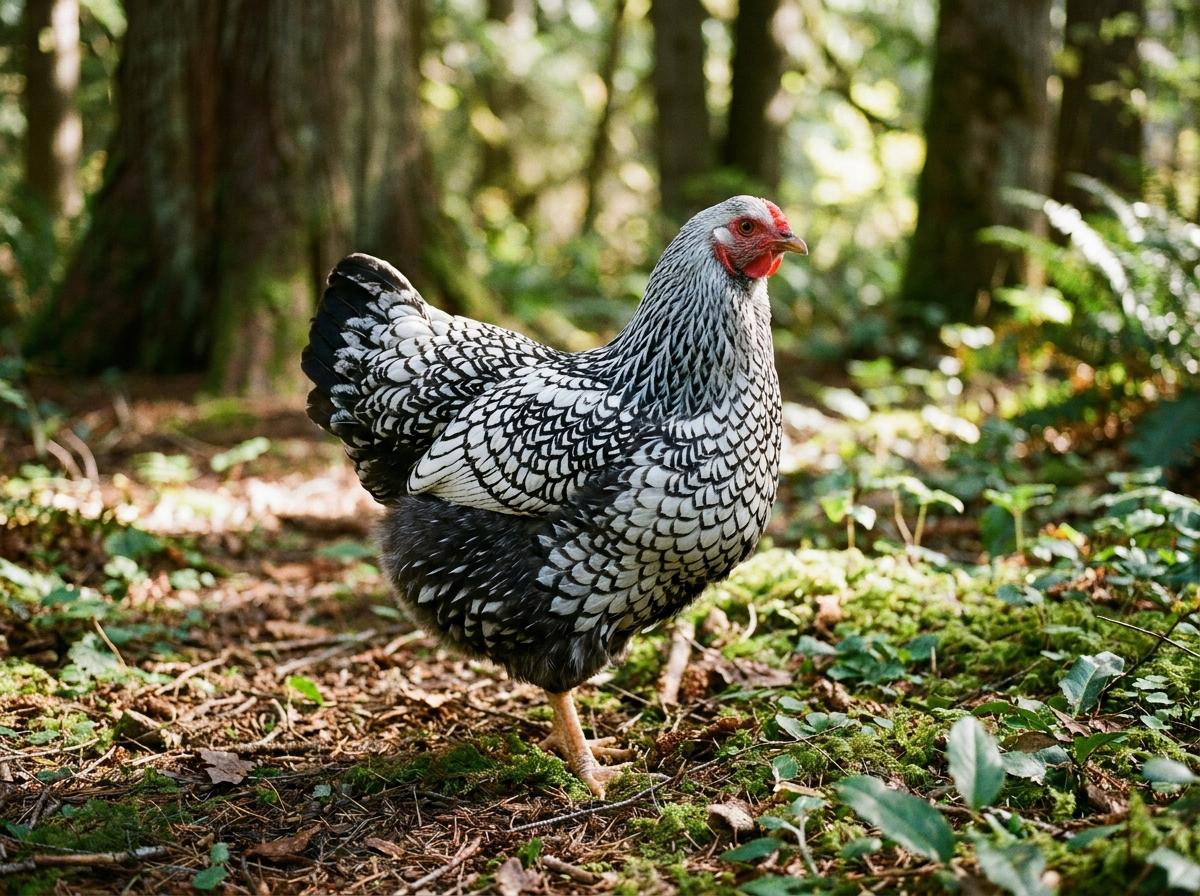
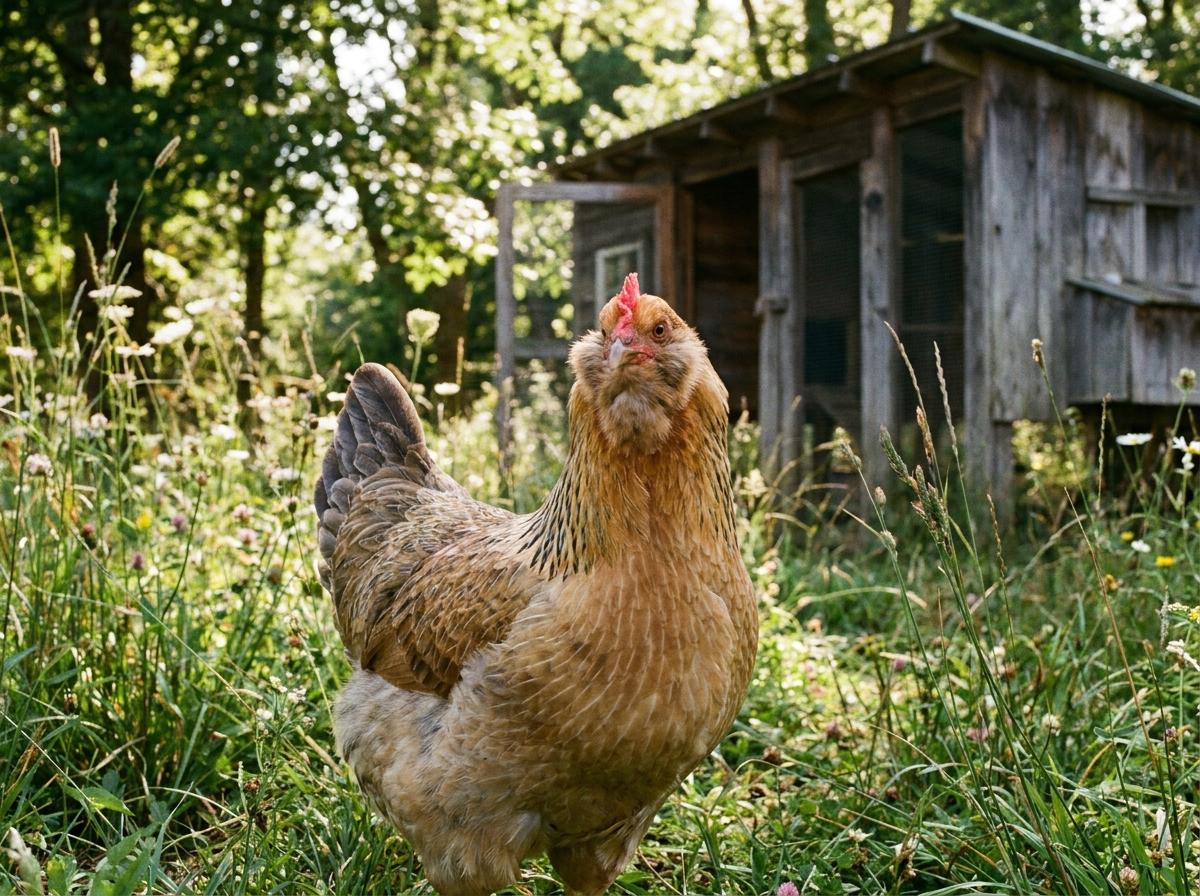
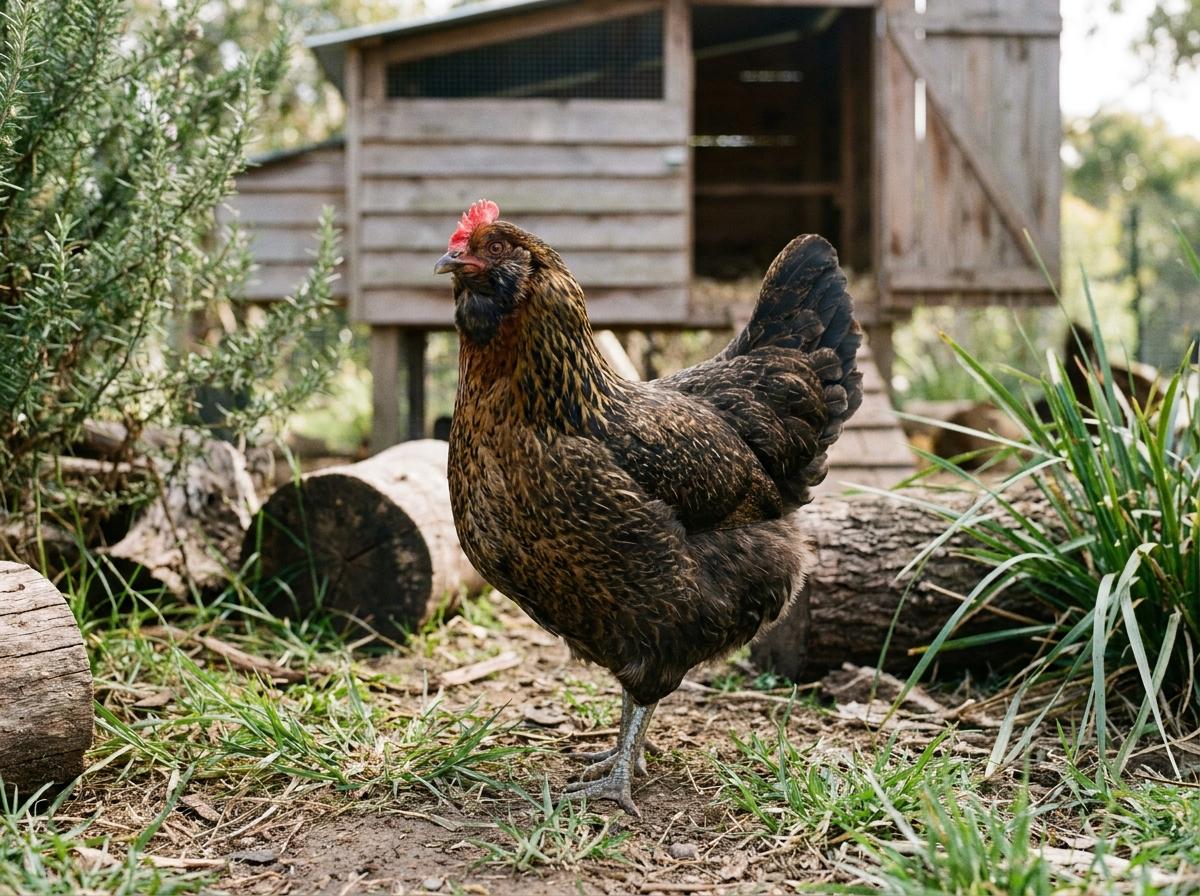
Most adult Black Star hens are black with some red, copper, or gold leakage around the hackles and upper breast. A green sheen can appear where black feathers reflect light. Single red combs and clean legs are common because of the parent breeds, but the hybrid label does not create an independent show standard.

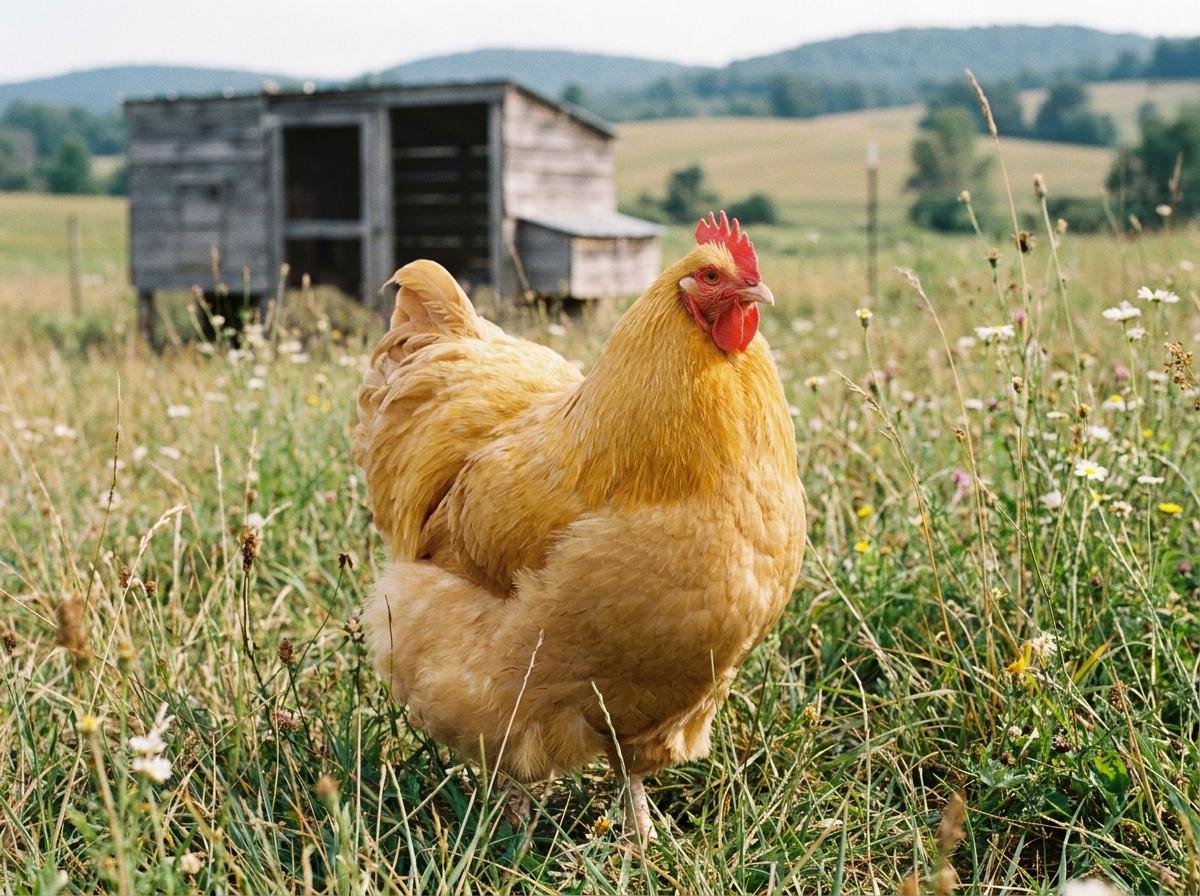
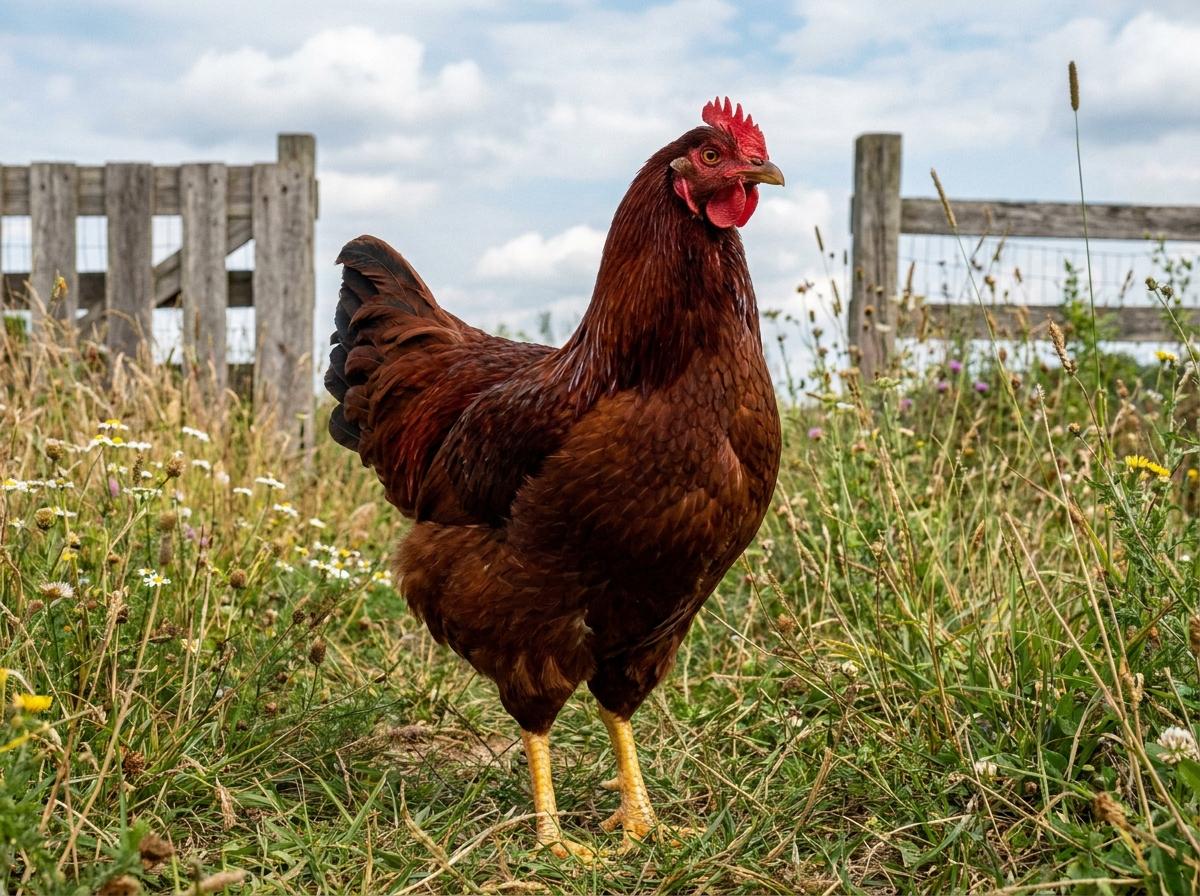
The three hens in the image intentionally differ. One has a gold-flecked neck, one has a broad copper neck and upper breast, and one is nearly solid black. That is a more honest visual than presenting one color pattern as mandatory.
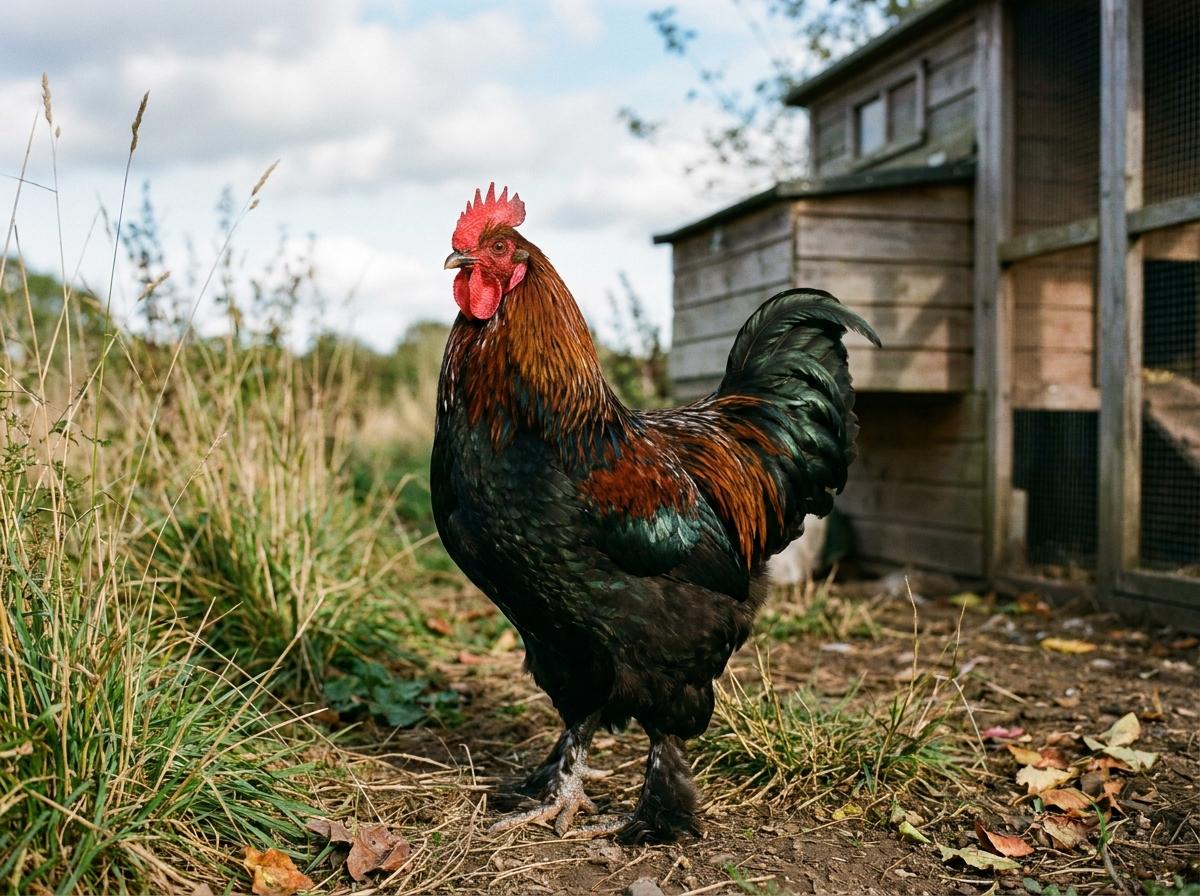
Adult males from the common cross are barred rather than solid black. A seller advertising a mixed flock should be able to explain why the cockerels and pullets look different and should not promise that breeding those adults together produces another uniform batch of Black Stars.
Eggs and production expectations
Black sex-links are selected as productive brown-egg layers. Mississippi State Extension groups sex-links among excellent laying choices and says many can reach high annual output. That does not justify promising a fixed number for every Black Star. Strain, age, season, feed, light, heat stress, disease, parasites, molt, and individual biology all change the result.
Expect the strongest laying period early in adult life, followed by changes with age and molt. Track each hen rather than judging the flock only by a shared nest-box total. A simple daily record can show whether one bird stopped abruptly while the others remained steady.
Feed a complete ration matched to age and laying status. University of Minnesota Extension advises monitoring each hen’s normal production and consumption and providing an appropriate laying diet. Treat kitchen scraps as extras, not as the base ration that dilutes protein, vitamins, or minerals.
Housing and flock care
Good hybrid genetics cannot compensate for a damp, crowded coop. Provide dry bedding, clean water, ventilation without a direct draft at roost level, secure night housing, sufficient feeder space, and a plan for heat, cold, and predators in your climate.

The pictured coop has a solid straw-covered floor, an open nest box, daylight, and a waterer. It does not show a complete facility plan. Your flock also needs safe roosts, enough total space, secure latches, outdoor opportunity suited to local risk, and routine manure management.
Know what normal looks like for each hen. Appetite, posture, comb color, droppings, breathing, gait, body weight, shell quality, and laying pattern can change before a bird looks dramatically ill. Isolate a sick bird when advised and contact a poultry veterinarian or diagnostic service for sudden illness, neurologic signs, respiratory spread, unexplained deaths, or a sharp flock-wide production drop.
Buying chicks or pullets
Start with the purpose. If you want a practical group of known pullets and brown eggs, a black sex-link can be a strong fit. If you want to preserve a closed population, show to a published standard, or hatch replacements that reproduce the same phenotype, choose a true-breeding breed instead.
Ask the seller:
- Which barred female line and which non-barred male line made this hatch?
- Was sex assigned from the intended head-spot cross, vent sexing, or another method?
- What vaccinations were given at the hatchery, on what date, and with what documentation?
- What are the current feed, brooder temperature, age, and transition instructions?
- Is the bird a day-old chick, started pullet, point-of-lay pullet, or laying hen?
- What happens if the seller’s sex identification proves wrong?
Do not buy solely from a promised egg total or from the word “breed.” A clear supplier will call the bird a hybrid and explain both its advantages and limits.
For a standardized barred parent breed, see the Plymouth Rock hub. For a very different regional chicken research challenge in this round, read the Banaba chicken page. These are not interchangeable birds.
Frequently asked questions
Is a Black Star a breed?
No. It is a black sex-link hybrid label. The common cross uses a Barred Plymouth Rock hen and a Rhode Island Red or New Hampshire rooster.
Can Black Star chicks be sexed at hatch?
In the intended cross, male chicks have a pale head spot while female chicks do not. The result depends on parent sex and genetics, so it should not be generalized to unrelated black chicks.
What color eggs do Black Star hens lay?
Brown. Shade and production vary by line, age, season, health, nutrition, and management.
Can I breed two Black Stars to make more Black Stars?
You can hatch offspring, but they will not reliably recreate the first-generation hybrid or its hatch-sexing pattern. Reproducing the product requires the correct parent lines in the correct direction.
Are all Black Star hens identical?
No. Black with varying copper or red leakage is common, but parent strains and selection differ. There is no independent Black Star show standard requiring one exact pattern.
Do this next on Creatures
Use Creatures to document the cross you bought, follow individual hens, and keep flock decisions tied to records.
Find pullets. Browse the Black Star marketplace filter or save a Black Star alert. See saving searches and using your watchlist.
Research a source. Use the Creatures breeder directory, then ask for the parent cross, vaccination record, hatch date, and sexing terms.
Identify each hen. Create a Black Star profile, with no account needed to begin. Follow adding an animal to Creatures.
Track eggs and health. Open the record sheet. Visitors can explore it, and a free account saves entries. Read adding a record and health and medical records.
Represent your flock. Create a poultry organization profile, with no account needed to start.