Aseel
Author: Elliott Garber, DVM · Published
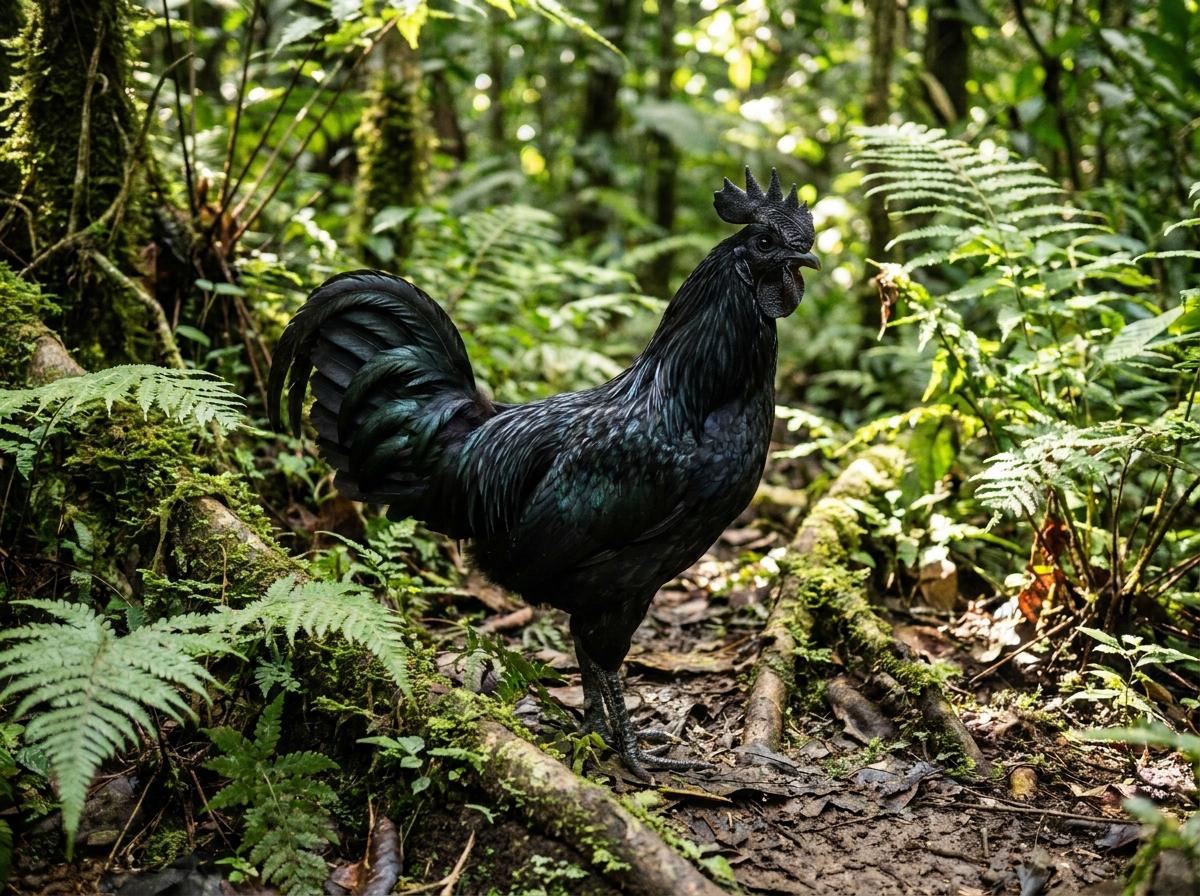
The Aseel, also spelled Asil, is an indigenous chicken of the Indian subcontinent with a muscular, upright gamefowl type. Its historical association with fighting is real, but modern ownership should center on humane housing and safe flock management. The chicken breed index helps compare birds selected for very different jobs, including regular egg production.

| Origin | Indian subcontinent |
|---|---|
| Source | Listed by ICAR NBAGR |
| Type | Upright, muscular gamefowl |
| Management | Plan compatible groups and safe separate housing |
| Buyer focus | Healthy stock, lineage and welfare-minded setup |
Browse listings, public profiles, breeders, or add your animal.
What the sources establish
India’s ICAR National Bureau of Animal Genetic Resources lists Aseel among its native chicken breeds, with home tracts in Chhattisgarh, Odisha and Andhra Pradesh. A FAO small-scale poultry reference includes Aseel among indigenous types. The name covers regional and line variation. Ask a seller which line it has, where the birds came from and which standard, if any, it follows. A dramatic photograph does not establish purebred ancestry.
The breed’s gamefowl history helps explain selection for strength and behavior. It never justifies animal fighting or rough handling. Mature males may be incompatible, so plan secure, separate housing when needed. Do not force encounters to test aggression.

Put welfare ahead of type
Provide a clean, ventilated coop, dry bedding, safe perches, protected outdoor space, shade and constant water. Predator protection and enough room to avoid crowding matter more than an impressive stance. The chicken coop guide covers setup, and the predator guide covers protection.
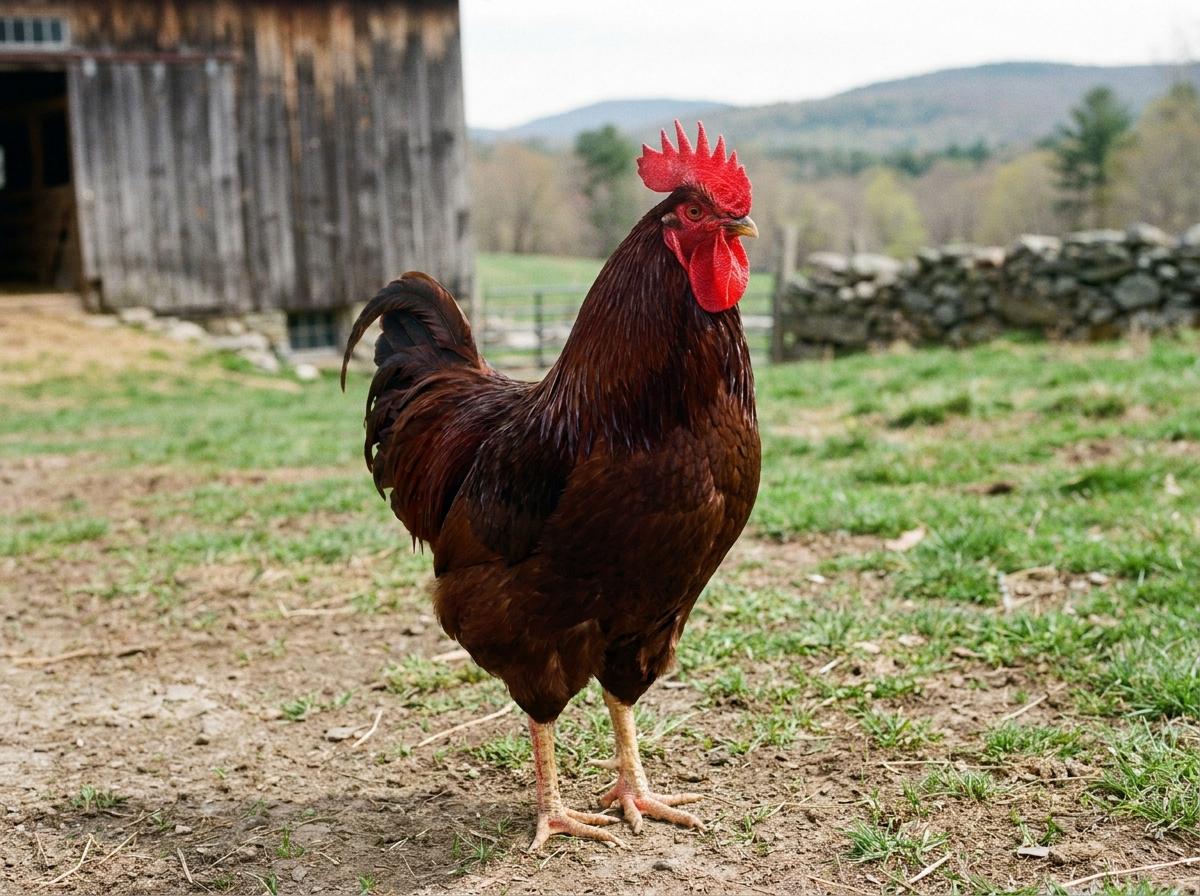
Do not buy Aseel expecting the output of a specialized production layer. Compare the Plymouth Rock and Rhode Island Red guides if egg supply is the goal. Ask a breeder for its actual flock records rather than a universal breed promise.
Buying and documenting birds

Watch the bird move. Look for clean eyes and nostrils, sound legs and normal behavior. Ask for age, parentage, treatment history and any separation the bird has needed. The where to buy chickens guide explains source checks; the feeding guide helps plan a ration for its life stage.
A Creatures profile can hold identity, photos and health records. Track actual egg or breeding outcomes instead of repeating a promised number. The egg records guide explains why observations beat a guess.
Record each pen’s feeding, water and separation checks in a farm care plan so another caretaker can follow the Aseel housing arrangement.
Manage male birds and growing stock
The ICAR Aseel listing identifies an Indian native breed with regional variation. Its gamefowl history makes housing a practical buyer question. Mature Aseel males generally need secure separate housing; young stock can also fight as it matures. Ask where the seller houses each age and sex group and where you will keep a bird during introduction or if aggression emerges.
A separate pen also lets you monitor appetite, droppings and breathing while discussing quarantine with a poultry veterinarian or extension service. The chicken integration guide covers gradual introductions, but do not force incompatible birds together. Animal fighting is illegal under 7 U.S.C. § 2156; historical selection is context for humane separation, never an activity to recreate.
Frequently asked questions
Is Aseel one uniform type?
No. Regional and breeding-line variation exists. Ask what documented line a breeder keeps.
Is Aseel a specialized laying breed?
It is not generally selected for that role. Ask for the flock’s real laying records.
Do Aseel birds have to fight?
No. Welfare-minded keeping avoids animal fighting and plans compatible housing.
Do this next on Creatures
Choose the action that fits your stage, whether you are comparing animals, keeping one or building a breeding program.
Watch supply. Set a free listing alert; supply may be thin. See saved searches.
Compare sources. Browse current listings and the breeder directory. Ask for an individual animal’s history.
Start a profile. Add your animal and follow the profile guide.
Keep records. Add a record for identity, health, breeding or measurements. The sheet opens for visitors; a free account saves it. See adding a record and health records.
Make your operation findable. Create an organization profile and read the directory guide.
Keep learning. Explore the chicken breed index and care reminders.