
Russian Orloff
Author: Elliott Garber, DVM · Published
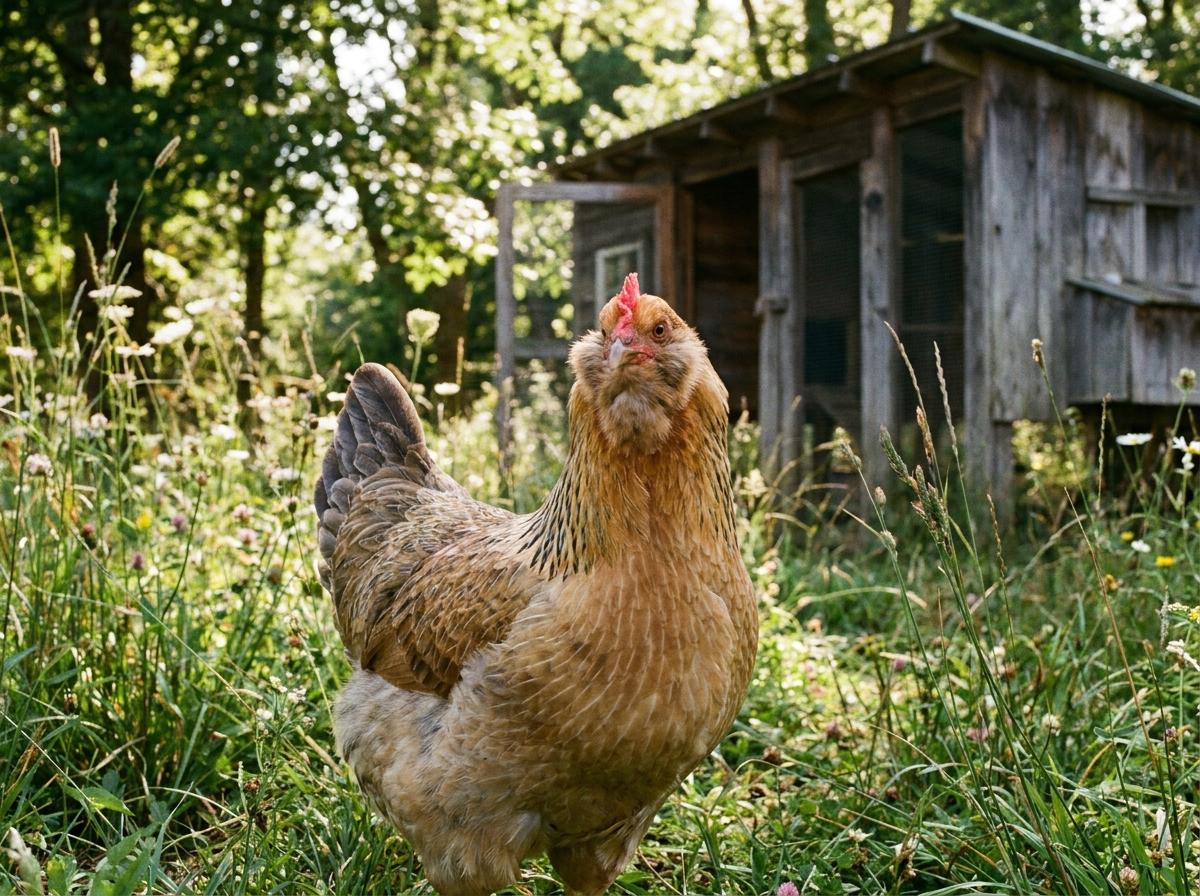
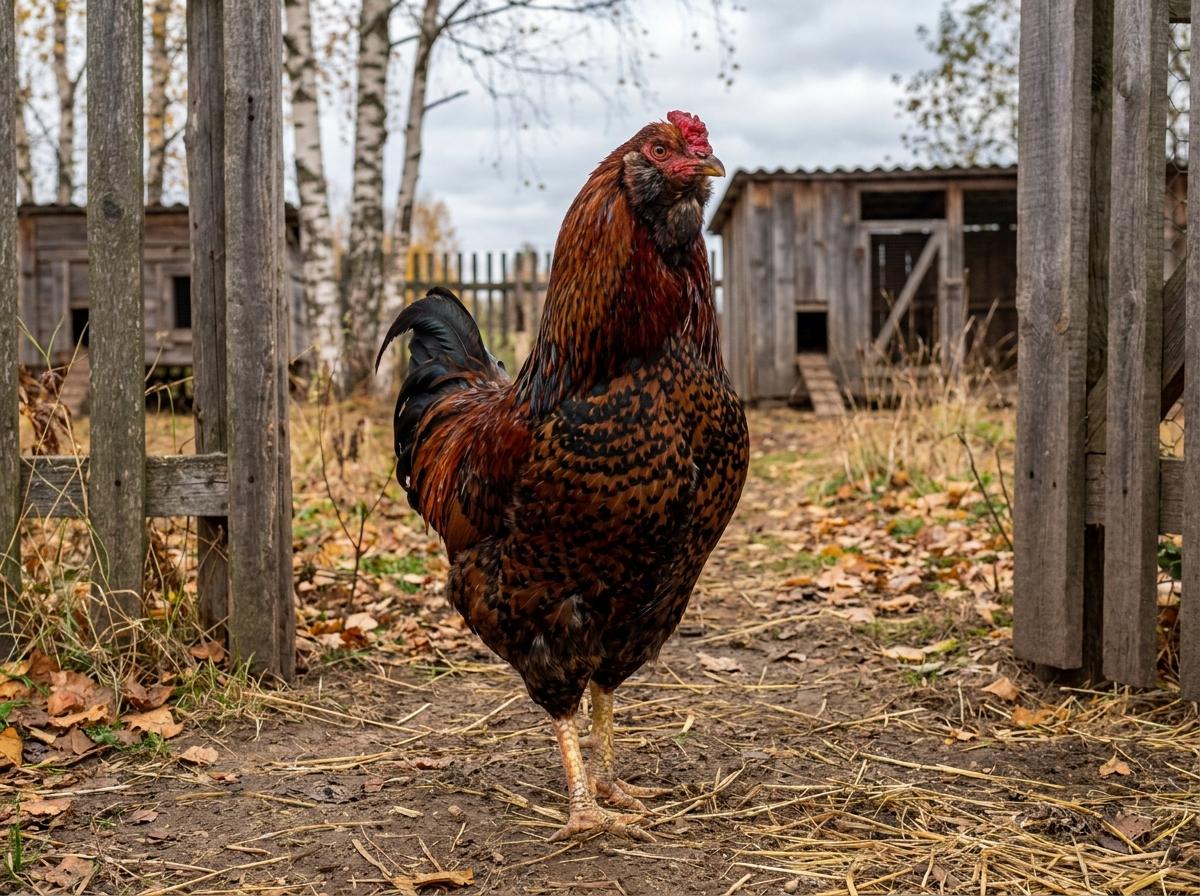
The Russian Orloff is a tall, bearded, game-shaped heavy chicken built for cold. Its trademark is a head that looks nothing like a normal hen’s: a shaggy white beard, thick muffs ballooning out over both cheeks, and a comb so small and knobbly that hard frost has very little to freeze. It is genuinely rare. The Livestock Conservancy lists it as Threatened on its Conservation Priority List, and it is not in the current American Poultry Association Standard of Perfection. This page covers what the bird actually is, why sources disagree so sharply about where it came from, what it lays, how it behaves in winter, and what to check before you buy one. If you are still comparing breeds, the Creatures chicken species page is the place to line it up against the alternatives.

| Also called | Orloff, Orlov, Orloff Russian, Orlovskaya in Russia |
|---|---|
| Named for | Count Alexei Grigoryevich Orlov-Chesmensky (1737 to 1807 or 1808) |
| Origin | Disputed. Russian specialists say central Russia, late 18th century; Western sources say Persian Gilan roots, and The Livestock Conservancy says 19th century promotion; founding crosses unresolved |
| Class | Heavy, game-shaped ornamental and meat fowl; soft feather heavy in Britain |
| Diagnostic head | Full beard and muffs, tiny bumpy walnut comb, minute wattles, heavy brow, hooked yellow beak |
| Weight | Male about 8.5 lb and female about 6.5 lb in the US listing; Russian type about 3.5 kg and 2.5 to 3 kg |
| Eggs | Modest. About 100 a year in US sources, 160 to 180 in Russian breed literature |
| Egg colour | Light brown or tinted in US listings; white with a greyish tint in the Russian standard |
| Best known for | Extreme cold hardiness once mature, and combs that resist frostbite |
| Conservation status | Threatened on The Livestock Conservancy priority list |
| US recognition | Not in the current APA Standard of Perfection. Bantams recognised by the American Bantam Association per the breed club |
| Availability | Chicks from a handful of hatcheries, roughly five to ten dollars each; adults scarce and unpriced |
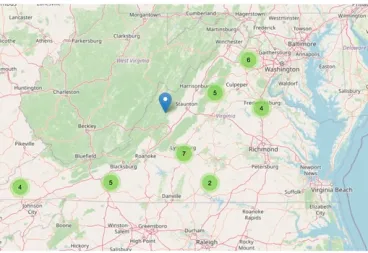
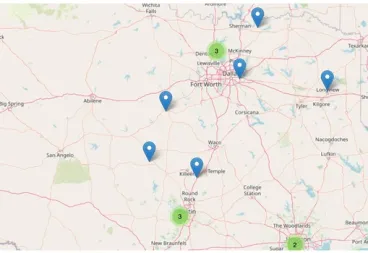
Browse listings, public profiles, breeders, or add your animal.
What is a Russian Orloff chicken?
The Russian Orloff is a large, upright, heavily feathered chicken with the silhouette of a gamefowl and the face of an owl. It takes its name from Count Alexei Grigoryevich Orlov-Chesmensky, a Russian nobleman of Catherine the Great’s court who kept and improved livestock, dogs and poultry after his military career, and who also gave his name to the Orlov Trotter horse.
Two things separate it from almost everything else in a backyard flock. The first is the head. A dense white beard hangs under the beak and covers the throat, and puffy muff feathers bulge from both cheeks and sweep back past the eyes, so the whole face sits inside a ball of feathering. The second is what is missing: instead of a tall red blade, there is only a small, low, bumpy comb pressed forward on the skull, and wattles so reduced that the beard hides them entirely. Those two features together are why the breed survives winters that damage large-combed birds.
It was never a production chicken. The breed was created as an ornamental fowl and selected alongside that for meat and eggs, and the meat was prized as fine and lean, particularly over the breast. What you get today is a striking, hardy, moderately productive bird that takes patience to raise and is hard to find.
What a Russian Orloff looks like

The beard and muffs
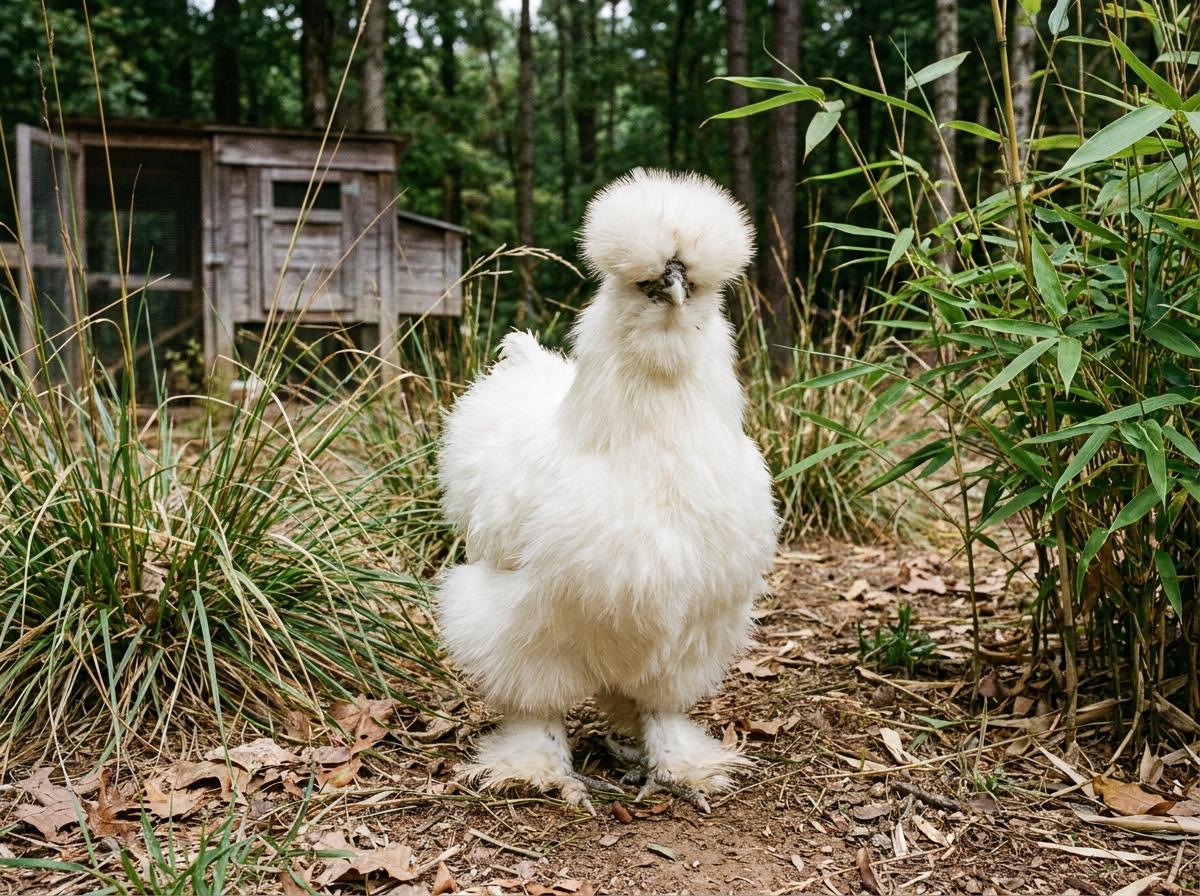
The beard and muffs are not decoration added to an ordinary head. They are the visible effect of a single incompletely dominant variant, known to breeders as Muffs and beard, and the genetics of it are now well described: a complex structural change on chicken chromosome 27, involving three duplicated regions, that switches on the gene HOXB8 in facial skin where it is normally silent (Guo and colleagues, PLOS Genetics, 2016). The same variant is behind the face feathering of the bearded Silkie, the Brabanter and several Chinese bearded breeds, so an Orloff’s beard is a shared trait rather than a breed-unique one. In the Russian breed standard the beard is wedge-shaped and heavy under the beak, and the muffs curve back behind the eyes. Hens carry it too, and in hens the size varies a great deal from bird to bird. Some of that variation is dosage: because the variant is only incompletely dominant, birds carrying one copy tend to have smaller muffs and beards than birds carrying two.
The tiny walnut comb
Descriptions of the comb vary because the shape has several common names. The Livestock Conservancy calls it a cushion or strawberry comb; the Russian standard calls it a walnut and describes it as resembling a raspberry cut along its long axis, covered in small tubercles with fine feathers growing between them. These are the same thing genetically. A walnut, strawberry or cushion comb is what appears when a bird carries the dominant Rose-comb allele and the dominant Pea-comb allele at once, an epistatic interaction between two well-characterised mutations (Headon, PLOS Genetics, 2015). Whatever you call it, the practical point is that it is small, low, and sits far forward near the nostrils, and that anything else on an Orloff is a fault: the Russian standard disqualifies any comb other than a walnut.
Body, posture and colour
The rest of the bird reads as a gamefowl that was never fought. It is medium to large in the body with broad shoulders, a strong frame, well-developed muscle and an elevated carriage. Older Russian stock stood more horizontally and the newer type stands closer to semi-vertical. The neck is long with an abundant hackle that is very thickly feathered where it joins the head. The head itself is medium sized with an unusually broad frontal bone and pronounced brow ridges, which gives the bird a hawk-like stare, and the eye is amber to red. The beak is short, thick, deep at the base and sharply hooked, and yellow. Shanks are medium length, thick, clean of feathering and yellow, on four toes.
Colour is where regional standards separate most. The Russian literature records Black-Breasted Red, Brown-Breasted Red, Spangled, Mottled, Brown-Breasted Mahogany, Black-Breasted Mahogany, Cuckoo, White and a now-rare Black. The Livestock Conservancy describes three varieties in the United States, red, white and spangled, with black once popular and now seldom seen, and notes that the British Standard lists black, mahogany, spangled and white. Cuckoo and mahogany large fowl were developed in Germany. In practice, nearly every Orloff a North American buyer will meet is Spangled, and it is worth knowing that the spangled pattern does not finish developing until about two years of age and is complicated to breed true.
Where the breed actually comes from, and why sources disagree
This is the part of the Orloff story most breed pages get wrong by picking one side and stating it flatly. There are two positions, both from serious sources, and they do not agree.
The Western position, given by The Livestock Conservancy, is that the breed first appeared in Persia as the Persian Gilan chicken and was present in eastern Europe and Asia by the 17th century, with Count Orlov importing and promoting it in Russia in the 19th century. The Poultry Club of Great Britain puts it the same way, saying the breed came originally from the Gilan province of northern Iran, where it was known as the Chilianskaia, and that some birds were taken to Moscow and renamed after the Count.
The Russian position comes from the specialists who have studied the breed’s genetics longest. Irina Moiseyeva, Michael Romanov and colleagues, whose overview of the breed’s history and status was published in the Proceedings of the Timiryazev Agricultural Academy in 2016 (record at the University of Kent), place the origin in central Russia in the late 18th century, at Count Orlov’s estate. In a longer public account of the same team’s research (Aviculture Europe, 2013) they call the claim of a sole Persian origin an erroneous assertion, and they give a concrete reason: the Gilan existed in Russia in the early 20th century as its own separate breed at the same time as the Orloff, and the two differ in many traits. The Gilan has a small elongated head with a white beak and white shanks; the Orloff has a rather large head with a yellow beak and yellow shanks. The clear similarity between them is the beard and muffs. They also point out that the founding stock was never firmly established, and that the competing 19th and early 20th century hypotheses were Gilan chickens crossed with an unknown bearded breed, or Malay crossed with crested or bearded fowl. They add that Count Orlov was fond of cockfighting and imported English gamecocks, and that Orloff offspring occasionally show traits of the Gilan and of the Old English Game, but they stop short of naming those imports as founding stock.
A fair summary is this. The agreed part is Russia: both accounts have the bird taking its modern form there under Count Orlov. The English gamecock connection is not agreed, only attributed differently: The Livestock Conservancy’s account says it is thought the Count bred his imported English gamecocks to the Gilan chickens, while the Russian authors record only that he was fond of cockfighting and imported English gamecocks, and that some Orloff offspring show Old English Game traits, which is a hint rather than a documented founder. Neither the founding stock nor the exact chronology is settled. Moiseyeva and colleagues state plainly that the original stocks have not been clearly determined, and of the two hypotheses they record, only one puts a Persian bird in the ancestry at all. On dates, they place the work at Orlov’s estate in the late 18th century, while The Livestock Conservancy dates his importation and promotion to the 19th century, which given his death in 1807 or 1808 leaves a narrow window. Treat any page that hands you a single founding cross and a firm date as more confident than the sources behind it.
Is the Russian Orloff a recognised breed?
The present-tense answer is simple, and the historical answer is a genuine mess.
Today, in the United States: the Orloff is not in the American Poultry Association Standard of Perfection. It sits in no APA class, so it cannot be shown as a standard large fowl breed. The Russian Orloff Society reports that the Orloff bantam is recognised by the American Bantam Association in Spangled and White, and describes both as extremely rare, with a very small number of active breeders. That bantam claim comes from the breed club rather than from a machine-readable ABA list, so treat it as the club’s own reporting.
Historically: The Livestock Conservancy states the breed was in the APA Standard of Perfection from 1875 until 1894, when it was dropped for lack of popularity, and that the first APA standard described a bird with a rose comb without a spike and solid black plumage. Moiseyeva and colleagues agree the APA included the breed in an earlier Standard, but add that it was listed in the United States under the name “Russians”. The Russian Orloff Society disputes the whole account, arguing that the bird the APA listed as “Russians”, originally introduced to American readers as the Black Russian Fowl in Poultry World in November 1872, was a different breed entirely, and that Russian Orloffs were never accepted by the APA at all.
There is one small piece of internal evidence worth flagging, because it is checkable in seconds. The Livestock Conservancy’s own Conservation Priority List files the Russian Orloff under chickens imported after 1900, which does not sit comfortably with its breed page dating an APA listing to 1875. That does not settle the argument, but it does show the dating is unresolved even inside a single authority.
Elsewhere the picture is clearer. Britain recognises the Orloff as a soft feather heavy breed under the Poultry Club of Great Britain, an Orloff Club existed there in the 1920s and 1930s, and it was reformed as the Russian Orloff Society in 2011. Germany has its own standard and did most of the work on the bantam form, which has been known there since about 1925 and reached Britain in the 1970s. Russia keeps the breed as a national heritage bird alongside the Orlov Trotter and the Romanov sheep.
How rare is the Russian Orloff?
Rare enough to matter, and not so rare that you cannot buy one.
The Livestock Conservancy currently lists the Russian Orloff as Threatened on its Conservation Priority List, the second most urgent of its categories after Critical. Some older references still describe it as critically endangered; that is out of date against the Conservancy’s current list, so use the list itself rather than a secondary summary. If you want a sense of what the neighbouring categories look like, the La Fleche is listed Critical and the Iowa Blue sits outside the list entirely, which is a useful reminder that “rare” covers a very wide range.
For Russia, the figure the breed’s own researchers published was an estimated population of about 2,000 birds, with stock held at the All-Russian Poultry Research and Technological Institute and the All-Russian Research Institute of Genetics and Breeding of Agricultural Animals as well as on private farms. That number comes from work published in 2013, so treat it as a snapshot of the breed’s scale rather than a current census. No comparable published count exists for the United States.
The breed nearly disappeared once already. Russian enthusiasm for imported foreign breeds had made Orloffs a rarity by the end of the 19th century, and the wars and revolutions of the first half of the 20th century cut numbers so sharply that fanciers believed the original type had been lost. Mounted specimens from 1885 survive in the State Darwin Museum in Moscow. Recovery came from a named handful of hobbyists, including one who brought German-type Orloffs back from East Germany to the Soviet Union, which is why Russian Red and Spangled Orloffs today are usually a mixture of the Russian and German types.
Cold hardiness, the breed’s real selling point

The Livestock Conservancy calls extreme hardiness once mature the chief distinction of the breed, and says these birds tolerate cold and bad weather and can survive when other breeds cannot. The Russian breed literature is blunter still, reporting that grown roosters and hens take frost well, that their combs do not get frostbite, and that they can be kept in unheated poultry houses.
That is not folklore, and the mechanism is ordinary poultry physiology. Combs and wattles are thin, poorly insulated and richly supplied with blood, which is exactly what makes them the first tissue to freeze. Extension guidance on frostbite in chickens notes that the incidence of frostbite is much lower in birds with the smaller comb types such as pea and strawberry, that combs, wattles and toes are the most vulnerable parts, and that roosters suffer most because their combs and wattles are largest. An Orloff carries a tiny walnut comb, wattles small enough to disappear into the beard, and a face and neck buried in dense feathering. It is close to the best-case anatomy for a freezing climate.
Two cautions. The first is the word “mature”. Orloff chicks are slow growers and late to feather, so the hardiness advantage belongs to the adult bird, not to the youngster in your brooder. The second is that a small comb protects the comb, not the flock. The dominant driver of winter frostbite is moisture, not temperature: University of Minnesota Extension points out that chicken manure is about 70 percent water and that high coop humidity combined with cold produces the condensation that causes frostbite. Air exchange without a draft at bird level is the fix, along with dry deep bedding and water that does not freeze. Extension sources differ on supplemental heat, with Minnesota suggesting it below about 35 degrees Fahrenheit and the eXtension poultry guidance warning that heat lamps are a fire risk, so weigh that decision for your own setup. For a breed with this head, dryness and ventilation matter far more than a heater. Our winter chicken care guide covers the routine in detail.
Eggs and production: two sets of numbers
Sources genuinely disagree here, and averaging them would produce a number nobody published.
The Livestock Conservancy describes Orloffs as indifferent layers of small to medium light brown eggs at about 100 a year, and classifies the breed as non-broody. The Russian breed literature reports 160 to 180 eggs a year at an average egg weight of 58 grams, with a shell that is white with a greyish tint, hens starting to lay somewhat later in spring than other breeds and continuing into late autumn, and the incubation instinct partly preserved, with hens described as good and caring mothers.
Both accounts are probably accurate about the population each one describes. The birds in Russian collections and the birds behind a US hatchery listing are not the same gene pool, and the breed’s own researchers note that Orloffs carry wide genetic diversity and are not genetically uniform across populations. What that means for you is practical: ask the seller what their own hens actually lay and what colour the eggs are, rather than trusting either published figure. Nobody is going to keep this breed for egg volume anyway. If you want production numbers, the best egg laying chickens comparison is the place to look, and tracking egg production is how you find out what your own birds do.
On meat, the breed was selected for a fine-grained, lean carcass with good breast development, and the Livestock Conservancy describes the birds as hard-fleshed, which in poultry language means firm and dense rather than soft. It is a table bird in the old European sense rather than anything resembling a modern broiler.
Slow chicks, late maturity, and what that means for a buyer
This is the part of Orloff keeping that catches people out, and it is well documented rather than anecdotal. The breed’s researchers list late feathering of chicks, slow growth, susceptibility to disease at an early age and an occasional crooked beak as the practical difficulties in breeding Orloffs. Chicks hatch hardy and viable but grow very slowly to about two months of age before picking up speed, feather slowly, and reach sexual maturity late.
Three consequences follow.
- Brooder time is longer. A slow-feathering chick needs its heat source for longer than a fast-feathering breed of the same age. Judge readiness by feather cover and behaviour, not by the calendar. Our raising baby chicks guide covers the brooder setup and the weaning-off-heat sequence.
- Early-life health deserves more attention, not less. Given the documented susceptibility at a young age, keep new chicks separate from an existing flock, watch closely, and have a veterinarian relationship in place before you need it.
- You will wait to see what you bought. The spangled pattern does not fully express until roughly two years old, so a spangled chick or juvenile is a partial preview. If pattern quality matters to you, buy an adult or accept the wait.
Temperament and flock behaviour
Descriptions have shifted over time, which is itself informative. Older Russian sources describe the temper as pugnacious and prone to conflict, while the breed’s modern researchers note that today’s fanciers often praise a calm temperament. The Livestock Conservancy splits the difference usefully: calm but not docile, a bird that handles confinement well but also likes to range, gets on with other breeds, and will stand its ground with more aggressive birds when it has to.
Read that as a bird with presence rather than a lap chicken. It is game-shaped, it carries itself high, and it is not going to be pushed off the feeder. In a mixed flock that is usually an advantage. With multiple cockerels, or in cramped housing, it is a reason to give more space rather than less. Introduce new birds carefully; the flock integration guide covers quarantine and pecking order.
One practical note on the beard. Bearded and muffed birds get their face feathering wet and dirty at the drinker more easily than clean-faced breeds, and wet beard feathering in freezing weather is the one way this otherwise frost-proof head can get into trouble. Nipple drinkers or a drinker with a narrow lip keep beards drier than an open pan in winter.
Keeping Russian Orloffs

Housing
Nothing exotic is required. Give a dry, draft-free but well-ventilated coop with vents placed high above roosting height, deep dry bedding, sturdy perches, secure predator-proof construction and enough floor and roost space that a tall, upright, broad-shouldered bird is not crowded. Orloffs are described as handling confinement well while still enjoying a range, so a covered run attached to good housing suits them. Build to the same standard you would for any heavy breed; the chicken coop guide covers space, ventilation and predator-proofing, and protecting your flock from predators covers the rest.
Feeding
Russian sources describe Orloffs as undemanding about feed and keen on green forage, which fits a breed developed on smallholdings rather than in a production shed. Feed a proper age-appropriate ration as the base, supply grit for birds eating anything other than a complete crumble, and treat pasture and greens as a supplement rather than the diet. The feeding guide covers starter, grower and layer rations and when to switch.
Health and records
There is no breed-specific disease list for the Orloff. Standard flock health applies: a parasite plan suited to your climate, clean dry housing, quarantine for incoming birds, and a veterinarian for anything you cannot identify. The two breed-specific things worth watching are the documented weakness of young stock and the beard, which should be checked for caked feed, ice and mite activity around the face like any muffed breed.
Because this is a conservation breed, records carry more weight than they would in a backyard laying flock. Hatch dates, parentage, lay records, weights and health events are what let a small population be bred deliberately rather than by guesswork, and they are what a buyer of rare stock will ask you for. You can keep all of that on a free animal profile on Creatures, and the health and medical records walkthrough shows how the record types fit together.
What does a Russian Orloff cost?
Day-old chicks are the cheap and realistic entry point. The small number of US hatcheries that carry the breed, among them Murray McMurray, Ideal Poultry, Hoover’s and Privett, list day-old Spangled Russian Orloffs in roughly the five to ten dollars each range depending on the hatchery, on whether the chicks are straight run or sexed, and on order size. Shipping and minimum-order requirements usually add more than the birds do on a small order, so the real cost of getting started is higher than the per-chick figure suggests.
Beyond that, be sceptical of any confident number. Started birds, breeding pairs and exhibition-quality adults from private breeders have no published market rate, and prices move with quality, bloodline and how far you have to travel. Expect to pay a clear premium over a common heavy breed, and expect to wait for availability rather than to choose from a catalogue. For the wider budget picture, the cost of keeping chickens guide covers birds, coop and running costs together, and where to buy chickens covers the channels themselves.
Buying considerations
Because the breed is rare, uncommon in the show ring in the United States, and easy to confuse with other bearded birds, buy on evidence.
- Check the head first. Full beard and muffs, a small low walnut comb, minute wattles, a broad brow, a hooked yellow beak and yellow shanks. The Russian standard disqualifies any comb other than a walnut, poorly developed beard, muffs or hackle, a weakly curved or non-yellow beak, and shanks that are not yellow, so those faults are not cosmetic preferences.
- Check the frame and stance. This should read as a tall, broad-shouldered, upright game-shaped bird. Short legs, a narrow breast, a roached or crooked back and a low carriage are all listed faults.
- On spangled birds, look at the beard colour. A black beard and muffs on a spangled Orloff is a disqualification in the Russian standard.
- Ask which population the birds came from. Russian type, German type or a US hatchery line will differ in size, lay and egg colour. This is the single most useful question you can ask, and it explains most of the contradictions you will read online.
- Ask about flock health testing. Chicks and breeding stock moving between states in the US should come from a flock in the National Poultry Improvement Plan, the voluntary federal and state cooperative testing and certification programme for breeding flocks, chicks and hatcheries. USDA APHIS notes that the vast majority of US states prohibit the entry of poultry shipments other than those designated pullorum-typhoid clean, and the plan now also covers Salmonella enteritidis, three Mycoplasma species and avian influenza.
- Ask for records. Hatch dates, parentage, lay figures and any health history. A serious breeder of a Threatened breed keeps them.
- Do not judge a young spangled bird’s pattern. It will not be finished until about two years old.
If you like the bearded, cold-hardy, unusual-head end of poultry, the same instincts point at a few other birds worth comparing: the bearded Silkie for the same muffs-and-beard genetics in a very different package, the La Fleche for another rare heritage breed defined by its comb, and, outside chickens entirely, the Royal Purple guinea fowl for a hardy, self-reliant yard bird with a similarly confusing variety-versus-breed story.
Frequently asked questions
Is the Russian Orloff actually Russian?
It took its modern form in Russia, under Count Orlov, and Russia treats it as a national heritage bird. What went into it, and exactly when, is not settled. Western sources including The Livestock Conservancy and the Poultry Club of Great Britain trace it to the Gilan chicken of northern Iran, and The Livestock Conservancy puts Orlov’s importation and promotion in the 19th century. The Russian geneticists who have studied the breed longest place its creation at his estate in the late 18th century, record two competing founding crosses rather than one, and argue that a sole Persian origin is a misreading.
Is the Russian Orloff recognised by the APA?
Not currently. It is in no class of the present American Poultry Association Standard of Perfection. The Livestock Conservancy says it was listed from 1875 until 1894; Russian researchers say the APA listed it under the name “Russians”; the Russian Orloff Society argues that the APA’s “Russians” was a different bird and that the Orloff was never accepted. The bantam form is recognised by the American Bantam Association according to the breed club.
How cold-hardy is it really?
Among the hardiest chickens available. The tiny walnut comb, near-absent wattles and heavy face and neck feathering remove most of the tissue that normally freezes, and the breed’s own literature reports that mature birds keep their combs intact in unheated housing. The advantage belongs to adult birds; chicks are slow to feather and need normal brooder care.
How many eggs does a Russian Orloff lay?
Modest, and the published figures conflict. US sources put it near 100 a year of small to medium light brown eggs; Russian breed literature reports 160 to 180 eggs averaging 58 grams with a white, greyish-tinted shell. Ask your seller what their own hens do.
Do Russian Orloff hens go broody?
It depends which population you have. The Livestock Conservancy classes the breed as non-broody, while Russian sources say the incubation instinct is partly preserved and hens make good mothers. If you want reliable hatching, plan on an incubator or a broody of another breed.
Are they good for beginners?
They are calm enough and hardy enough, but the chicks are slow-growing, slow-feathering and more fragile early on than a commercial hybrid, and the birds are scarce and expensive to replace. A first-time keeper can absolutely manage them, but starting with a couple of hardy common birds first is the lower-stress route.
What is the difference between a Russian Orloff and an Orloff bantam?
The bantam is a miniaturised version developed in Germany from about the 1920s, with its modern types settled in the late 1940s and early 1950s. It reached Britain in the 1970s. It is a separate show form, not a young or small large-fowl bird.
How long do Russian Orloffs live?
There is no breed-specific figure worth quoting. Use the general expectation for a well-kept backyard chicken, which is covered in our chicken lifespan guide, and remember that a slow-maturing heritage breed spends proportionally more of its life growing.
Do this next on Creatures
Whether you are trying to find Russian Orloffs, already keeping them, or breeding a Threatened breed and wanting the records to prove it, Creatures is the marketplace, directory and records layer to do it in one place.
Find birds. Browse Russian Orloffs on the marketplace and search trusted breeders and farms in the Creatures directory. New to it? Read saving searches and using your watchlist, and see where to buy chickens for the wider picture on chicks, pullets and hatching eggs.
Get told when one appears. Stock surfaces in ones and twos, so set a free Russian Orloff listing alert and we will email you when one is posted. No account needed to start.
Add your birds. Already keeping Orloffs? Create a free profile for a bird in a couple of minutes, no account needed to start. The walkthrough is in adding an animal to Creatures.
Keep the records a rare breed needs. Add a hatch, weight, lay or health record. The record sheet opens for any visitor to look around, and you will need a free account to save what you enter. See adding a record for the how-to.
List your flock. Breeding Orloffs? Create a free breeder profile, no account needed to start, then read getting listed in the breeder directory so people hunting this breed can actually find you, and creating an organization and adding your team if you run your flock with others.
Sell with confidence. Planning to sell chicks or hatching eggs? Learn how seller payout works before you list.